You Could Lose A Whole Afternoon At This Sprawling Kentucky Flea Market
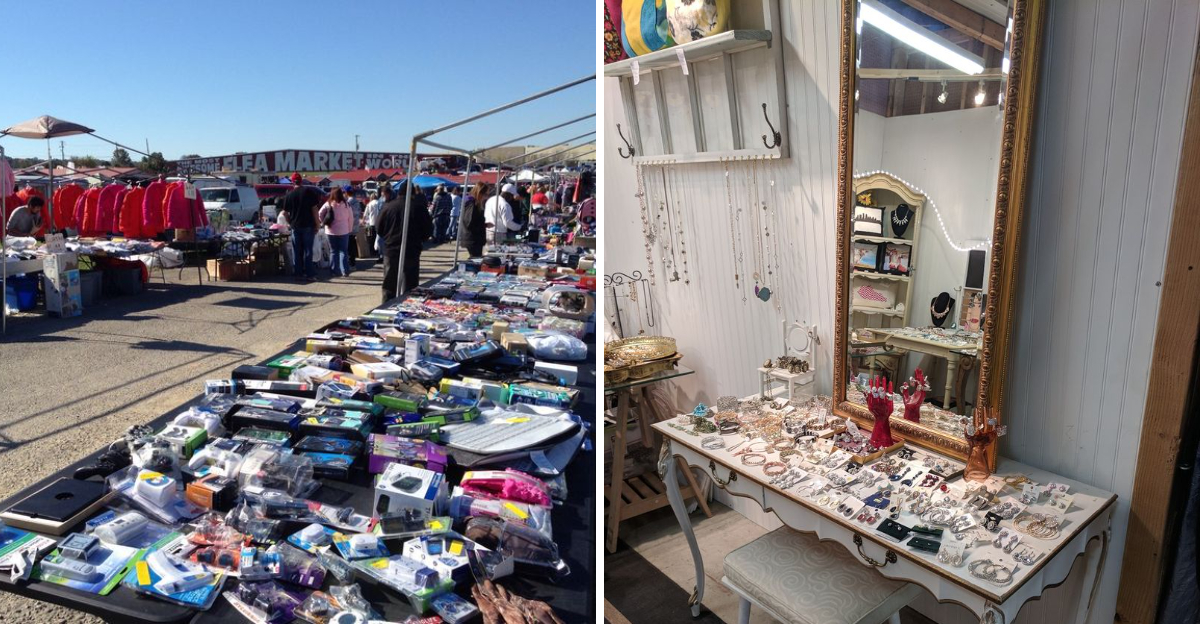
You had a plan. It involved one quick stop and maybe twenty minutes.
That plan is already gone, and you have not even cleared the first building yet. Somewhere behind you is a table of cast iron skillets that deserve a second look.
Somewhere ahead is a man selling vinyl records, license plates, and something taxidermied. You are going to look at all of it.
Your phone will buzz and you will ignore it, because there is a box of old postcards that needs your full attention. This is how Kentucky bargain hunting works.
Time behaves differently between the folding tables, and the outdoor booths are worse. The vendors have watched this happen to better people than you.
You will leave with a lamp you did not need and a story about the lamp, which is the better purchase. Bring cash and comfortable shoes, and clear your Saturday.
The Building That Keeps Going And Going
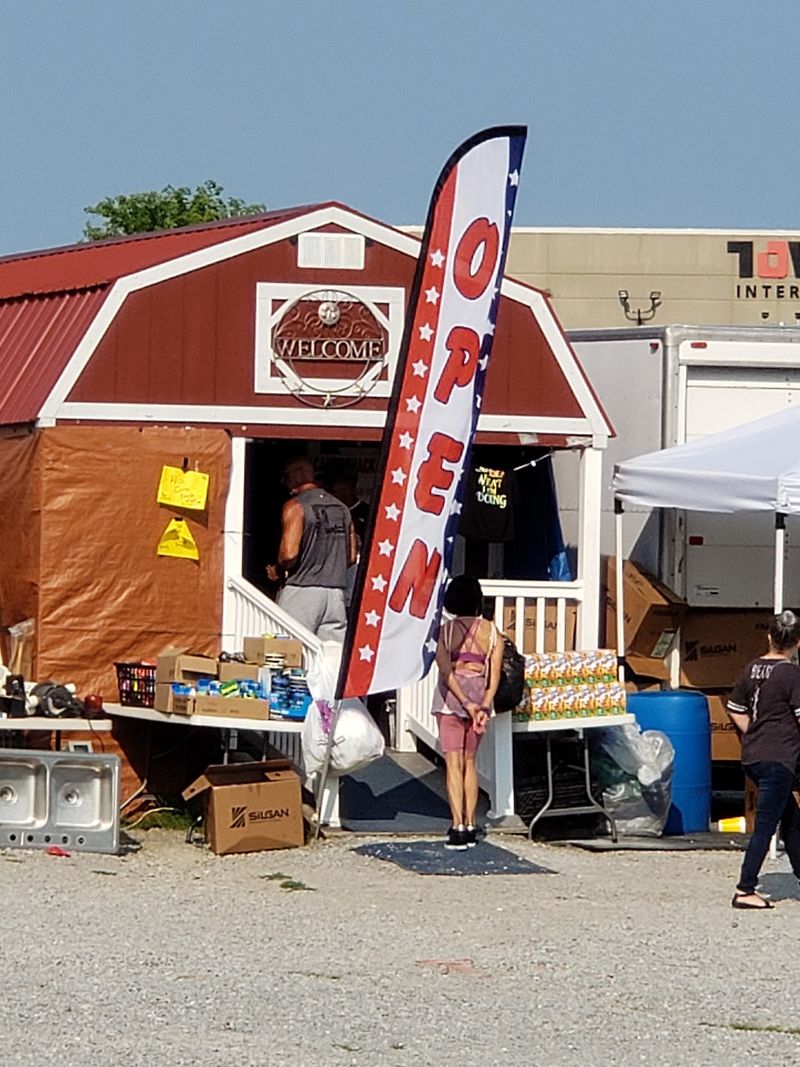
The Awesome Flea Market looks modest from the road and then unfolds like a folded map. Aisle after aisle stretches out under bright lights and low ceilings.
Vendors set up in booths of every size. Some are neat and organized, others look like a garage sale exploded.
Both kinds are worth your attention. The tidy booths make browsing easy, but the messy ones hide the real finds.
Weekends bring the biggest crowds and the fullest booths. Arrive early if you want elbow room and first pick.
The layout rewards patience more than speed. Walking the same aisle twice often turns up something you missed.
Comfortable shoes matter more than you would think. Concrete floors and long distances add up fast.
Bring cash, since not every vendor takes cards. Small bills make haggling smoother too.
You will find it at 165 Dawson Dr, Shepherdsville, Kentucky, just a short drive off the interstate. Parking is free and plentiful, which is half the battle already won.
Antiques That Have Age On Them
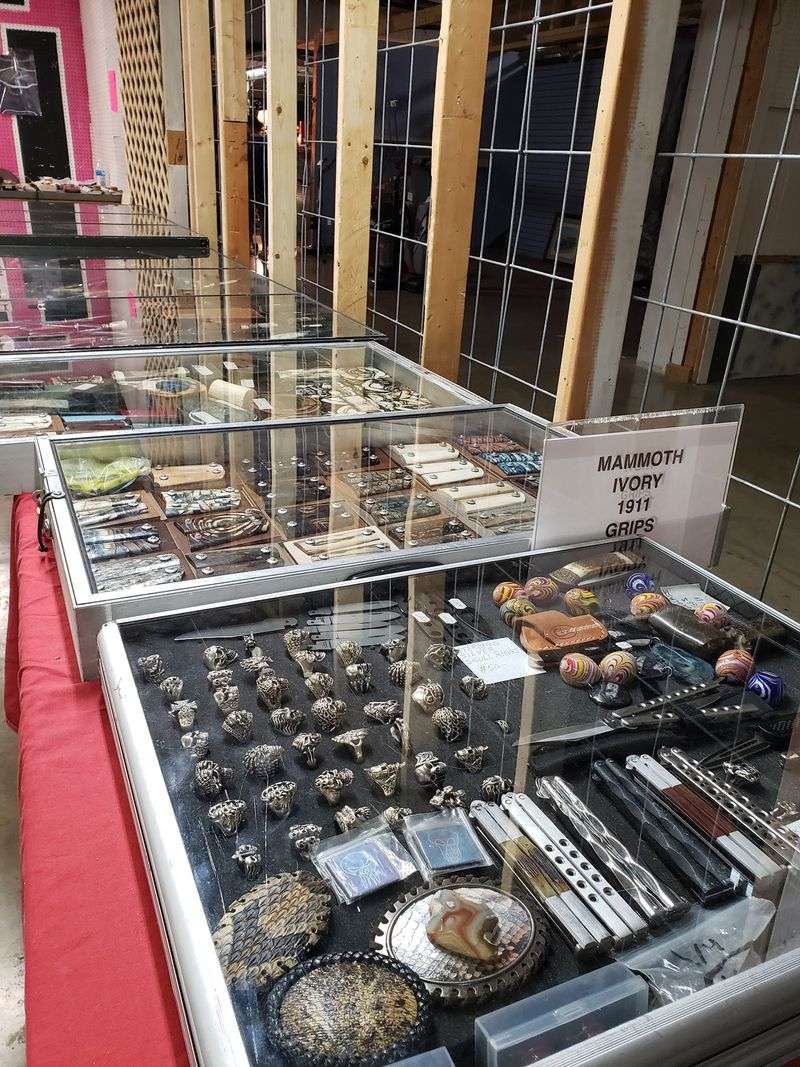
Old glass catches light in a way new glass never does. Whole booths here glow with depression-era dishes and colored bottles.
Furniture shows up too, though it moves quickly. Small side tables and wooden chairs sell fastest.
Sellers often know the history behind their pieces. Ask a question and you may get a ten minute story.
Prices vary widely from booth to booth. The same style of item can differ by twenty dollars twenty feet apart.
That is exactly why walking the full floor pays off. Comparison shopping is part of the fun.
Look underneath and inside everything. Maker marks and stamps tell you what you are holding.
Chips and cracks are common on older glassware. Check the rim with your fingertip before deciding.
Polite negotiating is normal and expected here. A friendly question about the best price rarely offends anyone.
Bring a tote bag or a small box. Fragile finds travel better with padding than in your bare hands.
Vinyl Records And The People Who Guard Them
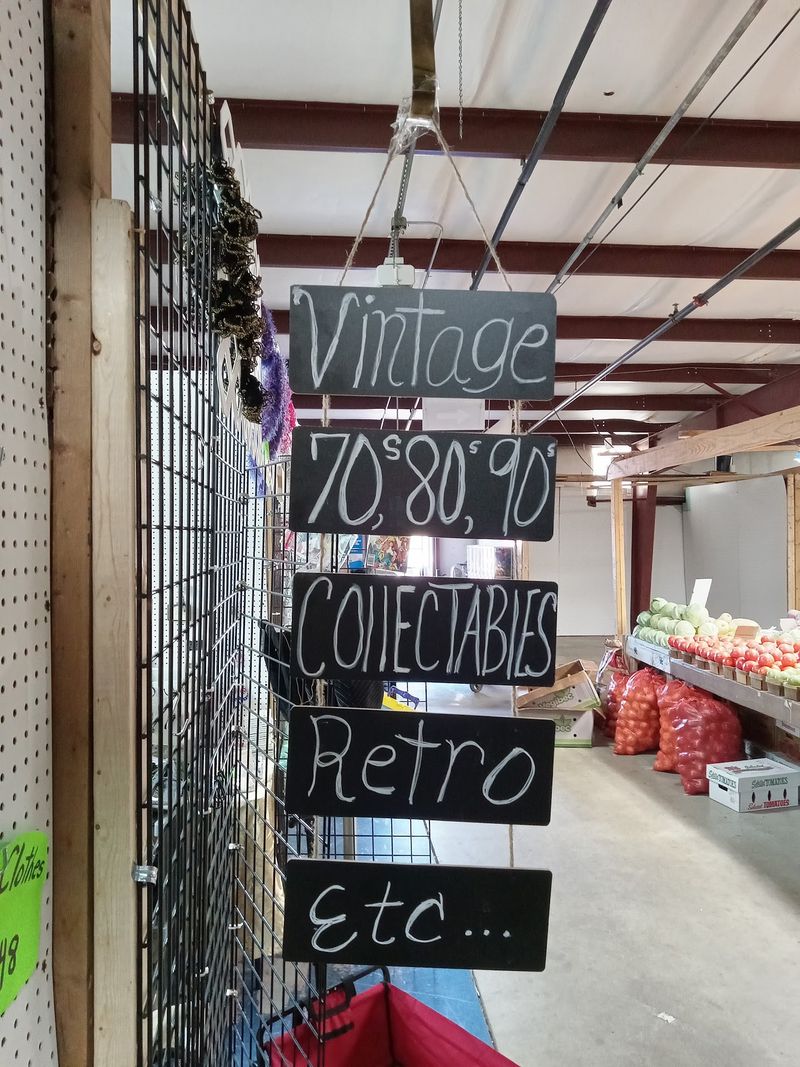
Crates of records sit at hip height, waiting to be flipped. The sound of sleeves sliding past each other is oddly satisfying.
One seller had albums sorted by decade with handwritten dividers. He clearly cared more about the sorting than the selling.
Country, gospel, and classic rock dominate most crates. Kentucky roots show up in the bluegrass sections.
Condition matters more than the cover art. Slide the disc out and tilt it toward the light.
Scratches show as thin white lines across the grooves. Surface dust cleans off, but deep scratches do not.
Prices often land in the friendly range. Dollar bins exist, and they are worth digging through.
Cassettes and CDs share the same tables sometimes. Those bins get overlooked, which keeps them cheap.
Bring a list of artists you actually want. Otherwise you will buy things you already own.
Give yourself twenty minutes per crate minimum. Rushing a record bin defeats the entire purpose.
Snack Stops That Reset Your Energy
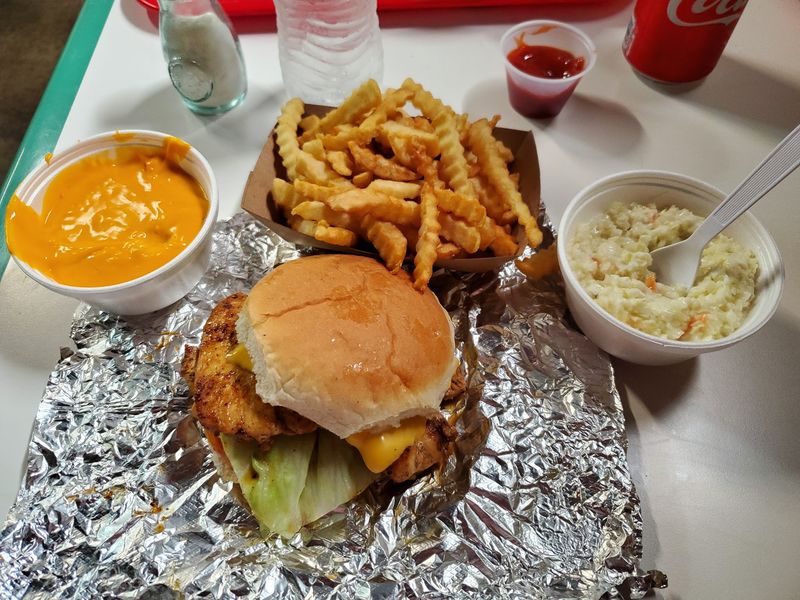
Halfway through the floor, your legs will file a complaint. That is when the food counter earns its keep.
Popcorn and hot dogs are the usual heroes here. Simple food, fast service, no fuss.
Nachos with warm cheese show up on plenty of trays. So do soft pretzels and fountain drinks.
Seating is basic and functional. A few tables, a few stools, nothing fancy.
The real value is the pause it gives you. Sitting for ten minutes doubles how much you enjoy the second half.
Prices stay low, which fits the whole atmosphere. You will not blow your shopping budget on lunch.
Kids handle the long walk better with a snack in hand. Parents figure this out quickly.
Sweet options appear too, like candy and cookies. Fudge and old-fashioned candy show up at some booths.
Eat before you finish shopping, not after. A clear head makes better buying decisions.
Tools, Hardware, And Odd Metal Things
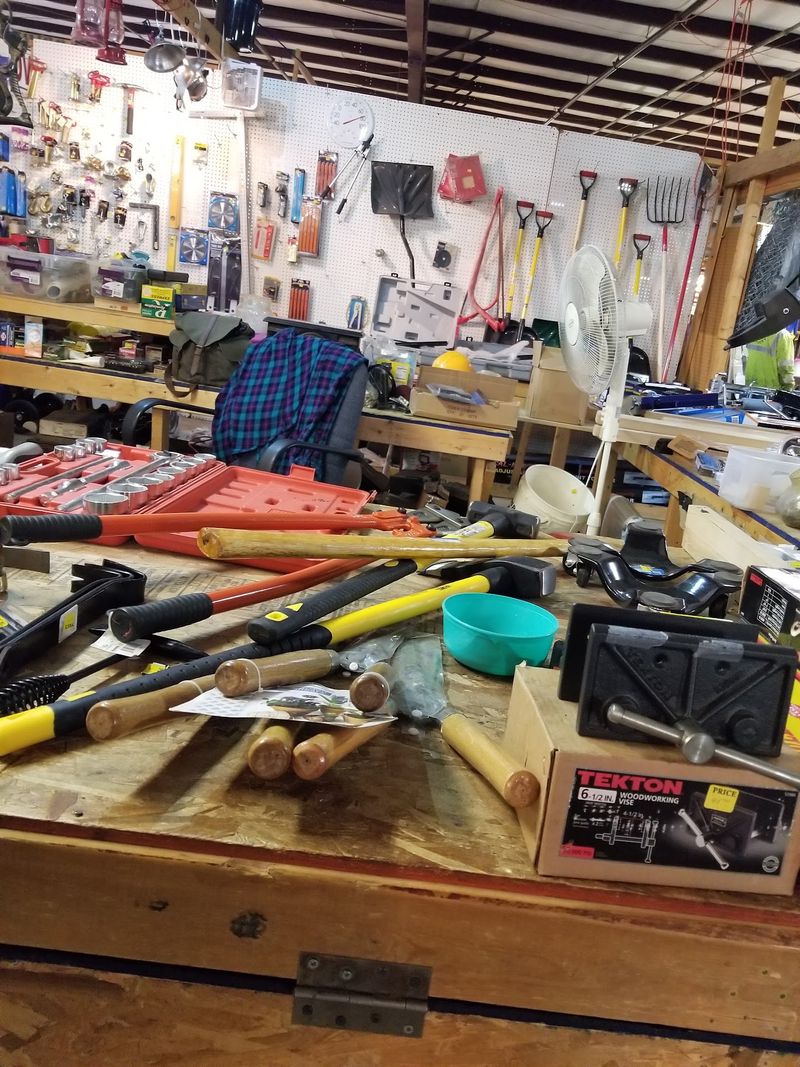
Somewhere in the middle of the market, the mood shifts. Tables of wrenches and hammers replace the porcelain and lace.
Used hand tools fill bins by the hundred. Most cost a fraction of new prices.
Older tools were often built heavier than modern ones. Weight in the handle usually means solid steel underneath.
Check for rust that goes past the surface. Light rust wipes off, but pitting weakens the metal.
Screwdrivers, pliers, and sockets sell steadily. Complete sets are rarer and go fast.
Farm items appear here too, like old hinges and hooks. Decorators buy them as much as builders do.
Sellers in this section tend to be direct. Ask what a tool does and you get a straight answer.
Bring a small magnet if you want to test metal. It is a quick trick that costs nothing.
Hardware hunting rewards regular visits. Stock changes constantly, and the good stuff never waits around.
Toys And Collectibles From Every Decade
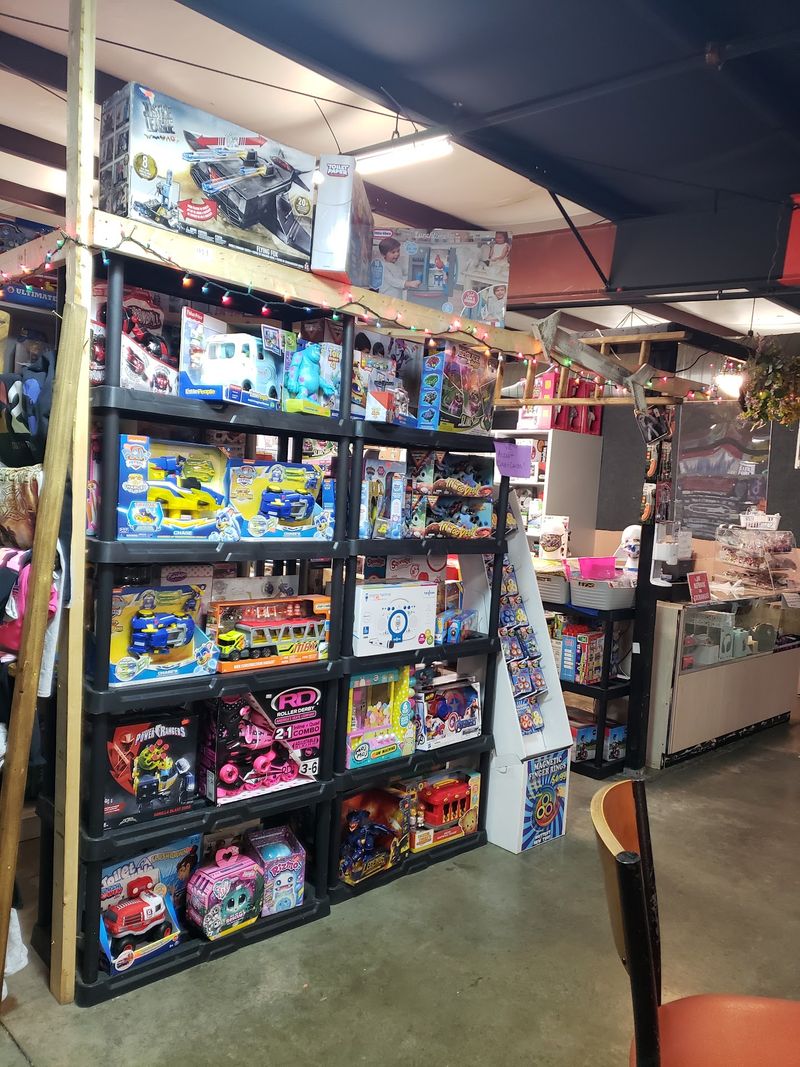
Nothing stops a grown adult faster than a toy from their childhood.
Action figures, die-cast cars, and board games line the tables. Some still sit in original boxes.
Comic books show up in plastic sleeves with cardboard backing. Prices climb sharply for the well-kept ones.
Sports cards fill binders and shoeboxes. Flipping through them is a whole activity by itself.
Trading card sellers usually know their inventory cold. Tell them what you collect and they will point you somewhere.
Loose toys cost far less than boxed ones. Kids who actually want to play do not care about packaging.
Dolls and plush toys have their own corner. Condition and cleanliness drive the price.
Look for missing pieces before buying any game. Sellers rarely guarantee complete sets.
Nostalgia makes people overspend, so set a limit first. That plastic robot is not worth forty dollars.
Still, finding something from your childhood feels good. Sometimes that feeling is the whole point of the trip.
Handmade Goods From Local Makers
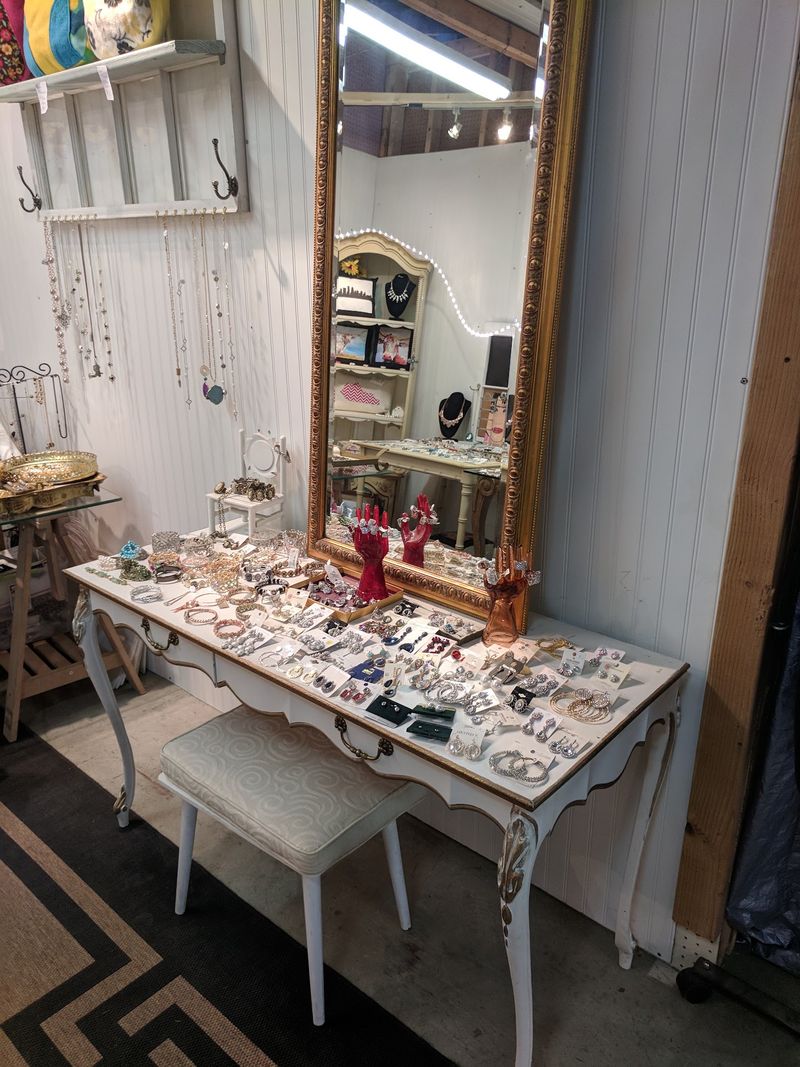
Between the resale booths sit people who made their goods by hand. The difference shows immediately.
Quilts hang folded over racks in bright patterns. Stitching this careful takes serious hours.
Candles, soaps, and wooden signs round out the craft section. Scents drift out into the aisle.
Makers love talking about their process. Ask how something was made and settle in for the answer.
Prices reflect real labor, so they are not bargain-bin cheap. They are still fair for what you get.
Custom orders are often possible. Several vendors take names and requests on the spot.
Gift shopping gets easy in this stretch. One-of-a-kind items beat anything from a chain store.
Knitted hats and scarves appear as the weather cools. Seasonal stock rotates through the year.
Buying here puts money straight into a neighbor’s pocket. That matters in a small county.
Making The Most Of Your Visit
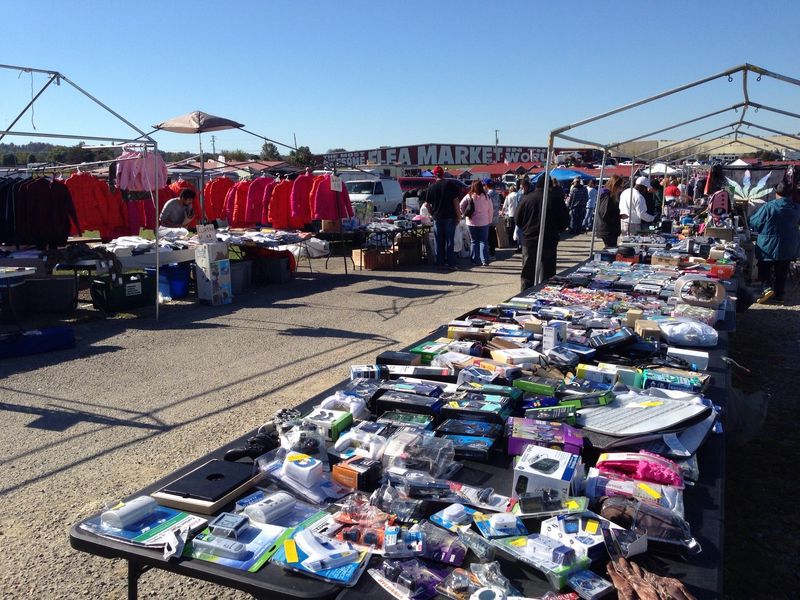
Timing changes the whole experience here. Early morning means quiet aisles and fresh stock.
Late afternoon brings softer prices. Vendors would rather sell than repack.
Weekends draw the fullest crowd and the most open booths.
Cash remains king in most aisles. An ATM run before arriving saves hassle later.
Small bills help when negotiating. Handing over exact change often closes a deal.
Bring a reusable bag or a folding cart. Your arms will thank you around booth thirty.
Take a photo of anything you are unsure about. Circle back after seeing the rest.
Ask questions freely, since most sellers enjoy the conversation. Stories come free with almost every purchase.
Set a budget before walking in the door. It is remarkably easy to lose track.
Plan for at least two hours, though three is safer. Rushing means missing the good stuff.
Kentucky has plenty of shopping options, but few feel this alive. The mix of people and merchandise keeps it interesting every single visit.