This Idaho Llama Ranch Lets You Take Your Own Pack Llama On A Wild Mountain Hike
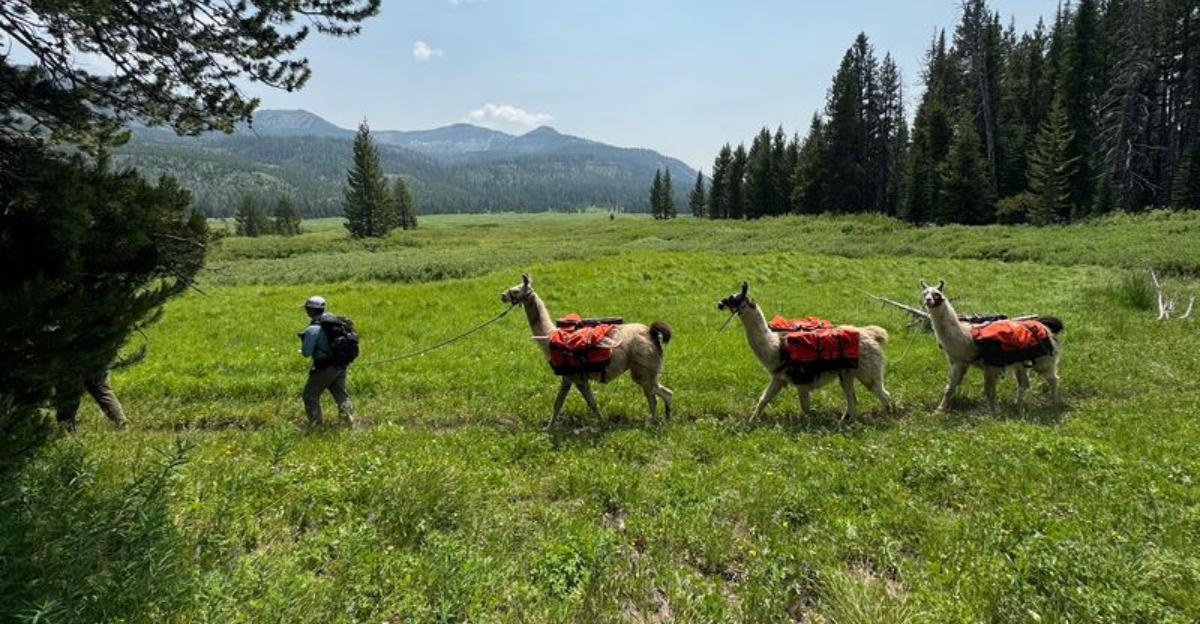
Backpacking gets considerably more civilized when the backpack belongs to a llama.
Outside Idaho Falls, hikers can hand over a serious chunk of their camping load to a four-legged trail partner that has been training for exactly this job. A conditioned pack llama can carry roughly 70 to 80 pounds, which is enough to make sore shoulders suddenly feel very optional.
First-timers do not simply get handed a llama and pointed toward the mountains, either. Training comes first, so everyone learns how to pack properly before heading into the backcountry.
Then the fun begins.
There is something wonderfully ridiculous about climbing an Idaho trail while a llama strolls nearby carrying gear with considerably less complaining than most hiking partners.
The arrangement is practical, old-fashioned, and just strange enough to make the trip unforgettable.
You still have to do the walking.
The llama simply makes sure your tent does not spend the entire hike trying to break your spine.
Meet The Llamas Before Heading Into The Backcountry
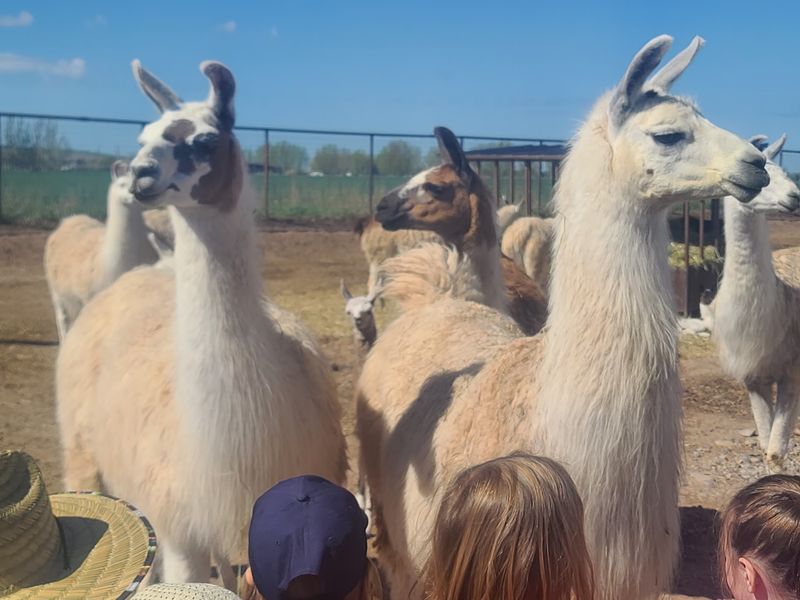
A visit to the Idaho Falls base gives newcomers a chance to discover what these animals are actually like before thinking about miles and backpacks.
Wilderness Ridge Trail Llamas keeps a growing herd of Ccara pack llamas at its ranch and offers ranch tours in addition to rentals, clinics, equipment, and guided hiking experiences.
The business is headquartered at 9038 E Ririe Hwy, Idaho Falls, ID 83401. Ccara llamas are associated with the traditional working type developed in the Andes through generations of selective breeding for carrying loads over long distances and rugged terrain.
The North American Ccara Association still maintains a registry focused specifically on preserving working characteristics in these animals.
At the Idaho ranch, that history becomes much more tangible because the llamas are not simply there to be looked at.
They are conditioned working animals that regularly head into the backcountry. Anyone seriously considering a rental gets even closer during the mandatory clinic, where handling begins at the ranch before the group moves on to practical trail training.
Learn How To Lead And Pack Your Trail Companion
Forty-five minutes at the ranch begins a much more involved introduction to traveling with pack animals.
First-time rental customers start with an orientation covering llama behavior and what to expect, followed by direct practice leading the animals and loading them into a trailer.
The group then heads to a hiking area about 15 minutes from the Idaho Falls ranch for the rest of the hands-on lesson. Saddles, panniers, scales, feeding, water needs, trail etiquette, and safe packing all become part of the session.
The standard clinic takes roughly three to four hours, and Wilderness Ridge Trail Llamas requires it once before a customer’s first rental. Returning renters do not have to repeat the full requirement each time they borrow animals.
Anyone wanting more instruction can choose the Full Day How to Pack with Llamas 101 Course or an overnight clinic that stretches the training across two days and one night. The goal is practical rather than theatrical.
By the end, renters should understand how to handle the llama and its equipment before responsibility shifts from the instructor to the hiking group.
Let Your Llama Carry Gear While You Handle The Hiking
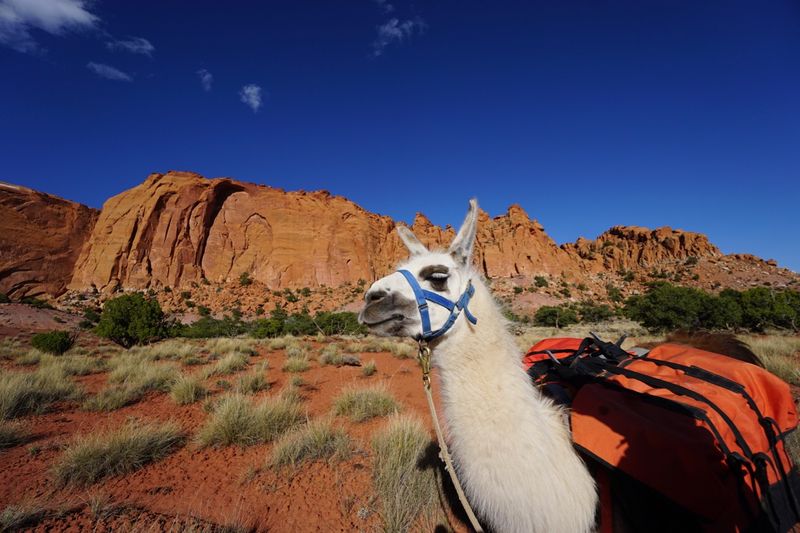
Seventy to 80 pounds disappearing from human backpacks can completely change how a backcountry trip feels.
Mature, conditioned packers in the Wilderness Ridge herd generally weigh between 330 and 420 pounds, with the company expecting its proven adult animals to carry roughly 20 to 22 percent of their conditioned body weight.
That works out to around 70 to 80 pounds for many of the llamas used on trips. The rental package already includes much of the specialized animal equipment.
Saddles, blankets, panniers, a scale, halters, leads, a stake and stakeout lead, feed pellets, mineral supplements, buckets, and identification neck bands are supplied with the llamas.
The scale is particularly important because the weight on each side needs to stay balanced rather than simply being stuffed into the panniers however it fits.
Hikers still carry personal essentials and remain responsible for their own trip planning, but tents, food, cooking gear, and other heavier items can move onto the pack string. Llamas are not riding animals in this setup.
Wilderness Ridge specifically advises against riding them, keeping their role focused on carrying equipment while people do the walking.
Choose A Guided Adventure Or Rent Llamas For Your Own Trip
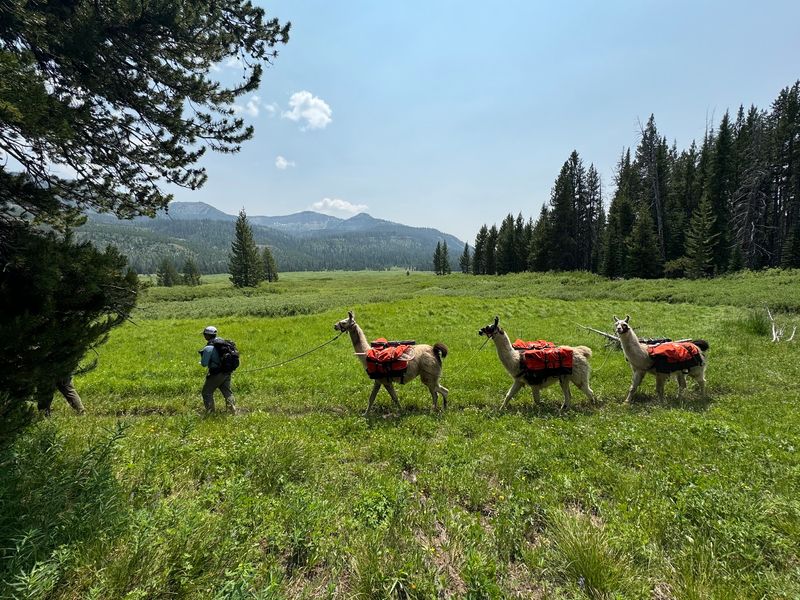
Independence is a major part of the appeal for experienced hikers who already know where they want to go. Wilderness Ridge currently rents trained llamas for do-it-yourself trips, with a three-day minimum and two-llama minimum listed for standard rentals.
The company also helps customers work out how many animals they need and what logistics should be handled before departure.
Rental availability extends beyond the main Idaho Falls base, with additional pickup areas listed around Idaho and several neighboring western states.
Travelers who would rather leave route planning and animal management to someone with more experience can choose one of the company’s guided llama-supported hikes instead.
Current guided trips range from short outings to multi-day treks near Torrey, Utah, on Fishlake National Forest land. These trips do not enter Capitol Reef National Park itself.
Travelers can either rent animals for an independent trip or join a guided trek with more of the planning handled for them.
Tackle Mountain Trails With Food Water And Supplies Off Your Back
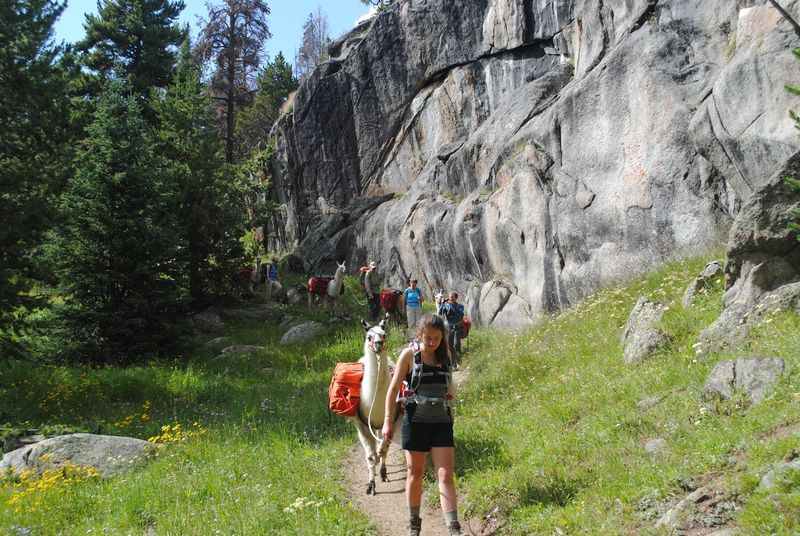
A llama’s feet help explain why the animals work so well on routes built for hikers rather than large livestock. Their split toes sit above broad leathery pads, giving the foot more surface area and grip without the hard hoof found on a horse.
Wilderness Ridge Trail Llamas points to that structure as one reason its packers perform well on rocky and steep ground. The animals are also smaller than horses and generally require less food and water.
Conditioning still determines what is reasonable. The ranch expects a normal working day to fall around four to nine miles, with rest built into longer trips, even though experienced animals occasionally cover significantly greater distances.
That means renting llamas should not be treated as permission to load every possible luxury and race deep into the mountains. Thoughtful weight distribution, appropriate distances, water planning, and breaks remain part of the trip.
The difference is that hikers can transfer a substantial share of food and camp equipment into panniers rather than carrying it on their backs.
For someone accustomed to stripping a backpack down to the bare minimum, bringing a more comfortable sleeping setup or a better camp meal becomes considerably easier.
Get Hands-On Training Before Taking A Rental Llama Out
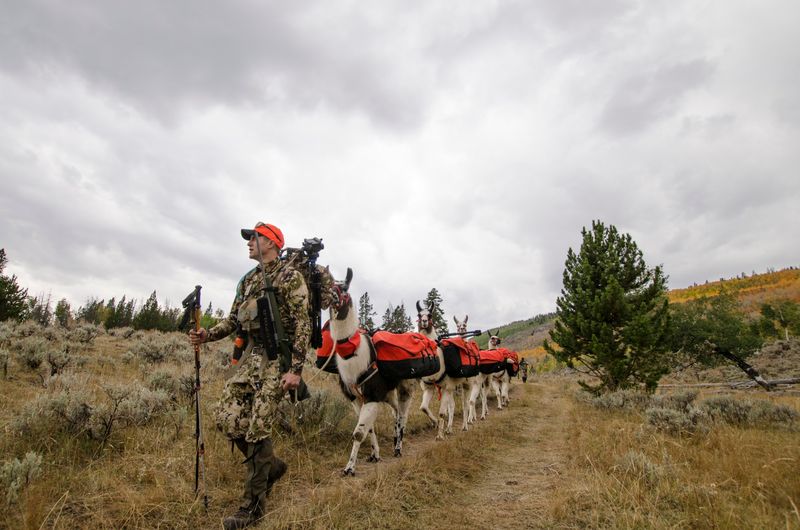
Reading instructions online is not enough to collect a pair of animals and disappear into the Idaho backcountry. Wilderness Ridge Trail Llamas requires its standard llama clinic before a first rental, and the course is deliberately hands-on.
Customers work directly with the animals rather than simply listening to a presentation. Leading comes first, followed by trailer loading and a closer look at the packing system.
Once the group reaches the nearby training area, instructors cover saddles, panniers, balancing loads, trail behavior, feed, water, and other practical concerns.
The clinic usually takes three to four hours and can be scheduled before the trip or, when arrangements allow, on the day before or the day of the first rental.
A digital packing course is also available for people who want to study the process beforehand, but the in-person requirement remains the important step for new renters. By pickup time, customers have already handled the equipment they will use outside the ranch.
That preparation makes the self-guided option much more realistic than simply handing an unfamiliar animal to a hiker and hoping everything makes sense at the trailhead.
Plan A Longer Escape With Multiple Llamas And Camping Gear
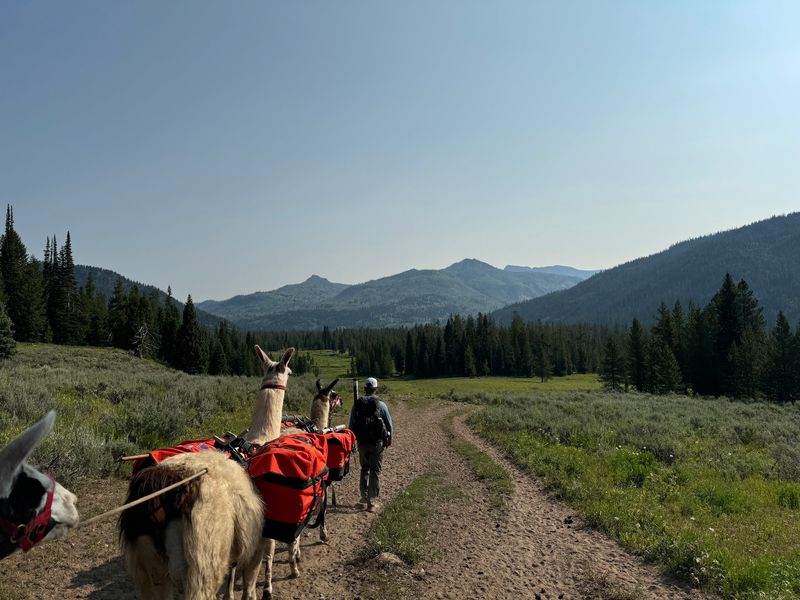
Three days is currently the minimum rental period, so this program naturally lends itself to trips that go beyond a quick afternoon walk.
At least two llamas travel together under the standard rental rules, giving a group substantially more carrying capacity when both animals are mature packers.
That extra room can go toward camping equipment and food without abandoning the weight limits that keep each animal comfortable.
Anyone who wants to practice the complete routine before organizing an independent multi-day outing can choose Wilderness Ridge’s Overnight Llama Pack Clinic.
The course lasts two days and one night, includes meals, and can provide necessary camping equipment when needed.
It takes the lessons from the shorter clinic and places them into something much closer to an actual trip, where packing up and managing camp become part of the experience.
Longer adventures still require sensible daily mileage. The company’s guidance generally puts its working llamas in the four-to-nine-mile range on ordinary backcountry days and recommends occasional layover time during extended travel.
The animals make carrying easier, but a successful trip still depends on matching terrain and distance to both the hikers and the pack string.
Turn An Idaho Hiking Trip Into Something You Will Not Forget
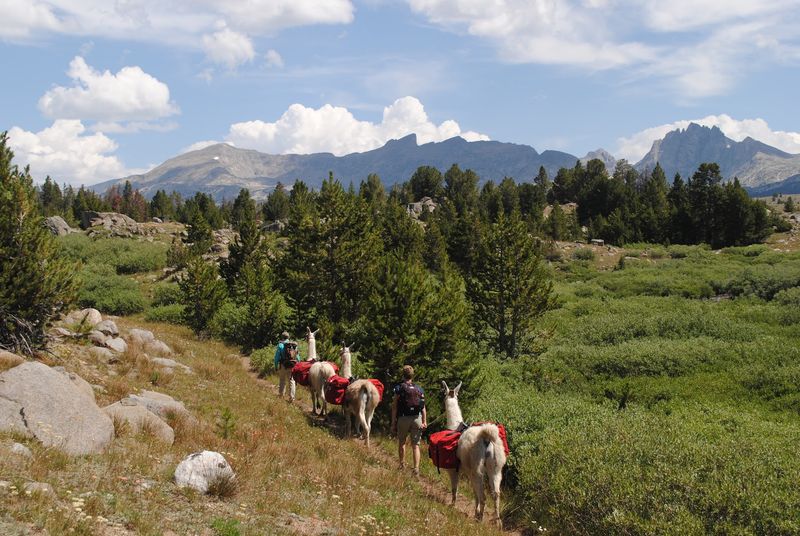
The unusual part is not simply seeing llamas in Idaho. It is learning enough about them to head toward the trail with a trained pack string of your own.
Wilderness Ridge Trail Llamas began in eastern Idaho in 2010 and gradually expanded from guided hiking into rentals, breeding, clinics, ranch tours, and equipment built around working llamas.
Today, the rental program lets qualified customers take conditioned animals on independent adventures after completing the required training.
Trips can be requested directly through the business, with staff helping determine availability and the number of llamas needed before a reservation is finalized. The concept works because the animals remain companions rather than transportation.
Hikers still cover every mile themselves, but much of the heavier equipment travels beside them instead of on their shoulders.
That creates more opportunity to focus on the route and the changing landscape without pretending the backcountry has suddenly become effortless.
For visitors who only want an introduction, the Idaho Falls ranch offers a simpler way to meet the herd. For those ready for something bigger, a trained llama carrying the camp gear can turn an ordinary hiking itinerary into a trip that is difficult to confuse with any other vacation.