10 Ancient Things Archaeologists Found In Kentucky That Will Surprise You
You probably think of Kentucky as a young place. There is statehood, bourbon, horses, and Daniel Boone.
That is fair enough, though it is also about ten thousand years short.
Long before anyone fenced a pasture here, mammoths and giant ground sloths were sinking into the mud. Some of them never got back out.
Their bones stayed put for ages, and a few eventually landed in Thomas Jefferson’s hands.
People were here too, and they were busy. They built a whole city out of earth.
They carried cane torches deep into caves and mined minerals by hand. That was thousands of years before anyone thought to sell a ticket.
None of this sits behind a locked door in a research basement. Most of it is out where you can see it, and you could reach almost all of it this weekend.
Ten stops hold the pieces of one very old story.
1. Wickliffe Mounds State Historic Site
Picture a whole town built with baskets of dirt and no wheels. That is what sits above the Mississippi River at 94 Green Street in Wickliffe.
People of the Mississippian culture lived here roughly between 1100 and 1350. They raised earthen mounds, built houses, grew corn, and traded up and down the river.
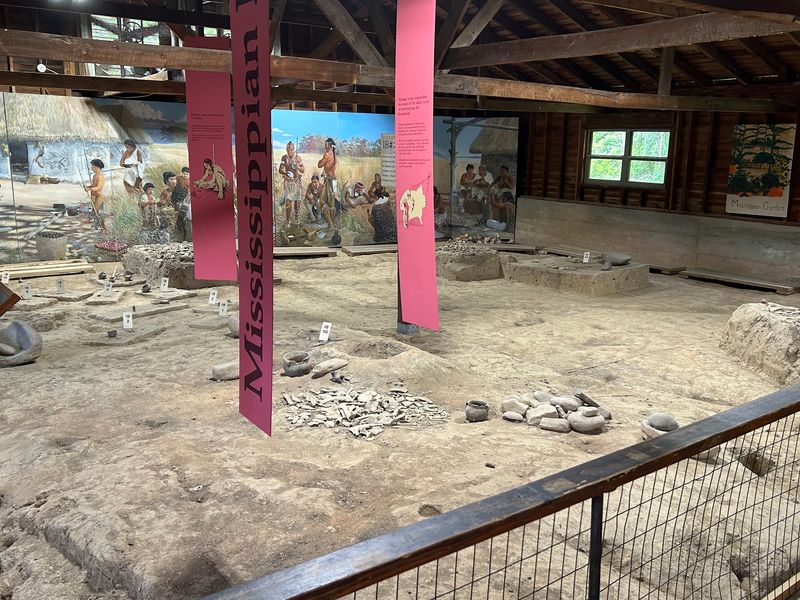
Archaeologists began digging in the 1930s, and the work continues in careful modern form. Excavations uncovered house floors, storage pits, pottery, shell beads, and stone tools left exactly where they fell.
What makes the site unusual is the preserved excavation itself. You walk into a building constructed over an open dig, so you look straight down at the original village surface.
Murray State University once ran the site, and researchers there worked hard to treat the remains respectfully. Human burials that were once displayed have been reinterred, and interpretation now focuses on daily life.
The pottery alone is worth the visit. Some vessels were shaped like animals, others polished smooth, and a few still show fingerprint marks from their makers.
Bring curiosity and comfortable shoes. Trails wind between the mounds, and interpretive signs explain what each rise in the ground actually was.
Kids tend to love the hands-on activity area. Adults usually linger at the display cases instead.
2. Big Bone Lick State Historic Site
Enormous bones once poked straight out of the marsh mud here, and nobody could explain them. Early visitors thought they belonged to giants.
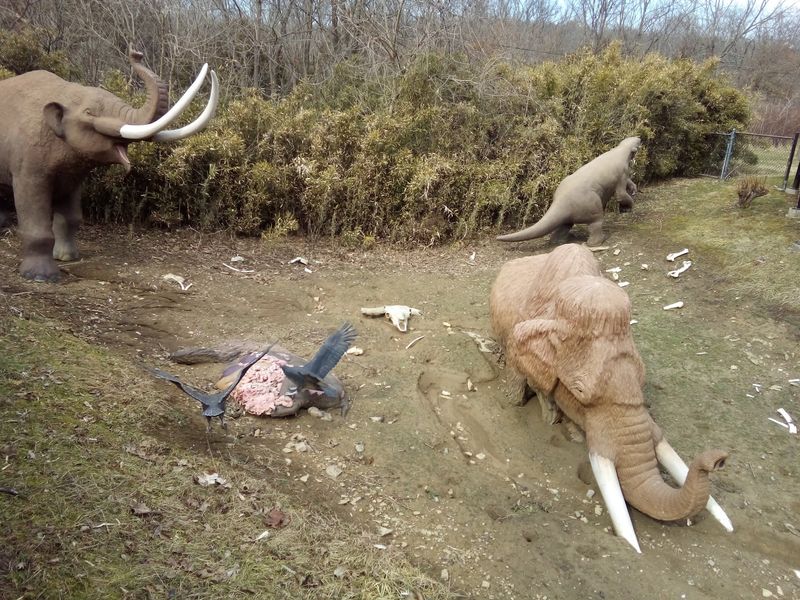
The salty, sulfur-rich springs at 3380 Beaver Road in Union drew huge Ice Age animals for thousands of years. Mastodons, mammoths, giant ground sloths, and ancient bison came for the minerals.
Many got stuck in the soft ground. Their remains piled up, creating one of the richest fossil deposits in North America.
Thomas Jefferson took a serious interest in the bones recovered here. Specimens from this spot helped launch American paleontology as a real field of study.
Meriwether Lewis stopped by in 1803 while heading west and collected fossils for Jefferson. That shipment reportedly went missing along the way, which archaeologists still find frustrating.
The on-site museum displays actual fossils, including mastodon teeth the size of bricks. Seeing one up close changes your sense of scale immediately.
Outside, life-size models stand near the boardwalk over the salt lick. A live bison herd grazes in a nearby field, which feels fitting.
Trails are short and manageable for most visitors. Plan an hour or two, longer if you read every panel.
3. Mammoth Cave Visitor Center
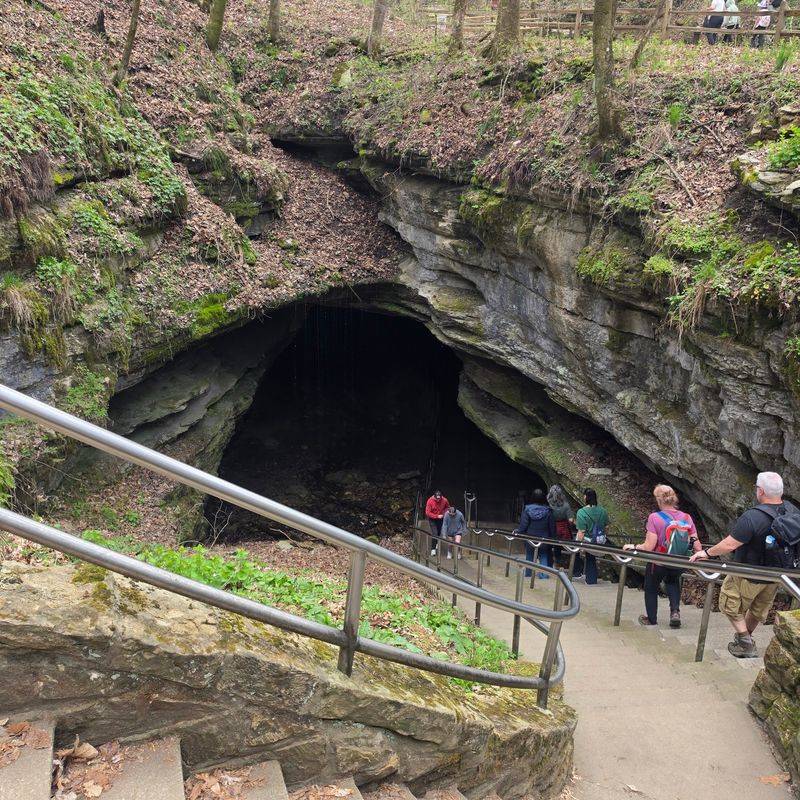
Long before tourists bought tickets, people were exploring these passages by torchlight. They left their gear behind.
The visitor center at 1 Mammoth Cave Parkway sits above the longest known cave system on Earth. Exhibits inside explain what researchers found deep in the dark.
Native people entered these passages more than 4,000 years ago. They mined minerals like gypsum and mirabilite from the cave walls.
Preserved in the dry cave air, archaeologists documented cane torch fragments, woven sandals, gourd containers, and even bundles of plant fiber cord. Organic material almost never survives that long above ground.
Footprints remain pressed into ancient cave sediment in some passages. Researchers treat those areas with extreme care.
A famous discovery came in 1935 when a mummified individual was found inside Mammoth Cave itself. That person has since been reinterred out of respect.
What the artifacts reveal is skill and confidence. These explorers navigated miles of pitch-black passage using reed torches and memory.
Tours vary in difficulty, so check the schedule before you arrive. Some routes focus specifically on archaeology and cave history.
Temperatures stay cool underground year-round. A light jacket beats regretting your shorts.
4. Blue Licks Battlefield State Resort Park
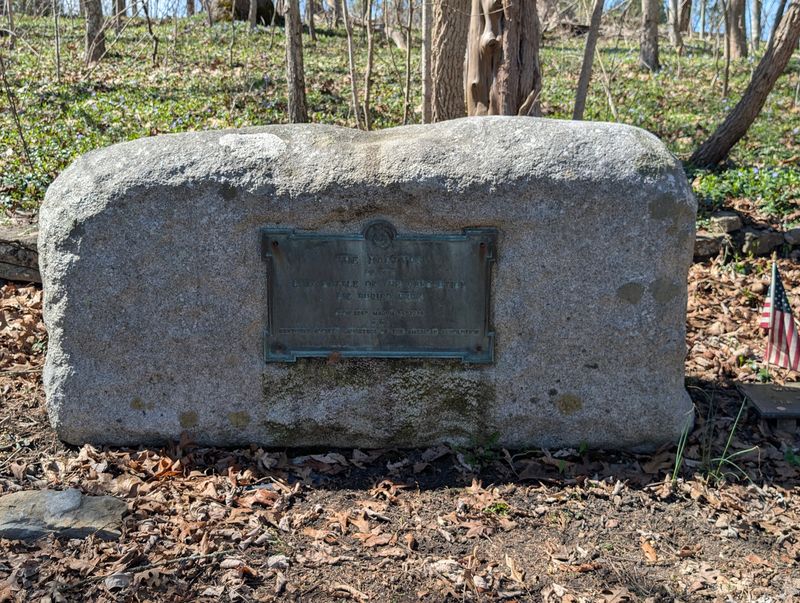
Most people come here for the 1782 history, then walk into the museum and find something far older. Ice Age bones share the building.
The park at 10299 Maysville Road in Carlisle grew around another mineral spring. Like Big Bone Lick, it attracted enormous prehistoric animals.
Fossils recovered from the area include mastodon and mammoth remains. Some are displayed alongside artifacts from later Native American occupation.
Salt springs made this a gathering place for thousands of years. Animals came first, then hunters followed the animals.
Archaeologists have documented stone points, scrapers, and tool fragments across the region. Each one marks a moment when someone stopped here and got to work.
The Pioneer Museum houses much of the collection. Cases are modest in size but genuinely interesting, with clear labels that avoid heavy jargon.
A rare plant called Short’s goldenrod grows in the park. It survives in only a few places on Earth, and botanists suspect ancient grazing patterns helped shape its habitat.
Trails loop through hardwood forest with plenty of shade. Camping and a lodge make it easy to stay overnight.
Admission to the museum is inexpensive. That makes it an easy add-on to any drive through the region.
5. Gladie Visitor Center
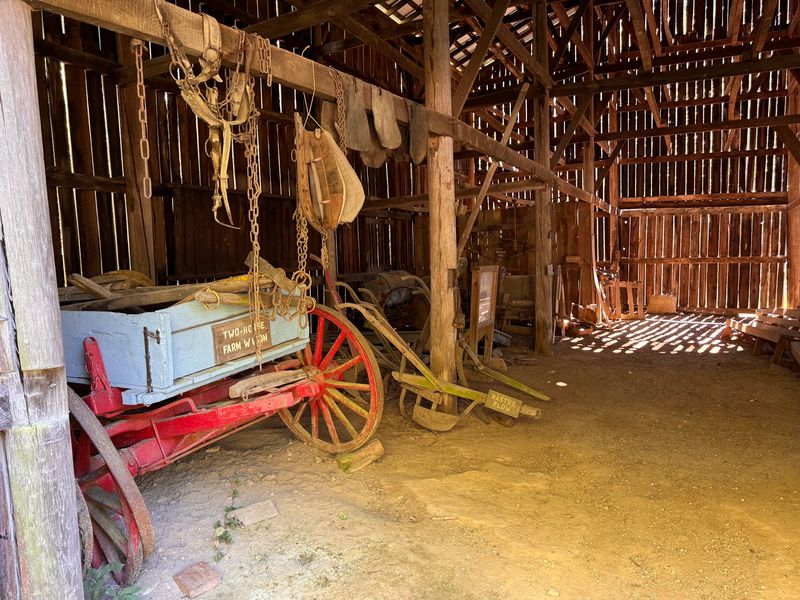
Seeds. Tiny, dried-out, unglamorous seeds.
They rewrote what scientists believed about early farming in North America.
Red River Gorge rockshelters protected plant remains for thousands of years. Dry overhangs kept them from rotting away.
Archaeologists working these shelters found evidence that people in Kentucky were domesticating plants remarkably early. Squash, sunflower, goosefoot, and maygrass all show up in the record.
Some of those finds date back roughly 3,000 years or more. Kentucky sits inside one of the few places worldwide where agriculture developed independently.
The Gladie Visitor Center at 3451 Sky Bridge Road in Pine Ridge explains all of it. Exhibits cover rockshelter life, gorge geology, and forest history.
Woven materials, cordage, and basket fragments have also turned up in the shelters. Ordinary household items suddenly become priceless after three millennia.
Rangers ask visitors to stay out of rockshelter floors, and the reason is practical. Digging or camping there destroys layers that took centuries to build.
Outside the center, a historic log house and a small elk viewing area add to the stop. Trails to arches and cliff lines start nearby.
Go in fall if you can. The gorge turns spectacular.
6. Behringer-Crawford Museum
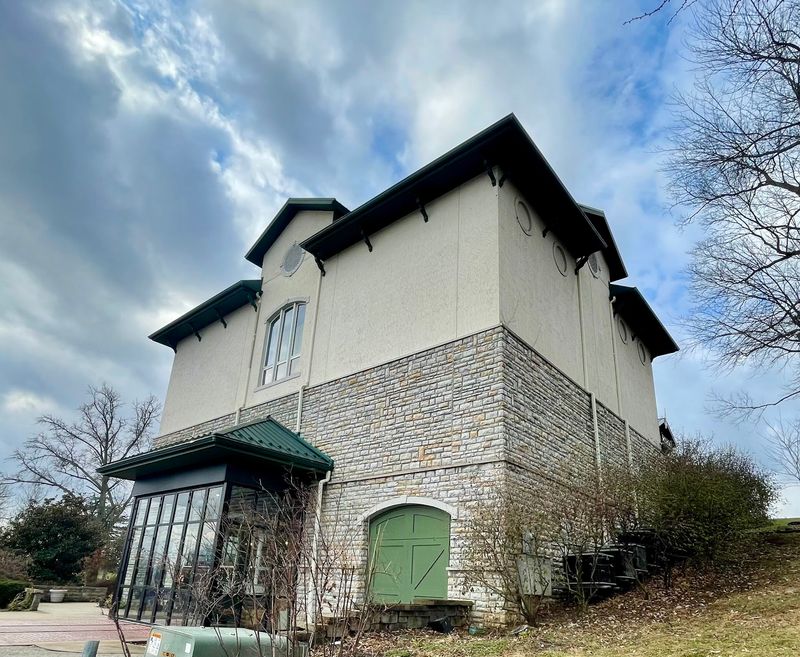
A museum inside an old stone house in a public park sounds quaint. Then you meet the mastodon bones.
Located at 1600 Montague Road in Covington, this northern Kentucky institution grew from one family’s collection. William Behringer gathered oddities, and Ellis Crawford expanded the natural history side.
The archaeology and paleontology holdings include Ice Age fossils from the Ohio Valley. Big Bone Lick material shows up in the displays.
Native American artifacts fill several cases. Projectile points, pottery sherds, stone axes, and shell ornaments represent thousands of years of regional life.
One highlight is the range of time covered. You move from prehistoric fossils to river culture to twentieth-century Covington in a single visit.
The building itself dates to the 1840s and sits in Devou Park. Views of the Cincinnati skyline come free with parking.
Staff run rotating exhibits and family programs throughout the year. Check the calendar before planning a trip.
Curators emphasize that the collection tells a regional story, not a national one. That focus makes it feel personal rather than overwhelming.
Allow ninety minutes for a relaxed walkthrough. Add extra time if you enjoy reading every case label carefully.
7. Kentucky Museum
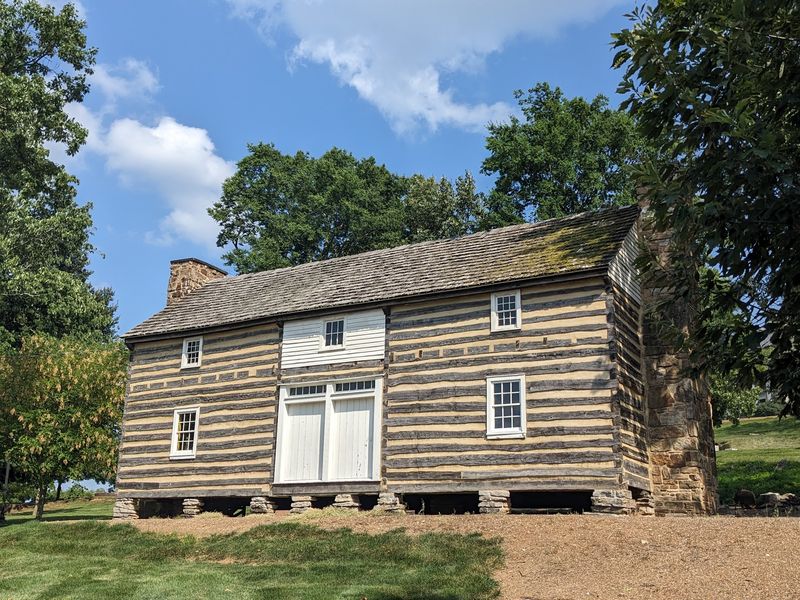
University collections often hide the best material, and this one proves the point. Thousands of artifacts sit under one roof in Bowling Green.
Found at 1472 Kentucky Street on the Western Kentucky University campus, the museum covers art, history, and archaeology. The prehistoric material is the quiet star.
Holdings include stone tools, pottery, and objects recovered from sites across the Green River region. That area has produced some of North America’s most significant ancient finds.
Green River shell mound sites contain layers of freshwater mussel shells built up over thousands of years. Archaic period people harvested them heavily.
Excavations in that region uncovered tools made from bone and antler, along with beads, atlatl weights, and carved ornaments. Craftsmanship level surprises most first-time viewers.
Researchers date some Green River occupation back more than 6,000 years. Kentucky was busy long before anyone built a mound.
Exhibits rotate, so the archaeology on view changes over time. Calling ahead saves disappointment.
The building also hosts the Felts Log House on its grounds. Different century, same appreciation for hand-built things.
Admission is typically free or donation-based. Few places offer this much depth for so little.
8. Owensboro Museum Of Science And History
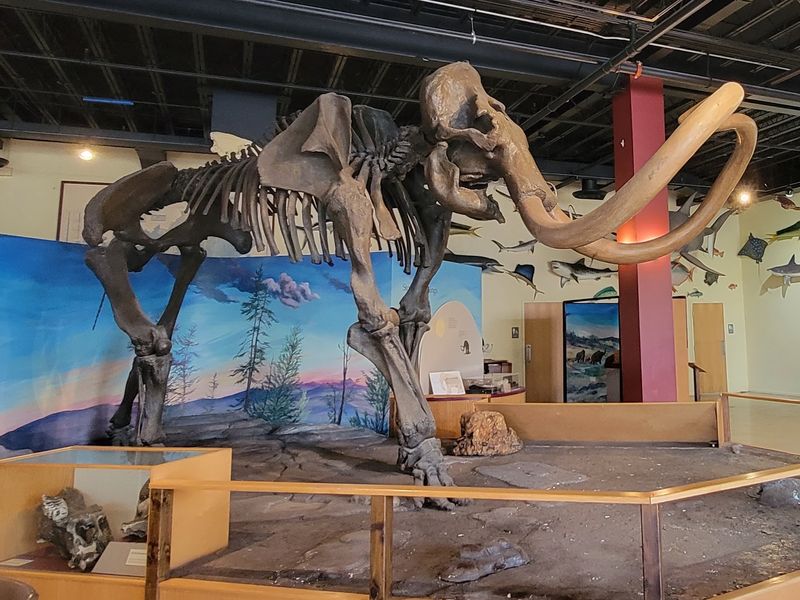
Science museums built for kids sometimes sneak in serious archaeology. Owensboro pulled that off nicely.
Standing at 122 East 2nd Street, the museum mixes hands-on science with regional history and prehistory. Both sides get real attention.
The Ice Age exhibits include fossil material from western Kentucky. Mastodon remains and other Pleistocene finds help explain what roamed the Ohio Valley.
Native American artifacts represent the long human presence along the river. Stone points, pottery, and tools show up in well-organized cases.
Western Kentucky sits near several major archaeological zones, including Mississippian and Archaic sites. Material from those periods gives the collection real depth.
A standout feature is the underground coal mine exhibit. Not ancient in human terms, but the coal itself formed roughly 300 million years ago.
Fossil plants embedded in that coal represent swamp forests older than dinosaurs. Kids usually notice the imprints before adults do.
Programs and camps run through the year, and the staff clearly enjoy teaching. Questions get answered instead of deflected.
Downtown Owensboro makes a pleasant stop before or after. Riverfront paths are just a short walk away.
Two hours covers most of it comfortably.
9. Carter Caves State Resort Park
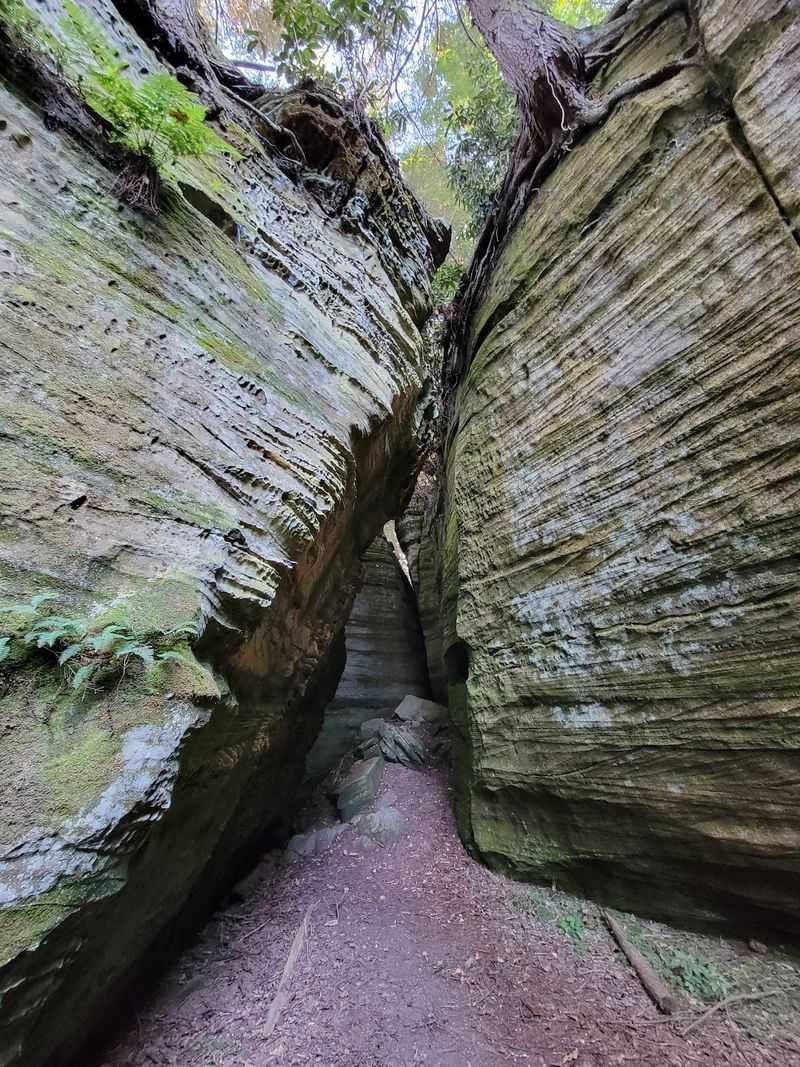
Caves keep secrets better than almost anywhere else. Eastern Kentucky has plenty of both.
Carter Caves sits at 344 Caveland Drive in Olive Hill, wrapped around more than twenty known caves. Several are open for guided tours.
Archaeologists have documented prehistoric human use in caves throughout this region. People sheltered in entrances, gathered minerals, and left tools behind.
Saltpeter Cave earned its name from mineral extraction, and the practice goes back further than most assume. Native groups mined cave minerals long before European settlement.
Rockshelters across eastern Kentucky preserve charcoal, plant remains, and stone flakes. Those small traces let researchers reconstruct diets and seasonal movement.
Natural bridges and arches formed in the same limestone that created the caves. Water did the work over millions of years.
Bats living in these caves matter enormously to researchers. Tours follow strict rules to protect them, including gear cleaning between visits.
Park naturalists explain the archaeology during guided programs. Asking questions on a tour usually pays off.
Lodging, camping, and hiking trails make it a full weekend option. The gorge scenery holds up against anywhere in the state.
Reserve cave tours ahead during summer months.
10. Kentucky Historical Society
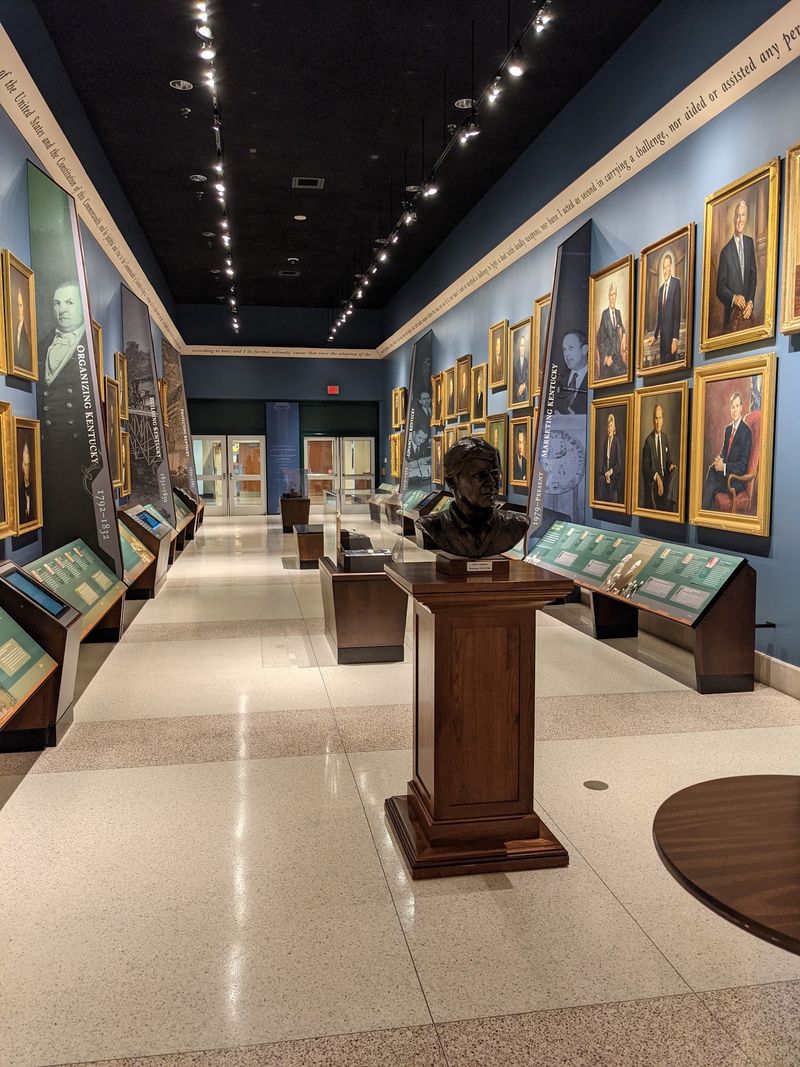
Every artifact eventually needs a home, and Frankfort holds the state’s biggest one. The scale is genuinely impressive.
The Thomas D. Clark Center for Kentucky History stands at 100 West Broadway Street.
Exhibits trace the state from prehistory forward.
Displays open with the earliest people in Kentucky, going back over 12,000 years. Paleoindian stone points anchor that story.
Clovis points found in Kentucky rank among the oldest human-made objects in the state. Their flaking technique still impresses modern toolmakers.
Collections also include Archaic, Woodland, and Mississippian material. Pottery styles change visibly across the cases, which makes the timeline easy to follow.
The society maintains research libraries and archives too. Serious researchers and casual family-history hunters both use them.
Kentucky Archaeology Month happens each September, with events statewide. The historical society often participates.
State law protects archaeological sites, and staff explain why looting causes permanent damage. Context matters more than the object itself.
The Old State Capitol and Kentucky Military History Museum are also part of the operation. One ticket can cover multiple stops.
Frankfort is small and walkable, so parking is rarely a headache. Give yourself half a day here.