Florida Has 10 Beaches Where You Can Still Find Rare Shells And The Occasional Sea Glass Treasure
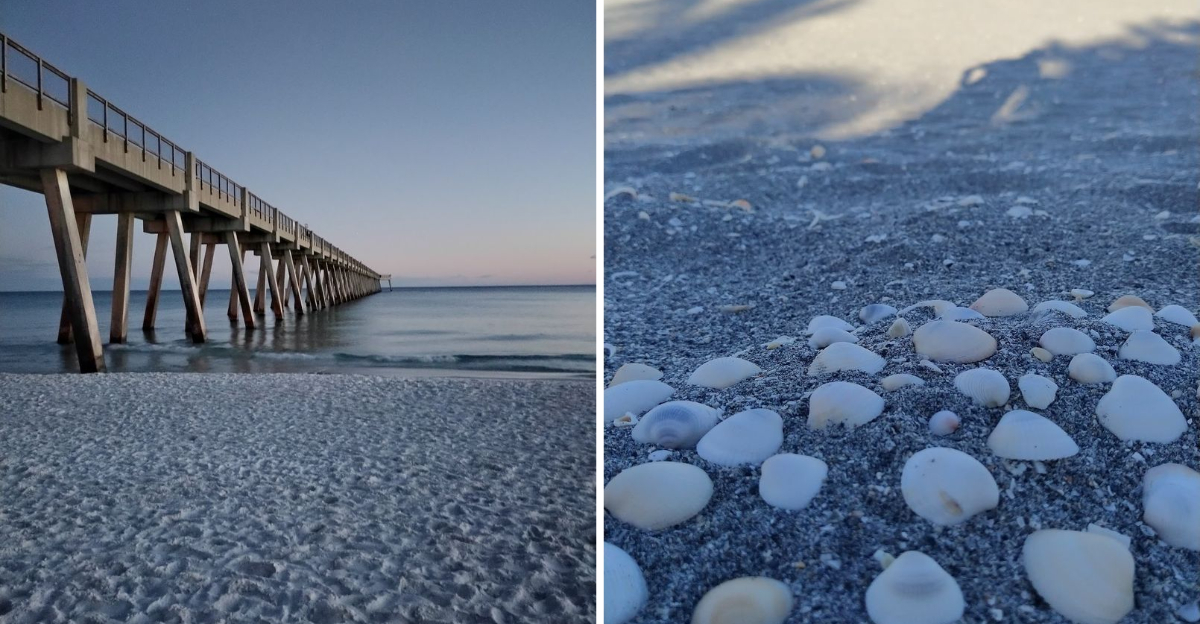
What if your next beach walk ended with something you actually wanted to keep?
Along Florida’s coast, certain shorelines reward patient eyes with rare shells, shark teeth, and occasional sea glass polished smooth by the surf.
Low tide can expose fresh pockets almost overnight, while stronger waves may rearrange the sand and reveal new finds. A slower pace helps too.
Bring a mesh bag, comfortable shoes, and enough patience to scan every tide line. Every few yards can bring another surprise.
One unusual shell can stop you mid-step, and that tiny discovery can suddenly turn a simple morning by the water into a full treasure hunt.
1. Bowman’s Beach, Sanibel
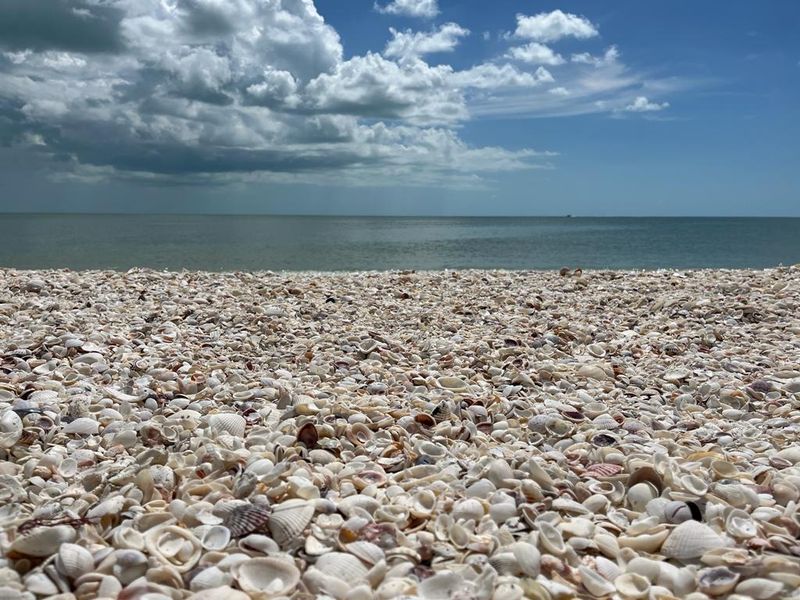
Just imagine for a second: shells stacked so thick that the sand disappears. That is an ordinary morning on this famous barrier island.
Sanibel’s unusual east-west orientation, broad continental shelf, and local ocean currents help shells accumulate along beaches like Bowman’s, making the island a world-famous shelling destination.
Timing matters more than luck here. Aim for low tide, ideally the morning after a cold front. Storms churn the Gulf and deliver fresh, unbroken specimens overnight.
Shell varieties change with tides and conditions, while nearby Blind Pass is another well-known shelling area with swift currents that make swimming unsafe. Lightning whelks and lettered olives reward patient searchers.
The creamy, spotted Junonia remains the crown prize. Finding one is rare enough to make headlines locally.
Rules are simple and strictly enforced. Only empty shells may leave the beach. Live shells and sand dollars stay protected by law.
A roughly quarter-mile scenic walk leads from the parking area to the shoreline, crossing a footbridge over Clam Bayou along the way. Dolphins cruise offshore while pelicans dive nearby.
Water shoes save your soles on shell-covered sand. Showers, restrooms, and picnic tables sit near the lot. Give yourself a whole morning, because one pass along the tide line is never enough.
2. Caspersen Beach Park, Venice
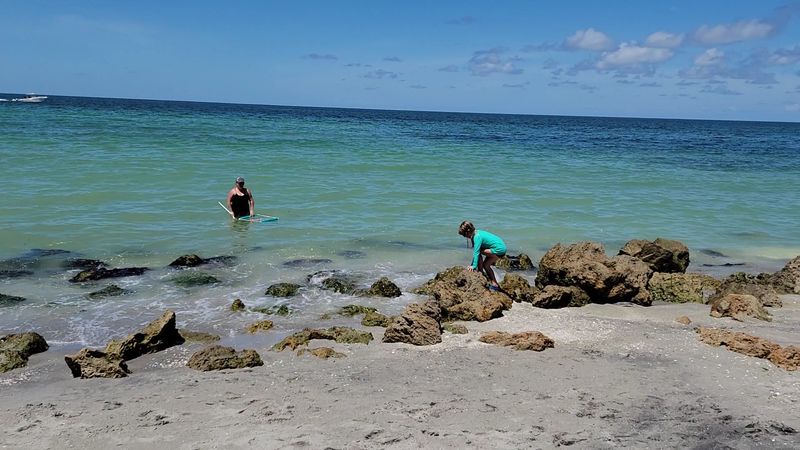
I was more than surprised when I learned what hides in this dark sand. Prehistoric teeth, by the handful.
Venice carries the nickname Shark Tooth Capital of the World, and Caspersen Beach is one of its best-known places to search for fossilized teeth.
The seabed here was submerged long ago. Fossilized shark teeth regularly wash onto beaches around Venice, including Caspersen.
Finds vary considerably with surf, tides, and recent weather. Colorful seashells fill the gaps between finds.
The shoreline is rugged and rocky rather than powdery. That texture separates heavy teeth from lighter sand. Search the shoreline and exposed sand carefully, keeping current surf and beach conditions in mind.
Low tide makes walking easier and searching faster. Plenty of people score well at high tide too. Focus your eyes on dark phosphate granules.
Sarasota County’s longest beach stretches far south. Roughly two-thirds remains in a natural, undeveloped state. Solitude comes easily once you walk past the crowd.
Coastal hammocks and marshes border the sand. A nature trail winds through that quiet habitat.
Wear water shoes without exception. Rocky patches and dark sand heat up fast under the sun.
Caspersen Beach is currently open only to pedestrians and bicycles; vehicle parking, restrooms, and the playground remain closed while hurricane-damaged access is repaired.
Bring a small sifting scoop and prepare to lose track of time completely.
3. Stump Pass Beach State Park, Englewood
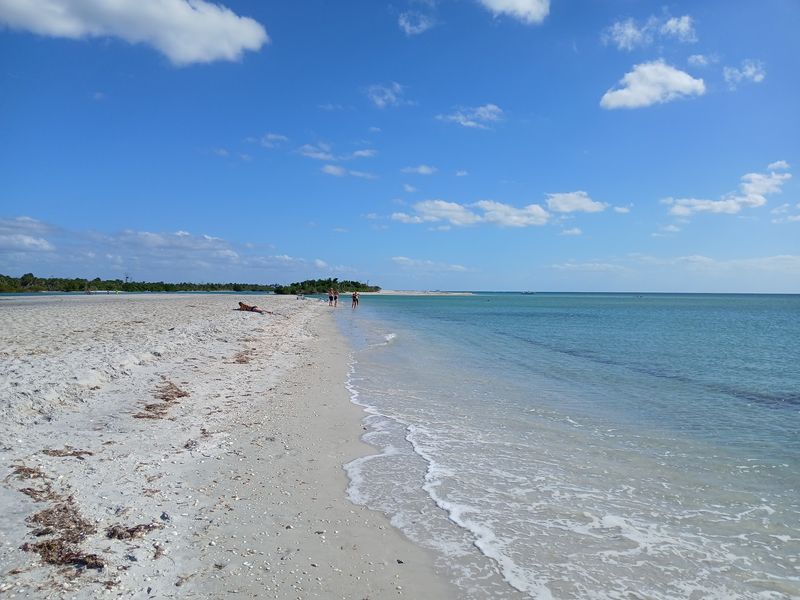
My jaw dropped at how untouched the shoreline looked. No condos, no crowds, just shells and sea oats.
Stump Pass Beach State Park in Englewood protects unspoiled stretches of Gulf sand. The narrow barrier island funnels shells along its edges. Quiet reigns compared with busier beaches nearby.
Early risers do best here. Conchs, murex, and tulip shells appear along the wrack line. Fossilized shark teeth also arrive regularly.
Winter marks peak season for collectors. Gulf storms stir the bottom and drop fresh deposits. Low tide after a cold front is the golden window.
Stump Pass Beach State Park reopened in September 2025 and is currently open from 8 a.m. to sunset, though its pavilion remains unavailable.
A hiking trail runs from the parking area toward the southern end of the park, passing through several distinct coastal natural communities. Wear closed shoes and carry plenty of water.
Shell-packed sand can be rough on bare feet. A hat helps, since shade is scarce.
Old Florida charm defines the whole park. Development stops at the entrance gate.
Dolphins, ospreys, and shorebirds keep you company. Kayak launches lead into calm Lemon Bay. Come for the shells, stay for a shoreline that still looks the way it did decades ago.
4. Honeymoon Island State Park, Dunedin
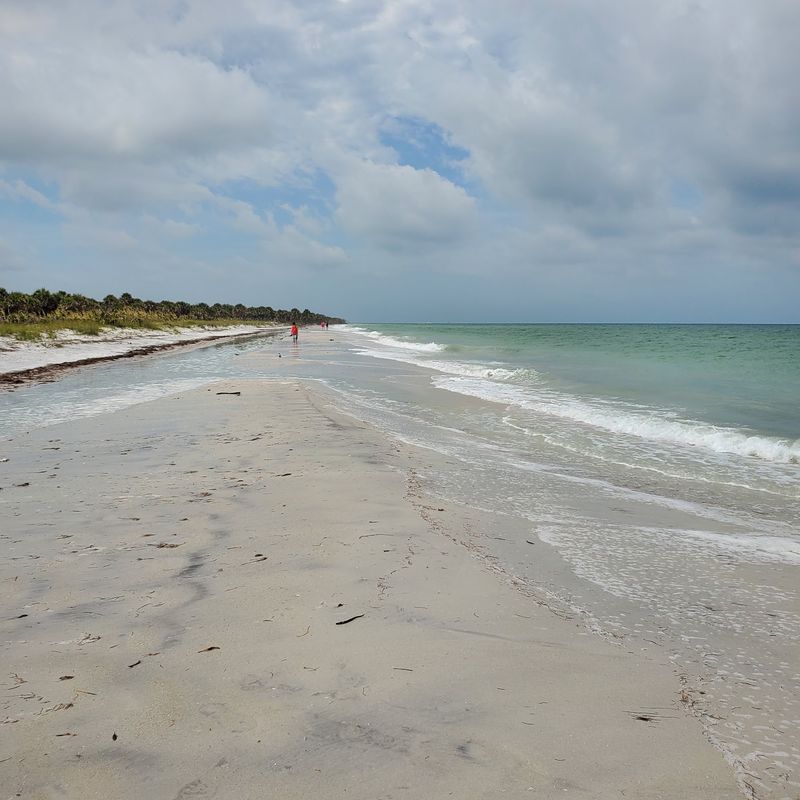
Here is a crazy thought: a romantic getaway that doubles as a treasure chest. Both promises deliver.
Honeymoon Island State Park in Dunedin protects four miles of ungroomed shoreline. Shelling remains one of Honeymoon Island’s most popular activities, especially along the less-developed northern shoreline.
The north end remains popular for shelling, but a temporary cut now separates the northernmost mile, and visitors should not enter or cross the water because of strong currents and changing depths.
Shells and other beach finds gather along the rugged northern shoreline, with conditions changing as tides and erosion continually reshape the island. Slow down and scan carefully.
Gulf-facing beaches deliver classic Florida shells. Cockles, scallops, and lettered olives appear often. Fighting conchs and jingle shells round out most buckets.
Heaviest accumulations gather where the shore curves. Follow that bend and work it thoroughly.
Ospreys nest here in impressive numbers. Watching them plunge for fish breaks up the searching nicely.
Nature trails cut through pine flatwoods behind the dunes. Bike rentals and calm paddling water round out the day.
Only empty shells may go home with you. That rule keeps small creatures safe. Arrive early, claim the north beach, and let the tide hand over its frosted glass souvenirs.
5. Dr. Julian G. Bruce St. George Island State Park, St George Island
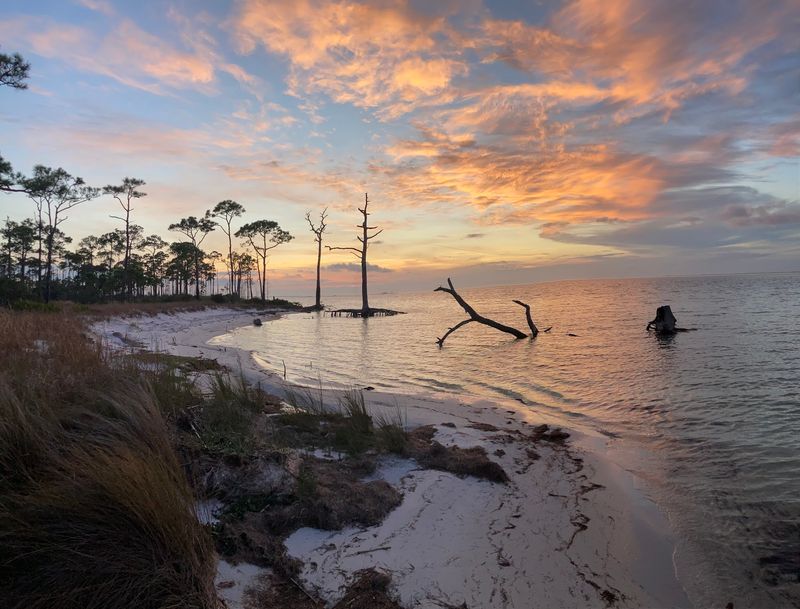
Let’s be real for a second: nine miles of empty sand changes everything. Elbow room is the real luxury.
Dr. Julian G. Bruce St. George Island State Park guards an undeveloped barrier island in the Panhandle. Sunbathing and beachcombing pair perfectly here.
Shell hunters count on steady results year-round.
St. George Island State Park is especially well suited to shelling and beachcombing, though exact finds vary from one tide and weather pattern to the next.
Crowds thin out quickly along the Gulf beaches. Fewer footprints mean untouched tide lines waiting for you.
The sand itself deserves a mention. Fine, blinding white grains have earned comparisons to the finest anywhere.
Wildlife watching runs strong all season. Dolphins patrol both the Gulf and bay sides. Sea turtles nest along these shores each summer.
Shorebirds nest in protected zones during spring. Migration season brings even more feathered traffic.
Two natural boat ramps open onto Apalachicola Bay. Fishing, kayaking, and hiking fill any remaining hours.
Six large picnic shelters come with grills and tables. Packing lunch makes an all-day trip easy.
Set out at sunrise, walk until the parking lot vanishes behind you, and the best finds are usually waiting there.
6. Fort Clinch State Park, Fernandina Beach
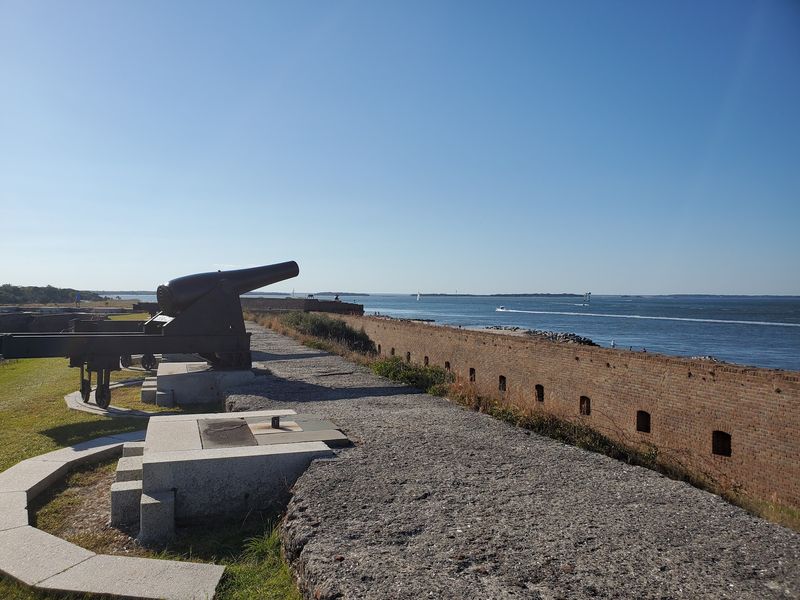
Sounds too good to be true, but the Atlantic side hides a serious shelling secret. Skeptics get proven wrong fast.
Fort Clinch State Park in Fernandina Beach ranks as a must for collectors. Conventional wisdom says east coast shelling disappoints. The tide line here argues otherwise.
Visitors can find a wide variety of empty shells along Fort Clinch’s shoreline, along with fossilized shark teeth.
Shark teeth are a specialty of this shoreline. The jetty beach has a reputation among fossil hunters. Look for dark gray or black triangles.
Low tide exposes more searchable shoreline, while storms can uncover new material and improve the odds of finding fossilized shark teeth. Post-storm mornings restock the beach entirely.
Sea glass can occasionally appear around Amelia Island, but it is a less predictable find than the shells and fossilized shark teeth for which Fort Clinch is known.
The historic fort deserves an hour of your day. Brick walls and cannon views tell a nineteenth-century story. Costumed reenactments happen on certain weekends.
Shaded oak-lined roads lead through the park. Bring a bag for shells and a camera for the fort.
History and beachcombing rarely share the same ticket, which makes this northeastern corner worth the drive.
7. Bahia Honda State Park, Big Pine Key
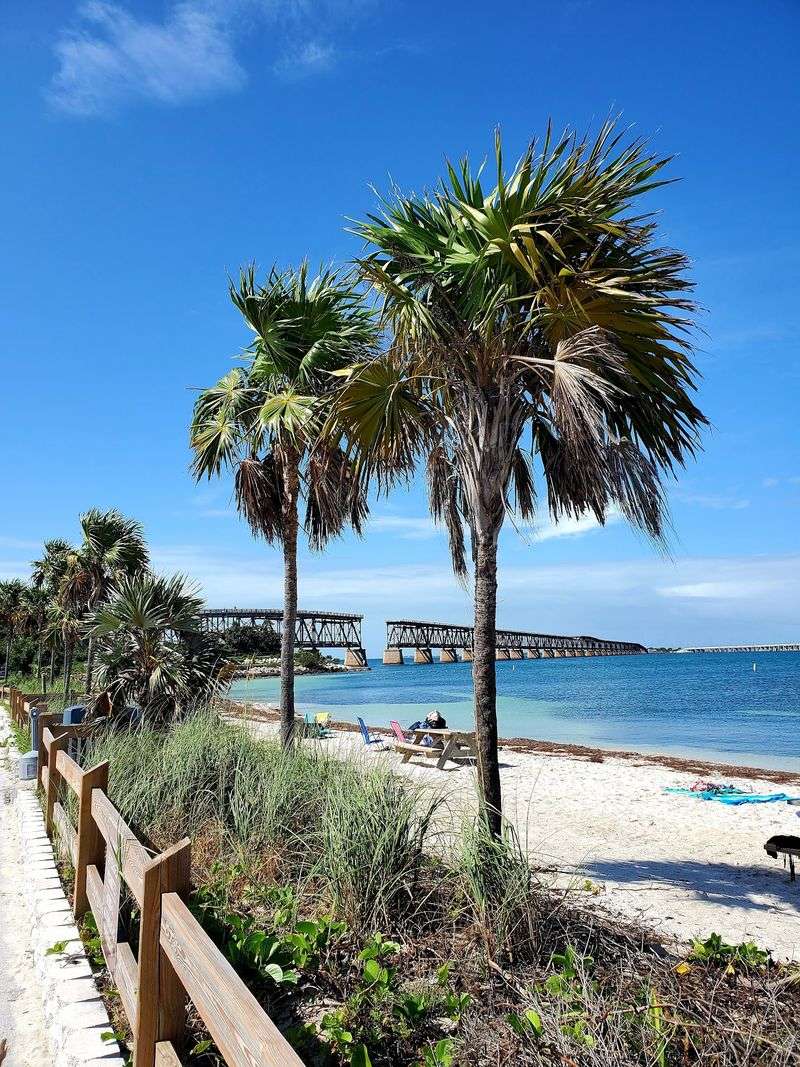
Picture water so clear you can count shells from the shoreline. The Keys do not exaggerate.
Bahia Honda State Park on Big Pine Key lands on nearly every list of Florida’s best beaches. Powdery sand meets glassy turquoise water. Shell collectors find plenty to keep them busy.
Currents deliver a diverse mix of marine treasures. Hours vanish while combing the shoreline.
Main beach areas reward the most patient searchers. Conchs, scallops, and assorted bivalves appear often. The Keys environment produces finds you rarely see elsewhere.
Shells and other natural finds collect along Bahia Honda’s wrack lines, while any sea glass should be considered an occasional bonus rather than a guaranteed find.
Snorkeling ranks as a highlight beyond beachcombing. Shallow, clear water reveals fish and coral rubble. Kayaking across calm bay flats is equally rewarding.
The old Bahia Honda Bridge frames every photograph. Portions remain walkable for sweeping ocean views. Sunset from up there is unforgettable.
Birdwatchers do well here too. Shorebirds and wading birds work the shallows constantly.
Arrive early, since parking fills fast on weekends. Reef-safe sunscreen and a hat are smart additions.
Serenity comes standard at this southern outpost. Few shorelines combine tropical color with quiet shelling quite so easily, which is why collectors keep circling back.
8. Shell Island Va St. Andrews State Park, Panama City Beach
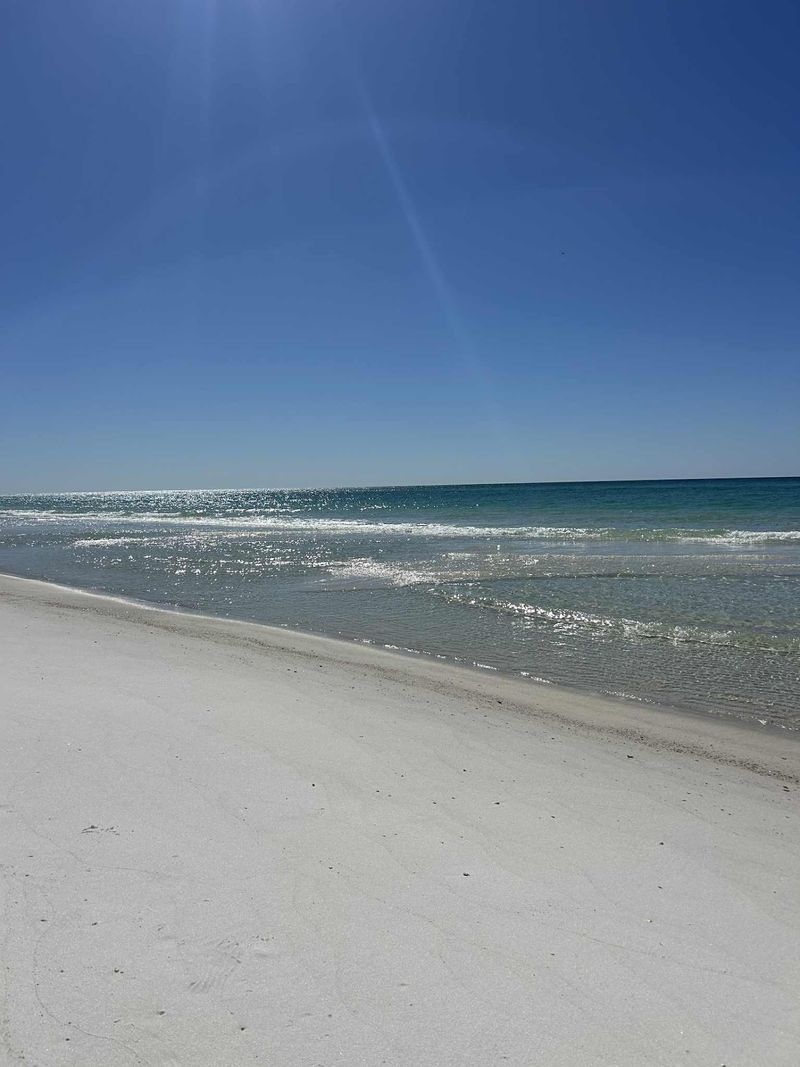
Seven miles of island and hardly a footprint in sight. That is the setup here.
Shell Island, reached through St. Andrews State Park in Panama City Beach, stays completely undeveloped. Sugar-white sand runs the full length. Remote shelling is the whole appeal.
The official ferry or a private boat can take visitors across to the seven-mile undeveloped island, where shelling, swimming, and snorkeling are popular.
The Gulf side produces the richest hunting. Whelks, olives, and clam shells scatter across the tide line. Storms multiply the haul dramatically.
Shell varieties change with tides and weather, and less common finds can occasionally appear among the beach debris.
Wildlife steals attention constantly. Dolphins play in the pass between the island and mainland. Shorebirds and sea turtles use the beaches too.
Snorkeling in emerald water rounds out the trip. Swimming feels wonderfully uncrowded.
Pack everything you need before boarding. No concessions exist on the island itself. Water, sunscreen, snacks, and a shell bag are essentials.
Untouched dunes rise behind the sand. Stay off them to protect nesting habitat.
Catch an early shuttle, wander far from the drop-off point, and the island practically hands you its best shells.
9. Carlin Park, Jupiter
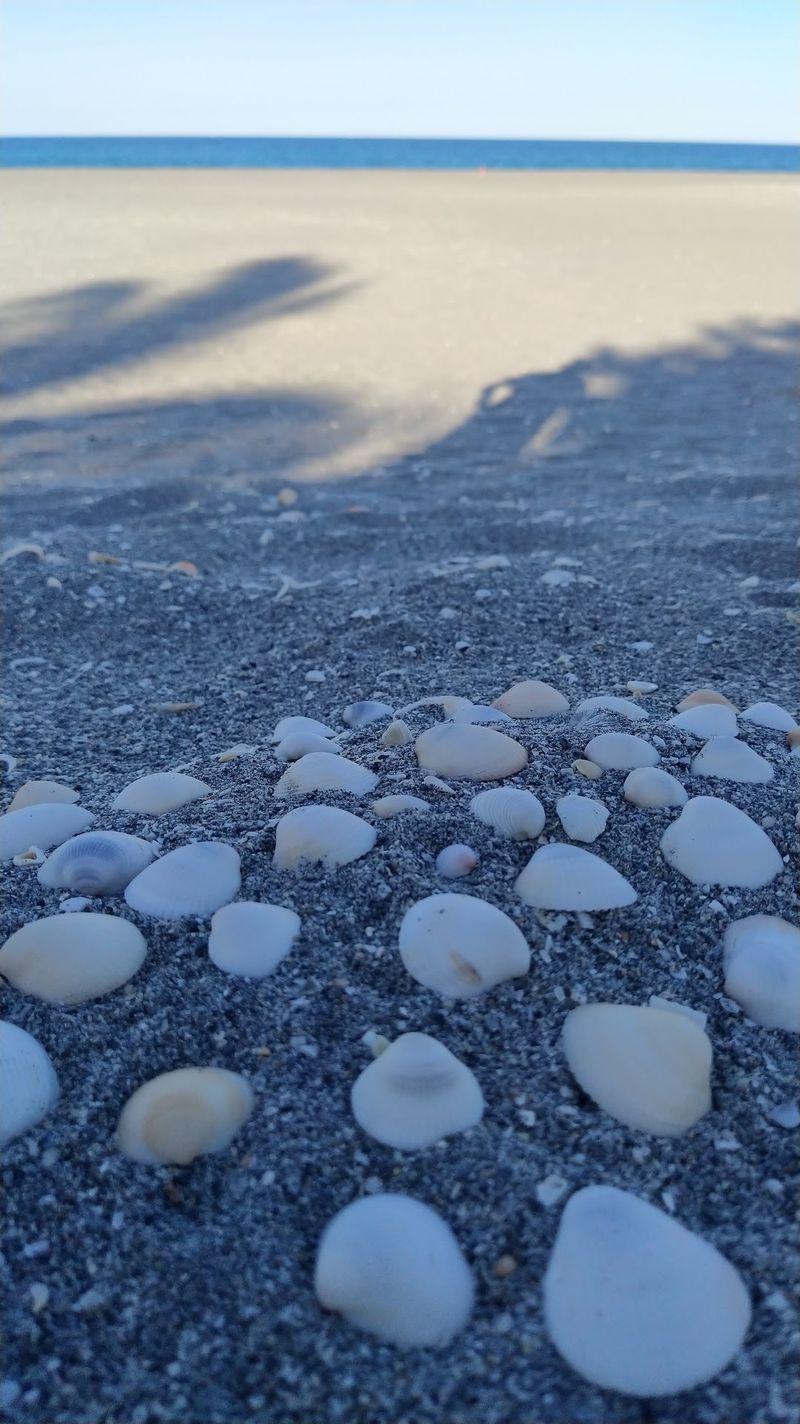
Convenience and treasure hunting rarely share a parking lot. This one manages both.
Carlin Park in Jupiter blends recreation with surprisingly good coastal finds. Palm Beach County keeps the amenities polished. Beach access could hardly be easier.
The Atlantic shoreline delivers its own style of shelling. Coquina shells, scallops, and small conchs wash up steadily.
Stronger wave action tumbles everything thoroughly. Results are smooth, rounded, well-polished pieces. Sharp edges are rare here.
Sea glass occasionally turns up along this part of the Jupiter coastline, though finds are unpredictable and shelling conditions can vary considerably.
Shell and beachcombing conditions often improve after stronger surf or storm activity exposes new material.
Facilities cover every practical need. Picnic areas, restrooms, and a playground sit close to the sand. Exercise stations and bocce courts add variety.
A guarded swimming area makes family days simple. Lifeguards watch the main stretch daily.
Shade from sea grape trees helps during midday heat. Amphitheater events sometimes run nearby.
Fill a bag with glass in the morning, then stay for a picnic without ever moving the car.
10. Navarre Beach, Navarre
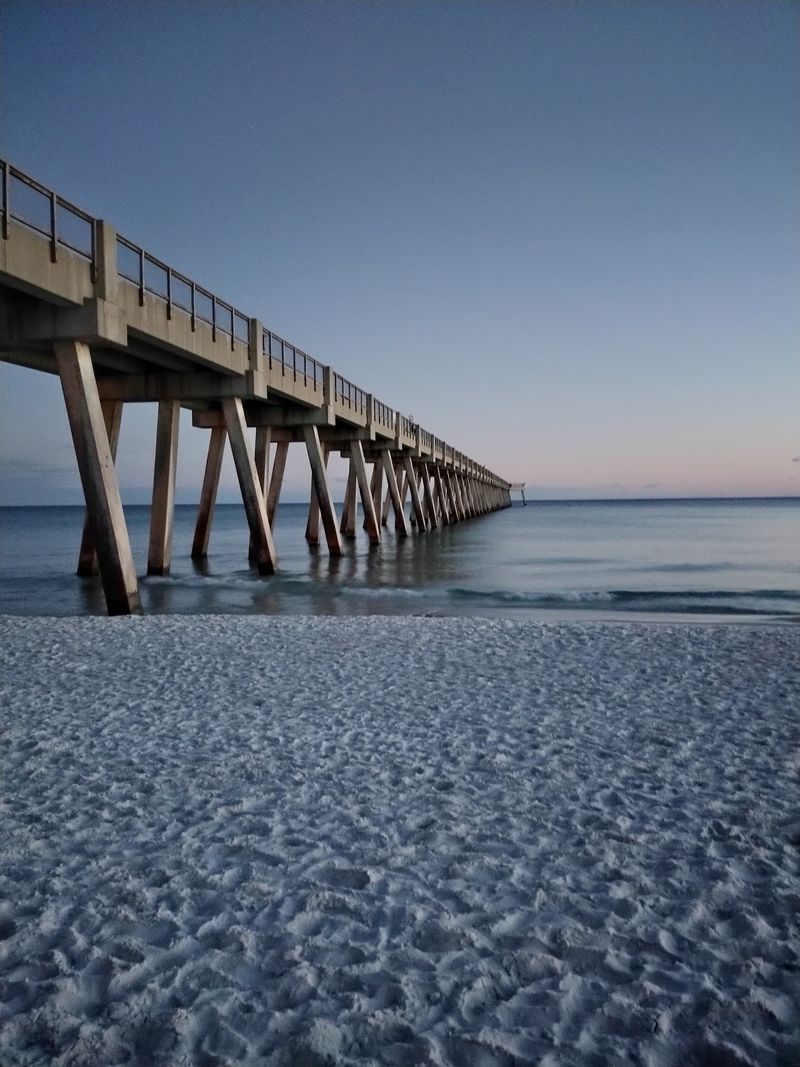
Some mornings hand you a perfect whelk before your coffee cools. That happens more often than you would guess.
Navarre Beach carries the nickname Florida’s Most Relaxing Place. The Panhandle sand here glows almost blinding white. Collectors quietly consider it a favorite.
Treasures gather along the shore and in ankle-deep water. Wading slowly often beats walking fast.
Whelks, conchs, olives, and other Gulf shells can turn up along Navarre Beach, though each outing produces a different mix.
Low tide and periods following stronger surf can improve shelling conditions, regardless of the time of year.
The area near the Navarre Fishing Pier produces reliably. Public Access 37A, west of the pier, is the sleeper choice. Fewer people work that stretch.
Sea glass appears occasionally among the shells. Each piece counts as a small bonus. Long walks come easily on this calm shoreline.
Sunrise turns the water pale gold.
Bring a mesh bag so sand drains out. Water shoes help in the shallows. End your Florida shelling tour here, where the pace slows and the tide keeps giving.