An Unforgettable Meal Awaits At This Pay-What-You-Can Restaurant In Kentucky
You know the worst two minutes of any restaurant meal. The check lands, and everyone does quiet mental math while pretending not to.
There is a place in Kentucky where that moment goes differently. The menu shows suggested prices, and then it hands the decision back to you.
Pay more if you can. Pay less if the week has been rough.
Pay nothing at all and work an hour instead, and nobody behind the counter will make it strange.
The food is not an afterthought either. It is locally grown, made fresh daily, and good enough that plenty of diners show up with no financial reason to be generous.
Some of them quietly overpay so the next person eats. That is the entire engine, and it has been running for years.
Lunch runs on weekdays only. Order the cake early, because it sells out.
A Restaurant Where You Decide What Lunch Is Worth
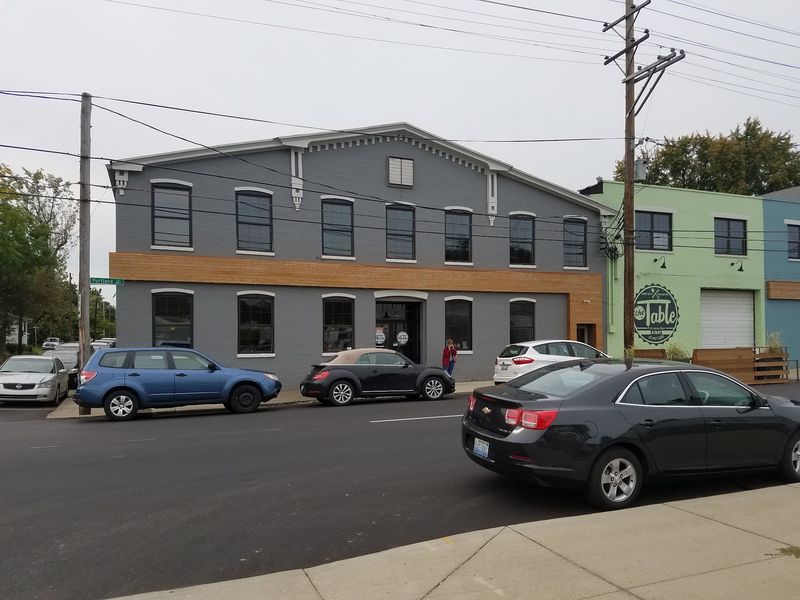
Most menus tell you what your lunch costs. The Table, a nonprofit community restaurant in Louisville’s Portland neighborhood, post suggested meal prices.
Guests choose what to pay. Some pay the suggested amount, some pay more, and some pay less or nothing at all.
Those who pay extra quietly cover meals for the next person. It works like a chain, and nobody at the table knows which link is which.
Volunteering is also accepted as payment. An hour of help in the dining room or kitchen earns a meal with full dignity attached.
The idea comes from the One World Everybody Eats, which has inspired similar spots across the country. Louisville’s version has been serving the West End since 2016.
What makes the model work is the silence around it. No one announces who paid what, and no cashier scans your face for judgment.
You order, you eat, you settle up in a lockbox or with a card. The whole exchange takes seconds.
Plan a visit and see it for yourself at 1800 Portland Ave, Louisville, Kentucky. Bring an appetite and a little curiosity.
Prices vanish, but hospitality does not. That trade turns out to be a good one.
The Corner Building With A Long Portland Story
Portland was its own city before Louisville absorbed it in the 1830s. The neighborhood sits along the Ohio River, and its brick buildings still carry that old river town look.
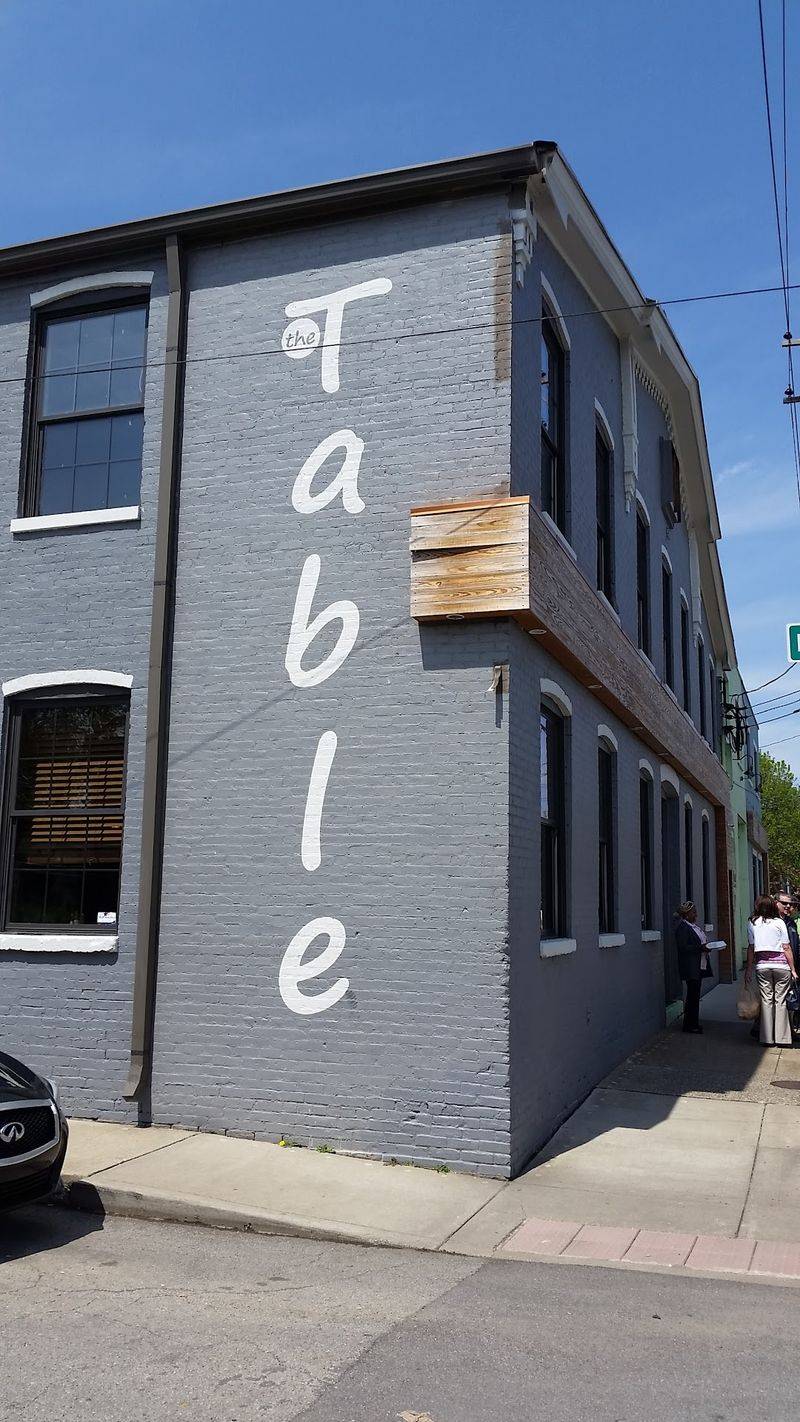
The restaurant occupies a corner storefront at Portland Avenue and 18th Street. Corner buildings like this once anchored nearly every block here.
Big windows pull in daylight, which does most of the decorating. Tables sit close enough that conversations drift between them.
Portland has seen decades of ups and downs. In recent years, artists, small shops, and community projects have moved into the older structures.
A restaurant that welcomes every income level fits that story neatly. It serves neighbors, office workers, students, and visitors at the same tables.
Street parking is usually easy, which is a small mercy in any city. The building is a short drive from downtown Louisville.
Look around while you wait for food. The room feels lived in rather than styled for photos.
Regulars will tell you the atmosphere is closer to a busy church hall than a trendy cafe. That is meant as a compliment.
History and lunch rarely share a table this comfortably. Here they do, without any fuss.
Lunch That Changes When The Season Does
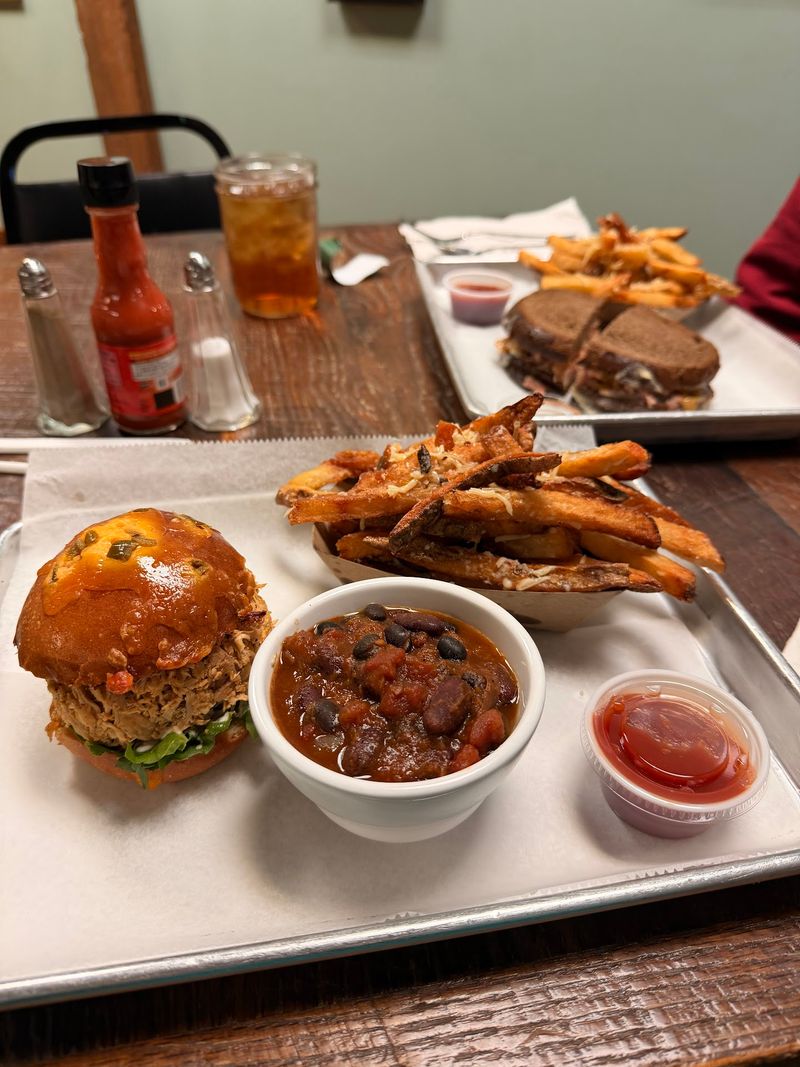
Do not expect a laminated menu with forty items. The kitchen writes a short list and changes it often.
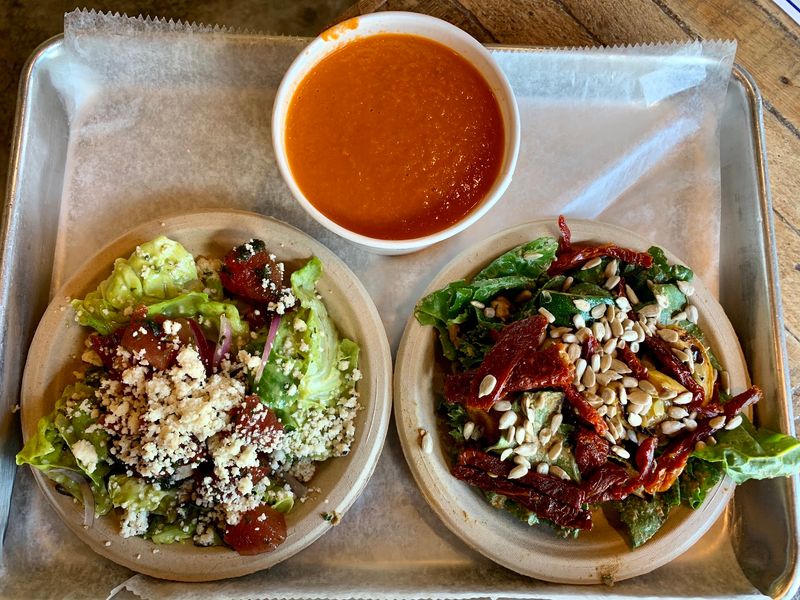
Soups, sandwiches, salads, and hot entrees rotate based on what is available. Seasonal produce drives a lot of the decisions.
That approach keeps costs sensible and flavors fresh. It also means your second visit will not repeat your first.
Staff and volunteers cook from scratch where they can. Bread, dressings, and soup bases get real attention.
Vegetarian choices usually appear alongside meat dishes. Guests with dietary needs can ask, and the kitchen tries to accommodate.
Portions are generous rather than dainty. Nobody leaves hungry on purpose here.
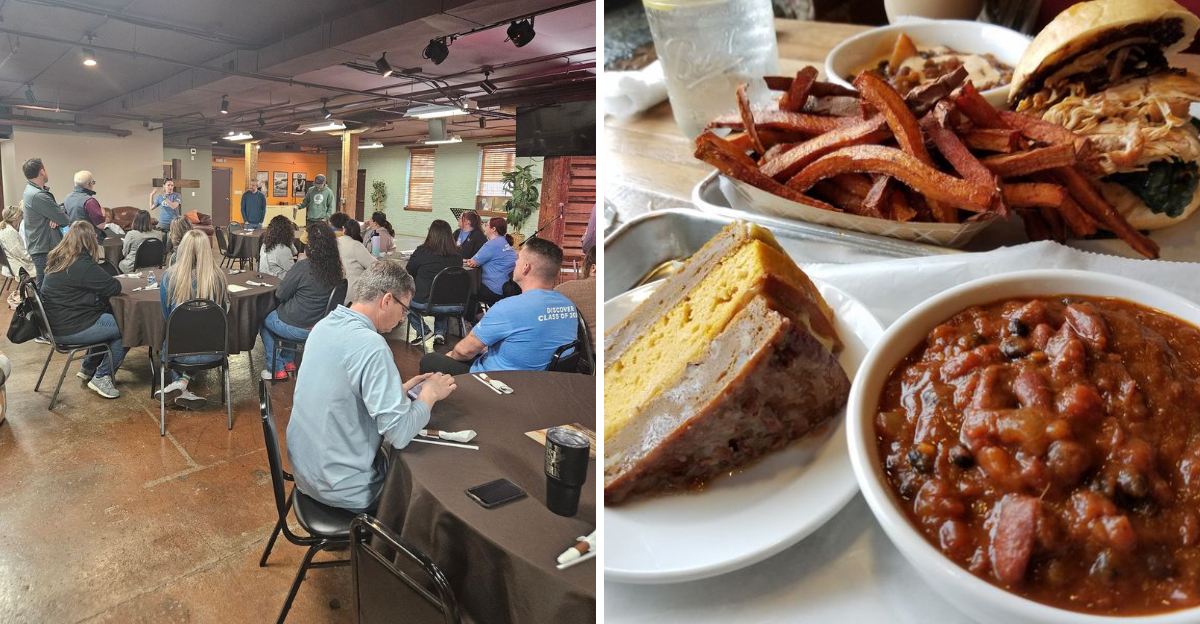
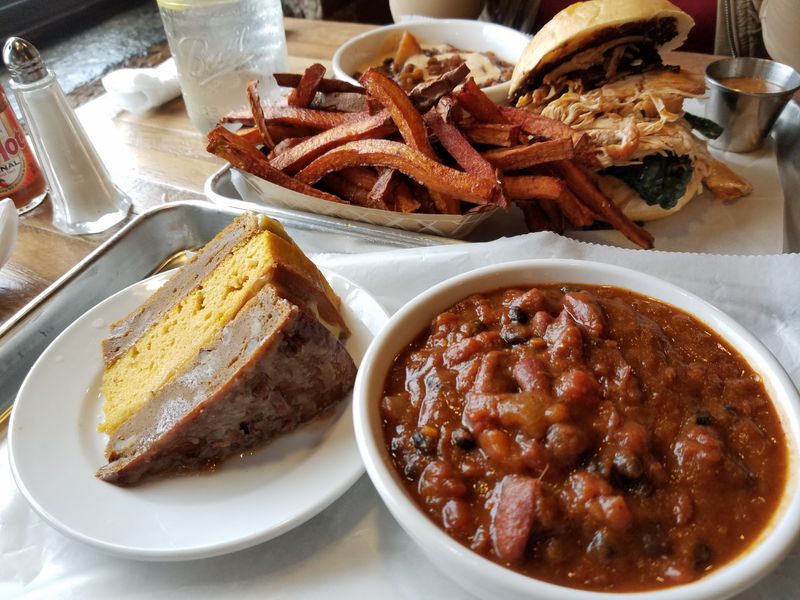
Imagine comfort food done carefully, not gourmet showmanship. Think roasted vegetables, hearty grains, and soup that actually tastes like something.
Desserts show up when someone bakes them. Ask what came out of the oven that morning.
Check social media before you go, since the menu posts change weekly. It saves you from guessing.
The rotating format also cuts waste, which matters for a nonprofit budget. Good cooking and good sense sit side by side.
You get real food, made that day, without a price tag steering your choices. That freedom tastes better than expected.
Volunteers Who Keep The Doors Open
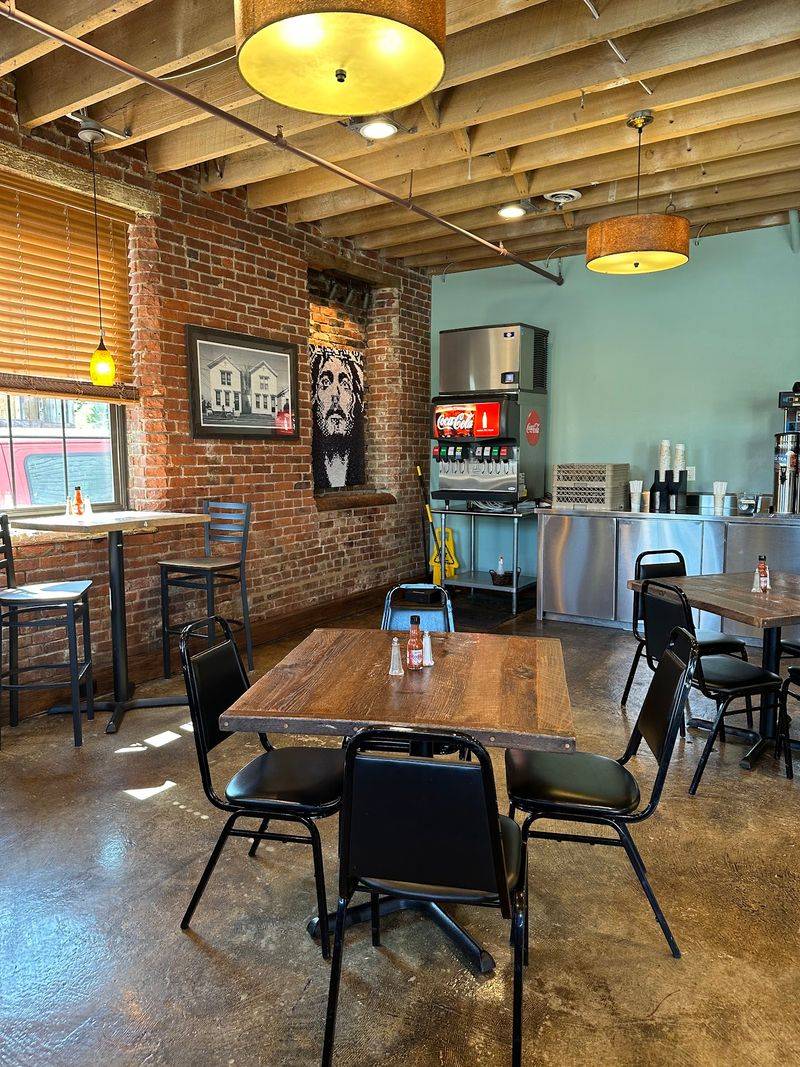
The dish pit does not staff itself. Volunteers handle a big share of the work, from prep to bussing tables.
Signing up is straightforward, and shifts are built for regular schedules. Many helpers come back weekly.
Groups use the kitchen as a service project. Churches, schools, and workplaces all rotate through.
Volunteering also functions as currency. A guest who cannot pay can work a shift and eat with the same welcome as anyone else.
That detail matters more than it sounds. It removes the awkward gap between customer and charity case.
New volunteers get direction from staff rather than being tossed into chaos. Tasks are simple and clearly explained.
You do not need cooking skills to help. Wiping tables and folding napkins keeps a dining room running.
Teenagers can often participate with adult supervision, which makes it a solid family activity. Service hours count for school programs too.
Staff say the volunteer pool is what keeps the model sustainable. Labor costs would sink the concept otherwise.
Contact the restaurant ahead of time to reserve a spot. Popular shifts fill up.
Spend two hours chopping onions and the meal afterward tastes different. Effort seasons everything.
Everybody Eats In The Same Room
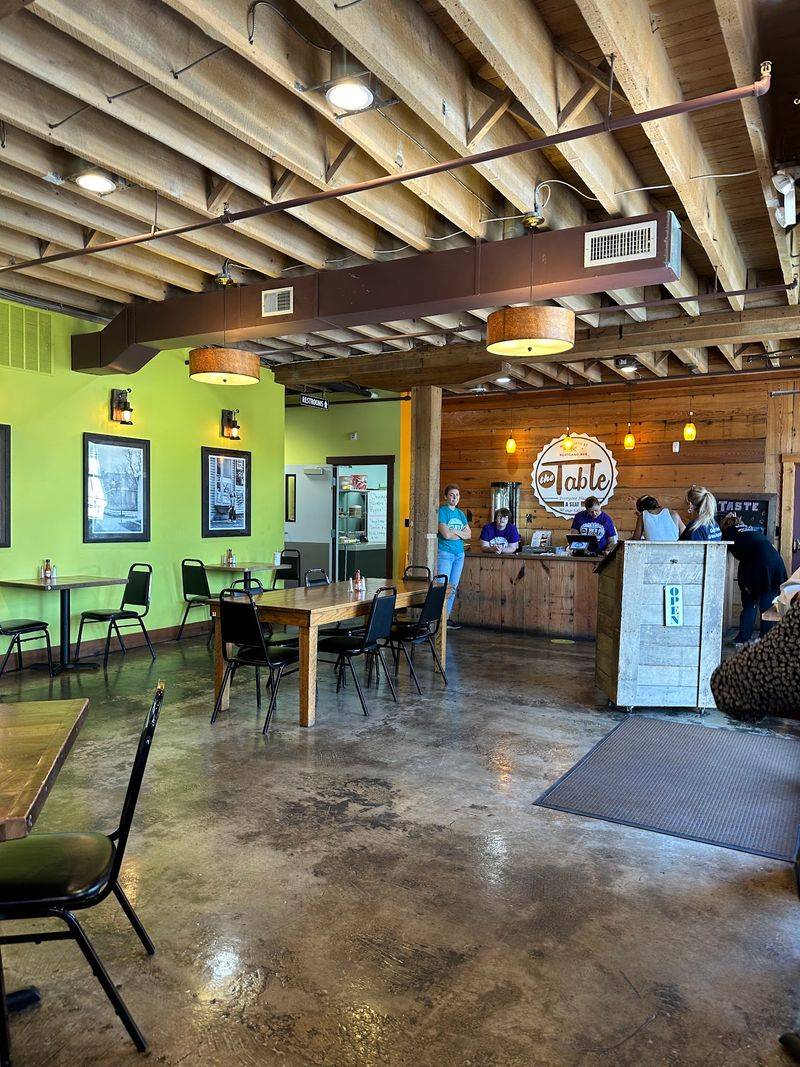
Plenty of programs feed people in need. Very few seat them next to someone in a business shirt.
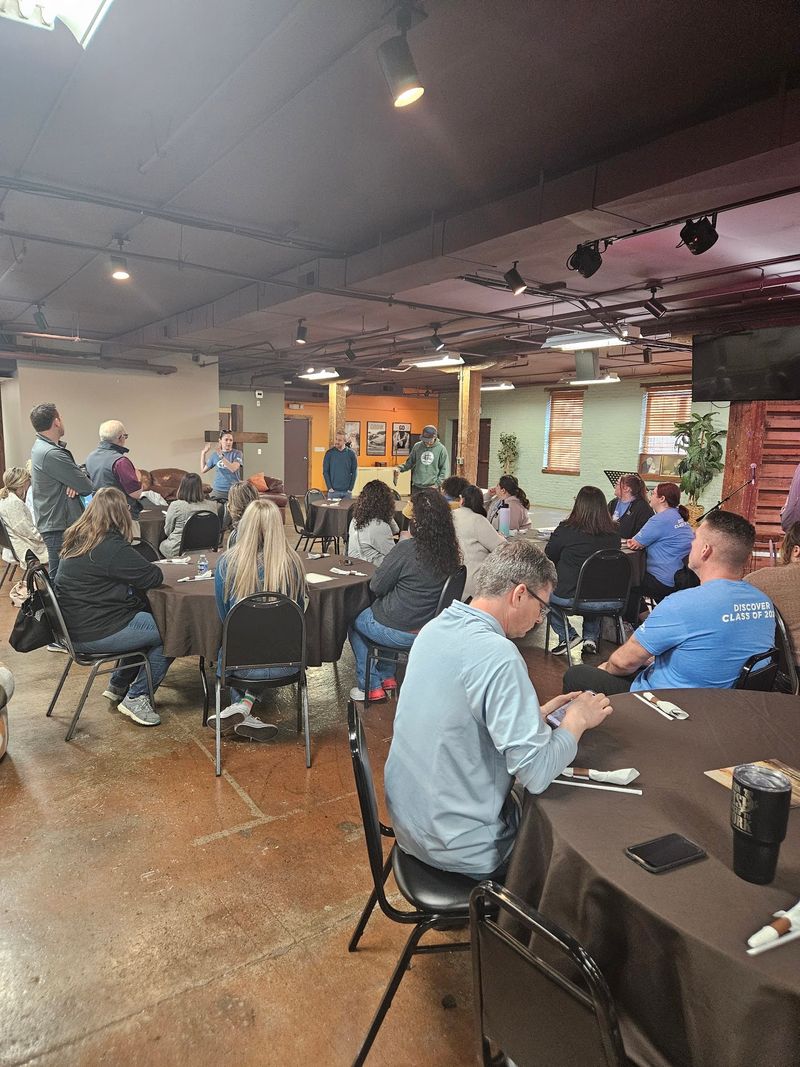
Here, one dining room holds everyone. There is no separate line and no separate menu.
Construction workers, retirees, neighbors, and downtown employees share the space. Nobody wears a label.
That mix is the entire point of the model. Dignity comes from being treated like a guest, not a recipient.
Conversations start easily at shared tables. Strangers swap neighborhood news over soup.
Servers greet everyone the same way. Water gets refilled without anyone having to ask twice.
The noise level stays cheerful rather than hushed. Kids are welcome, and they act like kids.
Louisville has strong food traditions, but few places blend social classes this casually. Lunch becomes a small experiment in community.
Guests who arrive skeptical often stay longer than planned. The room has that effect.
You may leave with a name you did not know an hour earlier. That happens often.
Come alone and you will not feel out of place. Come with friends and you will still meet someone new.
Shared tables do quiet work. They shrink the distance between people faster than any speech.
How To Handle Paying Without Feeling Weird
First-timers often freeze at the payment step. A little planning removes the guesswork completely.
A suggested donation amount is posted. Treat it as a guide, not a rule.
If your budget is comfortable, pay above the suggestion. Extra money funds the next guest’s plate.
If money is tight, pay what you can or nothing. Nobody tracks it, and nobody comments.
Cash goes into a box, and card payments are typically accepted. The process is quick and private.
You will not be asked about income. There is no form and no application.
Tipping is not the usual expectation, since staffing runs differently than a standard restaurant. Ask if you are unsure.
Groups sometimes cover a round of extra meals together. It is an easy way to give back after eating.
Bringing small bills makes the lockbox step smoother. It also lets you decide in the moment.
Consider bringing a friend who has never tried a place like this. Explaining the model is half the fun.
The honest math is simple. Some pay more, some pay less, and the kitchen keeps cooking.
Walk out knowing your lunch helped someone else eat. Few checks feel that good.
Timing Your Visit Like A Regular
Show up at noon on a busy weekday and you will wait. Arrive slightly early or late and the room breathes.
Hours are limited, so check them before driving over. A nonprofit kitchen does not run all day.
Lunch service is the main event. Special dinners and events happen occasionally.
Website and social media updates are the most reliable sources. Holiday schedules shift.
Street parking near 18th and Portland is usually available. Give yourself a two-minute walk.
Weekday visits tend to draw a working crowd. Conversations move fast and tables turn over.
Solo diners do well at the counter or a shared table. Bring patience instead of a laptop.
Larger groups should call ahead. A sudden party of twelve strains any small kitchen.
Combine the trip with a Portland neighborhood walk. There are murals, small galleries, and river views nearby.
Downtown Louisville sits a short drive east, so it fits easily into a day of sightseeing.
Dress however you like. Nobody is checking.
Get there once and the routine becomes obvious. Order, sit, eat, settle up, and go about your day feeling oddly lighter.
Why The Meal Sticks With You Afterward
Good food fades from memory faster than people admit. A meal built on trust tends to linger.
The concept sounds simple until you sit in it. Then the details start landing.
You notice nobody is separated by income. You notice the server treats every table identically.
Food insecurity is real in Louisville, and this restaurant answers it without lectures. Lunch does the talking.
Fun fact: the pay-what-you-can restaurant idea spread widely after Denver’s SAME Cafe opened in 2006. Dozens of cities followed.
Kentucky’s version proves the model can hold up in a neighborhood that needs it.
You leave thinking about the person who paid ahead for you, or the person you paid ahead for. That thought follows you home.
Tell a friend about it and the story does the work. Word of mouth keeps places like this alive.
Bring a donation next time even if you already ate. Every dollar becomes another plate.
Louisville has famous restaurants and long wait lists. This one earns its reputation differently.
Skip the fancy tasting menu once. Sit at a shared table instead, and see which meal you remember longer.