A Small Connecticut Lake That Packs In More Fishing Than You’d Expect
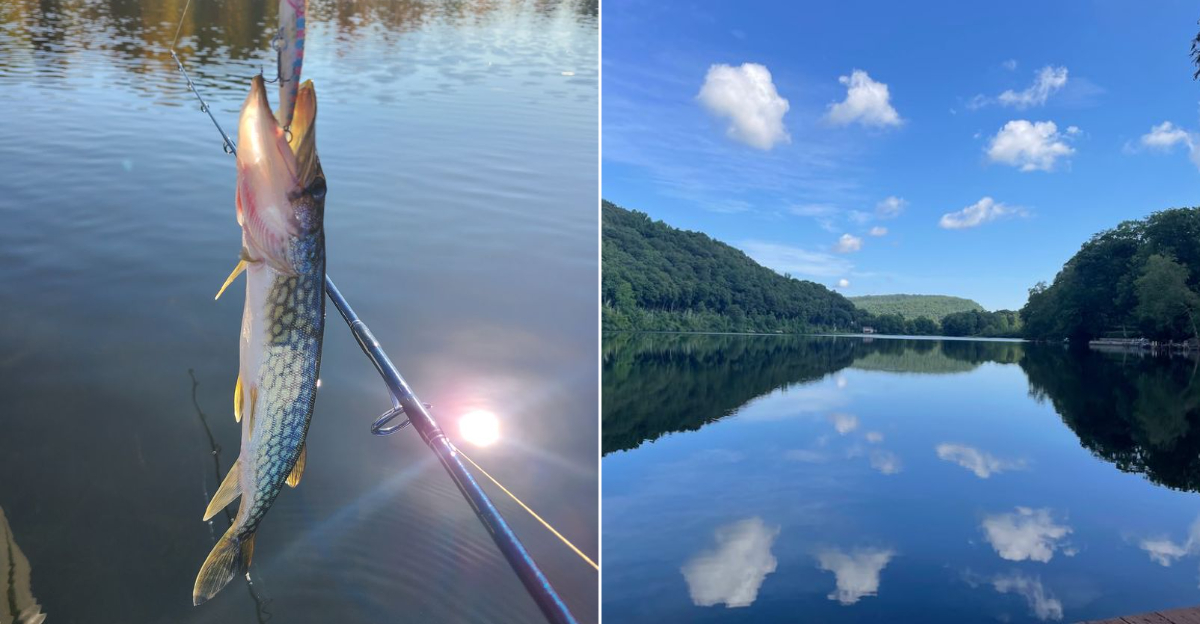
Big lakes get all the bragging rights, which is convenient for anyone who would rather keep the productive little ones quieter. This Connecticut lake is modest in size, but anglers know better than to judge fishing potential by acreage alone.
There is enough action here to turn “I’ll cast for an hour” into a suspiciously large chunk of the day. Bass are part of the draw, and the lake also supports other warm-water species that keep things interesting.
No need for heroic expedition stories or a boat packed like you are crossing the Atlantic. Just bring the gear, pick your spot, and prepare to become oddly invested in what is happening beneath a very calm-looking surface.
The best part is the contrast. From shore, it can look almost too peaceful to be exciting.
Then the line moves. Suddenly, that small lake has your full attention and your afternoon schedule has quietly become somebody else’s problem.
1. Small Lake With Surprisingly Big Fishing Appeal
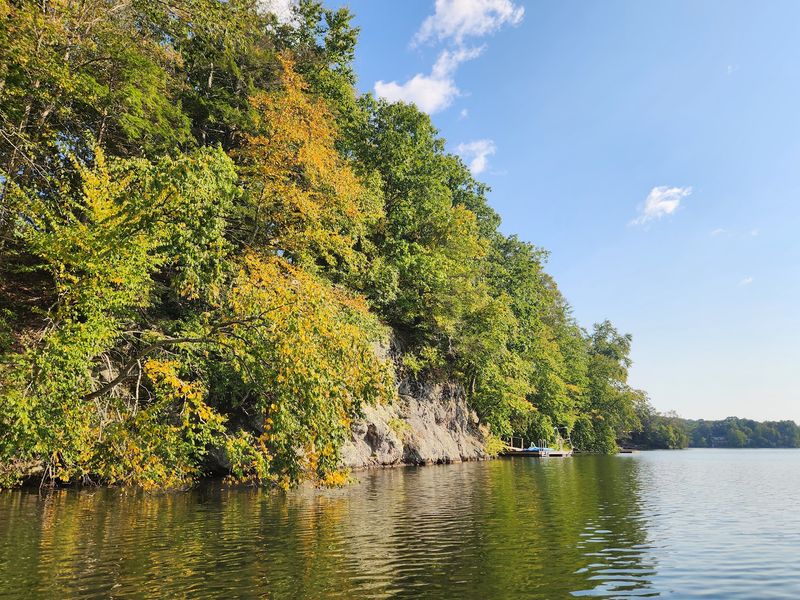
Small lake. Big fishing surprise. At Lake Quonnipaug, anglers get much more variety than its compact size might suggest.
The water covers about 99 acres, according to the state, rather than the roughly 112 acres sometimes reported elsewhere. It supports largemouth and smallmouth bass while also being managed for trout, giving fishing trips here more than one direction.
The state stocked the lake with trout several times during spring 2026, and current fishing regulations continue to classify it as a Trout Management Lake. That makes it possible to switch tactics depending on the season and what you hope to catch.
Boating stays relatively restrained too. Motors are limited to 6 horsepower, and motorboats cannot operate between 9 p.m. and 6 a.m.
The public launch at the north end of the lake is open year-round, with a paved ramp and eight parking spaces.
Those rules help keep the experience focused on the water rather than high-powered boat traffic. Anglers should still check current fishing regulations and license requirements before heading out.
For a lake this modest in size, Quonnipaug offers plenty to work with. The mix of bass fishing and managed trout water gives each visit a different possibility.
2. North Guilford Gives The Water A Quiet Woodland Setting
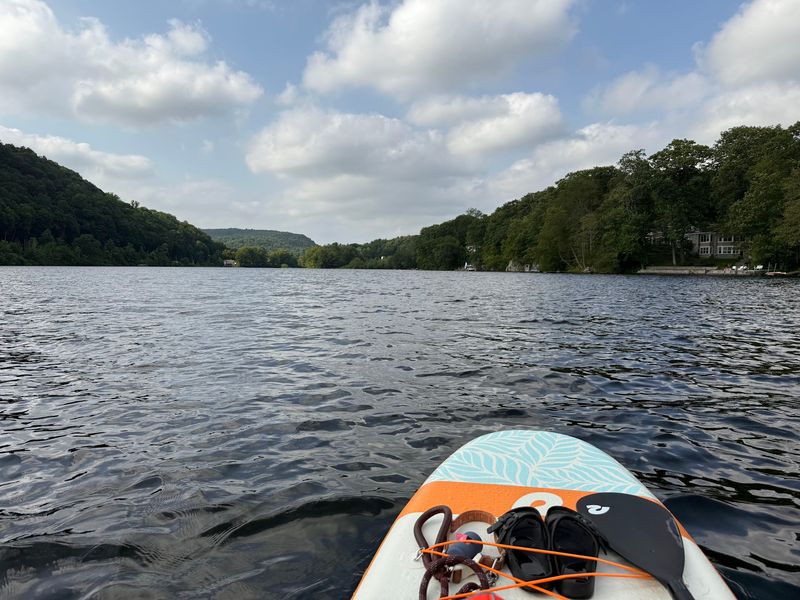
The lake makes you wait for the reveal. North Guilford grows quieter as the road leaves town behind.
Then the water appears between the trees, and the drive suddenly feels worth it.
Lake Quonnipaug fits that mood. Wooded hills rise around the water, while private homes occupy the shoreline without overwhelming the setting.
On calm mornings, reflections can make the lake feel broader than its modest size suggests.
Public access comes from two sides. The state boat launch sits at the northern end and remains open year-round, with a paved ramp and eight parking spaces.
Motors are limited to 6 horsepower, which keeps boating restrained.
The town maintains Lake Quonnipaug Beach on the western shore, where swimming is offered during the staffed season. Access is controlled through beach passes or daily admission, helping the town manage warm-weather days.
Boaters heading for the state ramp should use 4240 Durham Road in Guilford. With parking so limited, arriving earlier can make a weekend visit simpler.
Once on the water, the surrounding trees soften much of the activity beyond the shoreline. That atmosphere is a major part of Lake Quonnipaug’s appeal, especially when the surface settles and the wooded edges become the view.
3. Anglers Find Plenty Beneath These Calm Waters
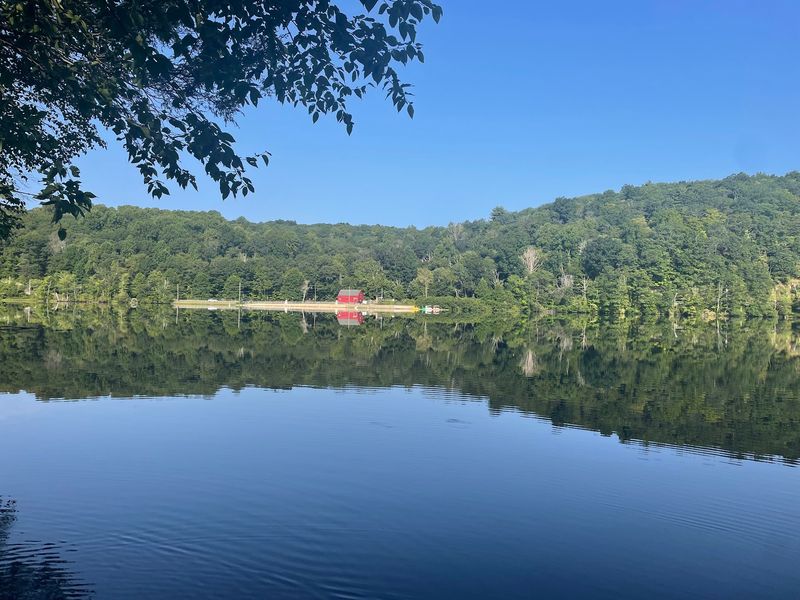
The species list here reads longer than you would guess from the shoreline. Largemouth bass, smallmouth bass, and chain pickerel headline the warmwater side of things.
Panfish fill in the rest of the day nicely. Bluegill, other sunfish, and yellow perch keep rods bending when the bigger predators go quiet, which makes the lake a forgiving place to bring a beginner or a restless kid.
Brown bullhead, channel catfish, and American eel also live in these waters, adding a few surprises for anyone fishing near the bottom after dark or in the softer mud areas. The variety means bait choices can range widely without feeling like a gamble.
Lake Quonnipaug carries an official designation as a Trout Management Lake, which puts it in a small group of Connecticut waters managed specifically for coldwater fishing alongside the usual bass crowd. That dual identity is the real story here.
Everyone casting a line needs a current fishing license, and regulations for trout differ from the general statewide rules. Checking the state’s current freshwater fishing guide before a trip takes two minutes and saves confusion at the water’s edge, especially outside the traditional spring season.
4. Largemouth Bass Give The Lake Its Trophy-Worthy Reputation
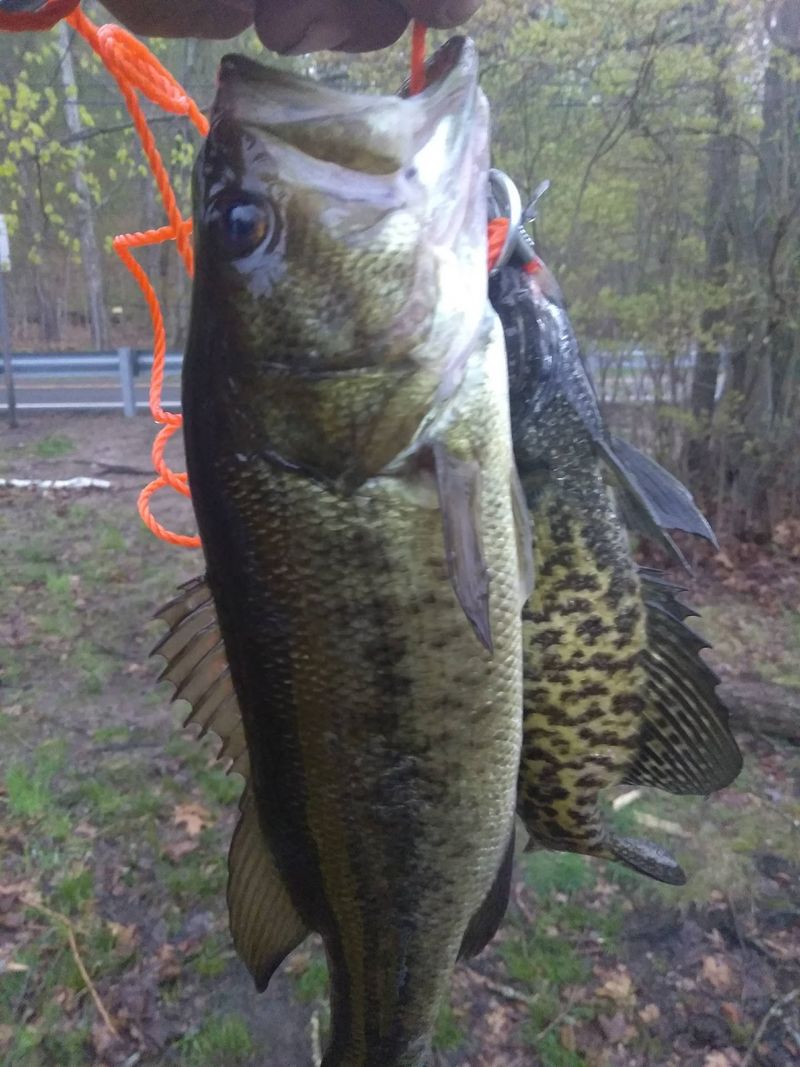
Largemouth bass are one of the fish most closely associated with Lake Quonnipaug. The lake has built a reputation among bass anglers that outpaces its acreage by a wide margin.
Fish in the four to seven pound range turn up with real regularity, and catches approaching eight pounds have been reported by dedicated anglers working the lake seriously. Those are numbers that hold their own against far bigger water bodies in the state.
Getting to those fish usually means leaving the bank behind. Shore access is limited in places and the water near the edges runs shallow, so a boat, kayak, or canoe opens up dramatically more productive territory.
Bigger bass here tend to hold in deeper sections rather than crowding the weed edges all day. Anglers chasing them often lean on large swimbaits, working slowly along drop-offs where the bottom falls away from the shallow flats.
Patience pays better than speed. The lake rewards people who take time to learn its contours, follow the seasonal movement of fish, and resist the urge to pound the same shoreline for hours.
Come early, keep the noise down, and let the structure tell you where to cast next.
5. Chain Pickerel Add Another Popular Catch
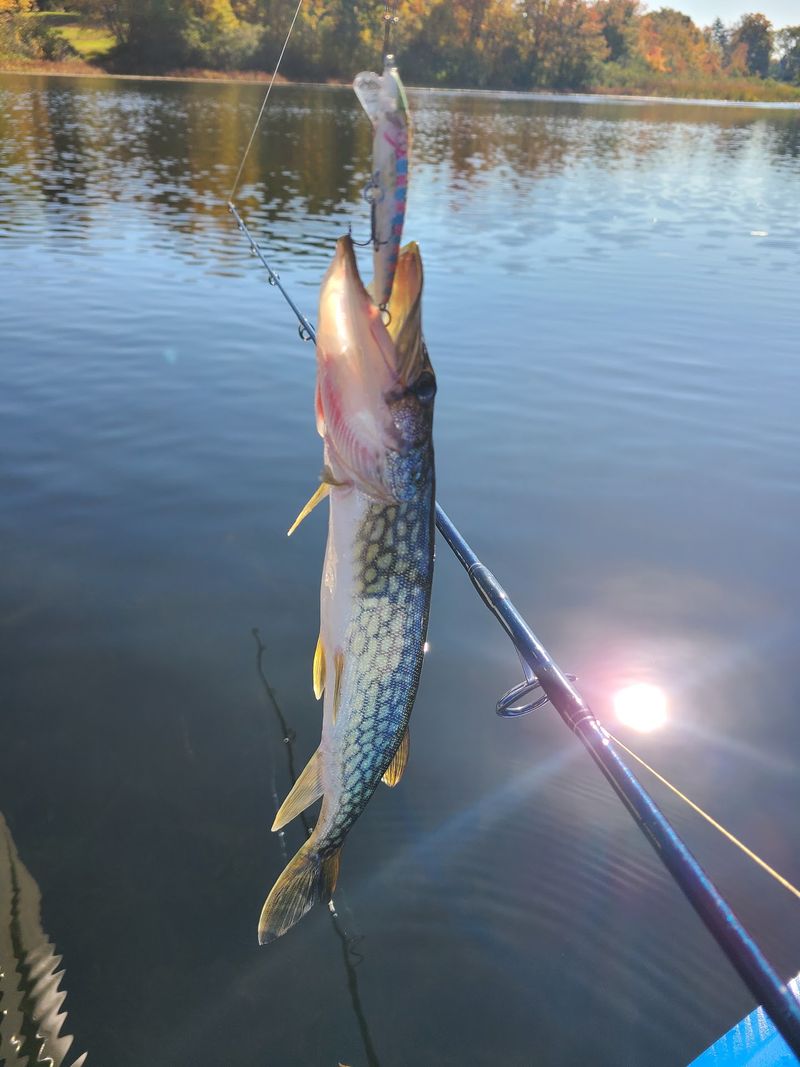
Long, lean, and full of attitude, chain pickerel bring a different kind of energy to a fishing trip. They hit hard, run fast, and rarely leave you wondering whether something just grabbed your lure.
At Lake Quonnipaug they are a common catch, and plenty of visitors mention hooking them alongside bass on the same outing. The chain-link pattern along their sides gives them their name and makes them instantly recognizable.
Weedy areas are where the action tends to concentrate. Anglers report steady success over shallower flats, often in water around six to eight feet deep, where vegetation gives these ambush hunters somewhere to wait.
Handle them carefully. Pickerel have a mouthful of sharp teeth, so a pair of long pliers and a firm grip behind the head make releases safer for both parties.
What makes them such a welcome part of the fishery is reliability. On slower bass days, pickerel can provide another chance for action and keep the morning interesting.
For younger anglers especially, that unpredictable strike out of the weeds tends to be the moment they remember long after the drive home.
6. Brown And Rainbow Trout Keep Things Interesting
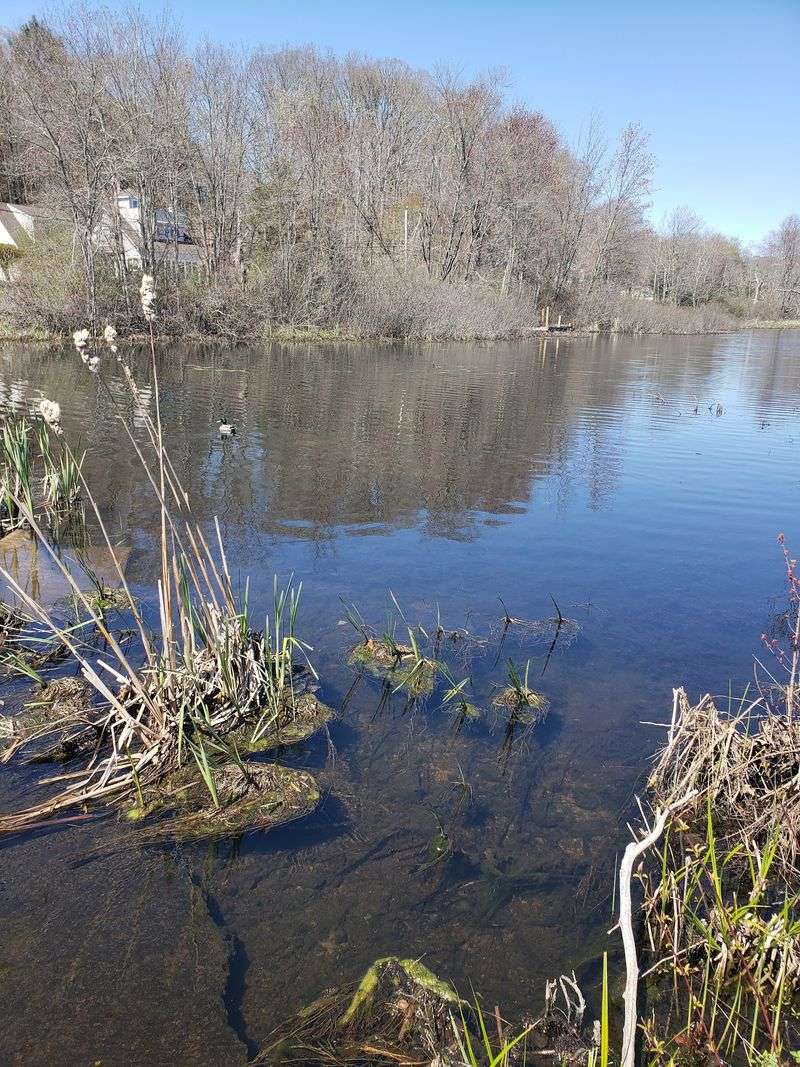
Trout keep this little lake interesting. The season does not simply fade away when colder weather arrives.
Lake Quonnipaug stays on the fishing map throughout the year.
Its designation as a Trout Management Lake is the reason. State fisheries crews stock the water regularly, with 2026 records showing spring stockings in March and again in April.
That steady management gives anglers another reason to return as conditions change.
The designation also comes with fishing rules that differ from many other lakes. Catch-and-keep trout fishing remains available year-round here, including the early-spring period when most lakes and ponds switch to catch-and-release fishing.
From March 1 until 6 a.m. on the second Saturday of April, anglers may keep one trout per day, and it must measure at least 16 inches. After that period, the standard Trout Management Lake limit rises to five trout daily.
Those rules make checking the current fishing guide worthwhile before every trip. A trout and salmon stamp is also required when keeping trout.
Spring can bring especially strong interest after fresh stockings. With only about 99 acres to explore, anglers can spend more time working promising water instead of traveling long distances across a huge lake.
7. Swimming And Paddling Fill Warm Summer Days
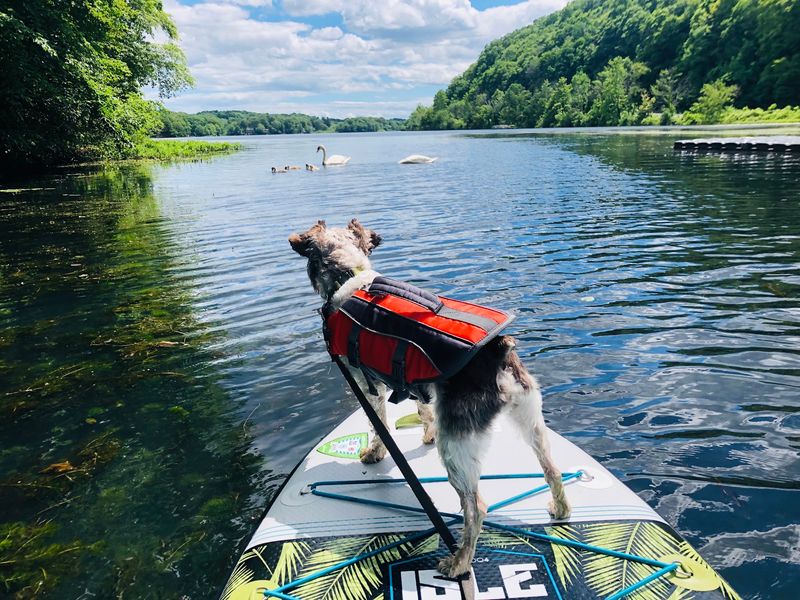
Summer changes the mood fast. Fishing gives way to beach towels. Soon the western shore feels like the lake’s liveliest corner.
Lake Quonnipaug Beach offers a 314-foot beach with a designated swimming area, giving families a simple place to cool off during Guilford’s summer season. In 2026, the town staffs the beach on weekends from Memorial Day through June 21, then daily from June 22 through September 7.
Paddleboats add another way to enjoy the water, while the lake’s compact size makes a relaxed outing feel manageable. The town also provides seasonal passes, and daily admission is available for visitors who do not have one.
Boating elsewhere on the lake stays gentle because motors are limited to 6 horsepower. Motorboats also cannot operate between 9 p.m. and 6 a.m., helping preserve the quieter character of mornings and evenings.
Beach rules matter before getting settled. Dogs are not permitted, and swimming is allowed only when a lifeguard is on duty.
Beach access is at 77 Quonnipaug Lane in Guilford. Water conditions can occasionally affect swimming, so checking town notices before leaving home is worthwhile.
Once everything is clear, this freshwater beach makes an easy summer escape without requiring a huge lake or an elaborate plan.
8. Quiet Shores Make The Lake Worth Lingering Around
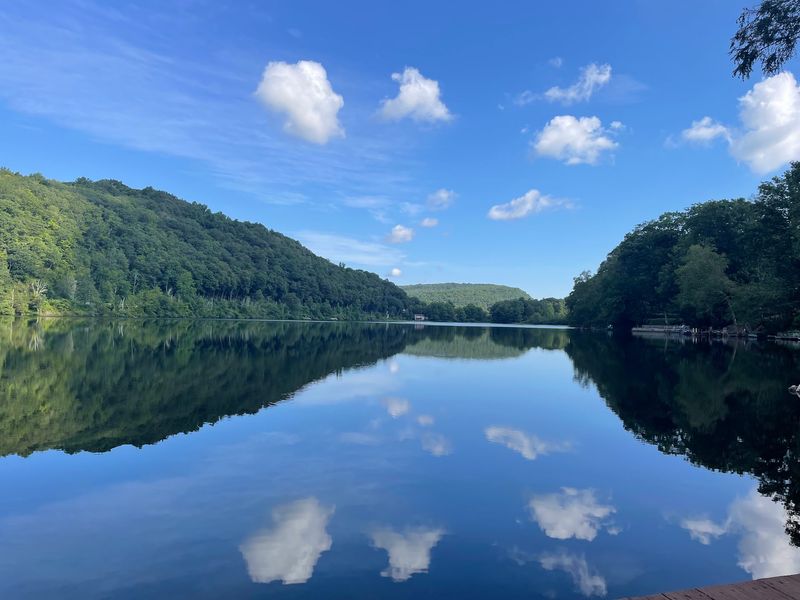
Some places are worth visiting even when you catch nothing at all. Lake Quonnipaug happens to be one of them.
Late afternoon is when the lake earns its quiet reputation. The surface goes glassy, the light softens across the hills, and the whole place slows down in a way that makes leaving feel unnecessarily rushed.
Birdwatchers do well here. Waterfowl move along the shoreline and through the surrounding woodland, and a pair of binoculars turns an ordinary sit under a tree into something more absorbing.
Picnicking works nicely too. A sandwich, a shaded spot near the water, and an hour with nothing scheduled cover most of what people actually come for, and visitors frequently describe the atmosphere as calm and unhurried.
Sunsets get particular praise. On clear evenings the sky can turn through orange, pink, and gold, with all of it repeated on the water below.
Keep expectations right-sized and the visit lands perfectly. Dramatic scale and long trail networks are not really the point of a visit here.
What the lake offers instead is unhurried time outdoors, close enough to reach on a whim, quiet enough that you notice how loud the rest of the week has been.