You’ll Feel Like You’ve Stepped Into Another World At This Connecticut Botanical Garden
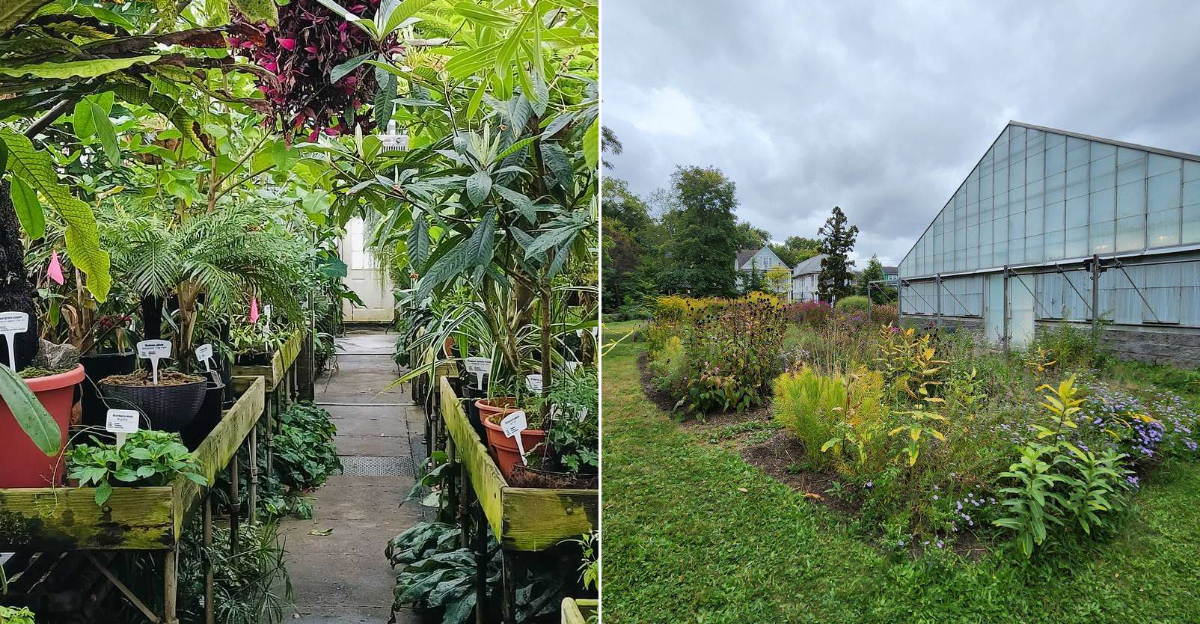
The ordinary world starts feeling very far away once leafy paths and unusual plants begin closing in around you. Glasshouses add another layer of wonder, almost like little portals into climates that have no business existing so close to home.
Every turn brings a different texture or shape, and the whole visit starts to feel wonderfully unreal.
At this Connecticut botanical garden, science quietly mixes with a bit of magic, creating the kind of place where curiosity keeps pulling you forward.
You might pause over a strange tropical specimen, then lose several minutes staring at a plant that looks like it belongs in a fantasy novel. That sense of discovery makes the garden feel bigger than it really is.
Nothing needs to flash or shout for attention. The fun comes from wandering slowly and noticing how unusual the natural world can be.
By the end, it feels less like you visited a garden and more like you slipped briefly into someone else’s enchanted greenhouse dream.
1. Eight Acres Hold An Entire World Of Plant Life
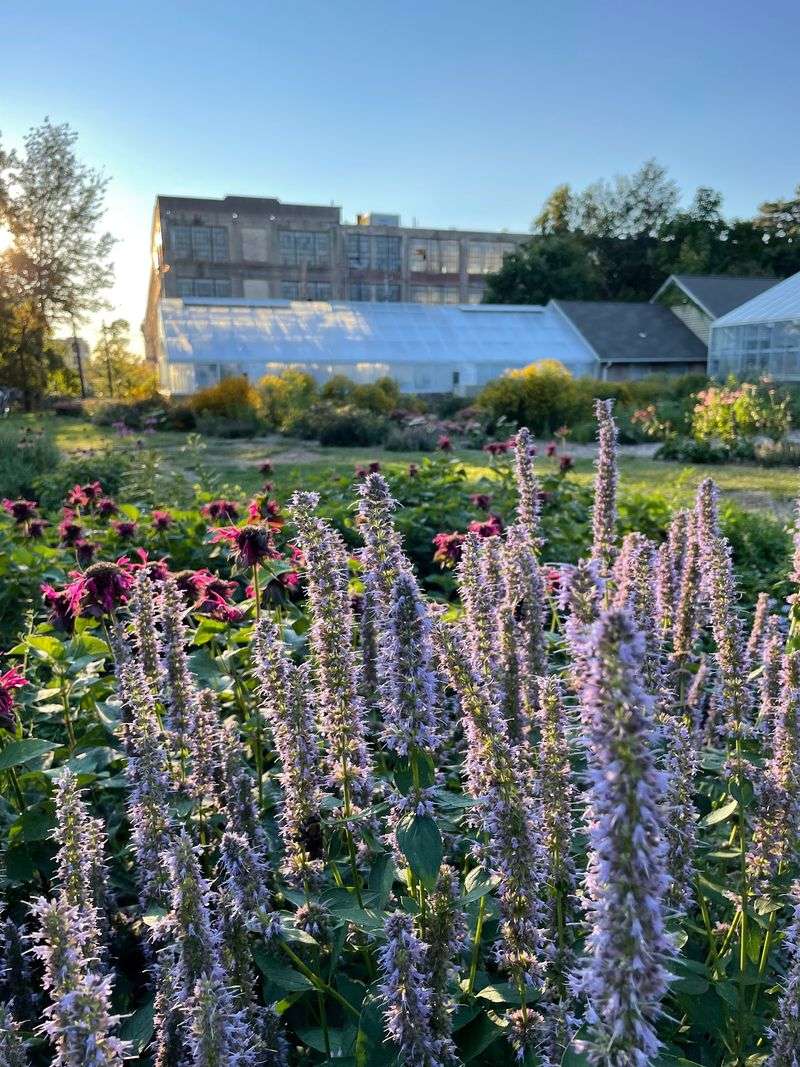
Eight acres can hold a surprising amount of scenery. Every turn brings another change, from shady trees to greenhouse glass.
On Yale’s sloping grounds, Marsh Botanical Garden makes its compact footprint feel far more expansive than expected.
The experience works best at an easy pace. Rather than covering long distances, visitors can spend time noticing how quickly the surroundings shift between cultivated beds and more natural-looking sections.
Mature specimens add height and character, while seasonal plantings keep the grounds changing through the year.
Inside the greenhouses, the atmosphere changes completely. Warm, humid spaces support tropical plants that could never handle a New England winter outdoors, while other collections highlight species adapted to much drier conditions.
Because the property is fairly compact, a relaxed visit can still cover plenty. Benches provide good stopping points, and quieter weekday periods can make the garden feel especially peaceful.
Comfortable shoes are useful because parts of the grounds follow informal paths rather than smooth pavement. A camera is worth bringing too, especially when flowers are in bloom or unusual greenhouse plants are showing their best features.
Soft morning light can make the whole place especially photogenic.
2. Mansfield Street Hides This Green Escape Near Yale
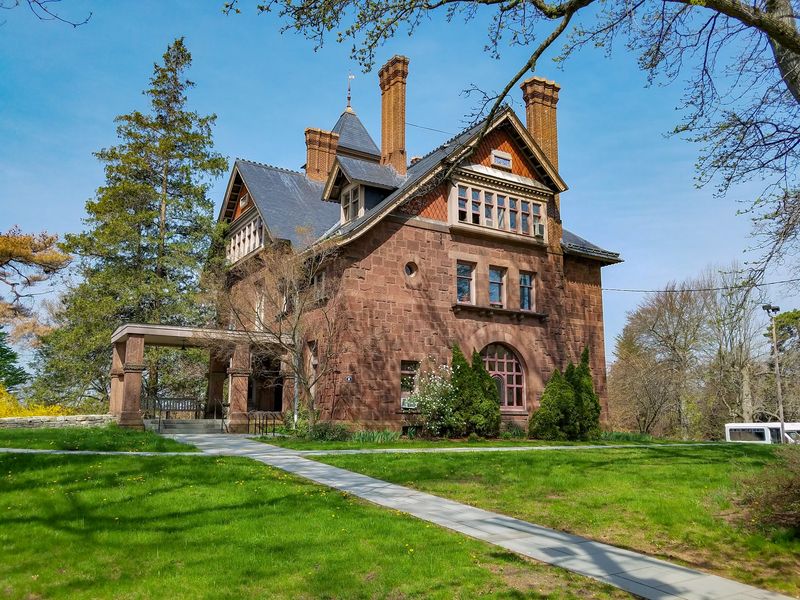
Getting here is easy. The real trick is deciding whether to stay outside or disappear into the greenhouses for a while.
Just beyond the busiest parts of Yale, Marsh Botanical Garden feels pleasantly removed without requiring a complicated trip across New Haven.
The outdoor grounds make an easy stop before class, after lunch, or whenever a quiet break sounds better than another crowded block. Yale currently lists those gardens as open every day from 7 a.m. until sunset, giving visitors plenty of flexibility for an early or late walk.
Greenhouse hours are narrower. Public access generally runs Monday through Friday from 9 a.m. to 4 p.m., and four greenhouses are open year-round.
Since these spaces also support university research, individual access can occasionally differ.
The garden’s official address is 265 Mansfield Street, New Haven, CT 06511. Admission is free, so there is no ticket purchase to plan around before arriving.
Checking current Yale visitor information before a greenhouse-focused trip is still sensible, especially around holidays or campus schedule changes. Once there, the compact grounds make it easy to wander at your own pace rather than follow a fixed route.
3. Outdoor Gardens Lead Into Six Glass Greenhouses
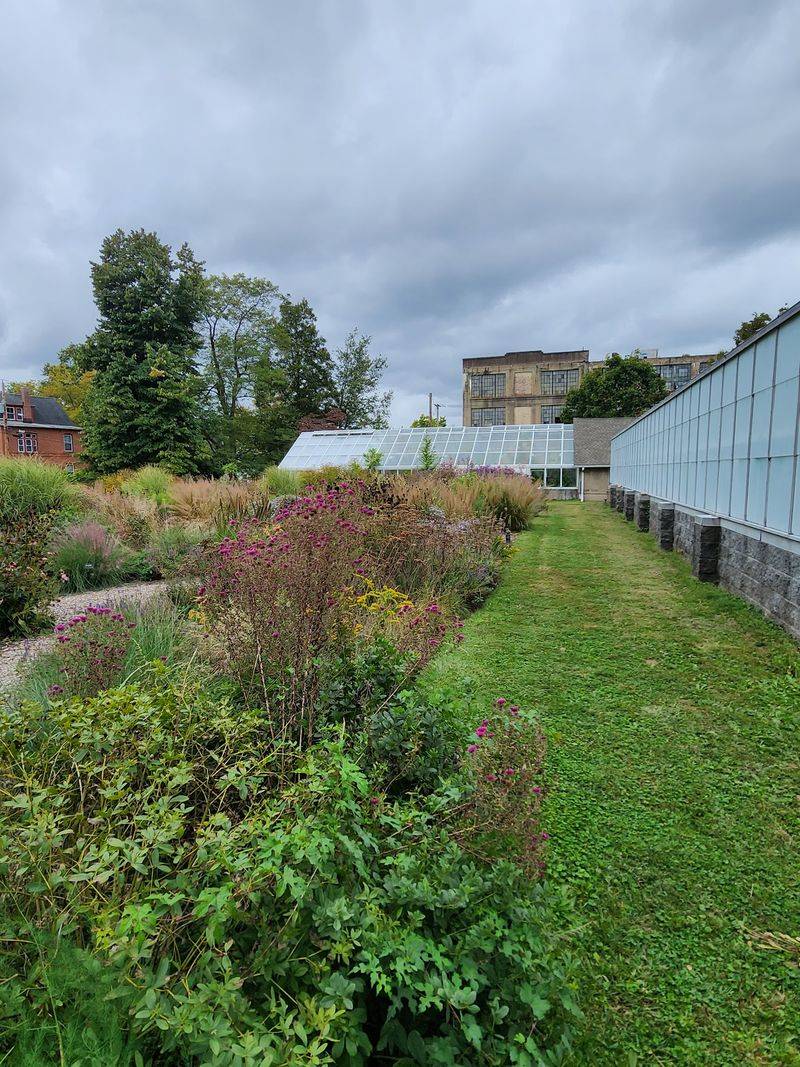
Start outside and the transition indoors feels like changing chapters in a book.
The open grounds hold a magnolia collection featuring North American natives such as cucumber, southern, and pyramid magnolias, plus an oak collection with swamp white, pin, and bur oaks, some of them centuries old.
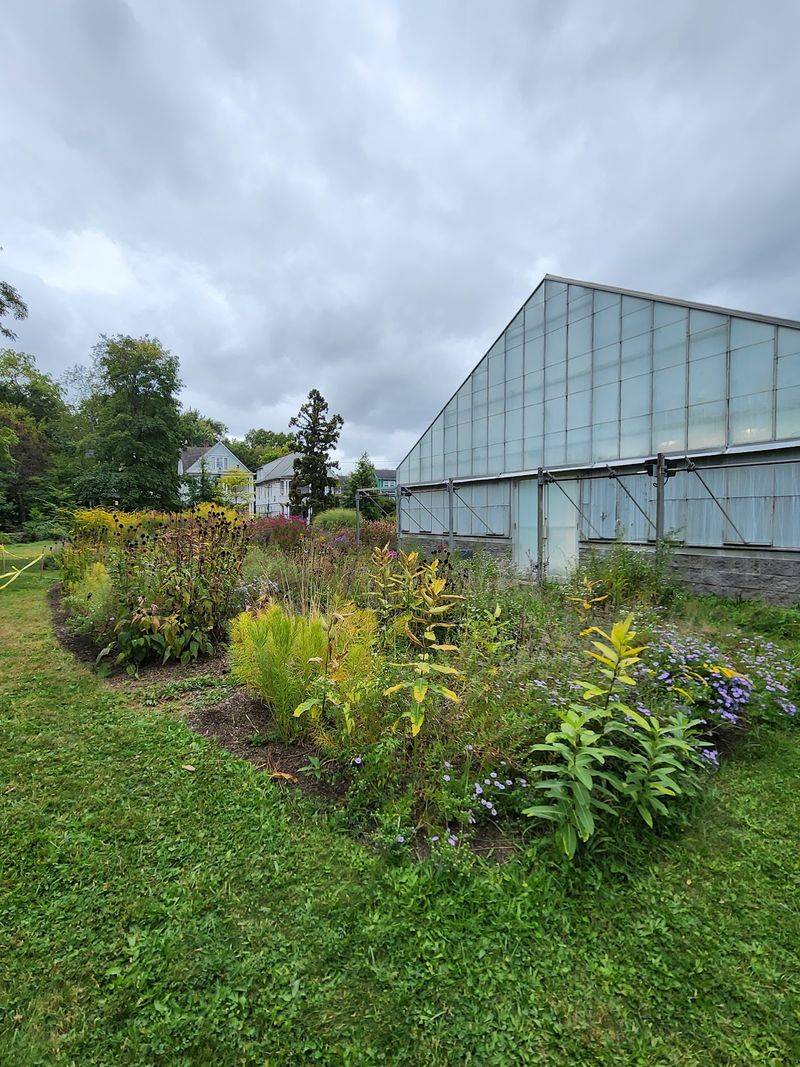
A meadow garden planted in broad drifts of perennials and shrubs runs alongside native plant bog gardens fed by natural springs. In warm months, the whole area hums with pollinators.
Then come the greenhouses. Six glass structures cover close to a third of an acre, each maintained at conditions suited to its residents, from humid tropical air to dry desert warmth.
Walking through the doors on a cold day is genuinely startling. The temperature jumps, the air turns damp and green-smelling, and vines hang overhead where moments earlier there were bare Connecticut branches.
Between the glass houses, a koi pond often becomes a favorite stop, especially for families with young children watching the fish glide through the water.
Keep in mind that not every greenhouse opens to the public at all times, since several support active laboratory work.
4. More Than 2,000 Plant Species Fill The Collections
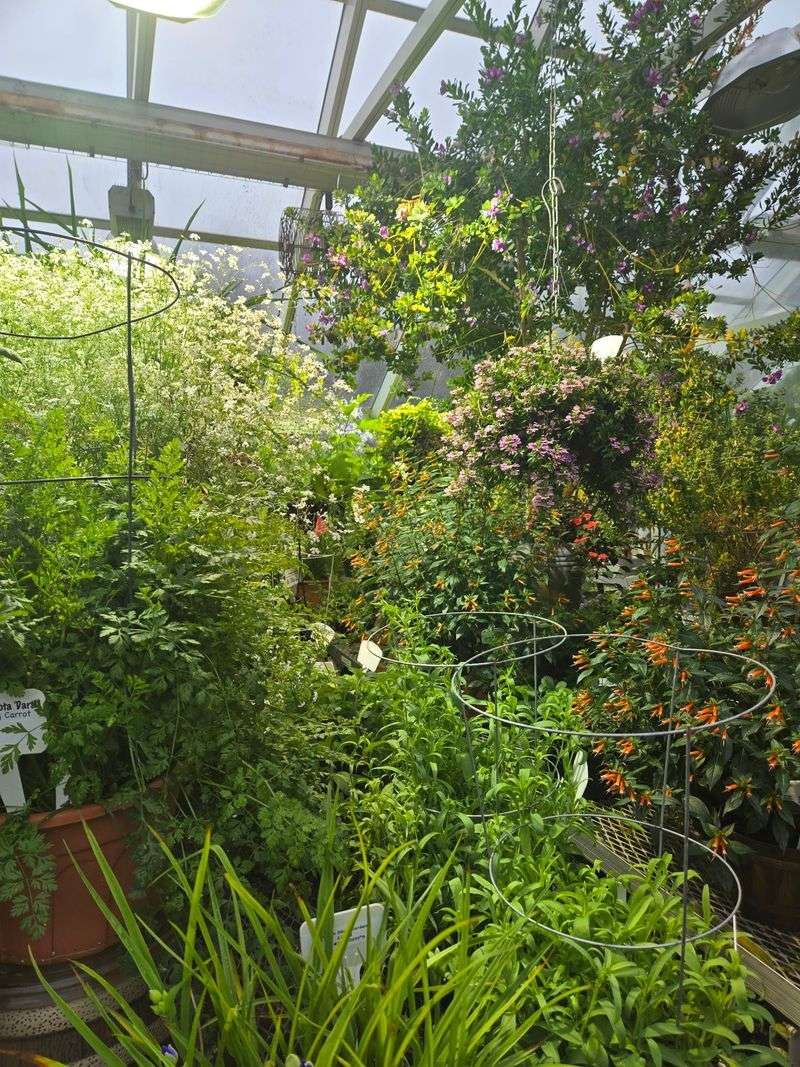
Two thousand species is a number that only makes sense once you see it stacked on greenhouse benches and spilling out of hanging baskets. Temperate plants from familiar climates share the property with tropical species that would be unrecognizable to most New England gardeners.
Indoors, the collections are organized by theme. There is a tropical collection thick with broad leaves and climbing stems, an orchid collection with blooms that reward close inspection, and a desert house where spines and thick water-storing tissue replace lush foliage.
Outdoors, the emphasis shifts toward trees and regional plantings. The oak collection includes specimens that were already growing before the garden was formally established, which gives those corners of the property a settled, old-growth feeling.
What makes the variety worth studying rather than skimming is the labeling and the purpose behind it. Plants here are grouped as a living library for teaching and research, not simply arranged for display.
Bring reading glasses if you use them, since plant tags carry names worth noting. Plant lovers often leave with a short list of species they want to look up later, and that curiosity is half the fun.
5. Carnivorous Plants Give The Greenhouses A Stranger Side
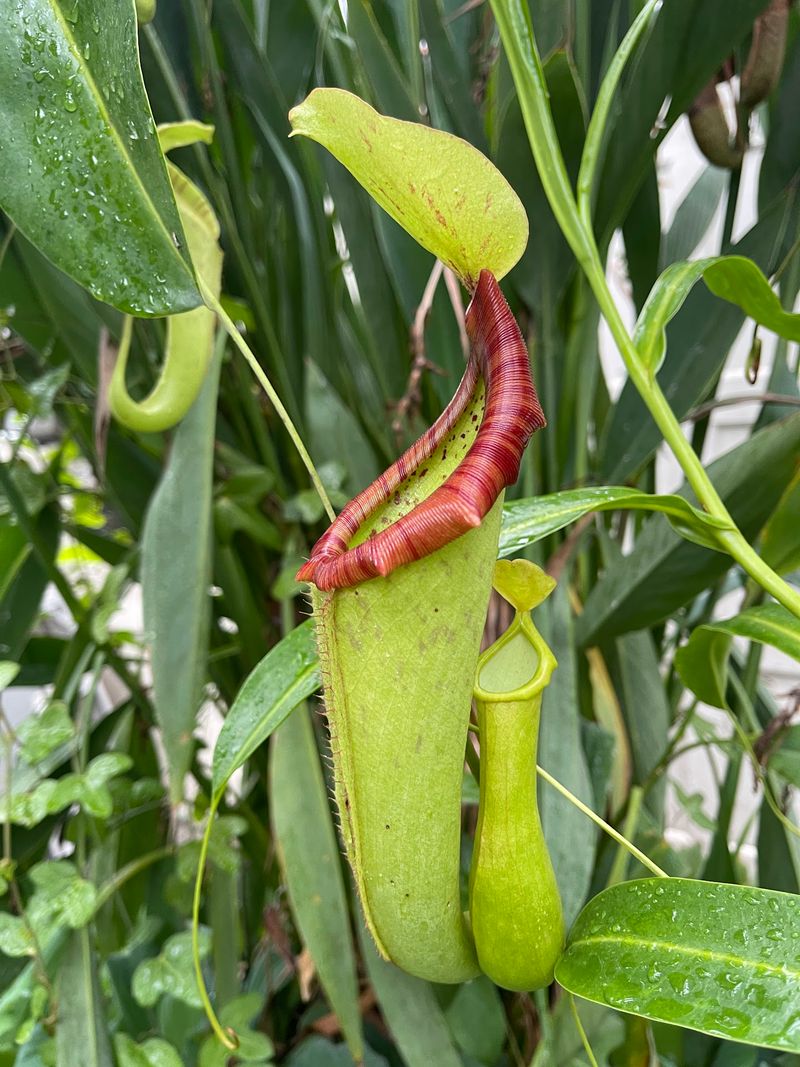
Carnivorous plants bring a wonderfully strange twist to the greenhouse experience. This section rewards a closer look because many of the most interesting details are easy to miss at first.
Sundews sit low with sticky droplets shining across their leaves, while pitcher plants form deep tubes designed to trap insects. Nearby, Nepenthes hang from vines with pouch-like traps that look almost decorative until you notice what they are built to do.
Roridula adds another unusual example to the collection, showing just how many different ways these plants have adapted to difficult growing conditions. Their shapes may vary, but each one offers a glimpse at how inventive plant survival can be.
It is worth slowing down here instead of rushing past the displays. The textures, colors, and tiny structures become more interesting the longer you look, especially once you understand how each plant captures nutrients.
For younger visitors, this part of the greenhouse can be especially fun because the plants seem almost fictional. Even adults may end up leaning closer than expected, trying to work out where an ordinary-looking leaf ends and a clever natural trap begins right before their eyes.
6. The Garden’s Story Reaches Back To 1899
Long before the greenhouses hummed with research equipment, this land belonged to a Yale paleontologist whose estate already held plant collections.
In 1899 he arranged for the property to pass to the university with instructions that it be developed and kept as a botanical garden, and after his passing in 1900 the house and grounds became part of campus.
Through the 1920s and 1930s, a celebrated landscape architect shaped much of the early design. Her plans brought in systematic plantings, a rockery, and a formal garden inspired by the layout of the oldest surviving formal botanical garden in Padua, Italy.
Popularity peaked in the 1930s and early 1940s, when thousands of visitors came through each year. A quieter stretch followed after the mid-1940s, and serious restoration work began again in the late 1980s.
Those layers are still readable if you know to look for them. Old oaks, stone edges, and the bones of earlier garden plans sit beneath more recent plantings.
Knowing the backstory changes how the place feels. What might read as a simple campus green space becomes a garden with more than a century of intention behind it.
7. Seasonal Wildflowers Keep The Grounds Constantly Changing
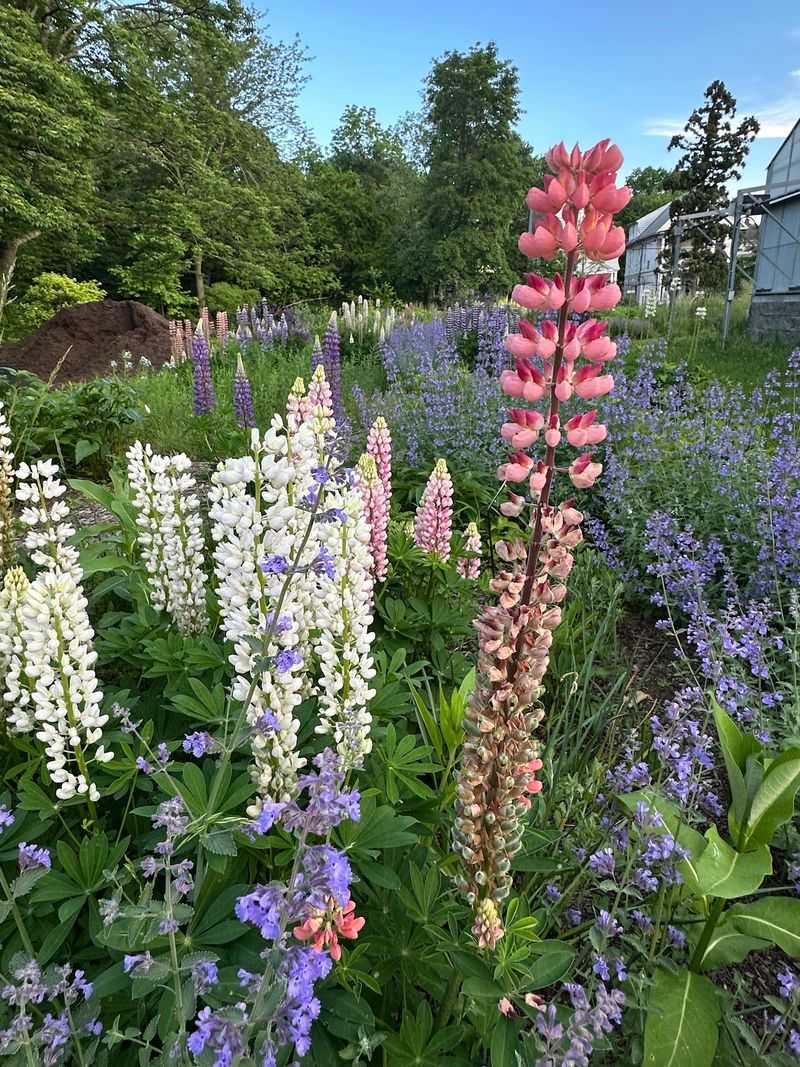
No two visits land the same way, and that is largely down to the planting calendar. Spring opens with bulb displays and the earliest flowering shrubs and trees, when the grounds feel fresh and a little untidy in the best way.
From May through October, the naturalistic beds and wildflower plantings take over. Color builds week by week, and with it comes steady traffic from butterflies, bees, and birds working the blooms.
Autumn brings a different palette. Many of the woody plants turn unexpected shades, and developing fruits add flecks of red and orange against fading foliage.
Winter is where people assume the garden shuts down, but the greenhouses flip that assumption. Inside, bananas and oranges ripen while snow sits on the glass outside, which may be the single most surreal thing about visiting in January.
Benches around the grounds make it easy to sit and take it in rather than march through. Several sit near quiet spots where the meadow plantings block the view of the street.
For photographers, late spring and early autumn tend to offer the richest combination of color, comfortable temperatures, and gentle light.
8. Science And Beauty Grow Side By Side Here
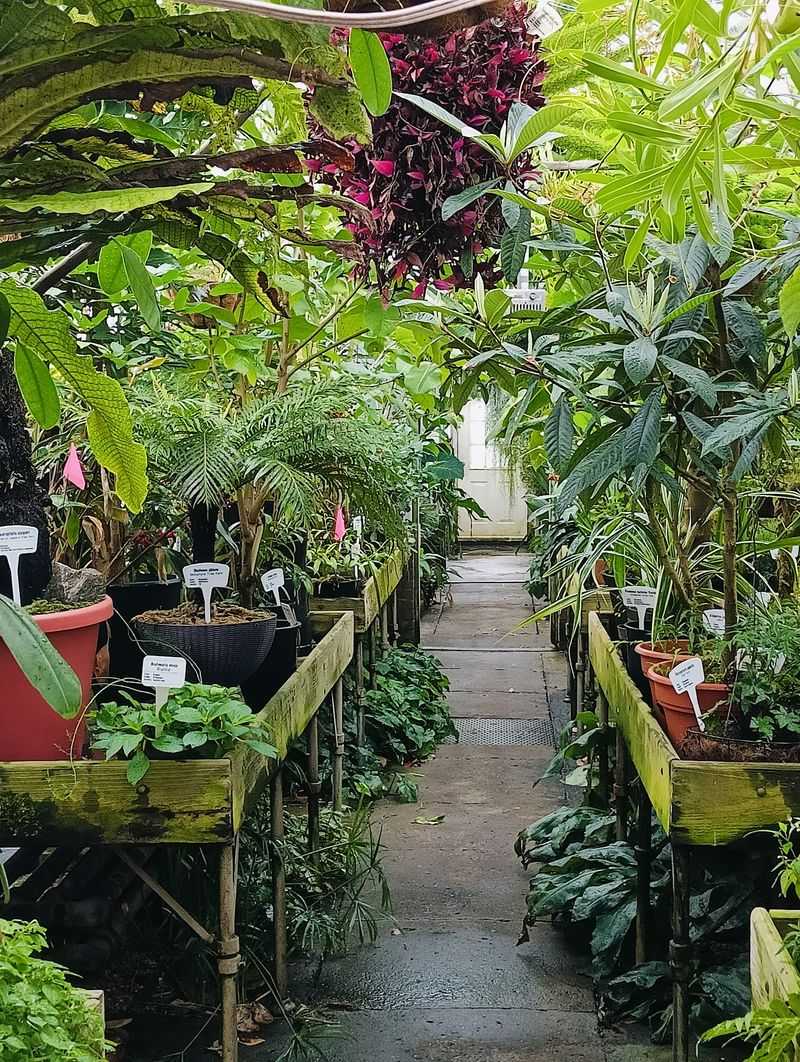
Behind the pretty views, this is a working scientific facility. The garden exists first to support Yale’s teaching and research, supplying plants and growing space for projects that stretch from molecular biology to ecology.
Laboratory courses in departments such as Molecular, Cellular, and Developmental Biology and Ecology and Evolutionary Biology draw on the collections, as do classes covering plant diversity, evolution, and genetics.
Those research greenhouses are the reason a few doors stay locked to the public.
Conservation runs through the mission too, with attention paid to rare and endangered species held in the collections. Seeing a threatened plant in person tends to land harder than reading about one.
Community programs open the doors wider. Workshops, guided walks, and outreach events bring in school groups, artists, and curious neighbors, and a long-running gathering called the Green Café brings plant scientists and gardeners together to talk shop.
Staff members are frequently described as friendly and generous with information, and a chance conversation with a gardener or researcher can turn a short stop into a real education.
Come with a question or two. You may leave with far more than you expected from an eight-acre patch of New Haven.