This Kentucky County Has The Largest Amish Community In The State And More Than 100 Amish-Owned Businesses
You have probably driven right past it. Interstate 65 does that to people.
You watch the mile markers blur and you start planning your next coffee stop. Meanwhile, off to one side, there is a Kentucky county where buggy traffic is a real thing and the sawmills still hum.
This is the biggest Amish settlement in the entire state. More than one hundred Amish-owned businesses operate here.
That number is not a typo. You can buy a lemon pie, a shed, a greenhouse full of tomatoes, and a set of dining chairs in one afternoon.
There is even an Amish run safari park where a tractor pulls your wagon past camels and zebras, which is not a sentence anyone expects to read about Amish country.
The bakeries open early. They also tend to sell out early.
The stores close on Sunday, so plan accordingly.
Bring cash. Bring patience for slow roads.
Bring an empty trunk, because you will need it.
Kentucky’s Biggest Amish Settlement Sits Off The Interstate
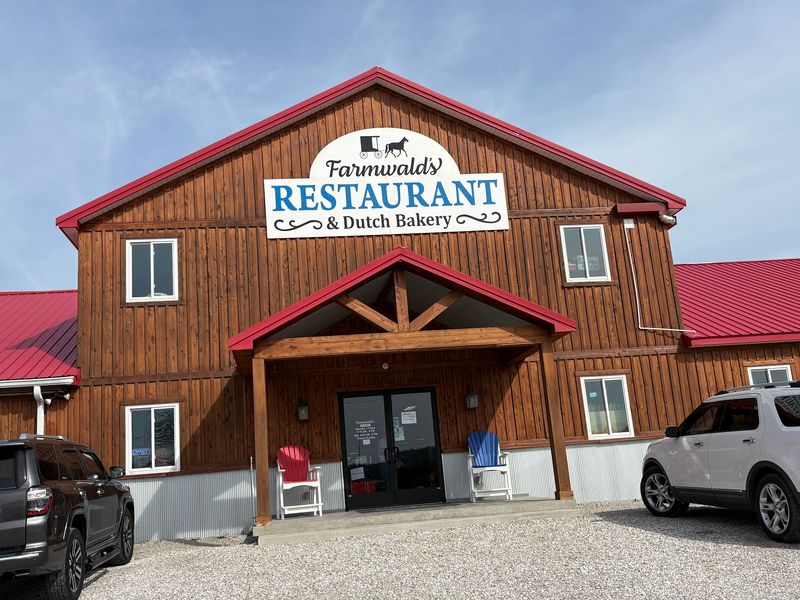
Hart County holds the largest Amish community in Kentucky, and the numbers back it up. Local counts point to more than 100 Amish-owned businesses spread across the countryside.
Most of them are small, family run, and built beside the family home. A shop might sit in a converted barn, a basement, or a tidy metal building.
You will not find neon signs or parking lots with painted stripes. Look instead for hand lettered wooden signs at the end of a gravel lane.
The settlement grew steadily over the decades as families bought farmland here. Affordable acreage, workable soil, and quiet roads made the county a natural fit.
Farming still anchors daily life, though the shops help balance the household budget. Woodworking, baking, sewing, and greenhouse work all bring in steady money.
That mix is why one afternoon can feel like visiting a dozen tiny stores. Each stop has its own specialty, its own hours, and its own rhythm.
Plan a loop instead of visiting a single destination. The payoff is a day of small discoveries no shopping mall can match.
Bring patience and a paper list of what you actually want. Shops are spread out, and the best ones sit far from the highway.
Horse Cave And Munfordville Anchor The Map
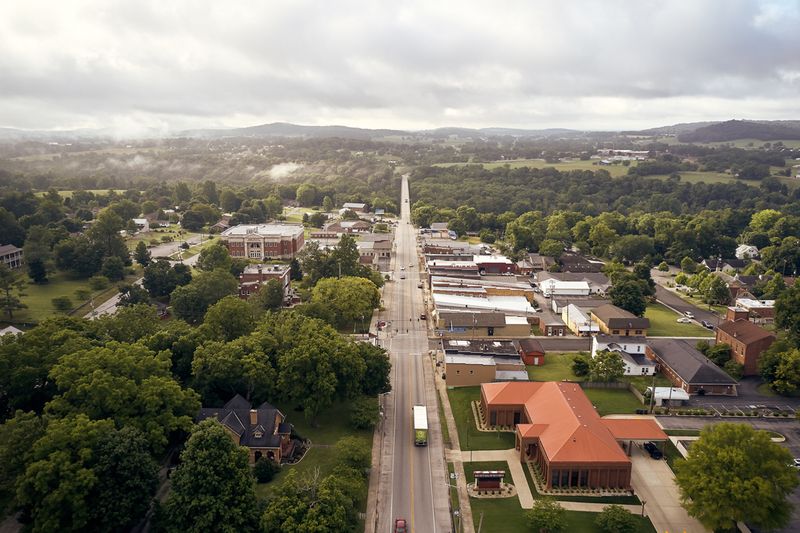
Two small towns give the county its shape, and Hart County wears them comfortably. Horse Cave and Munfordville sit close to Interstate 65, only minutes apart.
Horse Cave works well as the jumping off point for the back roads. Hidden River Cave opens right downtown, with a walkway leading below the street.
Munfordville is the county seat and sits near the Green River. The courthouse square makes an easy meeting spot before you head out.
From either town, farm lanes fan out east and west. Amish homes and shops line those roads in loose clusters.
Mammoth Cave National Park is a short drive to the south. Many visitors pair a cave tour with an afternoon of shop hopping.
Fill the gas tank and grab cash before leaving town. Services thin out quickly once the pavement narrows.
Cell service can be spotty between the ridges out there. A printed map beats a frozen phone screen every single time.
Signs for produce, baked goods, and furniture appear with little warning. Slow down, because driveways show up fast on the curves.
Give yourself more time than the mileage suggests. Twelve miles of farm road takes longer than you think.
Fry Pies, Warm Bread, And Cinnamon Rolls
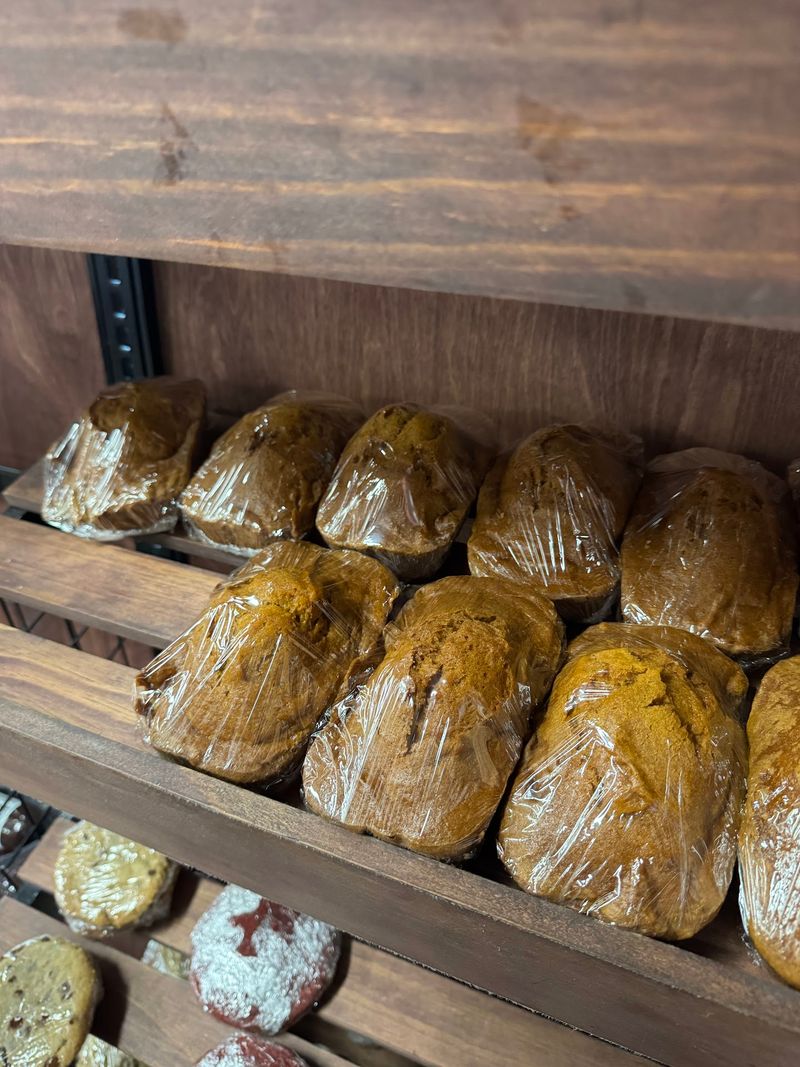
The smell of yeast reaches the parking area before you reach the door, and Hart County bakers know it. Home bakeries here run on propane ovens, big mixing bowls, and very early mornings.
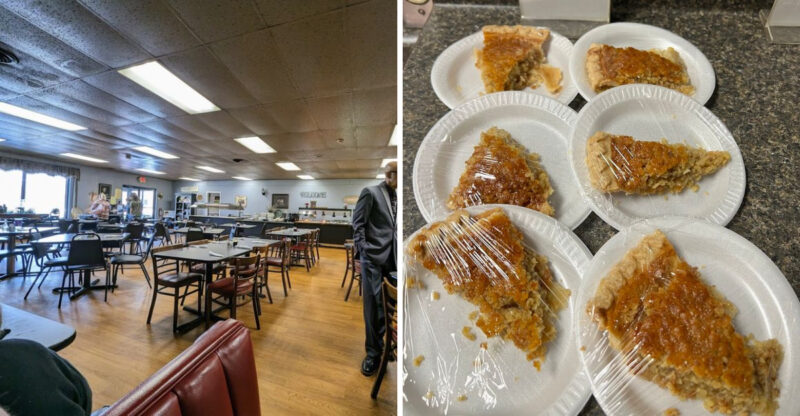
Fry pies are the local favorite worth learning about first. Dough gets folded around fruit filling, fried, then glazed until it shines.
Apple, cherry, peach, and blueberry show up most often. Flavors rotate with whatever fruit the season delivers.
Whoopie pies, cookies, and dinner rolls fill the shelves beside them. Sandwich bread frequently sells out well before noon.
Prices are usually posted on index cards or small chalkboards. Payment goes in a box or straight to whoever is at the counter.
Ask about baking days if you want the widest choice. Some homes bake twice a week and post the schedule near the door.
Bring a cooler for the ride home in warm weather. Cream filled treats do not enjoy a hot car.
Ordering ahead is welcome at many of these kitchens. A note left with the family usually handles a big request.
Buy an extra loaf for the drive. It rarely survives the trip.
Woodshops Building Furniture From Local Timber
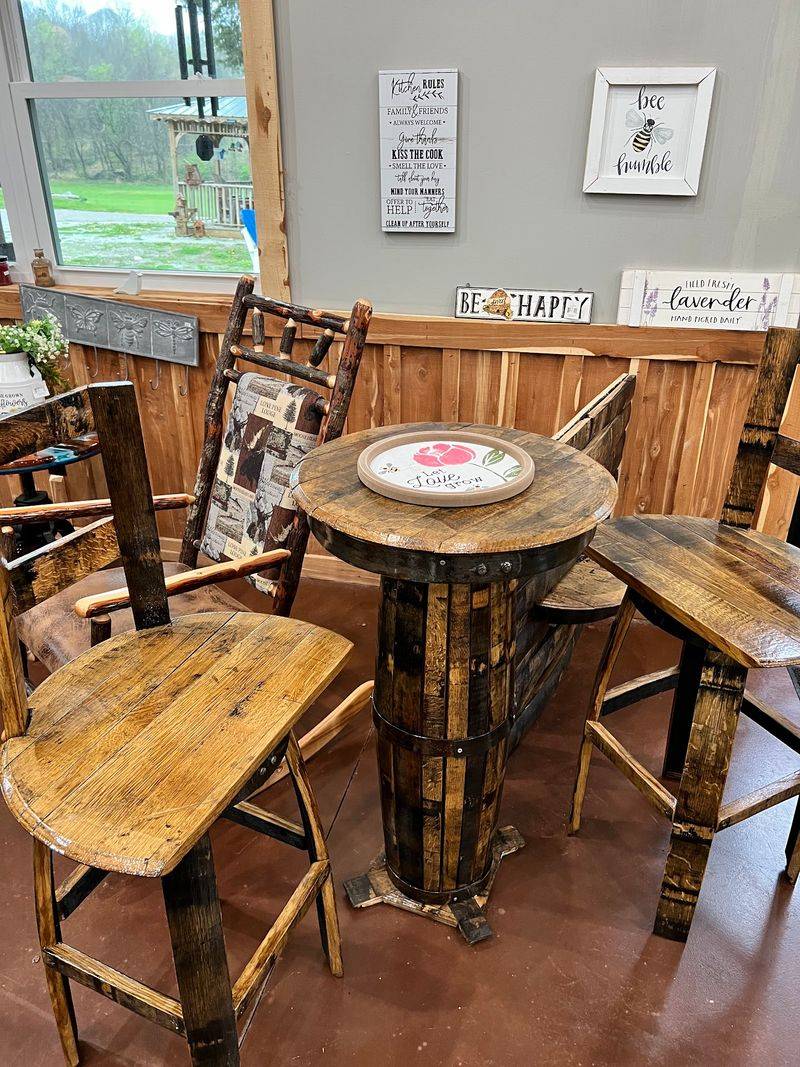
Sawdust, hand planes, and oak that smells faintly sweet: Hart County woodshops deliver all three. Furniture making ranks among the settlement’s strongest and best known trades.
Shops build tables, hutches, bed frames, rockers, and porch swings. Oak, cherry, maple, and hickory are the usual choices on the floor.
Much of the lumber comes from sawmills only a few miles away. Some mills will sell rough boards straight to the public.
Custom orders are normal here, not a special favor. You choose the wood, the size, the stain, and the hardware.
Expect a wait of several weeks for the larger pieces. Each item gets built in order, one at a time.
Bring your measurements written down before you visit any shop. Guessing at doorway widths leads to awkward delivery days.
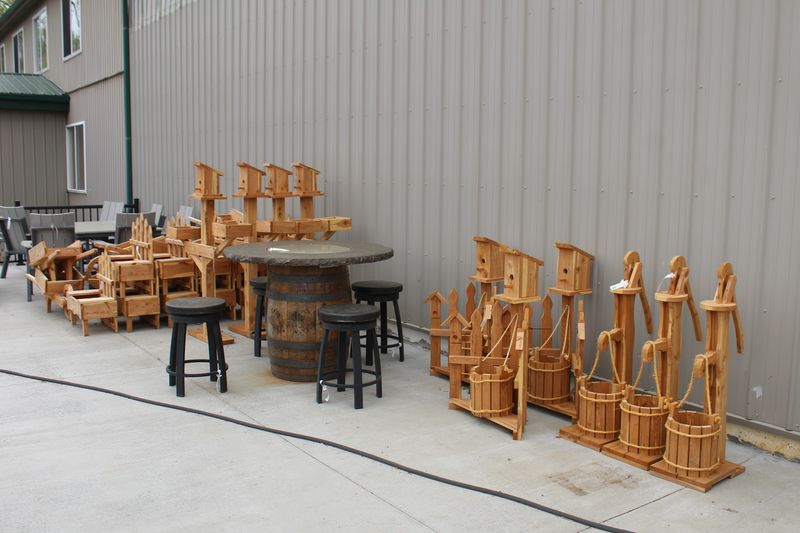
Smaller goods make good souvenirs when a hutch will not fit. Cutting boards, stools, birdhouses, and drying racks are common.
Ask how the joints are put together. Craftsmen usually enjoy explaining dovetails and mortise work.
Compare a few shops before ordering something big. Styles and prices vary more than you would expect.
Greenhouses That Wake Up Every March
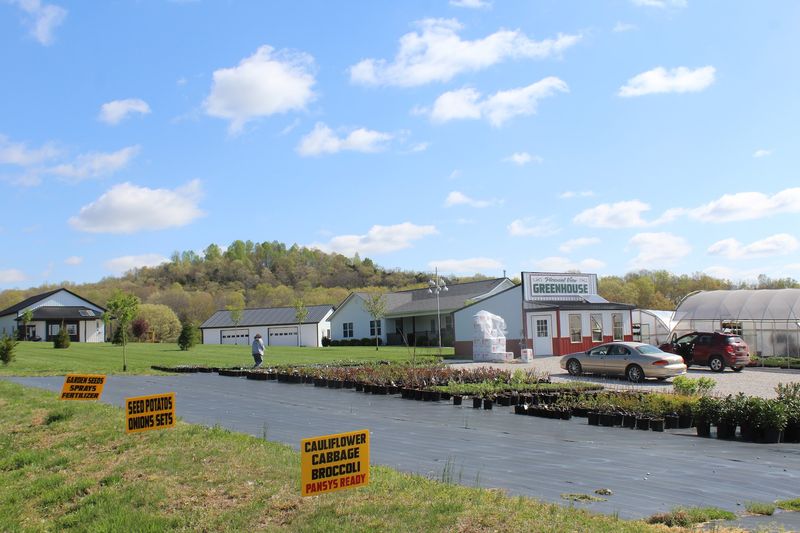
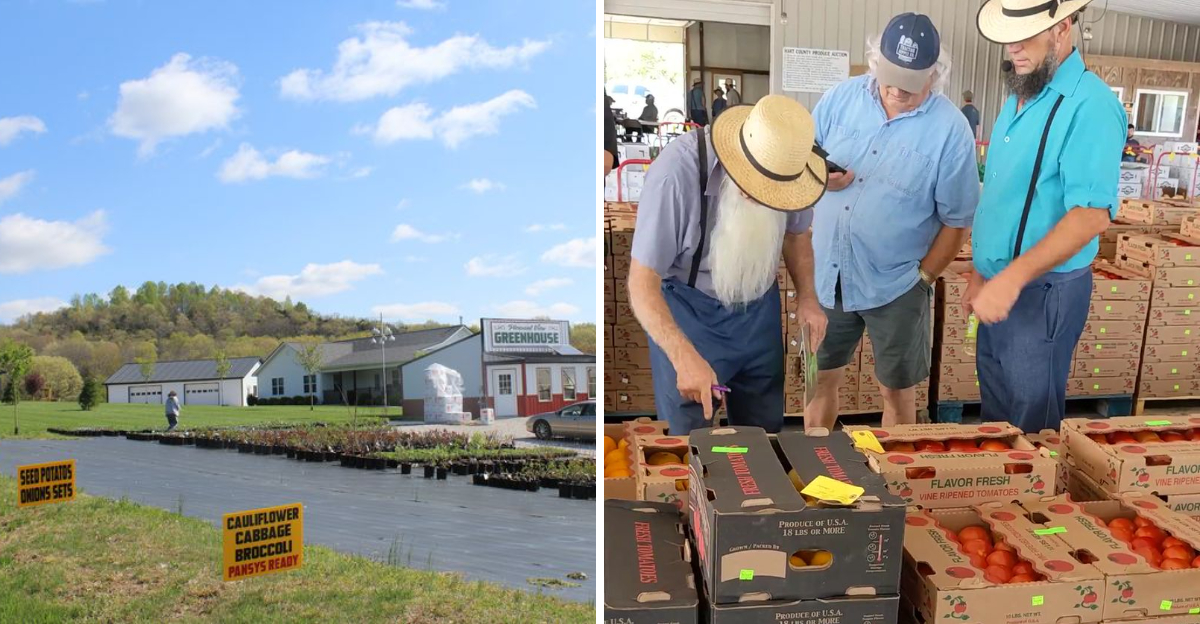
Spring flips a switch across Hart County, and the greenhouses fill with color. Rows of bedding plants, hanging baskets, and vegetable starts open to the public.
Tomato and pepper plants move fast through April and May. Herbs, marigolds, petunias, and ferns crowd the tables beside them.
Prices tend to run below the big box garden centers. Plants are grown right here, so they handle local weather well.
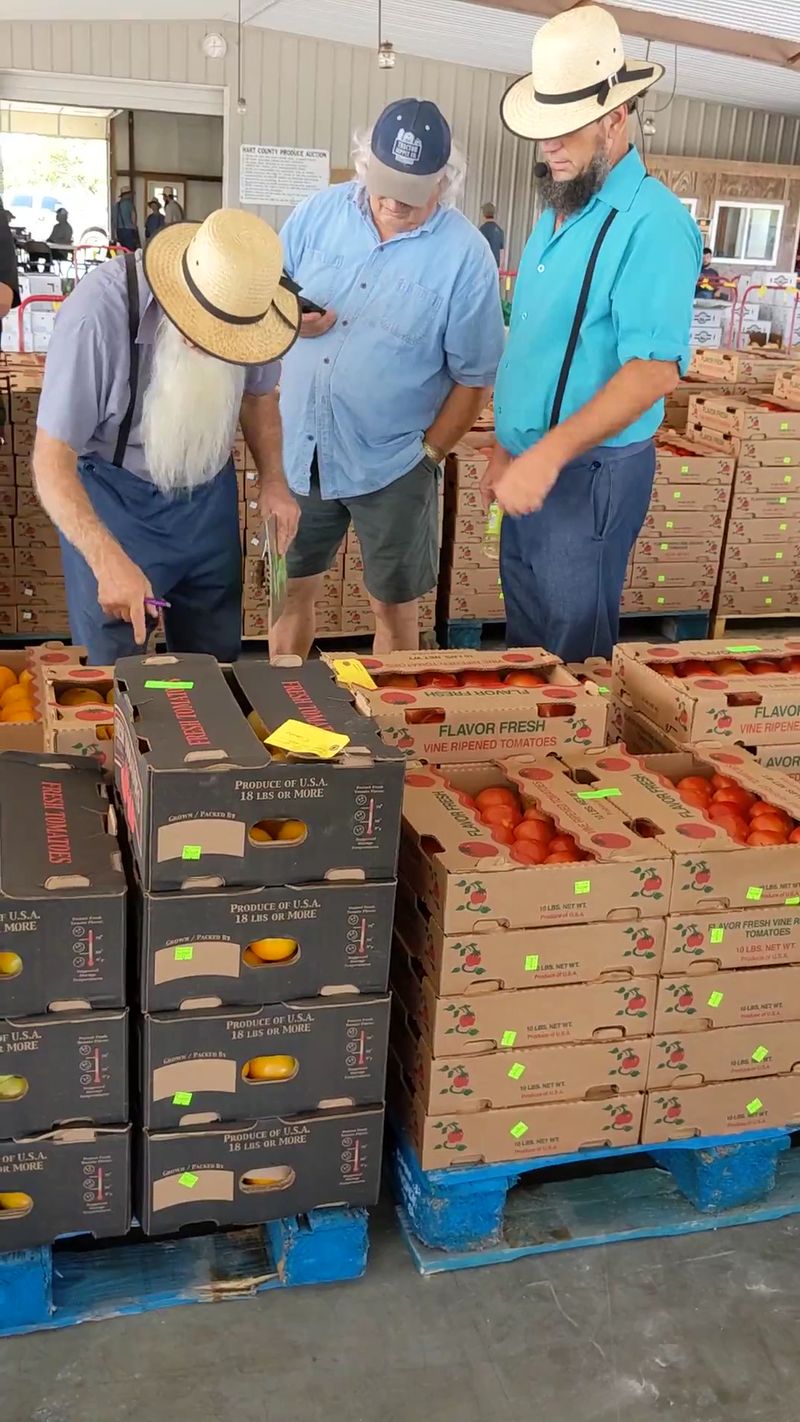
By summer, attention shifts to the roadside produce stands. Sweet corn, green beans, cabbage, melons, and tomatoes stack up in crates.
Fall brings pumpkins, mums, gourds, and winter squash by the wagonload. Cider and sorghum sometimes turn up too.
Some stands run on the honor system with a coin box. Leave the correct amount and take your produce.
Bring your own bags, boxes, or baskets along. The crates usually stay with the stand.
Shop early in the day for the widest selection. Popular items vanish by the middle of the afternoon.
Ask what was picked that morning. Growers will tell you straight, every time.
Bulk Food Stores Where The Bags Get Big
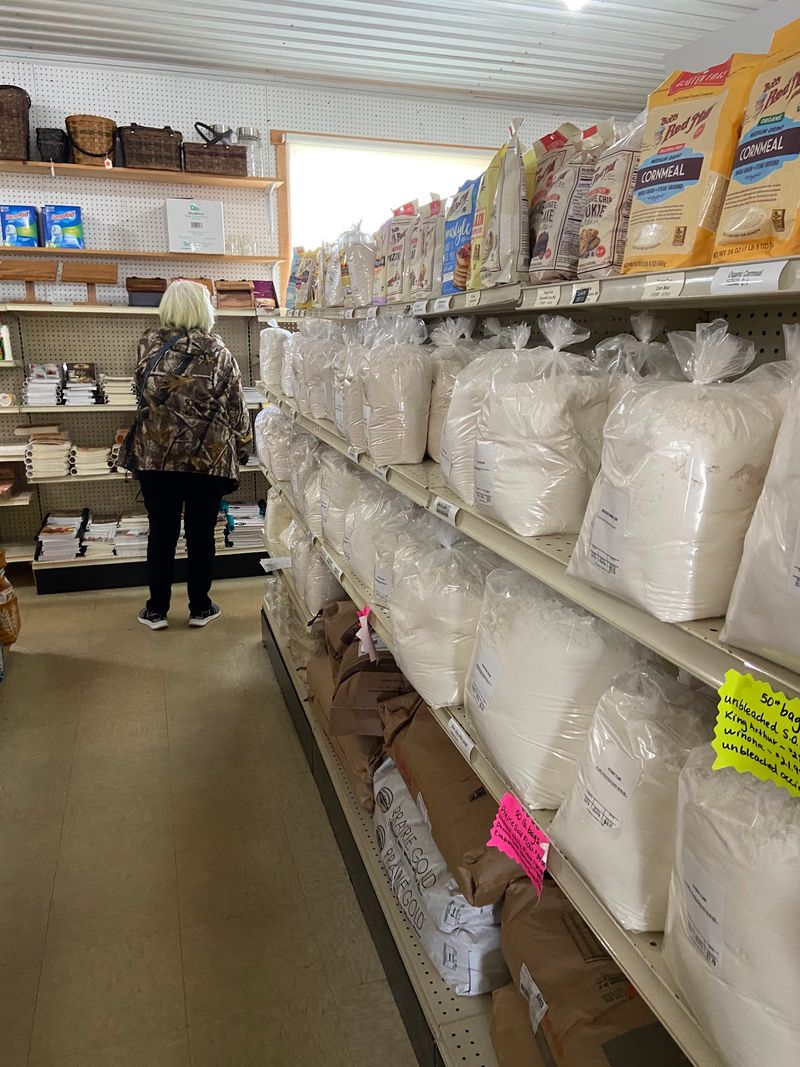
Baking projects get cheaper the minute you find a Hart County bulk store. Flour, sugar, oats, and spices sell by the bag or the scoop.
Shelves hold pasta, dried fruit, nuts, candy, and baking chips. Jars of jam, pickles, and apple butter line the walls.
The cheese case is often the quiet highlight of the visit. Colby, cheddar, and pepper varieties get cut and wrapped on site.
Prices per pound usually beat the regular supermarket. Buying larger amounts saves you the most money.
Dry goods stores sell fabric, thread, buttons, socks, and boots. Kitchen tools, lamps, and hardware round out the shelves.
Sewing shoppers should bring their pattern details along. Bolts change often, so matching a color later gets tricky.
Most stores here take cash only. A small notebook helps you track what you grabbed.
Hours often end early on Saturday afternoon. Nothing at all opens on Sunday.
Sample jars sometimes sit near the register. Take the taste, then decide.
Quilts, Baskets, And Leatherwork Done By Hand
Stitch counts get impressive fast inside Hart County sewing rooms. Quilts here are pieced and hand quilted at home, not by machine alone.
Patterns range from simple stars to detailed appliqué work. Wall hangings, table runners, and crib quilts cost far less than a full size quilt.
Ask about the pattern name and who did the quilting. Many pieces carry a story worth hearing before you pay.
Basket makers weave sturdy shapes for laundry, produce, and picnics. Handles are set to carry real weight, not just look nice.
Harness shops serve horses first and shoppers second. Belts, wallets, dog collars, and repairs come out of the same workroom.
The leather smells like real leather because that is what it is. Stitching is done with waxed thread and steady hands.
A few shops still weave rag rugs on old looms. Colors depend on whatever fabric scraps are on hand that week.
Buy the piece you love when you see it. Nothing here is mass produced, so a twin may not exist.
Larger quilts can be ordered to your bed size. Expect a wait measured in months.
Cash, Closed Sundays, And Sharing The Road
A little courtesy turns a Hart County driving day into a genuinely great one. Start by keeping the camera pointed at scenery instead of people.
Amish families prefer not to be photographed, and that request is simple to honor. Barns, fields, and hand-painted shop signs make better pictures anyway.
Bring small bills, since card readers are rare out here. Many shops keep little change beyond a coffee can.
Sunday is a day of rest, so the shops stay closed. Saturday afternoons can wrap up early as well.
Buggies travel slowly and legally on these county roads. Pass wide, pass slowly, and leave the horn alone.
Watch for children walking or biking near the driveways. Gravel lanes often hide a sharp drop at the edge.
The county tourism office offers a driving map of local shops. Pick one up before you start wandering.
Greet people plainly and buy something small at each stop. Friendly customers are welcomed back next season.
Leave the gates exactly as you found them. Good manners travel these roads faster than cars.