11 Charming Arizona Towns That Make Retired Life Feel Easygoing
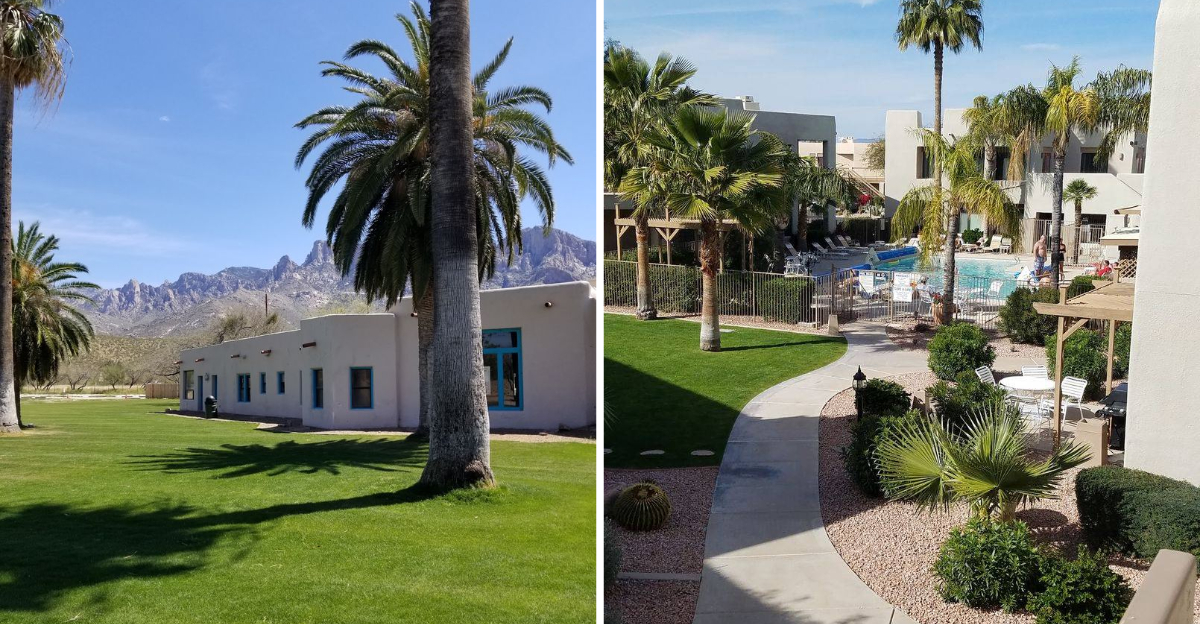
Retirement sounds better when a random day has more options than errands and television.
Across Arizona, smaller towns offer golf, art, birding, mountain trails, dark skies, mild winters, and main streets that reward an unhurried afternoon.
The real difference shows up in daily life.
Pine country brings cooler evenings and forest access, while desert communities trade that for red-rock scenery and longer outdoor seasons. Not a bad idea, right?
Health care, housing costs, and practical services matter just as much as the view. No single town fits everyone.
Somewhere in this mix, an ordinary weekday may start resembling the slower, easier chapter you had in mind all along.
Prescott, Yavapai County
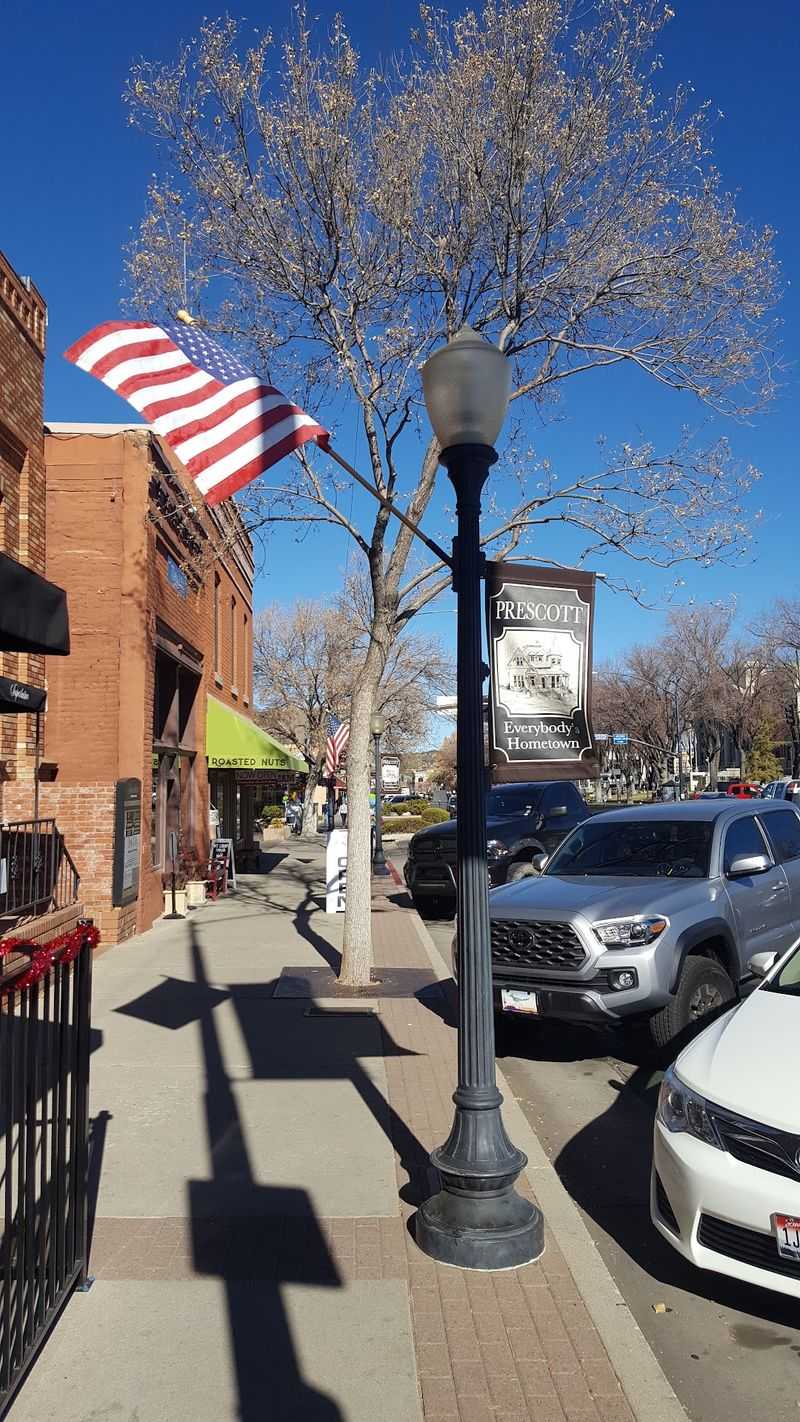
Central Arizona hides a town that skips the brutal summer roasting. Four real seasons show up here, complete with crisp autumn air.
Prescott sits wrapped in the Prescott National Forest, a paradise for hikers and cyclists. Morning paddles on Watson Lake or Lynx Lake come with mirror-smooth water. Birdwatchers fill their notebooks fast around these shores.
Locals call it Everybody’s Hometown, and the nickname sticks for good reason. Whiskey Row lines up historic buildings, quirky shops, and art galleries within easy strolling range. History leans out of every brick facade downtown.
Community events keep the calendar full all year long. Prescott Frontier Days brings the famous rodeo crowd each summer. The Christmas lighting ceremony at Courthouse Plaza turns the square into a glowing postcard.
Retirees appreciate the practical side too, not just the scenery.
Dignity Health Yavapai Regional Medical Center provides a major local healthcare option in Prescott, with its active West Campus offering hospital and specialty services.
Adults 65 and older currently make up about 40.6 percent of Prescott’s population.
Prescott’s mile-high elevation gives it a mild four-season climate and generally keeps temperatures around 10 to 15 degrees cooler than Phoenix. Winter snow does occur, though how quickly it disappears varies with each storm.
Prescott quietly proves that mountain air and cowboy history make excellent retirement roommates.
Sedona, Coconino County
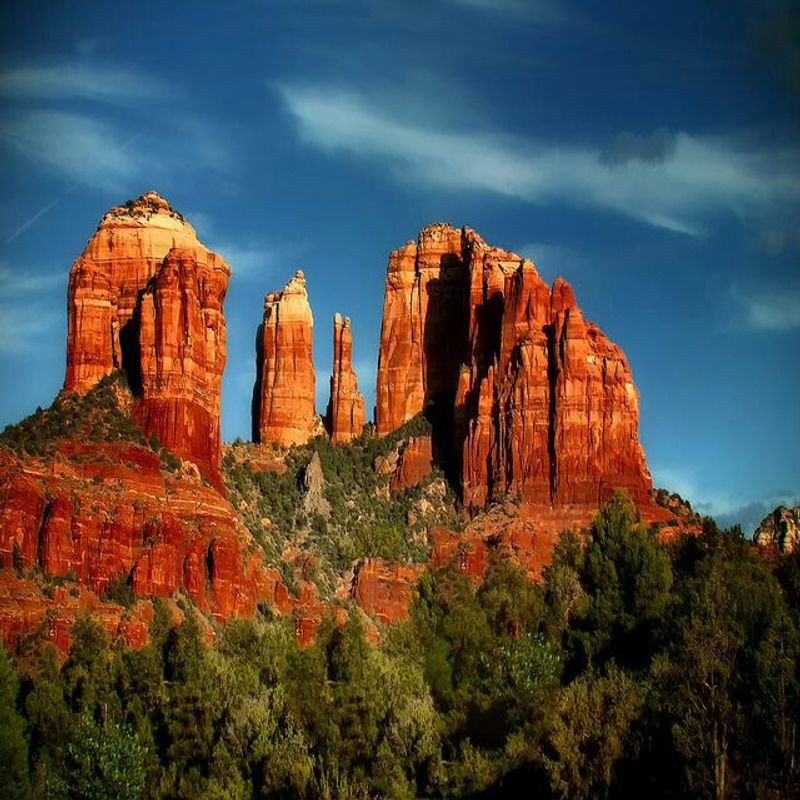
My jaw dropped the first time those red cliffs caught the late afternoon light. Colors shift from rust to fire in minutes.
Sedona anchors northern Arizona’s Verde Valley with scenery that stops conversation. Sitting near 4,350 feet, it stays noticeably cooler than the low desert. Four gentle seasons make outdoor plans easy to keep.
Wellness runs deep in this artsy town. Spas, yoga studios, and meditation centers welcome anyone chasing calm. The famous vortex sites draw curious travelers from around the world.
Active retirees have more than 100 hiking trails to work through. Mountain bikers carve through slickrock and juniper. Birders spot canyon wrens and hawks without leaving the trailhead.
Downtown rewards slower days with boutique shopping and dozens of galleries. Gourmet dining adds a polished touch to ordinary evenings. Sculpture and pottery seem to appear on every corner.
After dark, the show keeps going. Recognized as a dark sky community, the town protects its starlight fiercely. Constellations appear so sharp they seem printed on the sky.
Trails, art, and stars fill each week without much effort. Retirement here runs on scenery and fresh air.
Few towns let you photograph sunrise cliffs and moonlit skies from the same driveway.
Green Valley, Pima County

Let me be real for a second: some towns were practically built for the retired crowd. This one wears that badge proudly.
Green Valley sits about 20 miles south of Tucson, cradled by the Santa Rita Mountain ranges. Sunshine arrives almost daily, and humidity stays low. Mountain views frame nearly every street.
Roughly 22,000 people live in Green Valley, where the current median age is about 73.6 and roughly 80.5 percent of residents are 65 or older. Green Valley itself is not an age-restricted community.
Activity options stack up fast. Golf, hiking, birdwatching, and pickleball dominate the weekly schedule.
Green Valley Recreation currently operates 15 recreation centers, along with 13 pools and spas, six fitness centers, and dozens of pickleball and tennis courts for members.
Those centers include swimming pools, fitness rooms, and tennis courts. Classes and clubs fill the calendar year-round. Nobody has an excuse to sit still for long.
Housing is one measurable advantage here: Census data puts the median value of owner-occupied homes in Green Valley at about $293,500 for 2020 through 2024.
Broader cost-of-living comparisons can vary by source and should not be stated as a blanket fact.
Desert sunsets over the Santa Ritas turn ordinary evenings into something worth photographing. Quiet streets encourage long walks after dinner.
Green Valley proves that easygoing days and full social calendars can absolutely coexist.
Cottonwood, Yavapai County
Some towns turn retirement into a permanent vacation. Verde Valley scenery helps the illusion along.
Cottonwood sits among red rock landscapes a short drive from Sedona.
Older adults make up a substantial share of Cottonwood, with current Census data showing about 36.8 percent of residents are 65 or older. Outdoor access remains one of the area’s major draws.
Weather lands in a comfortable middle ground. Winters stay mild, summers stay dry, and outdoor plans rarely get canceled. That dry heat beats humidity every time.
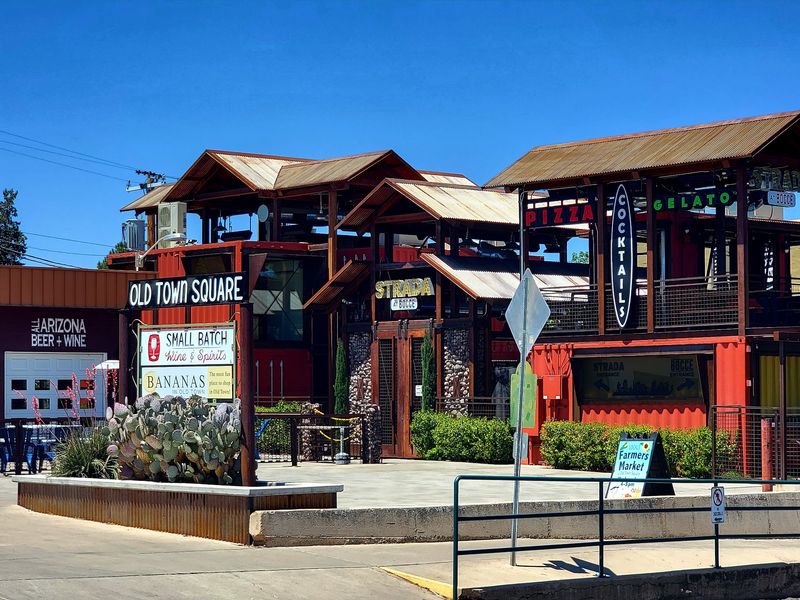
Historic Old Town invites long, unhurried walks. The main street holds charming stores, sidewalk cafes, and art galleries. Mining history still shows in the old brick buildings.
Old Town Cottonwood adds galleries, shops, restaurants, historic character, and walkable streets to the city’s outdoor appeal.
Nature lovers head to Dead Horse Ranch State Park for shaded trails. The Verde River offers flat, peaceful walking paths beside the water. Herons and eagles show up regularly.
Cottonwood Recreation Center currently offers group exercise programs including aquatics, yoga, cycling, toning, and other fitness classes. Older SilverSneakers references exist, but I could not verify it as a current 2026 program.
Between river mornings and gallery afternoons, boredom never really gets a foot in the door.
Wickenburg, Maricopa County
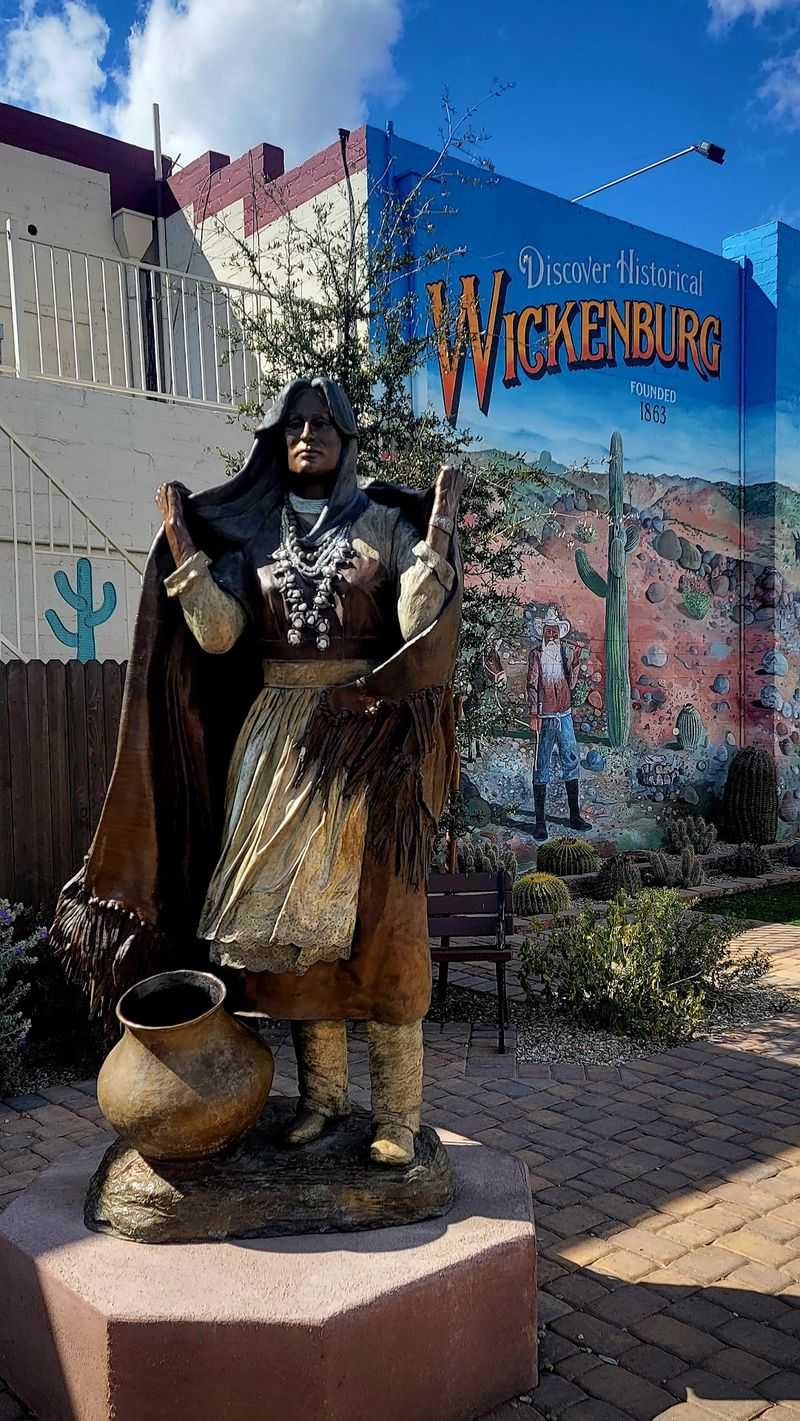
The Old West never really left one corner of Maricopa County. Boots and belt buckles still count as everyday attire.
Wickenburg sits northwest of Phoenix with a median age of 65. Seniors form a large slice of the population, so social circles form quickly. Desert vistas and rugged mountains surround the town.
Over 300 sunny days arrive each year. Winters stay mild, making golf, walking, and horseback riding comfortable in January. Snow shovels stay in the past where they belong.
Trail systems stretch in several directions. The Hassayampa River Preserve draws birders, while Vulture Peak Trail rewards climbers with sweeping views. Both give legs and lungs a workout.
Ranching heritage stays front and center. The Desert Caballeros Western Museum showcases cowboy art and regional history. Gold Rush Days and the Senior Pro Rodeo turn the whole town festive.
Wickenburg’s housing costs are better stated with current figures: the median value of owner-occupied homes was about $470,300 in the latest Census period.
The George and Vi Wellik Senior Center now serves as a Wickenburg base for AllThrive 365, offering services for older adults and families.
Freedom Express continues to provide transportation for eligible residents age 60 and older. Saddle up for a slower, sunnier chapter here.
Payson, Gila County
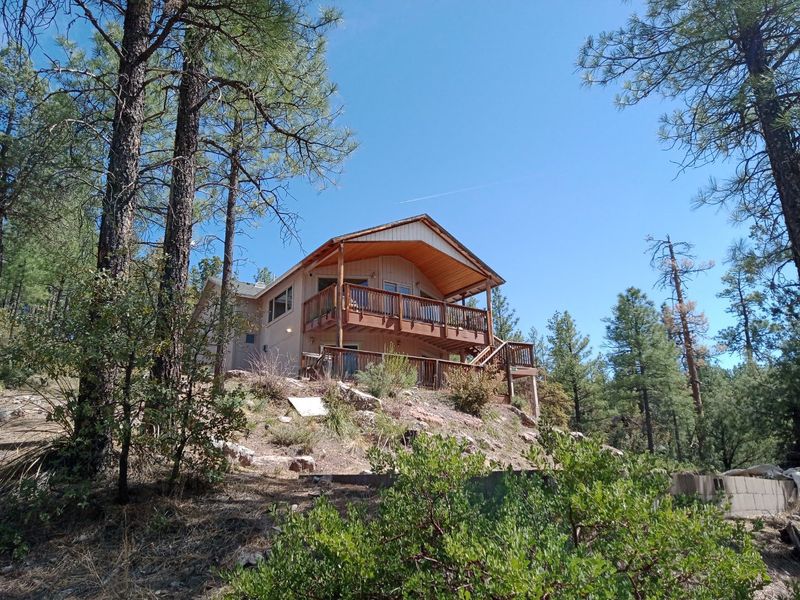
You would be able to knock me over with a feather when I found out that pine forests replaced cactus on the drive up. This state keeps a cool secret below the Mogollon Rim.
Payson sits near 5,000 feet, wrapped in ponderosa pines. Summers stay mild, winters turn crisp, and mountain breezes do the air conditioning. Four seasons arrive right on schedule.
Payson has a substantial local healthcare resource in Banner Payson Medical Center, a 25-bed critical access hospital providing emergency, inpatient, outpatient, imaging, surgical, rehabilitation, and other services.
Outdoor plans practically write themselves. Tonto National Forest trails wander through pine and oak. Golfers tee off at courses like Chaparral Pines, and anglers work the scenic lakes nearby.
Culture holds its own here too. The Rim Country Museum explains local history, and the historic Zane Grey Cabin honors the famous western writer.
Payson Public Library maintains an active 2026 calendar with programs including book discussions, writing groups, Tai Chi, line dancing, crafts, and other community activities.
Every August the World’s Oldest Continuous Rodeo takes over town. Parades, music, and cheering crowds pull newcomers straight into the fun.
Clubs, art shows, and community events keep calendars busy through every season. Neighbors learn your name fast.
For anyone who wants pine-scented mornings and rodeo dust in summer, this mountain town delivers both without hesitation.
Show Low, Navajo County
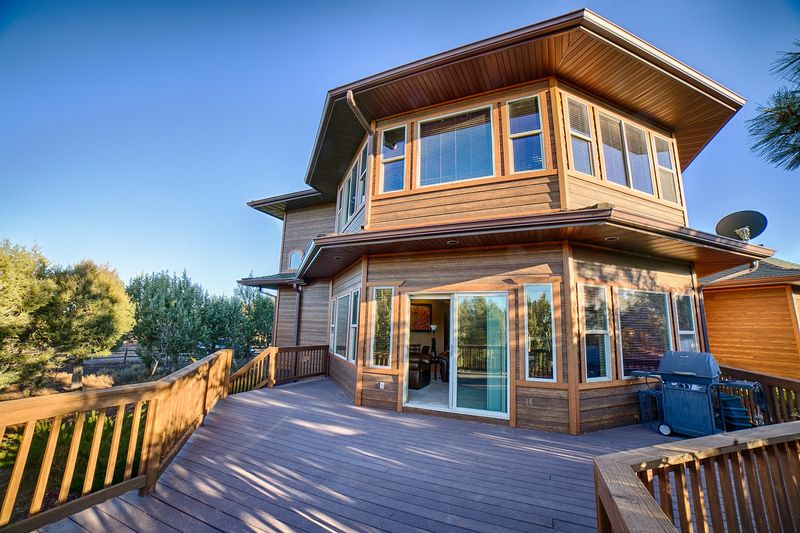
Skip the desert entirely and retire in this state’s high country. Snow actually falls, and locals love it.
Show Low rests in the White Mountains above 6,400 feet. Cooler air arrives with the elevation, and summer highs average around 80 degrees. Winters bring genuine snowfall.
About 27.7 percent of Show Low residents are currently 65 or older, giving the city a sizable older-adult population without making assumptions about individual social experiences.
Four distinct seasons open the door to endless recreation. Forest trails wind through tall pines, and nearby lakes reward patient anglers. Fool Hollow Lake State Park handles camping, fishing, and lakeside picnics.
Housing is comparatively modest by the state’s standards, with the current Census median value of owner-occupied homes at about $299,600. Arizona’s statewide figure is about $394,500.
Local history lives at the Show Low Historical Museum, which collects artifacts tied to the White Mountain region. The town name itself comes from a legendary card game.
Summit Healthcare provides regional medical care in Show Low, including cardiology and orthopedic services.
The public library has offered Geri-Fit for older adults in previous seasons, but its current 2026 calendar should be checked before presenting that class as ongoing.
Cool pines, cheap living, and friendly faces make this mountain city hard to leave.
Tubac, Santa Cruz County
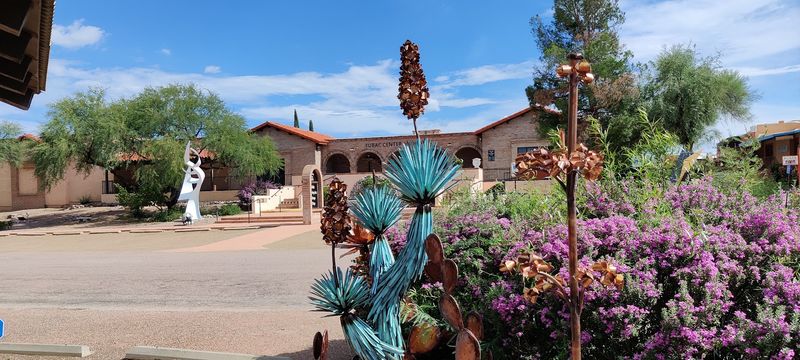
Have you given any thought to retiring inside an artists’ colony? Painters, potters, and jewelry makers set the daily rhythm here.
Tubac sits about 40 miles south of Tucson in scenic high desert. Old adobe homes hold more than 30 art galleries, artisan studios, and curious little shops. Color spills onto the sidewalks.
Tubac’s elevation moderates some of the summer heat, but it does not make winters warmer than Phoenix or Tucson. Average January conditions at Tubac Presidio are around 65 degrees during the day and 32 at night.
History runs deep in this former Spanish presidio. Tubac Presidio State Historic Park protects Arizona’s first European settlement. Walking those grounds feels like flipping through a very old book.
Recreation balances the culture nicely. Golfers head to the courses at Tubac Golf Resort. Birding, hiking, and mountain biking fill the cooler months, and Pena Blanca Lake sits roughly 30 miles away for fishing.
The annual Tubac Festival of the Arts fills the historic village with roughly 250 fine artists and craftspeople, along with shops, galleries, and other festival activity.
Tubac’s current estimated median age is about 72, making it one of the oldest communities represented on this list. Anyone craving history, art, and mountain views should point the car south.
Sierra Vista, Cochise County
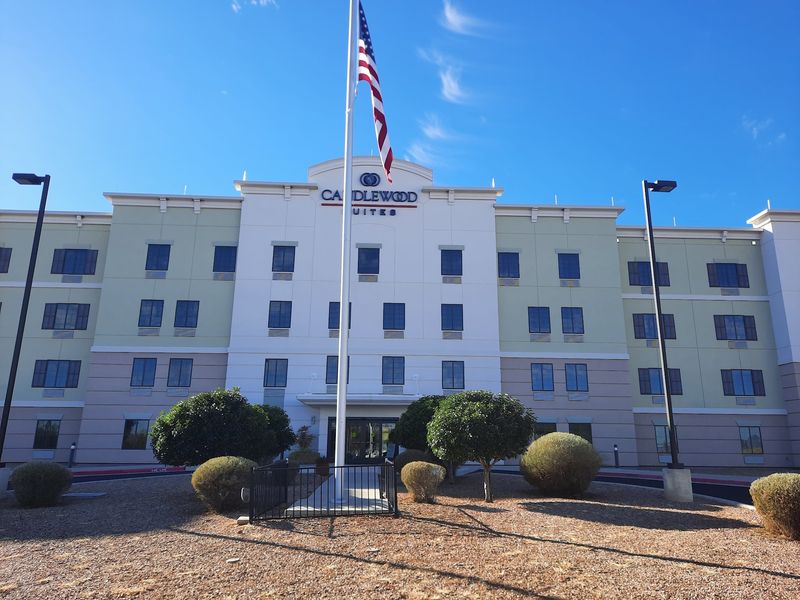
Just imagine mountains framing your kitchen window every single morning. Southeastern Arizona hands out that view like it’s nothing.
Sierra Vista rests against the Huachuca Mountains, and its Spanish name means mountain view. Current Census data shows that about 21.8 percent of Sierra Vista residents are 65 or older.
Elevation of 4,623 feet keeps temperatures roughly 15 to 20 degrees cooler than the Phoenix area. Over 280 sunny days arrive annually, paired with low humidity. Afternoons stay pleasant most of the year.
Birdwatching is one of Sierra Vista’s strongest draws.
Sierra Vista itself is promoted as the Hummingbird Capital of Arizona and the United States, while nearby Ramsey Canyon Preserve is one of the area’s major hummingbird and wildlife destinations.
Trails crisscross the region for hikers and cyclists. A 30-mile multi-use trail system connects to Veterans Memorial Park. Sunrise walks come with grassland views and mountain shadows.
The Oscar Yrun Community Center serves as a public community facility and also houses the Sierra Vista Visitor Center, while recreation programs and community activities are offered across several city facilities.
Fort Huachuca sits nearby, bringing solid services and amenities to town. Housing costs stay notably reasonable against larger cities in this state.
Binoculars, hiking boots, and a comfortable budget go a long way in this mountain-shadowed city.
Fountain Hills, Maricopa County
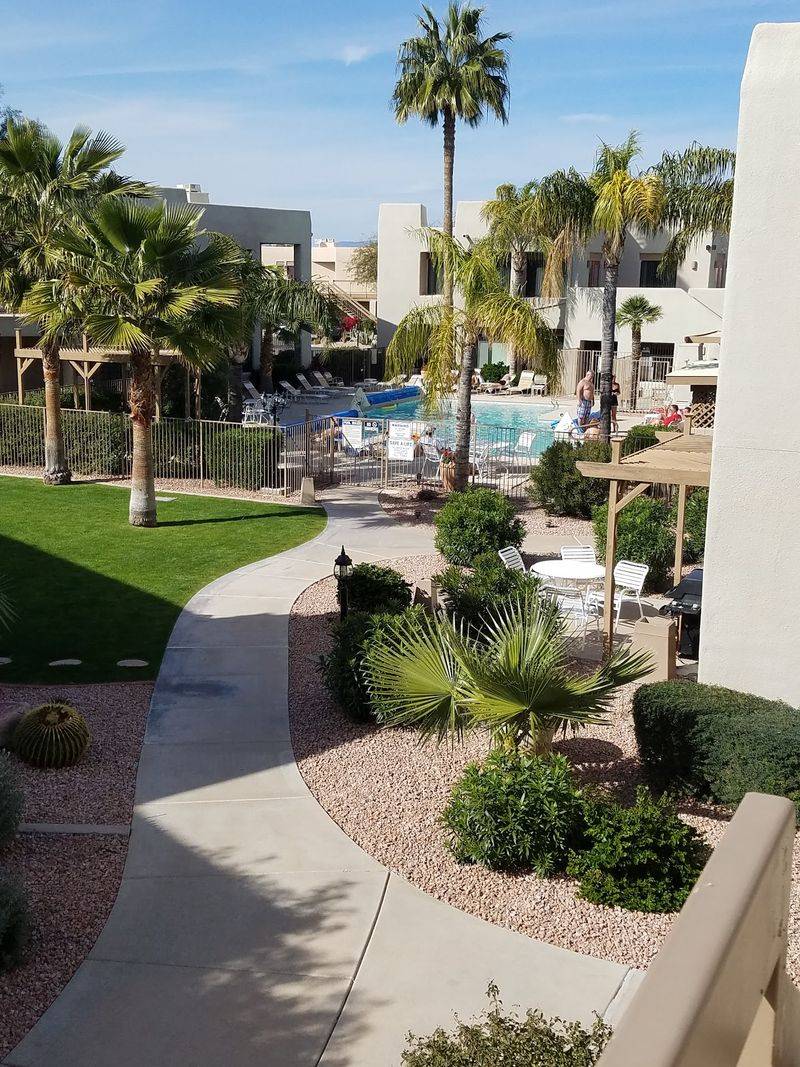
Correct me if I’m wrong, but a giant fountain shooting skyward makes a strong first impression. Locals check the clock just to watch it.
Fountain Hills sits beside the Phoenix metro area, with Scottsdale roughly 25 minutes away. Mountain views wrap around the town, yet the streets stay peaceful. More than 40 percent of residents are 65 or older.
Outdoor recreation here includes hiking, biking, golf, parks, and desert trails. Boating should not be implied at Fountain Park itself because swimming, fishing, and boating are prohibited in its lake.
Fountain Park spreads across 64 acres of relaxed recreation. Walking paths circle the lake, and an 18-hole disc golf course keeps things playful. Benches face the water for slower afternoons.
Nighttime brings a different attraction. Recognized as an International Dark Sky Community, the town protects its view of the Milky Way. Telescopes come out often.
The Fountain Hills Community Center supports mature residents with educational seminars, fitness classes, and social groups. New friendships start in those rooms.
Housing is comparatively expensive: Census data puts the median value of owner-occupied homes in Fountain Hills at about $622,900, well above the state’s statewide figure of about $394,500.
Quiet streets, desert sunsets, and a famous fountain make this a tranquil landing pad near the city.
Oro Valley, Pima County
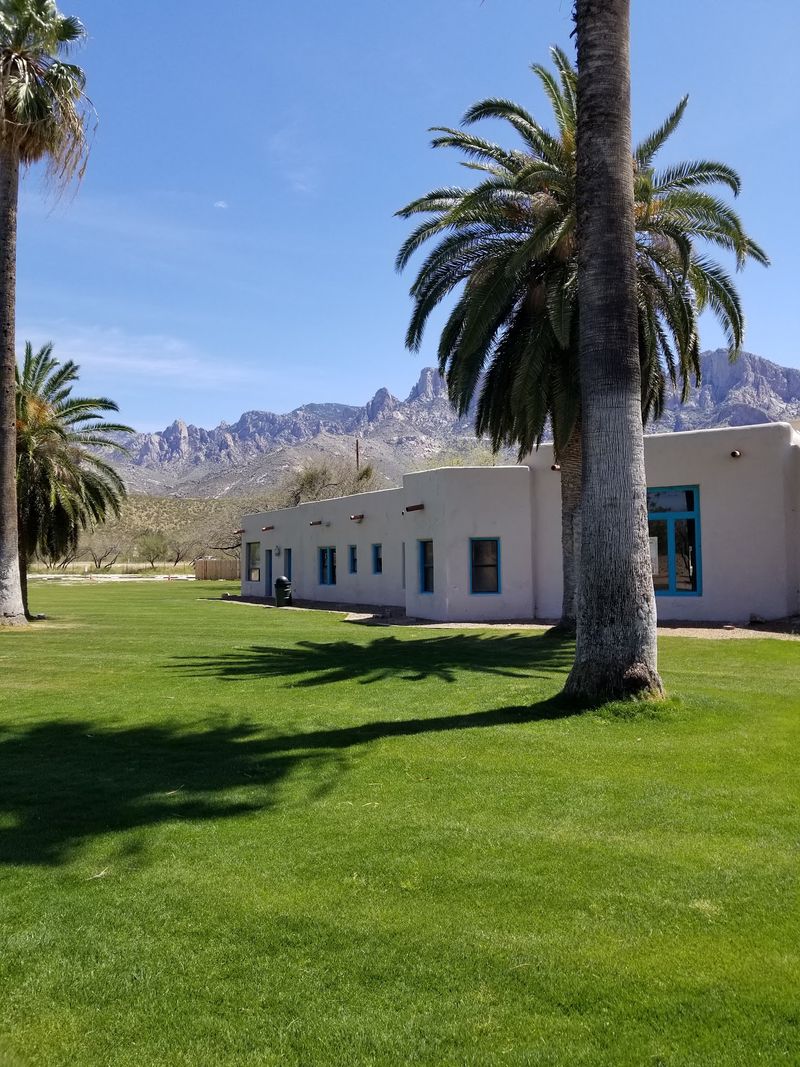
It makes you wonder how a town stays this calm while sitting minutes from a city. Pima County figured out the formula.
Oro Valley tucks into the foothills of the Santa Catalina Mountains just north of Tucson. More than 300 days of sunshine arrive each year. Views stretch across saguaro-covered slopes.
The median age lands in the mid-50s, creating an engaged, energetic community. Volunteer groups and clubs stay busy year-round.
Catalina State Park covers over 5,000 acres of hiking terrain right next door. Honey Bee Canyon Park adds rocky desert scenery and quiet trails. Wildflowers explode across both in spring.
Cyclists get spoiled here. Oro Valley connects directly with The Loop, a regional network now spanning more than 138 miles across Pima County, Tucson, Marana, South Tucson, and Oro Valley.
Arts and culture hold their own alongside the outdoor scene. Galleries, concerts, and community theater keep evenings interesting. Oro Valley Hospital handles healthcare close to home.
Oro Valley has a substantial retirement-age population, with about 35.7 percent of residents currently 65 or older. It also has a 176-bed acute-care hospital offering services including cardiology, orthopedics, emergency care, imaging, and rehabilitation.
Upscale touches blend with an unhurried pace throughout the neighborhoods. Anyone wanting desert beauty, solid services, and Tucson conveniences nearby should give these foothills a serious look.