This Connecticut Scrapbooking Shop Has Just About Everything A Paper Crafter Could Want
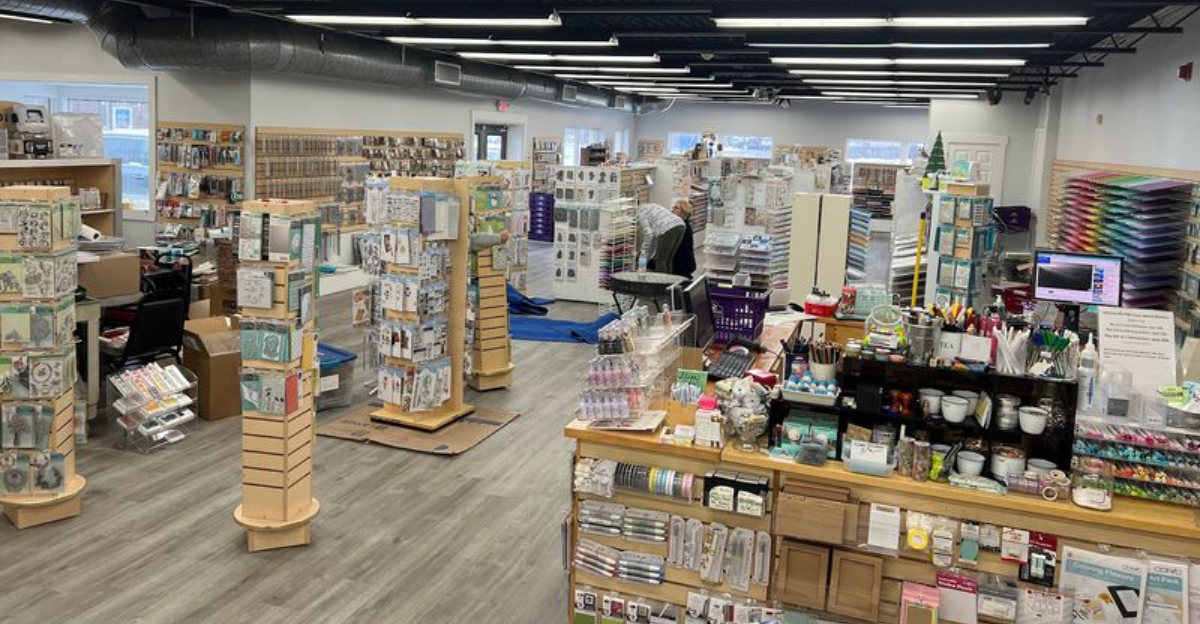
Paper crafters know the feeling of spotting one perfect sheet and immediately needing to see what else is hiding nearby.
The shelves keep rewarding that curiosity.
There are tools for precise little details, paper in colors that make project ideas appear out of nowhere, and enough creative supplies to turn a quick stop into a much longer browse.
Then you notice another section you somehow missed the first time.
At this Connecticut scrapbooking shop, the inventory makes it dangerously easy to start planning projects you had no intention of beginning today.
That is where the fun really builds.
A single embellishment can inspire a whole page, while one unusual pattern may completely change the direction of a project.
You keep looking because every corner seems to offer another idea.
By the time you are done, the hardest part may be remembering what you originally came in for.
1. Creative Supplies Fill Every Corner
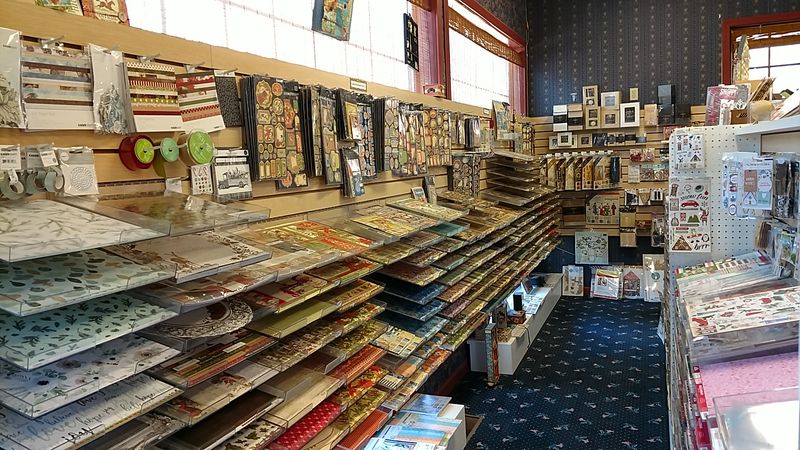
Short shopping lists can get ambitious fast here. Paper fills the shelves.
Stamps invite another look. Inside Papercraft Clubhouse, one project idea can easily lead to the next.
Scrapbookers and card makers have a broad selection to work through, including albums, tools, adhesives, patterned papers, and embellishments. Acrylic and rubber stamps are another major part of the inventory, while rows of cardstock come in hundreds of colors from familiar crafting brands.
That variety makes the shop useful whether you already know exactly what you need or arrive looking for inspiration. Instead of settling for a close-enough shade, crafters can compare papers in person and see how different colors work together before committing to a project.
Experienced staff members are crafters themselves, so shoppers can also ask for help shaping an idea or choosing supplies. The Connecticut store has supported projects ranging from scrapbook albums and greeting cards to invitations and custom paper creations.
New arrivals keep the selection from feeling static, particularly across stamps, paper, embellishments, dies, inks, and markers. That changing mix gives regular visitors a reason to browse again.
Even a simple search for one missing supply can quickly become an enjoyable look through materials you did not know you needed.
2. Shoreline Shoppers Find An Unexpected Crafting Stop
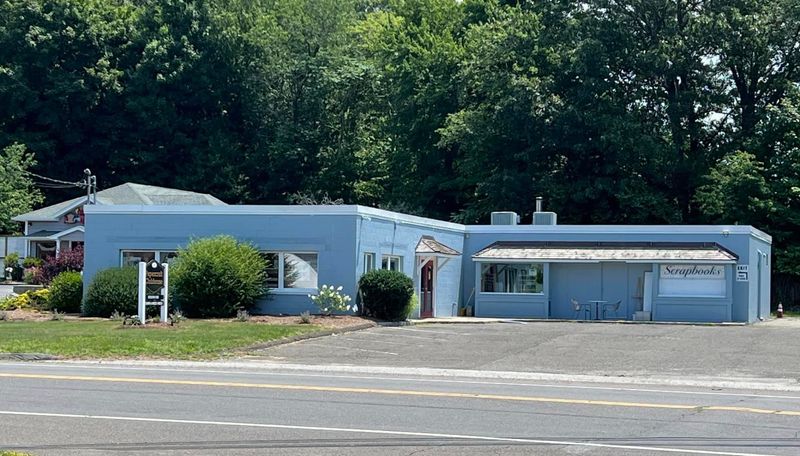
Some errands deserve a detour. Paper crafters get one here. Along Route 1, Papercraft Clubhouse makes an easy stop. Parking is simple too.
The shop sits in Old Saybrook, where travelers heading along the shoreline can pull off the road without turning the visit into a complicated side trip.
Spaces are available in front of the building, with additional parking behind it, so carrying paper or larger craft purchases back to the car stays manageable.
Shoppers come for the specialty selection, but the convenient setting helps too. The store is close enough to major roads to work into a day trip, and its focus on scrapbooking and card making gives dedicated crafters a reason to travel farther than they might for a general craft store.
Current hours are Tuesday through Saturday from 10 a.m. to 5 p.m., with Sunday and Monday closed. The shop operates at 440 Boston Post Road in Old Saybrook, directly on Route 1 between Wild Birds Unlimited and East Coast Paving.
Holiday closures and special events can occasionally affect the schedule, so checking ahead before a longer drive is sensible. Once inside, give yourself extra browsing time because a quick supply stop can easily stretch into a much longer visit.
3. Paper Crafting Has Been The Focus Since 2010
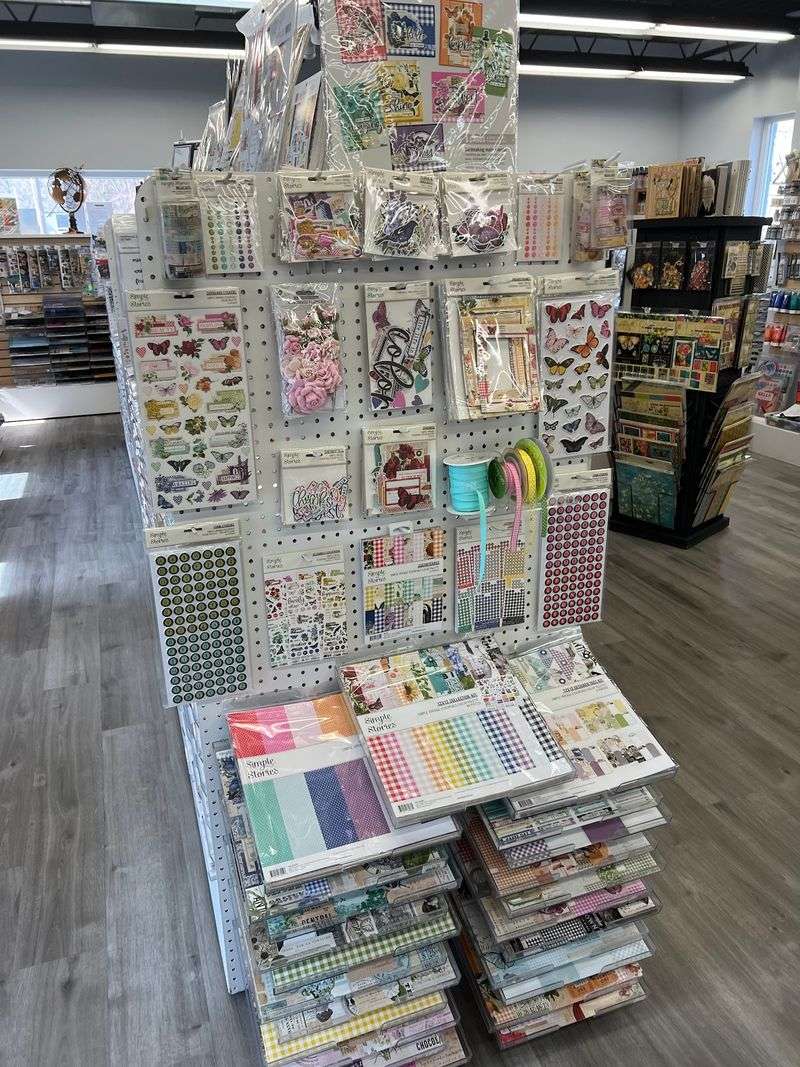
More than fifteen years is a long run for any small retail shop, and longer still for one built around a single hobby. The original storefront opened in 2010, back when many crafters were still figuring out whether they preferred digital scrapbooking or the real thing.
Paper won, at least here. The shop kept its focus narrow on purpose, stocking scrapbooking, card making, and paper arts rather than spreading into every craft category under the sun.
That decision shows in the inventory. Instead of a thin slice of everything, you get real depth in the categories that matter to paper crafters, which is exactly why longtime customers keep the drive on their calendars.
In 2023 the business moved into its current dedicated building in Old Saybrook, giving it more room for products, classes, and gatherings. Growth like that says something about the community behind it.
Small independent shops also tend to know their regulars, and years of conversations shape what lands on the shelves. Requests get heard, favorite lines get restocked, and new releases show up because someone asked about them.
If you are curious about how a hobby shop survives and grows, this one offers a pretty clear answer: know your craft, and know your crafters.
4. Scrapbook Papers Cover Nearly Every Theme
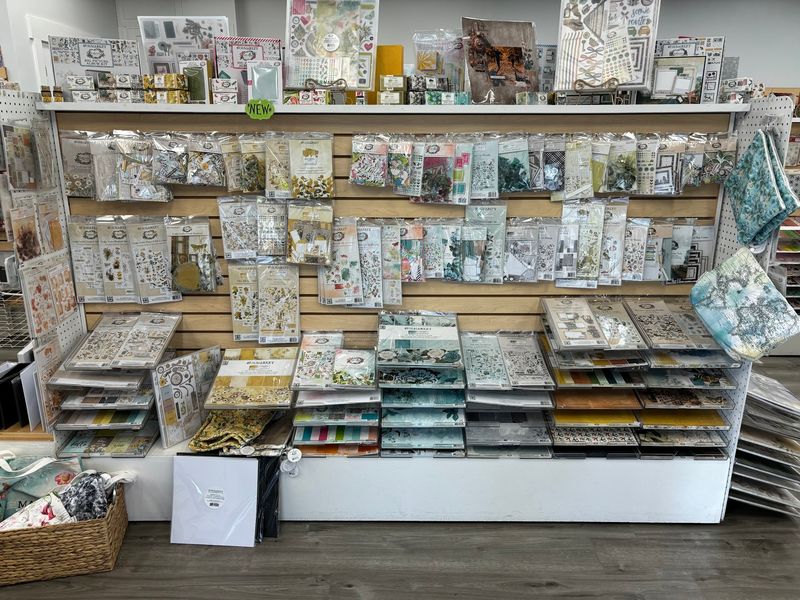
Color choices get serious fast here. The paper racks seem to keep going.
One shade leads naturally to another. At Papercraft Clubhouse, cardstock alone can turn browsing into a long visit.
Hundreds of colors from brands such as Bazzill and American Crafts give scrapbookers plenty of solid foundations for layouts.
Patterned paper expands the options further, with designs changing across seasons and celebrations while still leaving plenty of choices for everyday albums and creative projects.
The real fun comes from matching pieces together. A patterned sheet can become the starting point, followed by a solid cardstock shade that picks up one of the smaller colors in the design.
That simple approach helps backgrounds and accents feel connected without requiring several separate shopping trips.
Collage makers and junk journalers can get just as much use from the selection. Different textures, prints, and tones make it easier to build layered pages that feel more personal rather than overly coordinated.
Changing collections also mean the paper section rarely feels completely static. Sale opportunities appear from time to time as well, giving regular shoppers another reason to watch for favorite colors or designs.
Come with a project in mind, but leave room for surprises. With so many shades competing for attention, choosing just one can easily become the hardest part.
5. Stamps And Dies Keep Projects Interesting
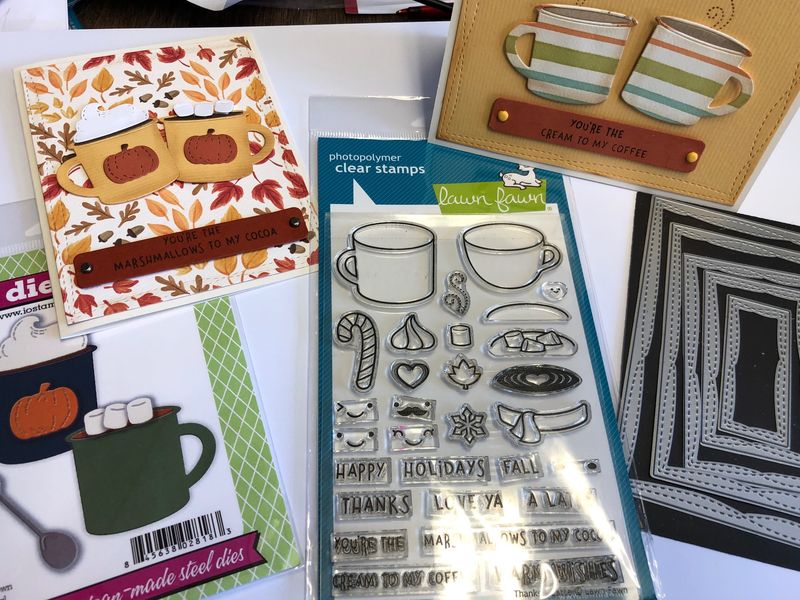
Ask a card maker what turns a plain piece of cardstock into something special and you will usually hear two words: stamps and dies. Both fill a generous share of the shop.
Acrylic stamps deliver crisp, precise lines and let you see exactly where you are placing an image. Rubber stamps give softer, deeper impressions that many crafters prefer for backgrounds and bold motifs.
Having both on hand means you can choose based on the look you want instead of what happened to be available.
On the die side, brands such as Sizzix, Waffle Flower Crafts, Pink and Main, and Penny Black bring shapes, sentiments, borders, and layered designs into the mix.
Dies can give handmade cards a polished finish, turning flat paper into windows, frames, and dimensional accents. Customers regularly comment on how many beautiful options fill this part of the store.
Die Cuts Club meetings add another layer, giving members a free way to gather, compare techniques, and see tools in action before committing to a purchase.
One small suggestion: start with versatile shapes like rectangles, circles, and stitched borders. They work across seasons and pair with almost any stamp set you already own.
6. Classes Give Crafters Room To Experiment
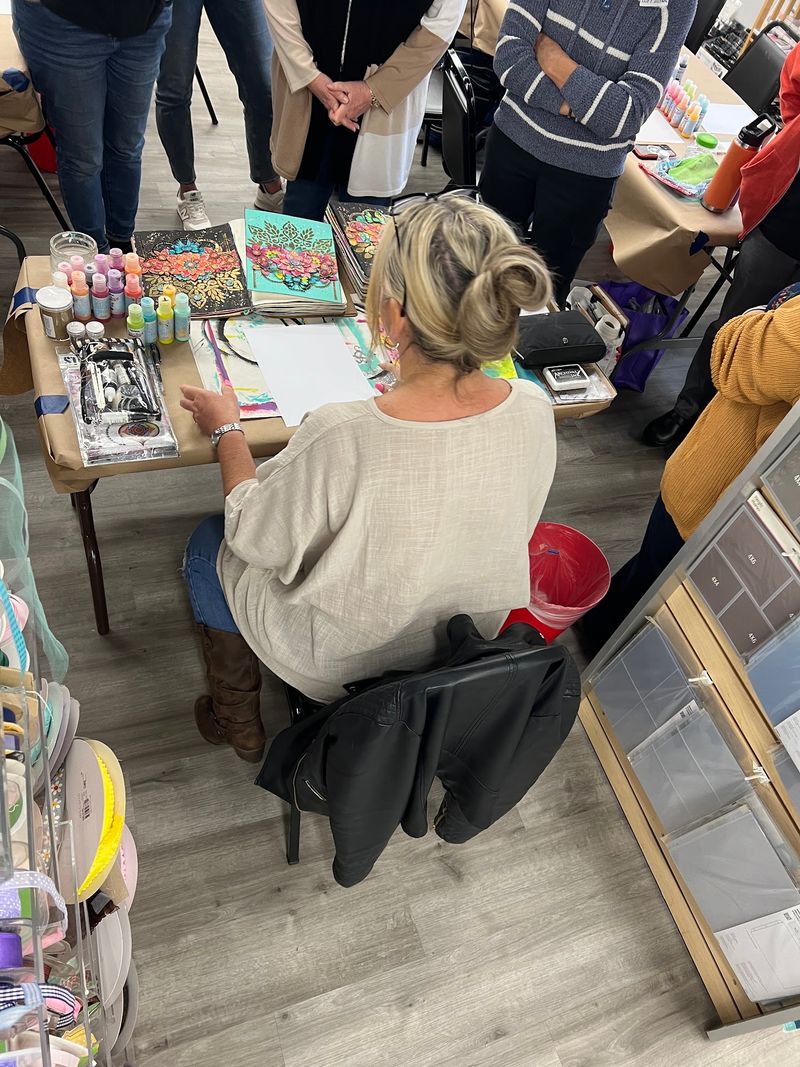
Learning a technique from a video is fine. Learning it at a table with other crafters, with someone nearby to answer questions, is a completely different experience.
The shop runs a rotating calendar of classes, events, and demonstration days throughout the year. Offerings have included paper quilling with a guest instructor and a project-based class built around a Graphic 45 mini album, alongside the Die Cuts Club meetings that are free for members.
Seasonal events add extra energy. A Holiday Extravaganza has featured Make and Take sessions, where you can drop in, build a small project, and walk out with something finished, no registration required.
Visitors passing through have stumbled onto card classes in progress and described the room as lively and inviting, which tells you something about the vibe.
Before signing up, it helps to know the policy. Class and crop cancellations receive store credit with at least 48 hours’ notice, while later cancellations receive credit only if the spot can be filled; guest-instructor classes are non-refundable.
Classes are also a low-risk way to test a technique before buying the tools, since materials are typically provided. Beginners and experienced crafters both find something worth trying on the schedule.
7. Helpful Staff Make Tricky Projects Easier
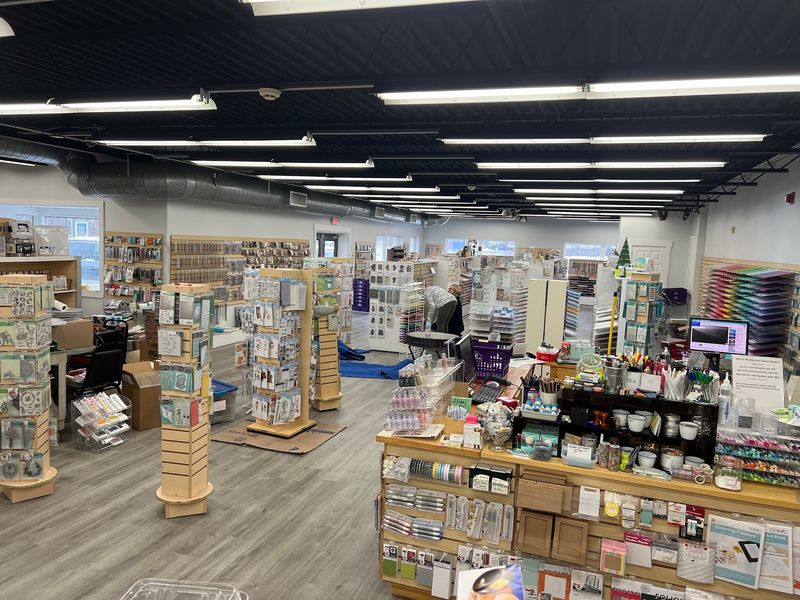
Helpfulness comes up more than almost anything else when people talk about this store, and it is easy to understand why once you spend a few minutes browsing.
Staff members are experienced crafters themselves, which changes the entire nature of the conversation. Instead of pointing you toward an aisle, they can talk through why one adhesive suits a heavy embellishment better, or which cardstock weight holds up to repeated folding.
That knowledge pays off on complicated projects. Wedding invitations, party favors, custom gift boxes, and detailed album spreads all involve decisions that are easier with a second opinion from someone who has made those things before.
Special orders are another quiet advantage. If an item is not on the shelf but available through existing suppliers, there is often a way to bring it in for you.
Shoppers frequently describe the welcome as warm and the answers as patient, whether they arrived as a total beginner or a longtime hobbyist chasing one specific product line.
Come with questions. Bring the half-finished card that is not quite working, or the photo you cannot figure out how to frame.
Advice like that is hard to get from a screen, and it usually costs nothing but a conversation.
8. One Visit Can Spark The Next Project
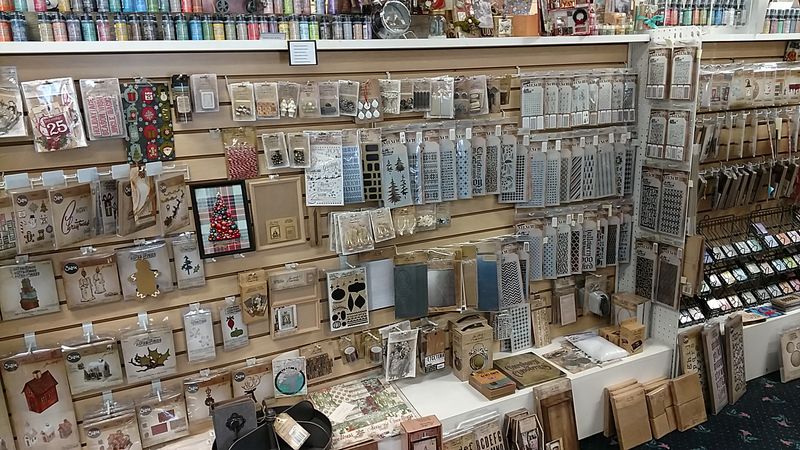
The name says clubhouse for a reason. The shop leans into that idea, building an atmosphere where customers chat with each other, compare finds, and talk through ideas instead of shopping in silence.
Regulars describe leaving with more than a bag of supplies. A class technique sticks in your head, a new paper collection suggests an album you had not considered, or an offhand tip from another shopper solves a problem you had given up on.
Inventory turns over as new collections arrive, so return trips rarely look identical. That steady refresh keeps people coming back to see what has landed since last time.
Sales and special events add to the pull, and the shop also maintains an online option for anyone who cannot make the drive on a given week.
If you are planning a first visit, give yourself real time. It is easy to arrive expecting a quick browse and end up staying much longer, still feeling like there is more to see.
Bring a list, then allow yourself to abandon it. Some of the best projects start with a sheet of paper you never intended to buy, spotted on a shelf you almost walked past on your way out.