The Secret Italian Bakery In Connecticut Locals Have Sworn By For Decades
The best neighborhood bakeries usually have one thing in common: people talk about them like they are passing along a secret.
That kind of loyalty does not happen overnight.
At this Connecticut Italian bakery, locals have been returning for decades for the breads and pastries that became part of their family routines.
The shop keeps things old-school in the best possible way.
Recipes stay familiar, the atmosphere feels unpretentious, and longtime customers know exactly what they are hoping to see when they walk in.
That history gives every visit a little extra weight.
You are not just buying something sweet or picking up a loaf for dinner. You are stepping into a place that has quietly stayed relevant while trends came and went.
How many bakeries can hold onto that kind of trust for generations?
1. More Than A Century Of Baking Lives On Here
Some bakeries feel frozen in time in the best possible way. The first loaf tells you why.
No flashy concept is needed here. More than a century of tradition has already done the hard work.
The story behind Lupi-Marchigiano Bakery reaches back to about 1900, when the Lupi family began baking in the New Haven area. Generations later, those roots still shape what comes from the ovens.
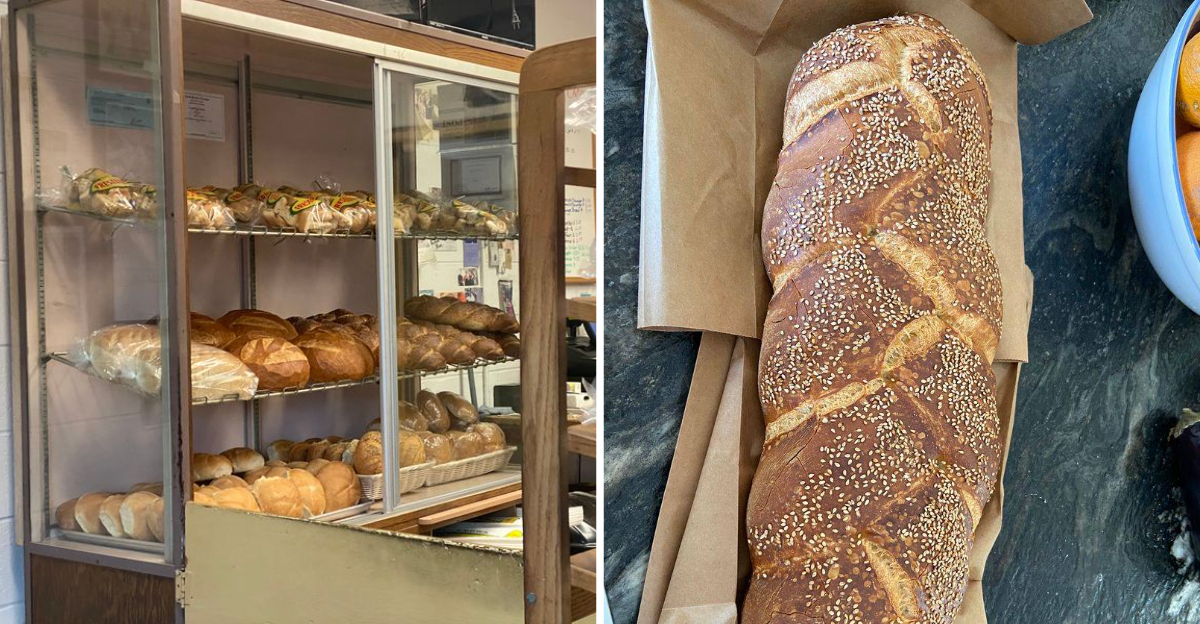
Crusty Italian loaves remain a major draw, joined by seeded breads, stuffed varieties, and small pizzas that have built loyal followings of their own.
Part of the charm comes from how little the experience tries to complicate things. Customers arrive for fresh bread, exchange a few friendly words at the counter, and leave carrying the kind of food that has kept people returning for decades.
That consistency gives the bakery a character newer businesses cannot easily recreate. Recipes have survived changing tastes, while families have continued passing along their favorite orders.
The surrounding neighborhood may look different from earlier generations, but the focus here remains remarkably familiar. Every visit offers a small connection to Connecticut’s Italian baking history, wrapped up in something as simple as a warm loaf headed home for dinner.
2. The Family Story Reaches Back To 1900
This story goes back more than a century. Family has always been at its center.
The ovens have seen plenty of changes along the way. Lupi-Marchigiano Bakery traces its beginnings to around 1900, when the Lupi family began baking in Hamden.
Later generations kept the business moving forward. The Lupi brothers eventually took over the operation, carrying the family’s baking tradition into its next chapter.
In 1956, they purchased Legna Bakery in New Haven. The expanded business became known as Lupi-Legna Bakery and continued building its reputation around familiar Italian breads.
Another major change arrived in 1983. The family purchased Marchigiano Bakery and shifted its baking operation to Washington Avenue in New Haven.
The two established bakery names came together as Lupi-Marchigiano Bakery, which is the name customers know today.
Through each transition, family involvement remained an important part of the business. That continuity helped preserve the methods behind the breads that generations of customers came to recognize.
Bread baking depends heavily on experience. Dough texture, proofing time, and oven conditions all require judgment that develops over years.
Keeping those skills within the family has helped Lupi-Marchigiano Bakery carry its old-school baking tradition well into the present day.
3. An Ordinary Neighborhood Hides This Historic Bakery
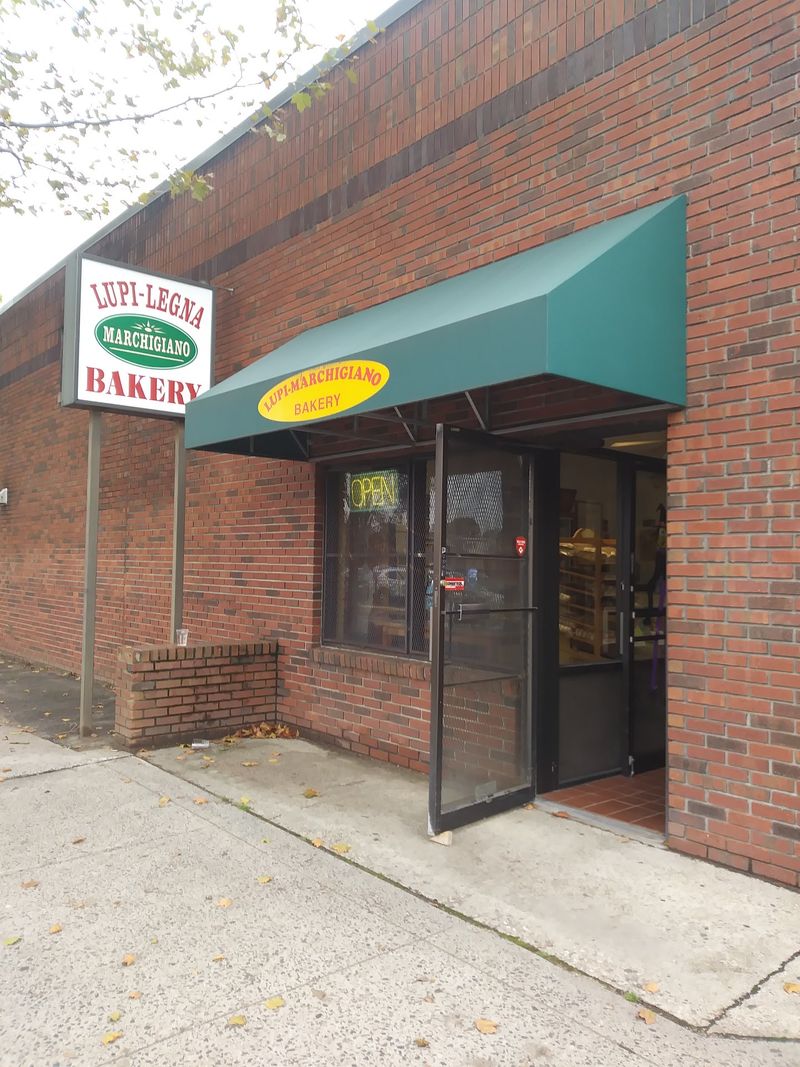
The best bakery stops do not need postcard scenery. Sometimes an ordinary city corner makes the discovery more fun.
This one rewards anyone paying attention. Drive past too quickly, and you could miss it completely.
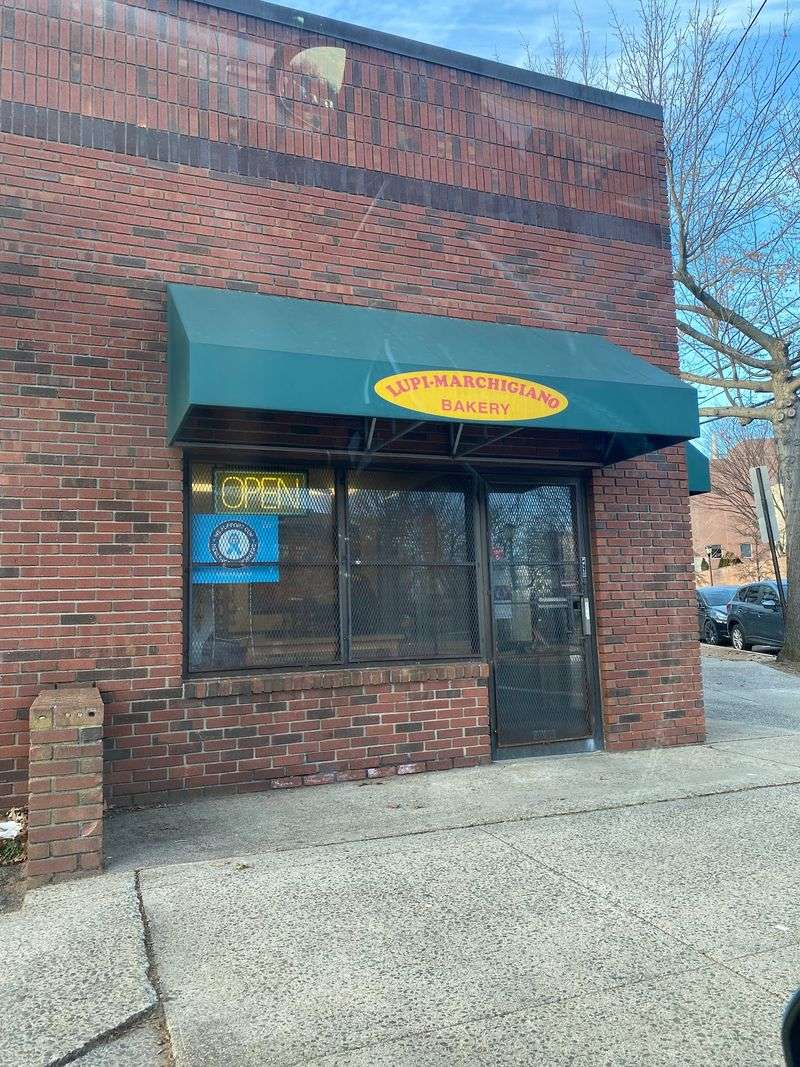
The small brick building has occupied its Washington Avenue corner since the Lupi family took over the former Marchigiano Bakery site in 1983.
Around it, the neighborhood feels busy and practical, shaped by nearby medical buildings, homes, parking areas, and everyday city traffic rather than tourist attractions.
That contrast gives Lupi-Marchigiano Bakery much of its old-school charm.
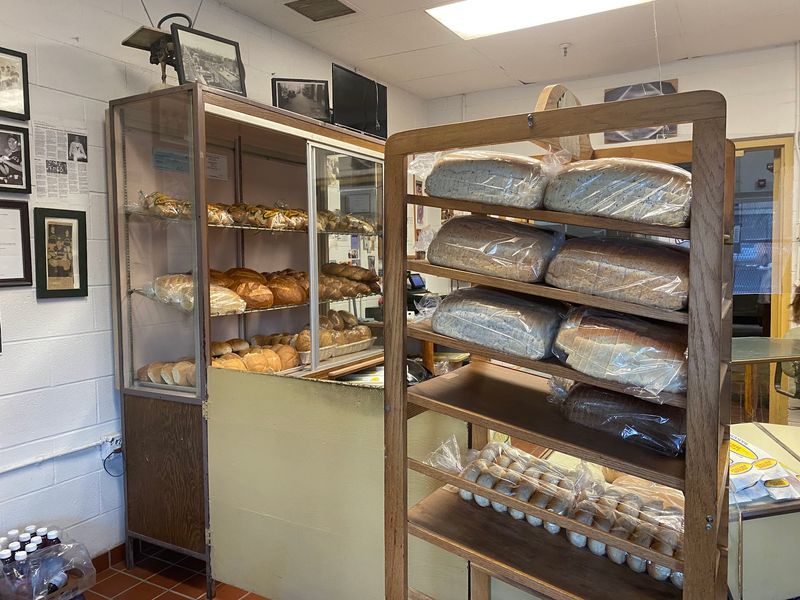
Inside, the focus stays firmly on bread and baked goods, not polished extras. Customers come and go quickly, often carrying crusty Italian loaves or stuffed breads while they are still fresh.
Street parking is the usual option, so arriving outside the busiest nearby work hours can make the stop easier. Cash is still the payment method to remember before heading inside.
The bakery continues serving customers at 169 Washington Ave, New Haven, CT 06519. Its simple storefront and long history make it feel like the kind of place locals pass down through word of mouth.
That low-key character only makes discovering it more satisfying.
4. Old Equipment Still Plays A Role Behind The Scenes
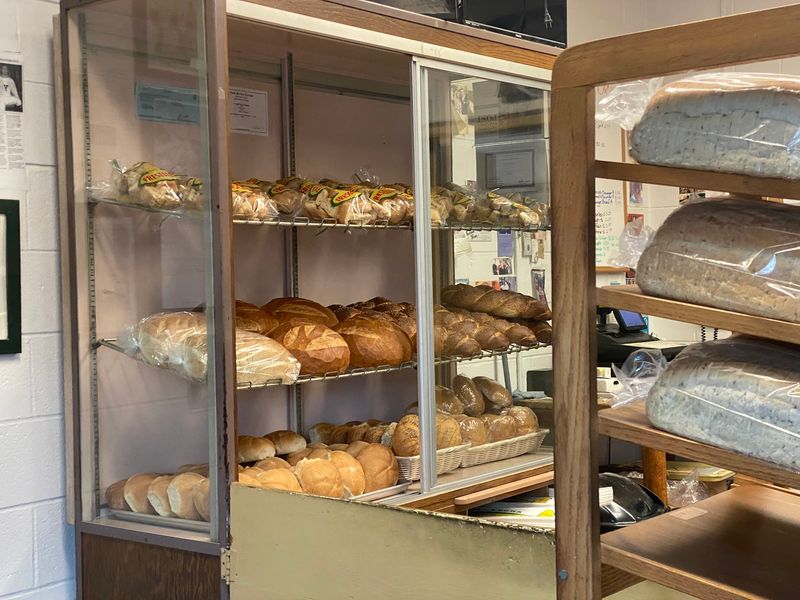
Here is a detail that bread lovers appreciate more than most. When the bakery moved to Washington Avenue in 1983, much of its original baking equipment came along for the ride.
That machinery had been working at the company’s earlier home on Dixwell Avenue in Hamden, and rather than replacing everything with newer models, the family brought it over and kept using it. Decades later, a good portion of it still contributes to daily production.
Older bakery equipment tends to have quirks. Heat spreads a certain way, mixers work dough at their own pace, and the people running them learn exactly how to compensate.
That accumulated knowledge is hard to replicate with a factory setting on a digital panel.
It also creates a kind of consistency that regulars pick up on immediately. When someone says the bread tastes the way it did when they were a kid, part of the reason may be that it is coming out of much the same setup their parents’ loaves did.
The equipment stays in service because it works, and because swapping it out would risk changing a product that people have trusted for generations. Practical decisions like that keep traditions alive.
5. Crusty Italian Loaves Remain The Signature
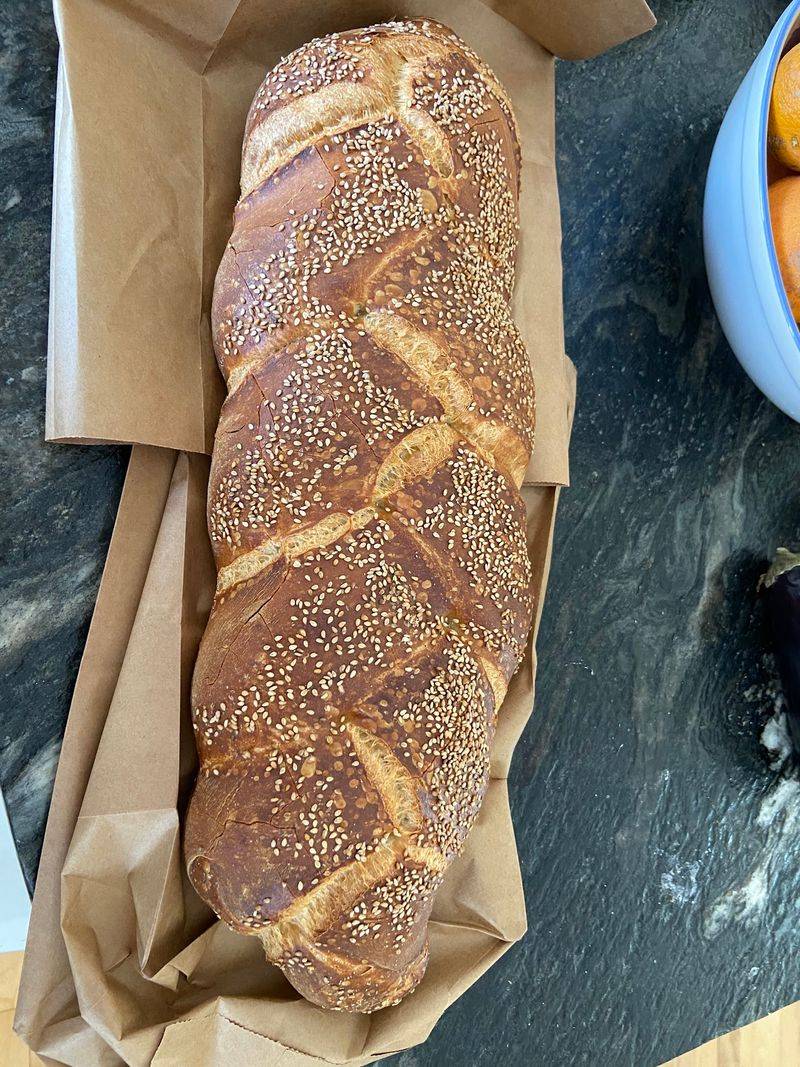
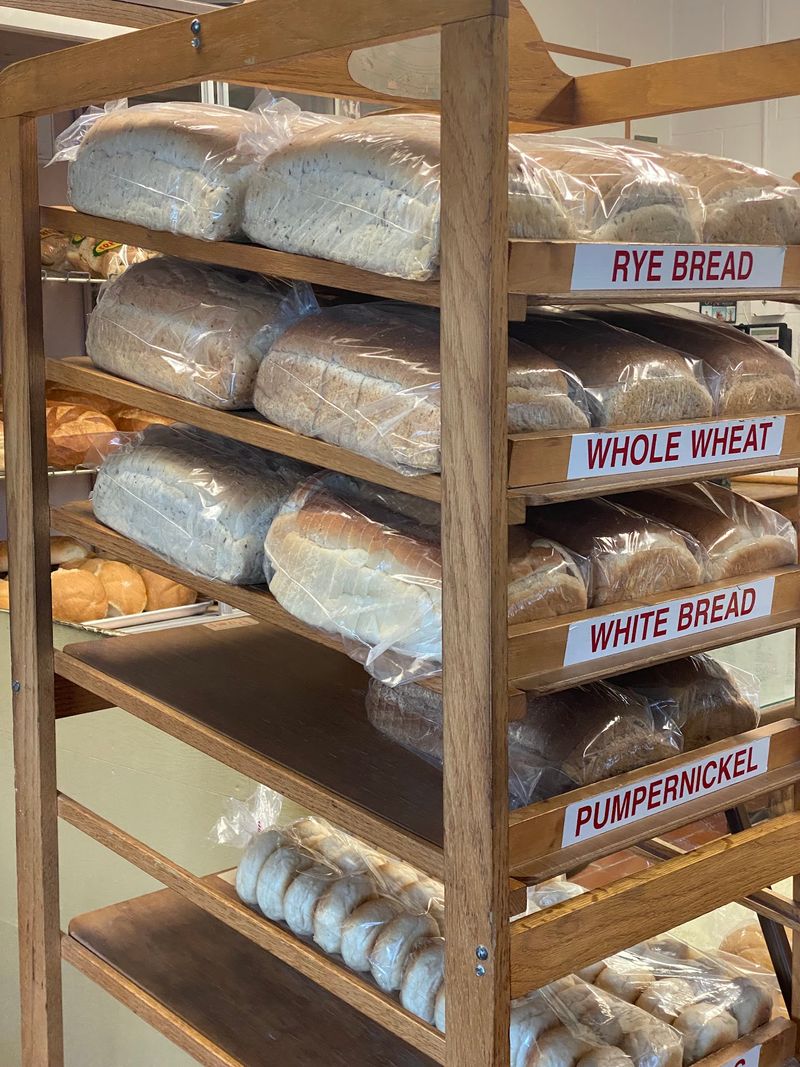
Bread is the whole point here, and the Italian loaves are what built the reputation. Baguettes, sub rolls, dinner rolls, rye, and the widely remembered Enriched Italian Style Bread all come out of these ovens.
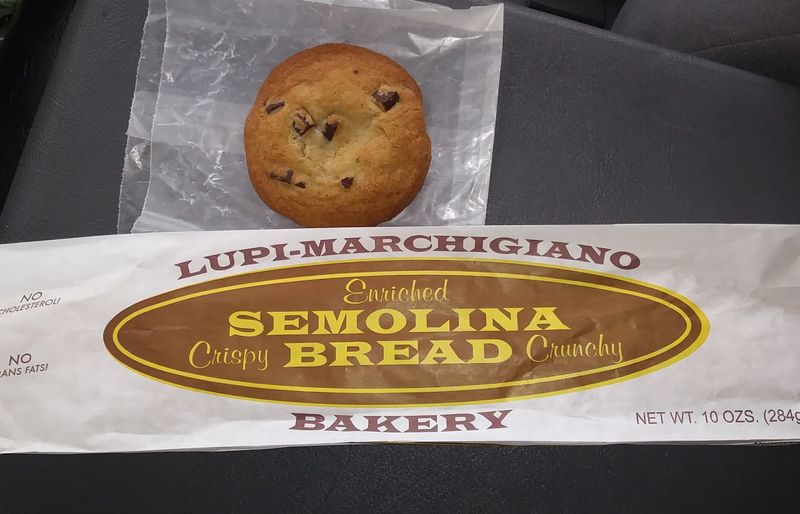
The semolina loaf gets mentioned by customers again and again, often as the thing they specifically drive over for. There is also a Crispy Crunchy Italian Bread for anyone who wants extra crackle when they tear off a piece.
Some locals describe the Italian bread as a bit softer than what other bakeries turn out, with a crisp crust giving way to a chewy, tender center. That combination makes it especially good for sandwiches, and equally good simply torn apart at the table.
Classic Italian bread relies on very few ingredients, which means technique and timing carry most of the weight. Handling, proofing, and oven heat determine whether the crust shatters properly and the crumb stays springy.
Practical tip: buy it the day you plan to eat it. Real bread without preservatives is at its best within hours, and leftovers are far better toasted, dunked in soup, or turned into garlic bread than left sitting on the counter for days.
6. Stuffed Breads Add Another Local Favorite
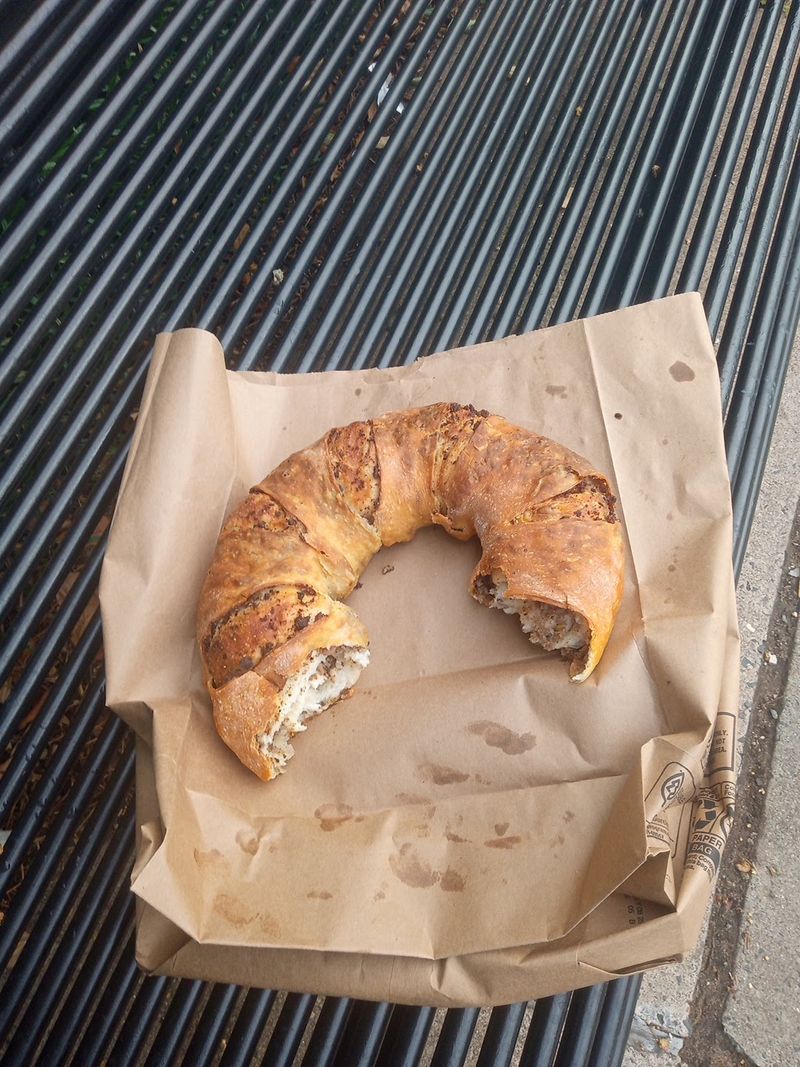
The best days here have a little extra filling. Warm stuffed breads can turn a simple bakery stop into lunch.
Thursday brings an especially popular reason to arrive early. That is when the sausage rounds have become a favorite among regulars.
Lupi-Marchigiano Bakery also turns out spinach and broccoli stuffed breads, both known for generous fillings and an old-school, no-frills feel. They are easy to carry, satisfying on their own, and simple to warm again at home if anything survives the first round.
Freshness matters most with the filled breads because batches can disappear quickly once customers start coming through the door. Arriving earlier in the day gives you a better chance of catching the selection while it is still full.
On Thursdays, the sausage rounds are especially sought after hot from the oven.
Do not stop looking once you have picked a stuffed bread. Fresh rolls, semolina loaves, and cookies give the shelves plenty of other temptation, with chocolate chip cookies earning especially enthusiastic praise from recent customers.
The smartest move is to scan the whole counter before deciding. One loaf may bring you in, but the stuffed breads can easily become the reason you come back.
7. Much Of The Work Happens Before Sunrise
While most of New Haven is still asleep, the lights are already on inside the bakery. Traditional bread schedules run early, and bakers in operations like this one commonly begin around 4 AM or even sooner.
Doughs need shaping, ovens need time to reach temperature, and the first batches have to be baked, cooled, and ready before the doors open at seven. None of it can be rushed without changing the result.
Daily work also includes preparing for tomorrow, not just today. Mixing, fermenting, and shaping happen in a rhythm that overlaps, so what customers buy in the morning was set in motion the day before.
Understanding that schedule helps you shop smarter. Arriving soon after opening usually means the widest selection and the warmest bread, especially on days when specialty items are baked.
Hours are generally 7 AM to 4 PM Monday through Friday, with a shorter Saturday morning window closing around noon and Sunday off, though it is always wise to confirm before making a long drive.
Late afternoon visits can still be rewarding, but popular items may already be gone. The early crowd knows this, which is why mornings feel the busiest and the most fun.
8. Old Recipes Keep Generations Coming Back
Loyalty like this does not happen by accident. Longtime customers sometimes compare the bread to what they remember eating years ago, which says plenty about the bakery’s consistency.
A family business running since 1900 naturally holds onto its recipes, and the consistency people describe suggests those methods have been protected rather than modernized. Hand work and traditional technique are a big part of the artisanal reputation attached to the name.
In Italian cooking, bread is not a side item. It anchors meals, soaks up sauce, holds sandwiches together, and shows up at nearly every table, which is why regional and family recipes are guarded so carefully.
Customers here often describe the loaves simply as real Italian bread, and that phrase carries weight. It signals simple ingredients, proper fermentation, and a crust that comes from skill instead of shortcuts.
If you go, treat it like the neighborhood errand it is meant to be. Bring cash, come early, chat with whoever is behind the counter, and grab an extra loaf because one rarely makes it home intact.
Places like this survive because people keep showing up, and this corner of New Haven has been showing up for well over a century.