This North Carolina Town Is Where Everyday Essentials Cost Surprisingly Little
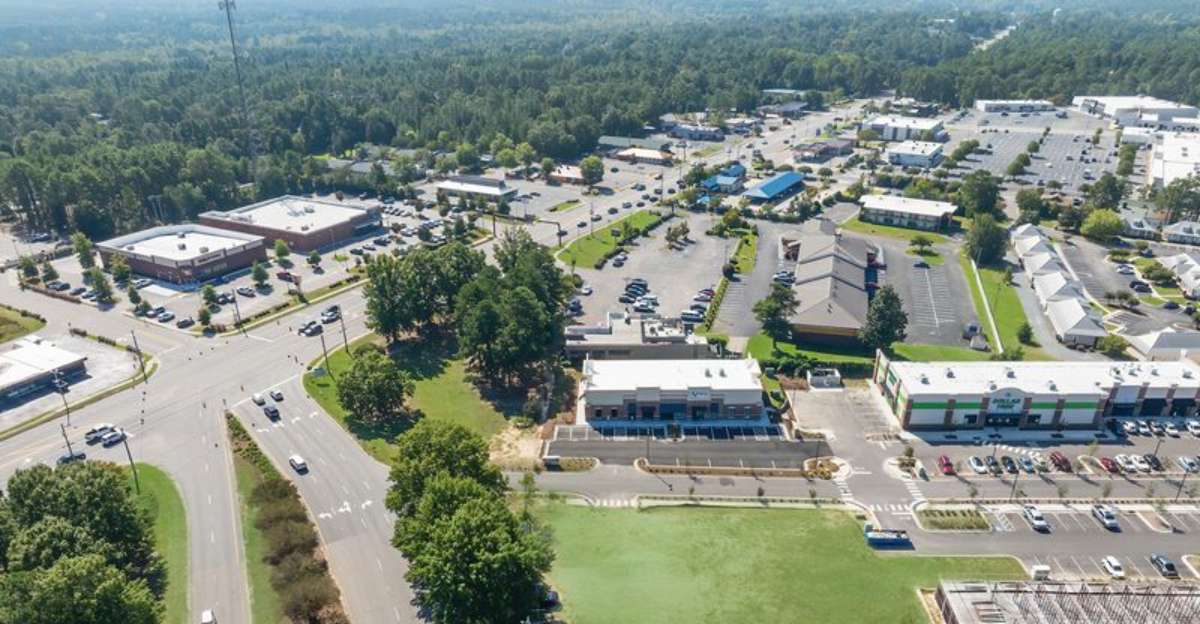
There is a North Carolina city where the cost of keeping a roof overhead can feel almost suspiciously reasonable.
That alone is enough to make budget-weary homebuyers look twice.
Housing remains the clearest advantage here, with both home values and rents sitting comfortably below what many larger markets demand. Everyday expenses can also stretch a little further, which gives the whole monthly budget more breathing room.
The city itself stays modest in scale, far removed from the pressure and pricing of the state’s biggest metros.
That does not mean every bill suddenly becomes tiny.
It does mean one of the most expensive parts of everyday life may take a noticeably smaller bite.
For anyone wondering whether North Carolina still has places where affordability feels real rather than theoretical, this quiet city makes a convincing case.
See How Far A Household Budget Can Stretch Here
Affordability becomes easier to understand once housing is separated from the rest of the monthly bills. Rockingham scores 70.4 on one current cost-of-living index where the national benchmark is 100, putting the city’s overall figure substantially below the U.S. average.
Housing is the category creating much of that difference, with the same index assigning Rockingham a housing score of 39.4.
Another 2026 estimate reaches a less dramatic conclusion but still places the city’s overall living costs below the national level, illustrating how different methodologies can produce different totals.
The safest takeaway is not that every household will save an exact percentage. Family size, housing type, commuting distance, and personal spending habits change the equation considerably.
What Rockingham does offer is a noticeably lower starting point in its largest expense category. A household paying less for rent or a mortgage has more flexibility before groceries, transportation, utilities, and other recurring costs are added.
That is a more useful measure of affordability than promising a fixed amount of annual savings, especially in a small rental market where a handful of new listings can move an average sharply from one month to the next.
Compare Grocery Costs With The National Average
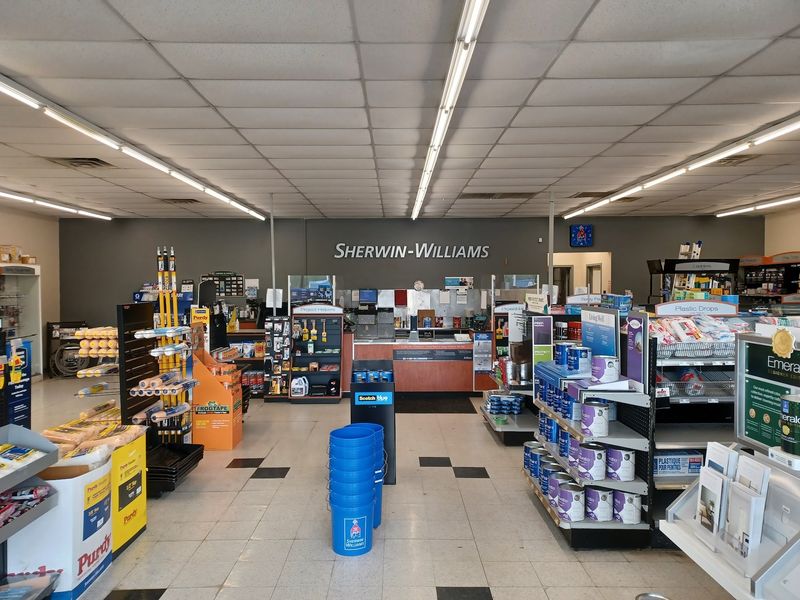
Food prices offer a smaller advantage than housing, but they still help the larger affordability picture.
One current index puts Rockingham’s grocery score at 93.5 compared with a national benchmark of 100, suggesting everyday food shopping runs modestly below the U.S. average rather than dramatically cheaper.
That distinction matters because the original idea of groceries costing more than 20 percent less is difficult to support consistently across available sources. Residents do have familiar places to shop without leaving town.
Food Lion currently operates two Rockingham stores, one at 2124 B Fayetteville Road and another at 481 East Broad Avenue, and both are open daily.
Walmart also runs a Supercenter at 720 E US Highway 74 with a full grocery department and daily hours from 6 a.m. to 11 p.m.
Those options make comparison shopping practical, particularly when weekly promotions or store-brand staples matter to the budget.
Grocery savings alone are unlikely to transform household finances here, but paired with much lower housing costs, even a modest difference at the supermarket adds another small advantage to everyday life in Rockingham.
Look At Housing Prices That Change The Monthly Math

Housing is where the numbers become difficult to ignore. Zillow’s July 2026 Home Value Index put the typical Rockingham home value at $137,566, up 3.8 percent from a year earlier but still far below typical values in many larger North Carolina markets.
The median list price was higher at roughly $201,633, which shows why buyers should distinguish between the value of the overall housing stock and the asking prices of homes currently for sale. Rent tells a similar story when comparable apartment data is used.
Apartments.com reports an overall Rockingham apartment average of $815, about 51% below its $1,664 national apartment average; the site’s current one-bedroom average for Rockingham is also $815.
Rockingham’s market is not huge, and available inventory can be limited, but the broad pattern remains clear.
Housing costs are one of the strongest reasons the city’s overall cost of living comes in below larger metros and national benchmarks.
Factor In Transportation Before Judging The Savings
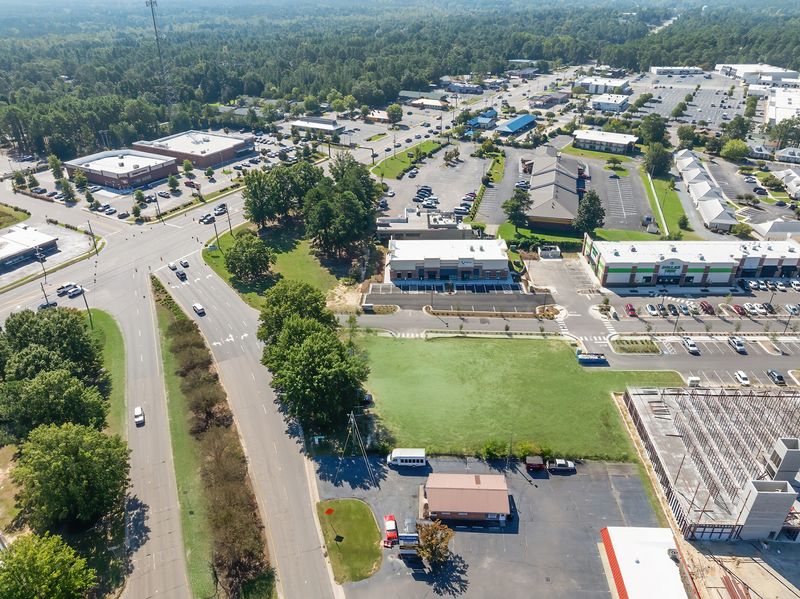
Lower housing costs do not eliminate the need to think about getting around. Rockingham is primarily a driving city, with Apartments.com giving it a drivability score of 80 out of 100 while its walkability score sits at 40.
The road network is strong for a city of this size. The completed Rockingham Bypass carries U.S. 220 and future I-73/I-74 around the community, while U.S. 74 remains one of the region’s major east-west routes.
NCDOT says the 7.2-mile bypass was designed partly to remove through traffic from local streets and signalized intersections. Long-distance travelers also have a bus option.
FlixBus currently serves a stop at 824 East Broad Avenue and lists direct connections with seven cities, including Charlotte and Raleigh, with fares varying by route and date.
For everyday life, however, a car remains the practical choice for many residents, so fuel, insurance, maintenance, and commute length belong in any realistic budget.
Rockingham’s compact size can keep many errands relatively close, but affordability still depends heavily on how far each household needs to travel for work and services.
Find Familiar Stores Without Leaving Town
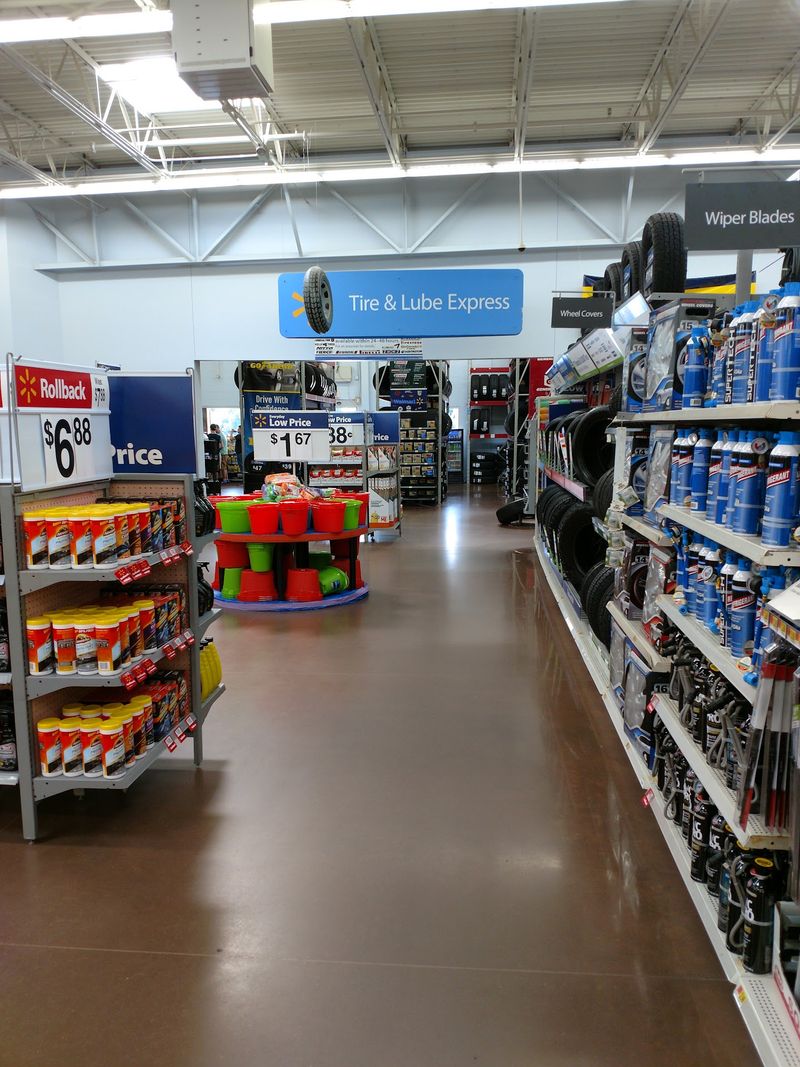
Everyday shopping does not require a trip to a larger city. Rockingham has two Food Lion supermarkets, the Walmart Supercenter on East U.S.
Highway 74, and other familiar retail options spread along its main commercial corridors. Food Lion’s Fayetteville Road and East Broad Avenue locations both operate from 7 a.m. to 11 p.m. daily, while Walmart opens at 6 a.m. and closes at 11 p.m.
That local access matters almost as much as price because a cheaper item stops being much of a bargain if buying it requires a long round trip.
Rockingham’s commercial layout lets households handle groceries, household basics, pharmacy needs, and larger general-merchandise shopping without routinely leaving town.
The city itself remains small, with the Census Bureau estimating 8,815 residents in 2025, so these stores serve a market very different from the sprawling retail districts surrounding Charlotte or Raleigh.
It would be misleading to suggest that chain-store products automatically cost less simply because they are sold in Rockingham.
The more defensible advantage is that residents have convenient access to budget-oriented retailers while living in a housing market that remains far less expensive than those larger metro areas.
Discover Why Housing Makes The Biggest Difference
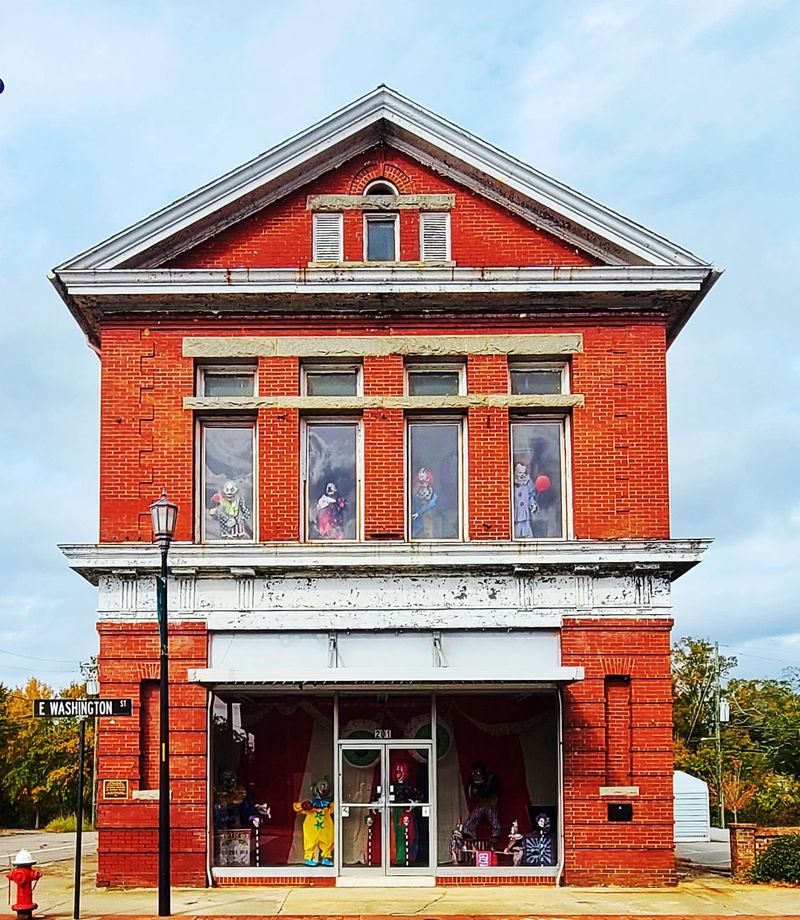
A low mortgage or rent payment can outweigh dozens of smaller price differences elsewhere in the budget. That is why Rockingham’s housing market matters so much more than whether a particular gallon of milk or tank of gas costs a few cents less.
The city’s typical home value of about $137,566 remains its most striking affordability figure, especially beside a national housing market where typical values are several times higher.
Renters see the same pattern in the apartment market, where the September 2026 one-bedroom average is $815.
The gap can translate into hundreds of dollars a month compared with a larger city, depending on the type of property and neighborhood being compared.
That extra room in the budget can then absorb less predictable expenses such as repairs, transportation, utilities, or rising food prices.
It is also why broad cost-of-living rankings consistently place Rockingham on the affordable side even when individual categories are much closer to national averages. Groceries, for example, are only modestly below the benchmark in one index, while utilities may sit close to it.
The roof overhead is doing most of the heavy lifting.
Compare Rockingham With Charlotte And Raleigh

The difference becomes especially clear when the same kind of rental is compared across cities. In September 2026, Apartments.com lists the average one-bedroom apartment in Rockingham at $815 per month.
Charlotte’s comparable average is $1,477, while Raleigh comes in at $1,391. That puts the monthly gap at roughly $662 compared with Charlotte and $576 compared with Raleigh before any other expense enters the calculation.
Over twelve months, those differences amount to nearly $7,944 and $6,912 respectively. The trade-off is scale.
Charlotte and Raleigh offer much larger employment markets, denser entertainment districts, broader restaurant scenes, and extensive urban amenities that a city of fewer than 9,000 residents cannot match. Rockingham offers a different equation.
The city is about 70 miles southeast of Charlotte, while major highways keep regional travel practical when a bigger-city outing is worth the drive. Choosing between them therefore involves more than picking the lowest rent.
For households whose jobs and daily routines work in Richmond County, Rockingham’s much lower apartment costs can leave a meaningful amount of money available for everything that comes after housing.
Decide Whether The Lower Costs Fit Your Lifestyle

Affordability works best when the place itself matches the way someone actually wants to live. Rockingham is a small city rather than a miniature version of Charlotte or Raleigh, and its quieter scale is part of the bargain.
The city’s official long-range planning document is called Shaping Our Future 2033, outlining how Rockingham intends to guide development and improvements over the coming years.
Downtown centers on places such as Harrington Square, while major commercial corridors handle much of the everyday shopping.
The city’s role as Richmond County’s seat also keeps local government and services centered here.
Housing remains the strongest financial draw, but potential residents still need to weigh employment, commuting, healthcare access, entertainment preferences, and the realities of living in a smaller market.
A cheap house loses some of its advantage if work requires a long daily drive, just as a quieter downtown will not appeal to someone who wants late-night urban activity outside the door.
For the right household, though, Rockingham offers a straightforward proposition: a North Carolina city where one of life’s biggest recurring expenses can still be surprisingly manageable.