This Kentucky Town Has Monthly Rent Under $800 And A Pace Of Life You’ll Love
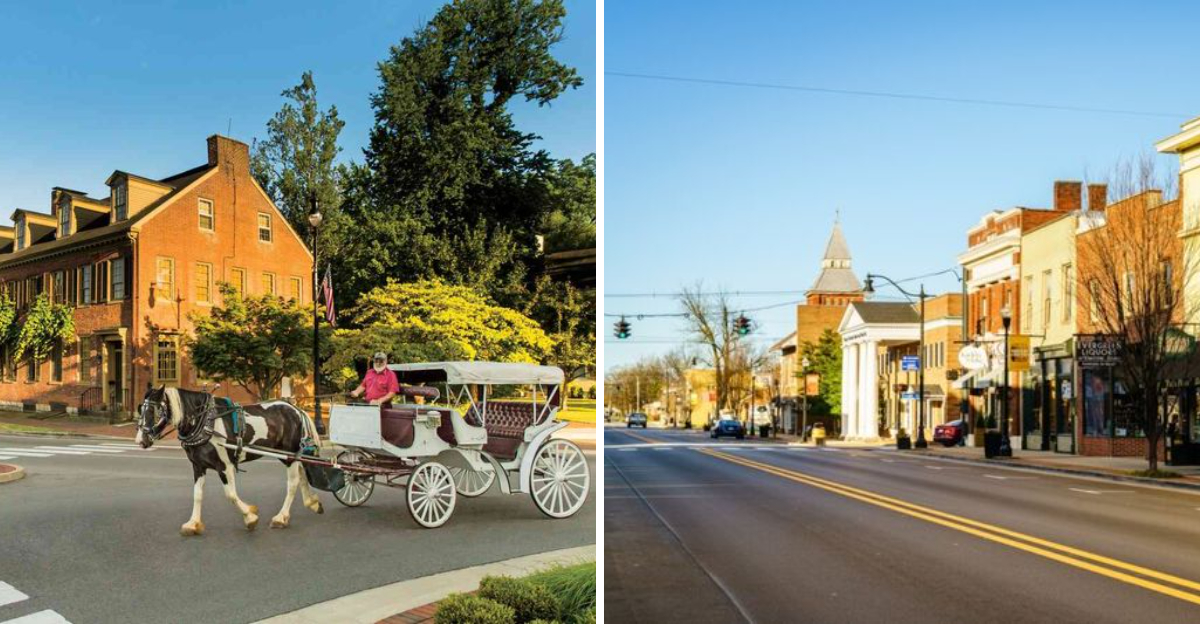
Everybody wants the small town with the pretty main street until they see what it costs to live there. Charm has gotten expensive lately.
Somebody discovers a place, writes about it, and then the prices go strange.
This town in Kentucky has been famous for a long while and somehow stayed reasonable. The cost of living sits below the national average.
A house here runs closer to two hundred thousand than the numbers you see in the Louisville suburbs, and Louisville is only an hour up the road.
You get a downtown you can walk end to end. You get a mansion that ended up on a state quarter.
You get bourbon history that people fly across oceans to see, which is funny when it is just your neighborhood.
The slower speed is the part nobody puts a price on.
A Town That Started Before The Country Found Its Footing
Bardstown, Kentucky was settled in 1780, which makes it one of the oldest cities in the state. It sits in Nelson County, surrounded by rolling farmland and two-lane roads.
The town was formally established in 1788. That is older than most states, older than most towns you can name, and it shows in the brickwork.
You can feel the age without it feeling stuffy. Sidewalks are uneven in the way old sidewalks always are, and nobody seems bothered.
Court Square anchors the center of everything. Streets fan out from it, and most of what you want sits within a few blocks.
Newer neighborhoods spread outward, but the core has stayed remarkably intact. Preservation here was a choice, not an accident.
Kentucky has plenty of pretty towns. Few of them can claim this much continuous history in one walkable stretch.
If you like the idea of living somewhere with a story already written, this fits. You just add your chapter.
Old towns can feel frozen. Bardstown feels lived in, which is a very different thing.
Rent That Leaves Room For Everything Else
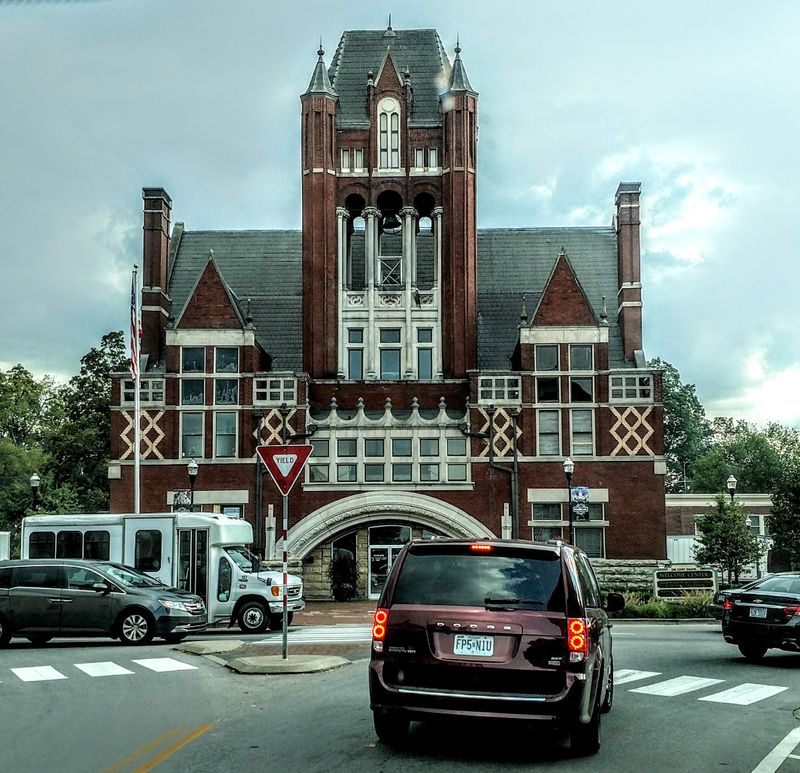
Housing math in Bardstown looks friendlier than most places. Listings for smaller units and older properties can land under $800 a month.
That figure is roughly half the national average, which is the real headline.
Cheaper rent changes daily decisions. You stop counting every grocery trip and start thinking about savings instead.
Studios and one-bedrooms in older buildings sit at the low end. Larger family homes cost more, though still well below big-city numbers.
Overall cost of living also sits under the national average here. Utilities, gas, and everyday errands cost less than you might expect.
Anyone chasing that sub-$800 number should search early and stay flexible. The best-priced places tend to move through word of mouth.
Local landlords often list on community boards rather than big websites. Asking around genuinely works in a town this size.
Buying is also within reach for many people. Modest homes here still trade at prices that shock coastal transplants.
Lower housing costs buy something better than square footage. They buy breathing room, and that is the whole point.
Nearly Two Hundred Old Buildings, Still Standing Proud
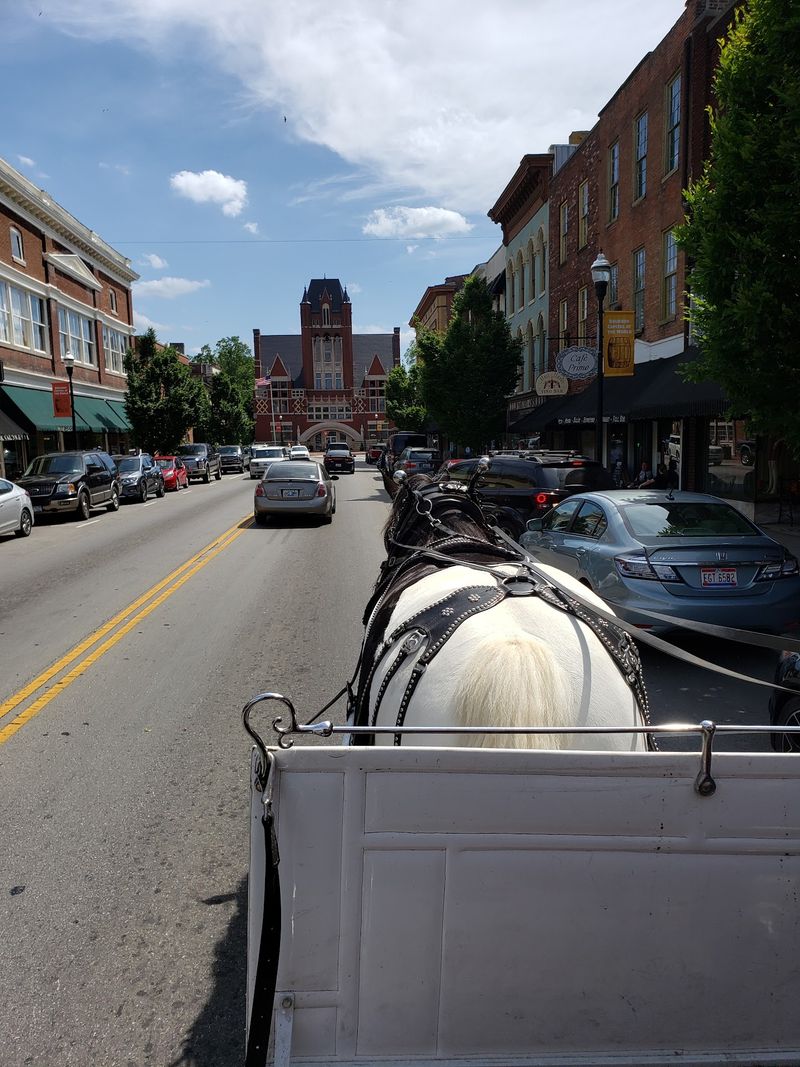
Downtown Bardstown holds close to 200 preserved historic buildings. That is a serious number for a town this compact.
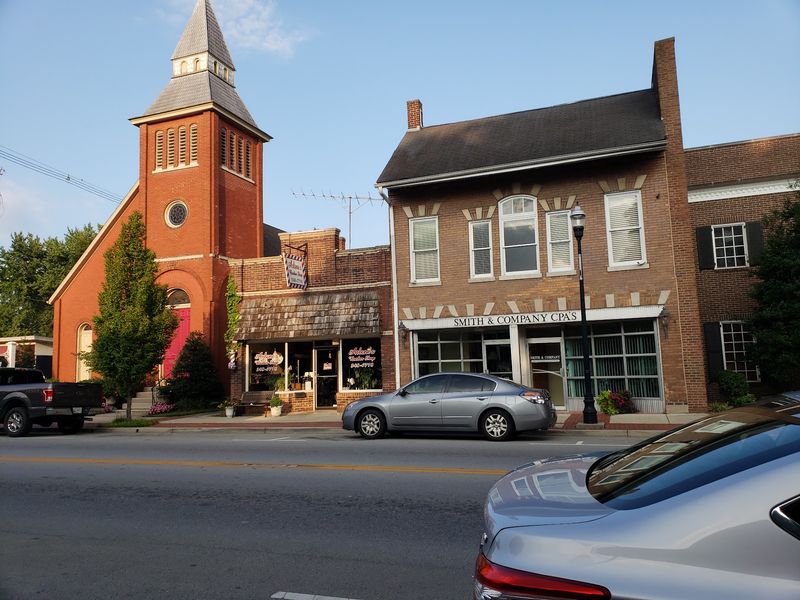
Brick facades, tall windows, and iron details line the blocks. Storefronts sit at street level with apartments and offices above.
Abraham Lincoln walked these streets, and so did Jesse James. Two very different guests, one very old town.
Preservation here is not decorative. Buildings actually get used, which keeps them from becoming museum pieces.
Shops occupy spaces that once held general stores and tradesmen. The bones stayed, the purpose changed.
Photographers love the light late in the day. Warm brick and long shadows make an easy subject.
Living among historic architecture has practical perks too. Older neighborhoods usually mean bigger trees and shorter walks.
Renovation projects pop up regularly around the district. Watching a building come back is oddly satisfying.
Start your wander near 100 East Stephen Foster Avenue, Bardstown, Kentucky, and follow whatever looks interesting.
Plenty of towns advertise charm. This one has the deeds and dates to back it up.
The Bourbon Capital Title Is Not Just Marketing
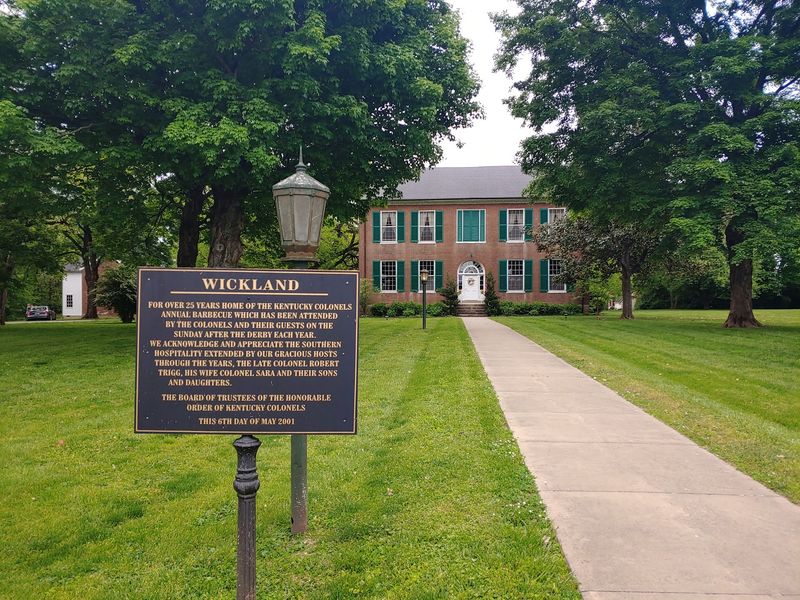
Bardstown carries the title of Bourbon Capital of the World. Titles like that usually get argued over, but not this one.
Eleven distilleries operate within 16 miles of Court Square. That concentration is hard to match anywhere else.
Barrel warehouses dot the countryside around town. They look like giant barns and store the region’s most famous export.
The industry shapes the local economy in a big way. Jobs, tourism, and small businesses all connect back to it.
Visitors arrive year round for tours and history. That steady traffic keeps restaurants and shops busier than most towns this size.
Residents benefit without needing to participate. More visitors means more places to eat and more things happening.
The distilling heritage stretches back generations here. Family names on the buildings are often the same families still around.
Fall brings festival season and a noticeable buzz downtown. Streets fill, then empty again, and life resumes.
The Bourbon Capital sign sits near 1 Court Square, Bardstown, Kentucky, which makes for a fine photo stop.
Whether or not the product interests you, the craftsmanship story is genuinely fascinating.
A Mansion, A Song, And A Summer Musical
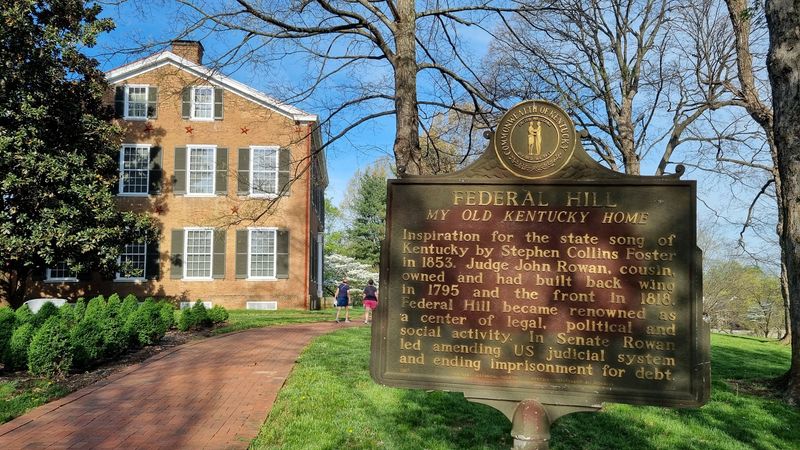
My Old Kentucky Home State Park sits right in town. At its center stands Federal Hill, a stately brick mansion with serious presence.
Stephen Foster drew inspiration from this estate for his famous song. That song later became Kentucky’s state anthem.
Guides in period clothing lead tours through the house. Rooms are furnished to reflect the era it was built in.
Summer brings The Stephen Foster Story to an outdoor stage nearby. Music, costumes, and warm evening air make a fun night out.
The grounds work for picnics and slow walks. Wide lawns, old trees, and plenty of shade.
Locals treat the park as everyday space, not just a tourist site. Joggers and dog walkers use it constantly.
Seasonal events fill the calendar, including holiday light displays. The mansion looks especially good under winter lighting.
Golf and camping are also available on park property. Handy if you want a staycation without leaving town.
You will find it at 501 East Stephen Foster Avenue.
Few small towns keep a landmark this significant within walking distance of a grocery run.
Museum Row And A Walkable Kind Of Day
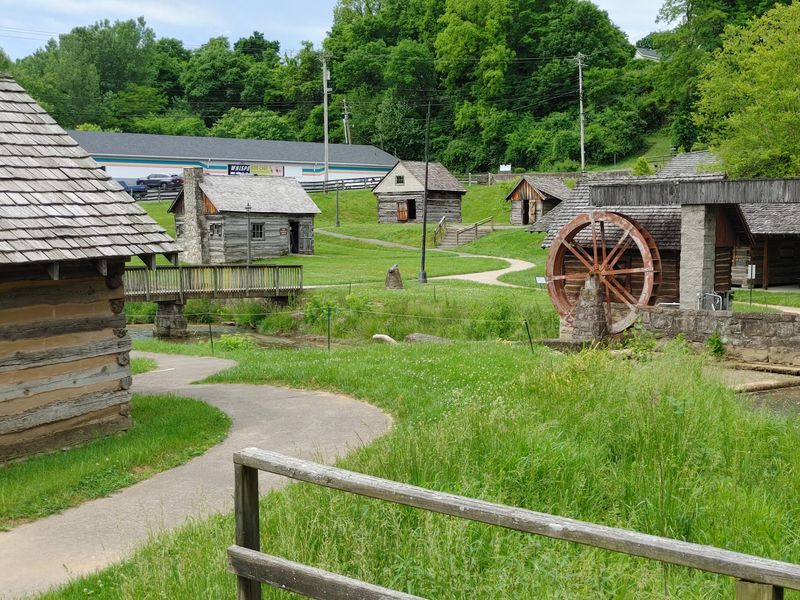
Comfortable shoes matter more than a car here. Downtown Bardstown is genuinely walkable, and the layout rewards wandering.
Museum Row gathers several cultural properties into one area. You can move between them without ever moving your vehicle.
The Civil War Museum ranks as the fourth-largest of its kind in the United States. That is a surprising credential for a town this size.
Exhibits cover the western theater in detail. History buffs tend to lose track of time inside.
Other buildings on the row cover local heritage and everyday life from earlier eras. Small, focused, and easy to absorb.
Walkability changes how a town feels day to day. Errands become social, and neighbors actually bump into each other.
Coffee, lunch, and a museum can all happen within three blocks. Try that in a suburb.
Benches and shade trees line the main stretches. Sitting down for ten minutes is encouraged.
Museum Row is centered near 310 East Broadway, Bardstown.
Cars are still useful for distilleries and countryside drives. Downtown, though, your feet handle everything just fine.
Friendliness Here Comes With Receipts
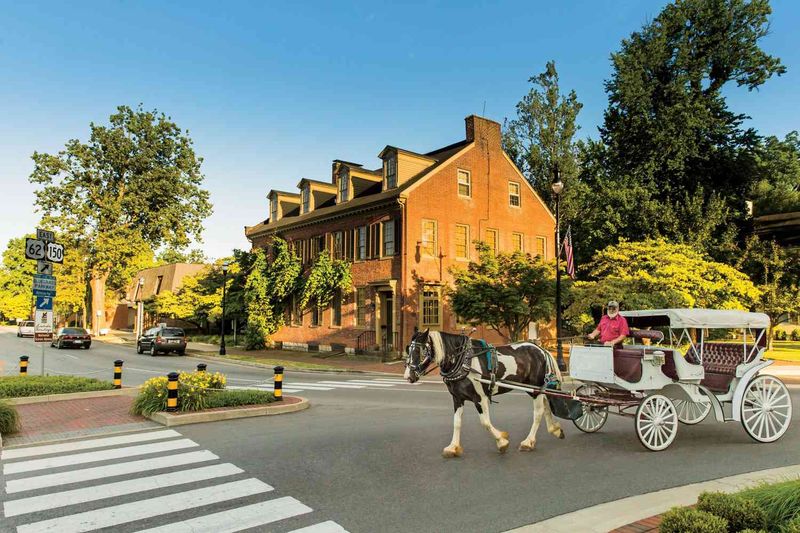
Bardstown has been named the Number One Most Welcoming Small Town in America. That is a bold claim, and the town earned it.
Rand McNally and USA Today also called it the Most Beautiful Small Town in America. Two titles, one zip code.
Awards aside, the pace is what people notice first. Conversations run longer, and nobody taps their foot behind you.
Shopkeepers remember faces quickly. Regulars will tell you the same cashier greets them by name within a month.
Community events happen often and draw real crowds. Parades, markets, and festivals fill the calendar.
Newcomers tend to get absorbed rather than observed. Volunteering is the fastest way in.
Traffic is mild by almost any standard. Rush hour lasts about fifteen minutes and barely deserves the name.
Neighborhood porches see actual use in the evenings. That detail says more than any ranking.
Slow living sounds like a marketing phrase until you experience it. Here it just looks like Tuesday.
Cafes, Boutiques, And Reasons To Stay
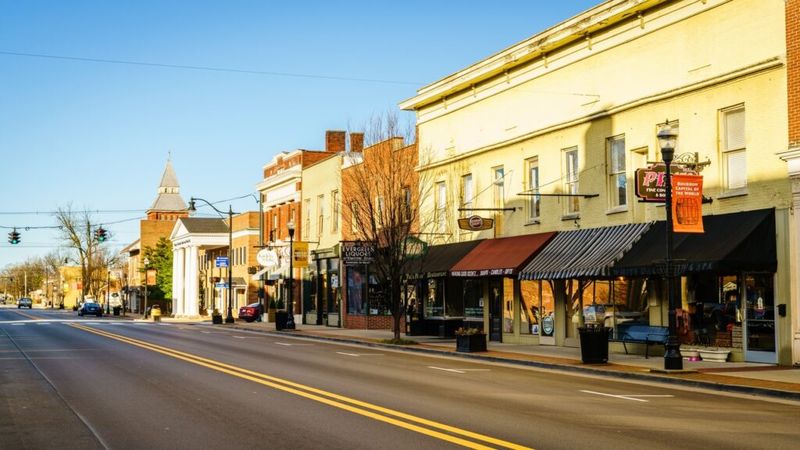
Mornings move gently in Bardstown. Coffee shops fill early, and conversations drift between tables without much effort.
Boutique stores line the downtown blocks. Clothing, gifts, antiques, and books all have their own small addresses.
Local eateries lean toward comfort food done well. Menus list Southern staples alongside a few surprises.
Independent ownership dominates here. Chains exist on the edges of town, but the center belongs to locals.
Shopping downtown feels social rather than transactional. Owners often work the counter themselves.
Afternoons stretch out easily. Browse a shop, sit outside, and the clock stops mattering.
Farmers markets bring produce and baked goods in season. Prices stay reasonable, and quality stays high.
Between low rent and a compact downtown, your monthly budget stretches further than expected. That leaves room for small pleasures.
Most of these storefronts sit along East and West Stephen Foster Avenue.
Some towns give you a nice weekend. This one quietly convinces you to check rental listings on the drive home.