This Under-The-Radar Connecticut University Ranks Among America’s Best For Undergraduate Teaching
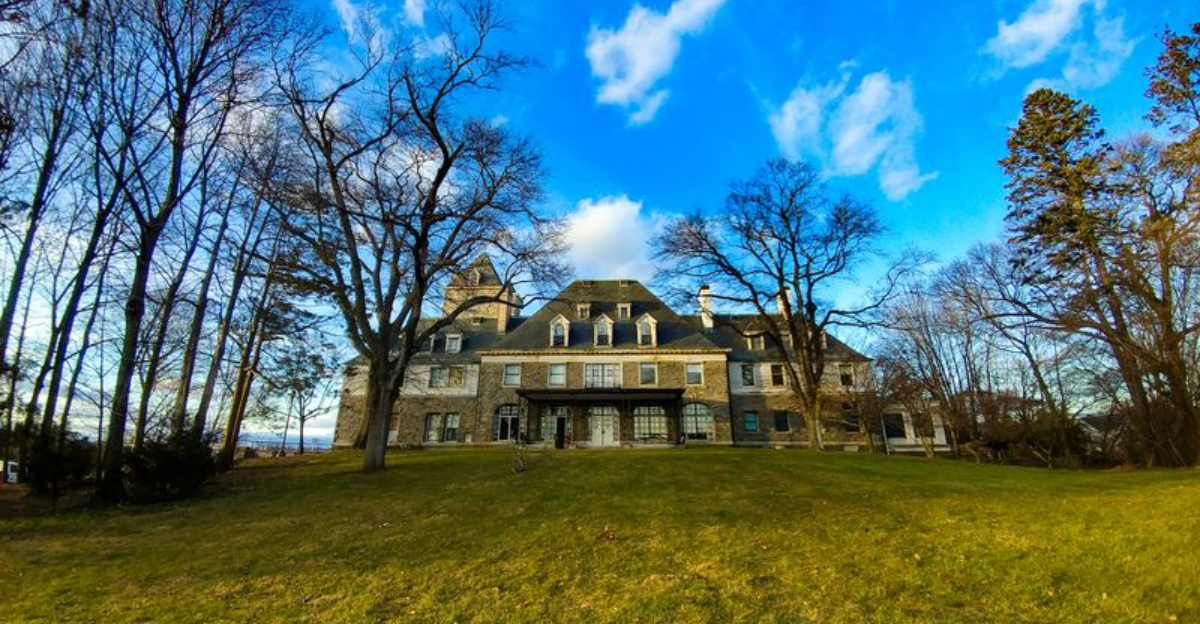
Big-name colleges tend to get most of the attention, which makes finding a quieter standout much more interesting.
This university has built the kind of academic reputation that can make you wonder why it is not talked about more often.
The real draw is what happens in the classroom.
Teaching quality has earned serious recognition, giving the school a reason to stand out without relying on flashy headlines or oversized hype.
That makes the under-the-radar part especially fun.
You start looking closer and realize there is much more happening here than the name recognition might suggest.
For students who care about strong academics and a more personal college experience, this place deserves a much closer look.
It is one of those Connecticut schools that quietly keeps giving people new reasons to pay attention.
And once you discover what makes it special, staying under the radar starts to seem almost impossible.
1. Jesuit Education Shapes This Growing University
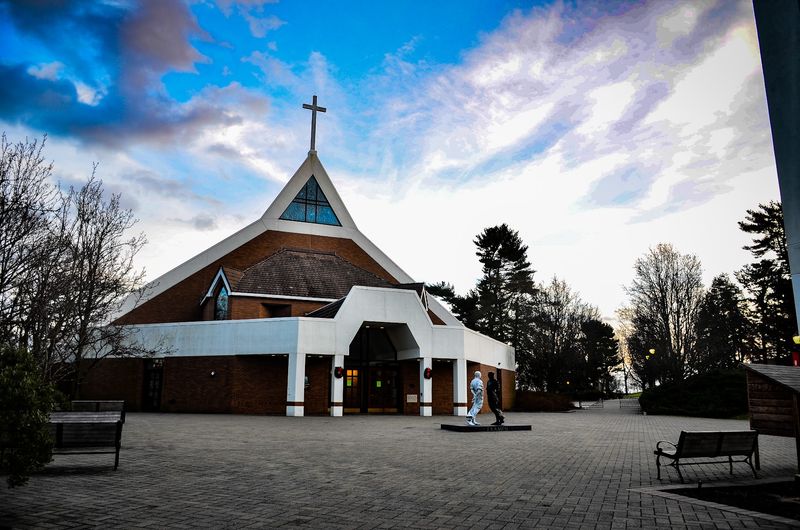
Big growth can change a campus fast. Here, the core idea has stayed remarkably steady.
At Fairfield University, Jesuit values still shape how students are taught and supported. That story began in 1942, when the Society of Jesus founded the school.
One phrase explains much of the approach: cura personalis, or care of the whole person. It reaches beyond grades, encouraging attention to intellectual growth as well as personal well-being.
The university also draws on Magis, an Ignatian idea centered on striving for what is better rather than simply doing more.
Service remains part of the culture too. Students are encouraged to become people for and with others, carrying what they learn beyond the classroom and into their communities.
That mission has grown alongside the university itself. Fairfield now serves more than 5,000 undergraduate and graduate students, far beyond the small college it began as.
Interest keeps climbing as well. For the Class of 2030, Fairfield received 21,662 applications, the largest applicant pool in its history and a 62 percent increase over five years.
The admit rate fell to 21 percent, making the 2026 cycle its most selective yet. That momentum shows how strongly the university’s modern Jesuit identity continues to resonate.
2. Its Story Started Back In 1942
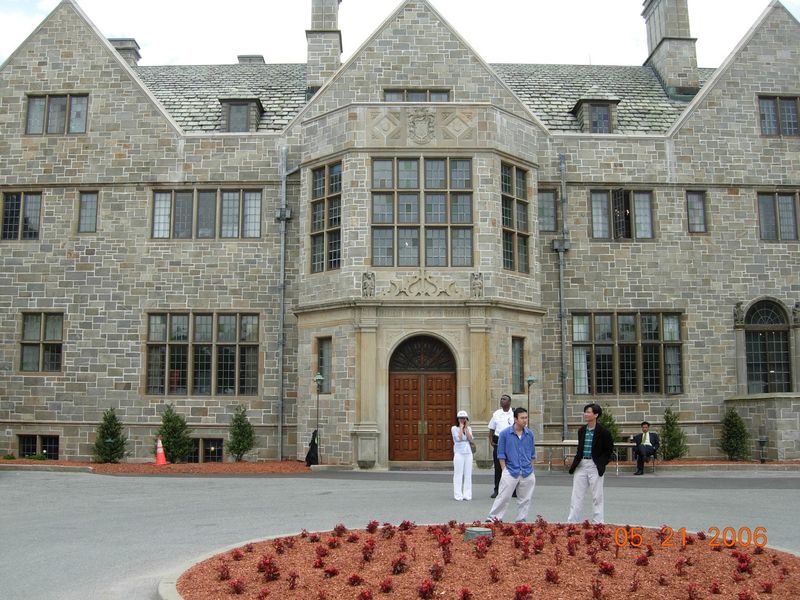
Nineteen forty-two was not an easy year to start anything, yet that is when the Jesuits established Fairfield University, making it the 26th Jesuit college or university in the United States. Connecticut officially chartered the school to grant degrees in 1945.
The College of Arts and Sciences opened its doors to a first class of 303 male students in 1947. Picture that number against today’s enrollment and the growth curve becomes easy to appreciate.
Change came steadily after that. The School of Education and Human Development arrived in 1950, and 1970 brought two landmarks at once: the founding of what is now the Marion Peckham Egan School of Nursing and Health Studies, and the admission of the first undergraduate class of women.
Business followed in 1978 with the Charles F. Dolan School of Business.
Engineering joined the lineup in 1994 after the university acquired the Bridgeport Engineering Institute.
Each addition widened the range of what a Fairfield degree could mean. A liberal arts college became a place where a nursing student, an engineer, and a philosophy major might share the same dining hall table.
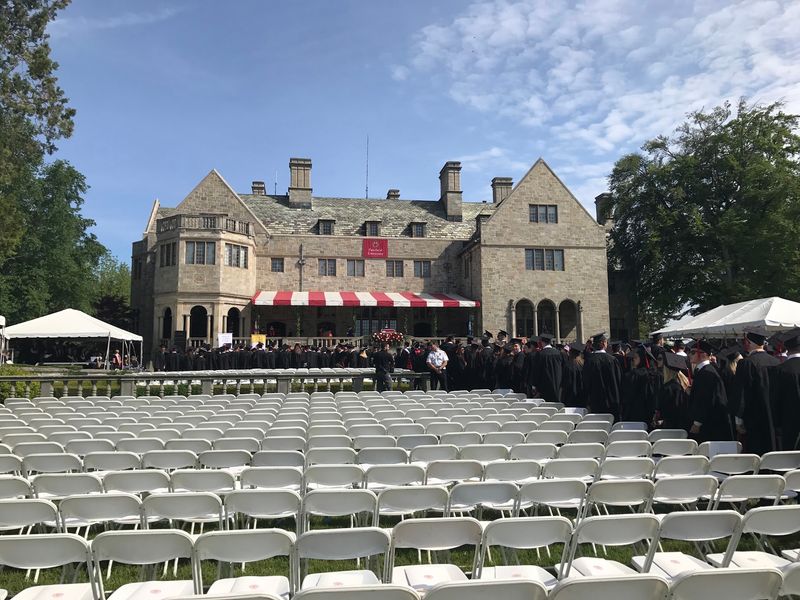
That layered history explains the campus you see today, which mixes older brick landmarks with newer academic buildings.
3. The Coastal Setting Sits Near A Major City
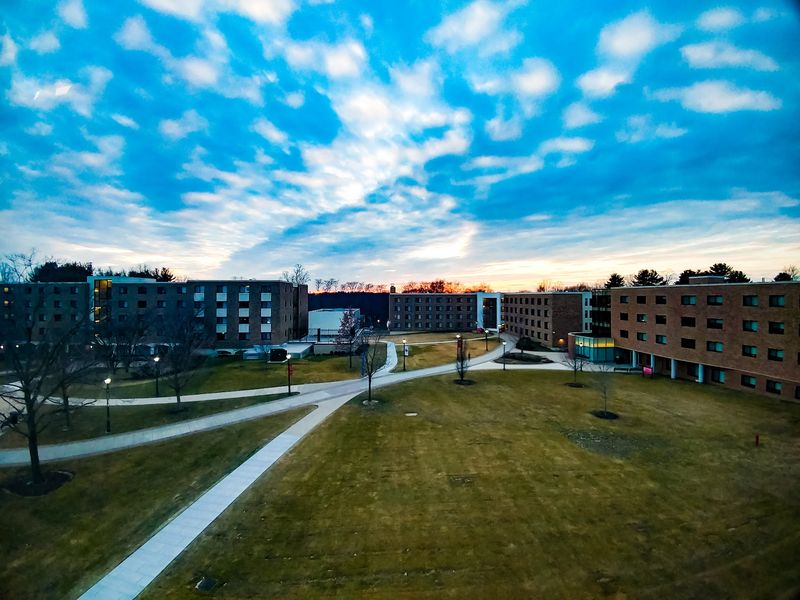
Green space feels different when the water is nearby. This campus makes the most of both.
Across 200 acres of rolling lawns and mature trees, Fairfield University sits only minutes from Long Island Sound. The setting feels calm without leaving students cut off from everything beyond campus.
Downtown Fairfield adds plenty of energy. Its walkable center brings shops, restaurants, and arts venues within easy reach, giving students somewhere to go when they want a change of scenery.
Beaches and marinas are close too, which adds another layer to everyday campus life.
Then comes the bigger advantage. Metro-North connects Fairfield with New York City in about an hour, opening the door to internships, museums, events, and weekend trips without requiring a car.
That proximity makes the university feel connected to a much larger world while still keeping its quieter suburban setting.
Campus visits are available throughout the year, with scheduled tours and information sessions varying by season. The main campus is at 1073 North Benson Road in Fairfield.
Visitors can explore the grounds, see academic buildings, and get a better feel for how the campus fits together. It is an easy place to understand once you spend a little time walking it.
4. Teaching Earned A National Top-25 Spot
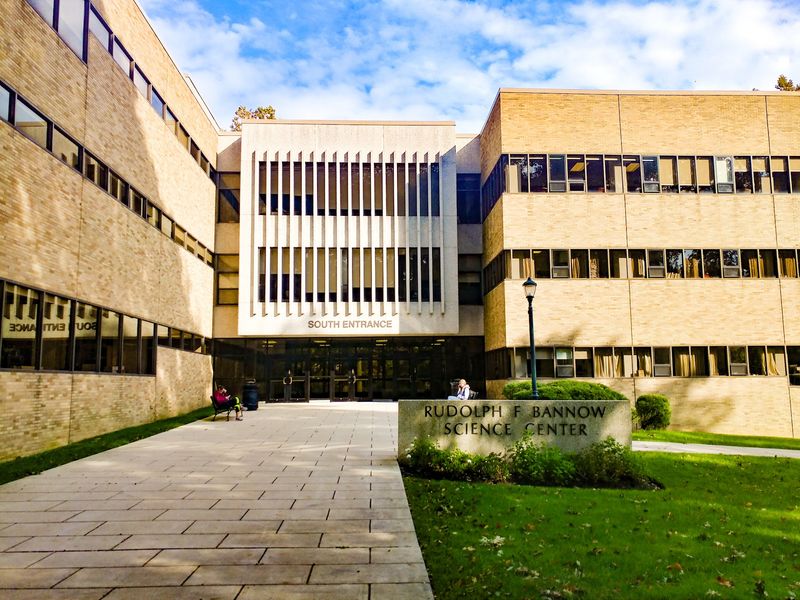
Rankings usually reward research output, endowment size, and name recognition. The Best Undergraduate Teaching list works differently, because it is built on nominations from academic leaders who identify schools where professors genuinely commit to teaching undergraduates.
Fairfield placed No. 25 on that list among national universities in the 2026 U.S. News & World Report Best College Rankings.
For a school many families outside the Northeast have never heard of, that is a striking result.
What does a ranking like that actually mean for a student? Mostly it signals that the person standing at the front of the room is there because teaching matters to them, not because it is an obligation squeezed between grant deadlines.
Parents who have gone through the process often mention how thorough the communication is, both with students and with families, and professors come up repeatedly in positive terms.
Here is a useful tip for anyone comparing schools: ask admissions how many courses are taught by full-time faculty rather than graduate assistants. At institutions that score well for undergraduate teaching, the answer tends to be reassuring.
The recognition has held steady across recent years, suggesting the classroom culture is durable rather than a one-time result.
5. Small Classes Keep Learning More Personal
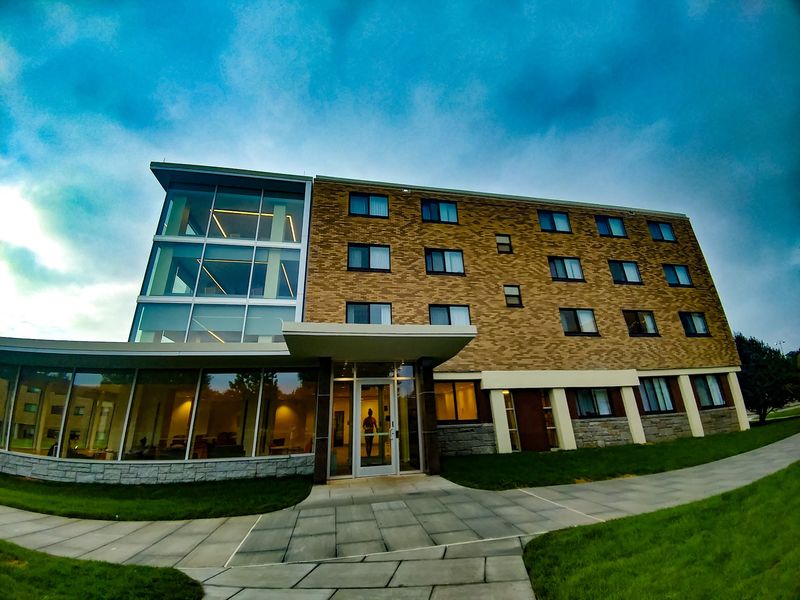
No giant lecture halls. Fairfield emphasizes relatively small classes, although the Dolan School of Business includes active-learning and case-based classrooms that seat up to 60 students.
The student-to-faculty ratio sits at 12:1, comfortably better than the national average. Average class size is 22, and about 80 percent of classes enroll fewer than 30 students.
Numbers are dry on their own, so consider what they change day to day. In a room of 22, skipping the reading is obvious, but so is asking a half-formed question and getting a real answer.
Professors have room to learn who is a nervous writer, who lights up during lab work, and who might thrive in a research project they have not yet considered. Faculty here regularly connect students to internships, volunteer placements, and hands-on research based on those personal impressions.
For prospective students, the practical advantage shows up later. Recommendation letters written by someone who knows your work carry weight with employers and graduate programs.
Small classes also demand something in return. Attendance and participation matter more, which suits students who want accountability and less appealing for anyone hoping to blend into a crowd.
6. Business Programs Add Another Strong Draw
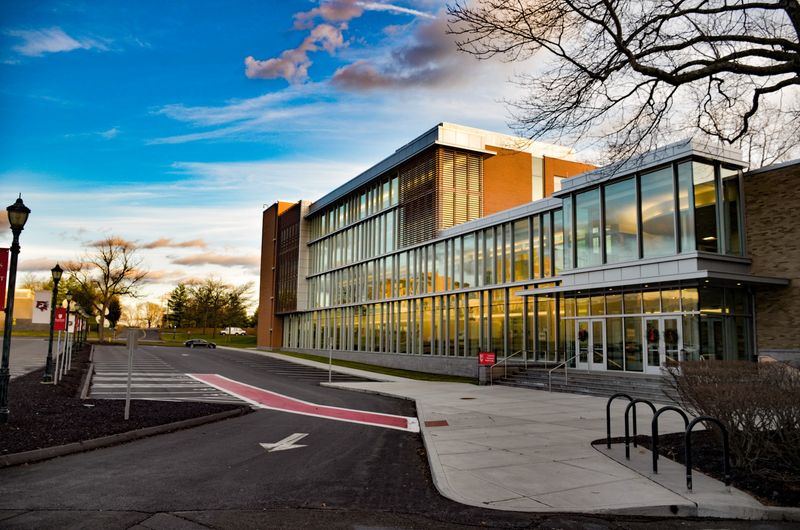
Business school gets more interesting when Manhattan is just a train ride away. The Charles F.
Dolan School of Business makes that proximity count. Students get strong academics, practical experience, and access to a much larger professional world beyond campus.
Founded in 1978, the school has held AACSB accreditation since 1997. Its national rankings add plenty of weight.
In the 2026 U.S. News undergraduate business listings, Business Analytics and Finance both placed No. 14, while Marketing ranked No. 15.
Accounting and Management each came in at No. 17.
Another boost arrived from Poets&Quants in 2025, when Dolan ranked No. 37 among undergraduate business schools nationwide. The ranking considered academic experience, career outcomes, and admissions.
Classroom work often connects directly with real business challenges. Students take part in internships, client projects, competitions, and research that push lessons beyond textbooks.
Ethics and global leadership also remain important parts of the curriculum.
Career results are strong as well. Fairfield currently reports that 97 percent of Dolan undergraduates are employed or continuing their education after graduation.
For students aiming toward business careers, the mix of practical learning, national recognition, and easy access to major employers gives the program plenty of appeal.
7. Leadership And Service Guide Campus Life
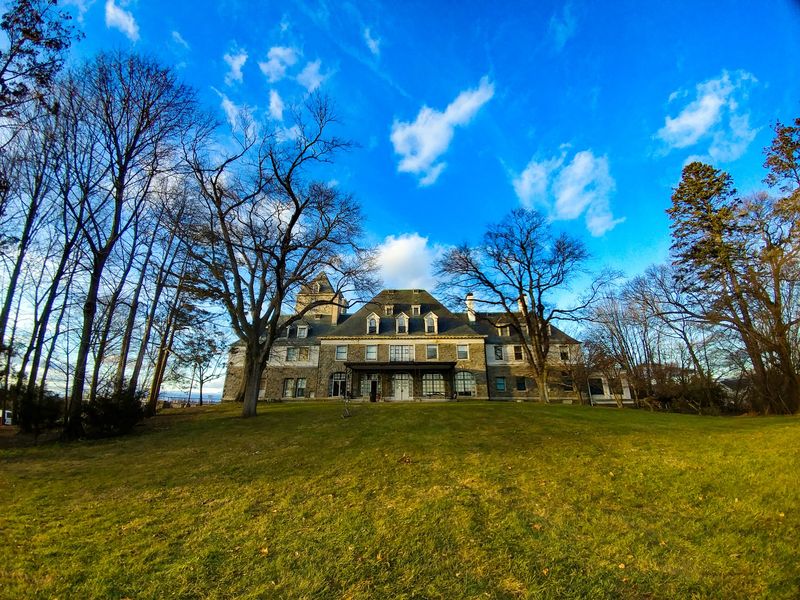
Saturday mornings at Fairfield sometimes involve trash bags and a stretch of shoreline. Beach cleanups and adopt-a-street projects are among the ways students act on the Jesuit call to serve faith and promote justice, and the habit sticks with many of them long after graduation.
Coordinating much of this work is the Center for Social Impact, which builds academic opportunities linking the campus to local, national, and global challenges.
Formal leadership training runs alongside the volunteering. The Leadership Fellows Program is a two-year, full-time paid fellowship for recent graduates, offering rotations through core university operations and mentorship from senior administrators.
Liberal arts students have their own track through the Meditz College of Arts and Sciences Leadership and Professional Development Program, which runs workshops and activities aimed squarely at career readiness.
Spiritual life has a home too, through the Campus Ministry Center and the Murphy Center for Ignatian Spirituality, both open to students looking for reflection, retreat, or simply a quieter corner of the week.
Alumni frequently describe the campus community as welcoming, and the network stays active well beyond graduation. Service, it turns out, builds friendships as reliably as it builds resumes.
8. National Recognition Keeps Its Profile Rising
Seventy Fulbright Scholarships since 1993 is not a statistic a quiet regional school typically posts. It hints at how far Fairfield’s academic reach now extends.
The broader rankings picture has been moving in the same direction. The 2026 U.S.
News & World Report list placed Fairfield at No. 139 (tied) overall among National Universities and among the top 75 national private institutions, while its Best Value ranking climbed 16 spots to No. 131.
Career outcomes may be the most persuasive measure for families weighing tuition. Fairfield ranked No. 27 in the United States on LinkedIn’s Top Colleges 2026 list, which weighs long-term alumni success, and No. 9 nationally for job placement.
For the Class of 2025, the university reported a 97 percent placement rate, counting graduates who were employed, enrolled in further study, or doing volunteer service within six months of finishing.
Record-breaking applicant pools in recent years have made admission more competitive, so students considering Fairfield should treat their applications seriously and apply early where possible.
None of this happened overnight. A school built on small classrooms and steady teaching has simply been noticed, and the attention looks likely to continue.