Old Florida cooking is still alive at this cracker-style fish house in Ozona
Some of the best meals in Florida happen when you take a wrong turn. You are cruising along a two-lane road near the Gulf, half hungry and half lost, when a low waterfront building with open walls and the smell of grilled fish pulls you off the pavement.
Inside, the pace slows down, the water sits right outside, and suddenly a quick stop turns into a three-hour afternoon. That kind of accidental discovery is exactly what waits at the end of a shady side street in one small Gulf Coast village.
1. A Waterfront Kitchen on Orange Street
Orange Street in Ozona does not look like a restaurant row. It looks like a sleepy village lane with old houses, low tree limbs, and the occasional golf cart humming past.
Then you reach 125 Orange St in Palm Harbor, Florida, and the street opens up onto water. Ozona Blue Grilling Co sits right there at the edge of a marina canal, a wide and airy seafood eatery where the walls open to the breeze and the grill works nonstop.
Officially it is part of Palm Harbor, but everyone here still calls this pocket Ozona, and the distinction matters. The village was settled around 1870, once went by Yellow Bluff, and earned its living from fishing boats and citrus groves long before tourists found the Gulf Coast.
Old Florida cooking grew out of exactly that setting: fresh catch, simple preparation, nothing fussy. Grilled seafood, sandwiches, and flatbreads anchor the menu here, and grouper alone comes up in roughly 149 visitor mentions.
Call ahead at 727-789-4540 if you want to check the day, though the place is rarely quiet.
2. Cracker Roots in a Fishing Village
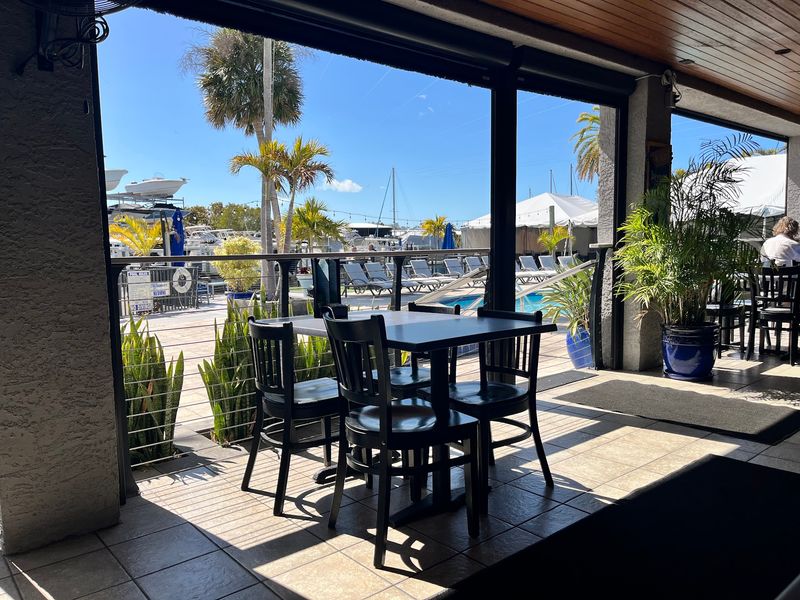
Before air conditioning, Floridians built smart. The Cracker style that spread across the state in the 1800s and early 1900s used local pine and cypress, raised foundations for airflow, deep wraparound porches for shade, and steep metal roofs that shed heavy rain and bounced back the heat.
High ceilings and tall shuttered windows pulled cross-breezes through the rooms, and some houses even had a central hallway called a dogtrot to funnel air straight through the middle.
Ozona grew up in that era. The community took its current name in 1889, possibly a nod to the fresh Gulf breezes rolling in off the water, and its commercial life gathered along Orange Street where businesses still occupy older buildings.
That inheritance explains the feel of Ozona Blue. Open walls, a big roof over the back seating, and a layout designed to let air move rather than trap it all echo the same climate-first thinking that shaped the village a century ago.
Regulars describe the vibe as beachy and laid back, and part of that comes straight from the architecture surrounding it.
3. Grouper, Mahi, and the Fresh-Catch Menu
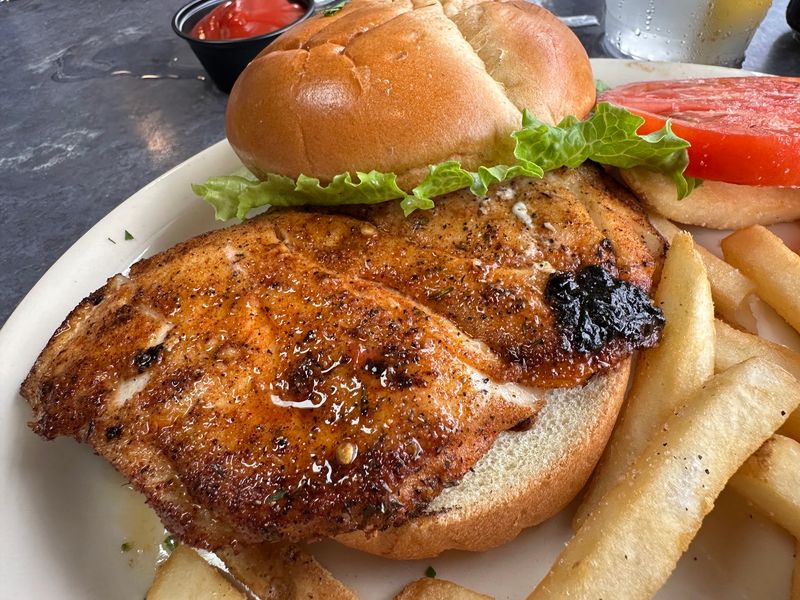
Ask around about what to order and one fish dominates the conversation. Grouper turns up in about 149 visitor mentions, followed by mahi at 63, which tells you exactly where the kitchen’s reputation lives.
Fresh grilled grouper is a favorite among guests who stopped in from out of town, and the cedar plank smoked salmon draws its own following. Smoked salmon rolls surprised one diner enough that they called it something they had never seen on a menu before, and another visitor swore by the salmon roll outright.
Old Florida cooking has always leaned on this kind of simplicity: fresh local seafood, minimal interference, a hot grill. Traditions here blend indigenous, Spanish, Southern, Caribbean, and Latin American influences, with smoked fish and shellfish over coals as early cornerstones.
Ozona Blue widens the net beyond fish. Flatbread pizzas, burgers, tacos, a chicken club, and steak all appear, with the steak mudinga appetizer earning repeat orders as a main course.
Fish is often priced at market rate, so ask before you order if budget matters.
4. Firecracker Shrimp and Small Plates Worth Sharing
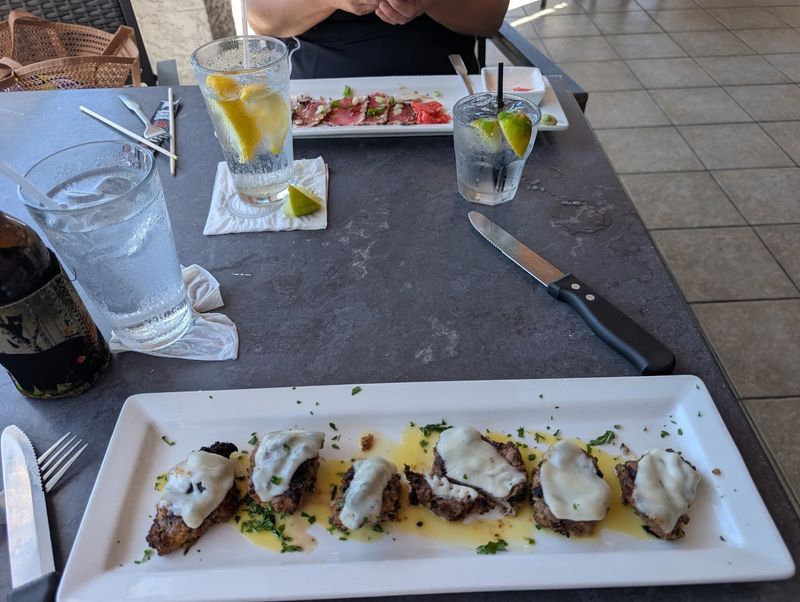
Appetizers here have a habit of vanishing before anyone remembers to take a photo. One guest admitted exactly that after ordering two starters that disappeared in minutes.
Firecracker shrimp has become something of a signature, with roughly 23 mentions from visitors and at least one calling it spectacular. Shrimp toast, steak tips, and the steak mudinga round out the sharing side of the menu, and crab soup gets its own share of attention with about 28 mentions.
Portions are the running theme in almost every conversation about this kitchen. Guests repeatedly mention leaving with boxes, one group turning a lunch into dinner later the same day, another warning newcomers to arrive genuinely hungry.
Presentation gets noticed too. Plating is described as careful and the ingredients as high quality, which is not always what you expect from a place where people arrive in flip-flops.
For anyone navigating dietary needs, the menu includes several gluten-free options, and servers have handled allergy questions attentively.
Order two starters for the table. You will still probably need a box.
5. Marina Views, Docking Boats, and Dolphin Watching
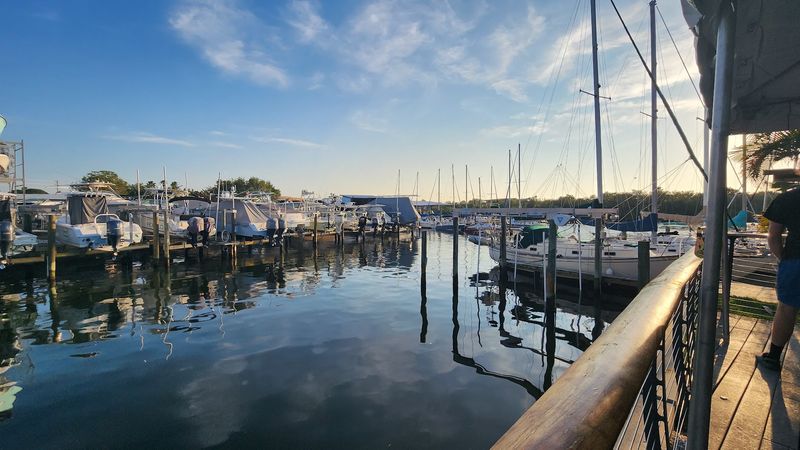
Waterfront dining sounds common in Florida until you actually try to find it. One regular pointed out that a true on-the-water table is surprisingly hard to come by in Pinellas County, which is part of why this spot fills up.
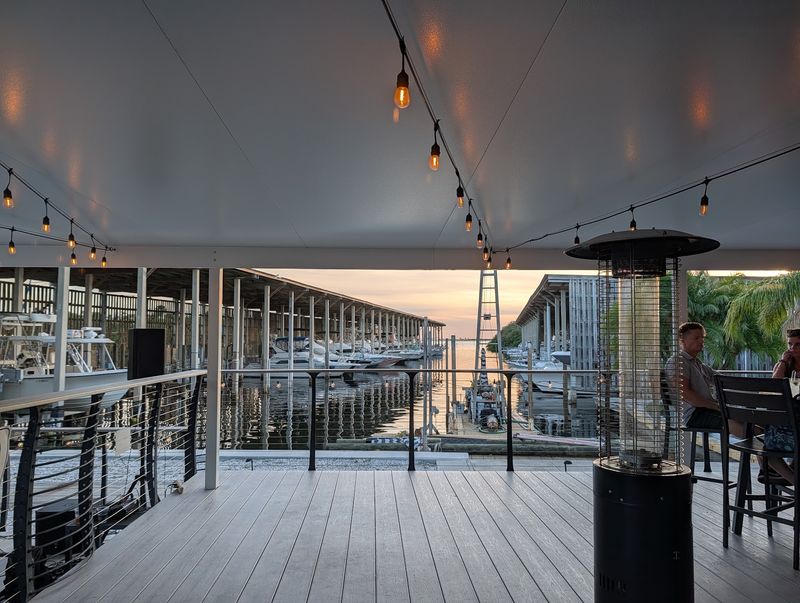
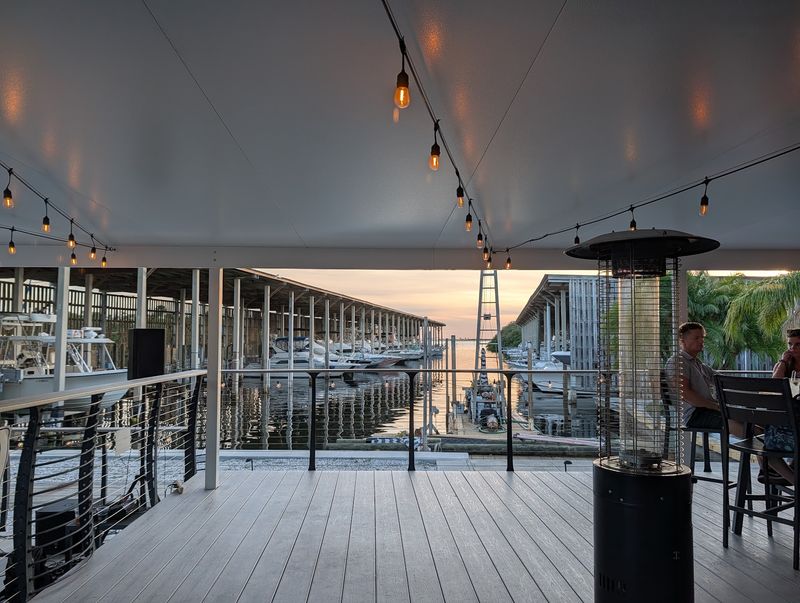
The back deck looks out over the marina canal, and boats coming in to dock for the evening become the entertainment. Dolphins occasionally cruise through the canal, so it pays to keep an eye on the water while you eat.
Marina views draw around 56 mentions and sunset views about 91, though one honest visitor noted that stacked boats can block the actual sunset from certain angles. The ambiance, they added, still more than made up for it.
Outdoor seating accounts for roughly 118 mentions, and much of the seating throughout the property faces water in some direction.
Evening light is when the place hits hardest. Sun dropping over the bay, boats settling in, plates arriving from the grill, and that soft coastal hush that Old Florida towns still manage to hold onto.
6. The Pool That Changed the Rules
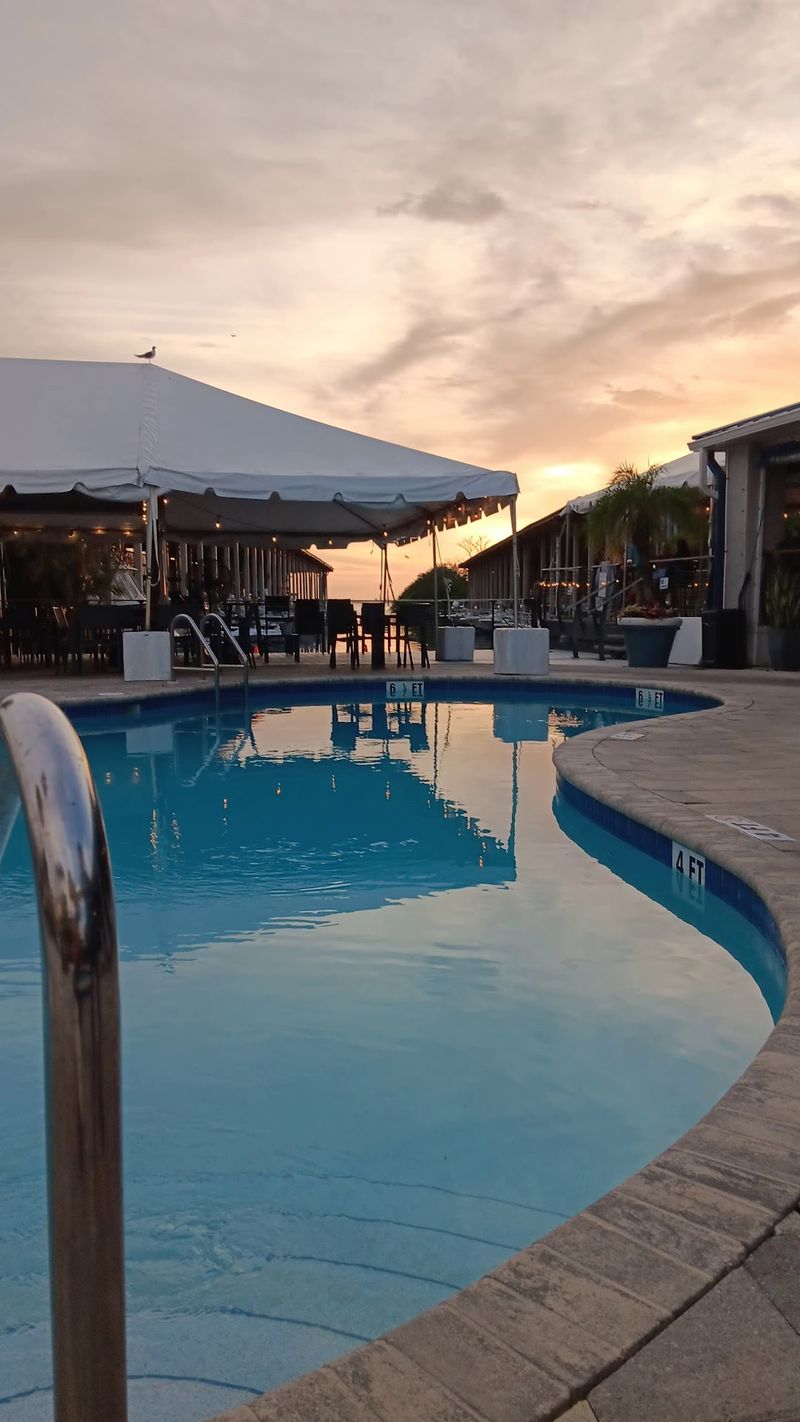
Here is the detail nobody expects from a fish house: there is a swimming pool. And a hot tub.
It comes up in roughly 386 visitor mentions, making it the single most talked-about feature on the property. Guests can actually use it, which turns a lunch stop into an afternoon and explains why the parking lot stays busy even on weekdays.
The pool closes at 6 PM, so the afternoon crowd skews toward families and swimmers while evenings shift to dinner and music. More than one visitor has arrived, seen the water, and immediately regretted not packing a swimsuit.
Kids splash around in the daytime hours, and management has been known to step in politely when things get too rowdy near the dining areas.
Not everyone comes for the swim. Some diners simply enjoy watching it from a shaded table while working through a plate of shrimp.
Either way, a poolside seafood restaurant in a historic fishing village is the kind of odd combination that only really works in Florida.
7. Live Music Under an Open Roof
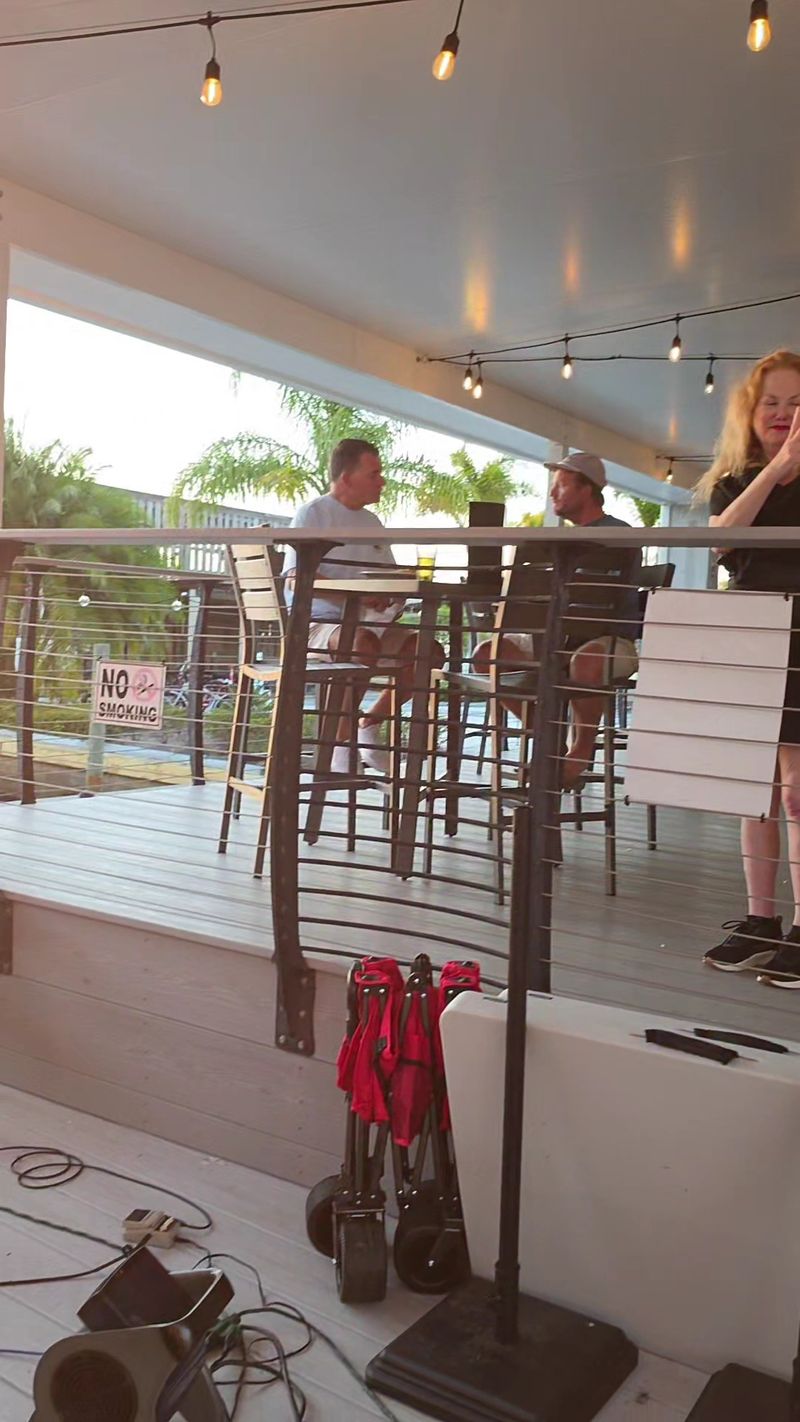
Music is woven into the schedule here, with about 102 visitor mentions tied to live performances. Bands play evenings, and Sunday brunch usually comes with a solo musician working through a mellow set.
The front patio near the entrance is a favorite listening spot, especially on nights when the walls are open and the breeze moves straight through the room. One frequent guest called the bands among the best they had heard in Pinellas.
Volume is the one point of debate. Sunday brunch music tends to sit at conversation-friendly levels, but a talented guitarist during a busy afternoon can make table talk a challenge.
If you want a quieter meal, aim for an early weekday lunch. If you want the full festive version, weekend evenings deliver it, with Friday and Saturday service running until 10 PM.
There is also indoor music at times, which suits anyone who wants atmosphere without the full outdoor crowd.
Consider it part of the package rather than a background detail, because most people here treat the music as half the reason to linger.
8. Key Lime Pie and Creme Brulee in a Pineapple
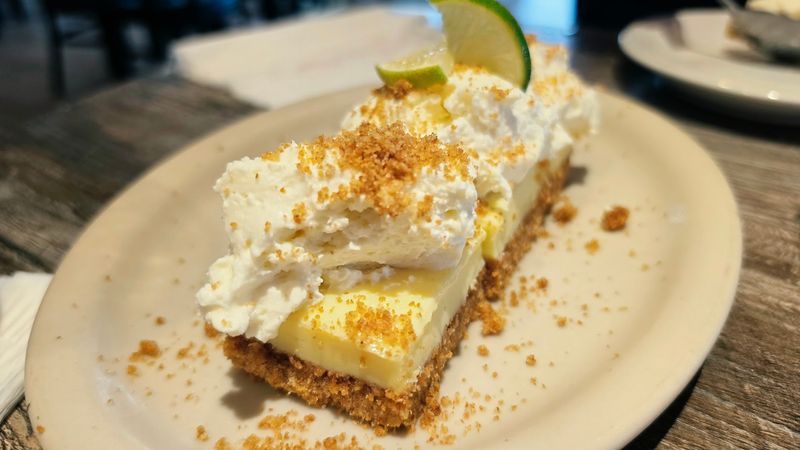
Skipping dessert here is considered a rookie mistake by the people who come back most often.
The showpiece is a pina colada creme brulee served inside a hollowed pineapple, big enough that two sisters shared one and still found it generous. Guests mention it constantly, and it has become the dish people photograph before anything else arrives.
Key lime pie holds up the traditional Florida side of the dessert menu, praised for a crust and creamy custard filling that actually work together instead of competing. Chocolate cake gets its own quiet endorsement from one diner who judged it by tasting the cake without frosting and found it genuinely chocolatey.
Sizes are enormous across the board. Three people splitting two desserts still took half of each one home, which tells you everything about the kitchen’s approach to portioning.
Fair warning from a visitor who learned the hard way: several guests have wanted dessert badly and simply run out of room after the entrees.
Plan for it. Order lighter earlier, or accept that a box is coming home with you.
9. Planning Your Visit and the Verdict
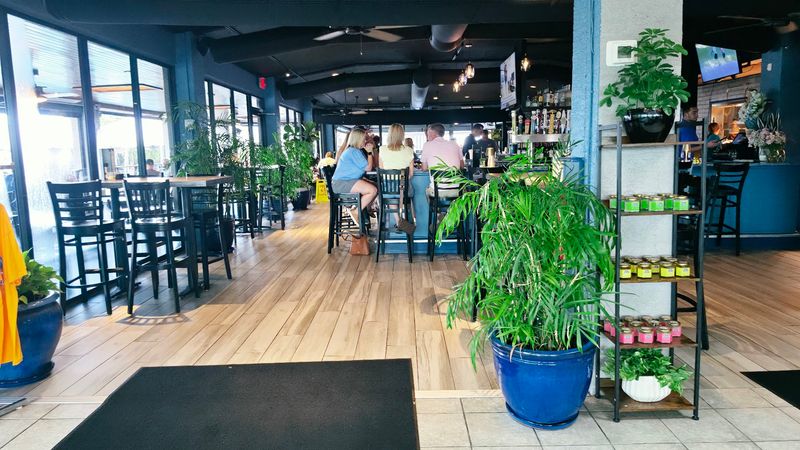
A few practical notes will save you frustration. Doors open at 11 AM every day, closing at 9 PM Sunday through Thursday and stretching to 10 PM on Friday and Saturday.
Expect to spend roughly $20 to $30 per person, though market-price fish and a ribeye running around $40 can push that higher. Plenty of lower-priced items keep the menu flexible.
Parking is the real hurdle. The lot is small, valet is the practical answer, and bringing cash to tip the attendants is smart.
Reservations are only taken for parties of 15 or more with 48 hours notice, so everyone else waits, sometimes briefly, sometimes not.
Dress code barely exists. Guests have shown up in collared shirts on Saturday nights and in beach clothes on Sunday afternoons and fit in both times.
With a 4.5-star average across more than 5,100 reviews, the consensus is clear enough. Old Florida cooking, water at your elbow, music in the air, and a pool nobody expects.
Ozona Blue keeps the village tradition alive without pretending it is a museum.