You’d Never Guess This Idaho Building Is Filled With Some Of The Most Colorful Fish In The State
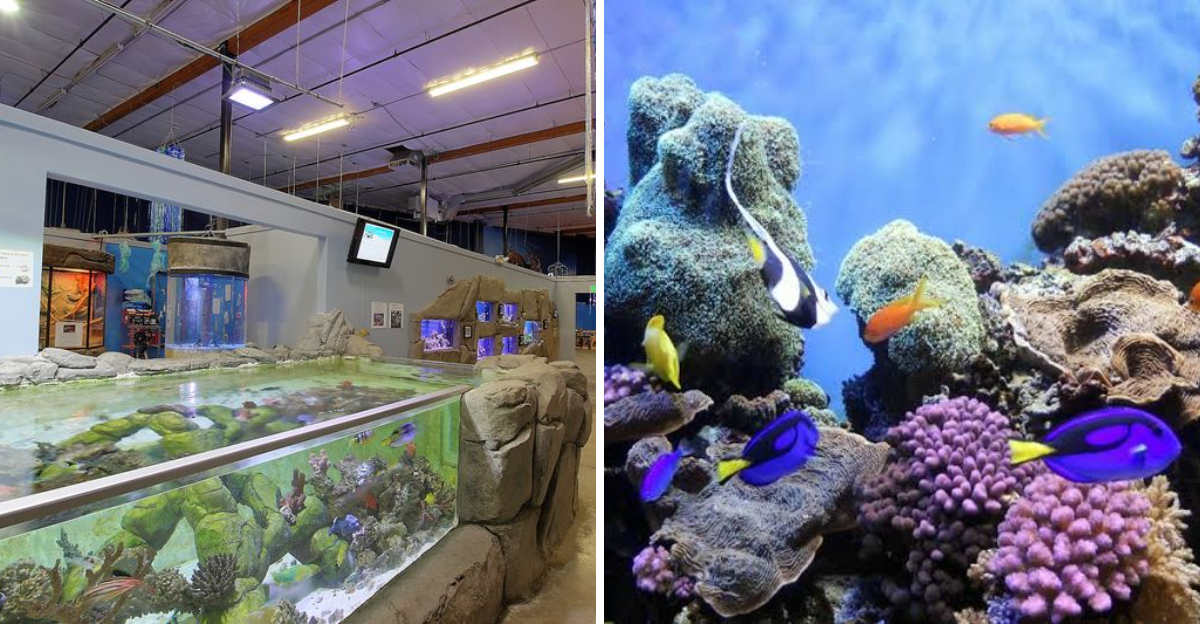
The building looks like the sort of place you could pass without giving it a second glance.
That would be a mistake.
Behind one ordinary-looking Idaho storefront, more than 35,000 gallons of saltwater support a surprisingly busy underwater world. The space is only about 10,000 square feet, yet it somehow holds 38 exhibits and more than 250 species.
That contrast is what makes the first visit so much fun.
You step in expecting something modest and quickly realize the interior has absolutely no interest in matching the exterior. Bright tanks glow across the room, enormous rays glide past the glass, and one habitat alone holds 17,000 gallons.
Nothing about the parking lot prepares you for that.
This is not a giant coastal aquarium trying to overwhelm you with scale.
It is a compact place that keeps making you wonder how all of this fit inside.
Step Inside A Plain Building Hiding 38 Different Exhibits
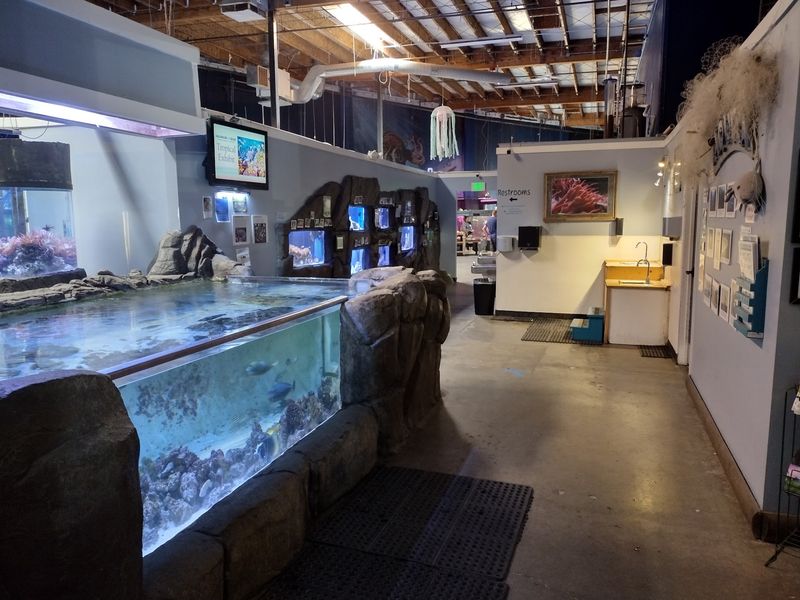
A modest building at 64 N Cole Rd in Boise contains far more than its exterior suggests. Aquarium of Boise currently has 38 exhibits arranged throughout roughly 10,000 square feet, creating a visit that moves quickly between very different environments instead of stretching across acres of grounds.
The attraction is indoors, making it particularly useful during cold winter days or hot summer afternoons when a weather-proof outing sounds better than another trip outside.
Saltwater habitats occupy a major portion of the facility, but freshwater fish, reptiles, and other animals prevent the experience from becoming one long sequence of marine tanks.
Accessibility listings also identify the aquarium as wheelchair accessible, and its compact layout keeps the distance between exhibits relatively short.
Most visitors can comfortably see the facility in an hour or two, although families who stop for the interactive areas or spend time reading the educational material may linger longer.
It is open Monday through Saturday from 10 a.m. to 5 p.m. and Sunday from noon to 5 p.m., with several major-holiday closures during the year.
Find Bright Reef Fish Moving Through Colorful Saltwater Tanks
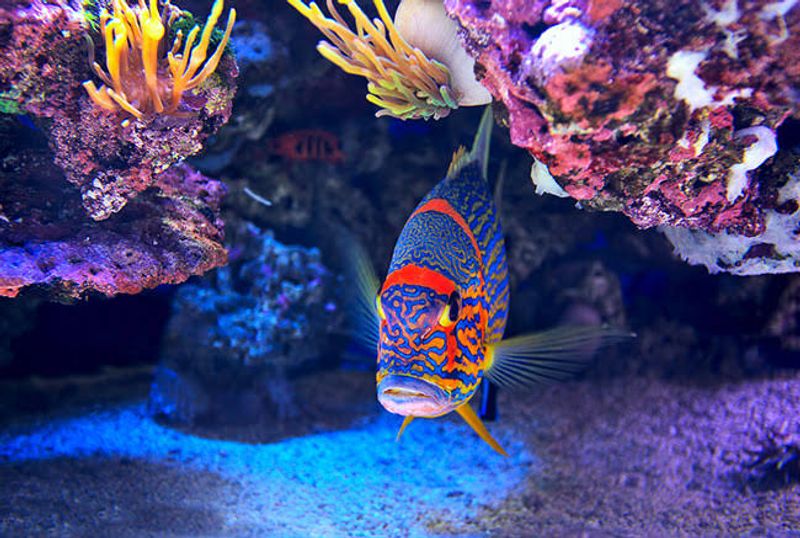
Color takes over in one of the aquarium’s most concentrated tropical displays. The Amazing Angels exhibit at Aquarium of Boise holds about 1,700 gallons and contains more than 35 species of reef and marine life associated with the tropical Pacific.
Rather than relying on one or two large animals to carry the display, this habitat gets its personality from the constant movement and contrasting colors of many smaller species sharing the same water.
Visitors can also interact with fish in this exhibit, bringing the aquarium’s hands-on educational mission into one of its brightest spaces.
A much larger saltwater habitat waits nearby in the Shark & Puffer Exhibit, where 17,000 gallons of seawater support animals that include a Queensland grouper, Southern Atlantic stingray, white-spotted bamboo shark, and pufferfish.
A coral refugium works as part of that system, adding another level of biological filtration behind the scenes.
Aquarium of Boise may sit hundreds of miles from the Pacific, but these two habitats give visitors a close look at reef and marine life without ever leaving the Treasure Valley.
Get Close To Sharks And Rays In Hands-On Displays
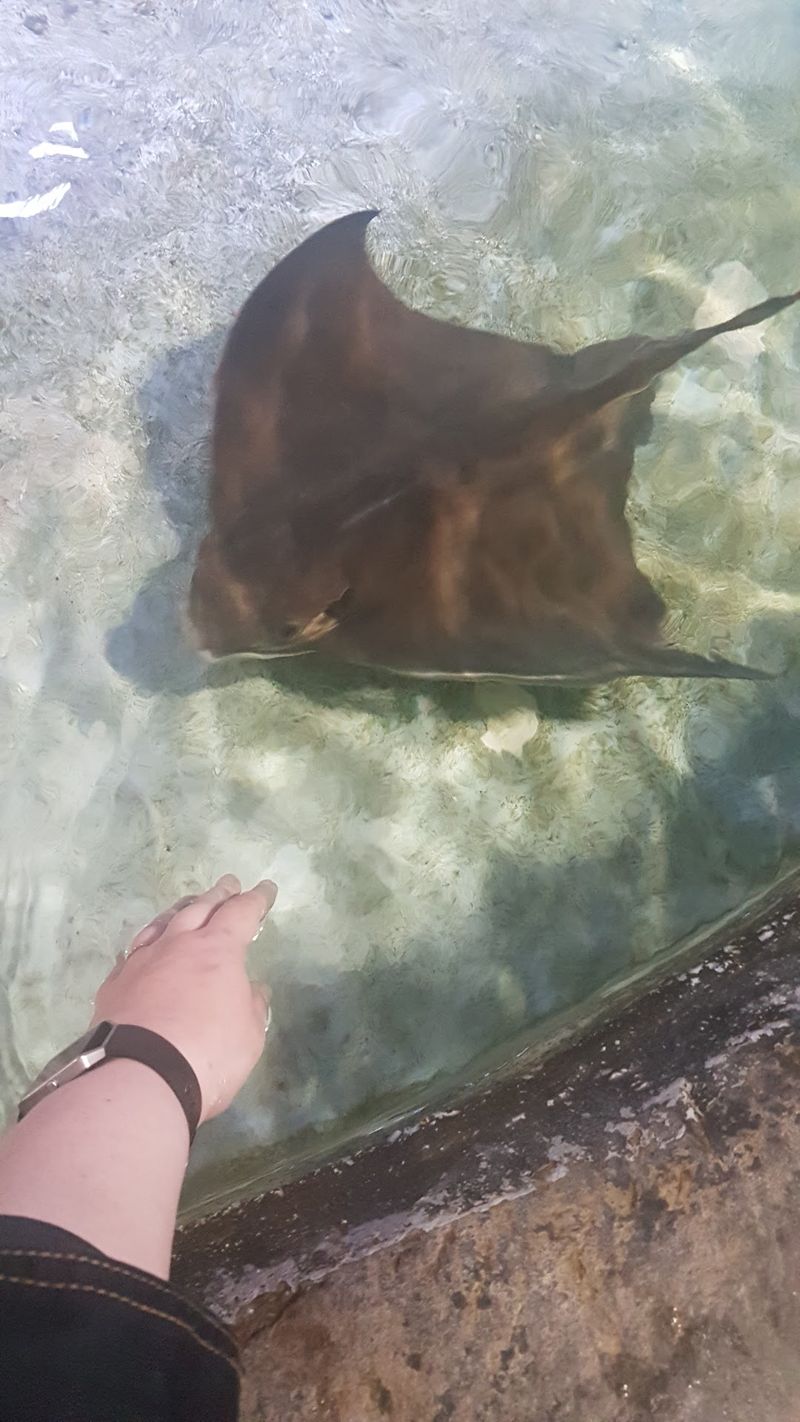
Interaction is one of the features that separates this aquarium from a collection of tanks meant only for viewing. The Ray Pool at Aquarium of Boise is home to cownose rays alongside albino brown-banded bamboo sharks, white-spotted bamboo sharks, purple tangs, and coral grouper.
Renovations brought the pool back into public use, although feeding the rays is not presently part of the standard visitor experience.
Elsewhere in the facility, hands-on opportunities remain central to the aquarium’s mission, and special prearranged feeding tours provide even closer encounters for eligible participants.
Those tours can include feeding fish in the Amazon habitats, interacting with bamboo sharks, and working around rays under the guidance of aquarium staff.
The program is limited to small groups and has age requirements, so it is a more structured experience than simply walking through the exhibits.
Even without booking an extra encounter, the shallow pools give visitors a very different perspective from looking through a tall wall of glass.
This place built much of its educational identity around getting people physically closer to aquatic life while keeping those interactions supervised and controlled.
Watch Tropical Reef Fish Fill A 1,700-Gallon Habitat With Color
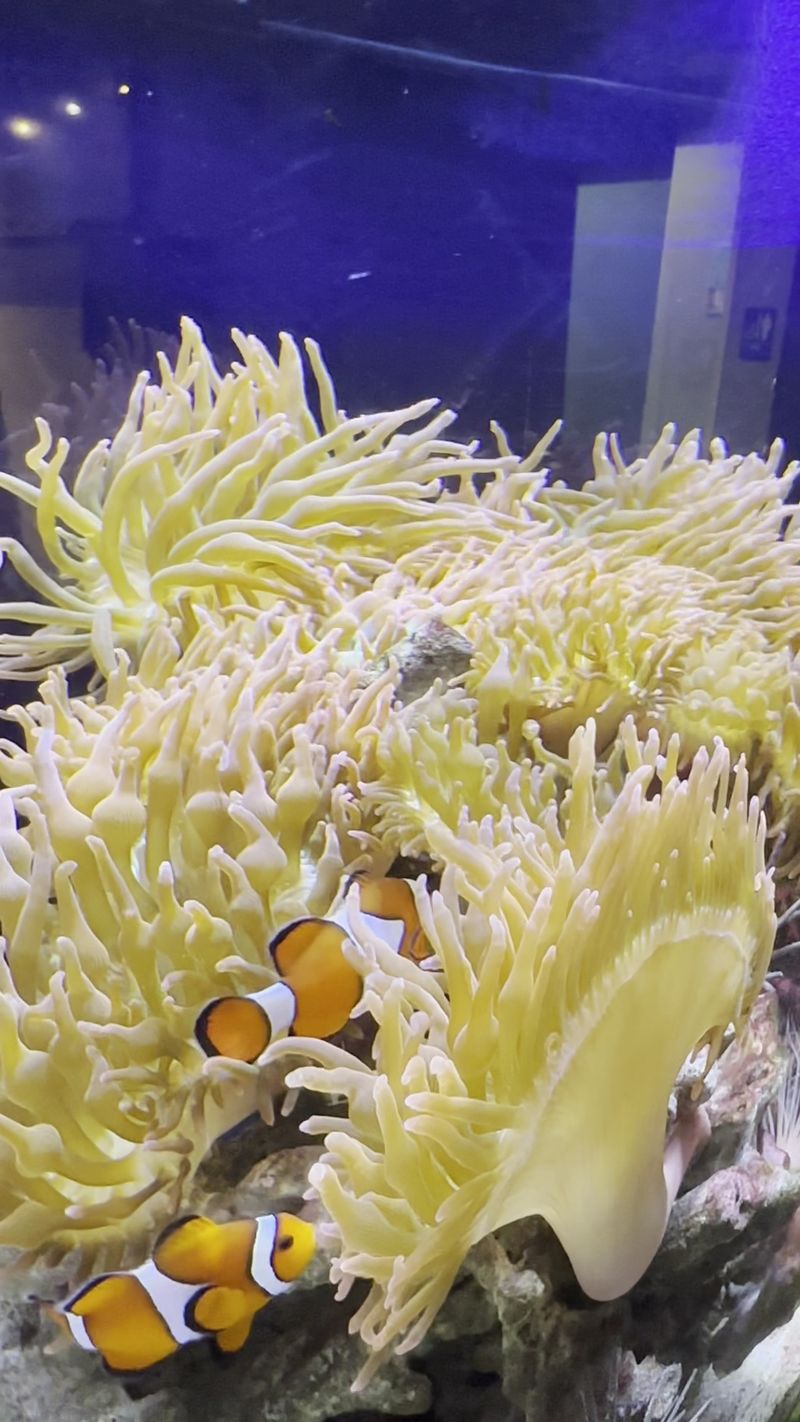
The Amazing Angels exhibit packs a remarkable amount of movement into 1,700 gallons, with more than 35 species of reef and marine life representing the tropical Pacific.
Bright fish move throughout the habitat, while the interactive design allows visitors to feed and pet some of its residents.
Different species occupy different parts of the exhibit, so the view keeps changing as smaller fish slip behind structures and more colorful residents sweep back into sight. The variety gives visitors plenty to watch without relying on a single standout animal.
Nearby marine exhibits then shift the scale considerably, introducing much larger sharks, rays, groupers, and puffers. That contrast helps Aquarium of Boise keep the experience varied as visitors move from one habitat to the next.
After spending several minutes watching tropical fish weave through the Amazing Angels exhibit, it takes only a short walk to encounter marine life that feels dramatically larger.
Spot Freshwater Fish Alongside More Exotic Marine Species
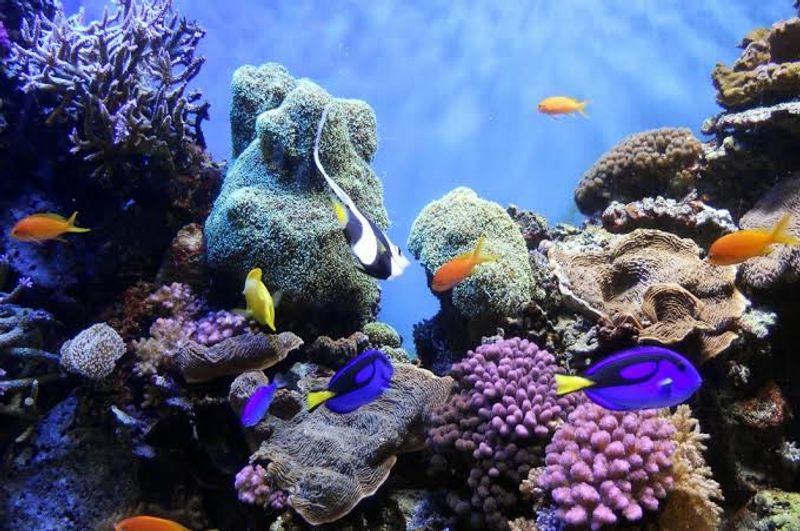
Saltwater does not get the entire building to itself. Aquarium of Boise’s Amazon Exhibit shifts into freshwater and highlights species from South America, creating a noticeable change from the coral and reef habitats elsewhere in the facility.
Silver arowana move near the upper portion of the water, while red-tailed catfish and plecostomus occupy different levels of the habitat. Black-bellied pacu, cichlids, and turtles add even more variety to the display.
That mix gives families an easy way to compare animals adapted to rivers with the marine species encountered only a few rooms away.
The aquarium’s broader collection exceeds 250 species, and its own description specifically notes that many residents do not come from ocean environments at all.
Freshwater fish and turtles are joined elsewhere by donated reptiles and other terrestrial animals, widening the experience far beyond the tropical reef imagery suggested by the word aquarium. For younger visitors, those quick transitions can make the differences especially easy to notice.
Aquarium of Boise moves from Pacific-inspired reef life to South American freshwater species without requiring a huge building or a long walk between ecosystems.
Look Beyond The Tanks For Reptiles And Other Unexpected Animals
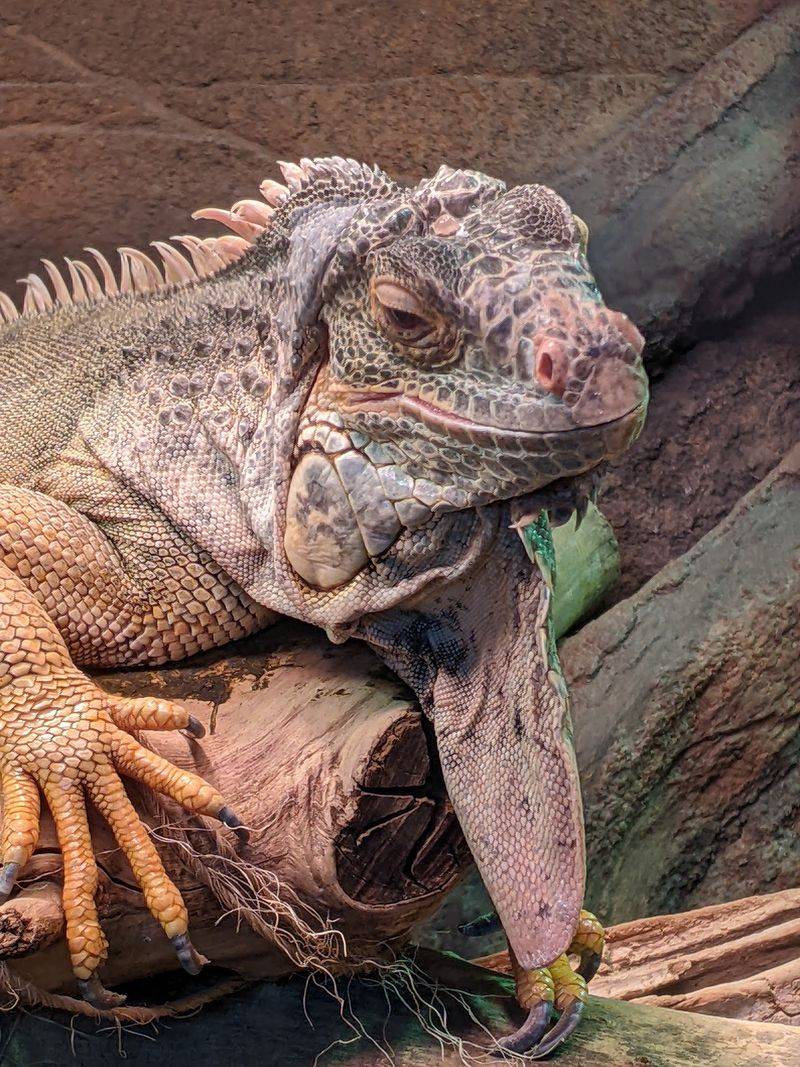
The biggest surprise may come when fins briefly disappear from view. Aquarium of Boise maintains expanded reptile exhibits containing chameleons, a red-tailed boa, ball python, red and blue iguanas, bearded dragons, poison dart frogs, and several kinds of geckos.
Some of the lizards occupy elevated areas designed around branches and tree-canopy environments, giving this part of the facility a noticeably different appearance from the aquatic galleries.
The Rainforest Exhibit pushes the change even further with Pacman frogs, tokay geckos, crested geckos, and a tailless whip scorpion.
Birds add another unexpected stop. The aquarium’s aviary includes yellow-bibbed lories and rainbow lorikeets, with an interactive feeding component that lets visitors encounter them at much closer range than an ordinary display cage would allow.
These terrestrial residents are not simply filler between fish tanks. They reflect the nonprofit’s broader mission of teaching visitors about aquatic and terrestrial ecosystems together.
It even notes that part of its non-marine collection has come through donations from the local community, giving the building an animal-care role that extends beyond displaying ocean life.
Explore More Than 35,000 Gallons Of Water Under One Roof
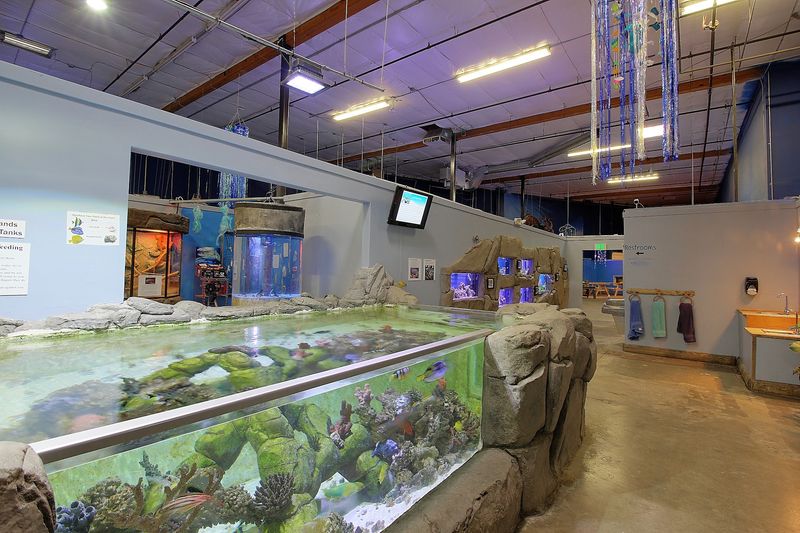
The water volume becomes more impressive once the size of the building is taken into account. Aquarium of Boise houses more than 35,000 gallons of saltwater within its 10,000-square-foot facility, and nearly half of that amount belongs to one habitat.
The Shark & Puffer Exhibit contains 17,000 gallons, making it the largest tank specifically identified by the aquarium.
A Queensland grouper, Southern Atlantic stingray, white-spotted bamboo shark, and other marine residents share that system, while a coral refugium provides additional biological filtration.
Smaller habitats allow the staff to care for species with completely different environmental needs, which explains why gallon totals alone do not determine how important an exhibit is.
The 1,700-gallon Amazing Angels reef, for example, holds more than 35 species despite using only a fraction of the water found in the shark habitat.
Together, those tanks demonstrate how much variety has been fitted into a comparatively small indoor attraction. Aquarium of Boise also employs aquarists and biologists who maintain the habitats and support its educational programs, so the pumps and filtration systems visitors rarely notice are only part of the work happening behind the displays.
See How Much Wildlife Fits Inside A 10,000-Square-Foot Aquarium
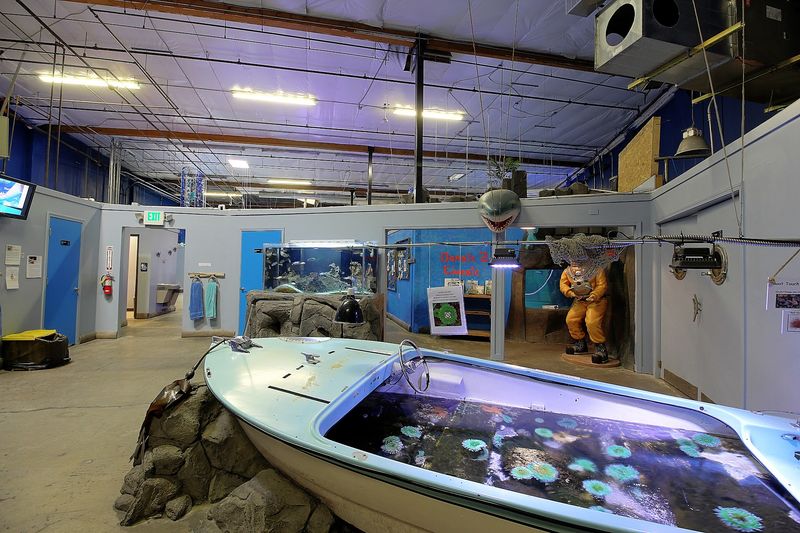
Compact does not mean empty here. More than 250 species of animals and marine life occupy Aquarium of Boise’s 38 exhibits, allowing visitors to encounter sharks and tropical fish before shifting toward freshwater animals, reptiles, and birds within the same 10,000-square-foot building.
The nonprofit’s mission centers on education and conservation through hands-on interaction, and that approach shows up in its touch-oriented exhibits, school programs, guided experiences, and Behind the Seas feeding tours.
Regular admission is currently $14 for adults, $10 for children ages 7 through 11, and $8 for ages 3 through 6, while children two and younger enter free.
The organization also offers discounted admission for seniors and military visitors. Those details make the aquarium particularly practical for a shorter family outing rather than an attraction that requires an entire day to justify the trip.
Its address at Cole and Franklin places it within Boise’s main commercial area, but the world inside feels far removed from the parking lots outside.
Aquarium of Boise succeeds largely because it uses a modest footprint intensely, filling nearly every part of the visit with something alive, colorful, or unexpected.