This North Carolina Sanctuary Lets You Cuddle Cows With Giant Droopy Ears And Humped Backs
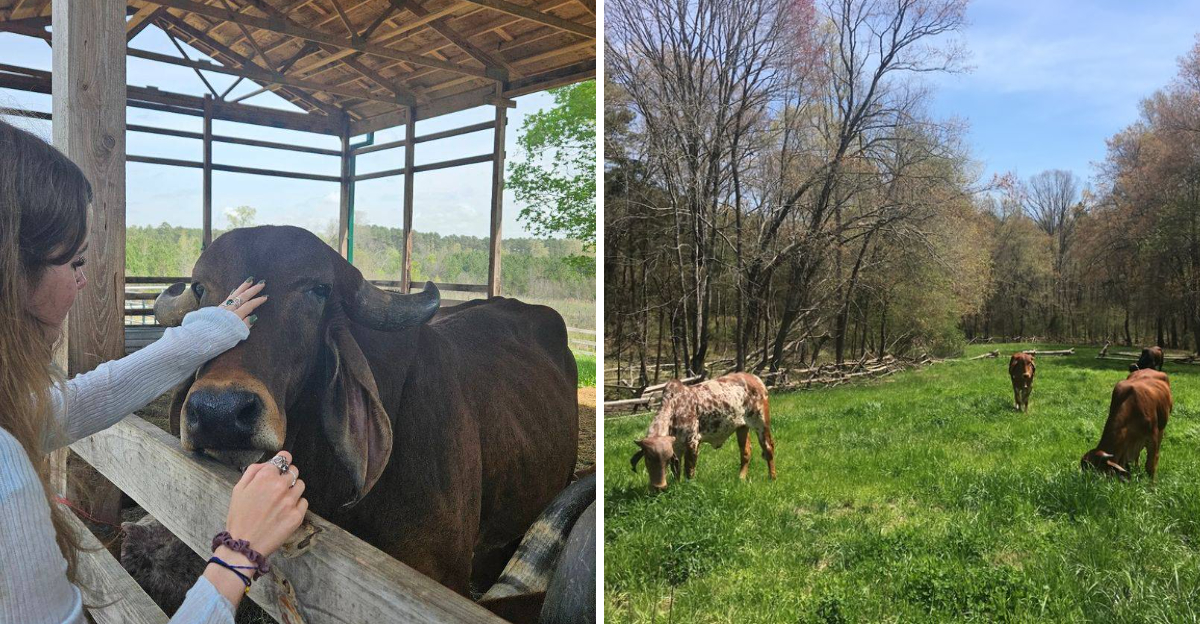
There is a North Carolina farm where the cows look like they were designed by someone who refused to use the standard settings.
The herd has enormous drooping ears, rounded foreheads, and unmistakable shoulder humps. These are Gir cattle, an Indian zebu breed rarely encountered at an ordinary American farm.
The surprise gets better once visitors step closer.
Weekend sessions can include brushing and feeding the animals, while a dedicated cuddle pen turns the visit into something far more personal than watching cows from behind a fence.
The sanctuary protects every animal for life, so the experience centers on calm interaction rather than a quick farm attraction.
By the time one of those giant ears flops beside your shoulder, the word “cow” starts feeling wildly inadequate.
Apparently, North Carolina has been hiding livestock with main-character energy.
Meet The Gir Cows With Floppy Ears And Distinctive Humps
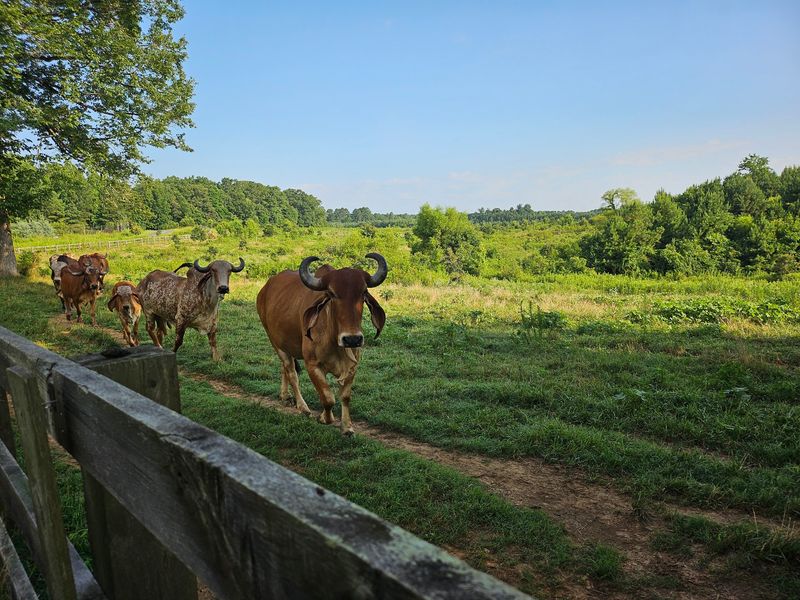
Those enormous drooping ears are not an unusual individual trait. They are one of the defining features of the Gir breed.
Gir cattle originated in Gujarat in western India and belong to the zebu, or Bos indicus, group of cattle. Their rounded, strongly domed foreheads make their faces especially recognizable, while the ears hang low and fold inward almost like curled leaves.
Gir cattle also carry the shoulder hump associated with zebu breeds, and their coats can range through shades of red, white, and mottled combinations.
Brajboro Cow Sanctuary identifies its herd specifically as Gir cows, so the unusual animals visitors meet here genuinely are the breed suggested by their appearance.
The sanctuary’s current cow-cuddle experience gives guests time to meet the herd while learning more about how the animals are kept and protected. Visitors can interact with cows and bulls safely across the fence, while a calf or smaller cow is typically available for closer contact in the cuddle area.
That combination makes the breed itself part of the attraction. Even someone who has spent plenty of time around cattle may not be familiar with a cow whose ears can hang so dramatically beside a broad, curved forehead.
At Brajboro, those features are waiting right beside the barn.
Get Close Enough To Hug, Brush, And Lean Against A Cow
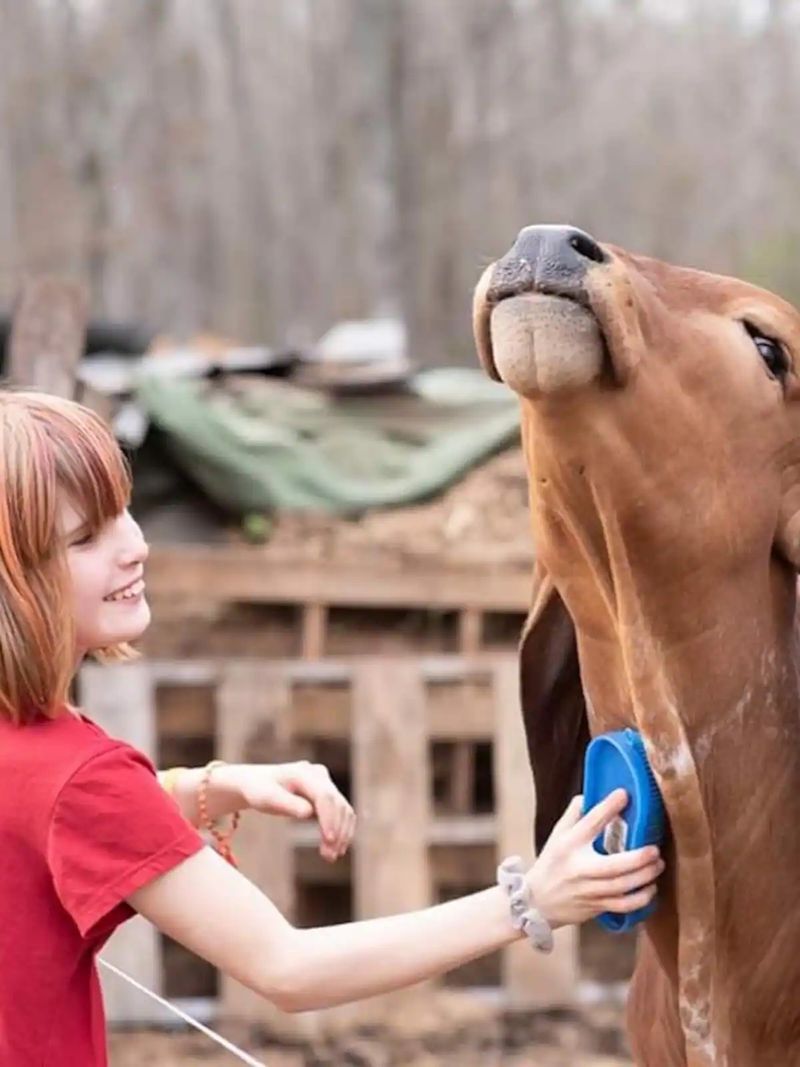
Physical closeness is the whole point here, and nobody rushes it. You can rest a hand on a warm flank, wrap both arms around a sturdy neck, or simply lean in and feel the slow rise and fall of breathing.
Brushes hang nearby for anyone who wants to help with grooming. Running the bristles along a shoulder or under the jaw tends to earn a long, contented stretch of the neck, and the cows will often shift position to point you toward their favorite itchy spot.
Calves and smaller cows are usually the boldest about seeking attention, nudging pockets and sniffing sleeves. Adults stand patiently, chewing, letting the moment stretch out.
There is real value in slowing your pulse beside a nine-hundred-pound animal that has decided you are trustworthy. Wear clothes you do not mind dirtying, keep your voice low, and let curiosity do the work.
Few farm visits in North Carolina offer contact this unhurried and this genuine.
Bring Bananas Or Veggies For A Hands-On Feeding Experience
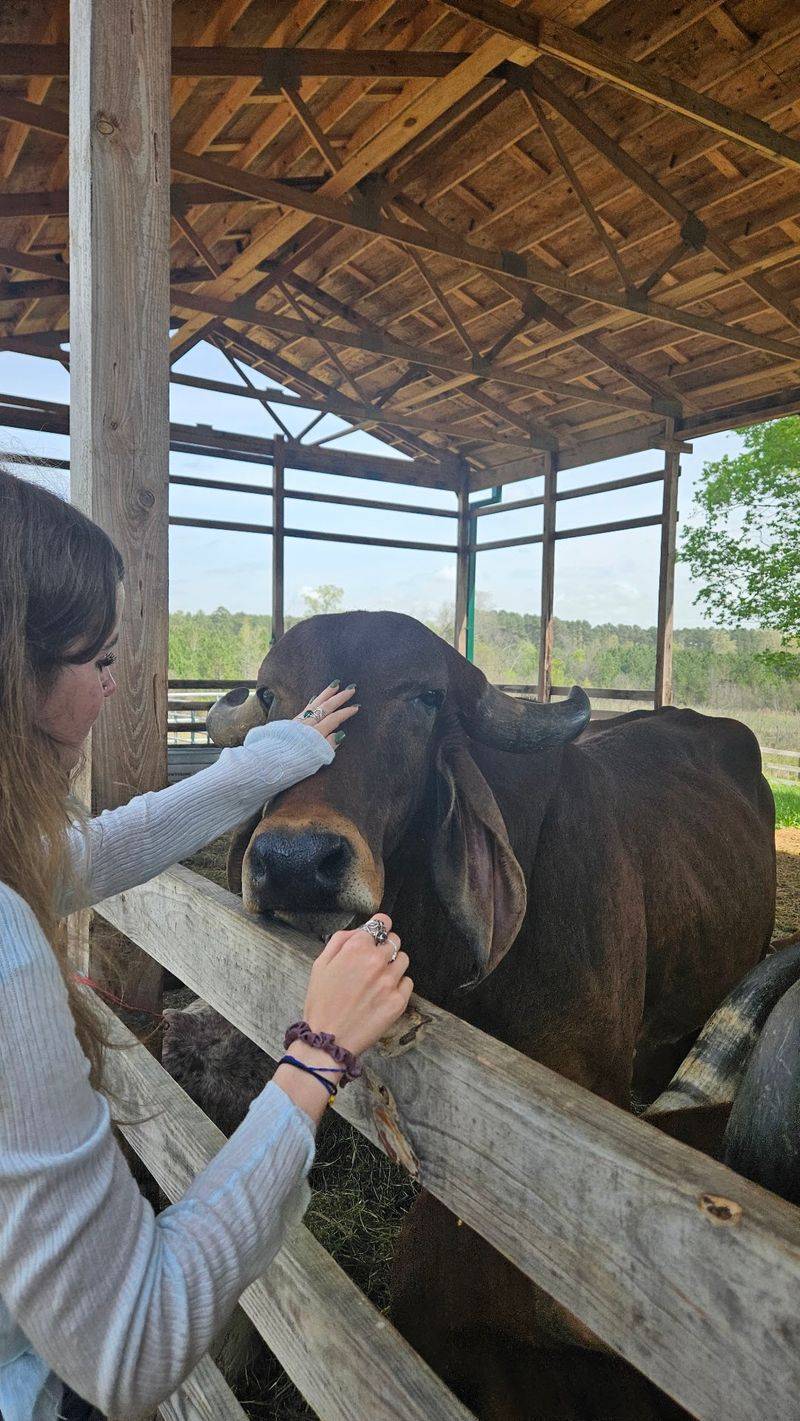
Bananas are officially encouraged here, and the sanctuary is not particularly picky about how ripe they are. Its current visitor guide specifically says yellow, green, or blackened bananas are welcome, making that grocery-bag staple one of the easiest treats to bring.
Carrots, cucumber, celery, and apples are also recommended, while vegetarian kitchen trimmings can be useful instead of heading straight to the compost bin.
Brajboro Cow Sanctuary even notes that visitors will be shown safe ways to offer food, an important detail when large mouths and eager animals are involved.
That makes feeding approachable for people who have never been close to a cow before without turning the experience into a free-for-all.
The sanctuary’s weekend event listings throughout 2026 repeatedly highlight bananas and vegetables as part of the visitor experience, so this is not an outdated activity from an older farm program.
Feeding also fits naturally with the sanctuary’s broader goal of bringing people and cows together in a mood of appreciation and affection.
There is no need to invent a particular feeding technique or claim that one cow will immediately become a visitor’s best friend after seeing a carrot.
The real experience is already interactive enough. Bring approved produce, follow the guidance given at the barn, and the cows do the rest.
At Brajboro, a grocery bag can become one of the most memorable parts of the morning.
The Cuddle Pen Makes Meeting A Cow Surprisingly Personal
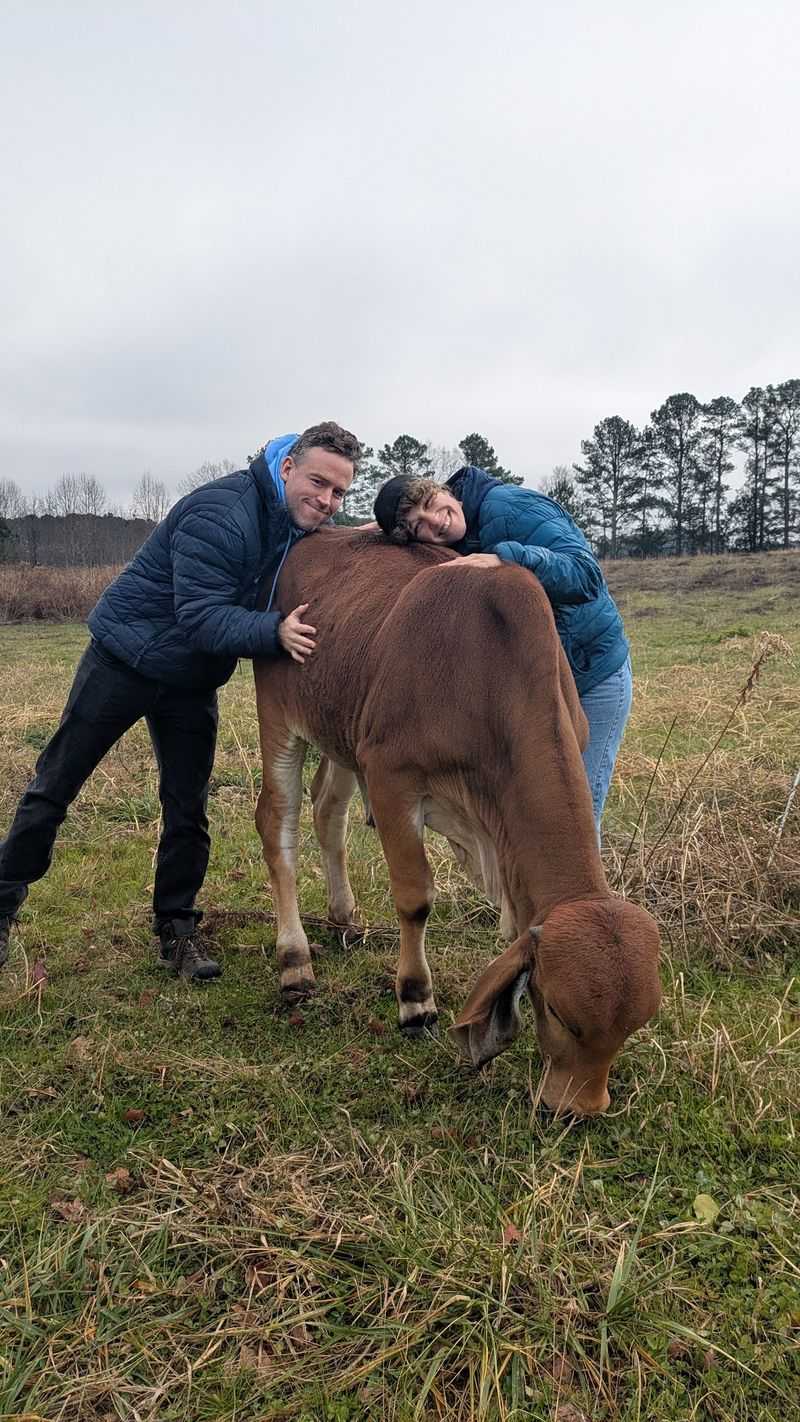
There really is a cuddle pen, and its purpose is exactly what the name suggests. Brajboro’s current visitor information says the sanctuary uses the area to help guests get closer to a calf or smaller cow while keeping the interaction controlled and safe.
Larger cows and bulls can still be visited across a fence, but the cuddle setup creates an opportunity for a more personal encounter with an animal that is comfortable being handled.
Guests may hug, scratch, brush, stand beside, or lean against a cow, while seating areas provide another option for people who would rather watch.
The separate cow-cuddle experience lasts around an hour and currently describes petting, feeding, brushing, and hugging as part of the visit. Brajboro explicitly explains that visitors may not necessarily end up lying beside one, although special circumstances can occasionally allow it.
Usually the interaction is upright and much simpler. That honesty makes the experience more appealing, not less.
Brajboro Cow Sanctuary is giving people access to living animals with their own preferences, not arranging a photo prop. The cuddle pen creates the opportunity, while the individual cow ultimately shapes how close that particular visit becomes.
See How The Sanctuary Protects Its Cows And Bulls For Life
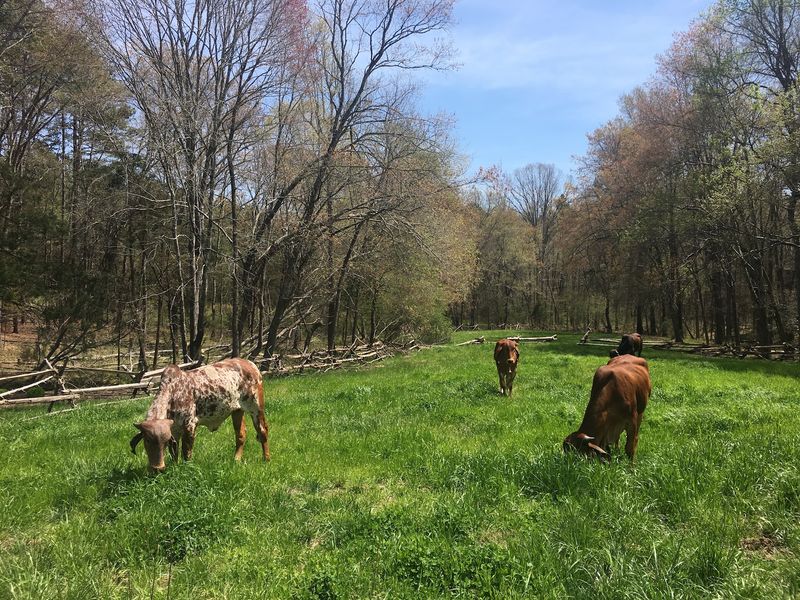
The cuddling sits inside a much larger mission centered on keeping the herd protected throughout the animals’ lives.
Brajboro Cow Sanctuary was established in 2017, and its own nonprofit information states that its primary purpose is protecting cows and bulls for life.
The project also aims to demonstrate cow protection within a holistic farming system, with biodiversity and cooperation with natural processes playing a role in the way the land is managed. That emphasis explains why bulls are mentioned just as prominently as cows in the organization’s mission.
The sanctuary is not built around keeping only the animals most useful for visitor experiences. Its stated commitment applies to the herd as a whole.
Brajboro is a registered 501(c)(3), so donations are tax deductible, and contributions support cow care along with ongoing improvements to the property.
One major 2026 project is the completion of a new 3,000-square-foot gaushala, or cow sanctuary barn, with finishing work estimated at $50,000.
Weekend cow visits are also listed as a specific 2026 goal, alongside therapy, community activities, and time spent with the herd. That context gives the admission contribution a clearer purpose.
The suggested donation is not simply paying for an animal encounter. It supports a nonprofit trying to maintain lifelong care while improving the facilities that both the animals and future visitors will use.
Slow Down And Spend Quiet Time With The Herd
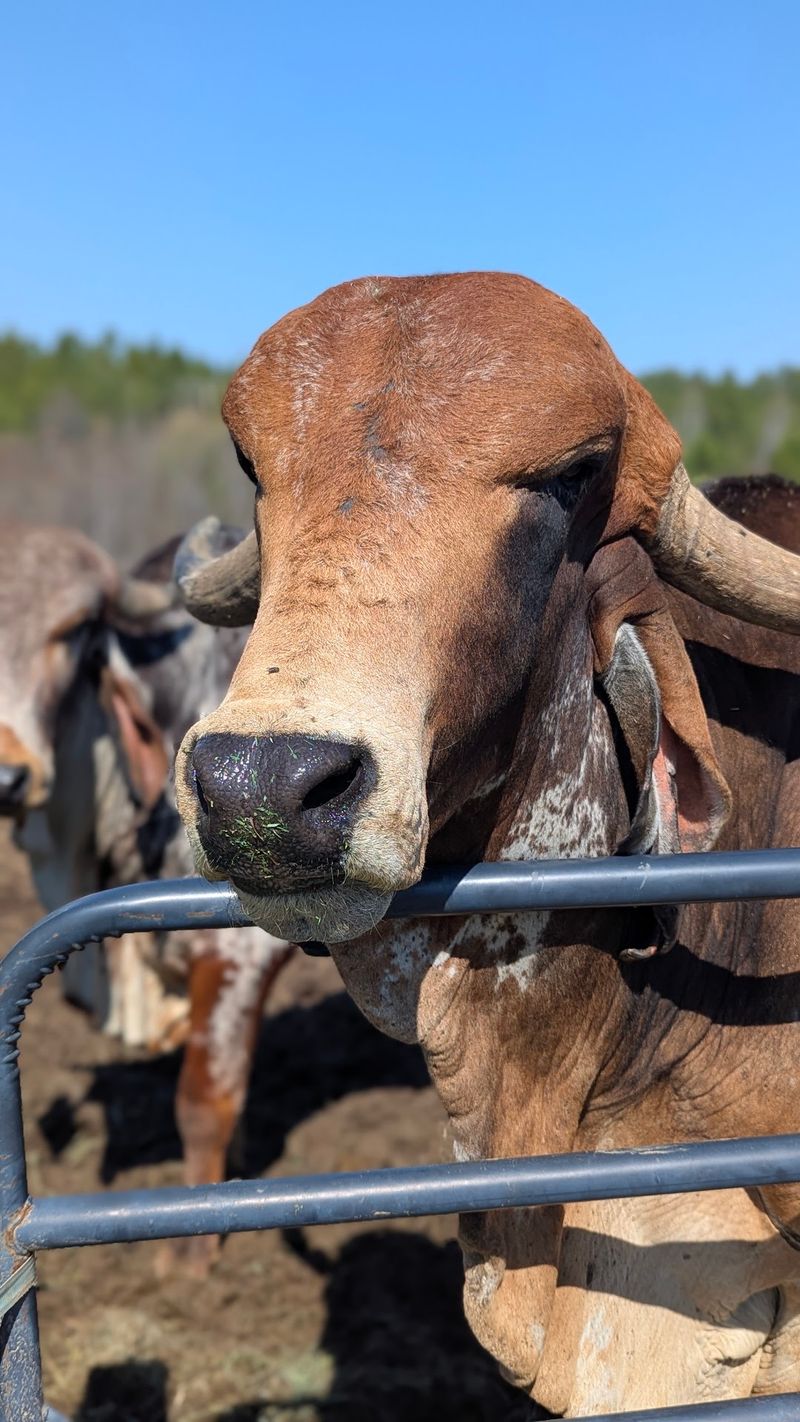
Not every minute needs to involve feeding or hugging. The cow-cuddle experience takes place on a 120-acre organic farm, and Brajboro also provides sitting areas for visitors who would rather spend part of the morning simply watching the animals.
Its Airbnb experience describes seeing the herd grazing within a natural farming system, while the sanctuary itself talks about creating opportunities for people to gather with cows in a spirit of appreciation and affection.
That leaves plenty of room for an unhurried visit without turning every moment into a scheduled activity.
The farm setting matters here because the animals are not being presented in a small indoor attraction. There is pasture, a working sanctuary barn, and a larger agricultural project surrounding the public visiting area.
Brajboro Cow Sanctuary also uses the property for community activities, workshops, picnics, and other gatherings connected to its broader mission.
Recent 2026 visitors continue to describe the cow-cuddle experience as calm and peaceful, although those impressions are subjective and do not need to become promises about exactly how every morning will feel.
What can be promised is time. Weekend opening hours allow several hours on site, and the separate cuddle experience typically runs around an hour.
A bench, a pasture, and a herd of slow-moving Gir cattle can be enough to make the farm feel very different from a quick roadside animal stop.
Make A Weekend Visit Part Of A Relaxed Farm Day
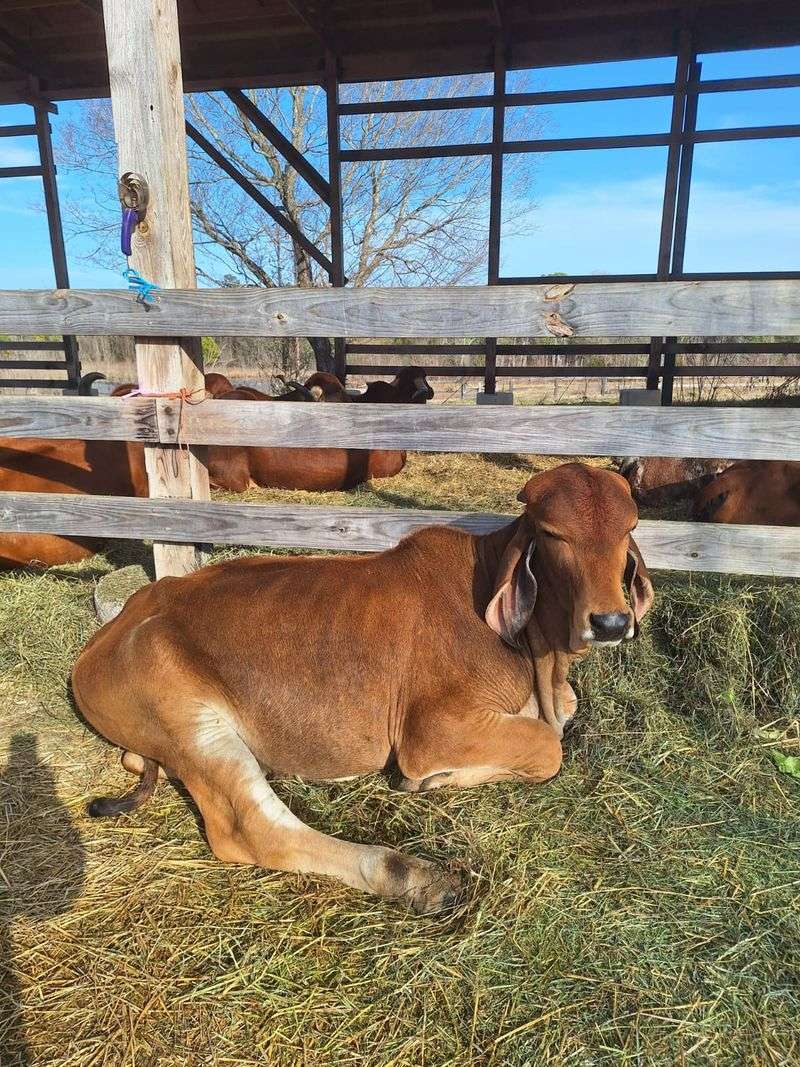
Weekend mornings are the current visiting window, and the schedule has shifted with the season during 2026. As of early September, Brajboro Cow Sanctuary is advertising Saturday and Sunday hours from 8 a.m. to noon at 6903 Gold Mine Loop Road in Chapel Hill.
Earlier spring visits ran later in the day, which is why checking the current schedule matters instead of saving one set of hours for the whole year. The sanctuary asks for a suggested donation of $25 per person, while children 12 and younger enter free.
Payments can currently be made by card, cash, or several common electronic methods. Visitors may also bring a picnic from home, and picnic benches are available on the property.
A slack line provides another small activity away from the cows, particularly useful when families want to stay outside a little longer after the animal visit ends.
The 120-acre setting puts the experience firmly in the countryside even though Chapel Hill and Carrboro remain close enough for another stop afterward.
Brajboro does not need a complicated itinerary built around it. Arriving in the morning, spending time with the herd, feeding a few approved treats, and using a picnic table afterward can fill the visit naturally.
The biggest planning detail is simply the clock. In the current season, noon comes much earlier than the old 2 or 4 p.m. closing times still visible in older event listings.
Check The Weather And Current Hours Before Heading Out
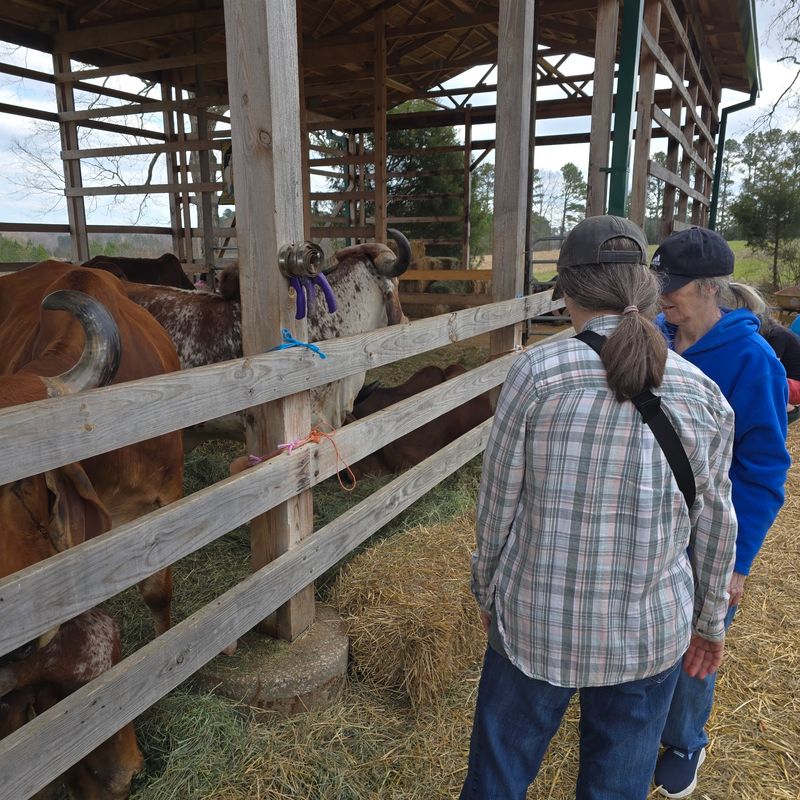
Weather really can change whether the sanctuary opens, so this is one stop where a quick check before leaving home is worthwhile. Light rain does not automatically cancel a visit because Brajboro has a covered barn area and says it remains open during milder wet weather.
More severe conditions can close the sanctuary for the weekend, with updates posted on the visitor page. Cold weather has its own guideline.
Brajboro says it will typically open when temperatures are expected to rise above 40 degrees Fahrenheit by opening time, while colder mornings may trigger a closure.
As of September 2026, Brajboro Cow Sanctuary is advertising weekend hours from 8 a.m. to noon, but those hours have already changed several times this year as the seasons shifted.
Footwear does not need to be unusually rugged according to the sanctuary, which says the barn area has good footing, though comfortable clothes still make sense for feeding, brushing, or leaning against a cow. Pets should generally remain at home.
Checking the sanctuary’s current page takes only a moment and prevents a long drive based on an outdated spring schedule.
Once the gate is open, the rest of the plan can stay simple: meet the Gir herd, bring approved treats, and give yourself enough time to enjoy the visit without racing the noon closing.