This Connecticut Seafood Restaurant Is Led By A James Beard Award-Winning Chef, And It Is Worth The Hype
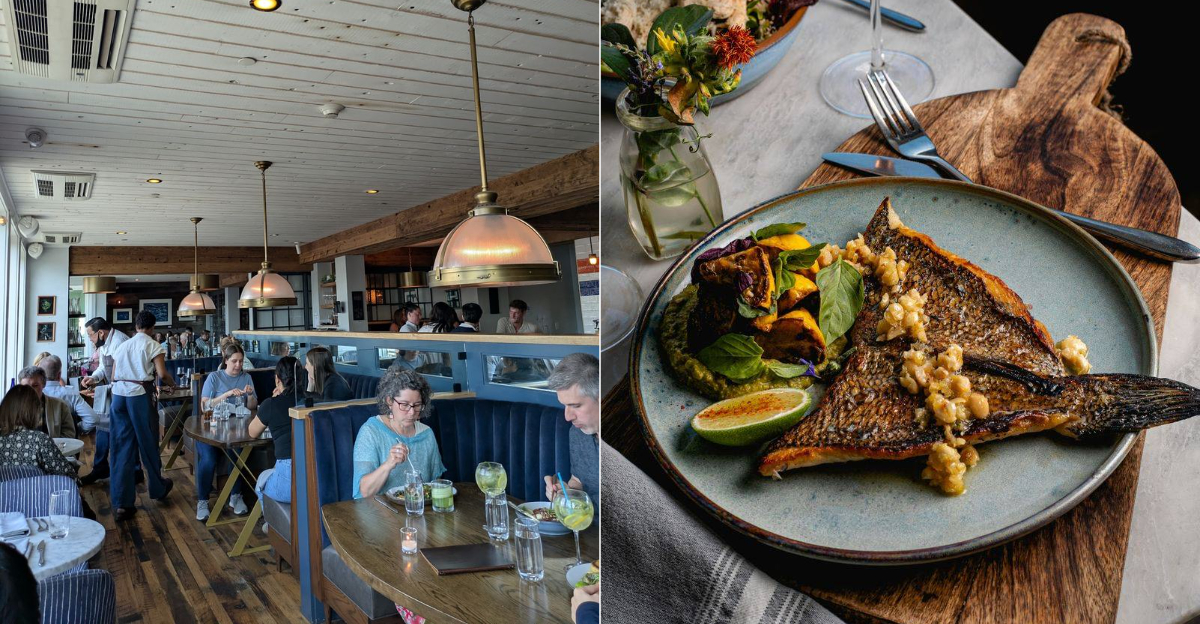
Connecticut has a seafood restaurant where the person leading the kitchen brings serious national recognition to the table.
That sounds impressive on paper, but the more important question is what happens once the food actually arrives.
Here, the buzz feels tied to cooking that treats seafood with enough confidence to let the ingredients do plenty of the talking.
The dining room may get people through the door, but the plates are what keep the conversation going afterward.
There is a certain thrill in trying a restaurant after hearing so much praise and realizing the meal does not feel like it is coasting on reputation.
Instead, the experience stays grounded in thoughtful food and a strong sense of place. That balance matters.
Awards can create expectations very quickly.
When the kitchen still manages to make dinner feel exciting rather than overhyped, the attention starts making a lot more sense.
1. Creative Seafood Gives This Restaurant Its Reputation
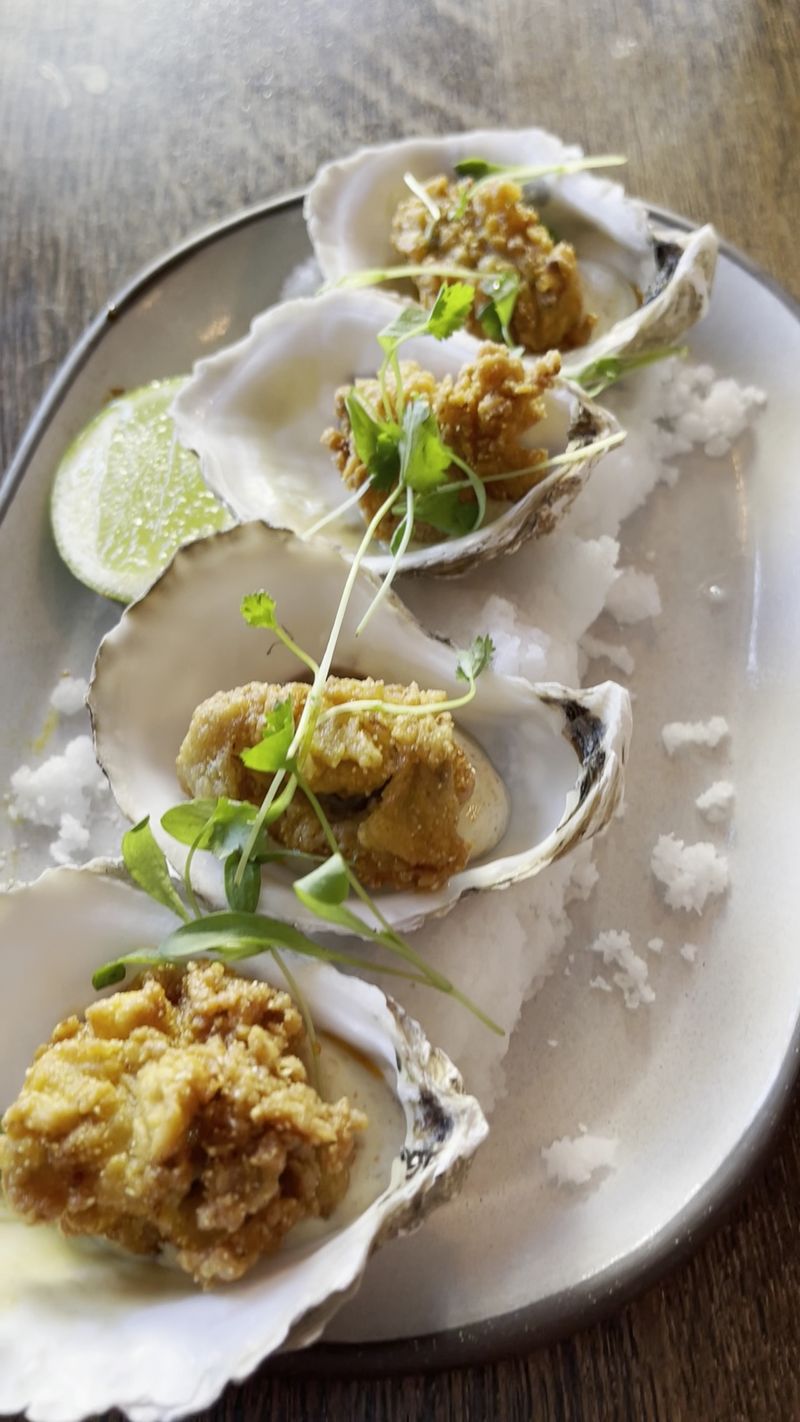
Seafood gets playful here. Familiar ingredients can show up in completely unexpected ways, and that sense of discovery is a big part of the fun.
At The Shipwright’s Daughter, chef David Standridge builds his cooking around coastal New England while giving it a distinctly modern personality. Seasonality matters, but sustainability shapes the menu just as strongly.
Local seafood gets thoughtful treatment, and ingredients that might otherwise receive little attention can become some of the most memorable parts of dinner.
Kelp is one recurring example. Green crab has also appeared in creative preparations, reflecting the kitchen’s interest in making better use of what the surrounding waters provide.
Past dishes have paired scallops with pickled peaches, while oysters have arrived with sugar kelp butter. The exact combinations change as ingredients move through the seasons.
That willingness to experiment has brought serious attention. Standridge earned the James Beard Foundation’s 2024 Best Chef: Northeast award, while the restaurant also landed among The New York Times’ 50 favorite restaurants in America that year.
Despite the accolades, the cooking never needs to feel overly formal. The room stays inviting, and the menu gives curious diners plenty of reasons to keep wondering what might arrive next.
2. The Story Began Here In 2020
Opening a restaurant in June 2020 took a certain kind of nerve. That is exactly when The Shipwright’s Daughter first welcomed guests, arriving at a moment when the entire dining world was uncertain about what came next.
Rather than fading quietly, the restaurant found its footing and then kept climbing. Within a few years it went from a new arrival in a small Connecticut coastal town to a name that food writers across the country recognized.
Part of that steady rise comes from the setting. The restaurant operates as part of The Whaler’s Inn, a property with a long history of welcoming travelers, which gave the dining room a built-in sense of place from day one.
Being attached to an inn also shapes the daily rhythm. Breakfast service runs every morning, brunch fills the weekend, and dinner takes over each evening, so the room shifts personality several times a day.
For anyone curious about how a restaurant builds a reputation, this is a useful example. There was no long runway, no gentle warm-up year, just consistent cooking and a clear point of view repeated night after night.
Six years on, that opening date reads less like a risk and more like a good story.
3. Its Historic Inn Setting Puts Downtown Close By
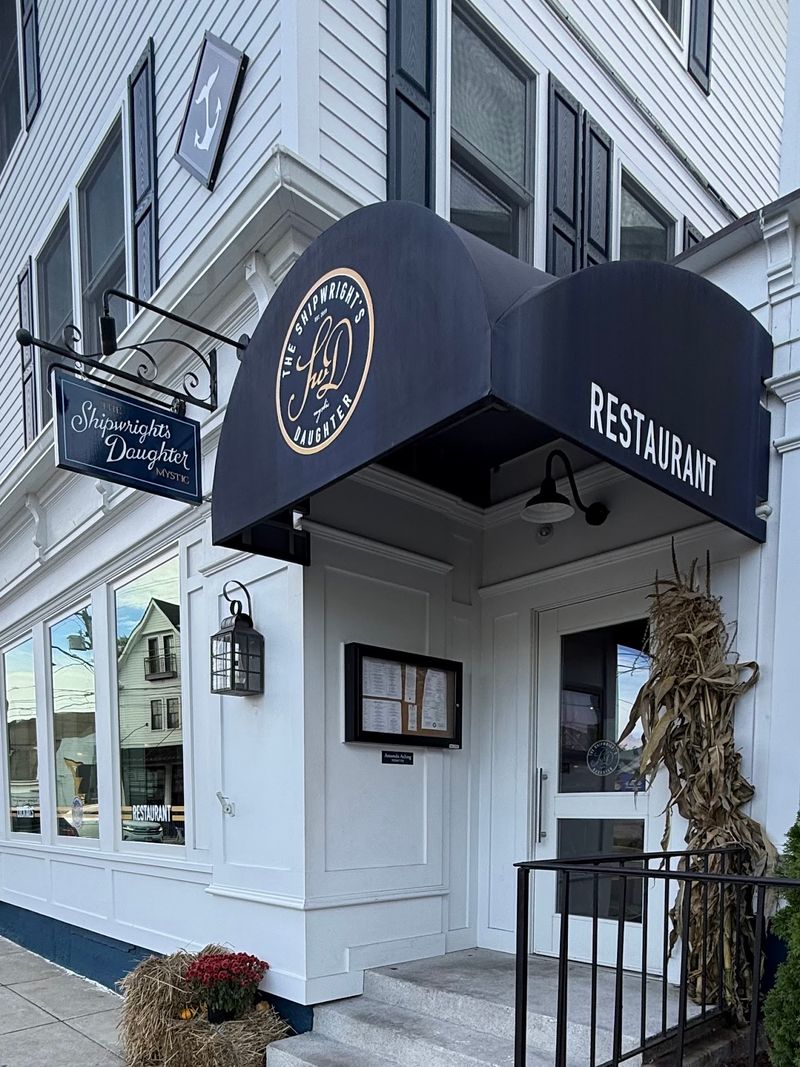
The fun starts before dinner. Step outside, and downtown Mystic is already waiting.
Shops line the nearby streets, while the river and its famous drawbridge are only a short walk away.
The Shipwright’s Daughter sits inside The Whaler’s Inn, giving a meal here an easy connection to the rest of a Mystic day. The historic hotel has welcomed guests and commerce on this site for more than 125 years, and today the property spans six buildings from different eras.
That mix gives the setting real character without making it feel staged.
A waterfront stroll can fit naturally before or after your reservation. Mystic Seaport Museum is also within easy reach, while Mystic Aquarium is better treated as a short drive rather than part of the downtown walking loop.
Staying at the inn makes the evening even simpler, since your room is only steps from the restaurant.
For visitors building a full itinerary, the neighborhood does much of the work. The restaurant is at 20 East Main Street in Mystic, right in the center of downtown.
From there, shops and river views are close enough to explore on foot. It is an easy base for turning one memorable dinner into a relaxed day around town.
4. Coastal Style Keeps The Dining Room Refined
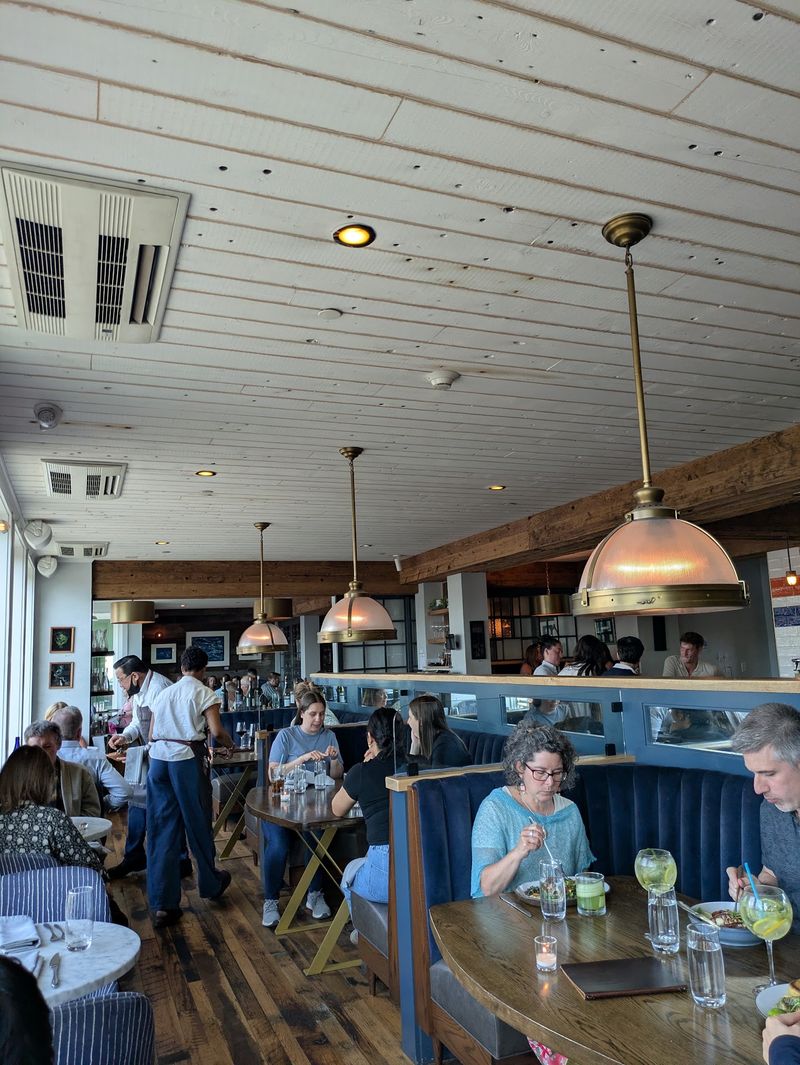
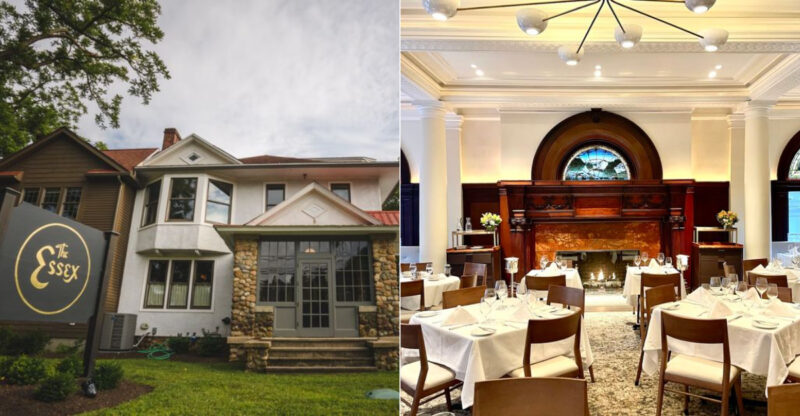
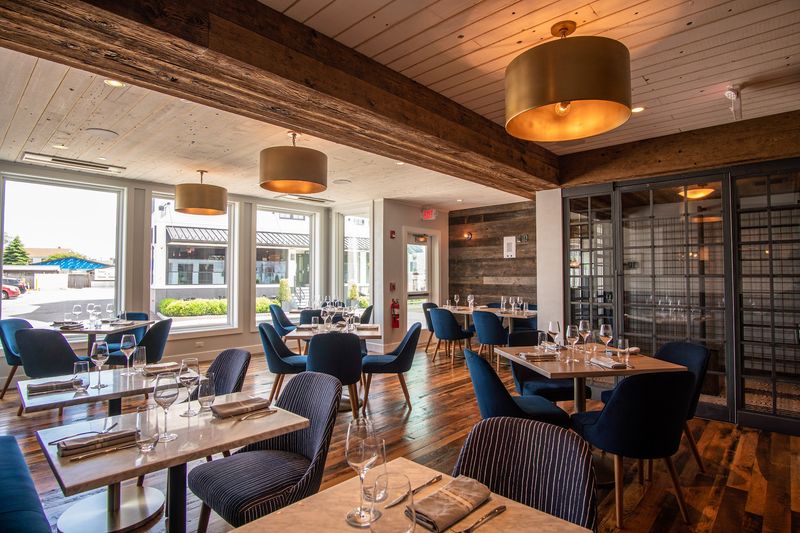
Deep navy walls, crisp white tile, and reclaimed oak floors set the tone the moment you look around. Brass accents catch the light, and touches of soft silver keep the palette from feeling heavy.
The look has been described as vintage nautical with a modern sensibility, which in practice means you will not find fishing nets or ship wheels hanging from the ceiling. Instead the coastal theme shows up in color, texture, and materials, which reads far more grown-up.
Seating comes in several forms, and each one gives you a different evening. The bar is popular with walk-ins and happy hour guests, window tables feel cozier and quieter, and the roomier booths suit small groups who plan to linger.
Energy in the room tends to run lively without tipping into chaos. Even on busy nights, many guests describe the space as bright and welcoming while still feeling personal at their own table.
Service earns steady praise for being warm and genuinely informed, the kind that answers questions about a dish without turning it into a lecture.
Dress is relaxed rather than strict, so a neat casual outfit fits right in. The overall effect encourages you to put the phone down and actually pay attention to dinner.
5. James Beard-Winning Talent Leads The Kitchen
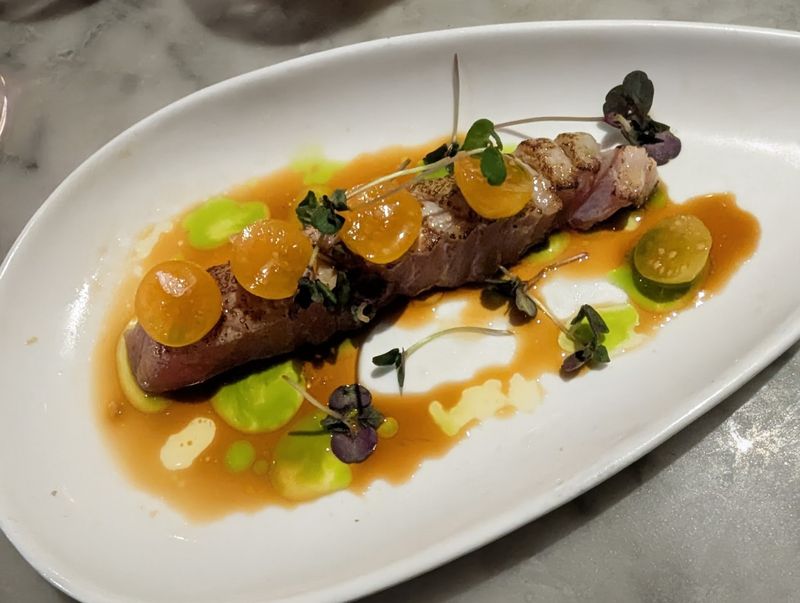
Big awards are nice. A memorable dinner is better.
At The Shipwright’s Daughter, chef David Standridge has managed to earn both.
His biggest breakthrough came in 2024, when the James Beard Foundation named him Best Chef: Northeast. That made him the first chef from the state to win the regional category since 2006, putting the Mystic restaurant firmly on the national dining map.
The recognition kept building. In 2026, Standridge advanced to the final group of nominees for Outstanding Chef, one of the foundation’s major national honors.
Although he did not take home that award, reaching the finalist stage added another impressive chapter to the restaurant’s story.
Behind the accolades is a clear approach to cooking. Sustainability and regional sourcing guide the menu, while careful technique gives even familiar ingredients a more thoughtful presentation.
Seafood remains central, with the kitchen finding inventive ways to use local catches and lesser-seen species.
That point of view carries across the meal rather than showing up in one signature plate. The Shipwright’s Daughter feels creative without becoming complicated, which may be the best explanation for why the attention has lasted well beyond a single awards season.
6. Local Seafood Drives The Menu
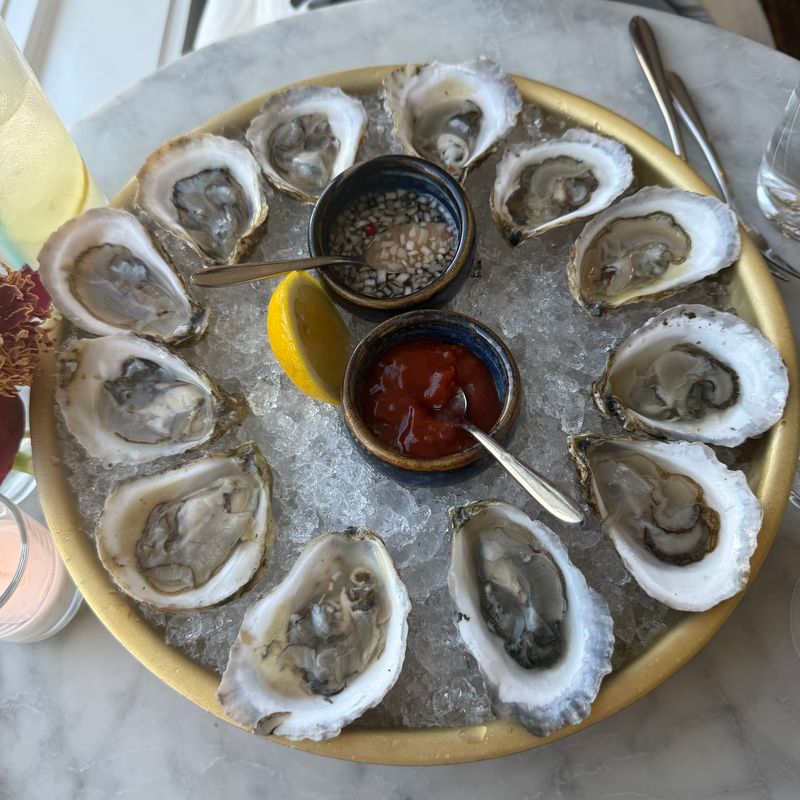
Tide to table is the phrase the restaurant uses, and it holds up under scrutiny. A large share of the fish served is landed within roughly ten miles of the dining room, which is about as short as a supply chain gets in this country.
That closeness means the seafood arrives fresh rather than frozen and gets handled carefully from boat to plate. It also means the menu shifts depending on what the boats actually bring in.
Behind those deliveries are local fishing crews and seafood purveyors, some from families who have worked these waters for generations. Buying from them keeps money in the regional economy and keeps traditional coastal work alive.
Farmers and growers nearby supply the produce side, so vegetables get the same attention as the fish. Guests frequently mention how well composed the non-seafood dishes are, including pastas and mushroom plates.
Dietary needs get thoughtful handling too. Pescatarian and gluten-free options appear on the menu, though gluten-free items are not prepared in a dedicated gluten-free kitchen, which is worth mentioning when you book.
7. Underused Fish Get Thoughtful Attention
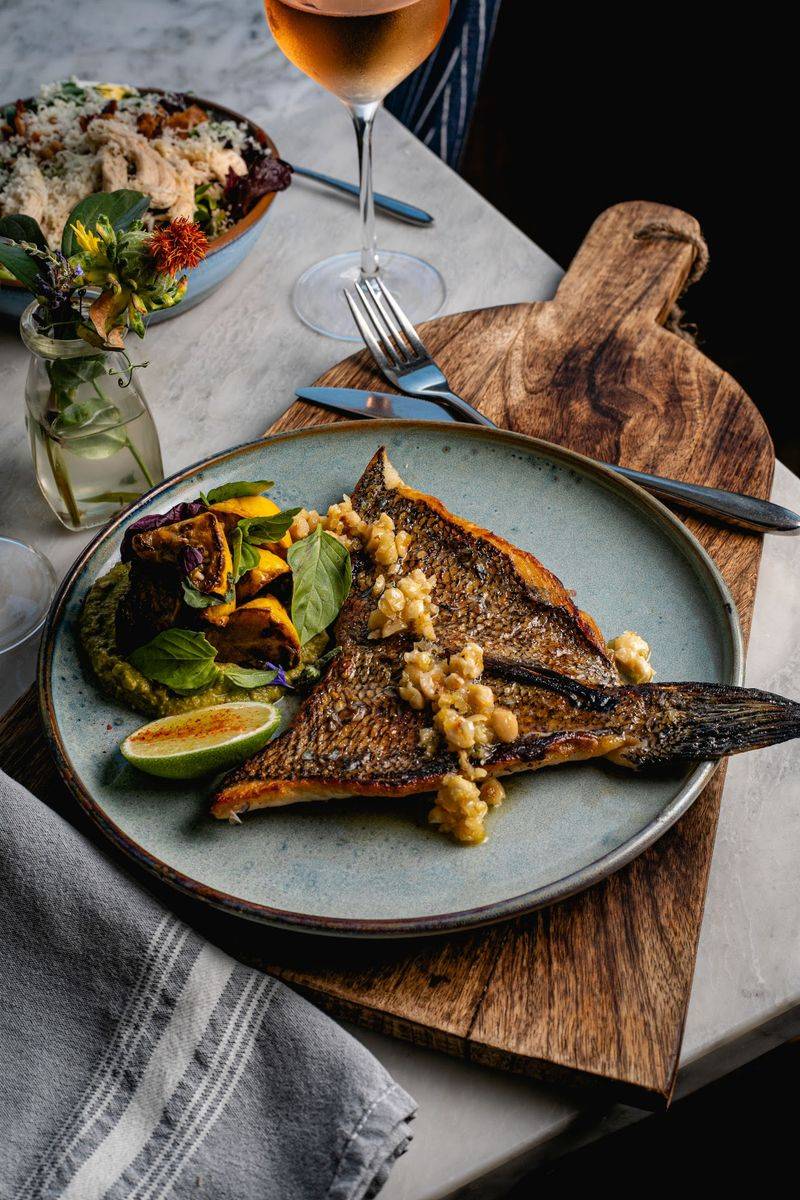
Here is where seafood gets interesting. Familiar favorites step aside, and ingredients that rarely get much menu attention suddenly become the stars.
At The Shipwright’s Daughter, chef David Standridge has built part of his reputation around making better use of New England’s coastal catch. Green crabs are one example.
The non-native species appears in creative preparations, allowing the kitchen to turn an abundant local ingredient into something diners actually seek out.
Monkfish gets similar attention. Its firm texture makes it especially versatile, and Standridge has used it as an alternative in dishes normally associated with more familiar shellfish.
Skate also appears from time to time, giving diners a chance to try a mild fish that rarely receives the same spotlight.
Local kelp plays its own role. The restaurant works with regional producers and has even built annual dinners around finding inventive ways to use the ingredient.
Bycatch and other underused species can also move into featured positions rather than being overlooked.
None of it feels unusual simply for the sake of being different. The idea is to use more of what nearby waters provide while keeping flavor at the center.
That approach turns sustainability into part of dinner rather than a lecture about it.
8. Seasonal Cooking Keeps Dinner Interesting
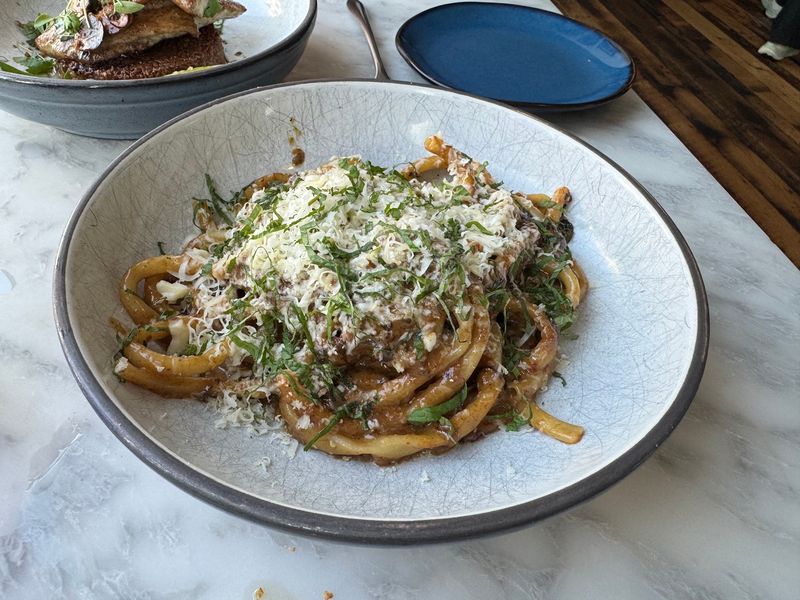
Return visitors here quickly learn not to get too attached to a favorite dish. The menu changes daily based on what arrives from local farms and boats, so the version you loved in October may look different by spring.
That constant motion is intentional. Cooking to the calendar lets the kitchen catch ingredients at their peak instead of stretching them across the year, and it keeps the team creating rather than repeating.
Seasonality carries through the whole day, not just dinner. Breakfast and brunch reflect it too, with seasonal touches and dishes built around freshly grown or foraged ingredients.
Two ways to order exist. The a la carte menu gives you full control, while the chef-guided five-course tasting menu is frequently described as the definitive experience, paced calmly and shaped entirely around the season.
The tasting often includes items that never appear on the printed menu, which makes it appealing for anyone who likes being surprised. Prices for tasting menus can change over time, so confirming current details when you reserve is wise.
Breakfast is served daily from 8 to 10 a.m., with dinner service starting at 5 p.m. Weekends bring brunch, and reservations are strongly recommended, especially for happy hour and prime evening tables.