This Two-Time Tony-Winning Connecticut Opera House Has Sent 21 Productions All The Way To Broadway
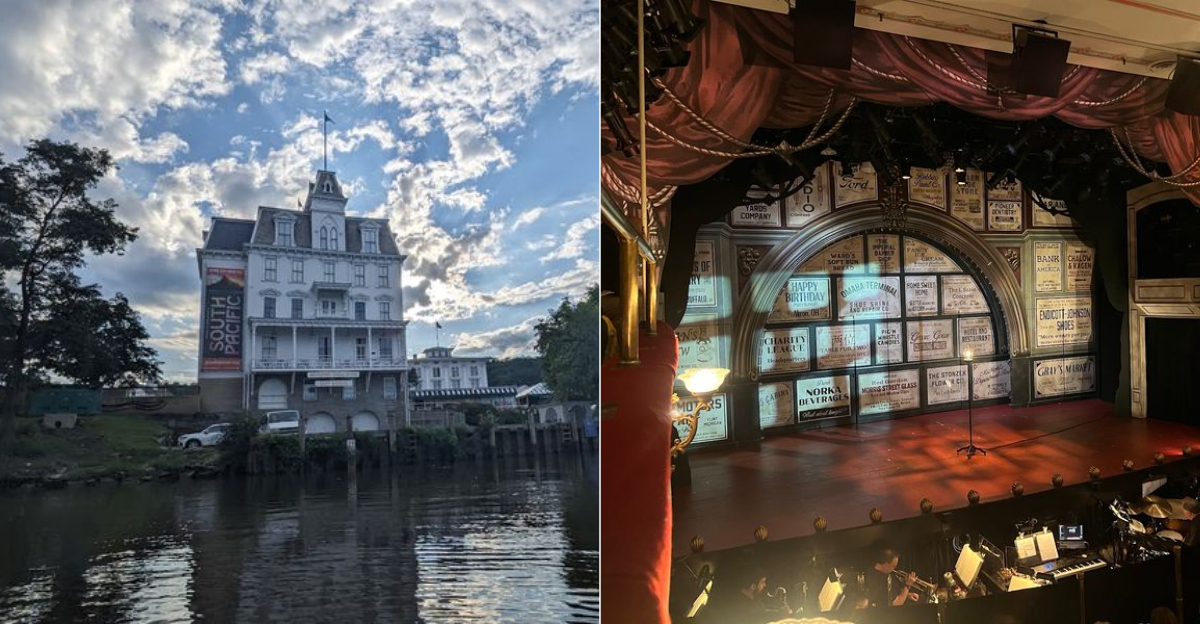
Broadway dreams do not usually begin in a small riverside theater, which is exactly why this story is so much fun.
For decades, the stage here has been where musicals are tested, polished, and sometimes sent on to much bigger things. Twenty-one productions have made the jump to Broadway, and the theater itself has earned two special Tony Awards along the way.
That is serious theater history hiding behind a wonderfully intimate setting.
You can sit close enough to feel connected to the performance without the experience losing any of its grandeur. The building adds its own sense of occasion, too, making a night out feel a little more special before the curtain even rises.
Connecticut has plenty of historic venues, but very few can claim this kind of Broadway track record.
The surprising part is how cozy the whole thing still feels.
Big careers and famous productions have passed through here, yet the experience remains delightfully personal.
1. Musical Theater History Fills This Landmark
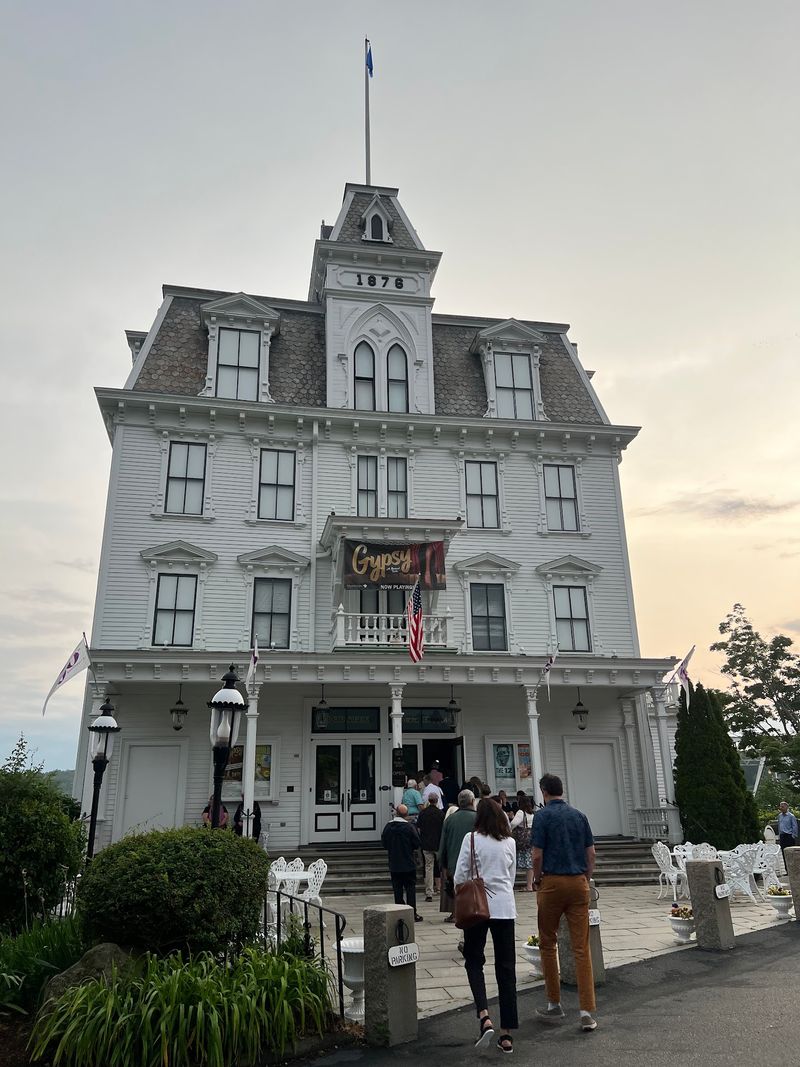
Big Broadway dreams have started in a surprisingly intimate room. That is part of what makes this riverside theater so much fun to visit.
Every performance comes with decades of musical history built into the experience.
Since reopening as a professional musical theater in 1963, Goodspeed Musicals has produced more than 300 shows. Over 90 have been world premieres, while 21 productions eventually made the leap to Broadway.
That track record has helped turn the Goodspeed Opera House into an important place for both classic revivals and brand-new work.
The organization does more than stage familiar favorites. Rarely produced musicals are brought back for fresh audiences, while writers and composers are given space to develop new ideas.
Some productions begin here as works still taking shape before moving on to larger stages.
That commitment earned national recognition long ago. Goodspeed became the first regional theater in America to receive two special Tony Awards, with honors arriving in 1980 and again in 1995.
The history never feels separate from the show itself. Sitting inside the historic building means watching musical theater in a place that has spent more than six decades helping the art form grow.
2. The Riverbank Location Makes It Unmissable
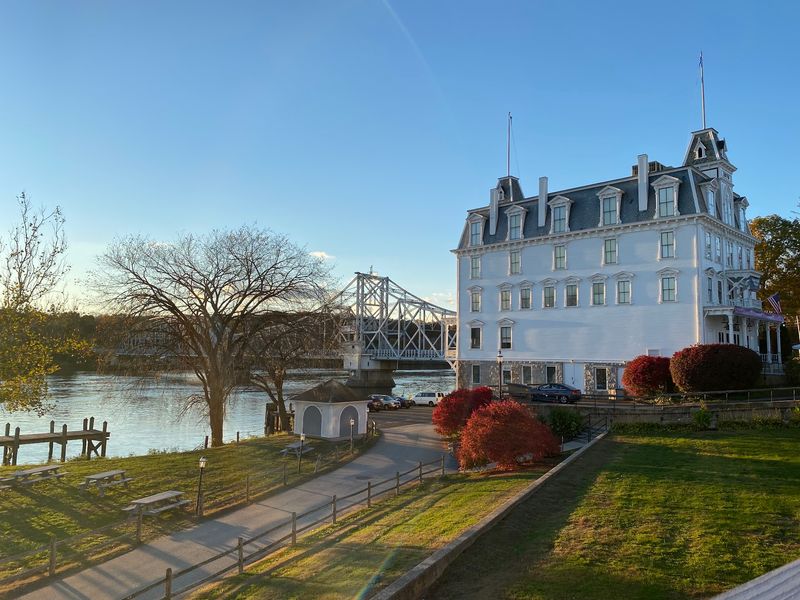
The view starts the show early. Before anyone takes a seat, the river and that tall white landmark are already doing their part.
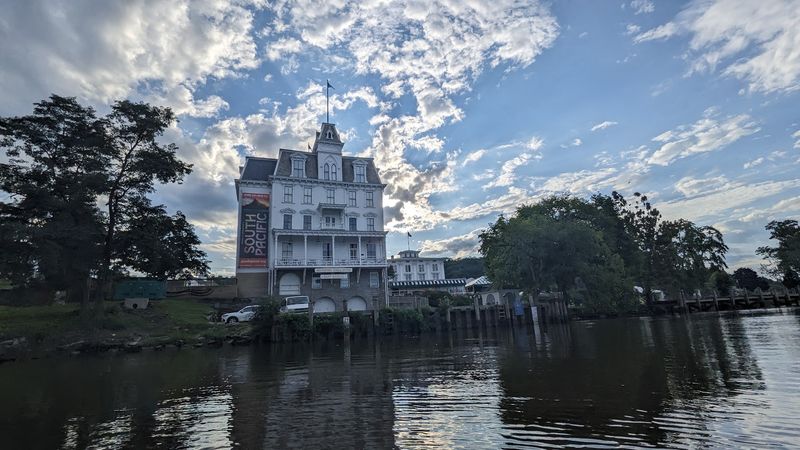
Beside the Connecticut River in East Haddam, The Goodspeed rises just beyond the historic swing bridge. Its ornate 1876 exterior makes an immediate impression, especially when the water catches the evening light.
Arriving with a little extra time gives you room to enjoy the setting before the performance begins.
That riverside position is part of the theater’s character. A path near the parking area leads toward the building, and the surrounding scenery gives the arrival a sense of occasion without making it feel formal.
Across the water, wooded hills add to the classic New England backdrop.
Many visitors turn a show into a longer outing by pairing it with a meal nearby or a slow walk around the riverfront. The area is compact enough to make that feel easy, especially before an evening performance.
The Goodspeed is at 6 Main Street, East Haddam, CT 06423, only steps from the bridge. Give yourself a little time before curtain to take in the river views.
The setting makes the theater feel memorable before the first note even begins.
3. The Building Has Stood Since 1876
Construction wrapped in 1876, and the doors officially opened on October 24, 1877. A local shipping and banking businessman built it, and the original plan was far more ambitious than a simple theater.
The lower floors held a general store, professional offices, and a steamboat passenger terminal, while the theater itself went up top. Commerce below, entertainment above.
Time was not always kind to the place. Over the decades the building served as a militia base and later as storage space for the state highway department, drifting far from its show business roots.
By 1958 it was slated for demolition. That could easily have been the end of the story.
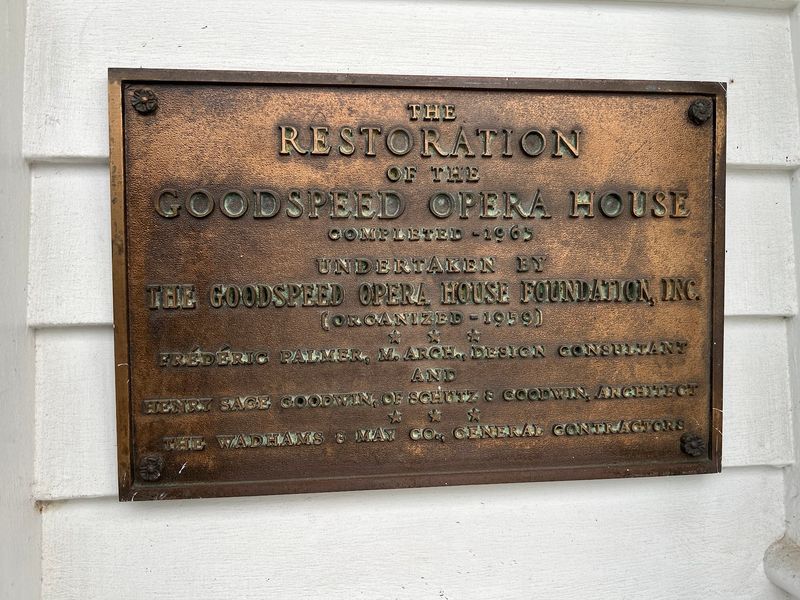
Local preservationists refused to let it go. They formed the Goodspeed Opera House Foundation in 1959 with the goal of restoring the building and bringing performances back to the upper floors.
Restoration work stretched across nearly four years. The rededication took place on June 18, 1963, returning the structure to something close to its original splendor.
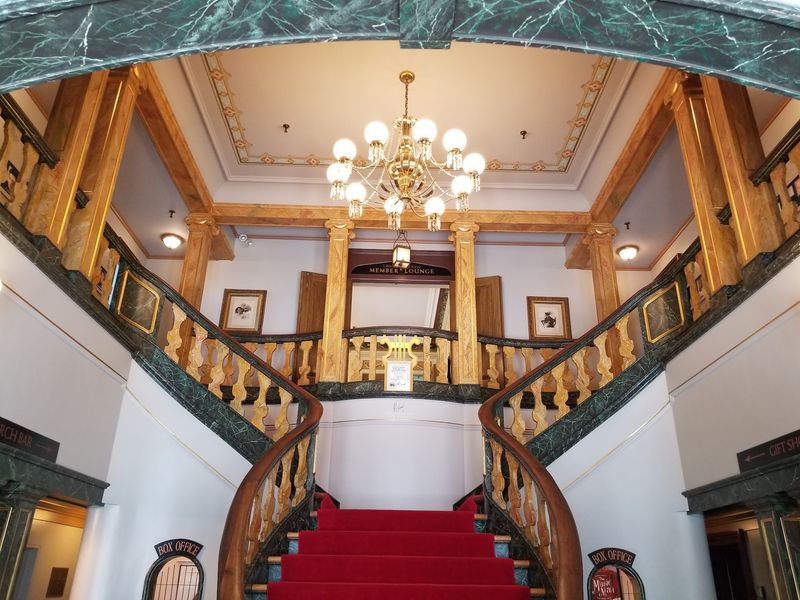
Recognition followed in 1971, when the building joined the National Register of Historic Places. Guests today often comment on how carefully the woodwork, trim, and period details have been maintained.
4. Only 398 Seats Keep Performances Intimate
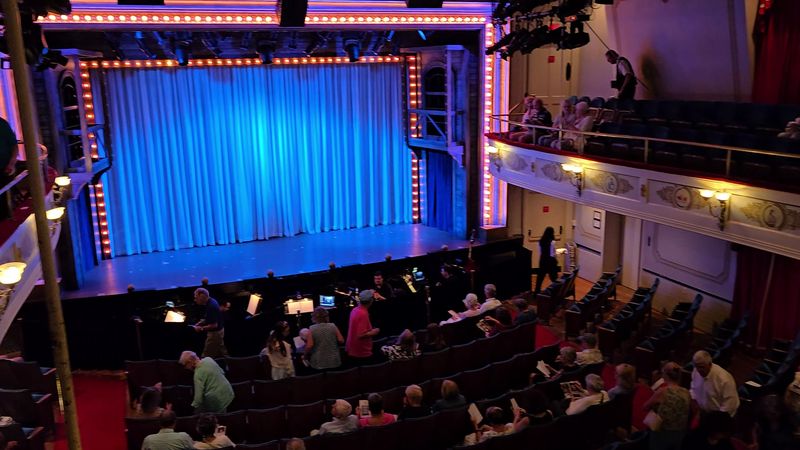
Small theater, big impact. With roughly 398 seats, the Goodspeed Opera House creates the kind of setting where performers never feel far away.
Facial expressions and little moments onstage are easier to catch, giving the entire production a more immediate feel.
The auditorium occupies the upper floors of the historic building, an unusual setup that adds to its personality. That elevated position also helps distinguish the experience from a typical modern theater long before the performance begins.
Its compact scale is part of the charm. Instead of feeling swallowed by a huge room, audiences stay closely connected to the stage and to the reactions happening around them.
Applause carries easily, laughter spreads quickly, and the atmosphere can feel remarkably lively during a full house.
Arriving a little early gives you time to settle in and enjoy the building before the lights dim. The historic surroundings add another layer to the evening, especially when paired with the theater’s long musical legacy.
What makes the Goodspeed memorable is how much energy fits inside such an intimate space. The room may be modest in size, but once the curtain rises, the experience can feel anything but small.
5. Two Special Tony Awards Mark Its Legacy
Regional theaters rarely get Tony recognition, and almost none get it twice. The Goodspeed became the first regional theater in America to receive two special Tony Awards, a distinction that still sets it apart.
The first arrived in 1980, honoring the theater’s outstanding contributions to the American musical. By that point, shows developed in East Haddam had already made their mark on Broadway stages.
The second came in 1995, recognizing distinguished achievement as a regional theater. Fifteen years apart, the two awards tell a story of sustained work rather than a single lucky season.
What makes the honors meaningful is what they represent. Tony recognition of this kind acknowledges a theater’s influence on the whole art form, not just one hit production.
For visitors, the awards translate into a certain confidence about what you will see. Casts frequently include performers with Broadway credits, and production values tend to be high despite the compact stage.
Guests often remark that the quality feels far bigger than the size of the room would suggest.
Keeping this reputation going takes ongoing investment in new writers, new scores, and new ideas, which remains a core part of the theater’s daily work.
6. Twenty-One Productions Reached Broadway
Broadway can start small. Sometimes, it starts beside a river.
Goodspeed has watched 21 of its productions make the leap to Broadway, giving audiences a chance to catch major shows long before everyone else knows their names.
New musicals often begin with plenty of room to grow. Goodspeed’s annual Festival of New Musicals brings selected creative teams together for an intensive development period that ends with staged readings for the public.
Those performances let brand-new material move from the page into a theater filled with real listeners.
Some projects continue developing at The Terris Theatre in nearby Chester. There, new works can receive full-scale productions while their creative teams keep refining the show throughout rehearsals and performances.
The theater has helped launch productions toward Broadway and other major stages.
New work also reaches the main Goodspeed stage in East Haddam. That means a regular night at the theater can occasionally come with an extra thrill: the musical unfolding in front of you may still have a much bigger journey ahead.
That possibility changes the experience. You are not simply seeing what musical theater already is.
You may be getting an early look at what everyone will be talking about next.
7. Famous Musicals Have Started Their Journeys Here
Ever hummed a song from Annie? That show is part of the Goodspeed story, along with Man of La Mancha and Shenandoah, all musicals that moved from this riverside stage into the wider world.
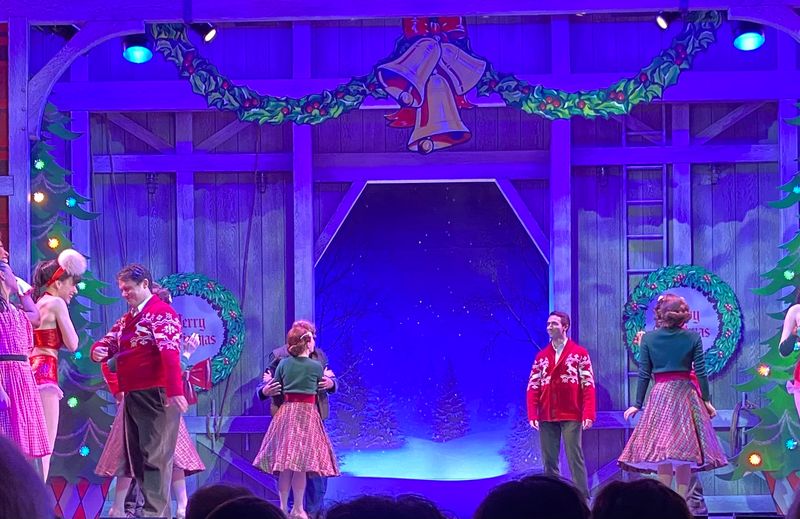
More recently, Holiday Inn also began its journey here before heading to Broadway, proof that the pipeline is still very much active.
Seeing that list makes the building feel different when you walk in. The same stage that now holds a revival once held the first version of a show that millions of people would come to love.
Revivals get equal care and attention. Audiences in recent seasons have enjoyed productions of well-known titles alongside lesser-known gems pulled from the musical theater catalog.
Behind the scenes, the theater functions as a place where composers, lyricists, and book writers sharpen their craft. Feedback, rewrites, and rehearsals all happen within these walls.
Holiday programming has become a tradition for many families, and seasonal shows tend to sell well, so booking ahead is a good idea.
Whatever is on the schedule, the mix of familiar favorites and fresh discoveries keeps regulars coming back season after season.
8. The Jewel-Box Stage Keeps The Magic Close
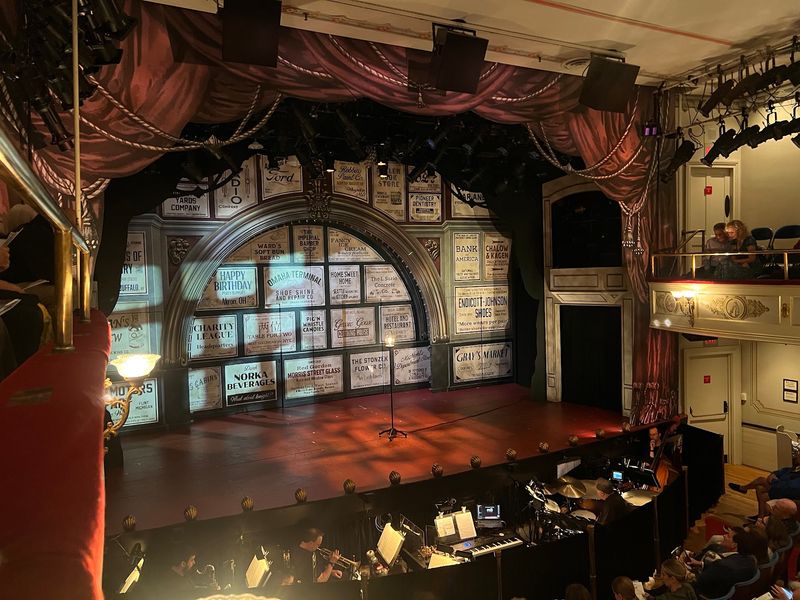
Small but mighty is the honest description of the Goodspeed stage. Measuring roughly 29 feet by 20 feet, the proscenium is often called a jewel box, and designers work real wonders inside those dimensions.
Because the acting area is compact, choreography and staging have to be inventive. The result is a viewing experience where dancers seem to move almost within arm’s reach.
Here is a detail most audiences never guess. Since the theater sits on the upper floors, scenery and props cannot simply roll in from a loading dock.
Instead, sets are hauled up to stage level using a winch system through what was once a freight elevator shaft. Every backdrop and platform makes that vertical trip before opening night.
Knowing that adds a layer of appreciation when the curtain rises on a full set. Nothing about staging a musical in a nineteenth century building is straightforward.
The combination of historic detail and close-up performance is what people tend to remember most. Guests often describe the atmosphere as friendly and informal, with helpful ushers and a relaxed pace.
For anyone who loves musicals, an evening in this jewel box is a rare kind of pleasure.