This Animal Refuge In New Jersey Offers 43 Acres Of Safety For Rescued Farm Animals
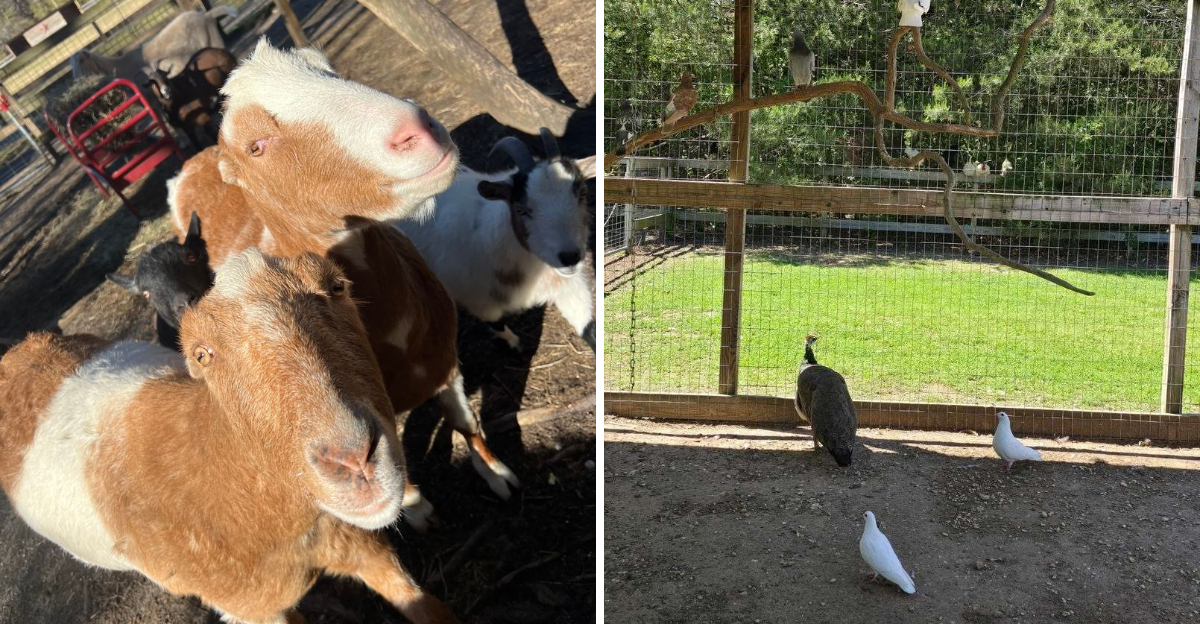
Forty three acres is a lot of room for a chicken. That is roughly the point of this place.
Every animal here arrived from a situation that did not work out. What they get now is grass, shade, and absolutely no schedule.
You will meet cows who have opinions about where they stand. There are pigs who have perfected the art of lying down.
Somebody will follow you along the fence line for no clear reason. The staff know all of them by name and by personality.
They will tell you stories if you ask, and you should ask. New Jersey does not come to mind when you picture pastureland.
That assumption falls apart about a mile before you arrive. Bring closed shoes and low expectations about staying clean.
You will leave planning your next visit.
Forty-Three Acres That Feel Like A Small Country
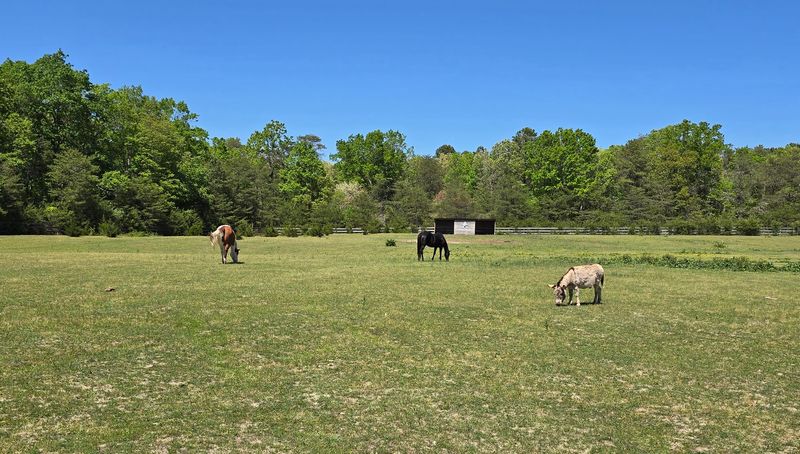
Freedom Farm Animal Rescue spreads across 43 acres, and the scale hits you fast. Pastures roll out in every direction, dotted with barns, ponds, and shade trees.
Visitors often compare the place to a small zoo rather than a petting pen. The difference is that every resident here arrived because someone needed to help them.
Space matters more than most people realize. Crowded enclosures cause stress, illness, and constant conflict between animals.
The founders deliberately give each group more room than required. Pigs get grass, mud, sun, and shade.
Horses get pastures wide enough for a real gallop.
Walking trails run through parts of the property, so you can wander instead of shuffling past cages. Bring comfortable shoes because the loop covers real ground.
The layout also keeps the farm calm. Animals that need quiet stay away from busier areas near the entrance.
Plan for at least an hour. Families with young kids usually stretch it longer, mostly because nobody wants to leave the pig pens.
Parking sits across the street, and it rarely fills up completely.
You will find it at 229 Newport-Centre Grove Rd in Cedarville, New Jersey.
A Chef Traded His Kitchen for A Barn
Career changes rarely get this dramatic. Jamie Castano worked as a chef before leaving that world to run a farm full time.
He and Tara Castano started the rescue around 2013, focused on fostering dogs. Then a pig arrived.
Goats followed.
The mission grew until it needed real acreage. In 2018 the operation moved to the current Cedarville property with support from animal welfare groups, including Peace 4 Animals.
What makes the story stick is the money part. Neither founder draws a salary from donations.
Every dollar goes toward feed, medicine, fencing, and shelter. That kind of arrangement is not common, and it explains why supporters stay loyal for years.
Visitors frequently mention how willing Jamie is to stop and talk. He shares where animals came from and what shape they were in on arrival.
You get context instead of a rehearsed script. Volunteers do the same thing along the trails.
Ask questions. The answers tend to be honest, specific, and occasionally funny.
Understanding the origin story changes how the whole place feels. Suddenly the barns look less like structures and more like the result of a decade of stubborn effort.
Over 300 Residents And Almost No Repeats
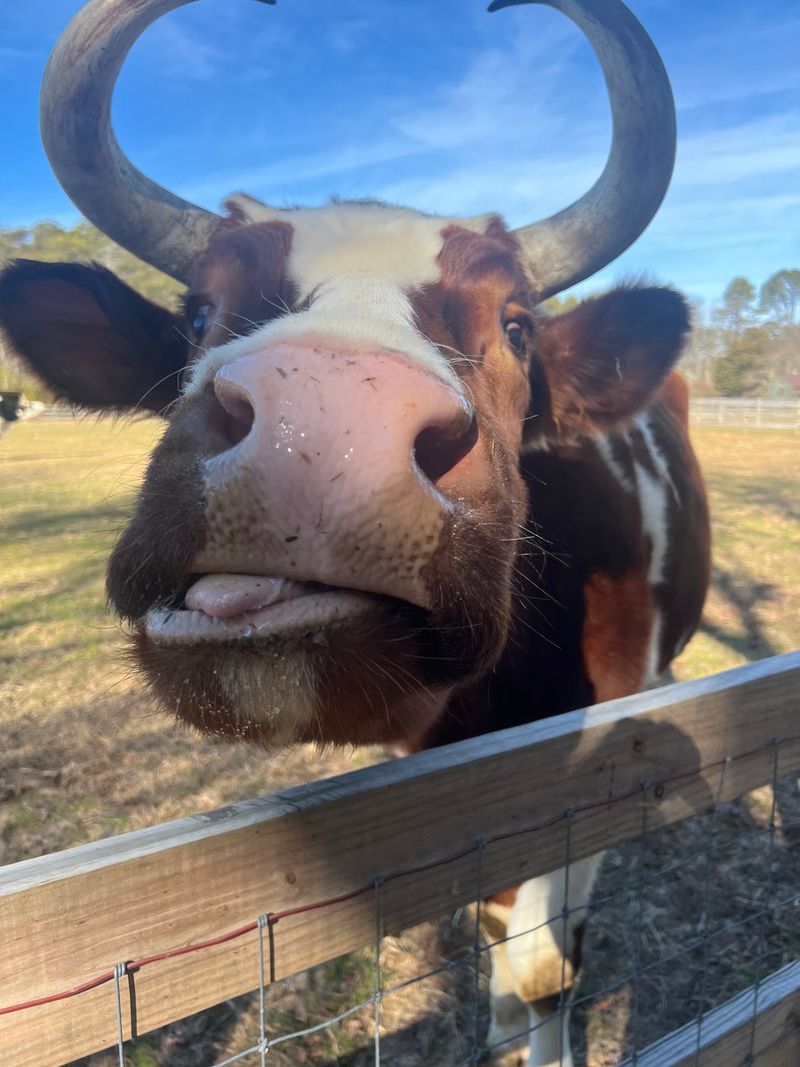
Counting the animals here takes a while. More than 300 call the property home.
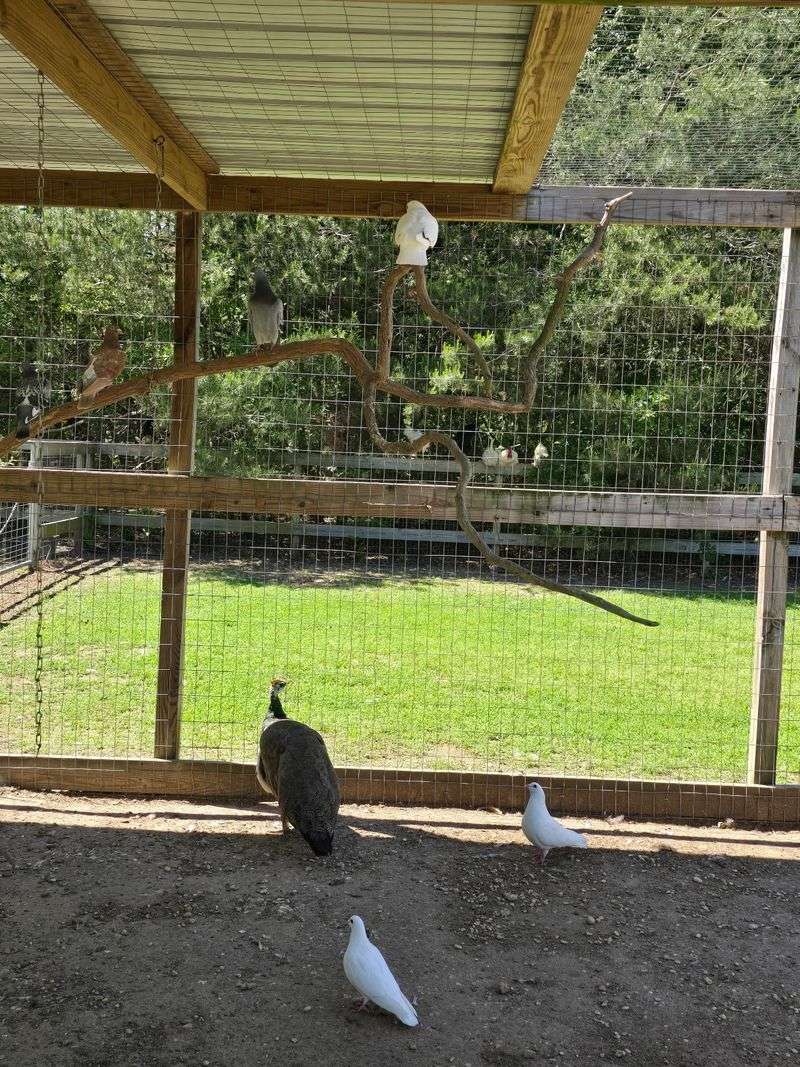
The lineup reads like a strange and wonderful roll call. Donkeys, peacocks, cows, goats, tortoises, roosters, parrots, pigs, horses, chickens, ducks, geese, pigeons, snakes, and emus.
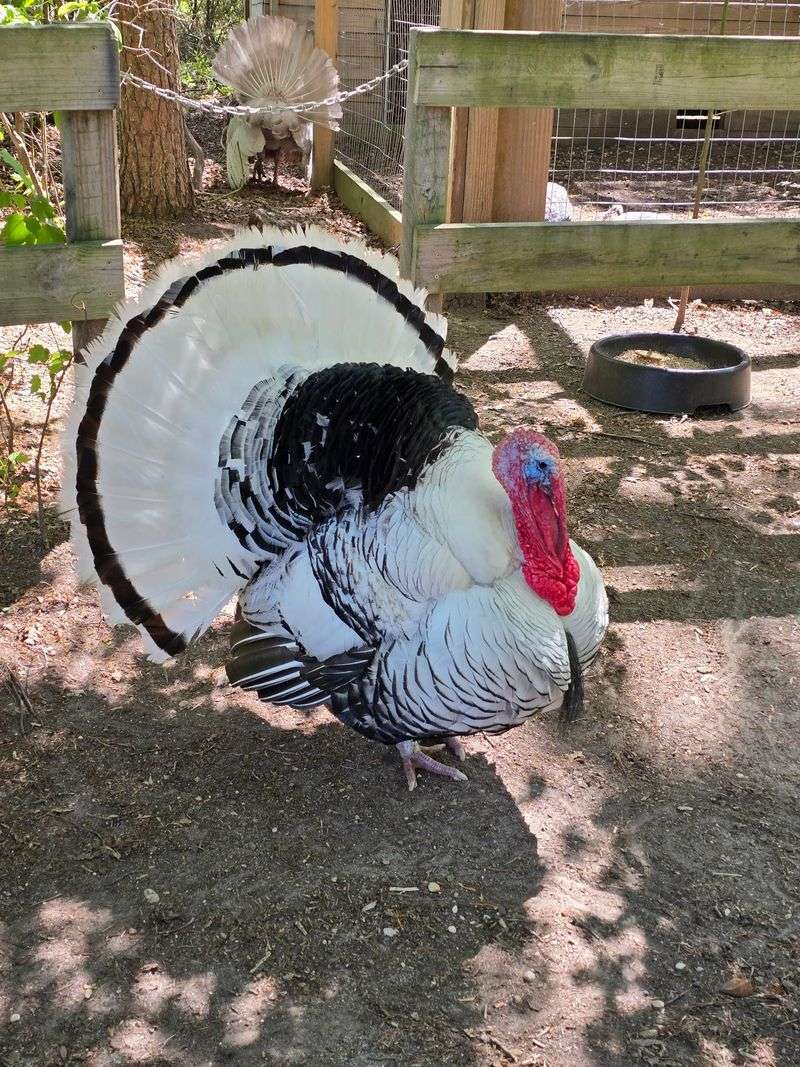
Alpacas show up too, including mothers walking beside their young. Turkeys sometimes escort guests toward the entrance like feathered greeters.
Each animal came from somewhere difficult. Dairy operations, beef operations, livestock auctions, and cruelty or neglect cases all feed into the intake list.
Some arrive weak and underweight. The transformation into healthy, curious animals is the part staff describe as the biggest reward.
Variety keeps the visit interesting for every age group. Toddlers fixate on the ducks.
Teenagers gravitate toward the enormous cows.
Adults tend to linger near the donkeys, which have a reputation for being the friendliest characters on the property.
Pigeons coo in a way regulars compare to a room full of purring cats. Small detail, but you notice it.
No two enclosures feel the same. That is exactly why the walk never turns repetitive.
Saturdays Are The Golden Ticket
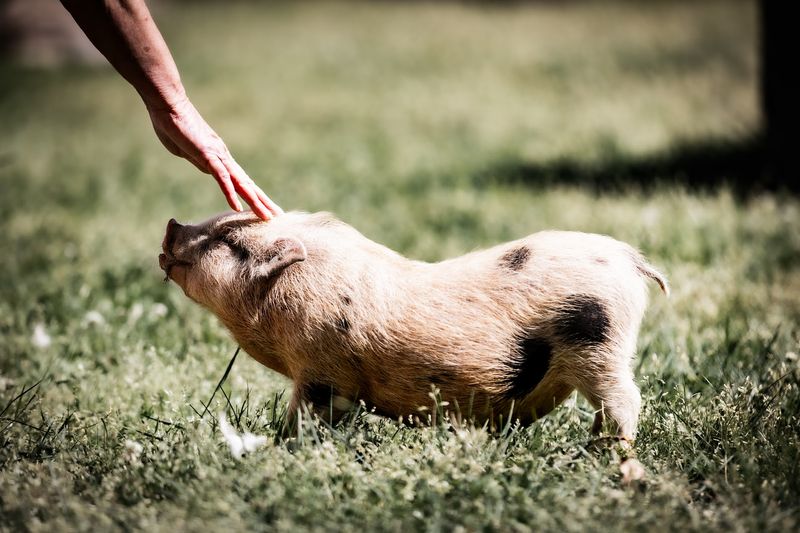
Access here follows one simple rule. Saturdays only, from 10 AM to 2 PM.
Admission costs nothing. Donations are welcomed and go directly toward animal care.
That limited window keeps things calm for the residents during the rest of the week. It also means the animals get genuinely excited when visitors show up.
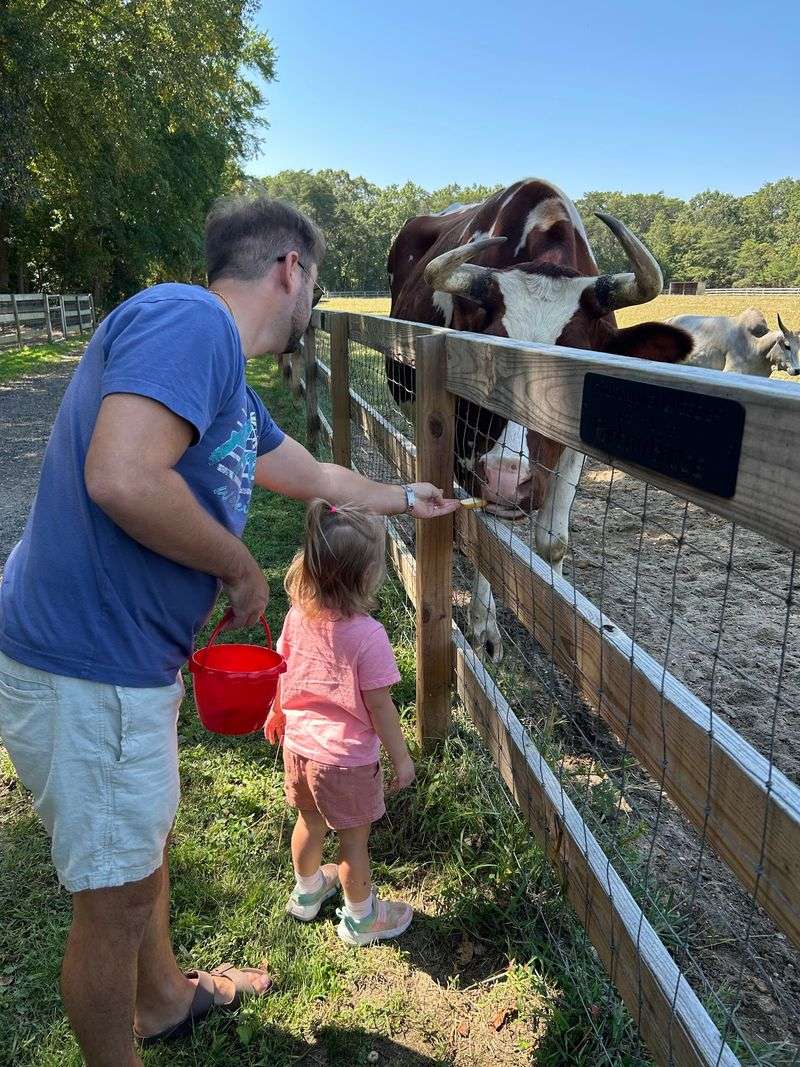
Apple slices are available for a dollar each near the entrance. Staff slice them and hand them over in a pail.
Feeding is the highlight for most kids. Pigs trot to the fence, tails wagging, snorting like tiny engines.
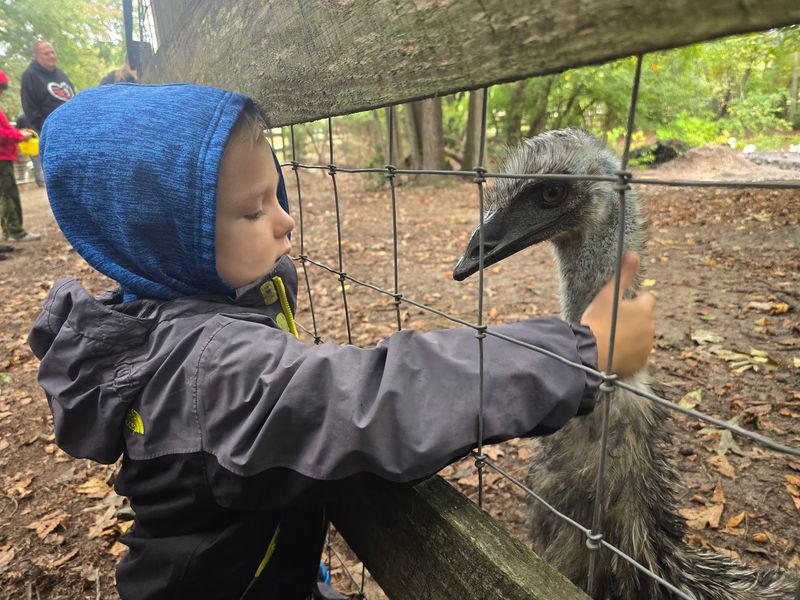
A word of caution about the emus. They are large, strong birds with serious beaks.
Place the apple on the fence rail and let them take it from there. Everyone leaves with fingers intact and a good story.
Come early if you want unhurried time with the animals. Late morning tends to be the busiest stretch.
Bring cash for apples and donations. It moves faster and helps the farm directly.
Weather plays a role too. Spring and fall Saturdays offer the most comfortable walking conditions across the open pastures.
Built To Last, Not Built To Patch
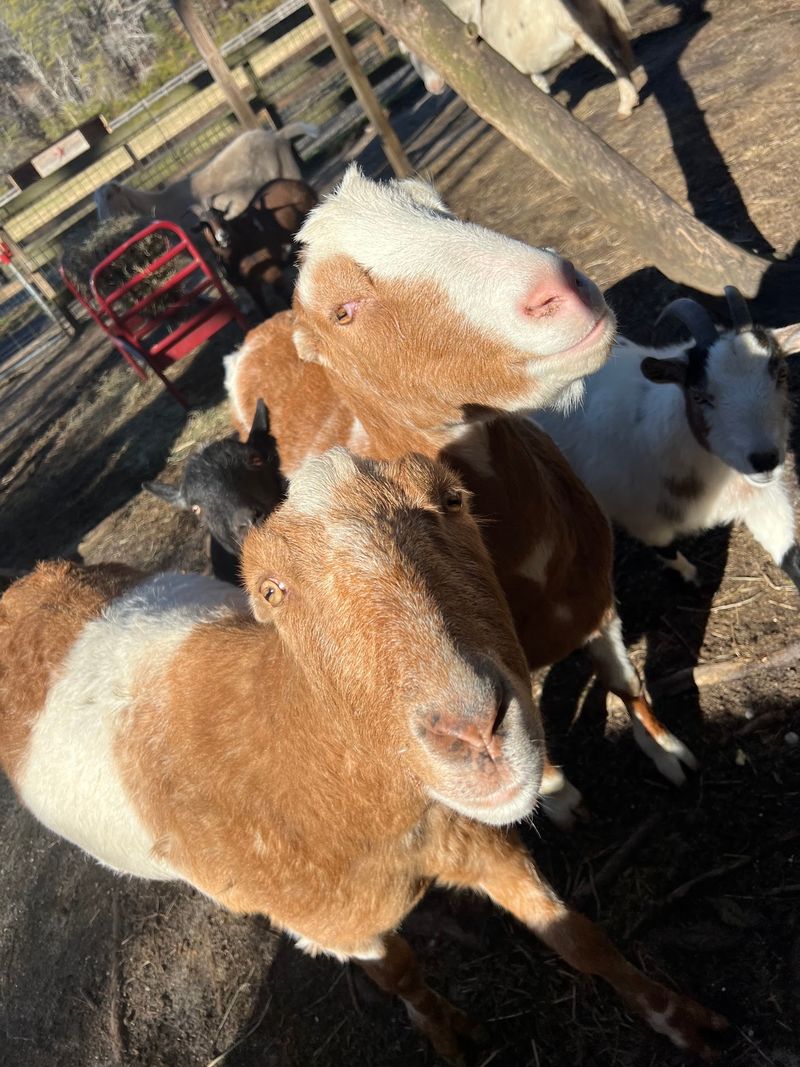
Anyone who has owned property knows the pain of cheap fencing. The Castanos decided early to skip that headache entirely.
Enclosures here get built with durable materials and real craftsmanship. Fewer repairs means more time and money spent on the animals themselves.
Guests consistently describe the grounds as spotless. That is not an accident on 43 acres with 300 residents.
Each enclosure includes indoor shelter. Animals can escape heat, rain, wind, and cold whenever they choose.
Pastures include a mix of grass, trees, sun, and shade. Pigs even get access to a bit of mud, which is exactly what pigs want.
Volunteers handle much of the daily upkeep. The team gets credit from visitors for being friendly and genuinely knowledgeable.
Take a close look at the fence lines and gate hardware while you walk. The build quality tells you a lot about priorities.
Good infrastructure also prevents escapes and injuries. Solid design protects animals in ways that are easy to overlook.
If you want to help, volunteering is an open door. Extra hands keep the place running smoothly week after week.
Great Pyrenees On Guard Duty
Big white dogs patrol these fields, and they take the job seriously. Great Pyrenees serve as livestock guardians across the property.
Coyotes roam this part of southern New Jersey. Guardian dogs give the goats, poultry, and smaller residents real protection.
Visitors spot them lounging near the donkeys and goats, looking relaxed until something catches their attention. Then the posture changes instantly.
These dogs are not pets in the usual sense. They bond with the herd and live alongside it around the clock.
Centuries of breeding shaped that instinct. The breed originated in the Pyrenees Mountains between France and Spain, guarding flocks in rough terrain.
Watching them work adds something unexpected to a farm visit. You realize the safety here comes from layers, not just fences.
Cats also hang around the entrance and greet arriving guests. They have clearly appointed themselves to a welcoming role.
Ask a volunteer about the guardian dogs if you see one nearby. The stories about their nightly rounds are worth hearing.
Keep your distance while they are on duty. Admire them, take a photo, and let them focus.
Animals With Actual Job Titles
Some residents here commute. The organization holds certification in Animal Assisted Intervention, which opens doors most farms never touch.
Selected animals travel to schools, hospitals, and nursing homes. They bring calm to people having a hard day.
Others serve as ambassadors during outreach programs. Their rescue stories do the teaching, and the message lands better coming from a living animal than a pamphlet.
Education sits at the center of the mission. The goal is helping people understand proper treatment of farmed animals.
Kids especially connect with this part. Hearing how a specific pig or goat was rescued sticks longer than any lecture.
Not every animal is suited for travel. Temperament, health, and comfort all factor into the decision.
Careful selection keeps the experience positive for both the animal and the people they meet.
If you work at a school or care facility, this program is worth knowing about. Outreach visits reach audiences who may never make it to Cedarville.
Ask about ambassador animals during your Saturday walk. Volunteers can usually point out which residents have the extra credentials.
Sponsor A Turkey Instead Of Serving One
November brings an unusual offer. You can sponsor a turkey rather than eating one.
The program lets supporters fund a bird’s care through the holiday season and beyond. It has become one of the farm’s signature traditions.
Turkeys here are surprisingly social. Guests report being escorted from the parking area by a small squad of them.
Fall Fest is another event worth catching. Seasonal gatherings bring extra activities and a bigger crowd of supporters.
Holiday events have included visits from Santa in past years. Announcements go out through the farm’s social media pages.
Sponsorship money covers feed, bedding, and veterinary care. Those costs never stop on a property with 300 residents.
Medical care here follows a thoughtful approach. Animals arriving in rough condition get bloodwork and a full treatment plan before any hard decisions are made.
That patience saves lives that other places might give up on. It also explains the loyalty this rescue inspires.
Check event announcements before planning a trip. Festival Saturdays offer a different energy than a quiet regular visit.
Either way, bring a donation. The animals notice, and so does the team keeping this whole operation upright.