10 California Apple Orchards To Visit As Picking Season Gets Underway
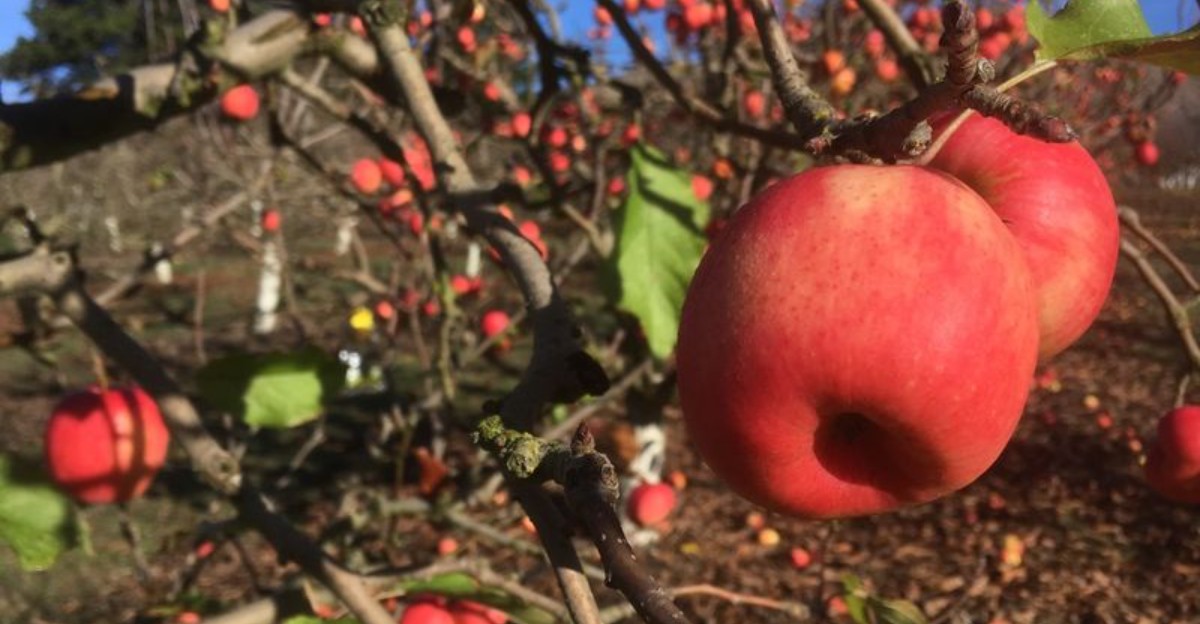
Apple season has a way of making an ordinary weekend feel like it needs a destination.
California orchards are beginning to shift into harvest mode, which means rows of fruit, cooler mornings, and the first real excuse to lean into fall.
These spots give you somewhere to do exactly that.
Some are built around classic U-pick afternoons. Others add farm stands, baked treats, or enough room to turn a quick stop into a longer outing.
The best part is that no two visits feel quite the same.
One orchard may be perfect for filling a bag and heading home. Another might tempt you to stay until you have wandered far beyond what you originally planned.
1. Los Rios Rancho, Oak Glen and Yucaipa
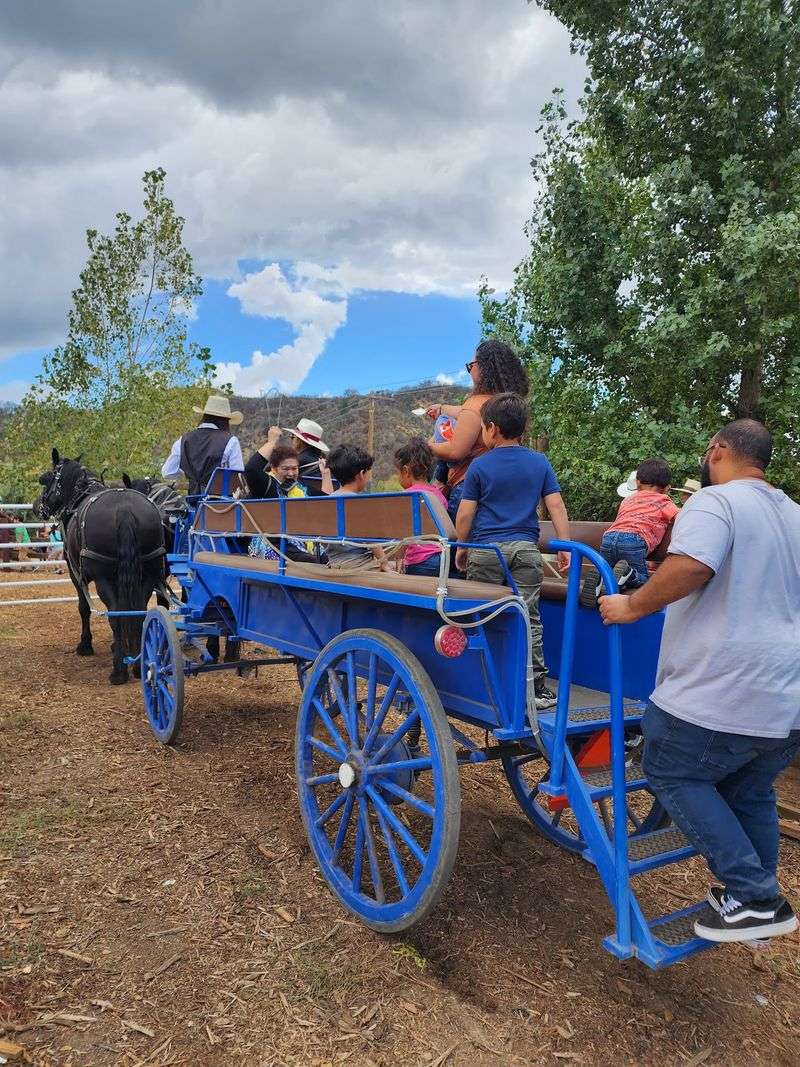
In the hills above Yucaipa, Los Rios Rancho spreads across more than 100 acres, and its u-pick season opened over Labor Day weekend.
More than 32 kinds of apples grow here, including heirloom types you will rarely find stacked in a grocery store bin.
Gates stay open daily from 10 a.m. to 5 p.m., and no reservation or admission ticket is needed to walk in. Parking is free too, so a last-minute Saturday drive does not cost anything before you even reach a tree.
Most families stretch the trip into a whole afternoon. Hayrides roll past the rows, a corn maze keeps older kids busy, and a petting zoo gives younger ones something to pet once picking bags get heavy.
Cider pressing tends to be the memory that sticks. Seeing apples crushed into juice right in front of you explains fast why fresh cider tastes so different from the bottled version.
Here is something useful to know: heirloom varieties ripen on their own schedules, so what hangs on the branches in early September will not match what is ready in mid October.
A quick look at the ranch website before you drive up saves disappointment if you want one specific apple.
Wear closed-toe shoes, bring a hat, and try to arrive close to opening. Crowds thicken quickly once the morning chill burns off, and the best-loaded trees get picked over by afternoon.
2. Volcan Valley Apple Farm, Julian
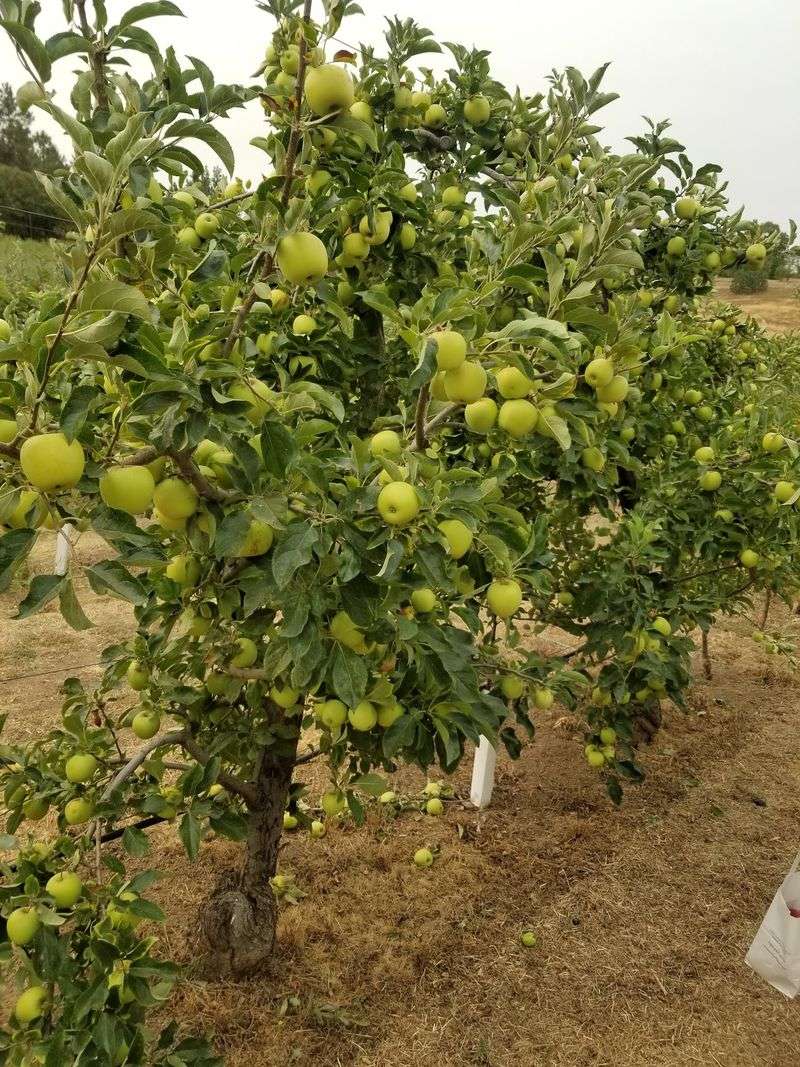
Seven thousand apple trees on ten acres sounds crowded, and that is exactly the point. Volcan Valley Apple Farm in Julian grows its trees on trellises, which keeps branches low, tidy, and easy for short arms to reach.
The 2026 season started on September 6, with the farm also open for the Labor Day holiday. From September 11 forward, picking happens Friday through Sunday, 9 a.m. to 4:30 p.m.
Seven varieties fill the rows: Gravenstein, Jonathan, Empire, Gala, Fuji, Golden Delicious, and Pippin.
That spread means tart bakers and sweet snackers can both leave happy. Pippins in particular have a sharp, old-fashioned bite that turns into excellent pie filling.
Costs are simple. Admission runs $5 per person, children five and under get in free with a paying adult, and a picking bag costs $20 and holds roughly six to seven pounds of fruit.
No reservations are taken, so picking is first come, first served. Arriving early on a Friday is the quietest option, since Julian gets busy on weekends once apple season and pie shops pull in day trippers.
Elevation matters here. Julian sits around 4,000 feet, so mornings can feel chilly even when the valleys are baking.
A light jacket you can tie around your waist by noon is the smart call, and water bottles help since shade is limited between the rows.
One more thing: those long trellis lanes photograph beautifully in morning light.
3. SLO Creek Farms, San Luis Obispo
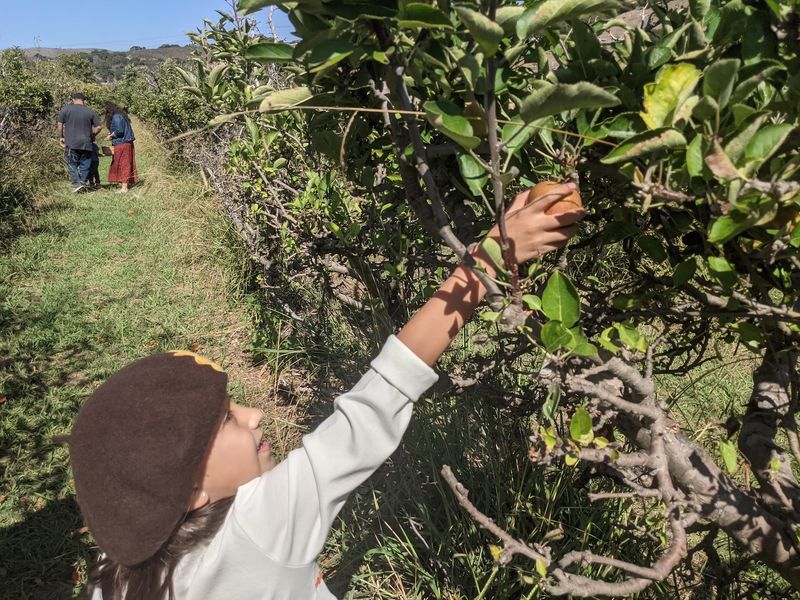
Certified organic and just minutes from downtown San Luis Obispo, SLO Creek Farms puts fourteen acres of apple trees within easy reach of the coast.
U-pick flowers are already drawing visitors, and apple picking is expected to open around September 15.
The apple stretch usually runs from September into November, with the farm welcoming pickers Thursday through Monday from 11 a.m. to 5 p.m. Weekday mornings tend to be the calmest window for families with small kids.
Variety hunters do well here. Jonalicious, Empire, Early Fuji, Gala, September Wonders, Sundancers, Granny Smith, and Braeburn all take turns ripening, which means two visits a month apart can taste completely different.
There is no gate fee. You pay only for the apples you carry out, which makes the trip flexible whether you want one small bag or several pounds for sauce and pies.
Bring your own boxes if you plan to stock up.
Leave the dog at home, though. Pets are not allowed in the orchard, and that rule protects both the fruit and the soil the farm works hard to keep clean.
Because the farm is organic, expect a few blemishes and the occasional insect. A spotted skin has nothing to do with flavor, and those apples often taste better than the waxed and polished ones.
Go in the late afternoon if you can. Coastal air cools things down, and the low sun makes the rows glow.
4. Casa Solano Orchards, Oak Glen
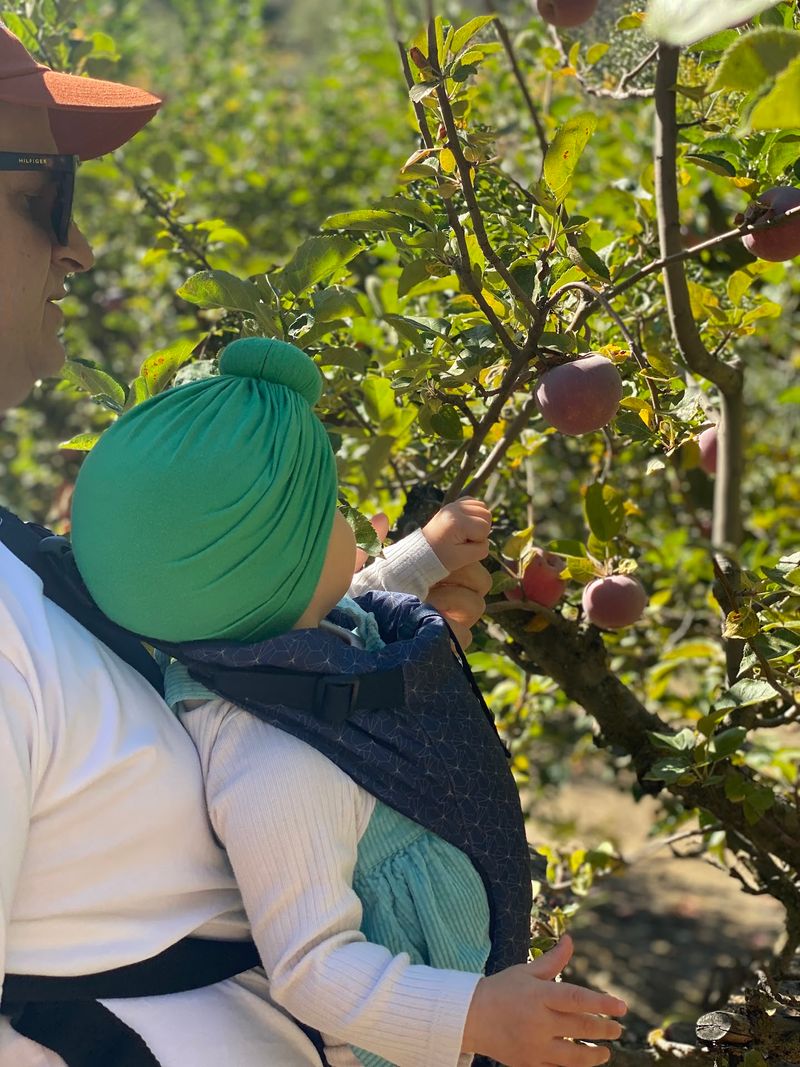
Some orchards feel like theme parks. Casa Solano Orchards in Oak Glen feels more like visiting a relative who happens to own apple trees.
The scale is small, the pace is unhurried, and nobody rushes you out of the rows.
The family-run farm opened its u-pick season around Labor Day weekend and plans to keep going through Thanksgiving, which gives you nearly three months of chances to swing by.
Fresh cider is a big draw, and so are the cider slushies, a frozen treat that has quietly become the reason some visitors keep coming back long after their picking bag is full.
Crowds stay smaller here than at the bigger Oak Glen properties. That means shorter waits, more elbow room in the rows, and time to actually talk with the folks who grow the fruit.
Since Oak Glen is a single winding road lined with orchards, Casa Solano pairs well with a stop or two next door. Park once, walk a bit, and you can compare apples from two farms in one afternoon.
A word about timing: late September through October usually brings the widest selection, while November visits often mean fewer varieties but far fewer people. Ripening depends on the weather each year.
Cash is handy at smaller stands, and a cooler in the trunk keeps cider cold on the drive home. Oak Glen sits at about 4,700 feet, so the road up is scenic but slow.
Give yourself extra travel time.
5. Stone Pantry Orchard, Oak Glen and Yucaipa
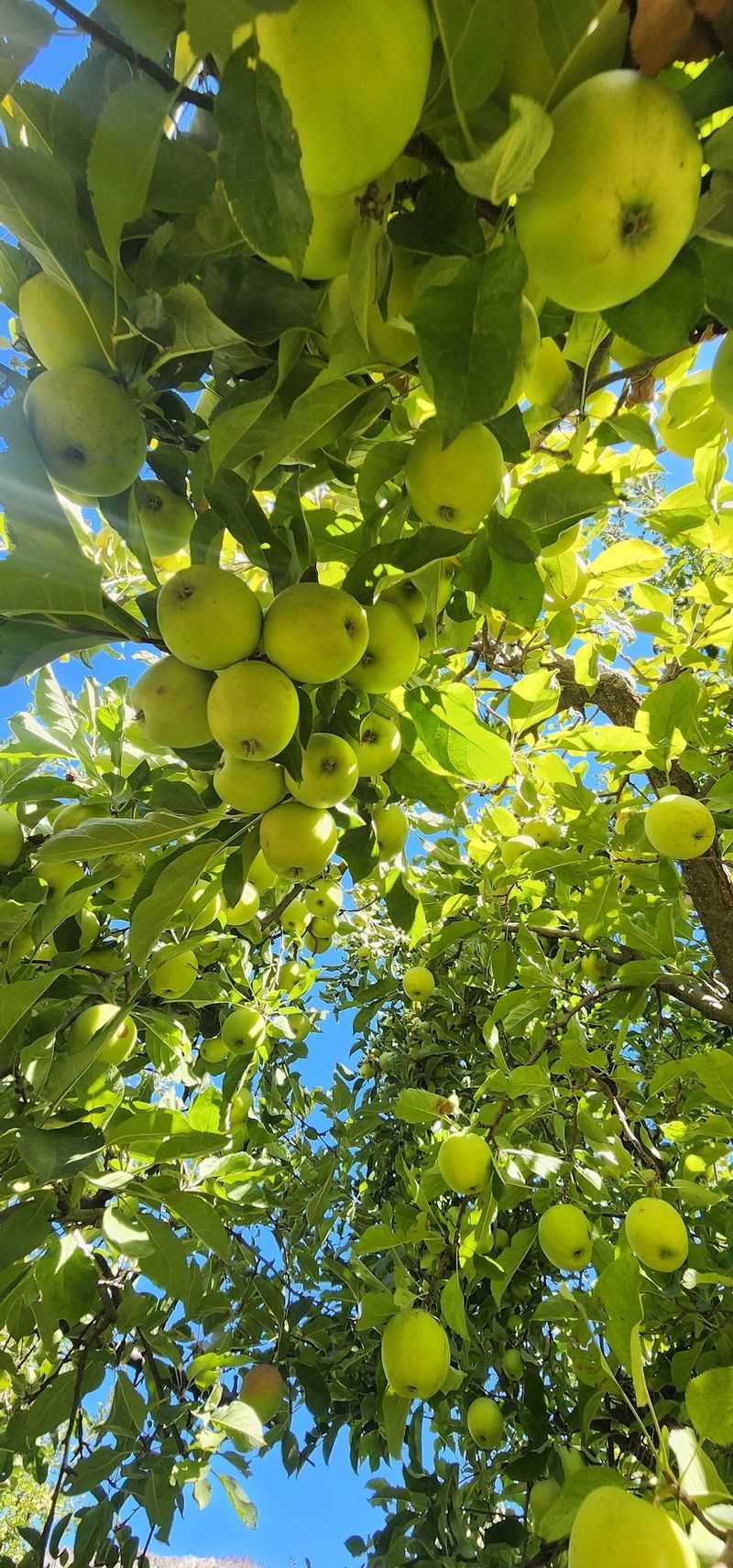
Apples are only part of the story at Stone Pantry Orchard. Pears, blackberries, and pumpkins all take their turn, which makes a single visit feel like several trips rolled together.
Picking for 2026 began on September 5, and the orchard welcomes visitors on weekends from 10 a.m. to 5 p.m.
That schedule keeps the orchard rested during the week, and the rows show it, with fruit still within reach rather than picked bare.
The cider press is the showstopper. Guests can press their own, turning a bucket of fruit into juice with their own muscle, and kids who normally ignore fruit suddenly care a lot about apples.
Weekend-only hours mean planning ahead pays off. Saturdays right after opening tend to be calmer than Sunday afternoons, when Oak Glen traffic reaches its peak.
Bring cash and a sturdy bag.
Blackberries and pears do not last all season, so if a mixed haul is the goal, aim for September rather than late October. Pumpkins take over as the weather cools, which suits Halloween-minded families just fine.
Practical stuff: wear pants if you plan to reach into blackberry canes, since thorns do not care how careful you are. Sunscreen helps in the open rows, and a bottle of water per person is a good rule.
6. Earthseed Farm, Sebastopol
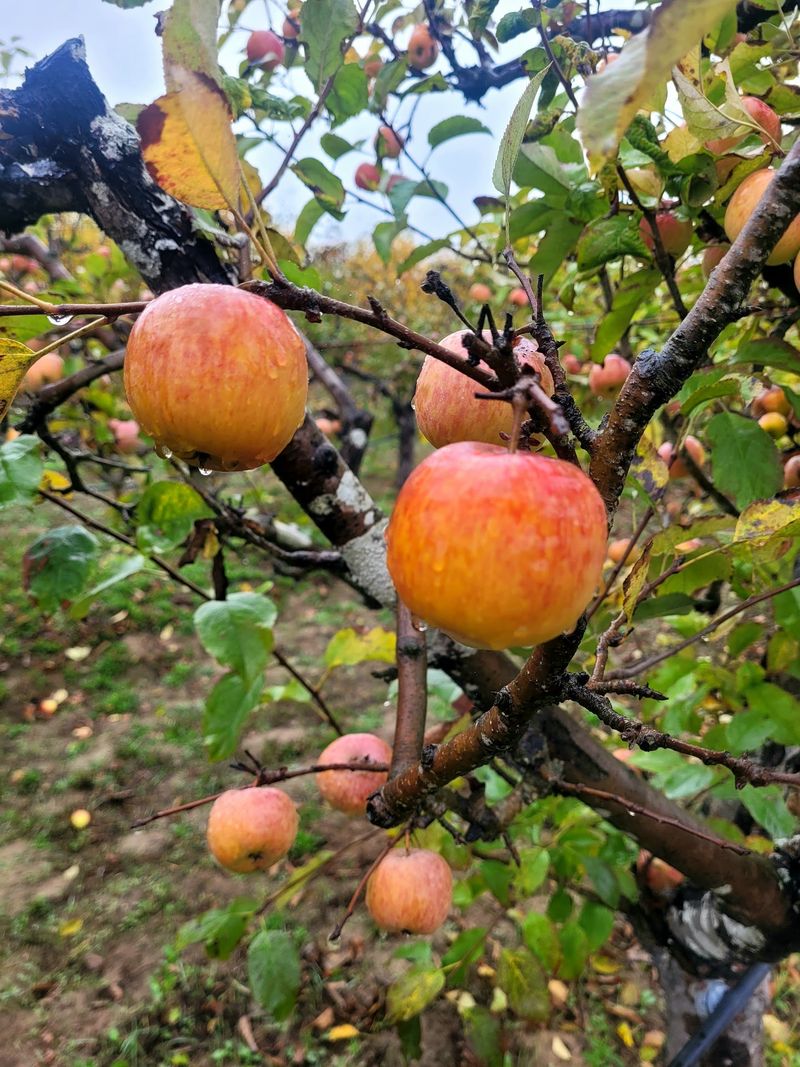
Reservations here open on Mondays for the coming Saturday, and they do go.
Earthseed Farm in Sebastopol keeps its u-pick small on purpose, running appointment-only Saturdays from August through November.
Sonoma County apple country has deep roots, and the varieties on the trees show it. Golden Delicious, Gala, Braeburn, Fuji, Rome, Gravenstein, and McIntosh all appear during the harvest window.
Sebastopol growers have been shipping apples for well over a century.
Pricing works differently than at drop-in orchards. A non-refundable entry fee of $40 covers a group of up to four people, and apples run $6 per pound on top of that.
That structure supports a farm focused on regenerative growing rather than volume, so think of the fee as buying a quiet morning in the orchard as much as buying fruit. Groups larger than four should plan for extra tickets.
Gravensteins deserve special attention. The variety made Sebastopol famous, ripens early, bruises easily, and rarely travels well, which is exactly why picking one yourself is such a treat.
Book the moment slots post if you want a specific date, especially in September and October when Sonoma weekends fill with harvest visitors. Set a phone reminder for Monday morning.
Since visits are by appointment, show up on time and plan for a slower pace. There is no corn maze or carnival here, just rows, birdsong, and apples dropping into a bag.
It suits anyone tired of crowds.
7. Julian Farm and Orchard, Julian
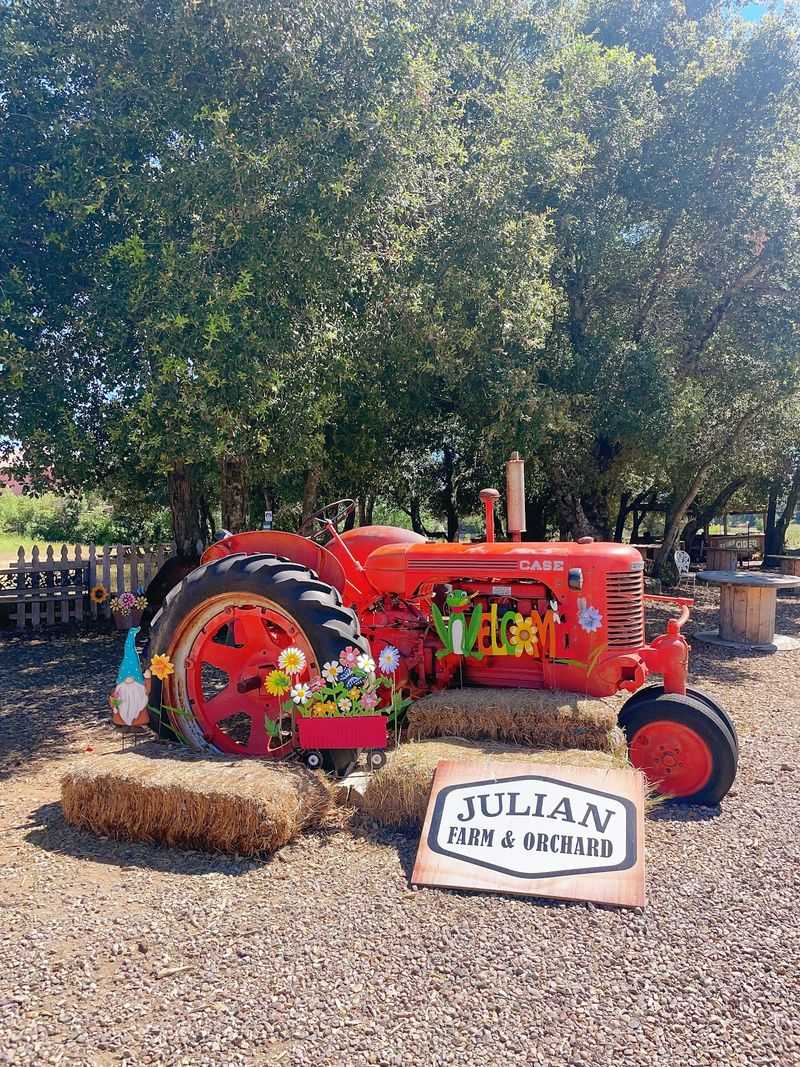
Not every season goes to plan. Julian Farm and Orchard opened its fall season on September 4, but the early-ripening apples that normally fill September simply did not produce a crop this year.
As a result, u-pick apples are expected to begin in early to mid October instead. Anyone driving up specifically for fruit should check the farm updates first.
Crop failures happen, and a phone call can save a long drive.
Picking here happens only through reserved Apple Tours, which last about 30 to 45 minutes. A guide walks guests out to trees that are actually ripe and explains how the orchard is managed along the way.
Reservations are required for the tours, and it helps to know that a tour ticket does not include general admission or the farm’s other attractions. Budget for both if you want the full visit.
The educational angle makes this one a favorite for school-age kids. Learning why one apple is ready while its neighbor is not sticks with children longer than simply yanking fruit off a branch.
Julian itself is worth the extra hour. The old mining town is packed with bakeries, and a slice of apple pie after a tour is practically a local tradition.
Cider donuts hold up well after a morning outdoors too.
Weekend tour slots book up fastest during October, so a weekday reservation is the low-stress choice. Arrive early to find parking.
8. Gizdich Ranch, Watsonville
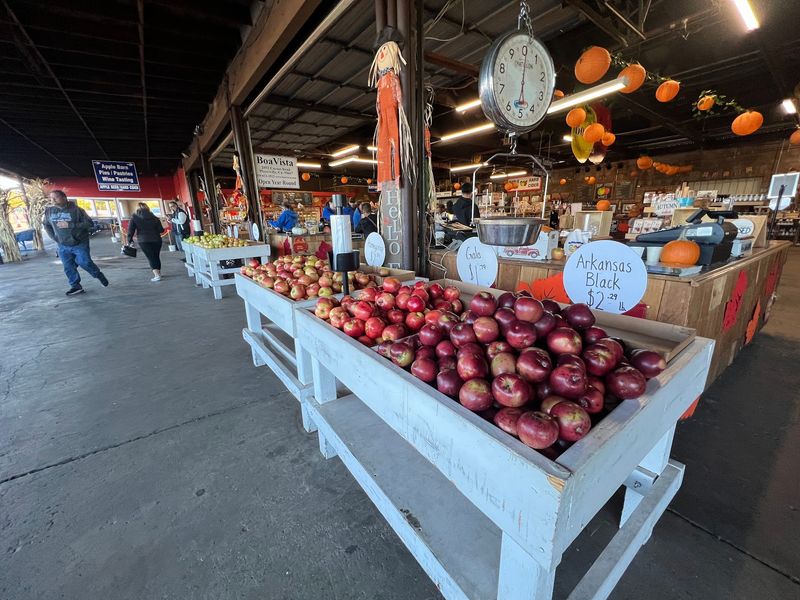
Ask people around Watsonville about Gizdich Ranch and the conversation usually swings to pie before it ever reaches apples. The pie shop is legendary, and the u-pick rows are the reason it exists.
Picking opens on September 12 for 2026, running weekends from 9 a.m. to 5 p.m. Weekend-only hours mean the trees get a break during the week, and pickers benefit from fuller branches.
Four varieties keep things straightforward: Red Delicious, Golden Delicious, Pippin, and Fuji. Pippins are the bakers’ pick, holding their shape and tartness when heat hits them.
One detail catches visitors off guard. The u-pick areas take credit or debit cards only, so leaving your wallet in the car and grabbing cash instead will not help you here.
The Pajaro Valley climate does apples a favor. Cool coastal air slows ripening, which builds sugar and keeps the fruit crisp instead of mealy.
Watsonville has been growing apples since the 1800s.
Come hungry. Ordering a slice of olallieberry or apple pie after picking is basically part of the ritual, and the fresh-pressed juice is worth a cup as well.
Nine in the morning is the sweet spot. Fog usually lingers, temperatures stay comfortable, and the rows are still full before midday families arrive.
Bring a box or reusable bag, wear shoes that handle soft ground, and give yourself time to wander. The ranch has stayed in one family for generations, and it feels like it.
9. Chileno Valley Ranch, Petaluma
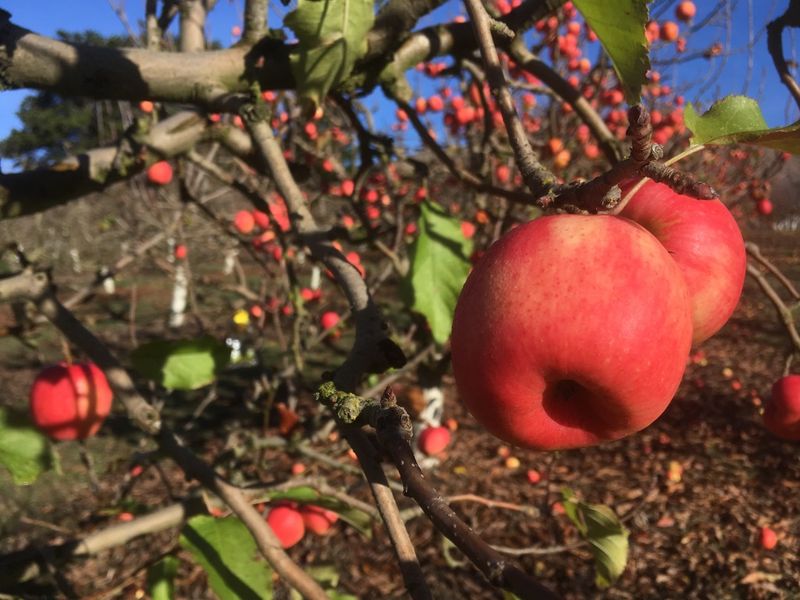
Sunday mornings only, four hours at a time, and reservations required.
Chileno Valley Ranch near Petaluma runs one of the more tightly scheduled u-pick operations in the state, and the 2026 season opens on September 13.
Picking hours are 9 a.m. to 1 p.m. on Sundays throughout September and October. New reservation slots open roughly two weeks ahead, so setting a reminder matters.
Costs stay reasonable. Admission is $10 per family and apples are $2 per pound, which is friendly compared with grocery store organic pricing.
Payment is simple and the weigh-out goes quickly.
The variety list is where things get interesting. Orin, Pinova, Candy Crisp, and Jonagold all appear, and the ranch grows more than twenty types across the season.
Tasting a Pinova next to a Jonagold is a quick lesson in how different two apples can be.
Fair warning: the crop is smaller this year, so selection may be thinner than usual and slots could disappear faster. Flexibility about which apple you take home helps.
No animals are allowed on the property, which is worth repeating for anyone who normally brings a dog along on country drives.
The setting alone justifies the trip. Rolling West Marin hills, old dairy land, and quiet back roads make the drive feel like a small vacation.
Pack layers, since foggy mornings turn bright by noon, and keep a cooler in the car.
10. Clearview Orchards, Watsonville
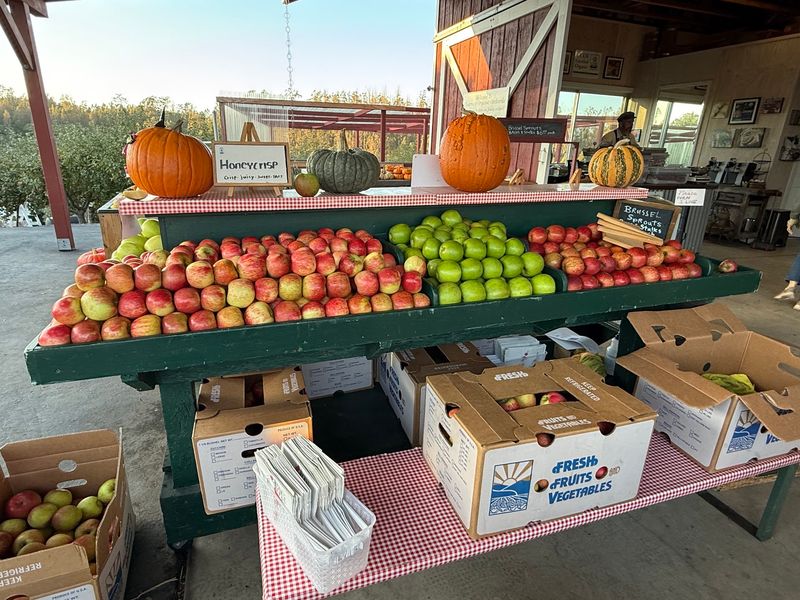
Seven dollars, one vehicle, up to seven people. Clearview Orchards in Watsonville keeps its ticketing refreshingly simple, and the 2026 picking season gets rolling in mid September.
Few orchards make the math that easy.
Weekend picking continues into late October, with hours from 10 a.m. to 3 p.m. Reservations are handled through the orchard website and are required before you show up.
The trees are organic, and four varieties carry the season: Fuji, Gala, Honeycrisp, and Mutsu. Honeycrisp fans already know the appeal, but Mutsu is the sleeper favorite, huge and honey-sweet.
That carload pricing is a real bargain for big families or two households traveling together. Split the ticket, share a car, and the whole outing costs less than a couple of movie tickets.
Because slots are limited, popular October weekends sell out well before the day arrives. Booking two or three weeks ahead is the safest approach, and weekday visits are not offered, which makes planning even more important.
Watsonville sits close enough to the coast that a picking morning pairs naturally with an afternoon at the beach or a short drive over to Santa Cruz.
Practical notes: the ground can be uneven, so strollers struggle in places and a baby carrier works better. Bring bags, a hat, and water.
Late-season Fujis and Mutsus store for weeks in a cool garage or fridge drawer, so picking heavy is no mistake.