These 9 Pennsylvania Towns Have Lower Housing Costs That Could Help Social Security Stretch Further
Retirement math gets easier when housing costs leave more room for everything else.
Pennsylvania has smaller towns where home values remain well below the statewide average, often alongside parks, local shops, river scenery, and everyday amenities.
The useful question goes beyond the mortgage.
Groceries, health care, transportation, hobbies, and everyday services all decide how far a fixed income can really stretch.
More breathing room matters!
Historic streets may appeal in one community, while scenery or proximity to a larger city wins elsewhere. The goal is finding the balance that feels livable long term.
A cheap house catches attention. A town that keeps the rest of retirement manageable is the much better find.
1. New Castle, Lawrence County
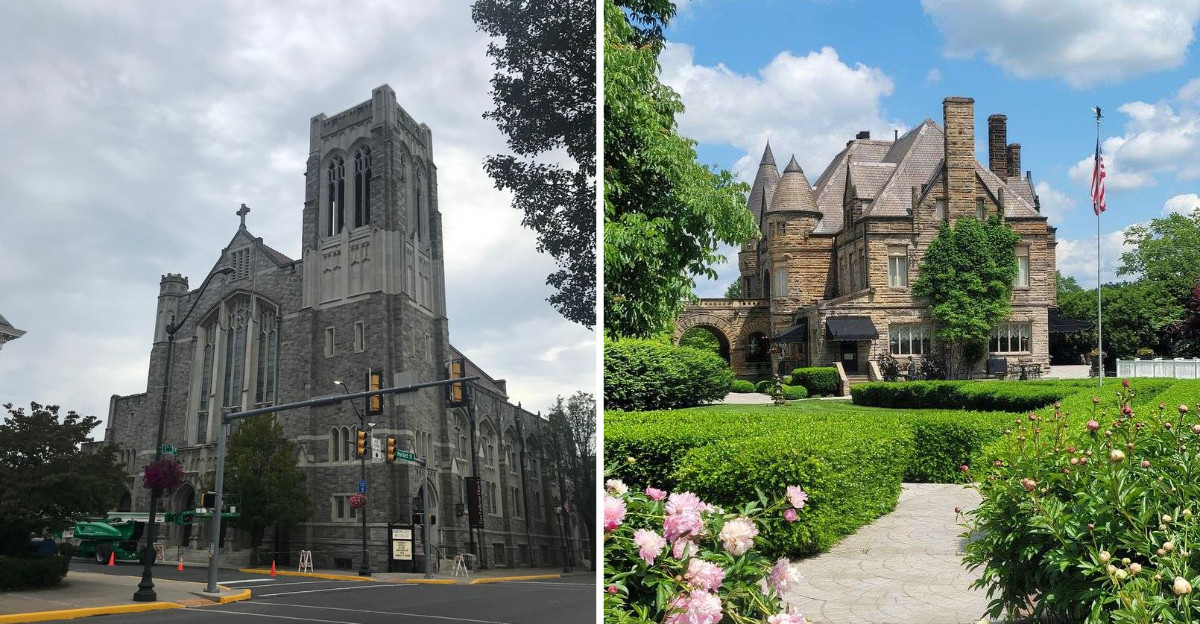
Have you given any thought to a town where history sits on every block? Brick facades from the early 1900s still line the sidewalks here.
New Castle, tucked into Lawrence County, keeps its architectural past in remarkably good shape. Ornate cornices and old bank buildings give the streets real personality. Walking the downtown loop takes an easy afternoon.
The arts scene punches above its weight for a town this size. Galleries showcase regional painters and craftspeople throughout the year. Seasonal community events fill the calendar with music and food.
Green space is never far away, which retirees appreciate. Nearby parks work well for morning walks or quiet reading. Rolling farmland surrounds the edges of town.
Fun fact: New Castle once called itself the fireworks capital of America. Two long running pyrotechnic companies built that reputation decades ago.
Housing remains relatively inexpensive by Pennsylvania standards, with New Castle’s typical home value around $153,221 and average asking rent around $949 as of July 2026. Property taxes vary by individual property and taxing district.
Neighbors tend to actually know each other on these streets. Small restaurants and locally owned businesses remain part of New Castle’s commercial mix, but individual dining and household costs vary.
Slower mornings and steady community rhythms define life here. New Castle rewards anyone who wants comfort without financial strain.
2. Johnstown, Cambria County
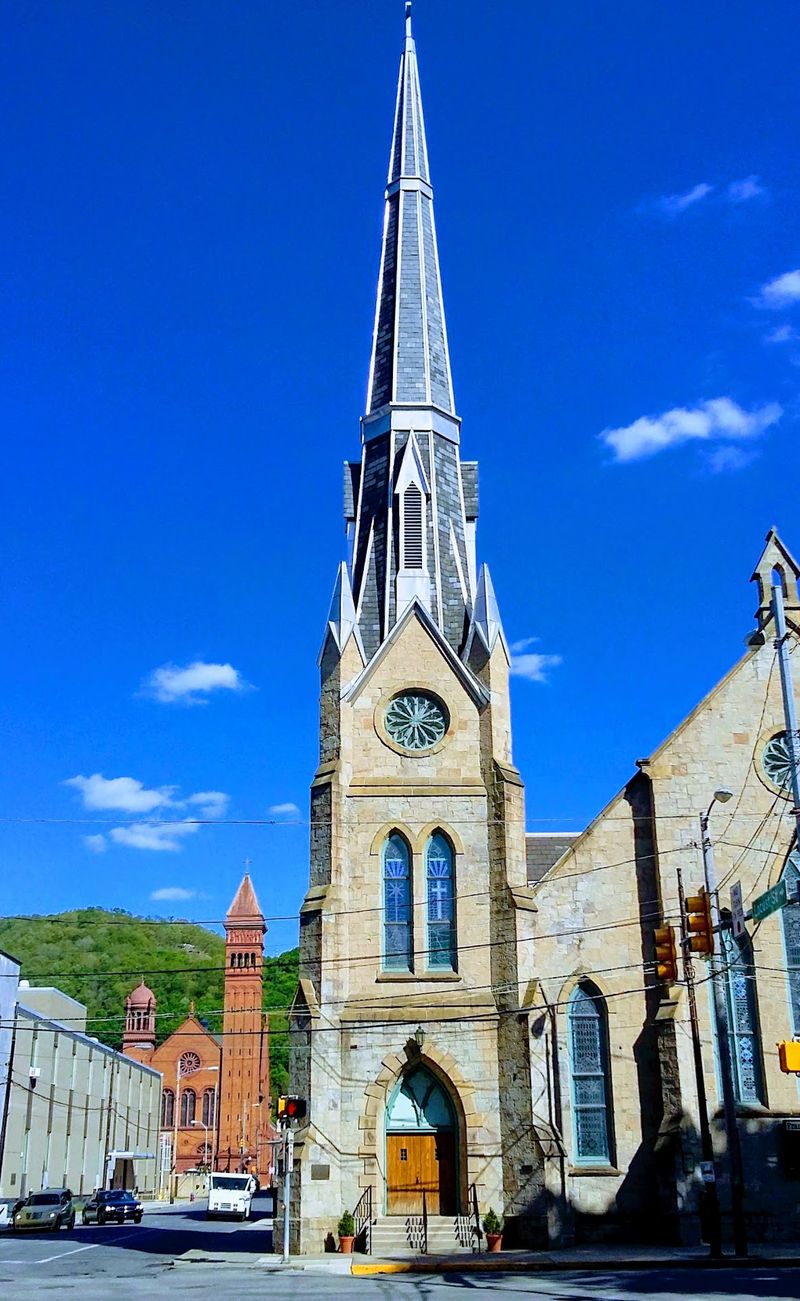
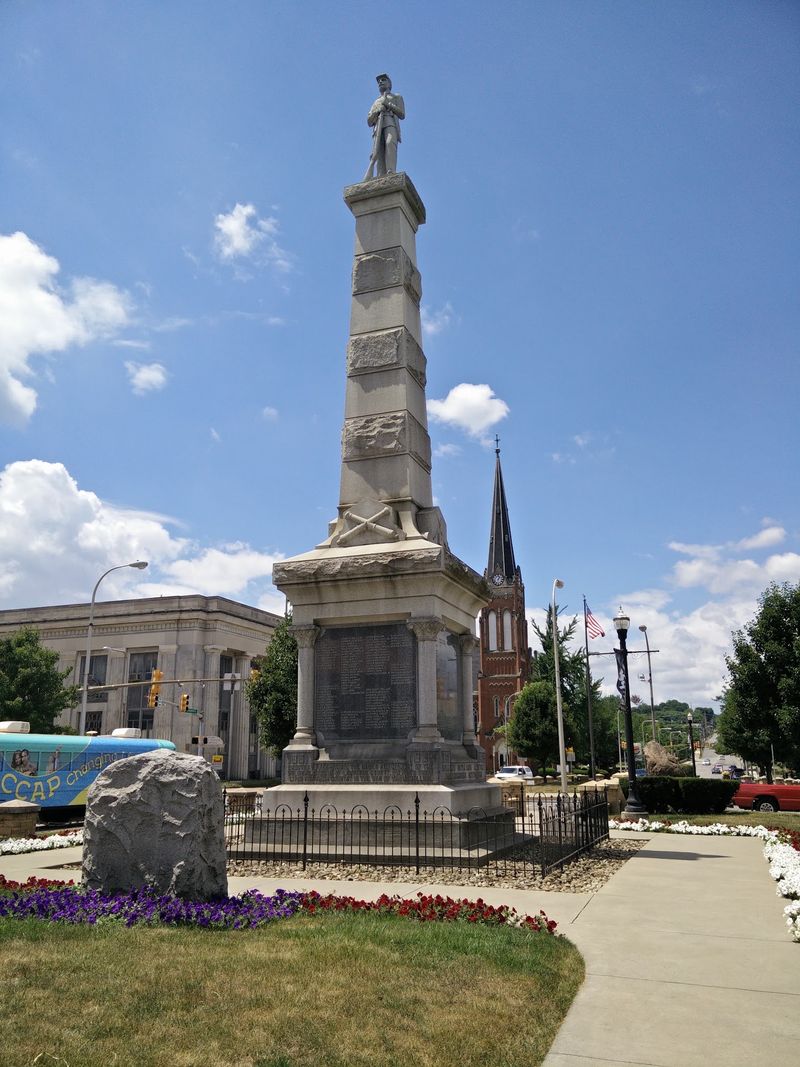
Let’s be real for a second, few towns carry a story this powerful. Resilience is practically built into the street grid.
Johnstown sits deep in Cambria County, cradled by the Allegheny Mountains. The 1889 flood reshaped the city and its identity forever. Today the Johnstown Flood National Memorial preserves that chapter with care.
The Johnstown Inclined Plane reopened on September 4, 2026 after a lengthy rehabilitation project. Known as the world’s steepest vehicular inclined plane, it once again carries visitors to sweeping views above the city.
Mountain terrain surrounds the city on all sides. Hiking trails, trout streams, and scenic drives fill weekends easily. Autumn color here turns the hillsides gold and rust.
Culture holds its own too, with museums and a performing arts center downtown. Local heritage festivals draw steady crowds each year.
Housing is exceptionally inexpensive by current Pennsylvania standards, with a typical home value around $92,811 and average rent around $861 in July 2026. Utility and grocery costs should be evaluated separately.
The downtown core mixes independent shops with longtime family businesses. Coffee, hardware, and haircuts all sit within a short walk.
History runs deep, mountains stand tall, and budgets breathe easier. Johnstown makes a compelling case for anyone rethinking retirement geography.
3. Uniontown, Fayette County
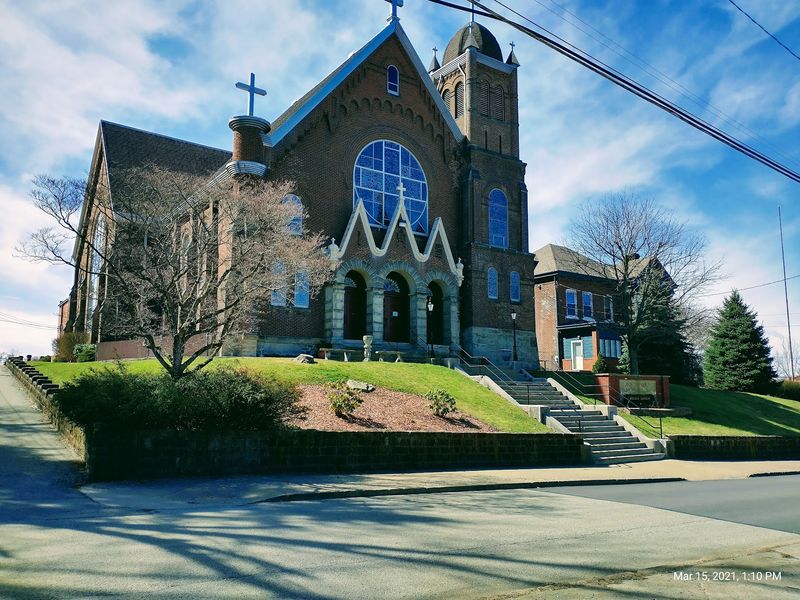
You could have knocked me over with a feather learning how much history fits here. Westward expansion practically ran through the front door.
Uniontown serves as the county seat of Fayette County. The old National Road passed straight through, making it a key stop for travelers heading west. Grand courthouse architecture still reflects that prosperous era.
Laurel Highlands scenery surrounds the area with ridges and forests. State parks nearby deliver hiking, biking, and waterfalls. Ohiopyle whitewater sits a short drive east.
Architecture fans have another reason to stay. Fallingwater, the Frank Lloyd Wright masterpiece, is close enough for a morning outing.
Downtown Uniontown’s Historic District includes notable architecture and landmarks along the Historic National Road, making the area suitable for a self-guided stroll.
Affordability is a major part of Uniontown’s appeal. Its typical home value was around $161,585 and average rent about $944 in July 2026, both well below broader national housing benchmarks.
Downtown holds casual eateries, bakeries, and small independent shops. You can run errands without needing the highway.
The surrounding Laurel Highlands provide access to hiking, biking, waterfalls, Ohiopyle State Park, and other outdoor destinations.
Mountains, monuments, and manageable budgets share the same zip code. Uniontown suits retirees who want scenery and stories in equal measure.
4. Shamokin, Northumberland County
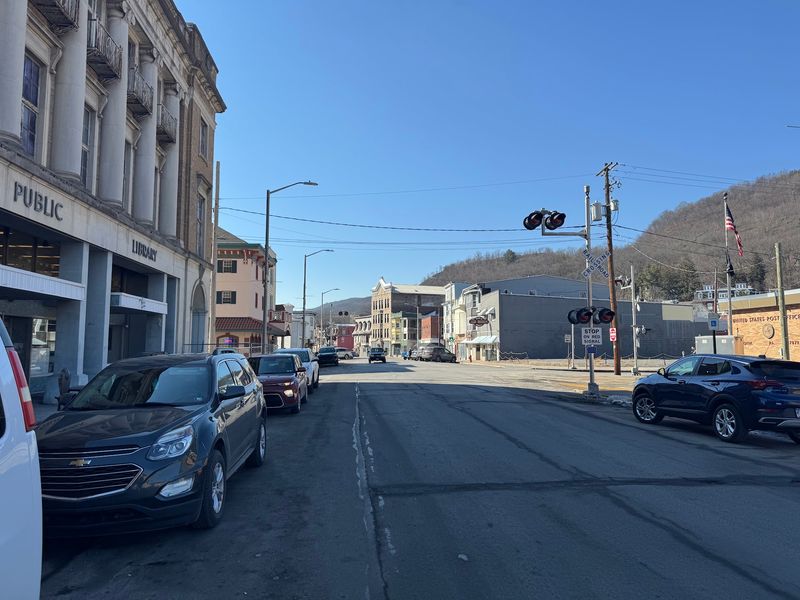
My jaw dropped at the contrast between industrial grit and forested hills. Coal country hides serious beauty.
Shamokin sits in Northumberland County, deep in Pennsylvania’s anthracite region. Mining shaped everything from the street layout to the church steeples. Row homes climb the hillsides in tight, tidy lines.
Surrounding mountains and woodlands soften the landscape considerably. Outdoor options around Shamokin include nearby mountain trails and the Anthracite Outdoor Adventure Area, which has transformed former coal lands into recreational terrain.
Here is a detail worth knowing. The region’s anthracite coal once heated much of the eastern United States, and Shamokin was a major supplier.
Local pride runs strong among longtime families. Parish festivals and fire company events pull everyone together.
Housing is exceptionally inexpensive here. Shamokin’s median home sale price was about $48,476 in July 2026, while its median listing price was around $91,200.
Downtown Shamokin includes locally owned shops, restaurants, services, and other businesses along its commercial streets.
Shamokin offers a compact small-city setting surrounded by the wooded ridges of Pennsylvania’s anthracite region.
Rugged history and green ridges share the same valley. Shamokin appeals to anyone who values authenticity over polish and wants a budget that finally relaxes.
5. Greenville, Mercer County
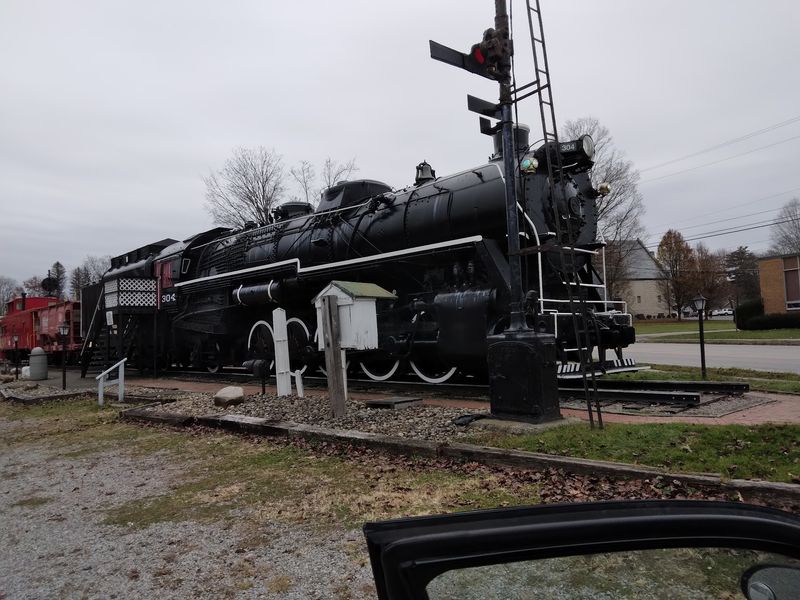
Are you seeing what I’m seeing along this quiet stretch of water? Riverside living rarely comes this affordable.
Greenville sits along the Shenango River, where Riverside Park serves as a current access point for the Shenango River Water Trail.
Thiel College brings lectures, concerts, and student energy into town. Retirees often attend campus events at little cost.
The Greenville Canal Museum at historic Lock 22 displays canal artifacts and a replica of the Rufus S. Reed, a typical canal boat from the area’s canal era.
The town center holds antique shops, bakeries, and friendly counter service. Errands turn into conversations more often than not.
Greenville’s typical home value was about $149,480 in July 2026, well below Pennsylvania’s statewide average. Other monthly expenses vary by household.
Parks are well kept and easy to reach on foot. Benches, shade trees, and walking loops encourage daily movement.
Seasonal events, college programming, and Greenville’s annual Heritage Days add community activities throughout the year.
Winters bring lake effect snow, so a good shovel earns its keep. Spring arrives with river mist and blooming banks.
Calm water, college culture, and gentle costs blend nicely. Greenville deserves a serious look from anyone planning retirement carefully.
6. Duquesne, Allegheny County
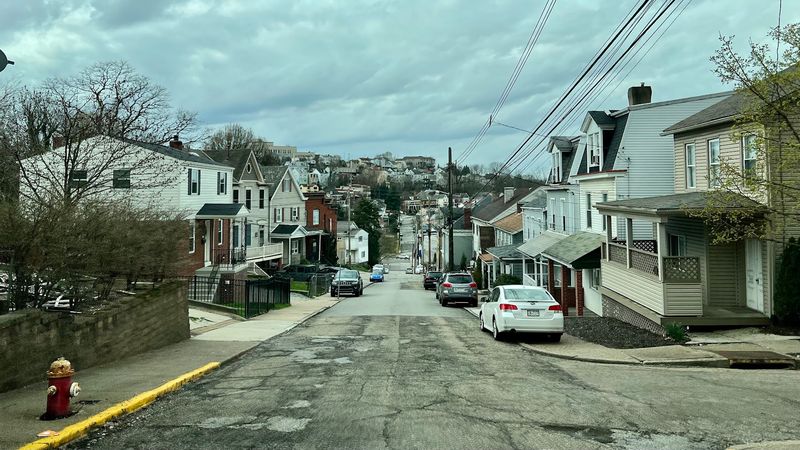
I underestimated this riverside borough completely. Proximity to a major city usually costs a fortune.
Duquesne occupies a hillside stretch of Allegheny County along the Monongahela River. Steel production once defined the entire waterfront here. Massive mills employed thousands during the industry’s peak.
Duquesne sits about 12 miles southeast of Downtown Pittsburgh, with road and public-transit connections providing access to the city’s major attractions and medical centers.
Revitalization projects continue reshaping the former industrial land. New commerce and community spaces are gradually taking root.
Housing costs here rank among the lowest in the entire Pittsburgh area. Retirees find real value in solid older homes. Monthly budgets loosen considerably compared to nearby suburbs.
Pittsburgh Regional Transit serves Duquesne through routes including the P7 and 61C, with the Duquesne Park and Ride offering regular connections toward Pittsburgh.
Neighborhood parks give residents room to walk and gather. River views appear between rooftops on the higher streets.
Local pride runs deep among longtime families. Community events celebrate the borough’s working heritage each year.
Duquesne’s strongest documented affordability advantage is housing, while grocery, service, transportation, and other household costs should be considered separately.
City access without city expenses is a rare combination. Duquesne quietly delivers exactly that for retirees watching every dollar.
7. Sunbury, Northumberland County
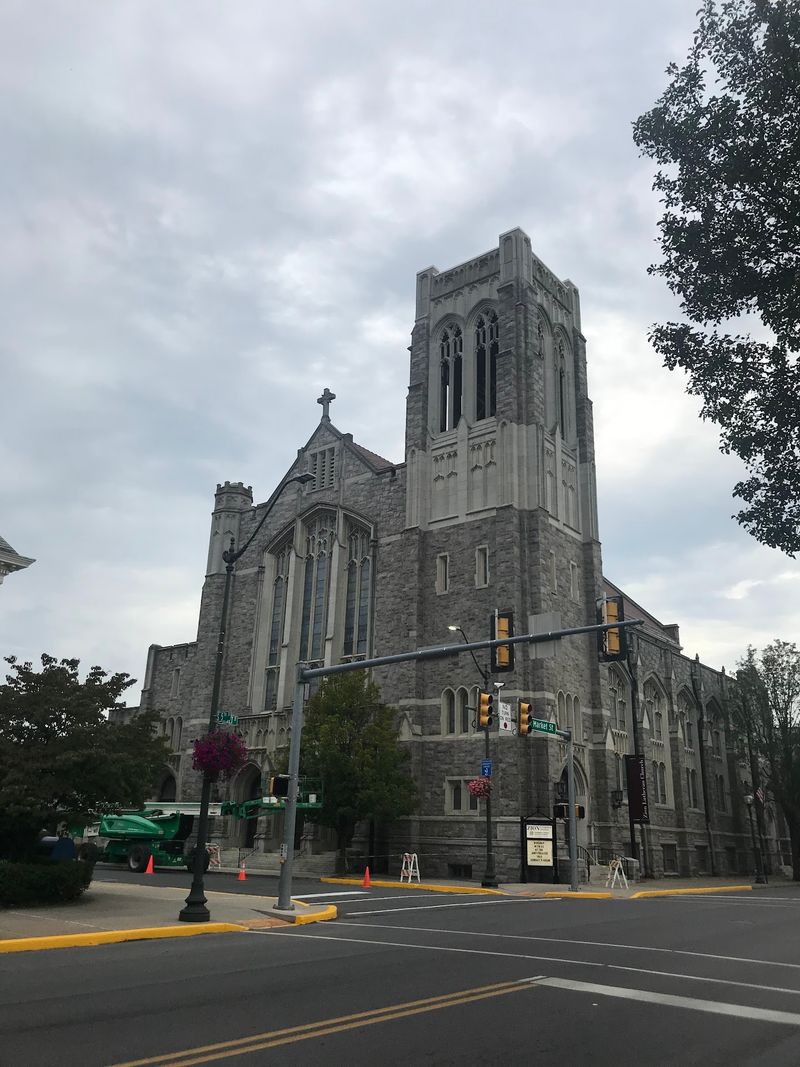
Wide water changes the whole mood of a morning.
Sunbury serves as the county seat of Northumberland County along the Susquehanna River. Settlement here dates back to colonial times, giving downtown genuine age. Old commercial blocks still show their original detailing.
Here is a bright piece of trivia. Thomas Edison installed one of his earliest three wire lighting systems in a hotel here during the 1880s.
The river dominates outdoor life. Boating, fishing, and shoreline walks fill the warmer months easily. An inflatable dam creates a broad lake each summer.
Shikellamy State Park overlook sits nearby at the meeting of two river branches. The panorama from the bluff is spectacular in October.
Housing is exceptionally inexpensive by regional and statewide standards, with Duquesne’s typical home value around $57,347 in July 2026.
Downtown Sunbury includes cafés, shops, the historic Market House, and the developing Albright Center for the Arts.
Sunbury maintains an active calendar of community events, local organizations, and riverfront activities throughout the year. Seasonal festivals bring the streets to life several times yearly.
Water views, deep roots, and modest costs make Sunbury a strong retirement contender worth exploring in person.
8. Ellwood City, Lawrence And Beaver Counties
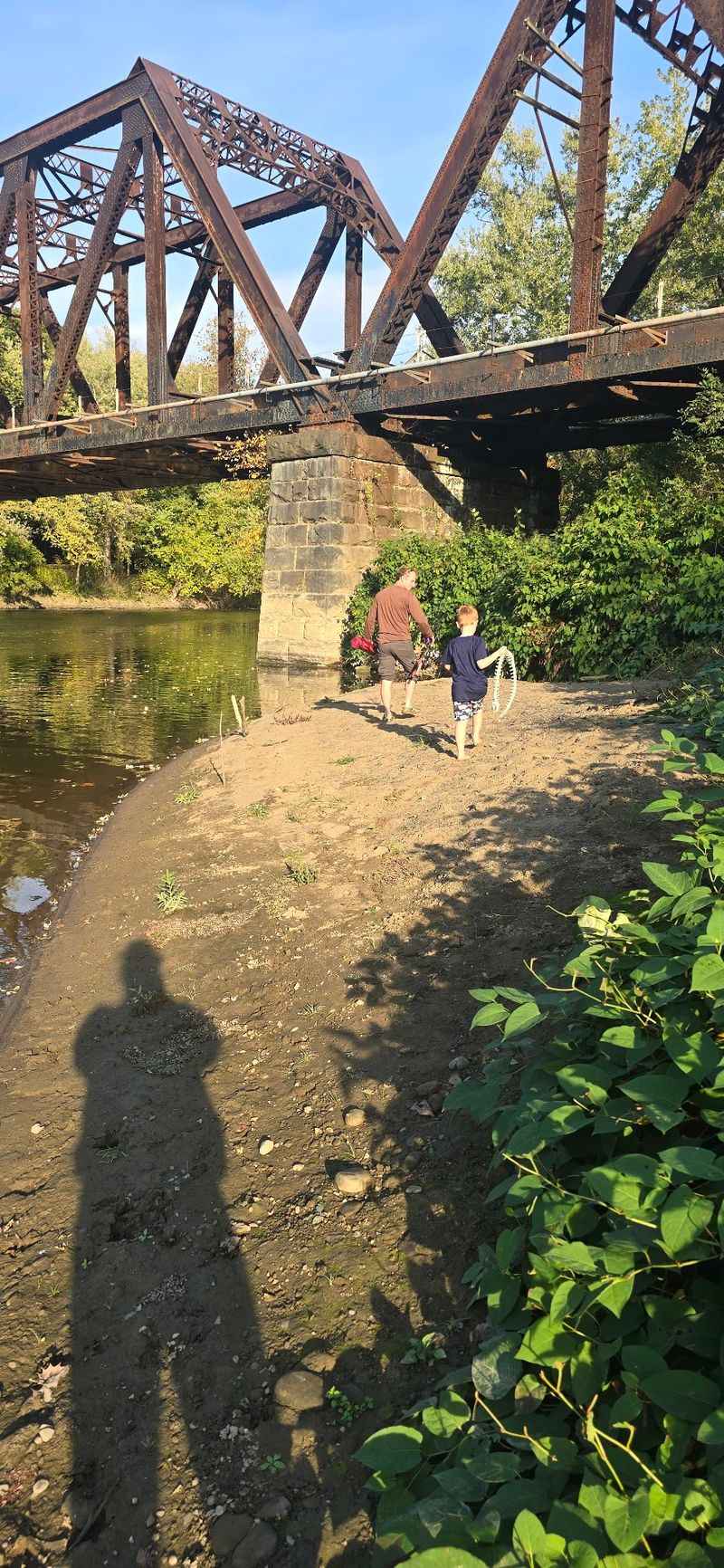
Small boroughs with good bones deserve more attention. This one straddles two counties at once.
Ellwood City spreads across parts of Lawrence and Beaver Counties in western Pennsylvania. That unusual split gives the borough a distinctive identity. Locals hardly notice the line.
Connoquenessing Creek winds through the landscape nearby. Anglers and picnickers claim the shaded banks in summer.
The downtown corridor holds bakeries, hardware stores, and family run counters. Hanging flower baskets brighten the sidewalks during warm months.
Community events anchor the yearly calendar, including the large Arts, Crafts and Food Festival over Fourth of July weekend, a Storytelling Festival in September, and Oktoberfest in October.
Parks throughout the borough stay well maintained. Walking paths, ball fields, and playgrounds get steady use.
Housing remains relatively inexpensive, with Ellwood City’s typical home value around $159,536 in July 2026. Property taxes should be checked for the individual property rather than described broadly as manageable.
A local historical society preserves records and photographs from the borough’s early industrial days. Volunteers gladly share stories with newcomers.
Pittsburgh is reachable for occasional bigger outings. Daily life, though, rarely requires leaving town.
The borough maintains an active community calendar with parks, seasonal markets, concerts, festivals, and civic events.
Ellwood City closes this list with charm, practicality, and a budget that finally cooperates.
9. Sharon, Mercer County
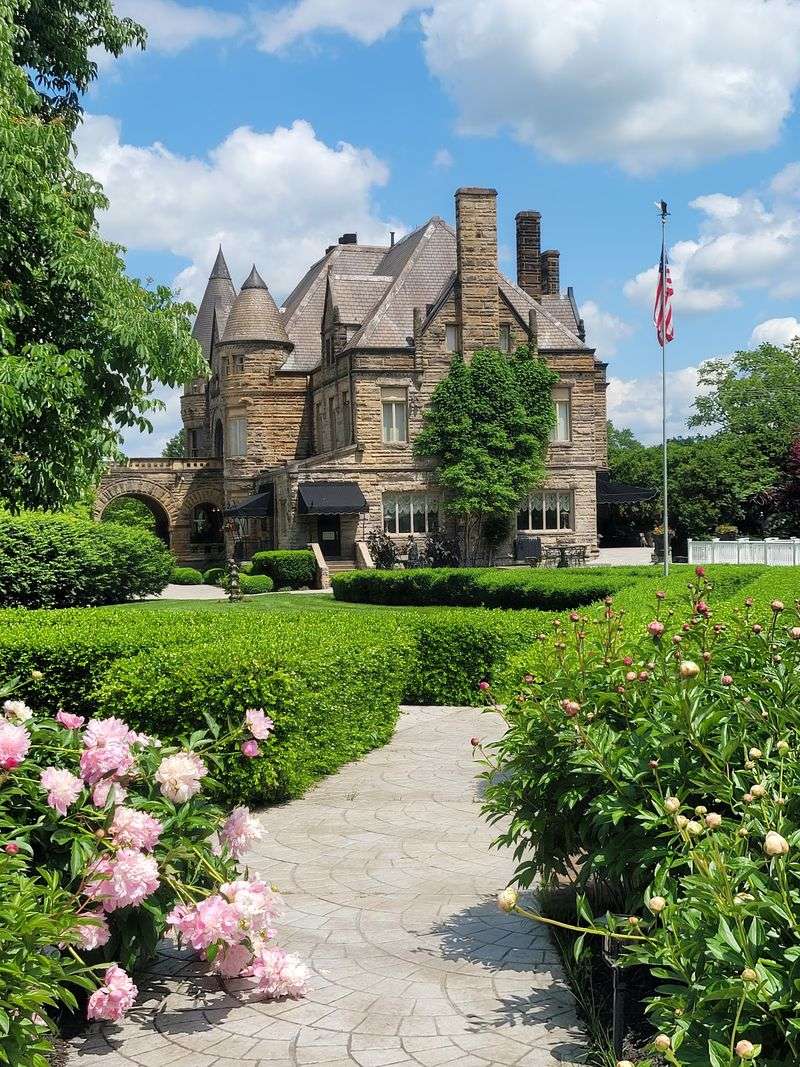
I had to do a double-take at the murals painted across these downtown walls. Art turns ordinary brick into something memorable.
Sharon anchors the western edge of Mercer County near the Ohio line. Artists have transformed building sides into an open air gallery. Wandering the blocks feels like a treasure hunt.
The Shenango River curves gracefully through town. Anglers cast from the banks on quiet mornings. Riverside parks give retirees easy access to shade and benches.
Sharon is famous for oversized retail landmarks and a beloved chocolate shop. Sweet tooths make special trips just for the candy counters.
Community festivals keep the social calendar full through warmer months. Music, crafts, and food vendors take over the main streets.
Now the practical part: housing remains unusually inexpensive, with Sharon’s typical home value around $73,611 as of July 2026. Rent and individual housing expenses still vary by property.
Sharon combines relatively low housing costs with local shops, restaurants, and services, though day-to-day prices vary and should not be assumed lower across every category.
Neighbors greet each other on sidewalks without hesitation. That warmth matters when you are settling into a new chapter.
Creative energy, gentle prices, and river views make an appealing combination. Sharon proves small towns can still surprise you in the best way.