Few People Know About The Lost Treasure Hidden In This Kentucky River
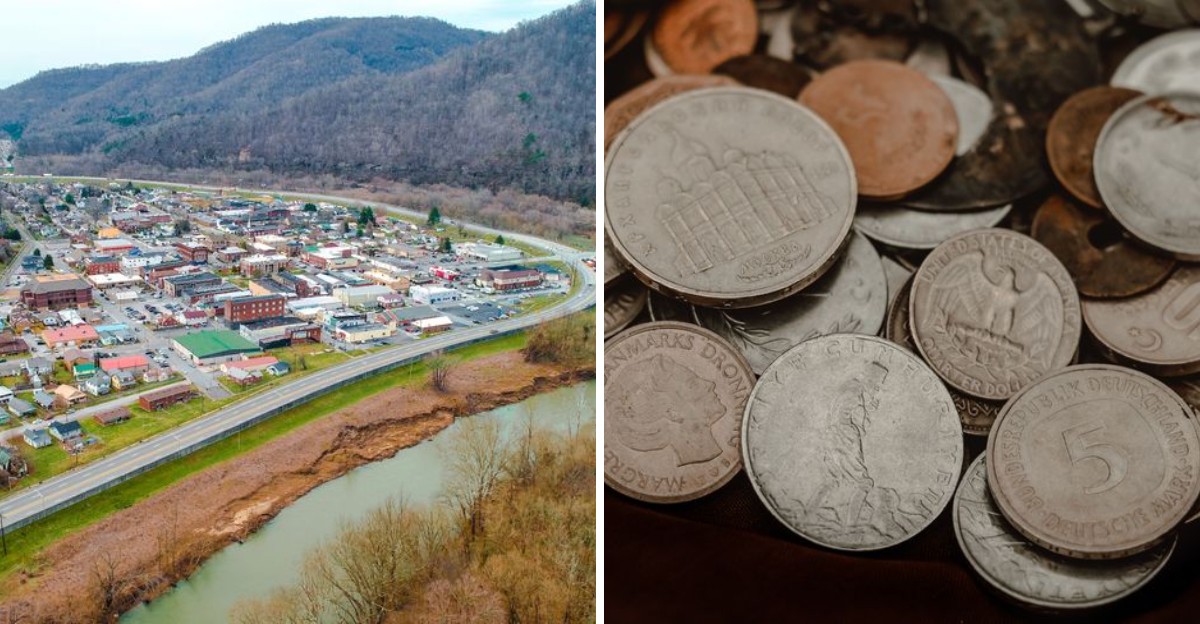
Some stories refuse to fade. This is one of them, and Kentucky has been repeating it for generations.
The short version involves a payload that went into the water and never came out. Bars of silver and gold are supposedly resting under the silt.
You should hold that story loosely. Nobody has produced a map, a receipt, or a single recovered bar.
Still, the legend has real staying power. It arrives with names, dates, and a specific stretch of water, which is more than most tall tales manage.
People have gone looking with metal detectors and a great deal of optimism. So far the river has kept its answer to itself.
Here is what makes this fun rather than frustrating. The story tells you something true about how Kentucky remembers its own past.
Read on for the version worth knowing, along with the parts that do not really hold up.
The Cumberland River Keeps A Very Old Secret
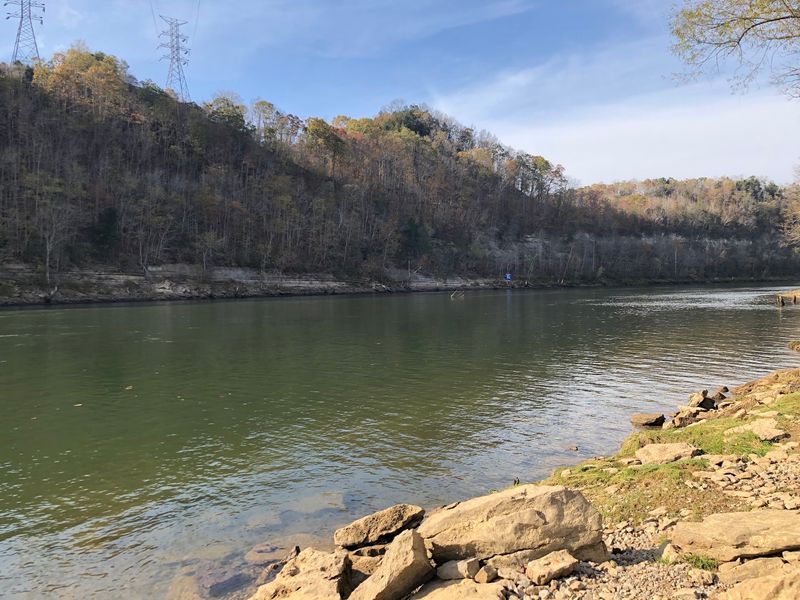
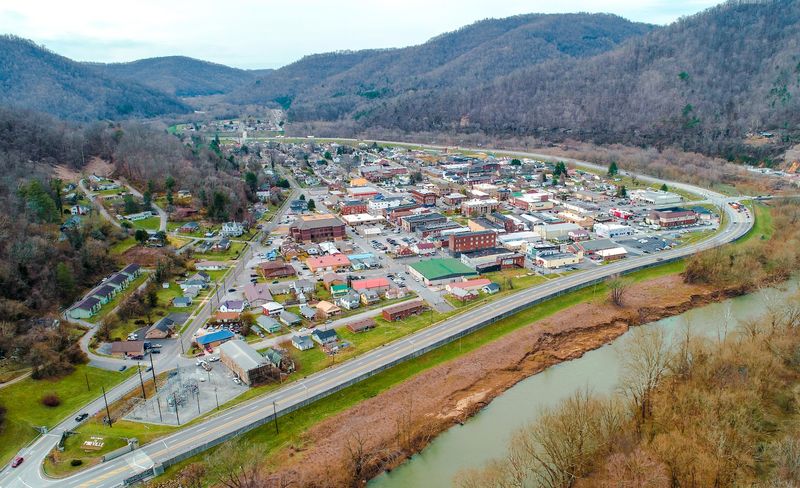
The Cumberland River near Pineville, Kentucky looks like a regular Appalachian waterway. Green hills, slow current, and fishermen who mind their own business.
Beneath that ordinary surface, legend says a Civil War fortune rests in the mud. The story involves gold and silver bars, not coins scattered in a chest.
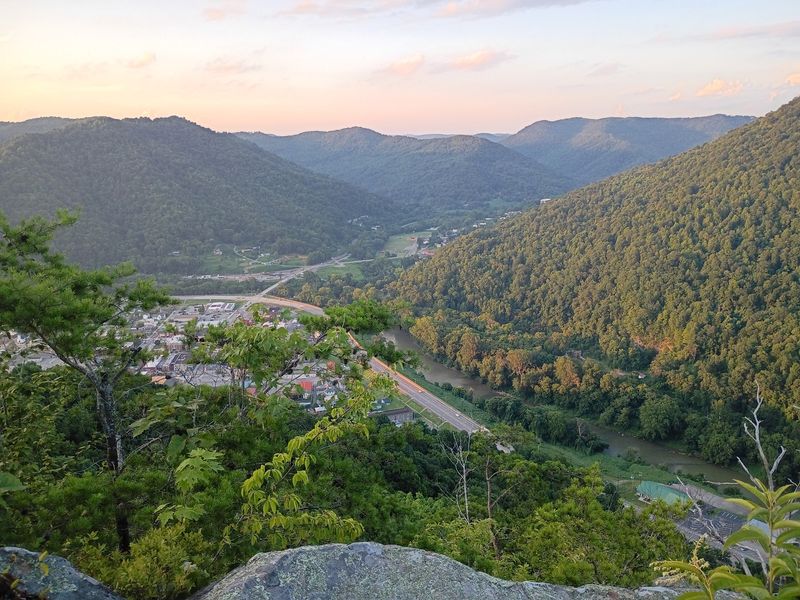
Pineville sits in Bell County, wedged between mountains and water. The river bends through the Cumberland Gap region, an area soaked in history.
Both armies moved through these hills during the 1860s. Roads were rough, bridges were few, and rivers made excellent hiding places.
You can stand on the bank today and see nothing unusual. That is exactly why the tale has survived so long.
Locals have passed the story down for generations without much fuss. It is treated less like a wild rumor and more like neighborhood history.
The water here is not a gentle creek you can wade across. It runs deep enough in places to swallow heavy cargo instantly.
That combination of depth and silence makes the legend believable. Something dropped here would stay lost for a very long time.
Curiosity is free, and the view alone rewards the drive. Treasure or not, the river earns its reputation.
A Union Paymaster In A Very Tight Spot
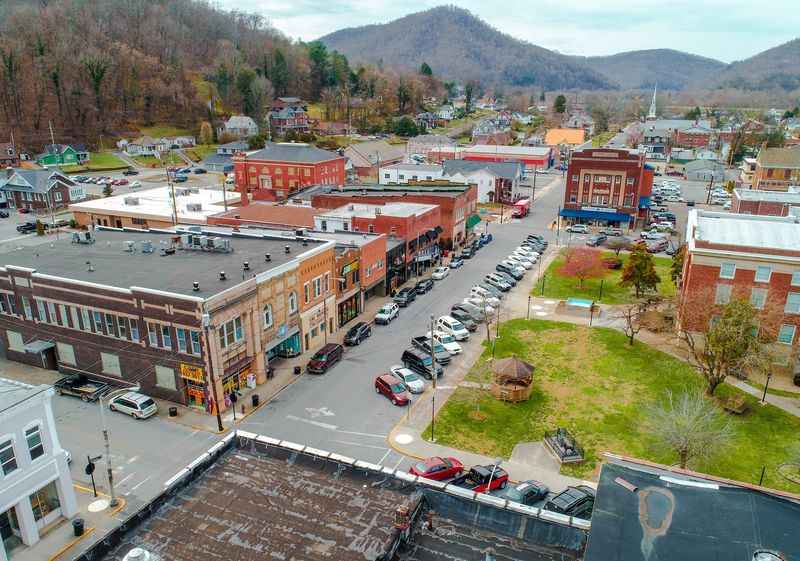
Picture a man responsible for an army’s payroll with enemy riders closing in. That is where the legend begins.
According to the story, a Union paymaster was moving a fortune through southeastern Kentucky. Confederate troops were reportedly on his trail.
Payroll duty sounds boring until you realize what it meant back then. Soldiers needed cash, and the money traveled by wagon over terrible roads.
Mountain routes near Pineville offered few escape options. Steep ridges on one side, deep water on the other.
He had two choices, and neither was comfortable. Surrender the money, or make sure nobody could use it.
Captured payroll would have funded supplies, horses, and gear for the opposing side. The stakes were far bigger than one wagon.
Historians note that payroll transports were prime targets during the conflict. Wagons full of precious metal attracted attention everywhere they went.
The pressure of that moment is what makes the tale stick. It is a decision made in minutes, not months.
Whether the details are exact or polished by retelling, the situation was realistic. Kentucky saw constant movement and constant risk.
Next time you cross the river, imagine that wagon rattling toward the bank. The story suddenly feels close.
Three Million Dollars Goes Straight Into The Water
Instead of handing over the payroll, the paymaster reportedly dumped it. Straight into the Cumberland River.
The legend puts the amount at roughly three million dollars in gold and silver bars. That was an enormous sum in the 1860s.
Metal bars sink fast and land hard. There would have been no floating clue, no trail, no marker on the surface.
Within seconds, an army payroll became a riverbed mystery. The pursuing soldiers got nothing.
Strategically, the move made sense even if it hurt. Denying resources to the other side was standard practice in wartime.
Supplies won campaigns more often than dramatic charges did. Money bought food, boots, and ammunition.
The exact drop point has never been confirmed publicly. Some accounts place it near a bend close to Pineville.
Rivers change course over decades, which complicates everything. A bank from 1863 may sit far from today’s waterline.
That uncertainty is why the treasure remains a legend instead of a museum exhibit. Nobody has produced a map.
Still, the image sticks with you. Bars of silver tumbling through brown water, gone in an instant.
It is the kind of story small towns protect and repeat proudly.
Today That Fortune Would Be Worth Over $72 Million

Three million sounded huge in the 1860s. Adjusted for modern value, the number gets ridiculous.
Estimates place the treasure at more than 72 million dollars today. That is enough to make anyone stare at a river differently.
Precious metal pricing explains part of the jump. Gold and silver have climbed steadily over the last century and a half.
Historical bars would also carry collector value beyond their weight. Civil War provenance adds serious interest.
Think about what that figure represents in real terms. Schools, bridges, or a very comfortable retirement for a lucky finder.
Kentucky law and federal rules would complicate any recovery, of course. Sunken property claims rarely stay simple.
The dollar figure is also what keeps the legend alive online. Big numbers travel fast and get repeated often.
Treat the estimate as a legend-based figure rather than a verified appraisal. No official inventory of the load exists.
Still, even a fraction of that total would be remarkable. A single silver bar would make headlines.
That possibility is what pulls hobbyists toward Bell County. Hope is a powerful motivator.
You do not need a shovel to enjoy the daydream, though.
In 1920, A Fisherman Reeled In Something Strange
Every good legend needs one moment that makes people pause.
According to later retellings, a fisherman found several silver bars in the river around 1920, giving the legend another detail for believers to point to.
Word spread through the region quickly. Interest in the river spiked among curious locals.
Details of the find are thin, as is common with century-old accounts. Records from small towns often stayed informal.
What survived is the story itself, repeated by families for generations. That persistence counts for something.
The location of those bars today is unclear. They may have been sold, melted, or quietly kept.
Skeptics point out that a single discovery proves little on its own. Supporters argue silver bars do not appear in rivers by accident.
Either way, 1920 gave the legend real staying power. Without it, the tale might have faded.
You will still hear the fisherman story around Pineville. It is the anchor of the entire mystery.
Sometimes one lucky cast changes a town’s folklore forever.
Silt, Depth, And 160 Years Of Stubborn Mud
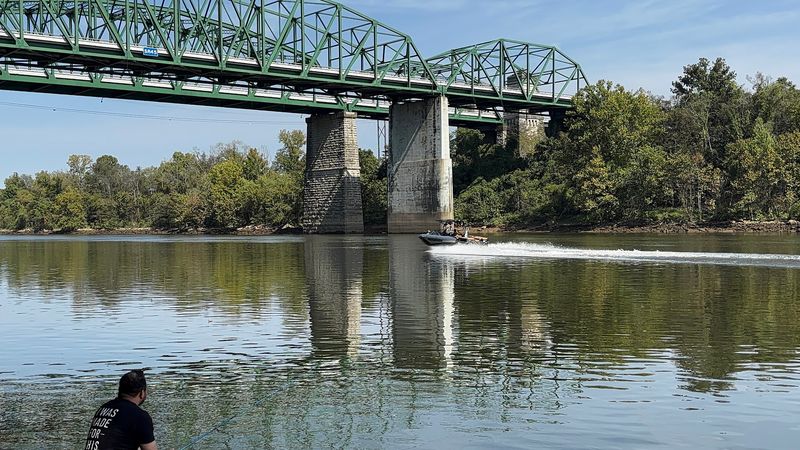
Rivers are excellent at hiding things. The Cumberland has had over 160 years of practice.
Sediment settles constantly, layer after layer. Anything heavy sinks and then gets buried deeper each year.
The river runs deep enough for shipping barges along stretches of its course. That is not a shallow creek you can search on a weekend.
Visibility underwater is poor, and currents shift the bottom regularly. Searching would be slow and frustrating.
Modern tools help, but only so much. Metal detectors struggle through thick silt and moving water.
Sonar can map a riverbed, yet mud blocks small targets easily. Nature built a nearly perfect vault.
Flooding has reshaped these banks many times since the 1860s. Bars could have shifted downstream over decades.
Dam construction along the Cumberland system also changed water levels significantly. The river of today is not the river of then.
All of that makes recovery a genuine engineering problem. Enthusiasm alone will not cut it.
Still, the difficulty is part of the charm. Easy treasure would have vanished long ago.
The mud keeps the mystery honest.
What It Would Take To Find It

Weekend metal detecting will not solve this one. Recovery would demand a serious expedition.
Think survey boats, side-scan sonar, and divers trained for low visibility work. Plus permits and plenty of funding.
Any search would need to narrow the drop zone first. Historical records and old maps would be the starting point.
Guessing along miles of river wastes money fast. Precision matters more than enthusiasm here.
Property rights complicate matters too. Riverbeds often fall under state control, and landowners line both banks.
Permission is not optional, and trespassing helps nobody. Do your homework before touching anything.
Safety deserves equal attention. Barge traffic, strong current, and unpredictable depth make casual diving a bad idea.
Professional salvage crews exist for exactly these reasons. Experience beats improvisation every time.
Despite all that, the 72 million dollar figure keeps drawing dreamers. Interest resurfaces every few years.
No confirmed recovery has ever been announced. The river has kept its record clean.
Maybe that is the real appeal. An unsolved puzzle sitting in plain sight.
Why Pineville Is Worth The Drive Anyway
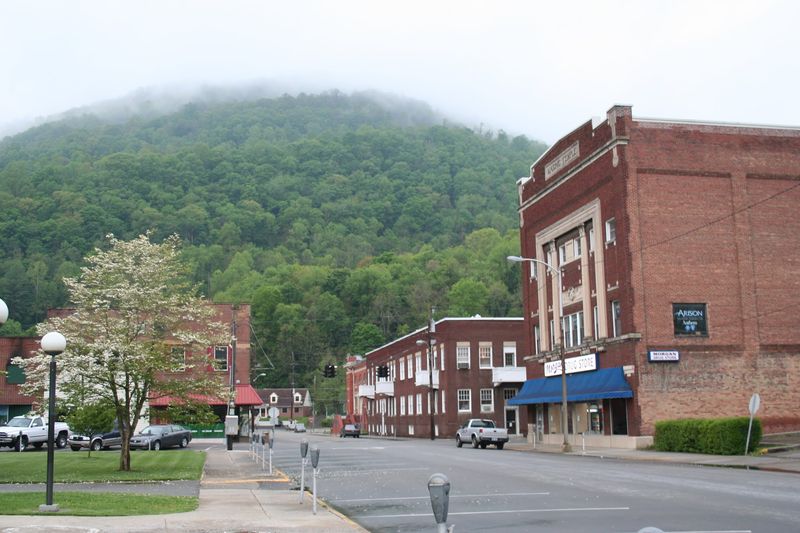
Pineville, Kentucky gives you plenty even without gold bars. The town sits in the Cumberland Gap region, surrounded by ridges and trails.
Pine Mountain State Resort Park is nearby, Kentucky’s first state park. Hiking, overlooks, and forest trails come standard.
Spring brings the Kentucky Mountain Laurel Festival, a tradition running since the 1930s. The town fills with visitors and music.
Fall colors across Bell County are genuinely impressive. The hills turn every shade of orange and red.
Downtown keeps a small, walkable scale with local shops and cafes. Nobody is rushing you along.
Chained Rock, a famous boulder above town, is an easy landmark hike. The view over the valley is the payoff.
History runs deep here beyond the treasure story. The Wilderness Road passed through this corridor centuries ago.
Anglers work the Cumberland regularly, treasure or not. Fishing here is a genuine local pastime.
Photographers love the river bends at golden hour. Mist over the water in early morning is common.
You came for a legend and leave with a favorite Kentucky town. Not a bad trade.
Bring good shoes, a camera, and a healthy sense of curiosity.