More Than 50 Vendors Fill This Connecticut Marketplace With Vintage Treasures
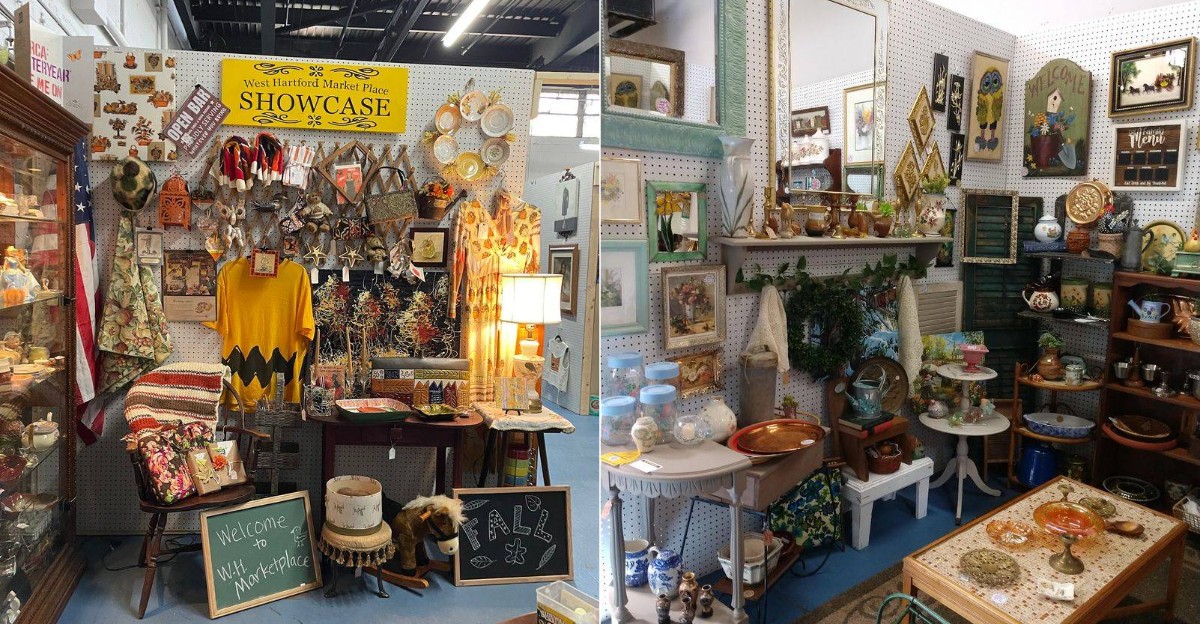
One vendor booth can keep a treasure hunter busy.
Now imagine more than 50 of them packed under the same roof, each with a completely different idea of what deserves a second life.
That is where browsing gets wonderfully unpredictable.
Inside this Connecticut marketplace, every turn can shift from vintage décor to clothing or some wonderfully odd object you never expected to want.
How are you supposed to rush through a place like that? You are not.
The real fun comes from wandering without a strict shopping list and letting the booths do the convincing.
A shelf might stop you first, then something across the aisle completely steals your attention.
Prices and styles change from vendor to vendor, so the whole space feels less like one store and more like dozens of tiny treasure hunts happening together.
Give yourself time. A quick look can become a long afternoon once curiosity starts choosing the route.
1. Treasure Hunting Takes Over This Indoor Marketplace
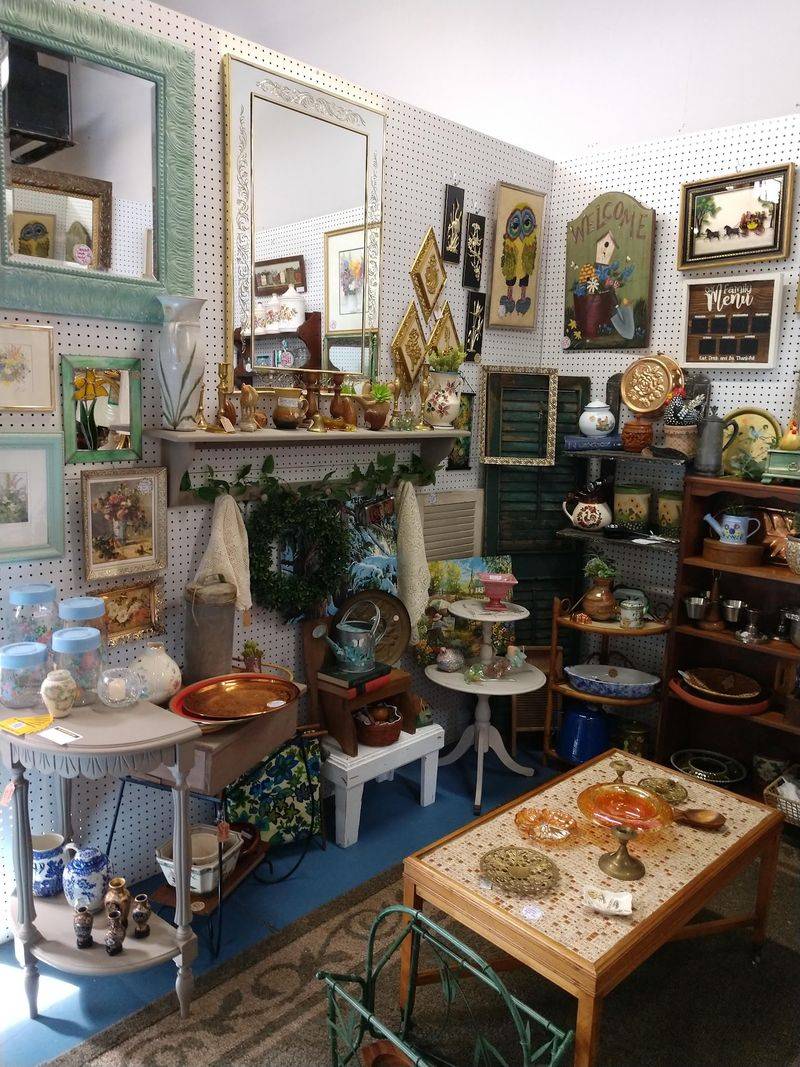
Time disappears quickly here. One display leads to another.
The fun comes from never knowing what will show up next.
Spread across an indoor multi-vendor marketplace in Connecticut, the selection changes from booth to booth as dozens of sellers bring their own style to the space.
WEHA Vintage & More Marketplace has more than 50 vendors offering vintage finds, antiques, clothing, furniture, books, toys, artwork, and home décor.
The bright indoor setup makes browsing easy, especially when you want a closer look at an old label or the details on a collectible. Individual booths are arranged separately, giving shoppers a clearer way to work through the marketplace without rushing.
Variety keeps the hunt interesting. Glassware might catch your eye in one section, while another booth brings vintage clothing or an unusual piece of furniture into the mix.
Books, jewelry, artwork, and nostalgic collectibles can turn up as well.
Current hours are Wednesday through Friday from 10 a.m. to 6 p.m. Saturday runs from 9 a.m. to 6 p.m., while Sunday hours are 10 a.m. to 4 p.m.
Monday and Tuesday are closed.
Coming without a strict shopping list works especially well. With so many independent vendors, the most memorable discovery may be something you never planned to buy.
2. An Easy-To-Miss Back Location Adds To The Hunt
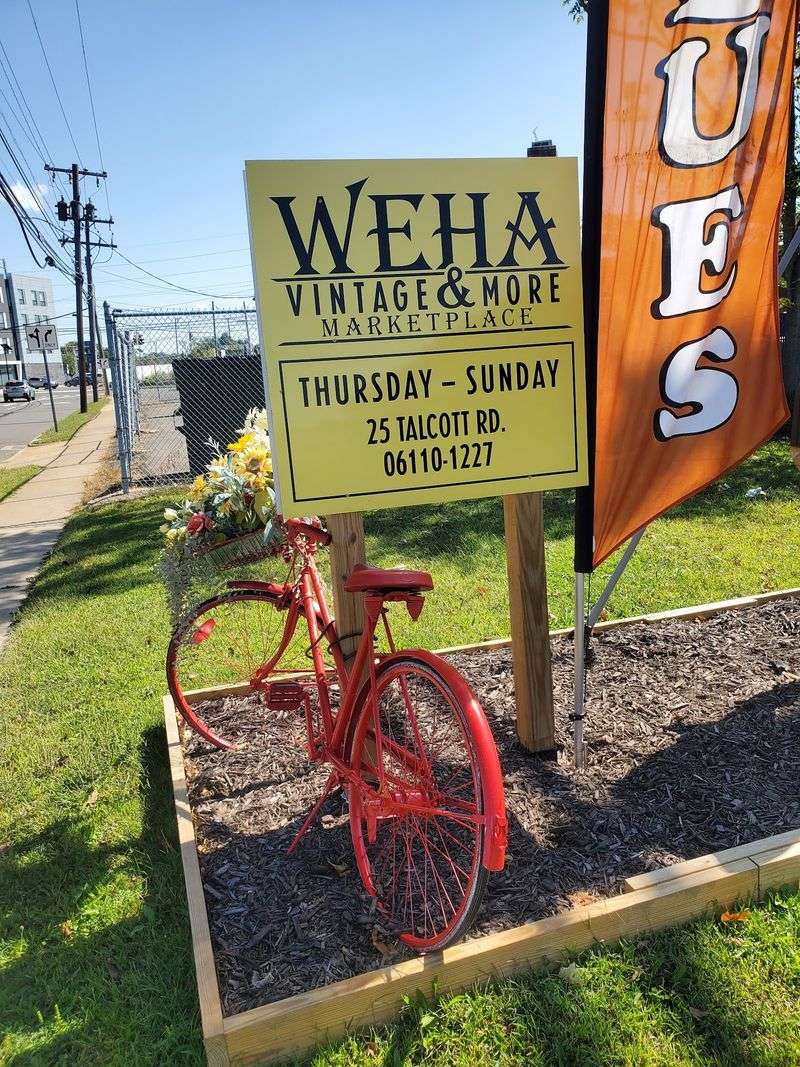
Finding the entrance is part of the fun. The building keeps its best surprise around back.
Once the right door appears, the plain industrial exterior gives way to a much livelier shopping space.
Inside, independent vendor booths create a changing mix of vintage pieces and secondhand finds. Some displays lean toward furniture, while others focus on old books, collectibles, clothing, or decorative pieces.
Because each seller brings something different, browsing feels less predictable than moving through a traditional store.
The rear entrance also gives the marketplace a low-key, almost hidden feel. Yellow signs help first-time visitors navigate toward the correct part of the property, while parking is available close to the building.
Restrooms are provided, and shoppers can pay by credit card, which makes longer browsing sessions easier.
Current listings describe the marketplace as home to more than 50 vendors, so plenty can change between visits. The entrance is behind the building at 25 Talcott Road in West Hartford.
Visitors arriving for the first time should continue toward the rear rather than stopping at the street-facing side. Once inside, the amount of merchandise makes the extra turn worthwhile.
3. More Than 60 Vendors Now Fill The Space
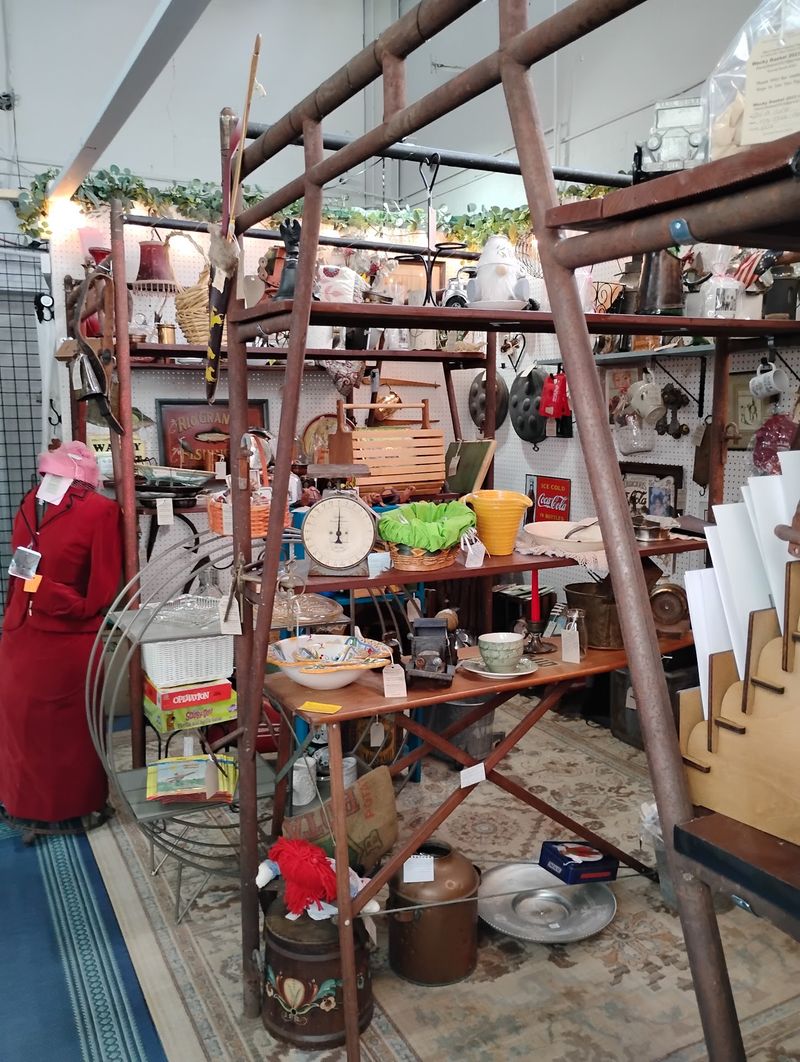
Sixty is a big number when you are talking about small businesses under one roof. That is roughly how many independent vendors now rent space inside the marketplace, up from the more than fifty that shoppers were counting not long ago.
Each vendor curates their own booth, sets their own prices, and chooses their own specialty. The result works like a small village of shops where you can compare a dozen different takes on the same era without walking outside.
Growth has shaped the layout as well. A dedicated furniture room holds larger pieces and plants, which gives bulkier items space to breathe instead of crowding the aisles.
Worth knowing: the business was formerly called West Hartford Marketplace before taking on the WEHA Vintage & More name, a nod to the nickname locals use for the town.
For shoppers, the vendor count is the whole point. More sellers mean more sources, more price ranges, and a better chance that the odd thing you have been chasing for years is sitting on a shelf somewhere.
Staff at the front can point you toward the right section if you describe what you are after. A bulletin board lets you write down a request and tack it up for vendors to see.
4. Every Booth Has Its Own Personality
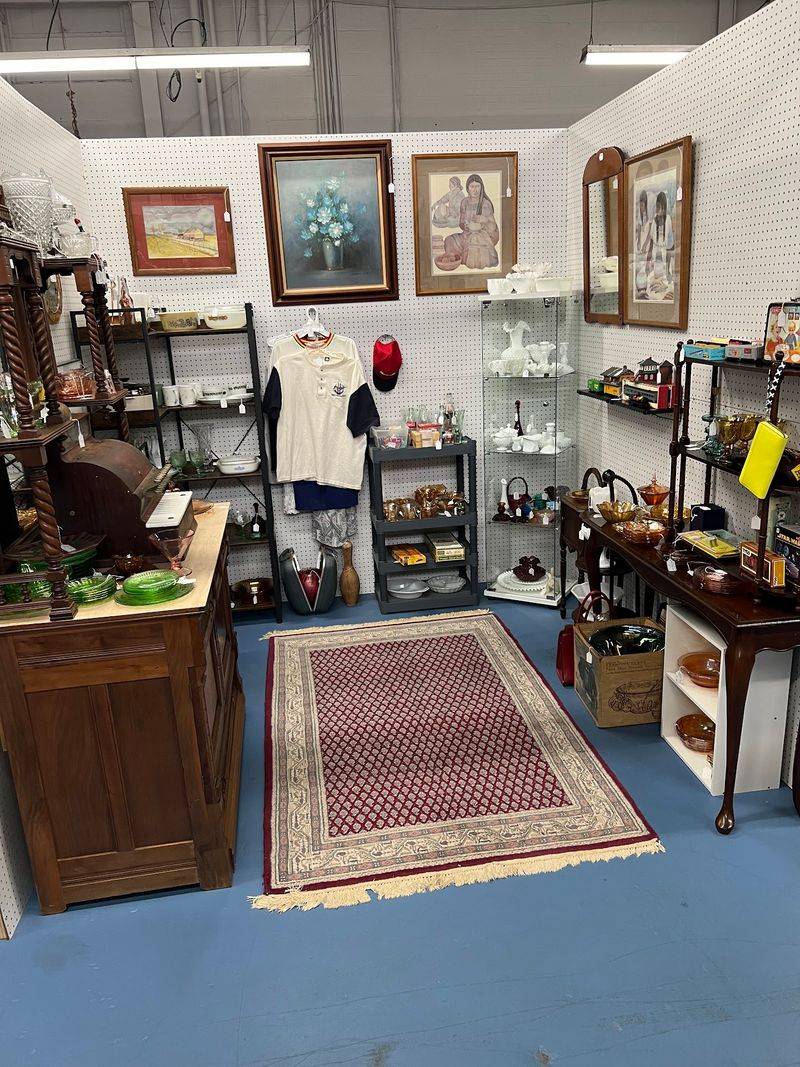
Turn a corner here and the whole mood shifts. One booth might lean into rustic farmhouse warmth, all worn wood and enamelware, while the next goes sleek and geometric with mid-century modern furniture and lamps.
Because every seller arranges their own square footage, the displays read almost like personal collections. You can usually tell within seconds whether a vendor loves vintage cameras, costume jewelry, old toys, or books with wonderfully dated cover art.
A few booths specialize narrowly. Others feel like a well-edited attic, mixing miniatures, baskets, comic books, and small housewares into one tidy scene.
Most merchandise is clearly priced, which helps keep the browsing relaxed.
That variety does something useful for shoppers. It keeps your eye fresh, since you are never scanning the same category for too long, and it makes browsing feel like walking through many small shops rather than one big room.
Prices vary by vendor too, so a piece that feels out of reach in one booth may show up more affordably a few steps away. Comparing is part of the strategy.
If a display catches your interest, take a slow second pass. Vendors tend to layer their shelves, and smaller treasures often hide behind the tall, eye-catching pieces set up front to pull you in.
5. Vintage Clothing Brings Plenty Of Nostalgia
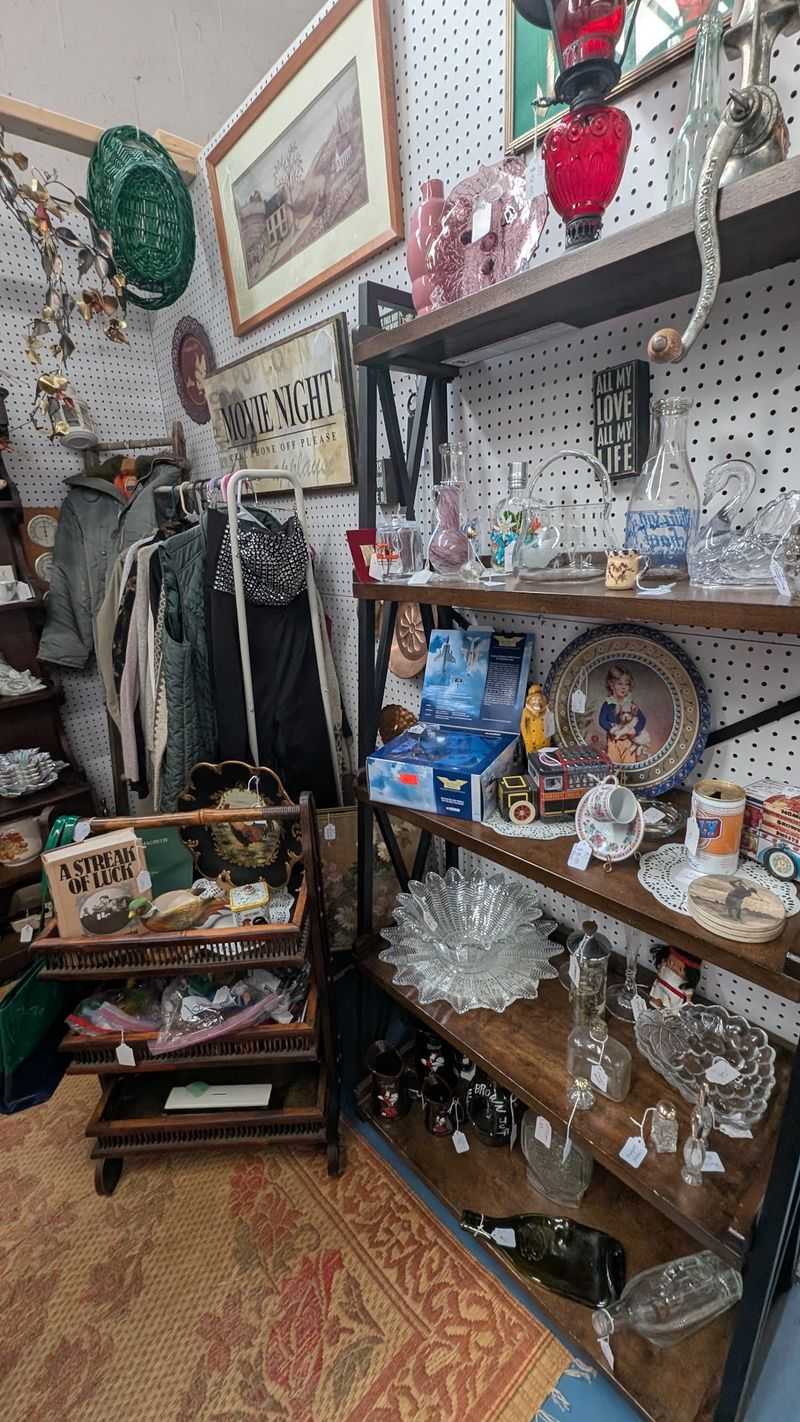
Old clothes can stop you mid-rack. A print looks familiar. A jacket suddenly feels like it came straight from another decade.
That sense of discovery gives the clothing section much of its charm. Vintage dresses, graphic shirts, structured jackets, and other pieces appear in styles that are difficult to recreate with newer clothing.
Accessories add even more personality, with handbags and jewelry turning up alongside the racks.
Sizing takes a little patience. Older labels do not always match modern measurements, so checking the actual fit is usually more useful than relying on the number sewn inside.
Details such as seams, buttons, fabric, and construction can also reveal plenty about a piece.
Jewelry deserves its own browsing time. Trays and display cases can hold delicate pieces as well as bold designs that instantly change an outfit.
Prices often make experimenting with a different look easier than buying something brand new.
Vintage clothing can also work well for costumes, themed events, or simply building a wardrobe that feels less predictable.
The most memorable part is often unexpected. A certain texture or pattern can bring back an old family photo or remind you of something once hanging in a childhood closet.
That personal connection makes browsing feel like more than shopping.
6. Old Records Turn Up Beside Home Decor
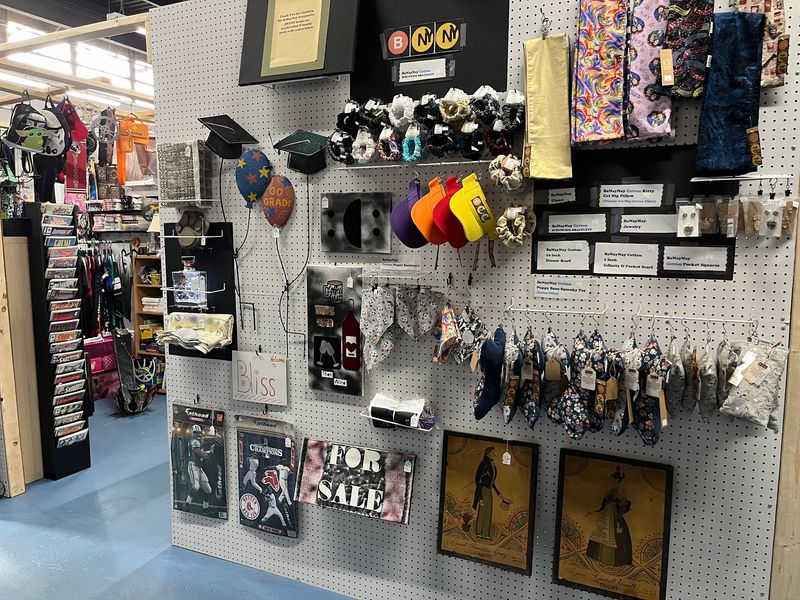
Flipping through a crate of records is its own kind of meditation. The album art alone is worth the time, and the marketplace keeps records in circulation alongside all sorts of things meant for the home.
Glassware collectors do well here. Depression glass, milk glass, and even uranium glass show up, the last of which glows an eerie green under a blacklight thanks to trace amounts of uranium added to the mix decades ago.
Beyond glass, expect lighting, framed artwork, baskets, and the sort of kitchen items that instantly recall a grandparent’s counter. Vintage cameras appear too, popular both with people who still shoot film and with people who just like how they look on a shelf.
Larger furniture lives in its own room, which makes measuring and imagining easier. Bring the dimensions of your space if you are shopping seriously, because a dresser that looks modest in a big room can be a puzzle in a small apartment.
Mixing old and new is the trick most decorators use, and one or two aged pieces can warm up an otherwise plain room.
Staff take care with wrapping fragile purchases, which is reassuring when your find is a stack of thin glass plates. Ask about a piece if you are unsure; questions are welcome.
7. Constant Restocks Keep The Hunt Changing
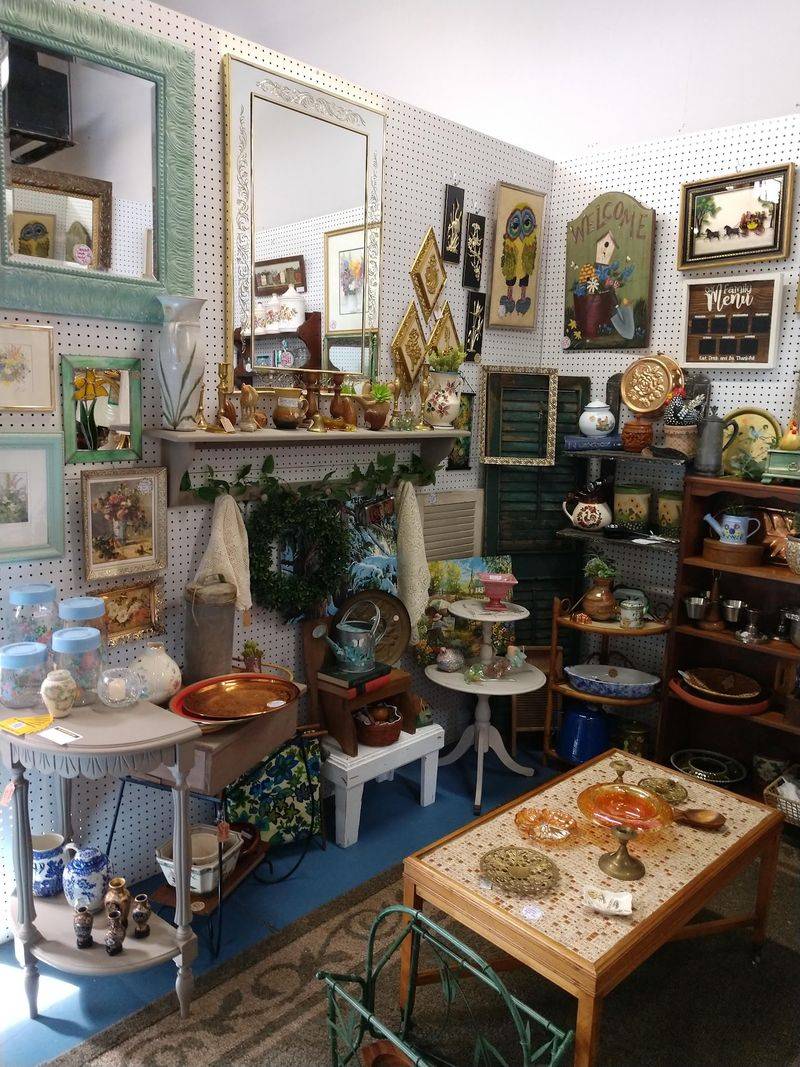
Inventory here is a moving target, and that is exactly why people keep coming back. Vendors refresh their booths regularly, hauling in new finds and rearranging displays, so the shelf that held nothing for you in March might be full of temptation in May.
Frequent restocking also means timing plays a role. Visiting soon after a weekday opening can put you in front of items that were unpacked that morning, while weekends bring more browsers and more energy.
Repeat visitors often build a routine around it, dropping in whenever they are passing through town rather than waiting for a special trip.
Seasonal touches appear as well, including holiday sales that regular shoppers watch for.
The flip side of a changing stock is simple: if you love something, decide while you are standing there. One-of-a-kind items do not get restocked, and vintage shoppers learn that lesson the hard way at least once.
Keeping a rough wish list on your phone helps. When stock shifts this often, a quick note about the sizes, patterns, or titles you are chasing saves you from second-guessing in the aisle.
Coming back with fresh eyes is part of the appeal. The building stays the same, but the contents keep rewriting themselves week after week.
8. One Lap Rarely Feels Like Enough
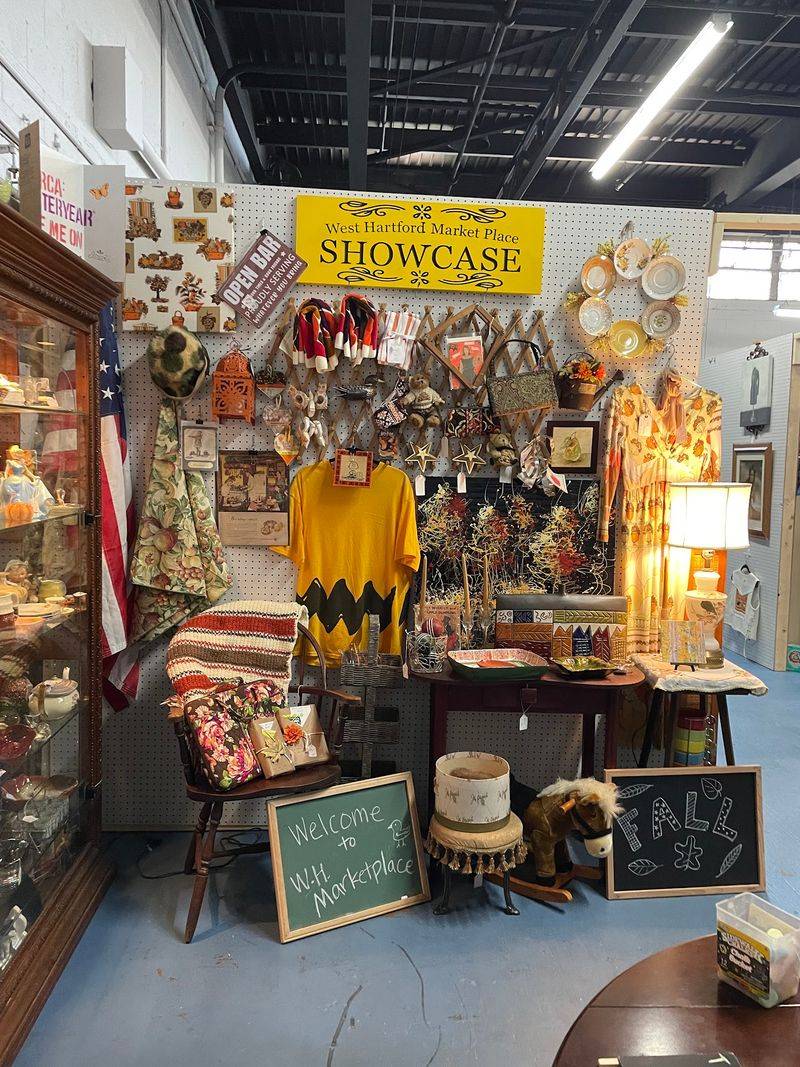
Twenty minutes can disappear fast here. One booth leads to the next.
Before long, the quick visit you planned has turned into a full afternoon of browsing.
With more than 60 individual vendors sharing the indoor marketplace, seeing everything properly takes time. Each booth has its own personality, so moving slowly gives you a better chance of noticing the smaller treasures hiding between larger displays.
Comfortable shoes are worth wearing. The flat indoor floor makes browsing easy in any weather, and the sheer amount of merchandise rewards patience much more than rushing from aisle to aisle.
Giving yourself at least an hour is a good starting point. Shoppers who inspect every shelf or stop to flip through books may want considerably longer.
Coming with a friend can make the hunt even more entertaining, especially when another set of eyes spots something you nearly passed.
The atmosphere stays casual and approachable, which suits the slow pace of vintage shopping. There is no need to arrive with a strict list or a carefully planned route.
Leave some flexibility in your budget instead. With dozens of independently stocked booths to explore, the most interesting purchase may be something you had no intention of looking for when you arrived.