This Idaho Ranching Town Celebrates Its Cowboy Heritage Every September
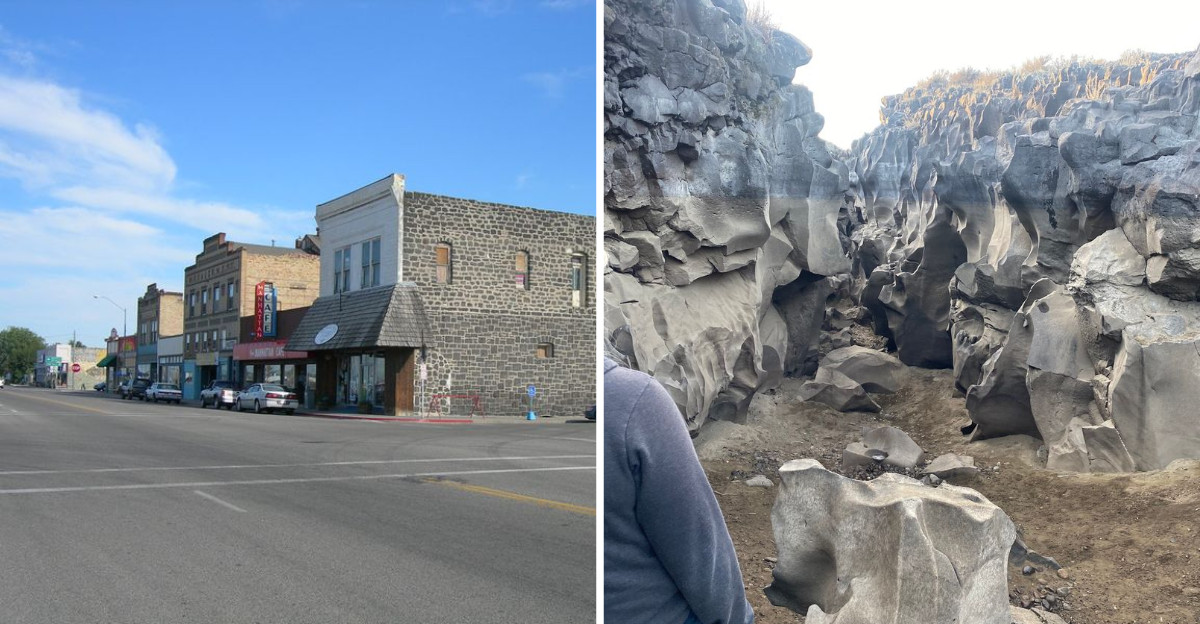
Railroad tracks still cut through the heart of town, but every September the real attention shifts to cowboy culture.
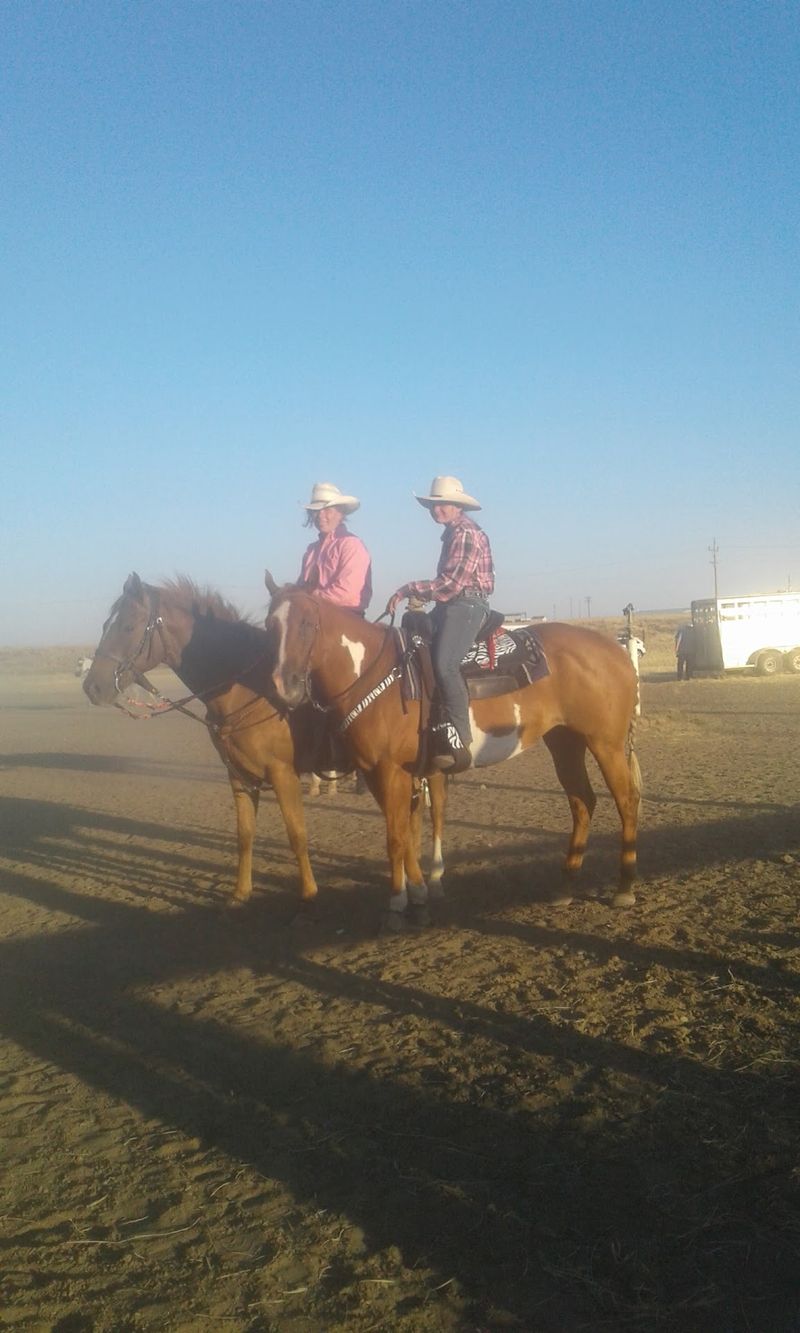
In Idaho, this ranching community celebrates its western roots through cowboy poetry, music, and stories.
It also features traditional skills and the experiences of people connected to ranching and the rural West. That history feels woven into the place rather than staged for visitors.
Historic stone buildings, the old depot, and the surrounding high-desert landscape all add to the sense that ranching still matters here.
What a setting for a September weekend! Stay beyond the main events and explore slowly.
The town’s character comes through just as clearly in its quiet streets and everyday rhythms as it does during the celebration.
Where The Tracks Still Rumble
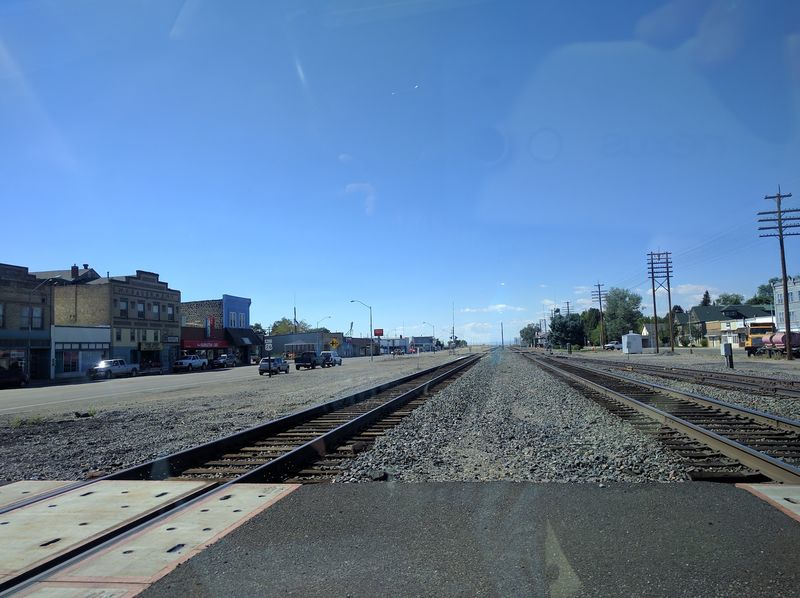
My first surprise was the width of the road. Shoshone was built in 1882 around the promise of a railroad.
A Union Pacific Oregon Short Line construction camp landed nearby in February 1883. The town grew fast after that.
Four separate sets of tracks run right through the business district. That is why the main street feels so unusually broad.
For decades Shoshone was a major railroad hub in south-central Idaho, carrying passengers and freight while connecting the surrounding agricultural and livestock country to wider markets.
Trains still roll by regularly today. I stood on the sidewalk and felt the ground shake a little.
The town also happens to be the oldest in the Magic Valley region. It serves as the county seat of Lincoln County.
Shoshone itself describes the community as small, friendly, rustic, and filled with historic architecture and local folklore.
The 2020 census counted 1,653 residents. That number makes the September celebration even more impressive.
One local tip about the name. Say it as Show-shown, with a silent final letter. Start your visit at the Lincoln County Historical Museum, 112 W B St in Shoshone.
September Brings The Cowboy Gathering
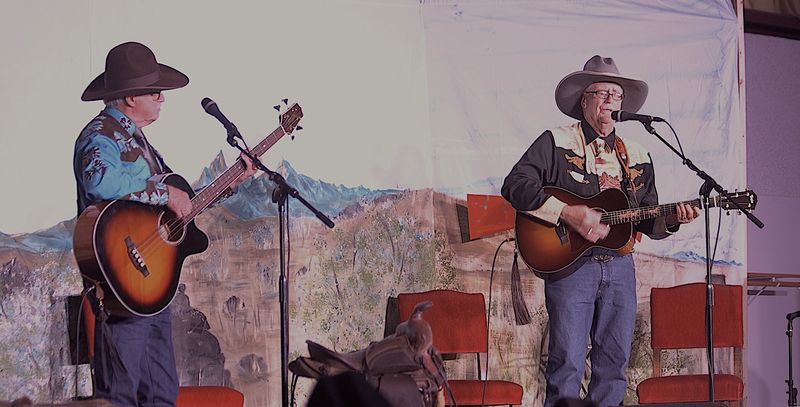
The Lost N Lava Cowboy Gathering brings hundreds of visitors to Shoshone each year, with the 16th annual event scheduled for September 18 and 19, 2026.
Hundreds of people arrive for it each year. The whole event honors ranching life and the rural West.
Cowboy poetry sits at the heart of the program. Working ranchers step up and recite verses about weather, horses and long days.
Music and storytelling share the program with cowboy poetry, creating a steady lineup of performances centered on ranching life and Western traditions.
What surprised me most was the international angle. The gathering highlights cowboy cultures from other parts of the world too.
Traditional skills get taught as hands-on demonstrations. These are the everyday abilities early settlers relied on to survive.
The gathering promotes traditional skills, cowboy culture, dancing, music, poetry, stories, vendors, food, and other Western-themed activities rather than a guaranteed horseback-riding program.
The gathering is organized around Western heritage while emphasizing the experiences and traditions of working ranch people rather than simply recreating an imagined Old West.
Ice Caves Beneath The Desert
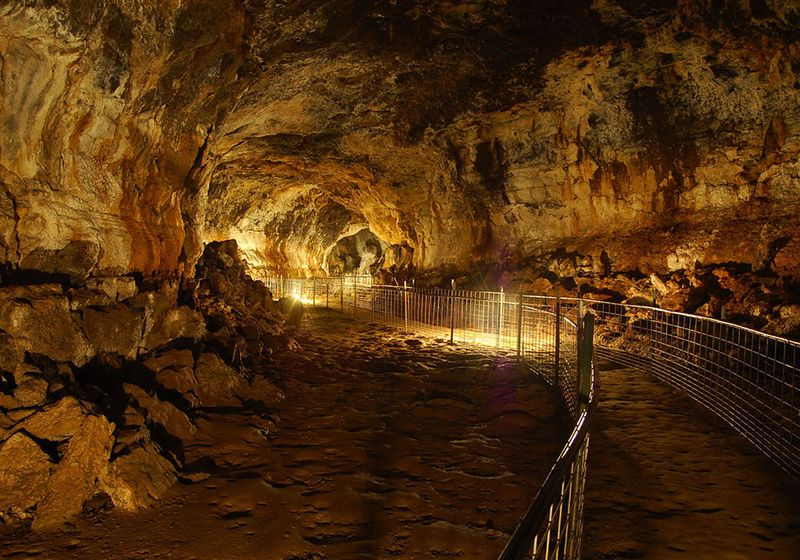
The Shoshone Ice Caves are known for naturally persistent underground ice, but the cave itself is currently closed while its internal walkway system is replaced.
These are lava tubes left behind by ancient volcanic activity. Cold air settles inside and ice stays frozen year round.
Visitors cannot currently enter the Shoshone Ice Caves, although the site’s museum, gift shop, and mining sluice remain open on a limited schedule.
Historically, visitors toured the ice-filled lava tube on an internal walkway, but tours remain suspended in 2026 until major walkway repairs are completed.
A short drive away sits Idaho’s Mammoth Cave and Bird Museum. It holds the title of largest volcanic cave in the world open to the public.
The chambers inside are genuinely enormous. My voice carried in a way I did not expect.
During the Cold War, the United States government considered using it as a civil defense shelter. That detail stuck with me the whole drive back.
The attached bird museum displays a wide range of avian specimens. It makes an odd but charming companion to all that rock.
Buildings Made From Lava
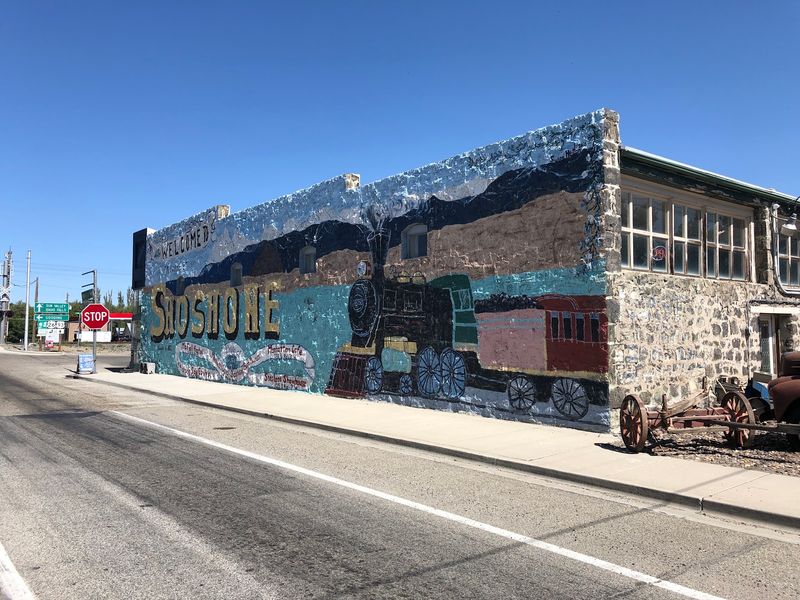
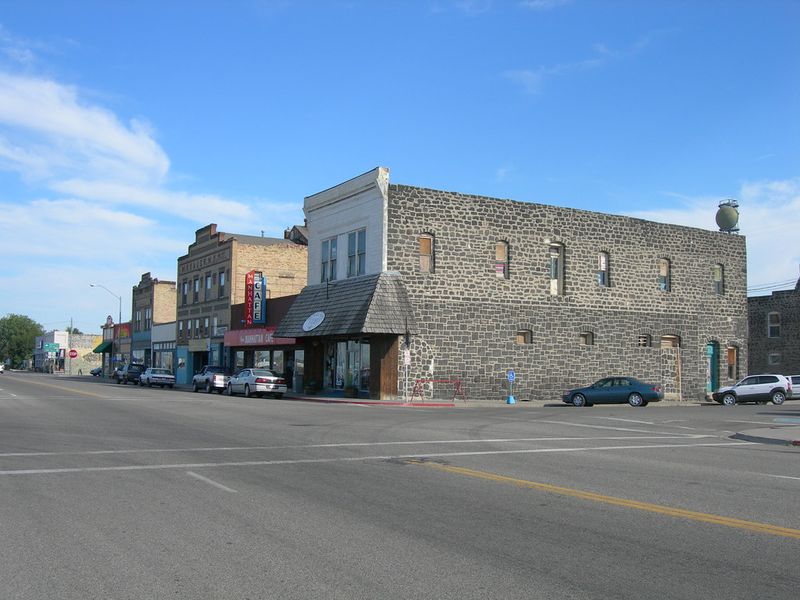
Dark, rough, almost black walls kept catching my eye. Builders here used native lava rock because the ground offered plenty of it.
The result is thick, snug walls that hold temperature remarkably well. Winters in the high desert can be sharp.
Lava rock construction of this kind is rare across the United States. Masonry like it counts as a lost craft.
The stones could not be cut or shaped easily. Masons had to fit each piece freehand, one by one. You can spot examples all over town. Homes, businesses and churches all show the technique.
My favorite oddity was the round water cisterns. Workers built curved shapes using square lava blocks.
The Lincoln County Courthouse stands as one of Shoshone’s notable historic buildings. The current City of Shoshone history dates its construction to 1907.
Early Idaho architecture rarely looks this handsome. The building is listed on the National Register of Historic Places.
I walked a slow loop around the block twice. Morning light brings out texture in the volcanic surfaces.
Photographers should aim for early or late hours. Midday sun flattens the shadows that make these walls interesting.
Museum Rooms Full Of Ranch Life
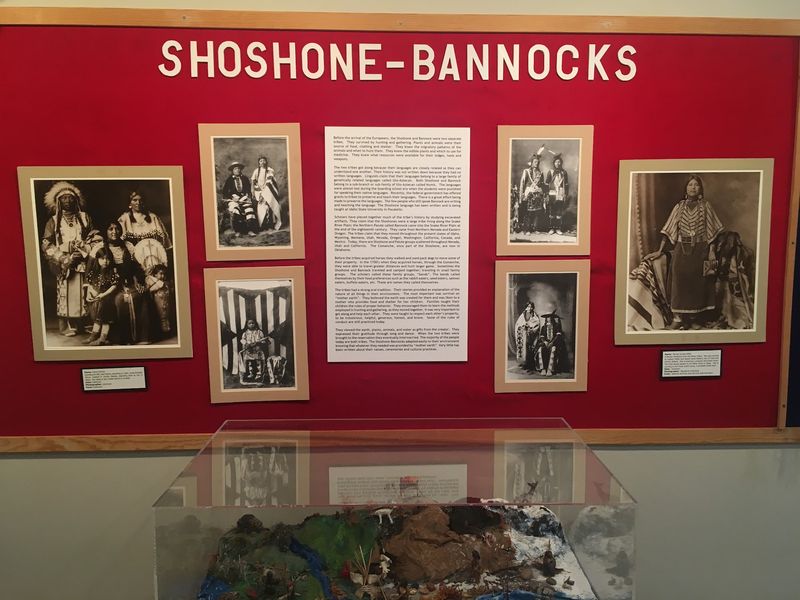
The Lincoln County Historical Museum preserves photographs, stories, and local-history material documenting Shoshone and the surrounding county.
Inside are artifacts, images and exhibits about early settlers. They trace the arrival of the railroad and daily life in the high desert.
The museum’s collections focus on photographs, stories, artifacts, and other material connected to Lincoln County’s local history.
Local memorabilia fills the display cases. Together the collection paints a clear picture of pioneer years.
Agriculture has always driven the local economy. Livestock production remains a major part of that. Several small dairies operate in the area. A cheese processing plant sits nearby as well.
One name comes up often in ranching history here. Frank R. Gooding was an Idaho sheepman with an unusual honor.
He is the only sheepman ever elected to the Cowboy Hall of Fame. His work shaped the regional livestock industry.
Connections like that give the town real Western credibility. Nothing about it feels invented for visitors. Allow at least an hour inside.
The museum is operated by the Lincoln County Historical Society and currently welcomes visitors on limited seasonal hours.
Native Roots Older Than Rails
Shoshone takes its name from Indigenous peoples whose connections to southern Idaho long predate the railroad town.
Shoshonean peoples and their ancestors have lived across this region for thousands of years and describe their relationship with these homelands as reaching back to time immemorial.
Shoshonean peoples of southern Idaho use the term Newenee, meaning “the people,” while Shoshone communities historically lived across a broad region extending beyond modern state boundaries.
Life followed the seasons rather than a calendar. Families moved to wherever food was ready.
They hunted, fished and gathered roots and seeds with real expertise. Knowledge of the land passed down through generations.
The Shoshone and Bannock peoples maintain deep cultural ties to the Snake River Plain and surrounding landscapes, where hunting, fishing, gathering, travel, and later horse use all played important roles.
Their relationship with this landscape continues today through living Shoshone-Bannock communities, cultural traditions, language, and stewardship.
Sacagawea is one of the best-known historical figures associated with the Shoshone. She served the Lewis and Clark Expedition primarily as an interpreter and cultural intermediary rather than as its general guide.
Canyons, Parks And Tall Cones
The Shoshone Snack Bar remains known for oversized soft-serve cones that regional tourism sources have long billed as “mile-high.”
It is a small mom-and-pop spot. Simple, sweet and worth the stop after a dusty afternoon.
For quiet time, Mary L. Gooding Memorial Park works nicely. Shade and calm surroundings make it good for a picnic.
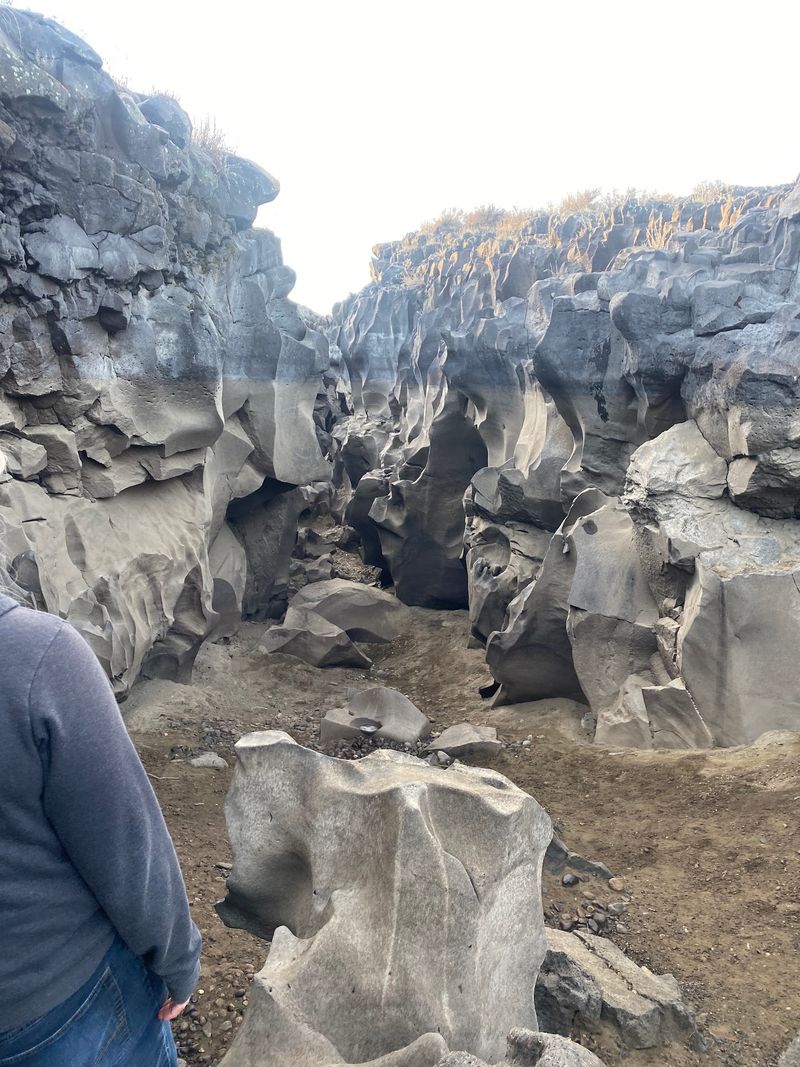
Adventure seekers can explore Black Magic Canyon, where the Big Wood River carved narrow formations into basalt, but visitors should check current canal-company water releases before entering the canyon.
The sculpted black walls twist into strange shapes. Photographers could burn through a memory card easily.
Historic Main Street deserves more than a drive-through. The 1928 Union Pacific depot anchors the whole stretch.
Standing beside it, the town’s railroad past feels close. Freight cars still pass within earshot. Antique hunters have options too. The Rail Street Emporium offers a tidy selection of vintage goods.
The Rail Street Emporium mixes antiques and vintage finds with work from local creators inside a historic downtown building.
A Working Town Today
Growth has arrived quietly in recent years. Part of that comes from the town serving as a bedroom community.
Shoshone has long functioned partly as a bedroom community for workers commuting toward the Wood River Valley and neighboring Blaine County, where housing costs have historically been higher.
Ketchum and Sun Valley sit roughly an hour north. Those resort towns cost considerably more to live in.
Despite the newcomers, the rustic character holds firm. Nobody seems interested in polishing away the rough edges.
City materials describe Shoshone as culturally diverse, including residents with Basque, Portuguese, Hispanic, European, and Scandinavian backgrounds.
Agriculture and ranching still anchor the economy. Fields and pasture surround the city limits in every direction.
Practical services include a current Family Health Services clinic and schools operated by Shoshone Joint School District, including elementary and middle/high school programs.
Historic treasures and local folklore coexist comfortably here. Progress happens without erasing what came before.