This Tiny North Carolina Town Was Home To One Of The State’s Only Amish Communities
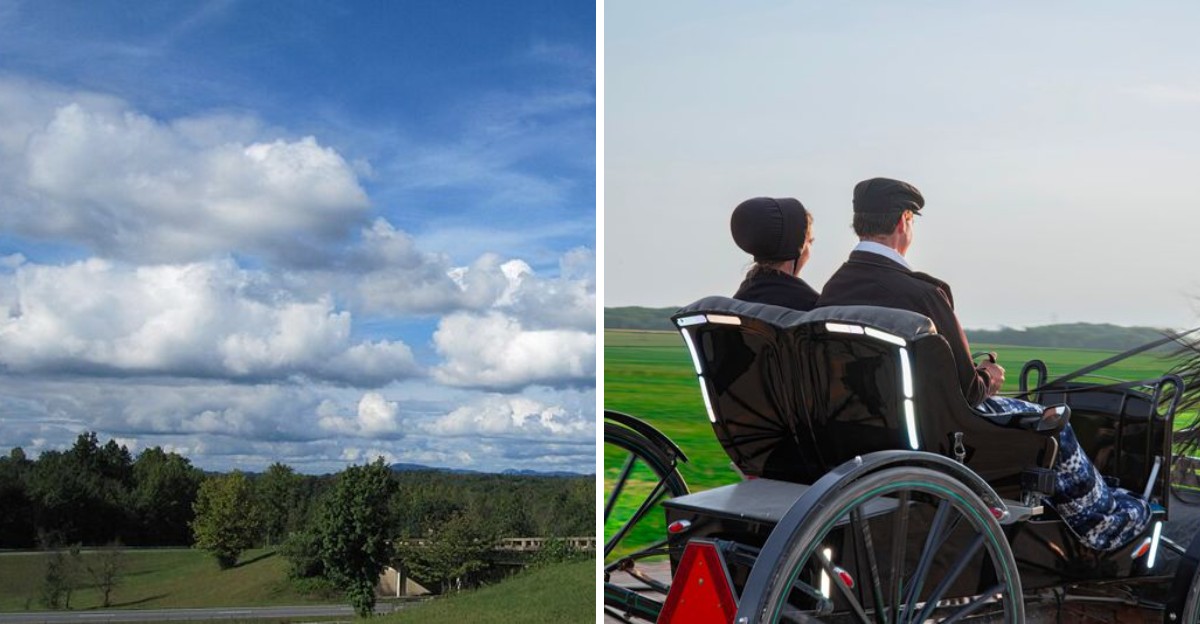
For a while, one corner of North Carolina was living on a completely different operating system.
Black buggies rolled along Rutherford County roads while the rest of the world was busy adding more screens to everything.
The community lasted only about eleven years, but it left behind one of the state’s more unusual local chapters.
Life here followed rules that made modern conveniences look extremely optional.
Electricity from the grid was generally out.
Indoor plumbing was too. Your phone charger would have been having a very bad day.
Then the settlement disappeared, leaving an ordinary little town with a surprisingly uncommon past.
Drive through now and you could easily miss the whole story. That is what makes it interesting. The roads look quiet. The history absolutely was not.
Look Back At The Amish Families Who Arrived Here In 2015
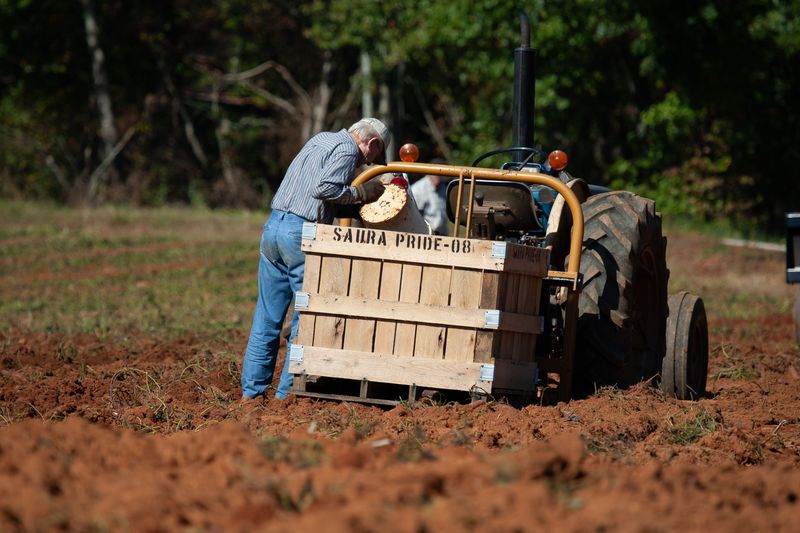
Around 2015, a quiet kind of change rolled into Rutherford County. Swartzentruber Amish families began buying land near Ellenboro, hunting for open acreage, reasonable prices, and room for large families to farm.
Most arrived from established Swartzentruber settlements farther south, especially Ethridge, Tennessee, and Pontotoc County, Mississippi.
Neighbors noticed the difference almost immediately. Homes, farms, and workshops developed under the community’s strict limitations on electricity and modern equipment.
The countryside seemed to shift into a slower gear.
Starting over was hard work. Fields had to be cleared, wells dug, and gardens planted before the first winter arrived.
Families raised produce, kept dairy cows, and leaned on one another for barn raisings and harvests.
Hand-lettered signs soon appeared at the ends of gravel driveways. By the end of that first year, a new church district had taken root in the hills around Ellenboro, and travelers along the back roads began slowing behind buggies.
It was the start of an eleven year story that few people saw coming, and Ellenboro wore it well.
See What Made The Swartzentruber Community So Unusual For North Carolina
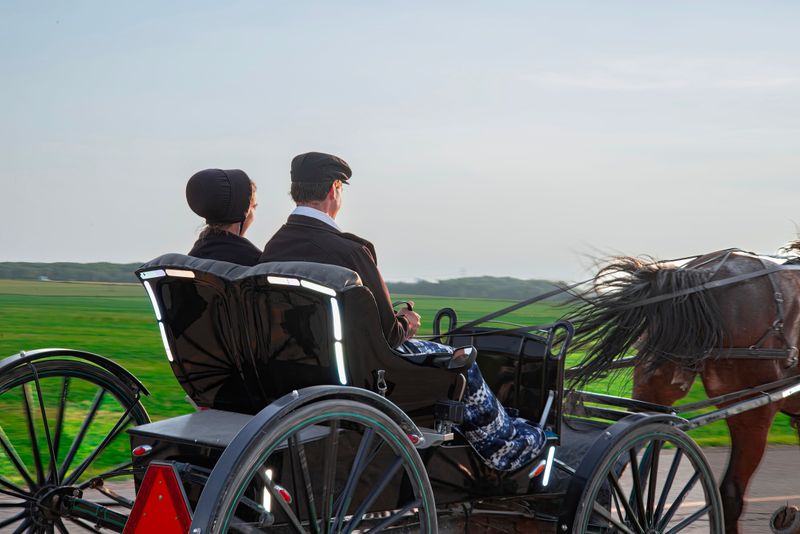
Within the wide world of Old Order Amish groups, the Swartzentruber affiliation sits firmly at the most conservative end of the spectrum. Homes here had no indoor plumbing, so outhouses stood behind the farmhouses.
Kerosene lamps supplied the evening light, and wood stoves handled both cooking and warmth.
Clothing carried the same message. Dresses fell longer, colors stayed solid and dark, hat brims measured wider than those of other groups, and young men grew full beards soon after marriage.
Nothing was decorative, and everything had a purpose.
For a state better known for beach towns, barbecue joints, and mountain overlooks, a settlement like this one felt genuinely rare. North Carolina had never hosted a Swartzentruber district before, which made Ellenboro something of an outlier on the map.
Its unusual character drew steady interest from folks driving through Rutherford County.
Curious visitors learned to look rather than photograph, since the families preferred privacy over attention. Simple courtesy went a long way on those gravel lanes.
Respect, more than curiosity, opened the door to friendly conversation in Ellenboro.
Discover How Horse-Drawn Travel Became A Familiar Sight Around Ellenboro
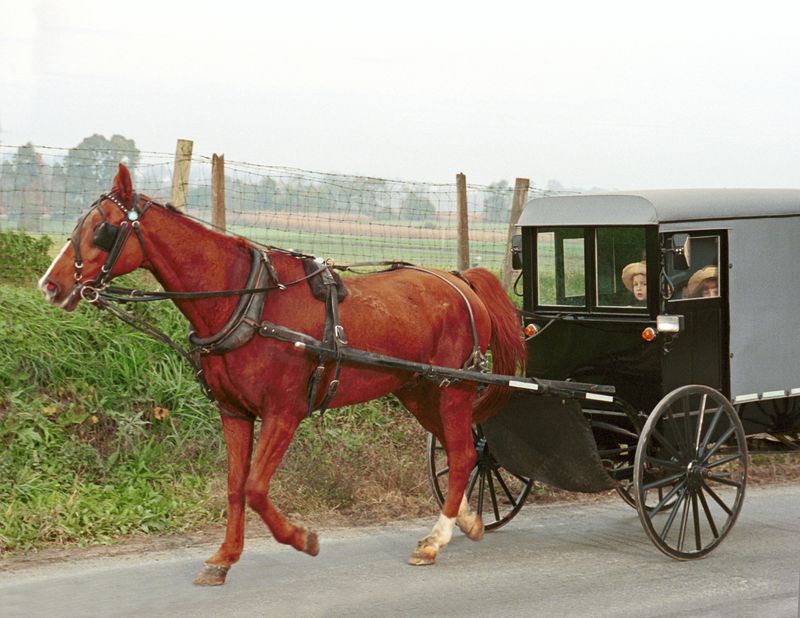
Clip, clop, clip. That patient rhythm on the back roads announced a buggy well before it rounded the bend.
Drivers around Ellenboro grew used to easing off the gas and waiting for a safe place to pass.
Swartzentruber buggies are plainer than most. They carry no windshield, no mirrors, and no electric lights, relying instead on reflective tape and hanging lanterns for visibility after dusk.
The boxy black frames, wooden wheels, and calm horses gave the roadside a nineteenth century look.
Travel by horse keeps a community close. Reliance on horse-drawn transportation kept everyday travel closely tied to the surrounding rural area.
Errands took planning, and neighbors saw one another far more often than most of us do today.
Horse-and-buggy warning signs appeared along roads in the area as the settlement grew. Drivers passing through Ellenboro learned to slow down at hilltops and blind curves, especially in fog or early darkness.
For more than a decade, that unhurried clatter was part of everyday life in Ellenboro.
Remember The Small Workshops That Sold Furniture, Soaps, And Handmade Goods
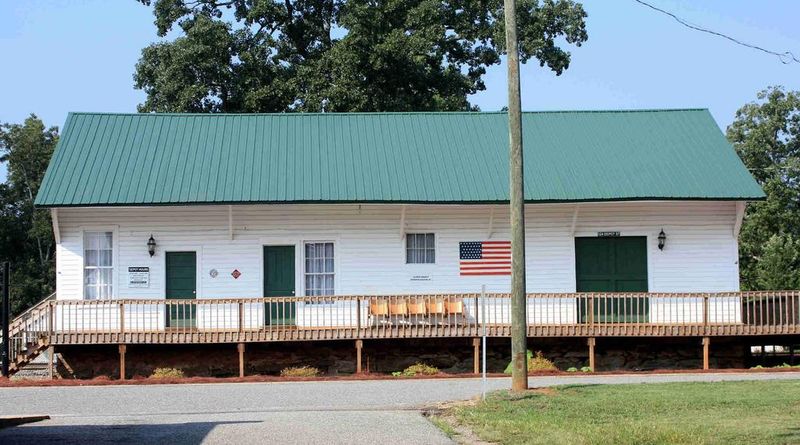
Hand lettered signs at the ends of driveways pointed toward some of the best shopping in Rutherford County. Woodworking shops turned out sturdy outdoor furniture, including Adirondack chairs and porch style bed swings built to last through decades of weather.
Custom orders were common, and the smell of fresh cut lumber followed you to your car.
Homemade soaps and lotions sold straight from kitchen tables and front porches. Other families ran practical trades: buggy repair, plus a tack and saddle shop that kept harnesses and leather goods in working order.
The Horse Drawn Produce Farm became a favorite stop for good reason. Baskets of seasonal vegetables sat beside wood products and trays of homemade baked goods, and the fried pies drew steady traffic.
Flaky crust, warm fruit filling, and a dusting of sugar make a fine reason to pull off a country road.
Donuts came out glazed and heavy in the best way. Sundays were always closed.
Cash was king, since card machines had no place in these shops, and Ellenboro shoppers learned to bring small bills.
Trace How The Settlement Grew To More Than 20 Households
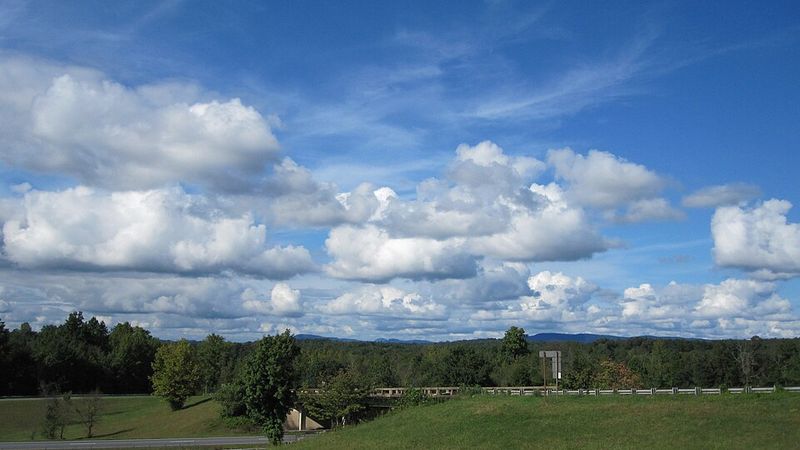
Numbers tell part of the story. What started with a handful of pioneering households in 2015 had grown to roughly 16 families by late 2019.
Some families came and went along the way, yet the overall trend pointed upward.
By June 2022, the settlement counted about 22 households, with a total population estimated between 100 and 150 people. Farms spread across Rutherford and Cleveland Counties, reaching toward the small community of Polkville.
Everyone worshiped together as a single church district.
Church happened in homes rather than a meetinghouse, with families rotating hosting duties every other Sunday. Benches were hauled by wagon from one farm to the next.
Growth like that meant more barns, more gardens, and more buggies on the roads near Ellenboro.
Ellenboro itself remained tiny, with a population of 723 at the 2020 census. Set in the foothills region, the town sits at ZIP code 28040 in North Carolina, surrounded by pasture and rolling farmland.
A settlement of 22 Amish households made a real impression on a place that small.
Learn Why This Community Lived More Traditionally Than North Carolina’s Other Amish Settlement
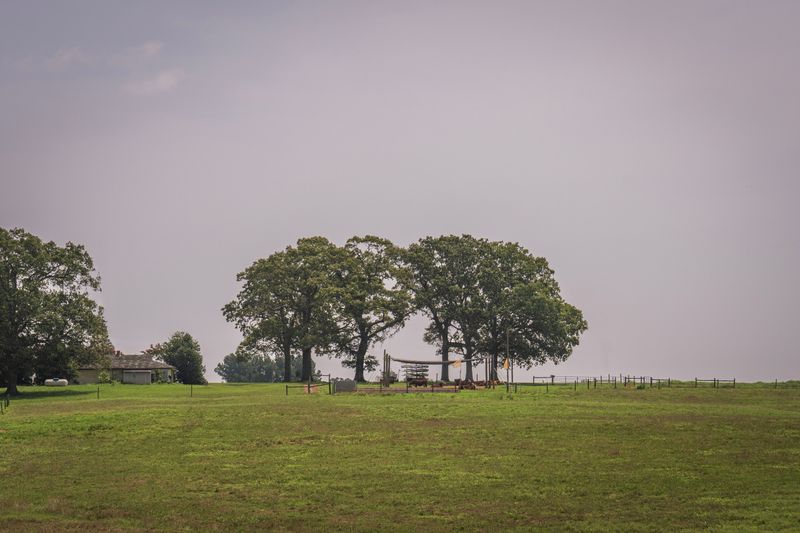
Two Amish settlements existed in the state at the same time, and they could hardly have been more different. Up at Union Grove, founded in 1985, a New Order Amish congregation allowed public grid electricity in homes and shops.
That placed them near the progressive edge of the broad Amish spectrum, where technology is weighed case by case.
The Ellenboro families took the opposite path. No grid power, no indoor plumbing, no electric lights on their buggies, and no shortcuts around the old ways.
Their church rules, called the Ordnung, drew tighter lines than any other Amish group in North Carolina.
Distance mattered too. Union Grove sits in Iredell County, well over an hour away by car and far beyond buggy range, so the two groups lived largely separate lives.
Different affiliations rarely worship together anyway.
For anyone curious about plain living, the contrast was striking. One settlement flipped a light switch; the other trimmed a lamp wick at sundown.
Ellenboro held the more traditional end of that comparison from beginning to end.
Understand What Changed As Families Began Moving Away
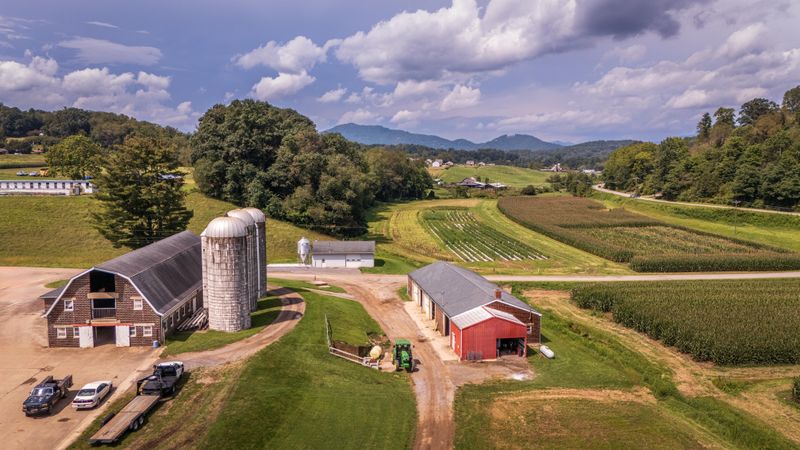
Movement was always part of the picture. Amish families relocate more often than many people realize, and a few had come and gone from the Ellenboro district since its earliest years.
By early 2025, though, the departures picked up noticeably.
Some households left the region entirely. Others stepped away from the Swartzentruber church while keeping an Amish identity and lifestyle.
Several practical reasons stood behind the shift, and none of them happened overnight.
Steady work proved hard to find for growing families who needed local income close to home. Access to midwife services was limited, which weighed heavily on households with young children.
Traffic on winding rural roads raised real safety worries for horse and buggy travel, and some families felt that day to day coexistence had grown strained.
Kentucky drew many of them, especially the Hazel Green area, where land and church community offered a fresh start. By March 1, 2026, every family from the original district had either moved or left the Swartzentruber faith.
Farms around Ellenboro went quiet, and the buggies rolled north.
Visit Ellenboro Knowing This Unusual Chapter Has Now Mostly Passed
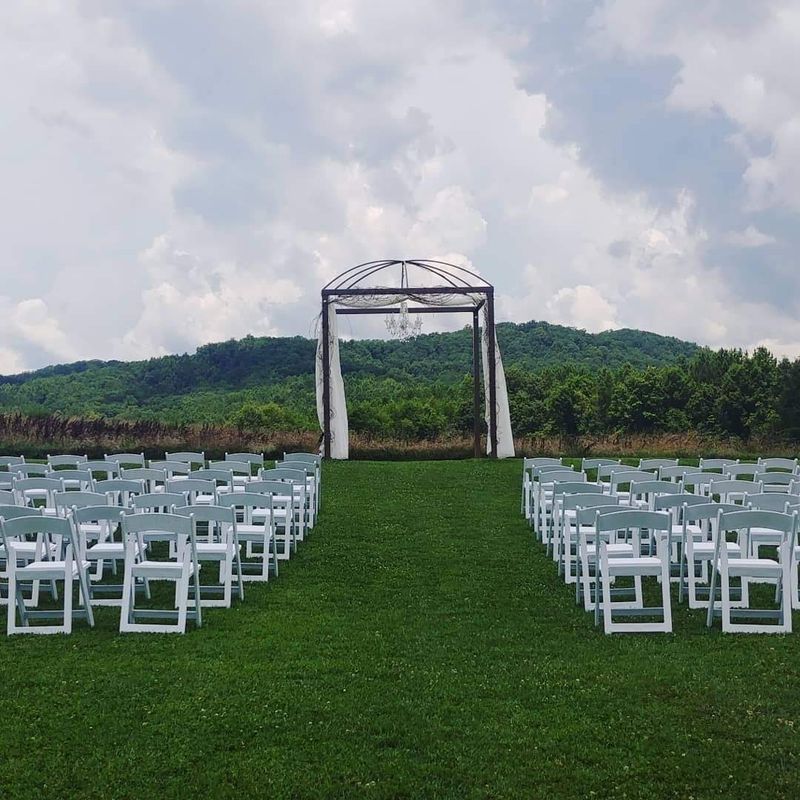
Today the story reads as history rather than a current attraction. The Swartzentruber district that took root in 2015 disbanded by March 2026, closing a run of roughly eleven years.
Properties once holding workshops, an organic farm, and a mercantile changed hands.
Ellenboro is still worth the drive. The town of about 723 residents sits in Rutherford County, North Carolina 28040, ringed by pastures, hayfields, and low ridgelines that glow gold in late afternoon.
Small town cafes, country stores, and roadside produce stands keep the area friendly for a slow morning.
Chimney Rock and Lake Lure sit a short drive west, making the town an easy base for foothill scenery. Spring wildflowers line the fence rows.
Fall brings apple stands, cool mornings, and hillsides turning russet and amber.
Do not expect buggies on the shoulder anymore, and please skip knocking on farmhouse doors hoping to find them. What remains is a memorable footnote: for eleven years, one of the plainest Amish communities in the country called these hills home.
Ellenboro carries that quiet chapter well.