This Old-School California Bakery Has Kept Road-Trippers Coming Back For More Than 60 Years
Some roadside stops become habits long before anyone thinks to call them traditions.
For generations, travelers have pulled off the highway for fresh bread and the simple pleasure of finding a bakery that still feels pleasantly old-school.
This California bakery has been part of that rhythm for more than 60 years.
Its appeal is not complicated. The cases are full, the shelves are tempting, and the whole place carries the kind of familiarity that makes repeat visits feel almost automatic.
Road-trippers know the pattern.
Stop for one loaf. Add a pastry. Notice something else on the way to the register.
By then, the detour has already justified itself.
Sixty Years Of Bread Baked Beside The Highway
Back in 1963, a small roadside bakery opened along a mountain highway in San Diego County and quietly began building a following.
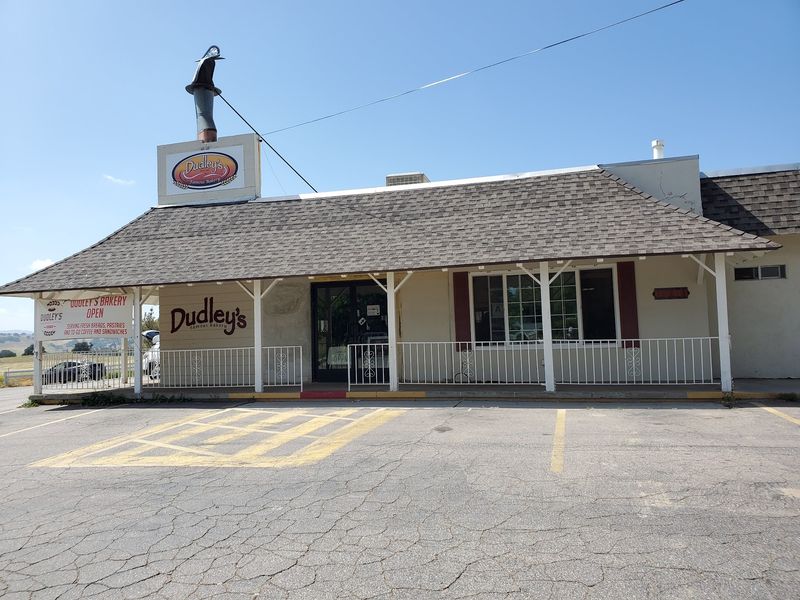
The shop is Dudley’s Famous Bakery and Cafe, and the address is 30218 CA-78, Santa Ysabel, CA 92070. More than sixty years later, the same crossroads location still pulls in travelers by the carload.
Founder Dudley Pratt built the reputation on bread, and stories about him include traveling through Europe to gather recipes and equipment for the shop.
That habit of borrowing good ideas from far away helped shape a bread list far longer than most small bakeries attempt.
Ownership has shifted several times across the decades, yet each new group has kept the name, the bread cases, and the general spirit of the place intact.
The building itself has grown through expansions, though the original roadside footprint is still visible if you look at the older section of the structure.
That layering of additions gives the property a lived-in feel rather than a polished, brand-new one.
Longevity like this rarely happens by accident on a rural highway. Repeat customers who first visited as children now bring their own kids, and the loyalty shows in how busy weekends get.
Walking In You’re Met With Warm Air And A Fireplace Corner
The first thing that hits you is the smell, a mix of butter, yeast, and coffee that lingers near the entrance.
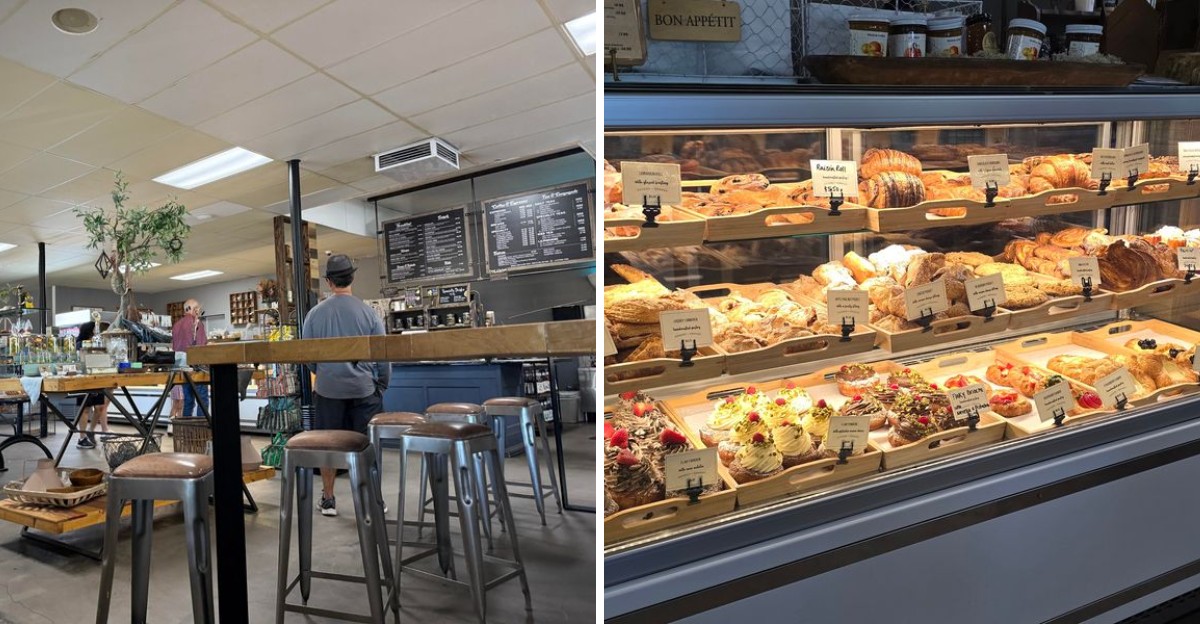
Bakers here start their shifts around midnight so the shelves are stocked when the doors open. Fresh trays continue coming out through the day, which keeps the cases from looking picked over by noon.
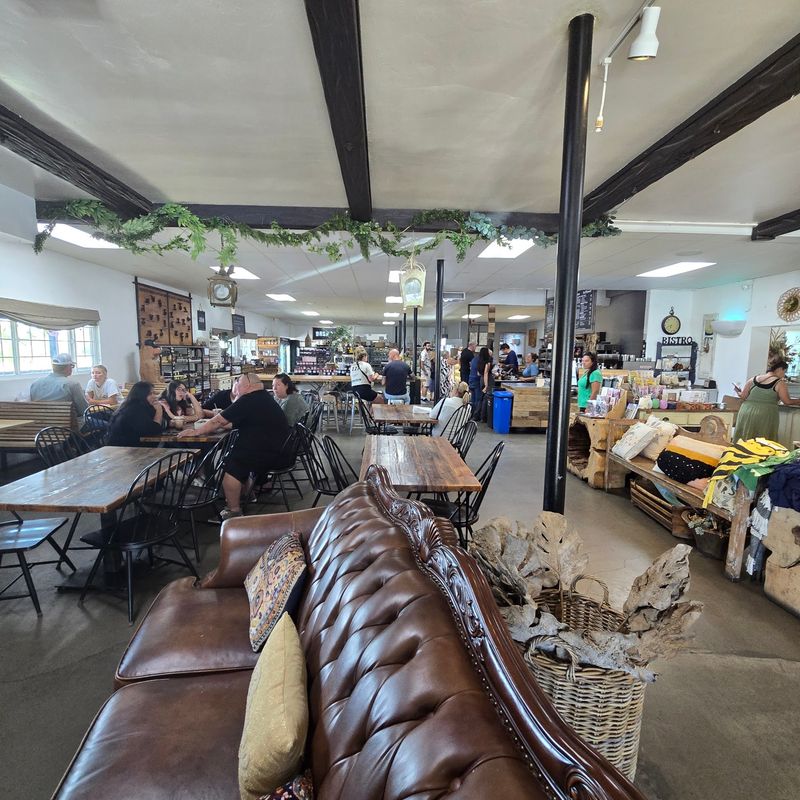
A remodel added an espresso bar along with a lounge-style seating nook that includes leather couches and a fireplace. The effect is closer to a friend’s cabin living room than a typical bakery counter area.
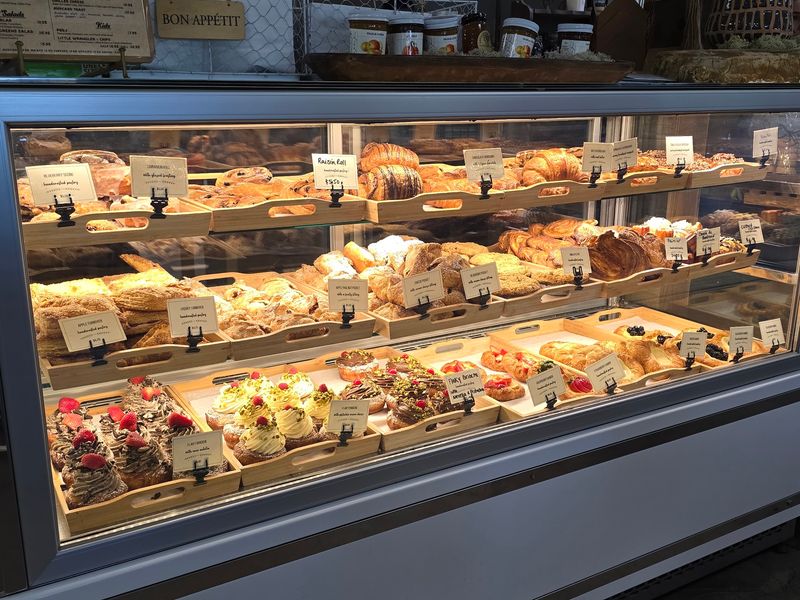
Ordering follows a clear path past the display cases, so newcomers can browse the pastries and breads while the line moves forward.
Lighting stays warm rather than harsh, which flatters the golden crusts and dark chocolate glazes behind the glass. Antique pieces and rustic wood tones fill out the decor without feeling staged.
Noise level generally sits at a comfortable hum of conversation, clattering trays, and the occasional espresso machine hiss. Even on a packed Saturday, the sound stays manageable enough for table talk.
Take a minute to look before ordering, since the selection is wide and the line behind you tends to build quickly during peak hours.
Bread Is Still The Main Event
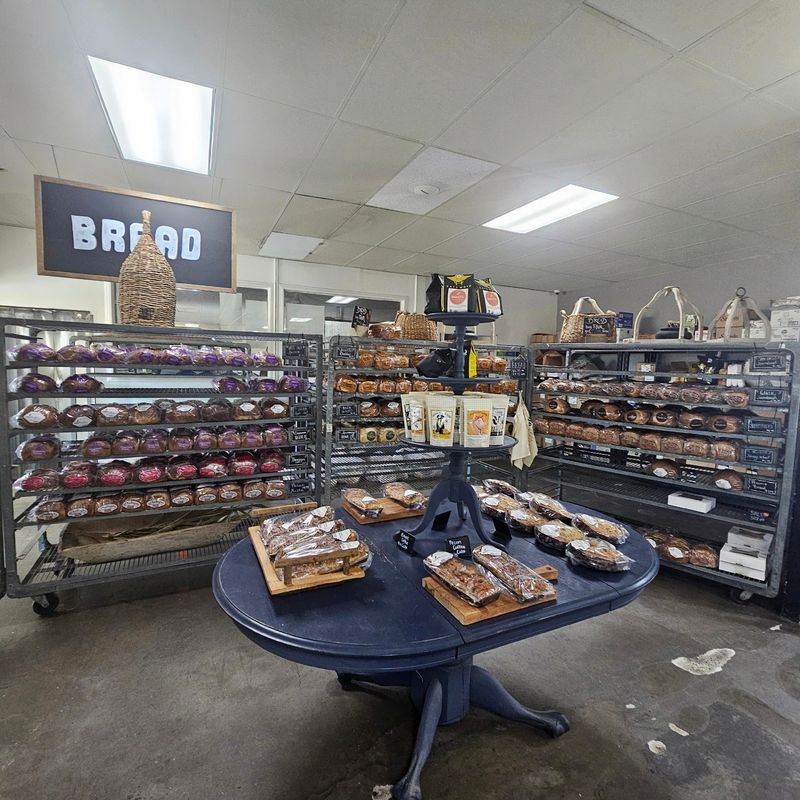
Fifteen or so types of bread on the shelves at once is a lot for any small-town bakery, and that abundance is the heart of the operation.
Sourdough holds steady as a classic pick, while date nut raisin bread and jalapeño cheddar bread have earned devoted fans over the years. Regulars often grab a loaf on the way out even after eating a full lunch.
Some of the bread is made using natural spring well water sourced from the property itself, a detail that ties the flavor to the land around the shop.
Loaves generally come pre-sliced, and an uncut loaf usually requires a call the day before. Worth knowing if you want thick slices for sandwiches at home.
Newer French-influenced items have joined the lineup, including baguettes, and there has been talk of bringing back retired recipes like sun-dried tomato bread.
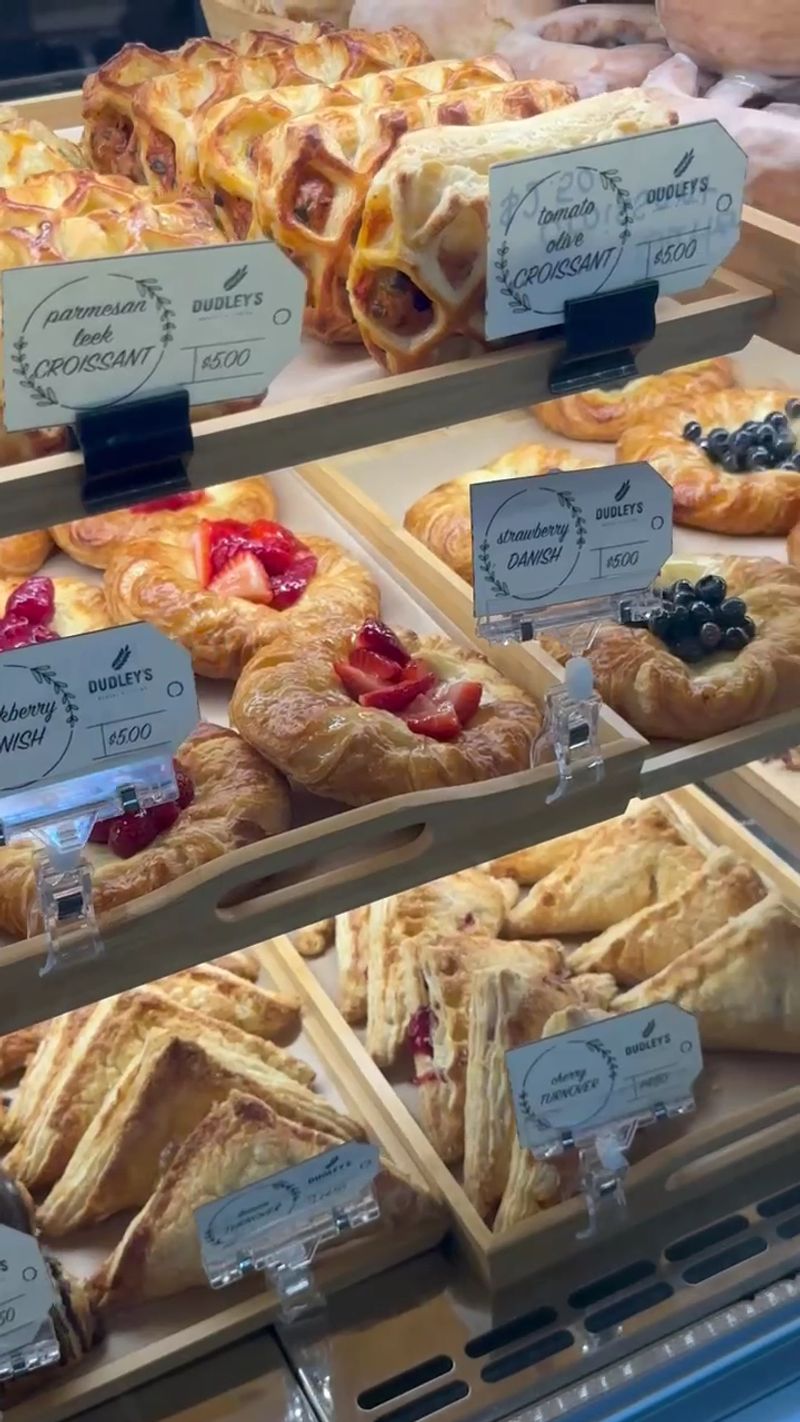
Pastries share the spotlight too, with danishes, cinnamon rolls, scones, macaroons, fruit bars, and filled brioche rolls filling the long case. Pies also move fast, apple especially.
Buying bread for later is a smart move if the drive home is long. Loaves travel well and stretch the visit into the following morning.
Sandwiches, Salads, And The Espresso Bar
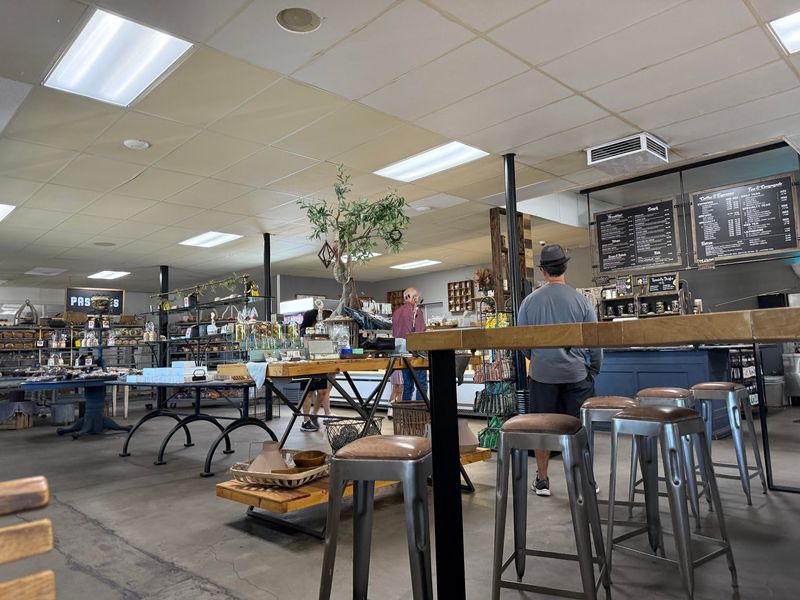
Plenty of visitors arrive expecting only pastries and leave surprised by a full lunch plate.
The bistro side of the operation runs a breakfast and lunch menu, so a stop here can replace a restaurant meal entirely.
Breakfast items have included an egg and bacon breakfast BLT and a ham and cheese croissant.
Sandwiches draw the biggest crowd at midday. The Classic Club stacks roast turkey, ham, and bacon, while the Bajapotle pairs roasted turkey breast with the bakery’s own jalapeño cheddar bread.
Salads and wraps round things out for anyone wanting something lighter, including a veggie wrap with fresh produce and feta.
The espresso bar handles hot and iced coffee drinks, teas, and a rotating set of specialty beverages. Sweeter signature drinks lean rich, so ordering plain if you prefer subtle flavors is a fair call.
Portions run generous, which means splitting a sandwich between two people is realistic when pastries are also in the plan.
Service moves at a steady clip even when the counter line stretches back several people. Have your order ready when you reach the register, and the whole process goes smoothly for everyone waiting behind you.
A Crossroads Stop On The Way To Julian And The Desert
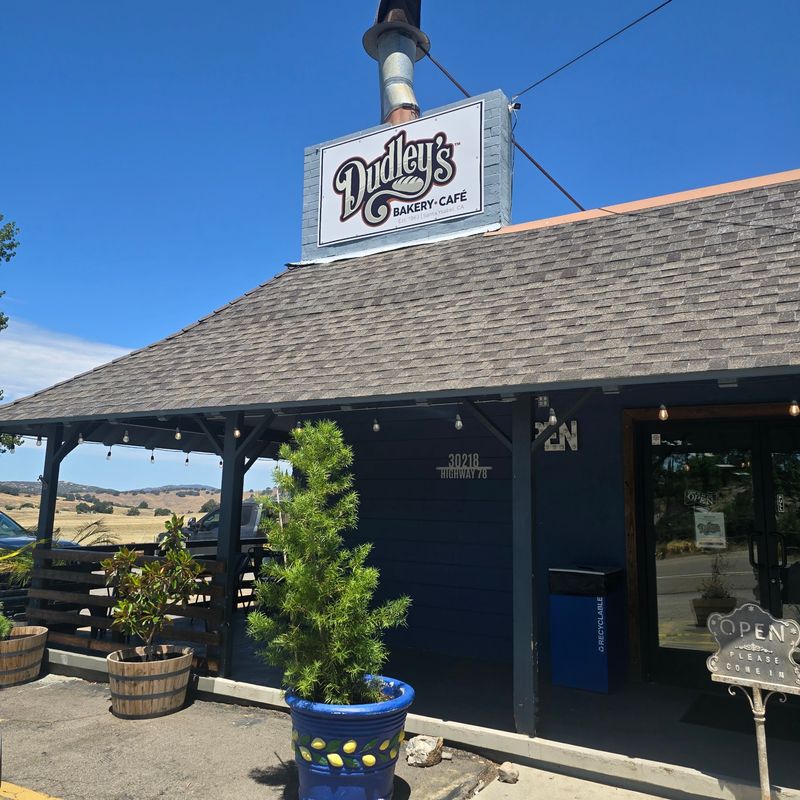
Geography explains a lot about why this bakery thrives where a similar shop elsewhere might struggle.
Sitting near the base of the Cuyamaca Mountains, the shop occupies a junction where mountain routes converge roughly 50 miles northeast of downtown San Diego.
Drivers heading to Julian, Borrego Springs, or Lake Henshaw all pass right by.
Motorcycle groups treat it as a standard weekend stop, and cyclists and hikers show up too, especially in cooler months.
The surrounding landscape is pastoral, with rolling hills, oak trees, and wide open sky. Elevation means the air feels cooler than the coast in summer and genuinely chilly on winter mornings.
Because the highway drive involves curves and climbs, a break here fits naturally into the pacing of the trip. Legs stretch, drivers reset, and passengers get something to snack on for the next leg.
Timing matters for the return trip too. Many travelers stop on the way back from Julian rather than on the way up, which contributes to a busy midafternoon stretch.
Building the stop into the plan rather than treating it as an afterthought usually makes for a more relaxed visit.
Where To Sit And How Long To Linger
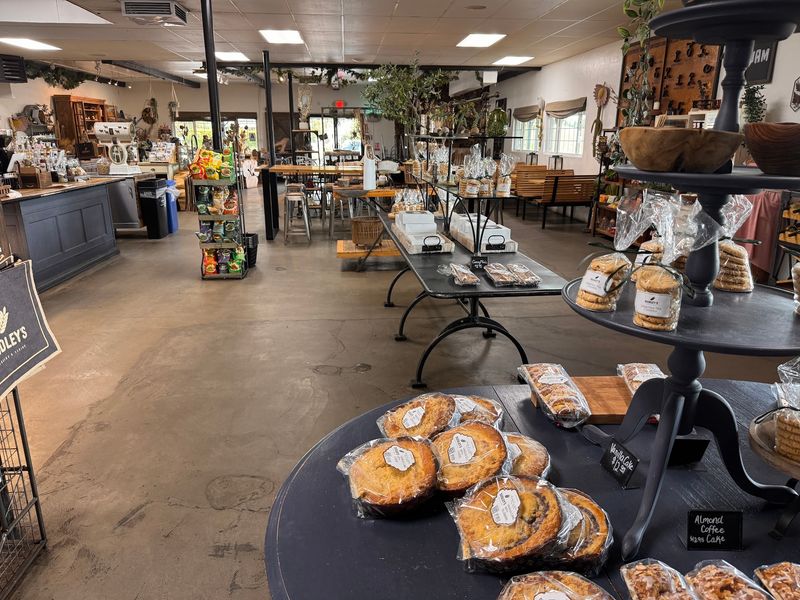
Seating variety is one of the quiet strengths here, and it changes the whole feel of a visit depending on where you land.
Indoor bistro tables and booths handle the lunch crowd, while the lounge corner with leather couches and a fireplace suits anyone wanting to sit with coffee for a while.
There is also outdoor seating behind the shop, a spot some first-time visitors never notice. Fresh air and hill views make it appealing when weather cooperates.
On hot summer afternoons or cold winter mornings, indoor seats are the more comfortable choice. Shoulder seasons open up the patio nicely.
Groups tend to spread out across the space, so finding a table for four during peak hours may take a few minutes of patience.
Restrooms on site are generally kept clean, which matters more than people admit on a long drive through rural country.
Lingering is genuinely part of the culture here rather than something discouraged. Families browse, couples share pastries, and solo travelers read at a corner table.
Nobody rushes you out, though returning a tray and clearing your table keeps things moving during the busiest stretches.
Practical Details Before You Pull In
A little planning turns a rushed pit stop into an easy, enjoyable break.
Doors open daily at 7:30 AM and close at 5:30 PM, giving a wide window for early risers and afternoon travelers alike. Arriving closer to opening usually means the fullest bread and pastry selection.
Parking sits on site and the lot is roomy, with plenty of spaces even when the building is busy.
Weekends run considerably livelier than weekdays, particularly midmorning through early afternoon. Lines of seven to ten people at the counter are common then, though they generally move at a decent pace.
Weekday mornings offer the calmest version of the experience for anyone who prefers quiet browsing.
Inside, a boutique and apothecary section stocks locally sourced items like honey, jams, cider, and kitchenware. Browsing there is a pleasant way to spend the wait if someone else is ordering.
Prices vary across the menu, so checking the case labels helps set expectations before ordering. Calling ahead at 760-765-0488 is the reliable route for special bread requests or whole pies.
Bringing a cooler bag also helps if the drive home stretches past an hour.
The Bakery Has A Life Beyond The Roadside Counter
Dudley’s relationship with its customers extends beyond the people who happen to pull off Highway 78 for a morning treat.
The bakery runs a dedicated fundraising program built around advance orders of its baked goods, giving organized groups another way to bring Dudley’s products into the community.
Instead of selling an unrelated fundraising product, participants work with the same kinds of breads, pastries, and pies that have made the bakery recognizable to generations of customers.
Dudley’s provides order forms for the program and asks organizers to coordinate a pickup time once the final order is ready.
That keeps the process centered on the Santa Ysabel bakery rather than turning it into a separate operation.
The setup says something about how deeply the name has become associated with the area.
A loaf or pastry from Dudley’s is familiar enough that the bakery can serve as both a roadside destination and the centerpiece of a local fundraiser.
It is an easy detail to miss during a quick visit, particularly when most attention naturally goes toward the display cases.
Yet it adds another layer to a business that has spent decades becoming part of people’s routines well beyond a single stop for breakfast or lunch.