9 Picturesque Florida Towns Packed With Fascinating History And Old-World Vibes
Florida is famous for theme parks and crowded beaches, but a slower, older version of the state survives just beyond the highways. It raises a fair question: how do these towns still feel frozen in another century while the rest of Florida races toward the future?
Brick streets, wooden fishing docks, Spanish forts, and Victorian porches offer one answer, each holding onto stories that stretch back hundreds of years.
Visiting these places feels less like sightseeing and more like flipping through a photo album of Florida before skyscrapers and roller coasters took over.
Every town carries its own rhythm, shaped by rivers, railroads, or centuries of settlers who came before. Florida’s history runs deeper than most visitors realize, and these towns prove it.
Pack a full camera roll and plan for a slow weekend.
1. St. Augustine
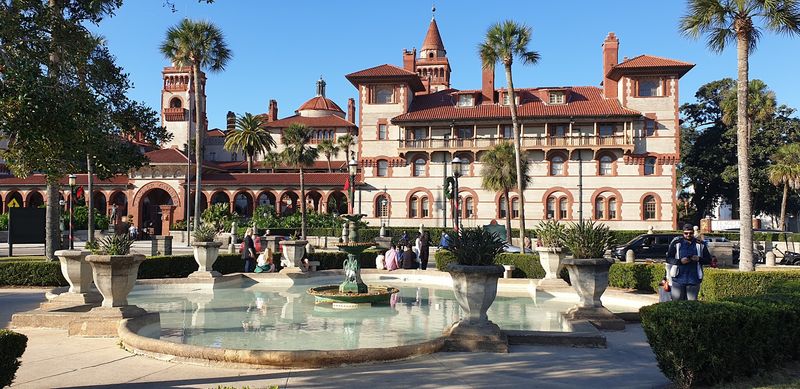
Founded in 1565, this coastal town beat Jamestown and Plymouth by decades, making it the oldest continuously occupied European settlement in the United States. Spanish soldiers, pirates, and pioneers all left fingerprints here.
The star of the show is Castillo de San Marcos, a fort built from coquina, a soft shell rock that absorbed cannonballs instead of shattering. Enemy gunners were baffled, and the fort was never taken by force.
St. George Street is the best place to wander. Cars are banned, so you can drift between candy shops, leather makers, and courtyard cafes shaded by palms and stone arches.
History lovers should budget time for the Lightner Museum, housed in a former luxury hotel built by railroad millionaire Henry Flagler, and the Fountain of Youth park, where you can sip water from the legendary spring.
Practical tip: park in the garage near the visitor center and walk everywhere. The old streets are narrow and parking spots vanish fast, especially on weekends.
Come between October and April for cooler days and fewer crowds. If you visit in December, the Nights of Lights turns the entire historic district into a glowing maze of millions of tiny white bulbs, a tradition locals plan their whole holiday around.
2. Cedar Key
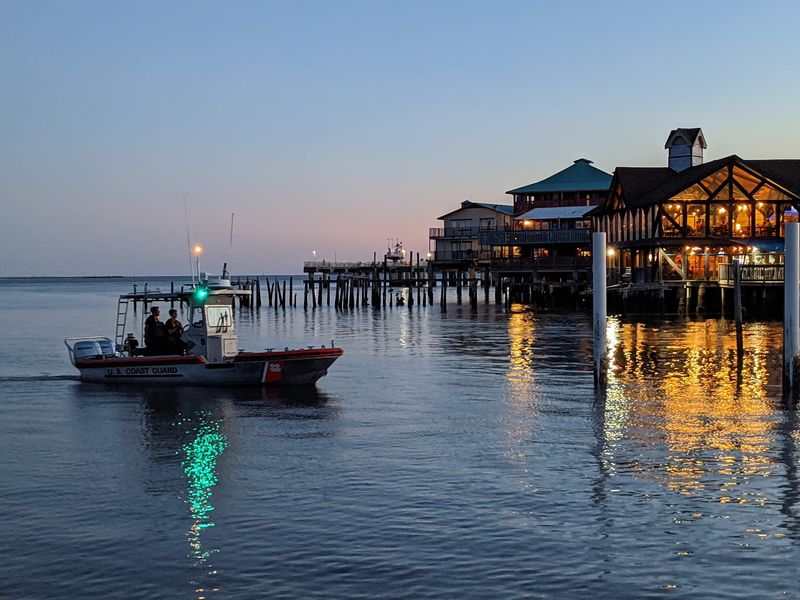
Picture a fishing village that forgot to modernize, and you have Cedar Key. Sitting on a cluster of islands in the Gulf, roughly an hour from any interstate, it moves at the speed of a pelican gliding over the water.
Back in the 1800s, the town boomed thanks to pencil factories that used local cedar wood, plus a railroad that connected the Gulf to the Atlantic. When the cedar ran out and a hurricane roared through in 1896, the boom ended and the quiet settled in for good.
Today clams are the main business. Farmed clams from these waters end up in restaurants across the country, and you can taste them fresh at nearly every dockside spot in town.
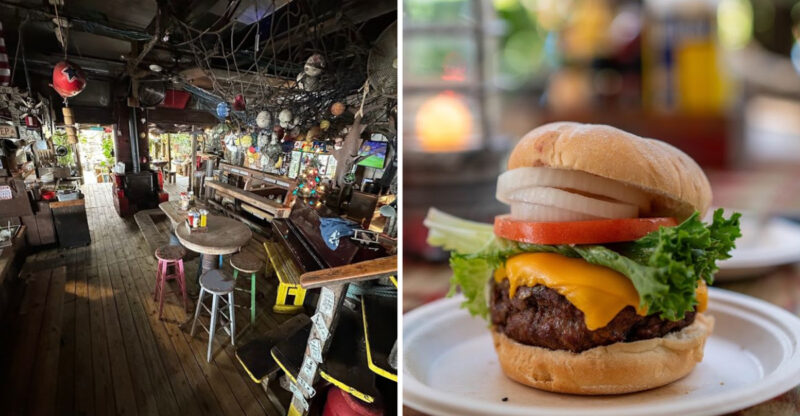
Dock Street is the heart of things, lined with stilted buildings that hang over the water. Order steamed clams, watch the sunset, and count the fishing boats coming home.
Bring a kayak or rent one. The nearby keys are part of a national wildlife refuge, and paddling past nesting birds feels like exploring a private world.
Small detail worth knowing: there are no chain hotels or fast food joints. Everything is family run, which is exactly why people keep coming back year after year.
3. Apalachicola
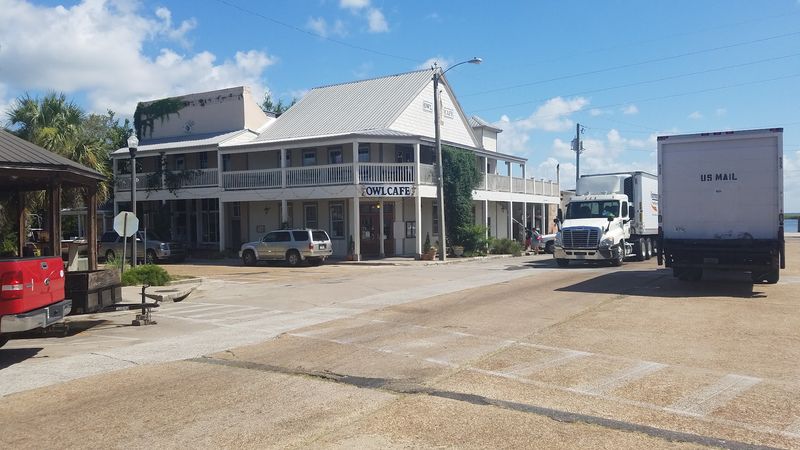
Oysters built this town. During the 1800s, Apalachicola was one of the busiest cotton ports on the Gulf, and later became famous for its productive oyster industry.
Walk the streets and you will spot more than 900 historic buildings, from sea captains’ homes with wraparound porches to brick warehouses that once stored bales of cotton. Many now hold bookstores, antique shops, and coffee roasters.
Here is a fun bit of trivia: local doctor John Gorrie invented an ice making machine here in the 1840s while trying to cool down patients with fever. His invention led straight to modern air conditioning, and a small state park museum tells the whole story.
Riverfront restaurants serve oysters raw, baked, or fried, keeping the town’s long seafood tradition alive. Ask the server where the batch came from and you will usually get a story about the boat captain.
Nearby St. George Island offers quiet white sand beaches and a lighthouse you can climb for a view over the bay.
Plan a spring or fall trip when the humidity eases up. Bring cash for the smaller markets, wear comfortable shoes for the uneven sidewalks, and leave room in the trunk for tupelo honey, a rare local product made in the swamps upriver.
4. Micanopy
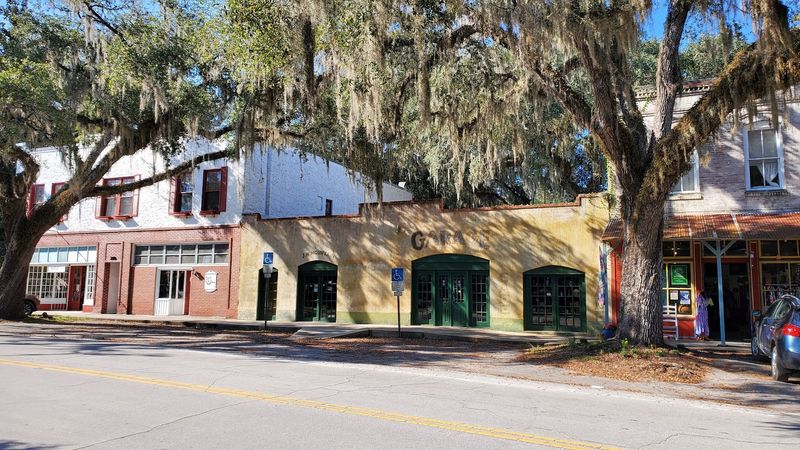
Only a few hundred people live in Micanopy, yet it holds the title of oldest inland town in Florida, settled in 1821 on land where the Timucua people lived long before.
Giant live oaks arch completely over Cholokka Boulevard, dripping Spanish moss and throwing shade so thick that summer feels almost bearable. The street looks so untouched that Hollywood filmed the movie Doc Hollywood here in 1991.
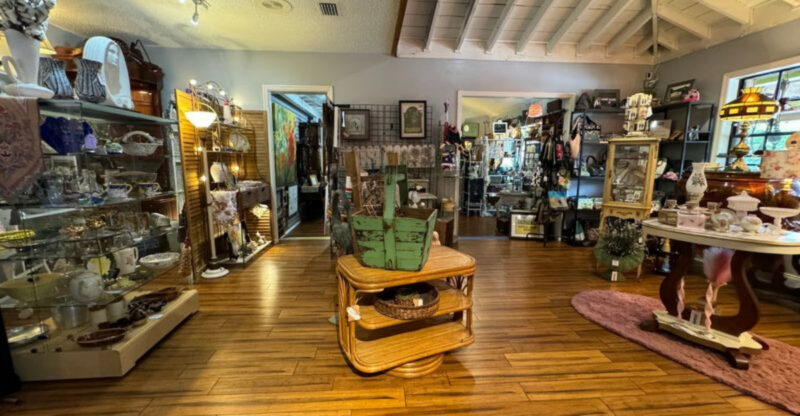
Antique hunting is the main sport. Shops packed with old maps, glass bottles, vintage tools, and dusty books sit inside buildings more than a century old, and owners love to explain where each item came from.
The Micanopy Historical Society Museum, tucked into a former warehouse, fills in the rest of the story with photographs, farm equipment, and records documenting the area’s past.
Just south of town, Paynes Prairie Preserve spreads across 21,000 acres of wet grassland where wild horses and bison actually roam. Climb the observation tower early in the morning and you might spot both.
Since the whole downtown covers just a few blocks, this makes a great half day stop between Gainesville and Ocala. Grab lunch at a small cafe, browse slowly, and let the pace of a town with one traffic light rub off on you.
5. DeFuniak Springs
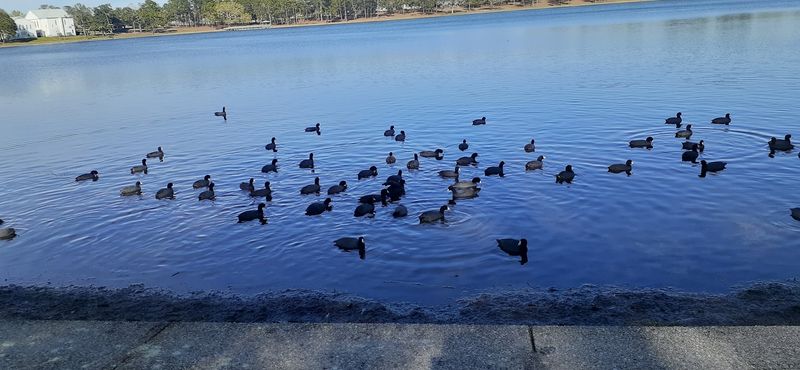
A nearly perfect circle of water sits in the middle of this Panhandle town, and geologists say it is one of only a couple of naturally round spring fed lakes on the planet. Locals simply call it Lake DeFuniak and jog around its one mile shoreline.
Ringing that lake are Victorian homes built in the late 1800s, when the town became the winter home of the Florida Chautauqua, a traveling education and culture movement. Speakers, musicians, and teachers arrived by train each winter, turning a tiny railroad stop into an intellectual hot spot.
The Chautauqua Hall of Brotherhood still stands, its white columns facing the water, and the town revives the tradition with an annual festival each spring.
Book fans should peek inside the Walton County Heritage Museum and the historic library, which opened in 1887 and holds a strange treasure: a collection of medieval European armor and weapons donated long ago.
Downtown is compact and walkable, with a restored train depot, murals, and family owned diners serving Southern plates at fair prices.
Because it sits off Interstate 10 about 30 minutes inland from the beaches, this town makes a smart, quieter base for exploring the Panhandle without paying coastal prices.
6. Fernandina Beach
Eight different flags have flown over this island town, earning it a nickname as the Isle of Eight Flags. French, Spanish, British, American, and even a short lived pirate republic all claimed the place at some point.
Centre Street runs through the heart of a roughly 50-block historic downtown filled with preserved architecture and leading toward the marina. Fernandina Beach calls itself the birthplace of the modern shrimping industry, and the shrimp on local menus travels a very short distance.
Step into the Palace Saloon, opened in 1903 and often named Florida’s oldest continuously operating bar. Carved caryatid columns, a 40 foot mahogany bar, and old murals make it feel frozen in another century.
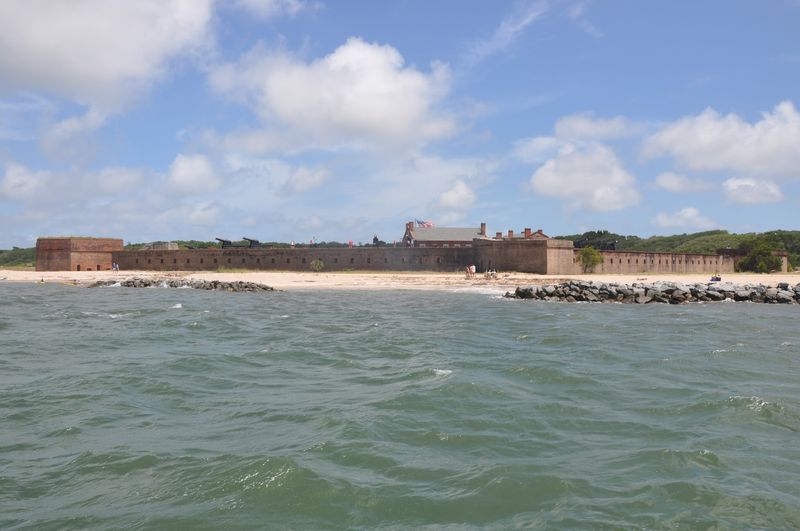
Fort Clinch State Park guards the northern tip of Amelia Island. The brick fort dates to the 1840s, and on the first weekend of each month reenactors in Union uniforms cook, drill, and answer questions in character.
Beaches here are wide and firm enough for horseback riding, which several outfitters offer along the sand.
Time your visit for the Isle of Eight Flags Shrimp Festival in early May if you enjoy crowds, parades, and pirate costumes. Prefer peace and quiet?
October delivers warm ocean water, empty sand, and easy parking downtown.
7. Tarpon Springs
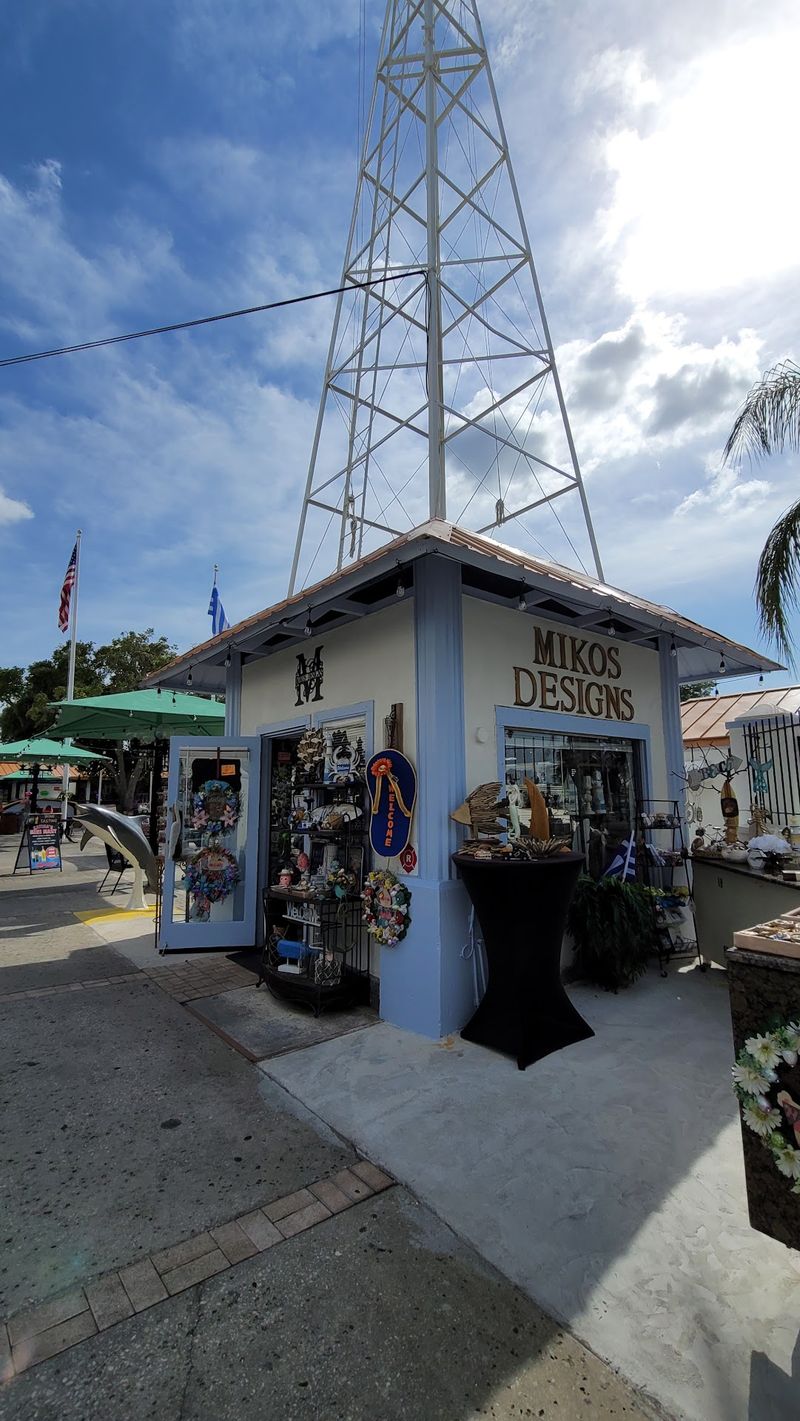
Tarpon Springs brings a distinctly Greek character to Florida’s Gulf Coast, shaped by immigrants who arrived in the early 1900s. Many came to work in the growing sponge industry, leaving a cultural influence that remains visible today.
The historic Sponge Docks along Dodecanese Boulevard are the center of the action. Greek restaurants, bakeries, specialty shops, and sponge boats line the waterfront, making this an easy area to explore on foot.
Natural sponge harvesting helped transform Tarpon Springs into an important commercial center during the early 20th century. Visitors can still learn about the industry through local exhibits, shops, and boat tours that explain how sponges were traditionally collected.
Head downtown for another side of the city. Brick streets and historic buildings surround Tarpon Avenue, where independent shops, cafes, galleries, and the historic train depot create a relaxed small-town atmosphere.
The Tarpon Springs Heritage Museum at Craig Park offers more background on the community and its Greek heritage. Nearby Spring Bayou adds a peaceful waterfront stop surrounded by palms and historic homes.
Plan enough time to explore both downtown and the Sponge Docks rather than rushing through. The two areas are close enough to combine in one visit and together show why Tarpon Springs stands out among Florida’s historic Gulf Coast communities.
8. Mount Dora
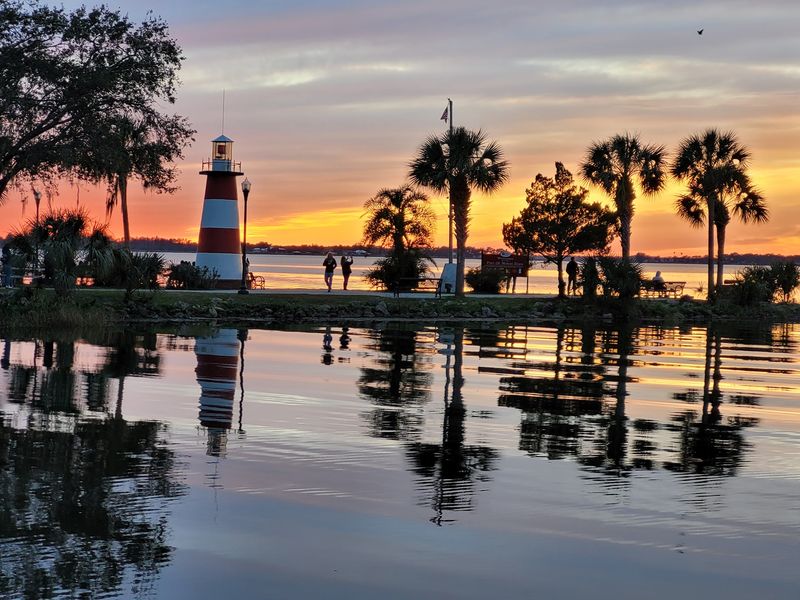
Hills in Florida? Mount Dora sits about 184 feet above sea level, which counts as mountainous in a state this flat, and the gentle slopes down to Lake Dora give the town an unexpectedly New England feel.
The Lakeside Inn opened in 1883 and hosted President Calvin Coolidge, who stayed a full month in 1930. Rocking chairs still line its long porch, and guests still watch the sun drop behind the cypress trees.
Antique shopping put this town on the map. Dealers fill blocks of downtown storefronts, and a huge monthly market at Renninger’s draws collectors from across the Southeast.
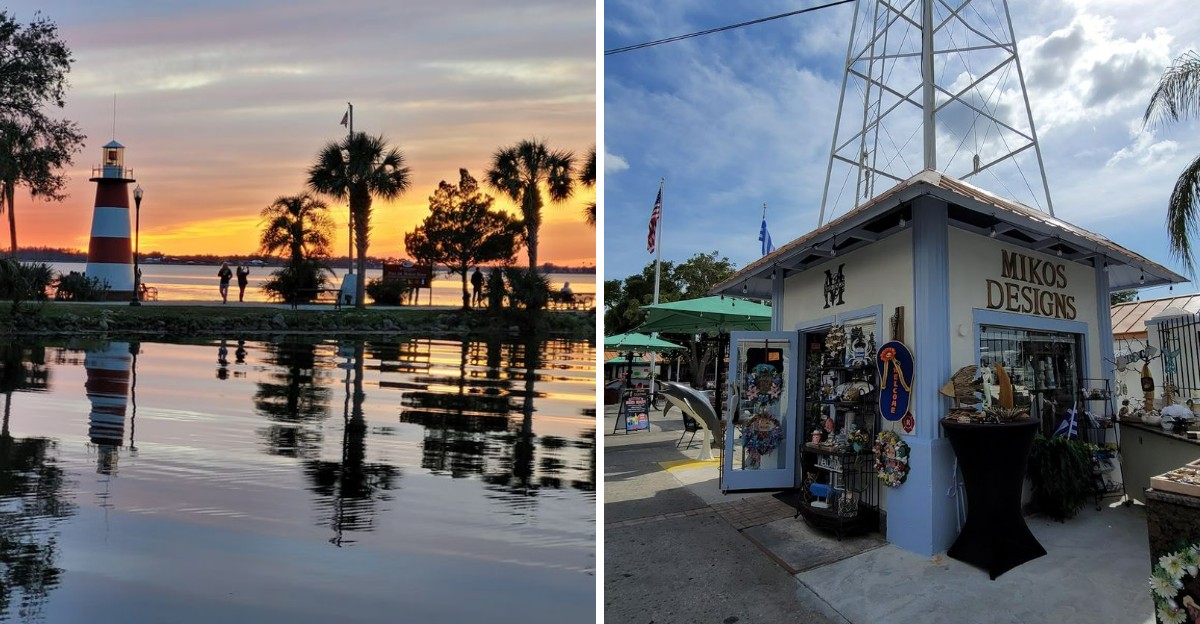
Down at the harbor stands a 35 foot freshwater lighthouse, built in 1988 but looking every bit the part. Boat tours from there run through a narrow, jungle like canal on the Dora Canal, where cypress knees and alligators line the banks.
Festivals rule the calendar. An arts festival in February, a craft fair in October, and a month long light display in December keep the streets busy.
Since downtown is hilly and compact, wear decent shoes and plan to walk. Weekday visits mean easier parking and shopkeepers who have time to chat about the building you are standing in.
9. Chipley
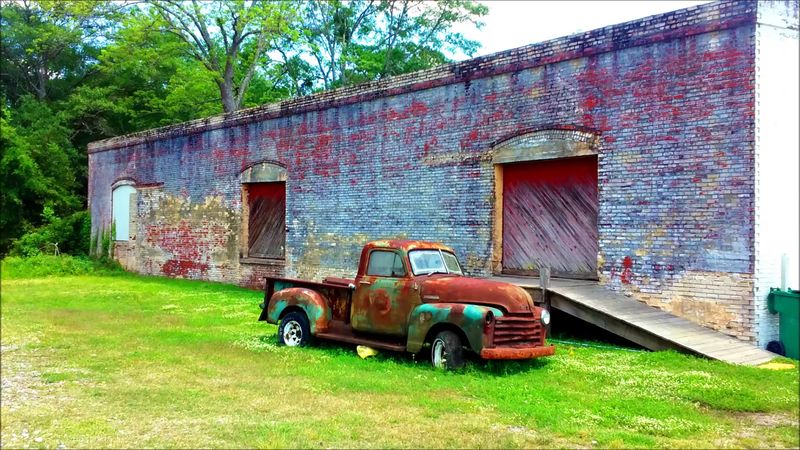
Trains made Chipley, and you can still hear them. Named after railroad promoter William Chipley in 1882, the town grew around the tracks that carried timber and turpentine out of the north Florida woods.
The restored depot now anchors a compact downtown of early 1900s brick storefronts, where you will find hardware stores, barbershops, and diners that have served the same families for generations. Prices here feel like a time warp too.
Just north of town waits the real showstopper: Falling Waters State Park, home to Florida’s tallest waterfall. Water tumbles 73 feet into a deep cylindrical sinkhole and then vanishes underground, and nobody knows exactly where it goes.
The park also protects unusual landscape features called sinks, plus a short boardwalk trail through hardwood forest and remnants of Florida’s early industrial history.
Washington County Historical Society keeps records and photos that trace pioneer families, the timber boom, and the decline that followed once the forests thinned.
Come after a rainy stretch if you want the waterfall at full strength, since it slows to a trickle during dry months. Fill up your gas tank and pack snacks before heading into the surrounding countryside, because services get sparse fast on the back roads.