The Nebraska State Park Where You Wake Up In A Pine-Wrapped Cabin And Drink Coffee On The Porch
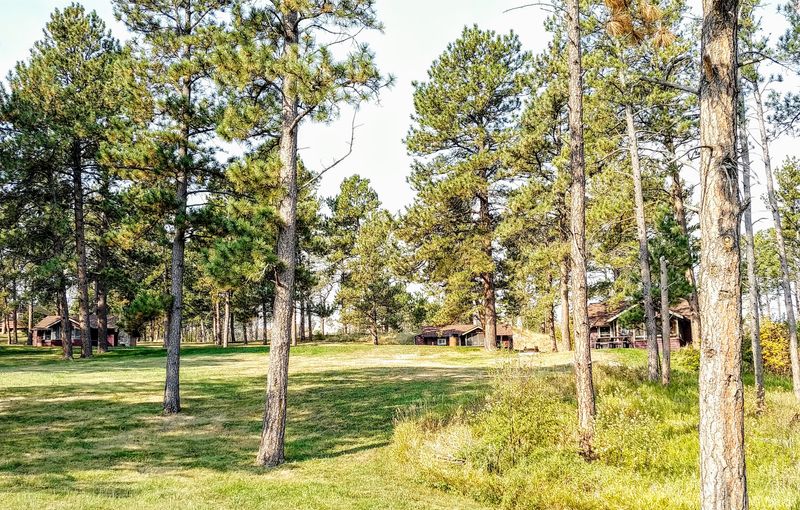
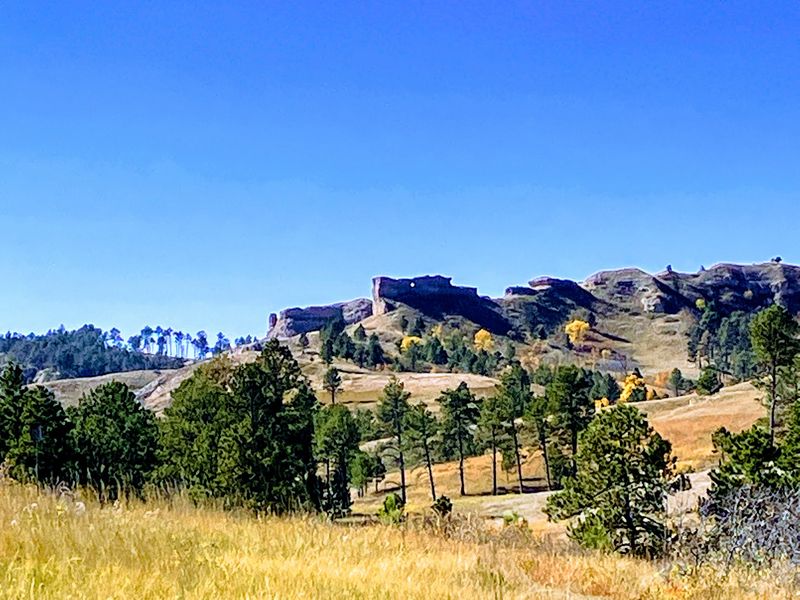
Most people picture Nebraska as flat corn rows and long straight highways, which makes the northwest corner of the state feel almost like a trick. Drive far enough west and the land buckles upward into ridges thick with ponderosa pine, the air thins out, and the elevation climbs toward 5,000 feet.
Somewhere in that unexpected forest sits a park with two-bedroom cabins, a fire ring at every door, and mornings cool enough for a jacket in July. It is the kind of place you stumble onto once and then keep planning trips back to.
Where Pine Ridge Meets Nebraska’s First State Park
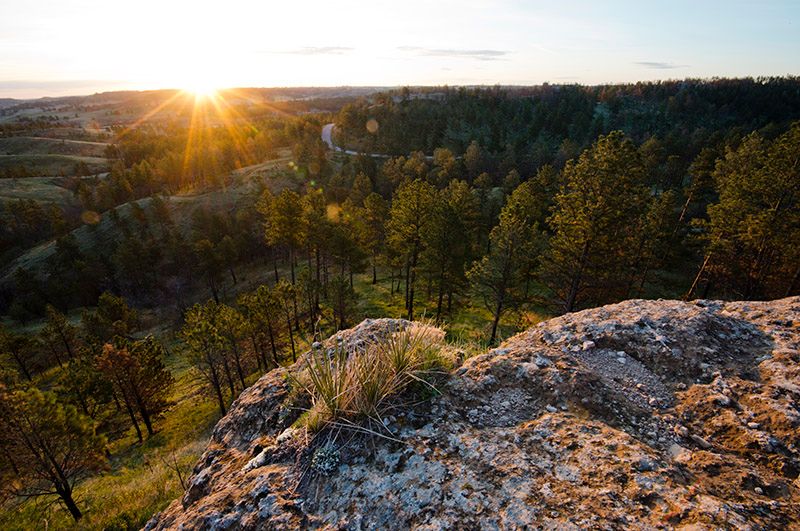
Nine miles south of Chadron on U.S. Highway 385, the road climbs and the scenery stops behaving like the Nebraska most people carry in their heads.
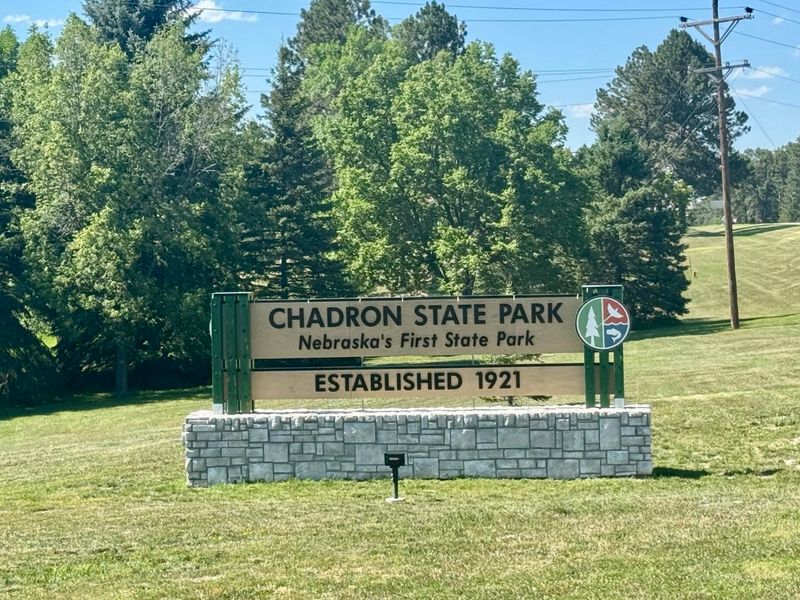
Ridges rise, ponderosa pines close in on both sides, and a sign marks the entrance to 972 acres of forested park land.
Chadron State Park holds the title of Nebraska’s first state park, and the address reads 15951 Gold Rush Byway, Dawes County, in the heart of the Pine Ridge country.
Elevation here approaches 5,000 feet, which explains a lot about the temperature swings. Days can bake in the upper nineties while nights turn cool enough that a tent feels comfortable and a sweatshirt makes sense on the cabin porch.
The park sits inside the boundaries of the Nebraska National Forest, so trails wander off park land and onto Forest Service ground without much fanfare. Chadron Creek runs through, ponds hold bass and bluegill, and the whole place stays green even during dry stretches.
Gates never close. The park operates 24 hours, every day of the week.
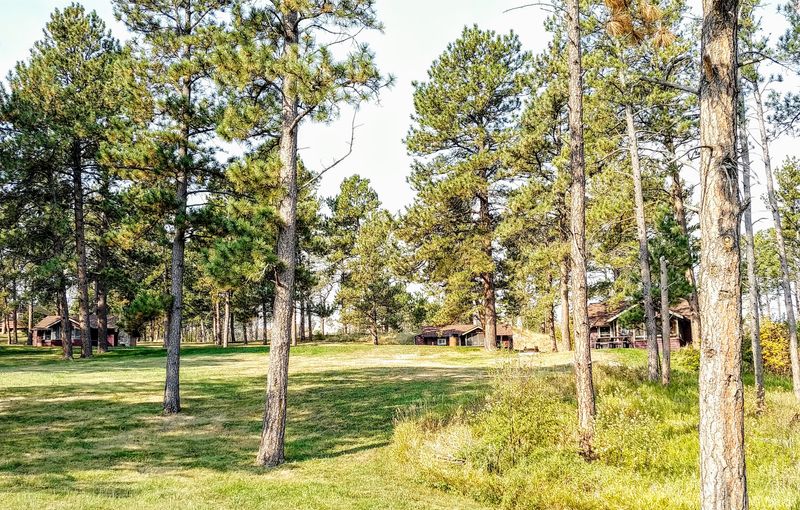
Twenty-Two Housekeeping Cabins Under The Ponderosas
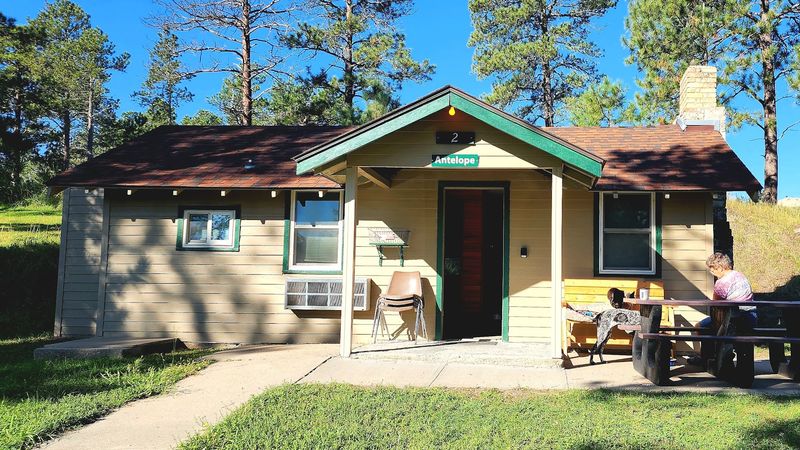
Twenty-two two-bedroom housekeeping cabins sit scattered beneath the pines, and they are the reason a lot of families book a year ahead. Reservations open up to twelve months in advance, which tells you something about how quickly summer weekends fill.
Each cabin arrives stocked in a way that surprises people who expect bare walls and a mattress. Blankets, towels, a stove, a refrigerator, silverware, and cooking utensils come standard, and both air conditioning and heating are built in.
Outside every cabin door waits a picnic table and a fire ring, the same setup tent sites get. Drinking water from the tap tastes fine, which matters more than it sounds when you are three days into a trip.
Cabin season runs mid-April through mid-November, with additional openings during big game firearm and wild turkey seasons. Outside those windows, the cabins sit quiet.
One honest note: it is still a cabin in the woods. Moths find the porch light, and ticks turn up after hikes, so bug spray belongs in the bag.
Coffee On The Porch And Other Slow Mornings
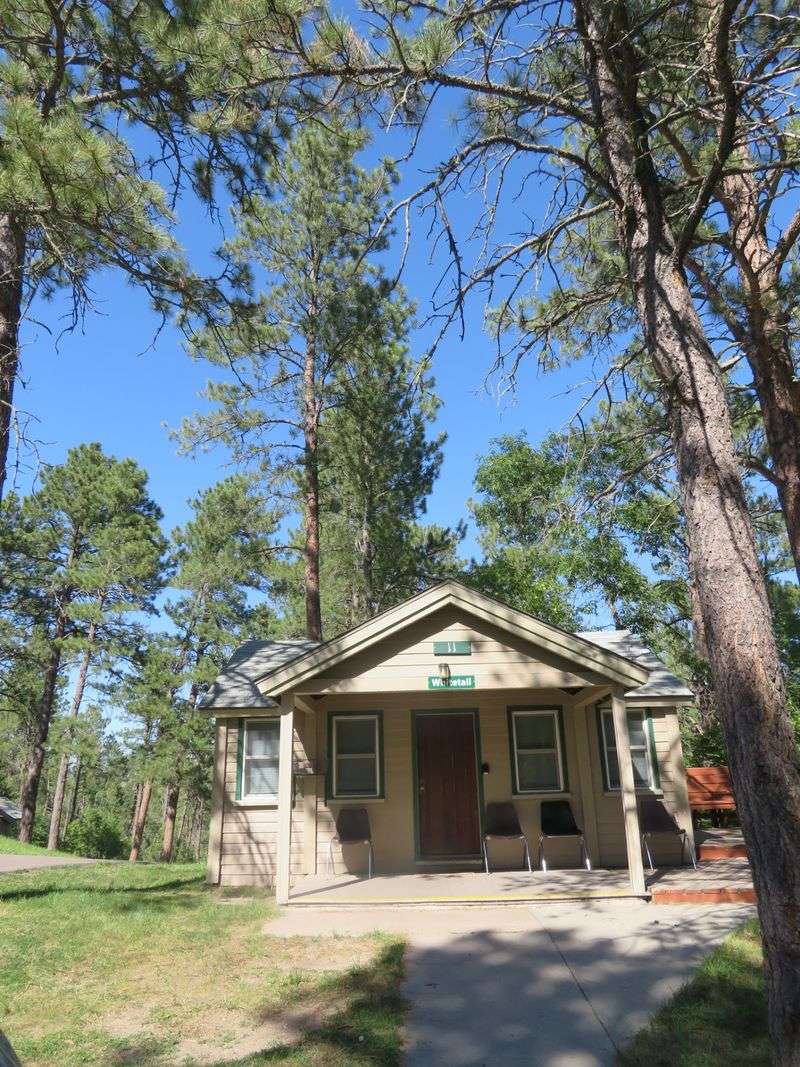
Sunrise in the Pine Ridge arrives sideways, filtering through pine trunks in long stripes across the porch boards. Mornings run cool even in August because of the elevation, and the humidity that flattens eastern Nebraska in July mostly stays away out here.
Coffee brewed on the cabin stove and carried outside is the whole ritual. No traffic hum, no schedule, just the sound of wind moving through needles overhead and the occasional bird working the branches.
Birdwatching out here rewards patience. The lower trails run thick with vegetation while the higher ones open up above the plains, giving two different sets of species within a mile of each other.
Deer move through the campground loops early. So do wild turkeys, which is part of why the park keeps a separate lodging season around turkey hunting.
By nine the day has usually made its intentions clear. Either the heat is building and you head for water, or the air stays mild and the trails win.
Both plans start on the porch.
The 5.7-Mile Trail Loop And The Black Hills Overlook
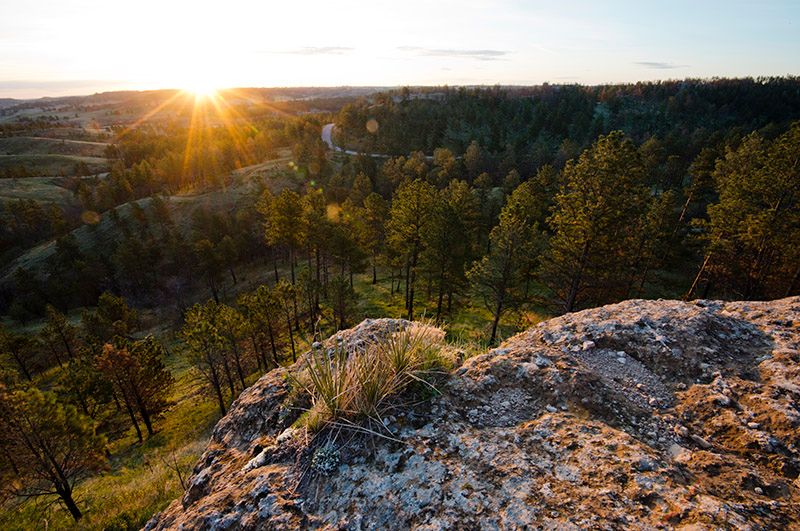
Walk the full loop and you cover 5.7 miles, with the best of the scenery packed into the northwest corner of the park. Signs mark the route reliably, though the printed trail map does not match the ground perfectly, so following the posted markers beats following paper.
Steamboat Loop is one of the recognizable names, and the path gets mowed, which makes for easy footing. Trails also cross onto adjacent Forest Service land, meaning a short hike can stretch considerably longer if the mood strikes.
Elevation change does the heavy lifting on views. Lower stretches feel enclosed and shaded, thick with brush, then the grade lifts you onto ridgelines where the plains spread out below.
The Black Hills Overlook trail earns its name. On clear days the horizon carries north toward South Dakota’s dark hills.
Difficulty stays moderate rather than punishing. Hike-bike trails run through the park too, so cyclists share the network.
Bring water and check for ticks afterward.
Horseback Trail Rides With Names Like Big John
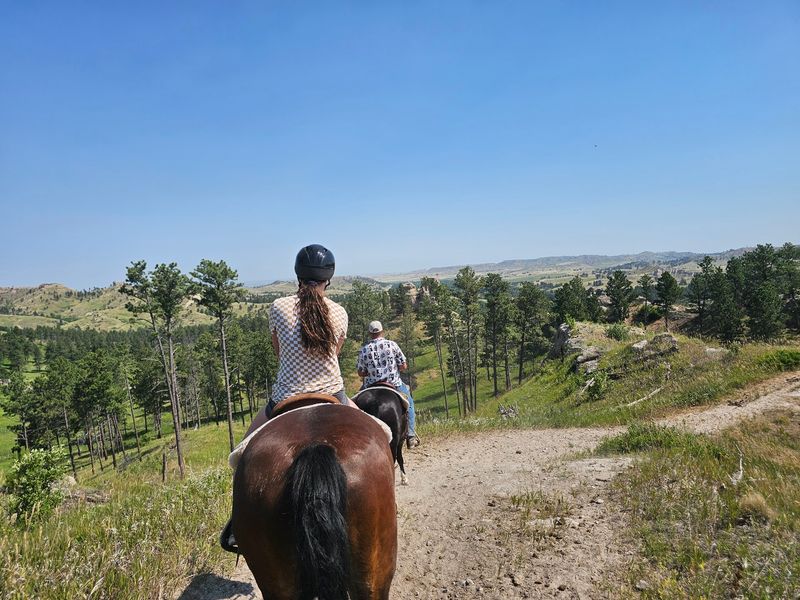
A stable operates right inside the park, running guided trail rides several times a day during the season. Horses come with names, and riders remember them long after the trip ends.
Rides follow the park’s horse trails, which weave through the same pine country the hikers get but from a saddle six feet higher. That extra height changes what you see over the brush.
Families with kids who have never sat on a horse tend to do fine here. The pace is built for trail riding, not showmanship, and the staff handles the matching of rider to animal.
Horse trails and hiking trails overlap in places within the park, so foot traffic yields when a string of riders comes through. It works out without much fuss.
Costs for rides are handled separately from park admission and campsite fees, so plan on a little extra for the experience. Timing varies by day, which makes checking at the office or trading post the smart first move after you arrive.
Ponds, Paddle Boats, And Chadron Creek Fishing
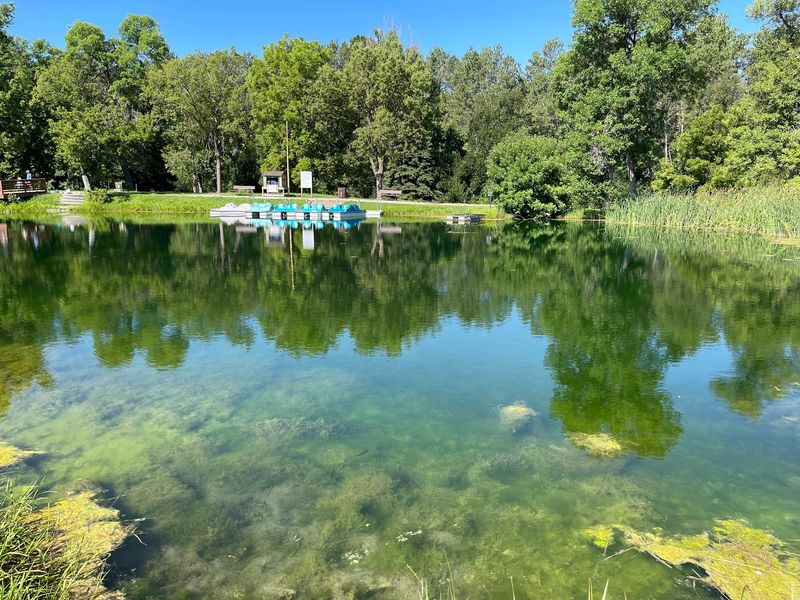
Paddle boats bob at the lagoon dock, rentable in half-hour blocks for around fifteen dollars, and they turn out to be one of the more popular things in the park with kids. Twenty-four separate mentions of paddle boats in visitor comments back that up.
Several ponds hold largemouth bass and bluegill year-round, with trout stocked seasonally. There is a dock to fish from, which spares you the shoreline scramble.
Chadron Creek cuts through the park as well, and picnic areas sit close enough to the water that lunch and a line in the water can happen simultaneously.
Water levels and stocking schedules shift, so the fishing changes character depending on when you show up. Spring and early summer trout stockings give the ponds a different feel than late August bass water.
Grills near the picnic areas stay in usable shape. Pair one with a morning of fishing and the afternoon takes care of itself.
A Nebraska fishing permit applies here, same as anywhere else in the state.
Pool Days, Disc Golf, And The Archery Range
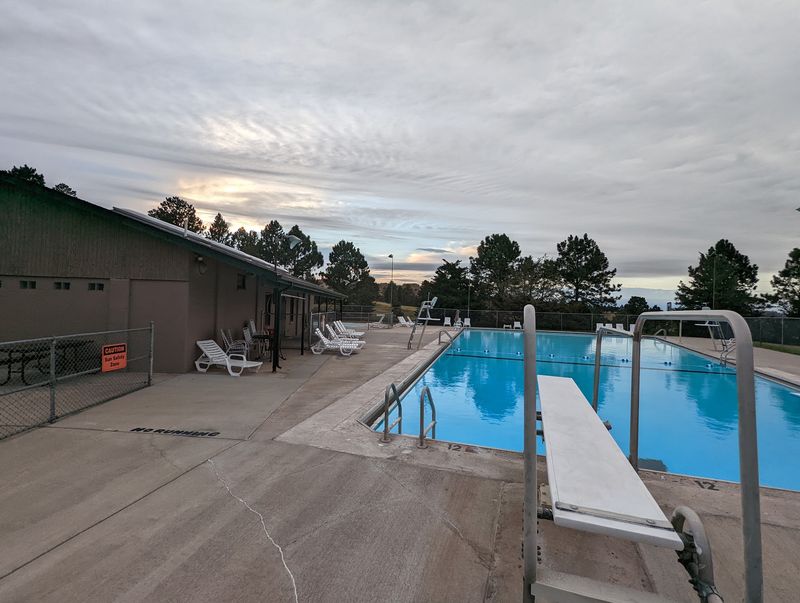
Hundred-degree afternoons happen in Dawes County, and on those days the outdoor pool becomes the center of the park. Two details save frustration: it opens at 1 p.m., not in the morning, and admission runs about five dollars per person on top of everything else.
Disc golf gets talked about more than almost anything else here, with thirty-two mentions in visitor comments. Baskets sit among the pines, which makes for interesting lines off the tee.
An archery range and an indoor shooting range operate on site, both carrying their own fees. Tomahawk throwing turns up as an option too, which is not something most state parks advertise.
Tennis courts and sand volleyball fill in the gaps for anyone who wants a game.
A craft center rounds it out. Inside, there is painting, puzzles, wildlife displays, and snacks, which makes it a reliable rainy-afternoon fallback.
The trading post sells snacks and sits close to the action, staffed by people who will answer questions about anything on the property.
The Modern Campground For Tents And Big Rigs
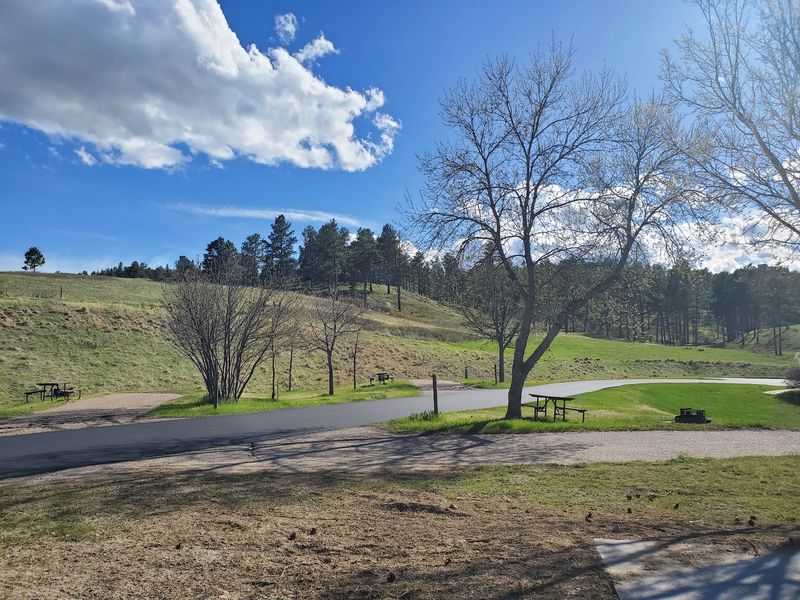
Camping draws the highest mention count of anything at the park, and the campground explains why. Level RV pads, electrical hookups, showers, and laundry facilities make it a legitimate base camp rather than a rough overnight stop.
Big rigs fit here without drama. Each pad comes with a picnic table, and the utility hookups are straightforward.
Tent campers get one designated area, and shade quality varies by site. Higher-numbered sites sit farther from the highway and generally run nicer, and there is a natural playground at the north corner of the campground where kids invent gold-mining expeditions.
Some sites are reservable and plenty are first-come, first-served, labeled as walk-in sites even when you drive to them. Several accessible sites are paved with concrete.
Restrooms and grounds stay clean, maintained by camp hosts who keep after them.
Two things to know going in: showers cost about twenty-five cents per minute, and Highway 385 traffic carries into some of the lower loops. Choose your site number accordingly.
A Base Camp For Fort Robinson And Toadstool
Northwest Nebraska packs a surprising number of destinations into a short driving radius, and the park sits well positioned for all of them. Fort Robinson State Park lies west, with its own trails and layers of frontier history.
Toadstool Geologic Park pushes north into badlands terrain that looks nothing like the pine ridges, all pale rock formations balanced on narrow stems. The Museum of the Fur Trade adds an indoor stop for the days weather does not cooperate.
Chadron itself sits nine miles up the highway, close enough for a grocery run or a meal without breaking the rhythm of a cabin stay.
Plenty of people arrive planning two nights and wish they had booked four. The math is simple: three or four worthwhile stops, each an hour or less away, plus a full park to explore where you sleep.
Eastern Nebraska families making the drive west should budget travel time honestly. It is a long haul from Omaha or Lincoln, and it works better as a multi-day trip than a weekend sprint.
Seasons In The Pine Ridge, From April To November
Mid-April through mid-November defines the cabin calendar, and each end of that window has its appeal. Spring brings irises planted at the campsite posts, though showing up too early means missing the blooms entirely.
Summer runs hot and dry, with afternoon temperatures that can climb past a hundred. Nights cool off enough to make the tent sites pleasant, and the absence of humidity is a genuine relief compared to the eastern half of the state.
Fall is the sleeper season. The scenic loop road through the park turns into a proper drive when the deciduous trees mixed among the pines start changing, and the crowds thin considerably.
Cabins also open during big game firearm season and wild turkey season, which extends availability past the normal close.
Winter shuts the cabins down, but the park itself never closes its gates. Snow on ponderosa pines at 5,000 feet is its own kind of scenery for anyone willing to make the drive.
Book early for July and August. Those weekends disappear fast.
Fees, Passes, And What To Know Before You Go
Entry costs about fifteen dollars per vehicle, and a Nebraska park entry permit is required in addition to camping or cabin fees. Non-residents pay a higher vehicle rate, which catches out-of-state travelers off guard fairly often.
Add-on costs stack up: roughly five dollars per person for the pool, about twenty-five cents per minute for showers, separate fees for archery and the shooting range, and around fifteen dollars for thirty minutes in a paddle boat.
Budgeting an extra forty or fifty dollars for a family day of activities is realistic. Hiking, the scenic loop drive, and the playground cost nothing beyond the entry permit.
The park stays open 24 hours, seven days a week, so arriving after dark is workable if you have a reservation in hand.
Getting there means U.S. Highway 385, nine miles south of Chadron, with the address at 15951 Gold Rush Byway.
The park office number is 308-432-6167 for cabin questions.
Pack bug spray, sturdy shoes, and cash or a card for the extras.
Why This Corner Of Nebraska Keeps Pulling People Back
Nebraska’s oldest state park has had more than a century to figure out what it is, and the answer landed somewhere between a forest retreat and a small resort. Ranking 4.8 stars across 745 reviews, it holds up under a lot of scrutiny.
What sells it is the combination. Pine-covered ridges at 5,000 feet, a stocked kitchen in a cabin you booked a year out, horses on the trails, and a pool for the afternoons the heat wins.
The extra fees are real and worth planning around. So is the highway noise in the lower campground loops, easily solved by choosing a higher-numbered site.
Nobody comes here for polish. They come because the porch is quiet at six in the morning, the trails go somewhere, and the whole thing feels like a different state entirely.
For Nebraska families willing to make the drive west, the payoff is a landscape most of the country does not know exists here. Book the cabin, bring the bug spray, and give it more than two nights.