10 Georgia Towns Where Rising Costs Are Squeezing Retirees
Retirement math used to be simple: pick a quiet spot, buy a modest house, and stretch the savings for decades. Lately that math keeps breaking, and Georgia is no exception.
It raises an uncomfortable question for anyone planning ahead: what happens when the towns built for affordable retirement stop being affordable at all?
Home prices, rent, and property tax bills have climbed fast in some of the prettiest small communities in the state, and fixed incomes feel every dollar of that shift.
Retirees who settled here years ago for the slower pace and lower costs now find themselves recalculating budgets they thought were settled for good. Georgia still offers plenty of charm, but charm alone does not cover a rising tax bill.
These communities show exactly where the numbers have shifted enough to make careful planning essential.
1. Blue Ridge, Fannin County
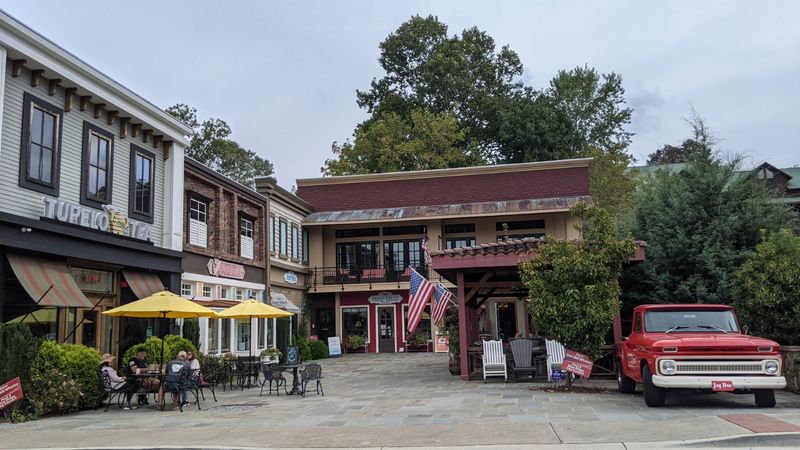
Mountain views come with a receipt, and this one has grown longer every year. The median listing price here hit $699,000 in August 2026, with other data placing it near $719,000.
Renting instead of buying does not offer much relief. Median rent reached $3,000 a month, a jump of 30.43% year over year.
Older sources like to say the cost of living sits below the national average. The most recent figures tell a different story, showing prices about 6% higher than the average city in the state.
Tourism explains a lot of the pressure. Cabins that once housed year-round neighbors now serve weekend visitors, which shrinks the pool of ordinary homes.
For retirees already settled here, the smartest move is watching the annual assessment notice closely. Homestead exemptions and senior exemptions can trim a bill, but only if you apply on time.
Grocery runs and medical appointments often mean a drive down the mountain, and fuel adds up quietly. Budgeting for transportation matters as much as budgeting for the mortgage.
Winter heating in the higher elevations also costs more than most newcomers expect. A well-insulated smaller home beats a charming drafty one every single month.
The scenery is genuinely worth loving. Just walk in with a spreadsheet instead of a daydream.
2. Ellijay, Gilmer County
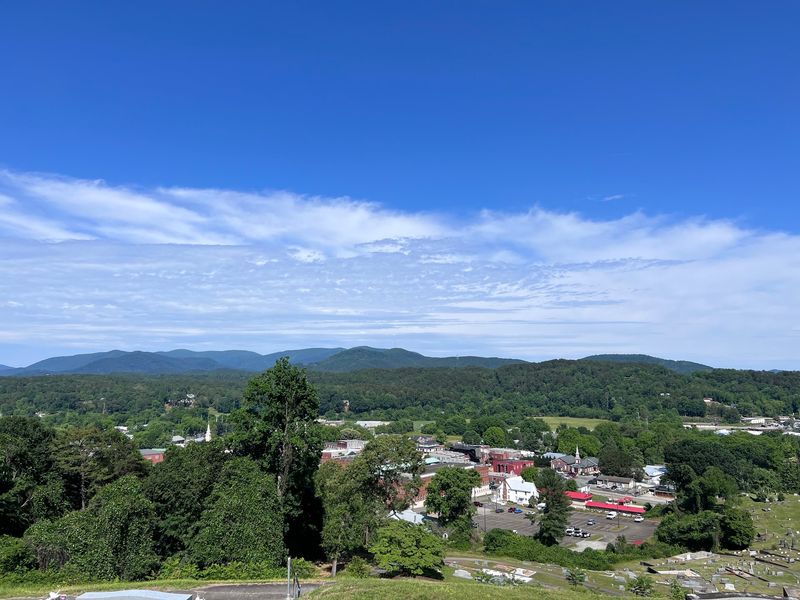
Apple country has always felt affordable, right up until it did not. The median listing price in this Gilmer County town reached $500,000 in August 2026.
That figure rose 2.05% over the previous year, which sounds gentle. The trouble is where the climb started, since half a million dollars is a serious number for a small mountain community.
Renters face about $1,900 a month for a median unit. On a modest Social Security check, that single line item can swallow most of the monthly deposit.
Short-term rentals shape the market here too. Cabins near the orchards and rivers earn more from visitors than from long-term tenants.
Retirees who already own a home have a real advantage worth protecting. Keeping the deed in place and using available exemptions preserves stability that new buyers cannot match.
Home maintenance in this terrain deserves its own savings envelope. Gravel drives, well pumps, and septic systems all need attention that city dwellers never budgeted for.
One bright spot is the local food supply. Farm stands and seasonal markets can cut grocery costs when you shop what is in season.
Anyone shopping for a place should compare in-town properties against remote ones. The quiet acreage often costs far more to keep than the price tag suggests.
3. Hiawassee, Towns County

Lake life sells itself, and buyers keep proving it with their wallets. The median listing price in this Towns County community stands at $506,000 as of August 2026.
Housing prices also remain elevated across the 30546 ZIP code. Buyers should compare current listings carefully before choosing between lakefront and inland properties.
Rentals hover near $1,900 a month. Options are limited, since much of the housing stock leans toward vacation use rather than year-round living.
Water views carry a premium that never goes on sale. Homes a few streets back from the shoreline often cost noticeably less while still offering easy lake access.
Health care access is a practical consideration for anyone over sixty-five. Specialist visits may require travel, so factor mileage and time into the retirement plan.
Insurance deserves a close read here as well. Wooded lots and older roofs can push premiums higher than expected.
A smart tactic is renting for one full year before buying. Winters in the higher elevations feel different from a sunny October visit.
The community itself remains warm and small-scale, with festivals and lakeside gatherings that cost little to enjoy. Entertainment is rarely the budget problem in these hills.
Housing is. Plan around that single fact and the rest falls into place.
4. Dawsonville, Dawson County
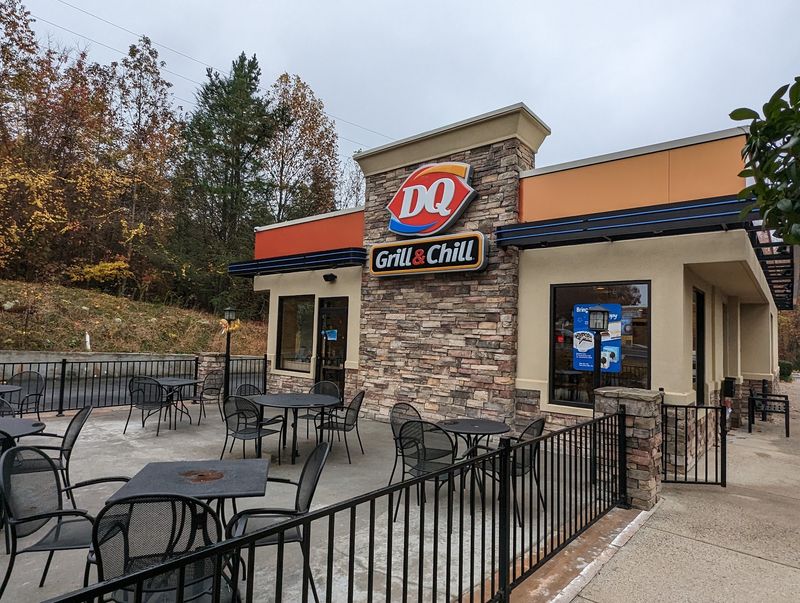
Growth arrived here the way traffic does, gradually and then all at once. The median listing price reached $511,000 in August 2026.
Median rent sits around $2,100 a month. For a town once known mostly for racing history and outlet shopping, those are big-city figures.
Proximity to metro Atlanta drives much of the demand. Commuters who want space keep bidding on the same houses retirees are eyeing.
New subdivisions bring homeowner association dues that never appear in the listing price. Those monthly fees can add hundreds to the true cost of ownership.
On the plus side, shopping and medical services are closer than in the deeper mountain towns. Fewer long drives means real savings on fuel and vehicle wear.
Property assessments have been moving with the market, so appeals are worth understanding. Filing within the deadline window is the only way the process works.
Older homes closer to the town center sometimes offer better value than newer builds. They trade granite countertops for lower carrying costs.
Lake Lanier and Amicalola Falls sit within an easy drive. Recreation here is affordable even when housing is not.
Anyone relocating should price insurance and taxes before making an offer. The sticker price is only the opening chapter of the story.
5. St. Simons Island, Glynn County
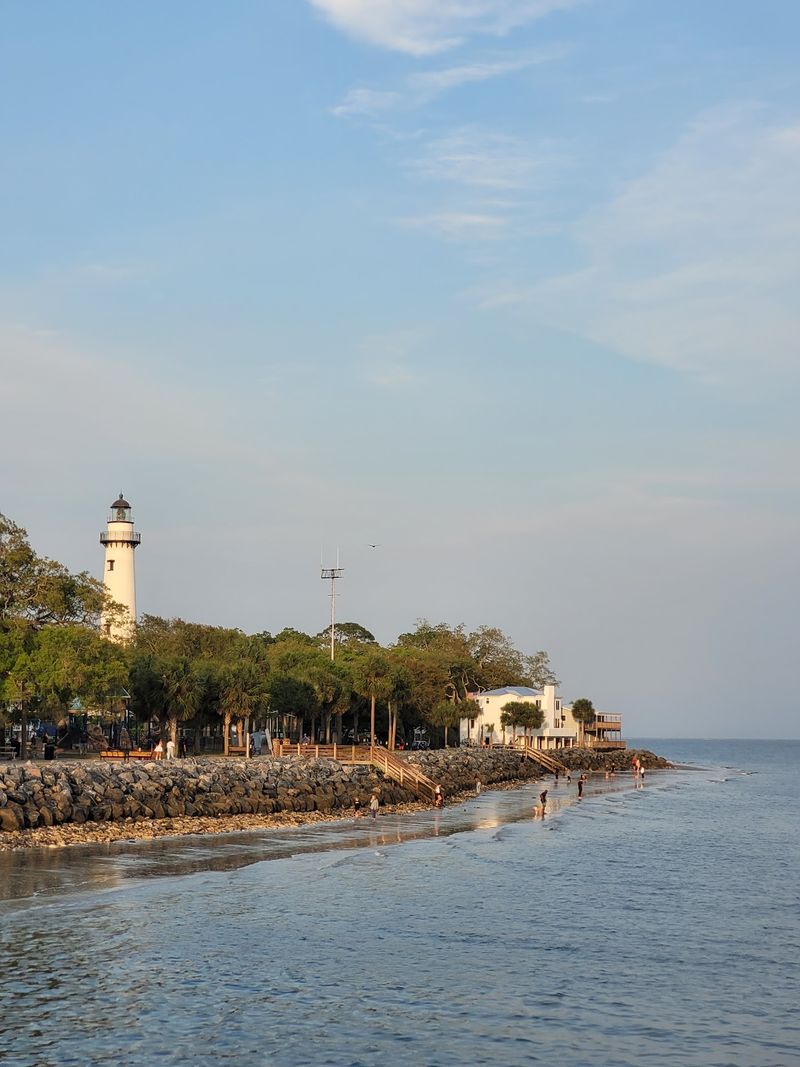
Salt air is free. Almost nothing else on this barrier island is.
The median home value here is $555,600, while Zillow put the average home value at $681,128 in July 2026. That average climbed 1.8% over the year.
A two-bedroom rental runs around $1,908 a month. The overall median rent for the area reaches $2,600.
Coastal ownership brings expenses that inland buyers rarely consider. Insurance, cooling bills, storm supplies, and constant exterior maintenance all stack up.
Humidity and salt are hard on everything they touch. Roofs, siding, decks, and air conditioners age faster near the water.
Retirees who love the beach without the price tag sometimes look toward mainland Brunswick. A short drive replaces a very large mortgage.
Wind and flood coverage should be quoted before, not after, an offer is accepted. Those two policies can rival a car payment.
Day-to-day life offers plenty of low-cost pleasure, from the pier to the shaded oak canopies. Walking and biking cut transportation costs considerably.
Property taxes deserve a look through the lens of available exemptions. County offices can explain which ones apply at various ages.
The island rewards people who plan carefully. It punishes those who assume the beach discount exists.
6. Sea Island, Glynn County
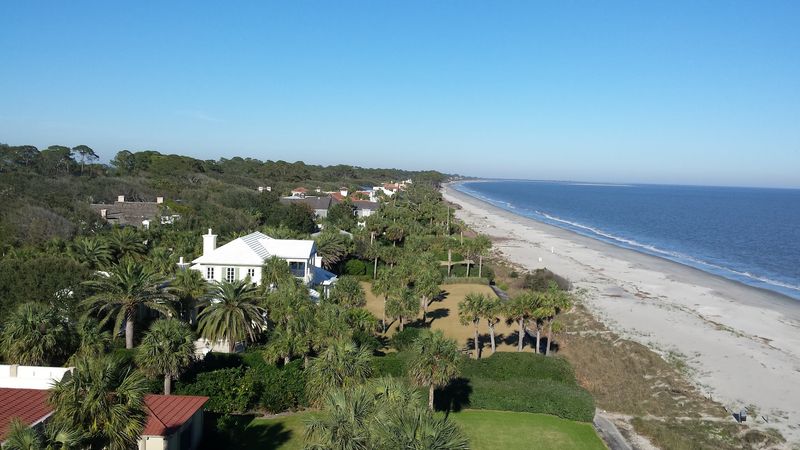
Some numbers stop a conversation cold. The median listing price on this private island reached $8.7 million in August 2026.
That figure represents a 33.59% increase over the previous year. The median sale price for the three months ending June 2026 came in at $7.5 million, up 24.5%.
Very few retirees are shopping at that level, and that is exactly the point. Prices this high ripple outward into every nearby community.
Sea Island sits at the luxury end of the local housing market. Nearby mainland communities generally offer much more attainable options for retirees.
For a retiree comparing coastal options, this island functions as a benchmark rather than a destination. Knowing what sits at the ceiling helps you judge everything below it.
Neighboring Glynn County offers far more attainable housing. The same beaches, marshes, and sunsets are available a few miles away.
Anyone touring the area should note how quickly prices drop with distance from the shore. Two or three miles inland changes the entire equation.
Club memberships and association fees here are separate from home prices entirely. Those recurring costs matter as much as the purchase.
Admire the scenery, enjoy the drive along the causeway, then house-hunt somewhere sensible. Your budget will thank you every single month.
7. Tybee Island, Chatham County
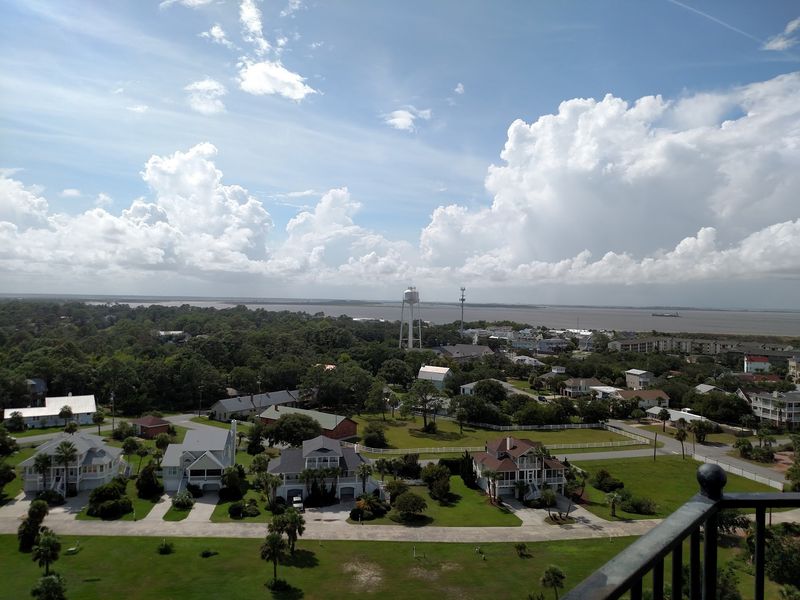
A twenty-minute drive from Savannah turned into one of the sharpest price climbs on the coast. Home prices rose 20.1% for the three months ending July 2026.
The median sale price during that stretch hit $766,000. The broader median home value sits at $564,500.
Vacation demand drives the surge. Beach cottages generate strong short-term income, which keeps investors bidding against ordinary buyers.
For retirees, the appeal is obvious: flat terrain, walkable streets, and the ocean at the end of the block. The barrier is simply the entry cost.
Flood insurance is not optional thinking here. Elevation certificates and policy quotes should come early in any home search.
Older raised cottages sometimes cost less to insure than ground-level structures. Ask about the base flood elevation before falling in love with a floor plan.
Savannah offers medical centers and shopping within an easy drive. That access adds real value for anyone planning decades ahead.
Parking and seasonal crowds are part of island life from spring through summer. Locals learn the back routes and the quiet hours quickly.
Downsizing to a condo can bring the numbers within reach. Association fees replace maintenance headaches, and the beach stays exactly where it is.
8. Peachtree City, Fayette County
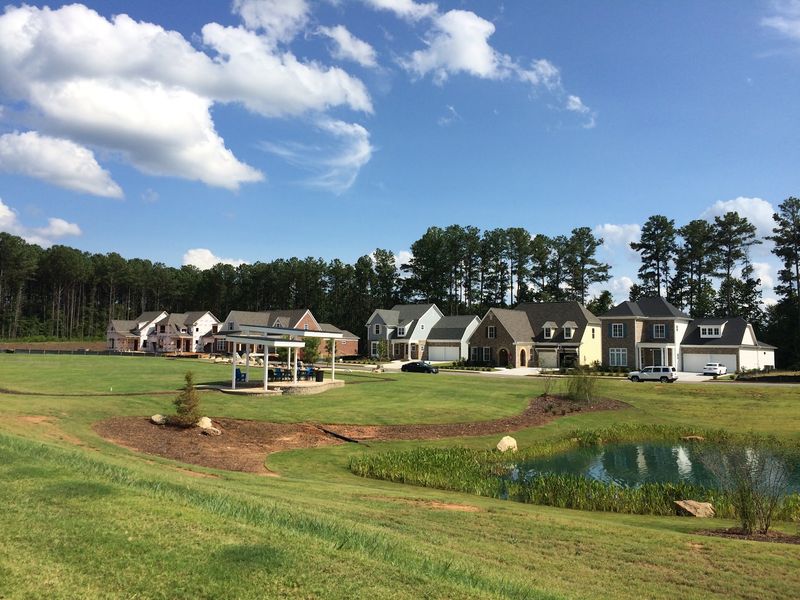
More than 100 miles of shared-use paths help make this one of the most unusual towns in the region. Getting a spot along them has become expensive.
The average sale price over the past twelve months was $635,337, a 6% increase. The median listing price reached $639,000 in August 2026, up 1.91%.
Rent tells the harsher story. Median rent climbed 53.30% year over year to $3,000 a month.
Property taxes added pressure too. Bills in this county rose 22.5% between 2020 and 2024.
Cart paths do save money in a real way. Many households run one fewer car, and errands cost pennies instead of gallons.
Retirees here often find the lifestyle worth the premium, especially with lakes, trails, and medical care nearby. The challenge is fitting the entry price into a fixed income.
Townhomes and older ranch homes offer the most realistic path in. Cart access matters more to daily life than square footage does.
Anyone receiving an assessment notice should read it the day it arrives. Appeal windows are short and unforgiving.
Senior school tax exemptions exist in some jurisdictions and can meaningfully lower a bill. Confirming eligibility with the county is worth an afternoon.
Plan the numbers first. The golf cart is the fun part.
9. Dahlonega, Lumpkin County
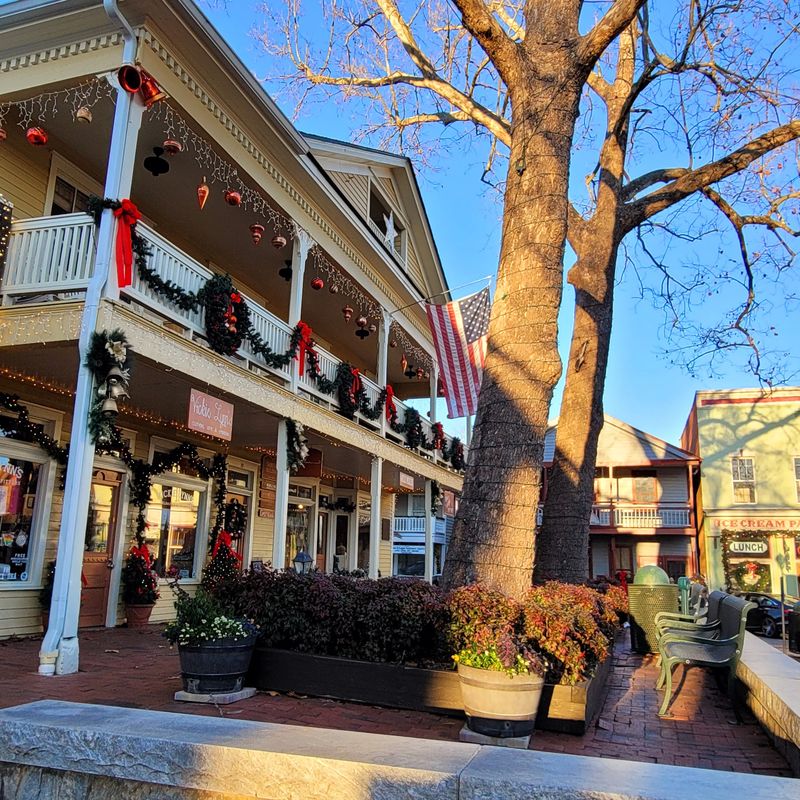
Gold made this town famous in the 1820s, and today the treasure hunting happens on real estate listings. The county median home sale price reached about $420,000 in the first quarter of 2026.
Those first-quarter figures showed notable annual gains. More recent market data, however, suggests prices have since softened.
Utilities land slightly above the national average, sitting 0.4% higher. Small on paper, but it adds up across twelve months.
Mountain attractions, a university, and a picture-perfect square help keep the area appealing. Weekend visitors have discovered the place, and prices followed.
Retirees drawn here often want walkability and culture without big-city noise. The square delivers that beautifully, though homes near it cost the most.
Looking a few miles out toward the county roads can lower the purchase price meaningfully. The tradeoff is driving and well maintenance.
A university town brings quiet perks worth using. Lectures, concerts, and community events often cost little or nothing.
Health care in the region is accessible, with Gainesville within reasonable reach. That matters when planning for the long term.
Anyone buying an older mountain home should budget for insulation and heating upgrades. Comfort in January is a financial issue, not just a cozy one.
10. Vienna, Dooly County
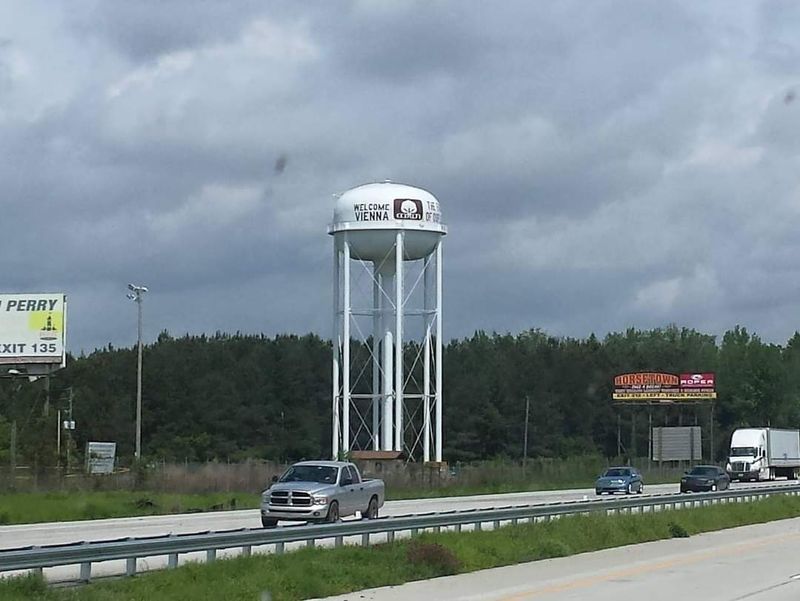
Affordability is relative, and this small south-state town proves it. Median property value jumped 23.6% in a single year, moving from $97,300 in 2023 to $120,300 in 2024.
The median listing price reached $230,000 in August 2026, up 2.22%. Redfin reported a median sale price of $217,000 for the three months ending June 2026, a 10.3% rise.
Those numbers remain far below the mountain and coastal towns. The percentage increases, though, are what squeeze longtime residents.
When property values leap by nearly a quarter in one year, tax assessments tend to follow. A retiree who bought decades ago can suddenly face an unfamiliar bill.
Fixed incomes do not rise 23% to match. That gap is the real story in rural communities across this part of the state.
Homestead exemptions become essential tools rather than optional paperwork. County tax offices can walk anyone through the process at no charge.
The upside is genuine value for buyers coming from pricier markets. A modest house here still costs less than a down payment elsewhere.
Amenities are simpler, with shopping and specialty medical care requiring drives to Cordele or Macon. Budget for the mileage honestly.
For many retirees, the quiet streets and pecan-shaded yards are worth it. Just watch that assessment notice each spring.