12 Georgia Places Where You Can Volunteer And Make A Meaningful Difference For Animals
Ten minutes tends to turn into three hours at most animal shelters, and that says something worth thinking about.
Georgia has no shortage of rescue centers looking for extra hands, which raises a fair question: why do so few people realize how easy it is to actually help?
Volunteering costs nothing but time, yet the animals notice every single minute someone gives them, whether that means walking dogs, socializing kittens, or simply keeping a shelter running smoothly.
Georgia’s rescue network stretches far wider than most residents assume, covering everything from farm animals to wildlife recovery.
Showing up once tends to turn into a habit, since the reward has very little to do with obligation and everything to do with watching an animal relax around a familiar face.
These places need help far more often than people think, and the difference one afternoon makes is bigger than it sounds.
1. Furkids Headquarters & Cat Shelter, Cumming
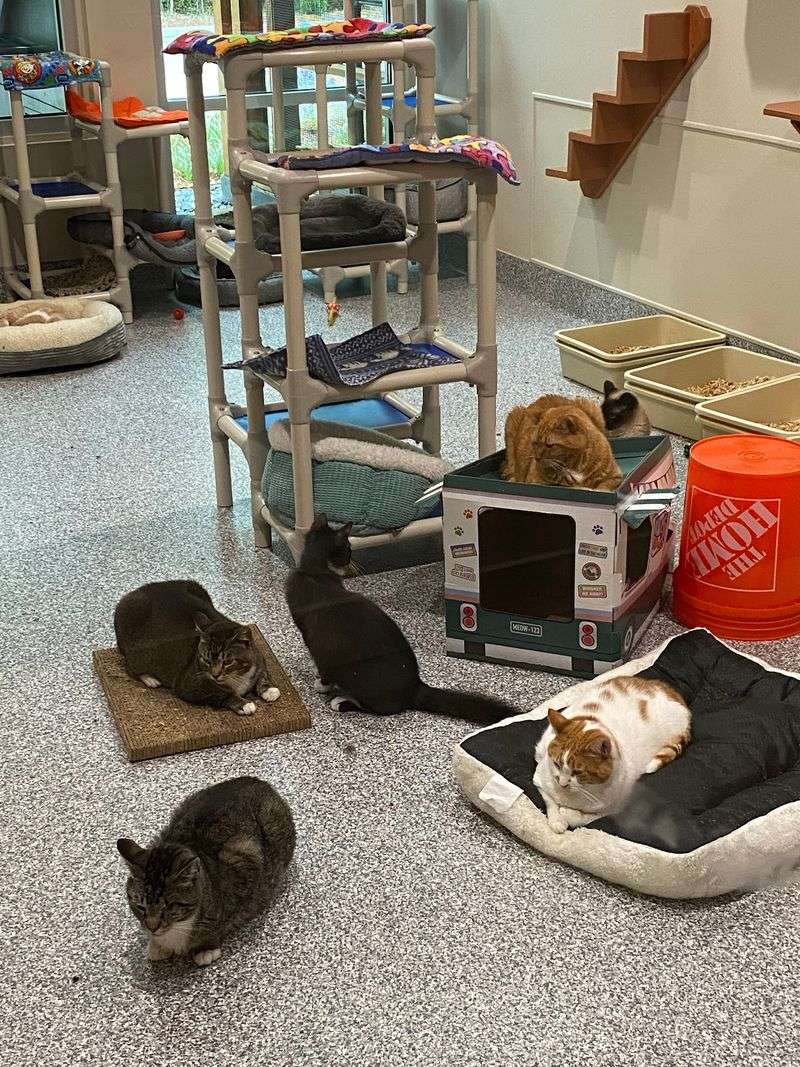
Picture a cat shelter with no cages at all, just shelves, sunbeams, and dozens of cats living like tiny landlords.
The Cumming campus was designed with animal stress in mind. Dogs get private rooms and outdoor play yards, which is a rare setup for a rescue this size.
Here is what makes the place stand out for families. Furkids is the only animal rescue in metro Atlanta that welcomes volunteers of all ages, with parental guidance required under 16.
Kids can join the FurTales program and read aloud to cats. It builds reading confidence for the child and gives shy cats gentle company, which is a win on both sides.
Adults have plenty of choices too. Cat caretakers clean, feed, and play, while dog volunteers handle socialization sessions and even take pups on day trips.
Fostering is another huge need for both dogs and cats. Other roles include adoption counseling, thrift store help, and the TransFUR program that transports animals to northern states.
They also care for FIV positive cats, something few shelters take on. Those cats live full, comfortable lives with steady medical support.
You will find the campus at 5235 Union Hill Rd, Cumming, GA 30040. Give yourself extra time, because leaving quickly is nearly impossible once a cat claims your lap.
2. PAWS Atlanta, Decatur
Music can calm a nervous dog faster than any treat. PAWS Atlanta figured that out and built a whole program around it.
Their Live Music for Shelter Pets initiative invites volunteer musicians to play for the animals. The goal is simple, a soothed pet shows better personality when adopters walk through.
Homeless cats and dogs receive daily care and medical attention here. Nothing flashy, just consistent work that keeps animals healthy while they wait.
Community support matters too. Low-cost vaccine clinics help local pet owners keep their animals protected without a painful bill.
Volunteers do direct animal care, which means socializing cats and walking dogs. Dog walking sounds ordinary until you watch a shy pup finally wag on a leash.
General shelter support is always needed as well. Laundry, dishes, and tidying may not be glamorous, but they keep the whole operation moving.
Guitar players, singers, and anyone with a quiet instrument have an unusual door in. Playing for an audience of dogs is refreshingly low pressure.
The shelter sits at 5287 Covington Hwy, Decatur, GA 30035. Bring comfortable shoes and expect a few muddy paw prints as souvenirs.
3. Atlanta Humane Society (Blank Family Animal Center), Atlanta
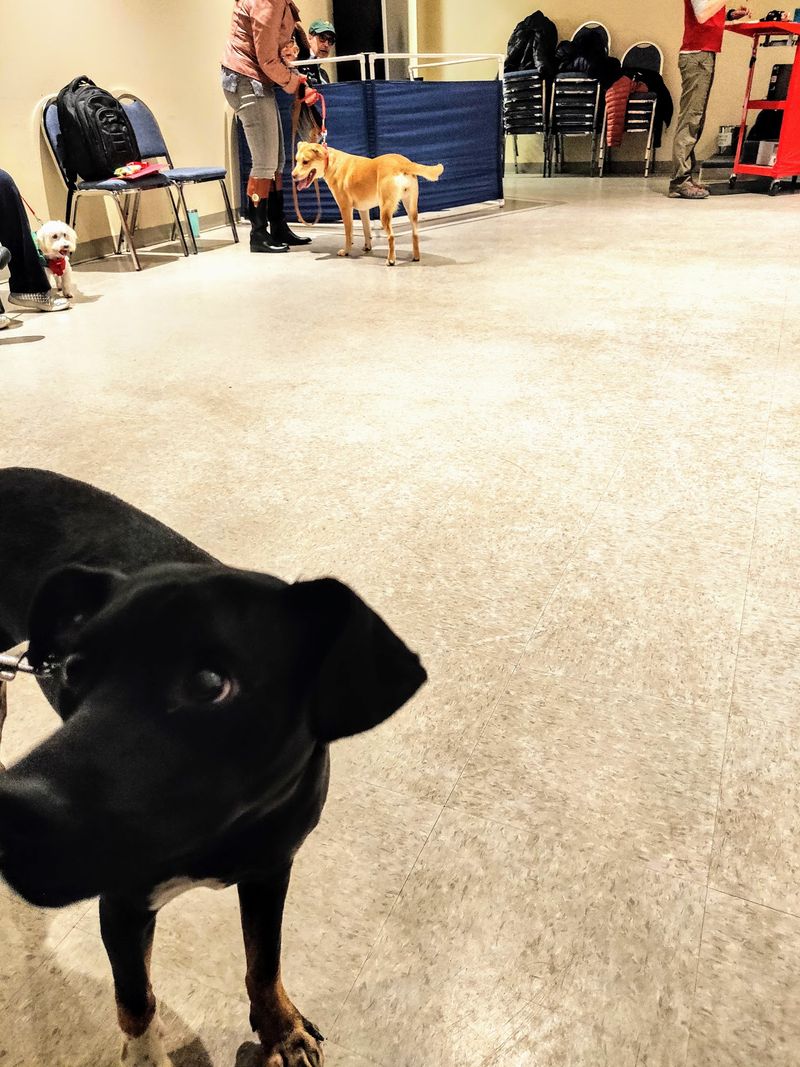
More than 150 years of service is a long time to keep showing up for animals. The Atlanta Humane Society has been doing exactly that.
As one of the city’s oldest charitable organizations, it works across the Southeastern United States. Preventative care, education, advocacy, and adoption all fall under one roof.
The Blank Family Animal Center is the hub for much of that work. Veterinary services and adoptions run side by side, supporting animals through treatment and placement.
Their Operation Humane team handles the hard calls. Cruelty cases, natural disasters, and animal crises all get a response from trained staff.
Two programs deserve a mention. Foster First moves pets into homes sooner, while American Heroes helps connect animals with people who served.
Fostering is where volunteers make the biggest dent. A temporary home frees shelter space and shows a pet’s true personality far better than a kennel.
General shelter support keeps the daily rhythm going. Cleaning, laundry, and animal enrichment are all part of the deal.
Community outreach is another option for people who like talking to strangers. Events, education booths, and adoption drives all need friendly faces.
Find the center at 1551 Perry Blvd NW, Atlanta, GA 30318.
4. Fulton County Animal Services, Atlanta
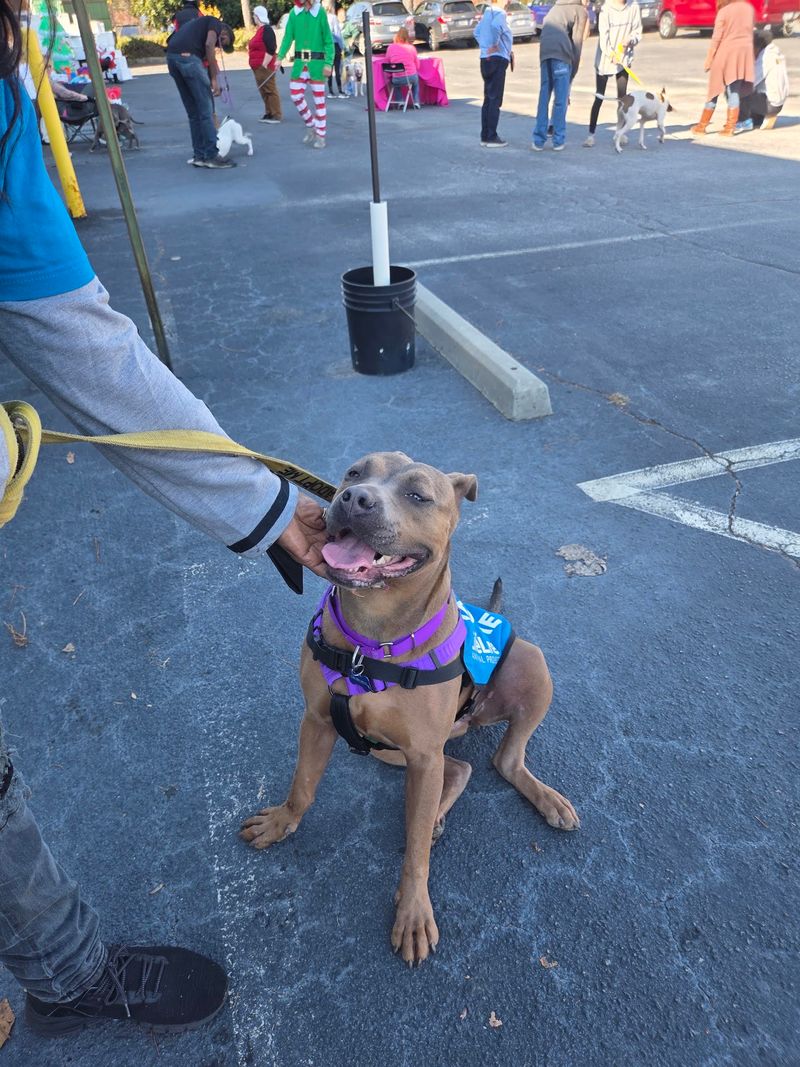
County shelters carry the heaviest load, and this one carries more than most. Fulton County Animal Services is one of the region’s busy public animal shelters.
Management comes from LifeLine Animal Project, whose goal is ending the euthanasia of healthy, treatable animals.
Lost, abandoned, and unwanted pets arrive here every day. Humane care, veterinary services, and adoption programs help move them forward.
Field Services officers do more than pick up strays. They respond to cruelty complaints, dog attacks, and a wide range of animal-related problems.
One thoughtful policy stands out. The Home Free Program waives reclaim fees for first-time lost pets, so families can reunite without a financial hit.
Volunteers help with general shelter support, which covers cleaning, walking, and enrichment. Big shelters run on this kind of steady help.
Fostering is another major need. Time in a quiet home often prepares a dog or cat for adoption far better than kennel time.
Working alongside rescue groups is a third path. Transport help and partner coordination move animals toward organizations with open space.
The shelter address is 1251 Fulton Industrial Blvd NW, Atlanta, GA 30336. Expect a busy day and a very grateful staff.
5. DeKalb County Animal Services, Chamblee
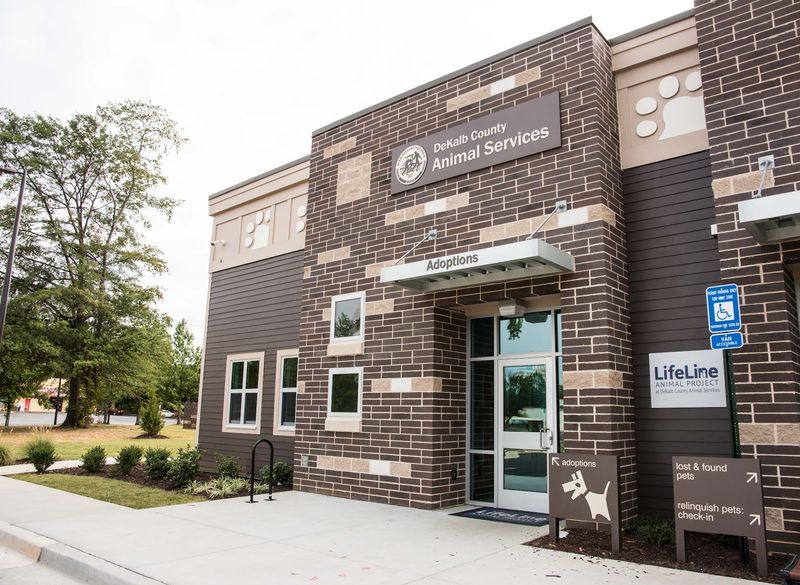
A shelter can change completely with the right leadership. DeKalb County Animal Services proved it.
Their work balances two goals that sometimes feel opposed. Protecting public health and safety comes first, and humane treatment of animals runs right beside it.
Animals here receive humane care, veterinary treatment, and adoption coordination. The enforcement division upholds local and state animal laws.
That team also investigates cruelty and manages rabies control. It is serious, necessary work that keeps neighborhoods and pets safer.
Through LifeLine, affordable veterinary care reaches the wider community. Accessible clinics keep pets in homes instead of shelters.
Volunteers step in with general animal care, fostering, and adoption assistance. Helping a nervous adopter meet the right dog is oddly satisfying.
Community outreach and education programs welcome volunteers too. Teaching kids about responsible pet care plants seeds that last decades.
You will find them at 3280 Chamblee Dunwoody Rd, Chamblee, GA 30341. Weekday mornings tend to be quieter if you prefer a calmer first shift.
One tip from experience, wear clothes you do not mind wrecking. Shelter work is joyful and messy in equal measure.
6. Humane Society Of Northeast Georgia, Gainesville
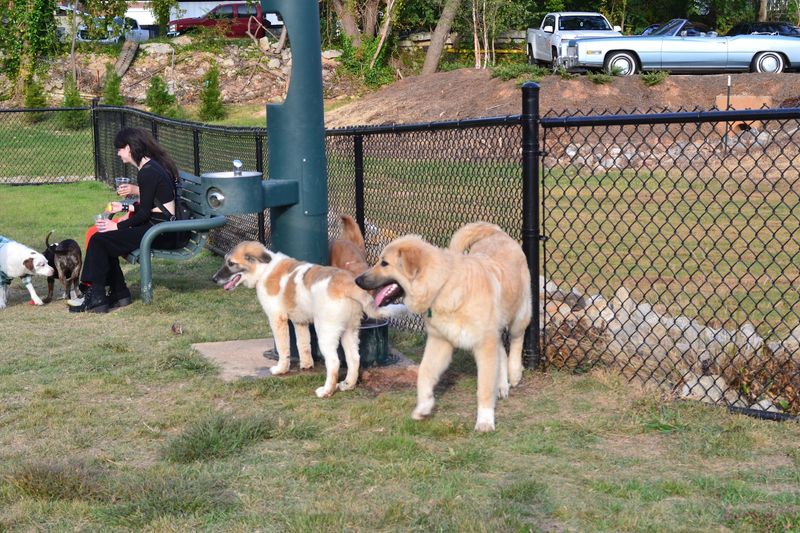
Founded in 1913, this organization has been helping animals for over a century. That kind of history builds deep community roots.
The mission focuses on better coexistence between animals and people. Responsible pet ownership sits at the heart of everything they do.
Volunteers help support the care of nearly 2,000 animals each year. Cats, dogs, and other small companions all pass through their care.
Services stretch well past adoption. Humane education programs teach families how to care for pets properly and kindly.
Affordable veterinary care is a big piece of the puzzle. Low-cost vaccines and spay or neuter surgeries prevent problems before they start.
Volunteers handle daily care for the rescues, which means feeding, cleaning, and companionship. Animals settle faster when familiar faces appear regularly.
Fundraising and outreach events also need helpers. If you enjoy chatting with people, event days are a good fit.
Then there is medical fostering, which is the deep end. Animals with special medical needs get round-the-clock attention in a real home.
Medical foster work is demanding but incredibly rewarding. Watching a sick kitten grow strong is hard to beat.
The shelter is located at 845 West Ridge Rd, Gainesville, GA 30501. Call ahead about orientation dates before showing up ready to work.
7. Athens Area Humane Society, Athens
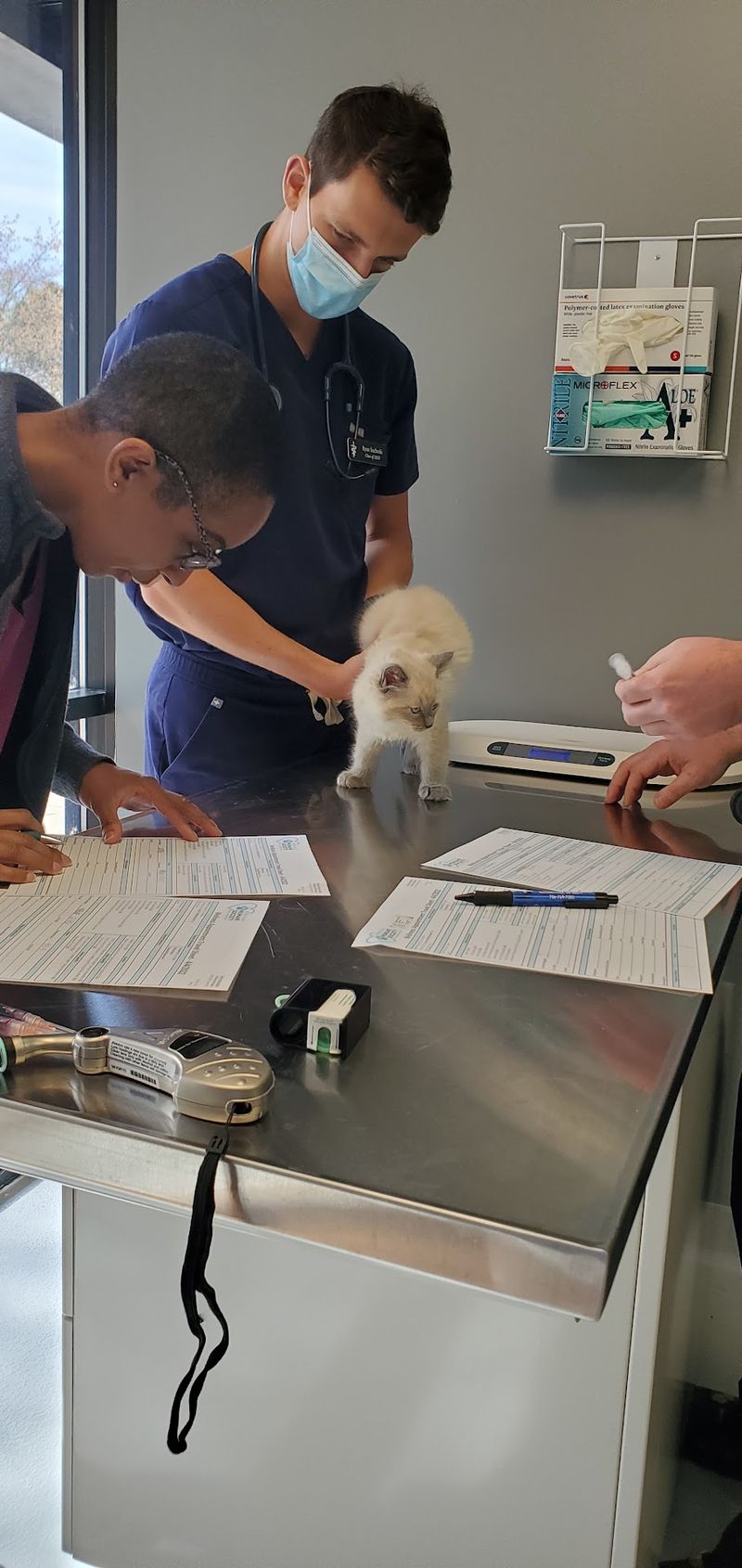
Guinea pigs, rats, and rabbits rarely get shelter spotlight. Here they absolutely do.
The Athens Area Humane Society cares for cats, dogs, rabbits, rats, and guinea pigs.
Founded in 1899, it is the oldest animal welfare organization in the county. Rescuing companion animals and lowering euthanasia rates remain the central goals.
Two programs stand out for creativity. The Full Bellies Food Bowl helps feed pets in need, and Doggy Day Out lets dogs escape the shelter for a few hours.
Younger helpers are welcome as well. Volunteers aged 10 and older can participate, with a guardian required for minors.
Roles vary widely, which is great for shy first-timers. Shelter support includes answering phones and cleaning, no animal handling required.
Animal lovers can join the canine companions or feline friends teams. Both involve simple, meaningful time spent with pets who crave attention.
Their spay, neuter, and wellness center needs assistance too. Clinic days move fast and extra hands genuinely speed things up.
Community outreach rounds out the options. People needing court-ordered community service can also find placements here.
Stop by 1030 Mitchell Bridge Rd, Athens, GA 30606 to learn more. The variety of species alone makes a visit interesting.
8. Paws Humane Society, Columbus
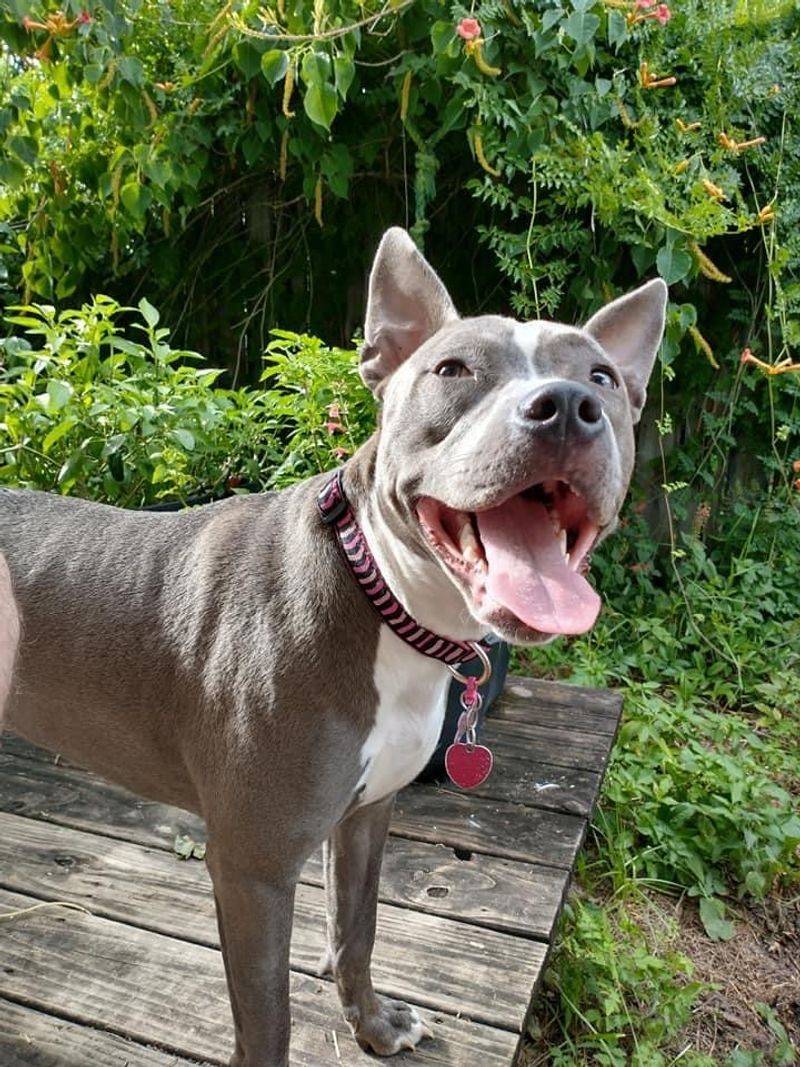
Two organizations merged in 2009 and created something bigger than either. Paws Humane Society became the largest companion animal welfare group in the Chattahoochee Valley.
Keeping pets in loving homes is priority number one. Support services often prevent a surrender before it happens.
The onsite veterinary clinic offers affordable spay and neuter surgeries. Wellness care is available too, which tackles pet overpopulation at the source.
Feral cats get thoughtful attention through the Community Cat Program. Trap-neuter-return keeps colonies healthier and stops endless litters.
Pets for Life carries services directly into underserved neighborhoods. Some families want help and simply cannot reach a clinic.
Volunteers assist with general animal care, from cleaning to enrichment activities. Cats especially benefit from regular handling and play.
The foster program is another entry point. Short-term homes ease shelter crowding and reveal each pet’s real personality.
Adoption assistance suits people who enjoy matchmaking. Helping a family choose well means fewer returns later.
Outreach and education volunteers spread the responsible ownership message. Community events, school talks, and info tables all count.
The address is 4900 Milgen Rd, Columbus, GA 31907. Their vision needs volunteers, and there is room for nearly every skill set.
9. AWARE Wildlife Center, Lithonia
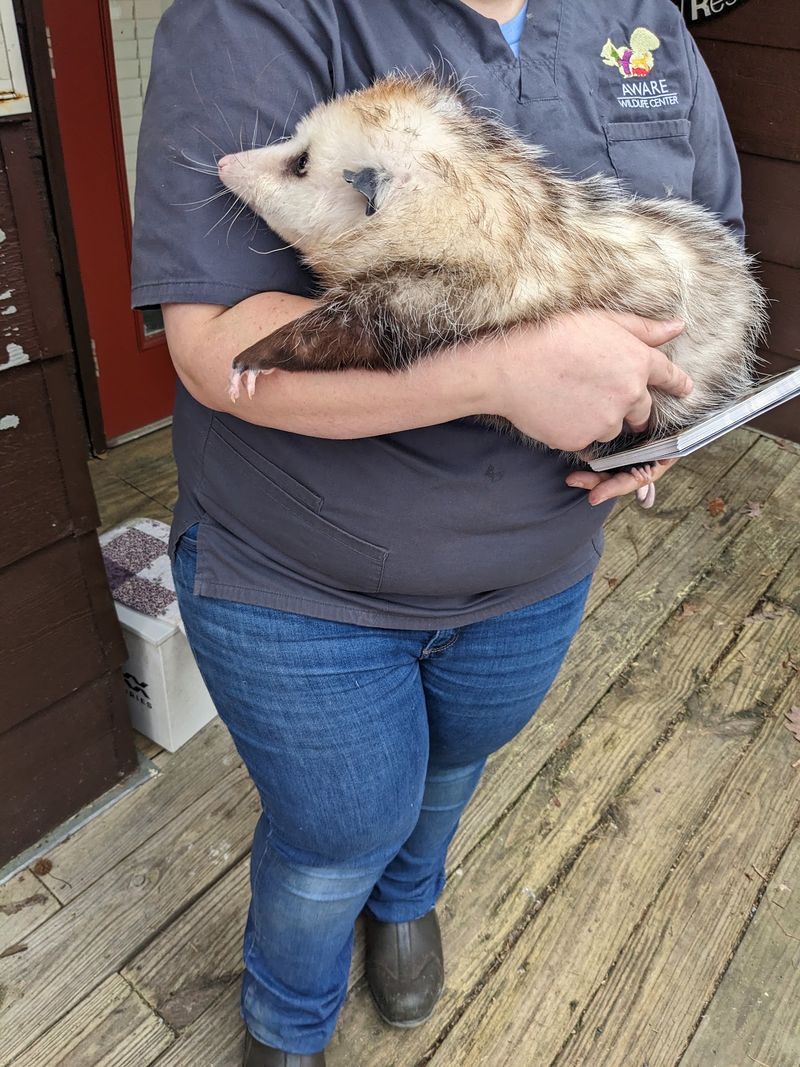
Hawks, owls, opossums, and turtles all check in here. AWARE Wildlife Center treats up to 2,000 native wild animals every year.
AWARE is a wildlife rehabilitation center serving native animals from across the Atlanta area. Raccoons and snakes are on that list too.
Licensing does set limits. Rabies vector species such as skunks and bats cannot be admitted.
Some patients cannot return to the wild, so they become ambassador animals. Volunteers use them to teach visitors about protecting local wildlife.
Free public tours run every weekend, which makes a great scouting trip. You can see the work before committing to a shift.
Volunteers perform the majority of daily animal care. Cleaning enclosures, preparing food, and medicating patients all fall to them.
Other roles fit different talents. Rescue and transport, education displays, grant writing, and enclosure building are all available.
No prior experience is required, which surprises people. Training covers what you need to know.
Volunteers as young as 16 can join with parental permission. High schoolers looking at wildlife careers get a real head start here.
The center sits at 4158 Klondike Rd, Lithonia, GA 30038. Fair warning, chopping food for an opossum is stranger and more fun than expected.
10. Georgia Sea Turtle Center, Jekyll Island
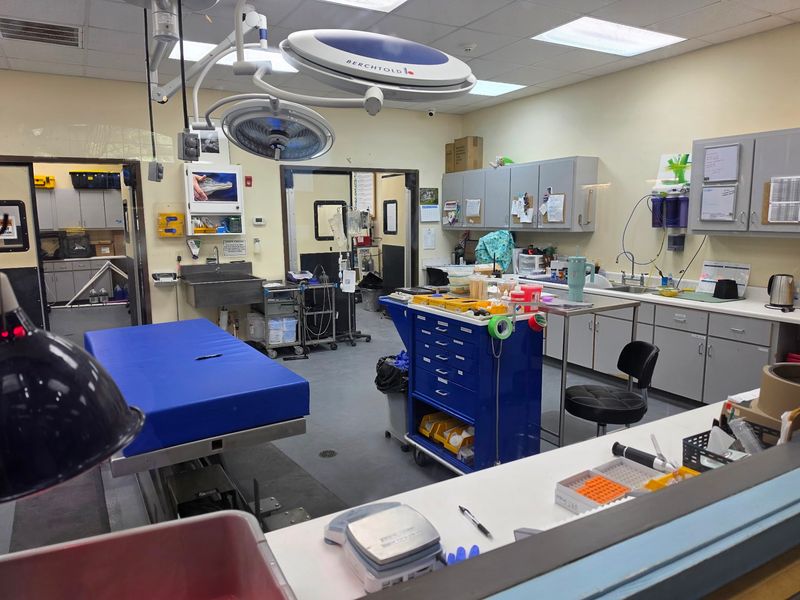
Sea turtles recovering in real time, visible through a window. That is the everyday scene at the Georgia Sea Turtle Center.
It is the only facility of its kind in the state focused on sea turtle education and rehabilitation. Interactive exhibits let visitors watch treatment as it happens.
Three pillars guide the center: education, research, and rehabilitation of sick and injured coastal wildlife. All three depend on people willing to help.
Research here includes genetic testing to understand turtle populations and migration patterns. Real science, not just observation.
They also partner with the Georgia Aquarium for long-term care of cold-stunned turtles. Gopher tortoises and various birds receive care too.
Volunteers can start at age 10, with additional parent or guardian requirements for minors. Docents talk with guests and explain what they are seeing.
All ages can join the marine debris initiative. Cleaning coastal areas directly reduces the hazards that injure wildlife.
Field research programs offer the most unusual shifts. Dawn Patrol and Night Patrol involve beach patrolling, data collection, and nest protection.
Internships and externships exist for serious wildlife rehabilitation students. Those spots fill quickly, so plan early.
Look for the center at 214 Stable Rd, Jekyll Island, GA 31527. Sunrise on a nest patrol is worth the early alarm.
11. Red Clay Ranch Equine Rescue & Sanctuary, Lyerly
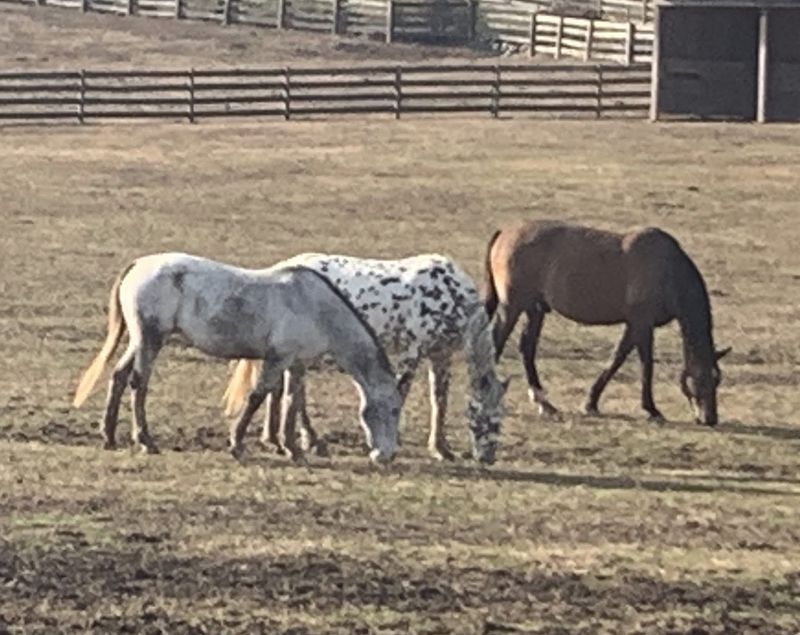
Around 80 horses live on this property, and many will never leave. Red Clay Ranch offers permanent sanctuary, not just temporary shelter.
The mission covers rescue, rehabilitation, and long-term care for neglected, abused, and abandoned horses. Restoring safety and dignity is the whole point.
Some horses recover well enough for adoption. Others stay as permanent residents, especially those with special needs.
Blind horses find lifelong homes here, which requires patient, specialized handling. Consistent routines matter enormously for them.
Accreditation sets this place apart. It is the only horse rescue in the state accredited by the Global Federation of Animal Sanctuaries.
That accreditation is not easy to earn. It reflects strict standards for care, safety, and operations.
The whole thing started with a few personal horses. What grew from that has become a lifelong mission built on compassion and trust.
Volunteers focus on general animal care and barn work. Mucking stalls and hauling hay is honest labor with visible results.
Rehabilitation support is another need, both medical and behavioral. Helping a fearful horse learn to trust people takes time and calm.
The ranch is at 364 Parker Rd, Lyerly, GA 30730. Wear boots you can hose off, because barn days do not stay clean for long.
12. Save The Horses, Cumming
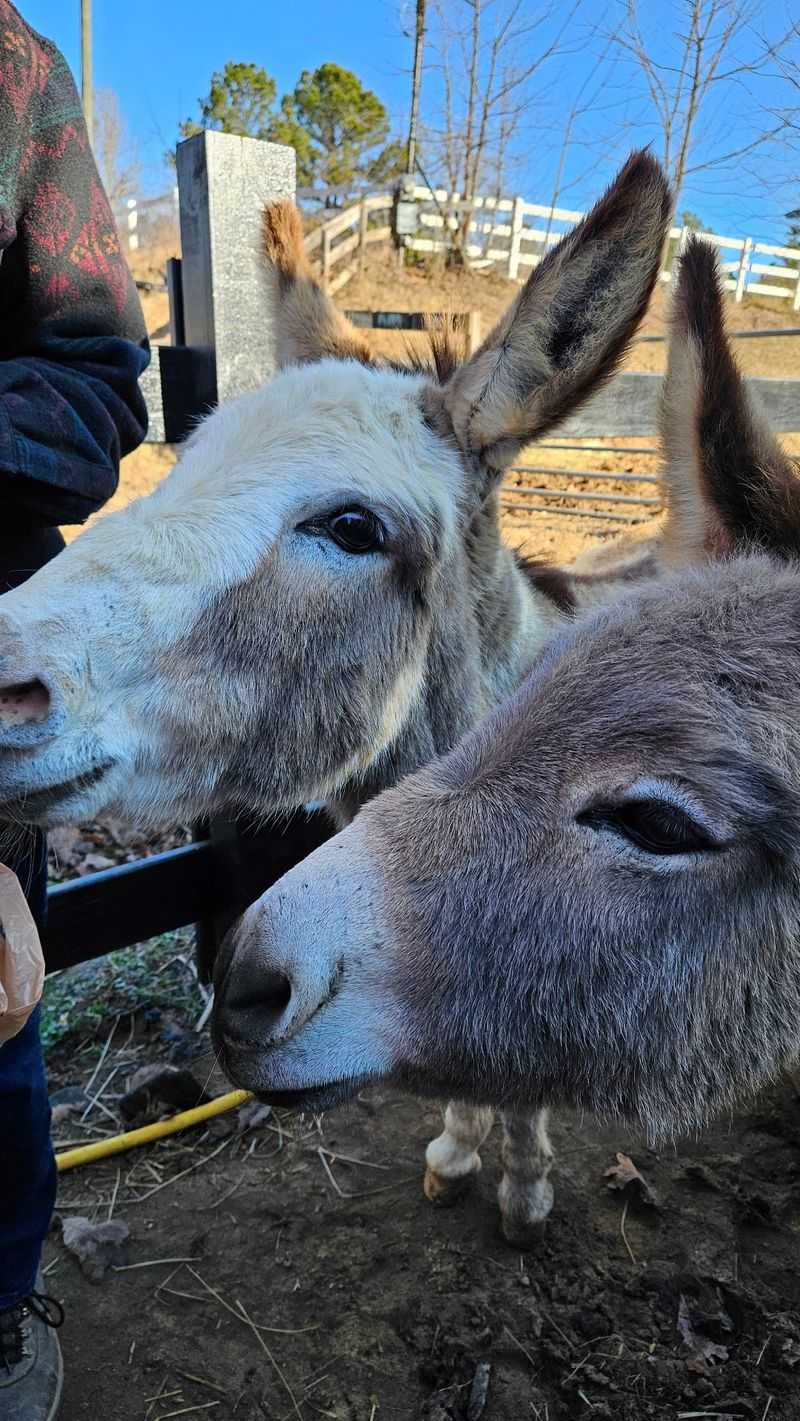
An entire operation run by volunteers alone is rare. Save the Horses manages exactly that, with no paid staff and donations covering the rest.
A large number of rescued horses and other animals live across the organization’s properties. One is in Cumming and the other in Talking Rock.
Their focus is rescuing abused, abandoned, and neglected horses. Public education on proper equine care runs alongside the rescue work.
The Barn Buddy program is the initiative people remember. Rescued horses are paired with foster children for therapeutic time together.
Both sides seem to benefit from those sessions. A horse that learned to distrust people and a child needing steady comfort make a surprisingly good match.
Raising awareness about equine care standards is a constant effort. Many neglect cases start with owners who simply did not know better.
Volunteers handle daily operations and direct animal care. With a herd this size, feeding and grooming never really pause.
Other animals on site need attention too. Not every helper works with horses, which is good news for beginners.
Monthly volunteer orientations make joining straightforward. You learn the farm layout, the rules, and where you fit.
The Cumming farm is at 1768 Newt Green Rd, Cumming, GA 30028. Show up curious, and you will likely return.