This Kentucky Sanctuary Gives Rescued Farm Animals A Home Thirty Minutes From Downtown Louisville
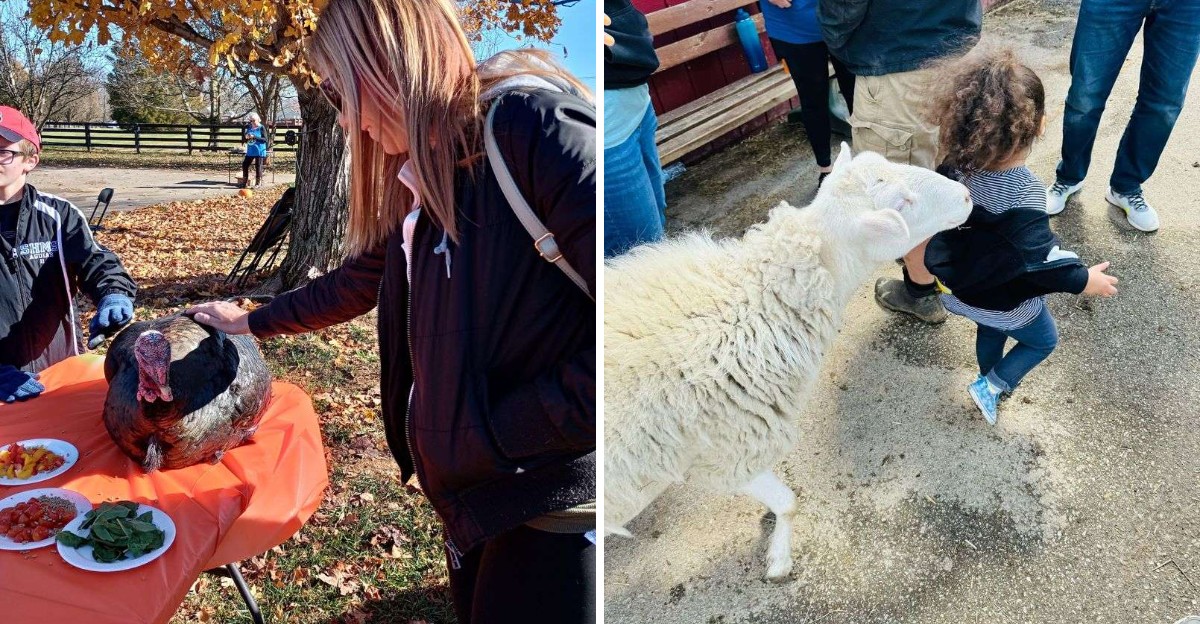
Kentucky has a farm where nobody is going anywhere. The animals arrived here from rough starts and then simply stayed.
There is no next stop and no schedule waiting for them. They get to grow old, which is the entire point.
The drive from downtown Louisville takes about half an hour. You trade traffic for a quiet road and a lot of opinions from the residents.
Cows will approach with the confidence of animals nobody has ever rushed. Pigs will lie down near your feet and wait for the obvious.
Goats will try to eat something they absolutely should not. Somebody here will know every name and every story behind it.
That is the part that gets people. You will leave quieter than you arrived.
Then you will spend the ride home looking up how to sponsor a cow. Book ahead, because a place like this runs on a schedule.
A Country Refuge Close Enough For A Weeknight Visit
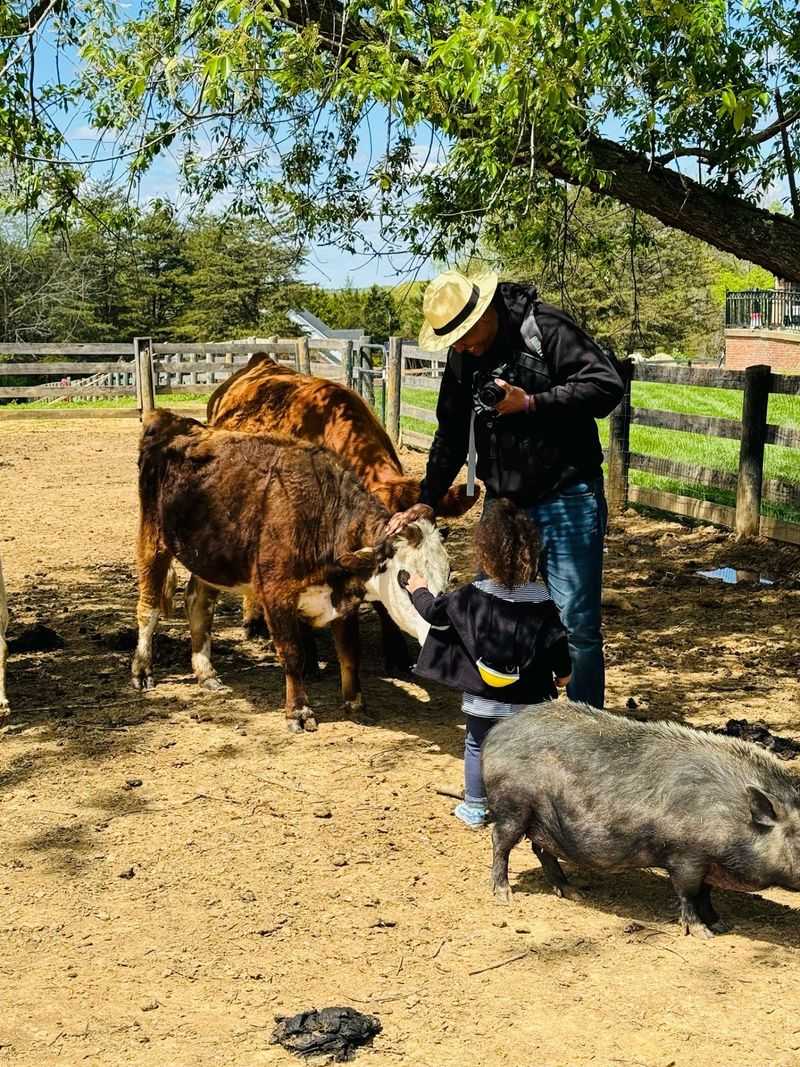
Tribe Animal Sanctuary sits on rolling pasture where rescued animals get room to simply be animals. The drive from downtown Louisville takes about thirty minutes, which barely counts as a road trip.
The property holds a house, a barn, and open fields that stretch behind wooden fencing.
Country roads lead you there, and the change in scenery happens fast. City noise fades, and the loudest sound becomes a rooster with strong opinions.
Because the sanctuary sits so close to town, a visit fits into an ordinary afternoon. No overnight bags, no long highway stretch, no complicated planning.
Families with restless kids find the distance especially friendly. Short ride, big payoff, and plenty of fresh air along the way.
Google reviewers give the place a strong rating, and the praise leans heavily toward the care shown to the animals. That reputation has grown steadily over the years.
Plan for uneven ground and pasture dirt when choosing shoes. Boots or old sneakers beat anything white or new.
Arrive during a scheduled event and the gates open to a warm welcome. Curiosity is the only requirement.
You will find it at 2604 Flat Rock Rd, Louisville, Kentucky.
How Two People And Six Pets Started Everything
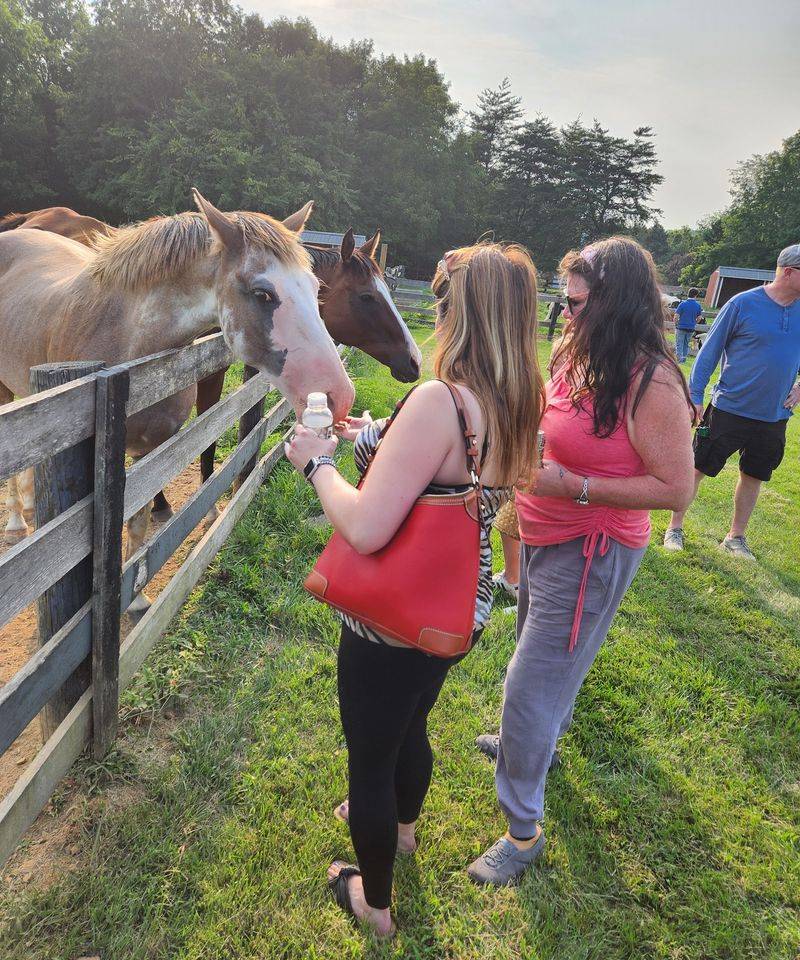
Big things often begin with a small notebook and a stubborn idea. The vision for the sanctuary took shape in April 2014, when Becki and Greg Streif set the plan in motion.
They bought property with a house, a barn, and pastures ready for hooves. By July 2014 they had moved in with three dogs and three cats.
August brought the next chapter. Two Thoroughbred horses arrived, and the pastures stopped looking so empty.
From there the numbers climbed year after year. What began as a family homestead grew into a full rescue operation.
Founders who live on the property see every sunrise chore firsthand. That closeness shapes how the animals are handled and known.
Visitors often notice that every resident has a name and a story attached. Nothing feels anonymous here.
The growth was not funded by a corporation or a grant windfall. It came from personal commitment and steady work.
Understanding that origin makes the place feel different from a roadside attraction. You are standing in someone’s actual home.
Ask about the early days if the founders are nearby during an event. Those stories set the tone for everything else.
Roughly One Hundred Fifty Residents And Counting
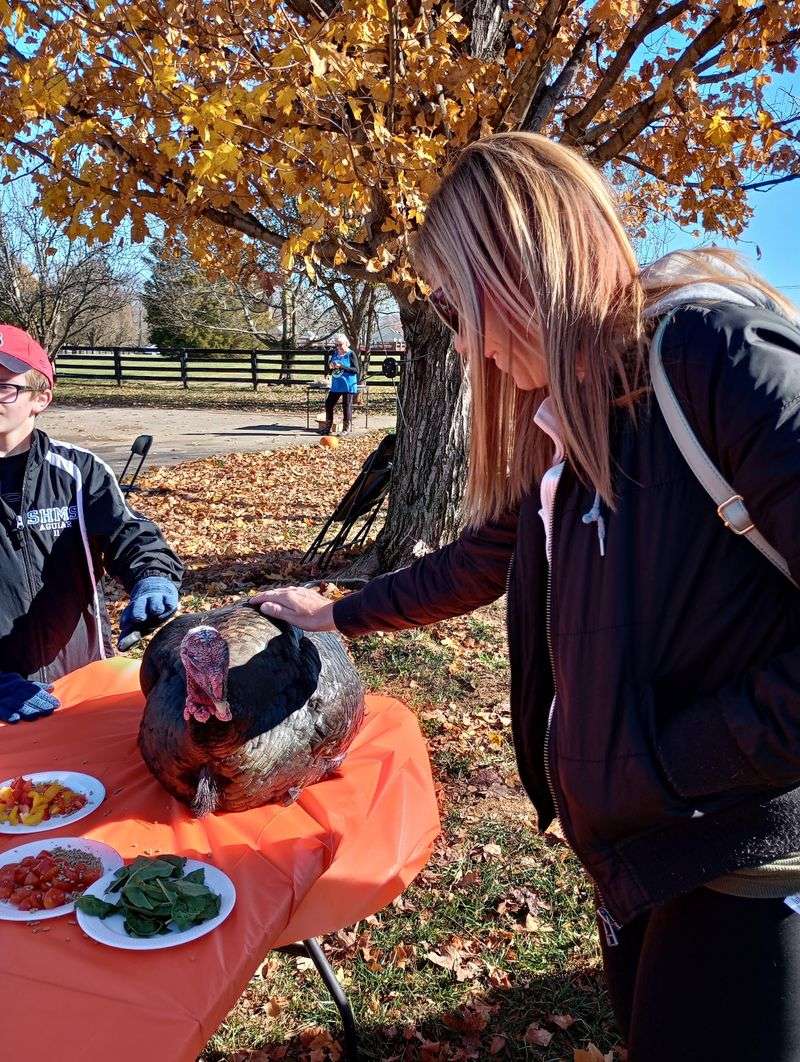
Counting heads here takes a while and a good memory. Around 150 animals currently call the sanctuary home, and each one arrived with a reason.
The roster includes over 20 dogs and 19 cats, plus horses and cows in the pastures. Goats, sheep, and pigs round out the larger crowd.
Feathers factor in too. Chickens, turkeys, and ducks share the grounds with rabbits who keep a lower profile.
Many residents are medically fragile or living with special needs. Others came from neglect and needed months of patient rebuilding.
Care at that scale means constant feeding, cleaning, and medication schedules. Mornings start early and rarely go exactly as planned.
For visitors, the variety is the fun part. You can meet a rooster, a rabbit, and a cow within about ten minutes.
Kids tend to gravitate toward the goats, who are shameless attention seekers. Adults often end up beside the pigs instead.
Take your time and let animals approach on their own terms. Quiet visitors usually get the best encounters.
Bring a camera with a full battery. You will use it more than expected.
Chase The Blind Goat And His Loyal Sheep Guide
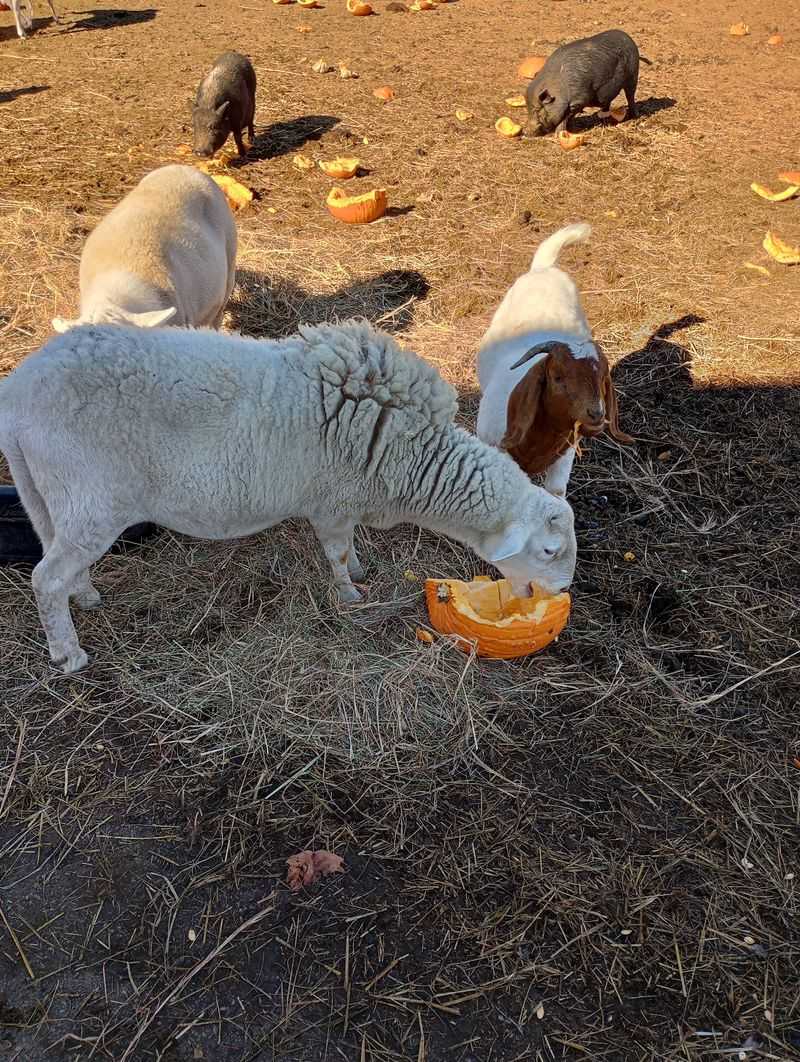
Friendship shows up in unexpected shapes on this farm. Chase, a blind goat, gets around the property with help from Gideon, his seeing-eye sheep.
Gideon leads, Chase follows, and the pair move through the pasture as a unit. It is the kind of thing you would doubt without seeing it.
Their bond makes a strong case for how much animals notice about each other. Nobody trained this arrangement into existence.
Stories like theirs are a big part of why guests linger longer than planned. The animals stop being background and become individuals.
Staff and volunteers know the details of every pairing and rivalry on the property. Ask and the answers come quickly.
Blindness would be a serious problem for a goat in most settings. Here, it simply changed the daily routine.
Watch how Chase reacts when Gideon wanders too far. The reunion is worth the wait.
Photographs rarely capture the teamwork properly. Standing at the fence does a much better job.
If you need proof that kindness can be contagious across species, this duo delivers it without saying a word.
Abbott The Ram Who Started The Farm Animal Chapter
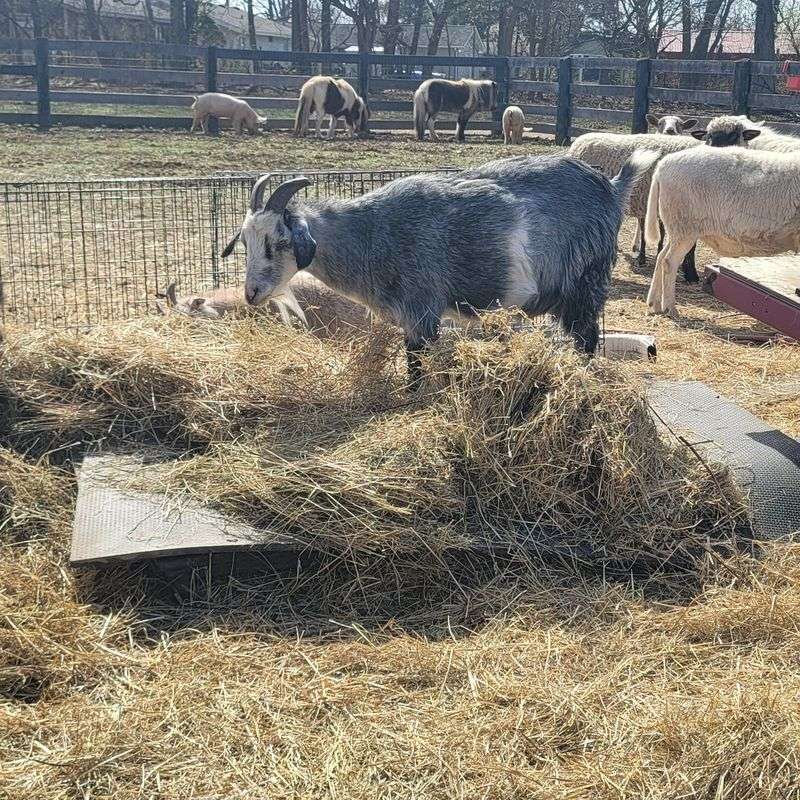
Every sanctuary has a first, and Abbott holds that title here. He was the first rescued farm animal to arrive at the property.
A young activist stepped in and saved him from slaughter. That single decision opened the door for everyone who followed.
Rams carry a reputation for being headstrong, and Abbott looks the part. Curled horns and a confident walk make an impression.
His arrival shifted the sanctuary’s direction toward farmed animals specifically. Dogs and cats had come first, but Abbott widened the mission.
Visitors often hear his story early during an event. It explains why cows and pigs now share space with the household pets.
Sheep are more curious than most people expect. They study new faces carefully before deciding anything.
Approach slowly and keep your voice low around him. Respect goes further than treats.
Abbott also serves as a reminder that one person can shift an outcome. No committee, no budget, just action.
Ask which residents arrived after him and the list gets long fast. The ripple effect has been considerable.
Montrell And Beth, Two Pigs With A Getaway Story
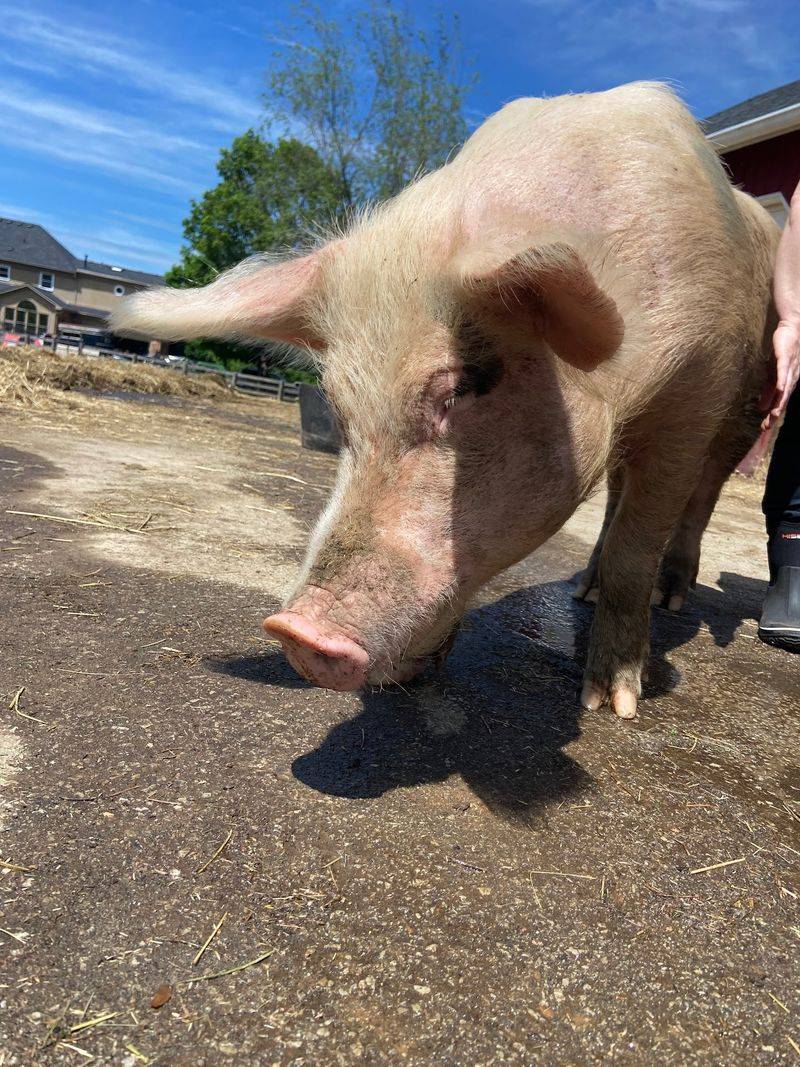
Pigs are smarter than most people give them credit for. Montrell and Beth proved it by escaping their previous home and finding safety at the sanctuary.
Now they spend their days rooting, napping, and supervising the barn. Neither seems interested in another adventure.
Pigs recognize faces and remember who scratches behind their ears. Regular visitors say they are greeted by name recognition, not coincidence.
Belly rubs are accepted here with enthusiasm and zero shame. A pig flopping over in the straw is a full commitment.
Their size surprises first-timers who expect something piglet-sized. Adult pigs are solid, heavy animals with real presence.
The sanctuary has celebrated National Pig Day with cookies and visits. Guests got to meet the residents up close during the festivities.
Watching these two settle into a straw pile explains the whole mission in one image. Comfort after chaos.
Wear pants you do not mind getting dusty. Pig hair and straw travel home with you.
Their story lands differently once you have met them face to snout.
Sunday Strolls, Watermelons, And Red White And Moo
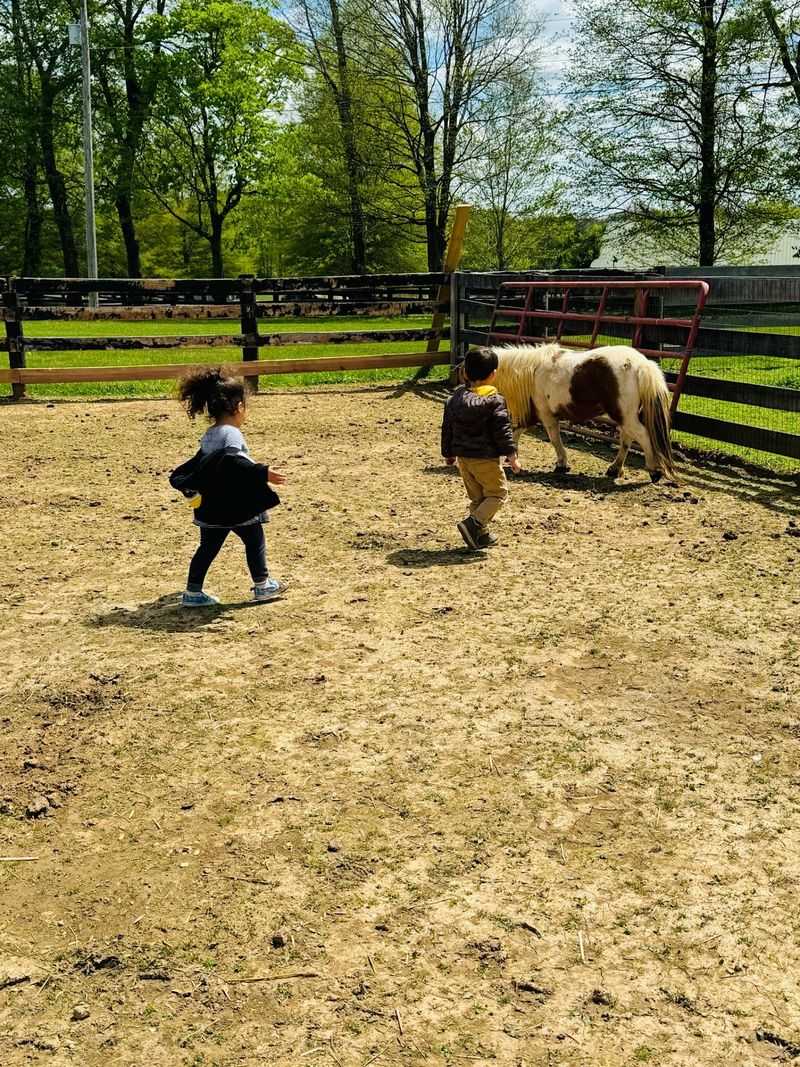
Events here are refreshingly low key and genuinely fun. The sanctuary hosts occasions such as a Sunday Stroll and the Red, White and Moo celebration.
Guests walk the grounds, meet residents, and hear the stories behind each rescue. No scripted tour, no rushed schedule.
Watermelons make excellent gifts for the animals during warm months. Bringing one is encouraged and enthusiastically received.
The sanctuary also shares a supply list, so donations can be practical rather than guesswork. Useful items beat good intentions.
Events are typically announced on the sanctuary’s Facebook page. Checking before you drive out saves disappointment.
Because the property is a working farm, footwear matters more than outfits. Sun hats and water bottles help too.
Kids get a real education without a single worksheet involved. Animals teach faster than lectures.
Volunteers often circulate during events, answering questions with genuine detail. They know these animals personally.
Attendance also supports the operation directly, which keeps the gates open. Showing up counts as help.
Come hungry for stories rather than souvenirs. That is what you take home.
Donations, Volunteers, And A Mission Built On Teaching
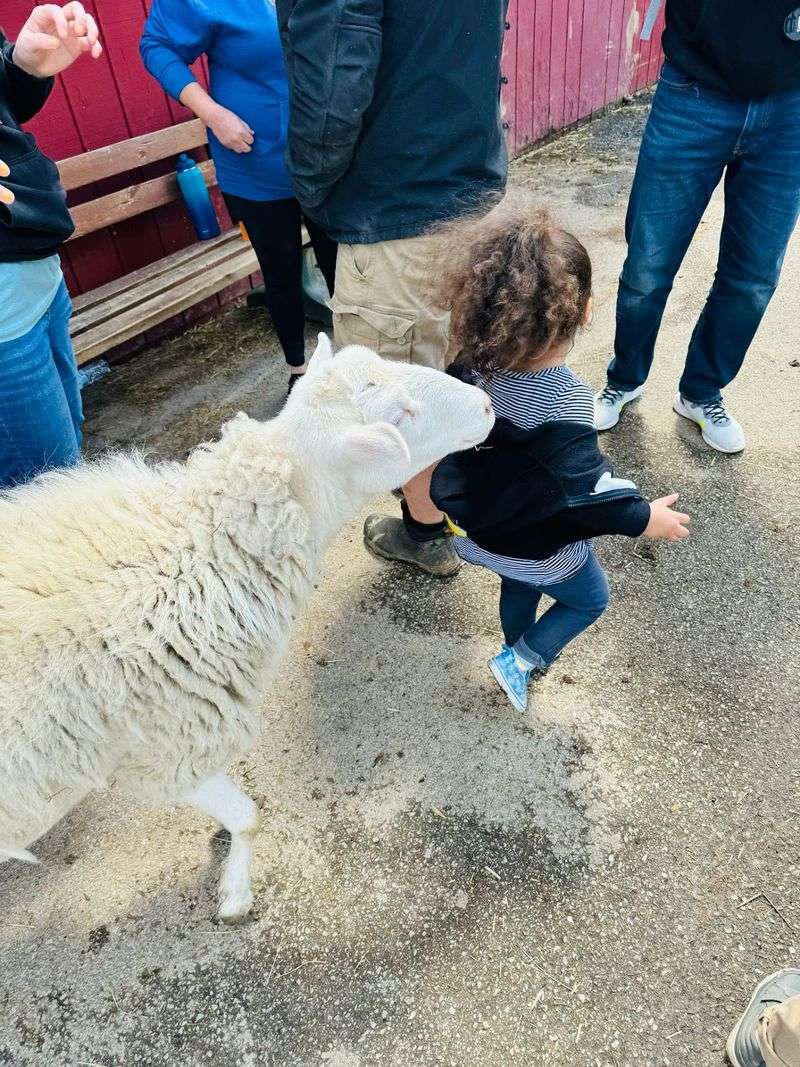
Keeping 150 animals fed is not a hobby, it is a full operation. The sanctuary runs entirely on donations, with no admission fee standing between you and the pasture.
A team of regular and part-time volunteers handles daily chores. Mucking stalls, hauling feed, and refilling water buckets never stop.
The founders have used their own retirement savings to cover shortfalls. That detail says plenty about their commitment.
The mission goes beyond rescue and into education. Staff promote a vegan lifestyle and work to shift how people view animals.
Their belief is straightforward: animals deserve to live free from exploitation. Teaching that idea is treated as seriously as feeding.
Volunteering is open to people who want hands-on involvement. Expect real farm labor rather than gentle petting sessions.
Financial gifts and supply donations both make a measurable difference. Even small contributions stretch far here.
Visitors frequently leave more invested than they arrived. Meeting the animals tends to do that.
Thirty minutes from downtown, an afternoon here can quietly reset how you think about the animals sharing this state with you.