10 Things To Know Before Visiting Kentucky’s Amish Country
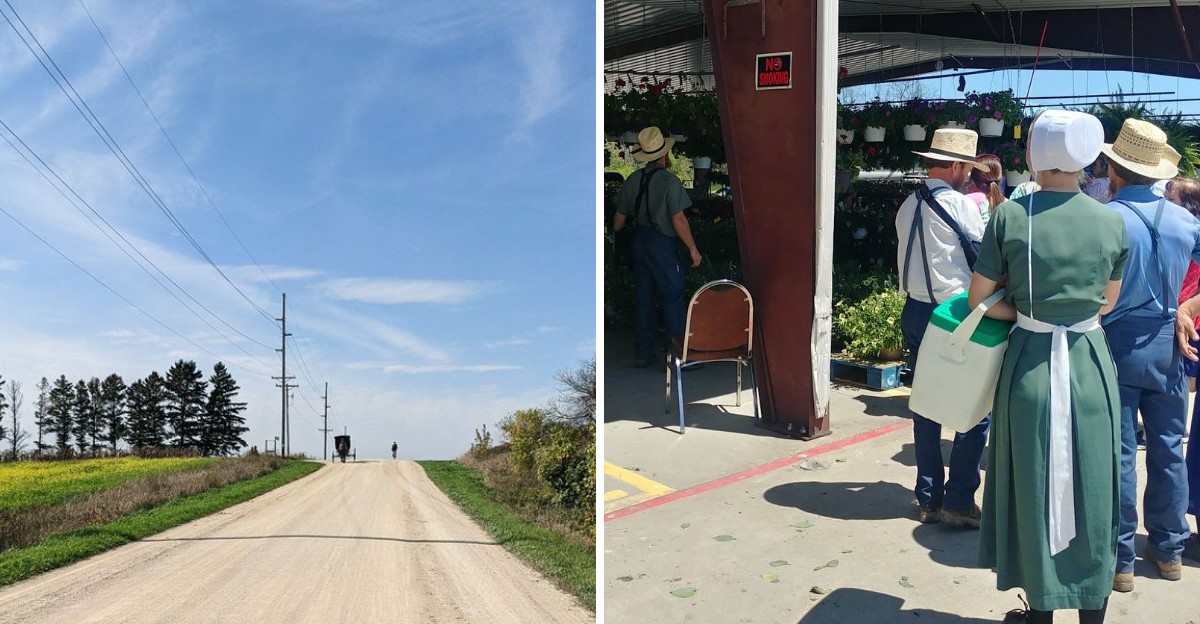
There are two kinds of people who visit Kentucky’s Amish country. One reads a few things first.
The other arrives on a Sunday, finds everything closed, and calls it a wasted trip. Guess which one takes a photo they should not take.
Your debit card is also about to have a humbling experience. So is your driving, because you will be sharing the road with horses who are not interested in your schedule.
The shops keep hours that seem chosen specifically to inconvenience you. Half of them cannot be looked up at all, which is either charming or infuriating depending on your afternoon.
Here is the thing though. Do this properly and you will come home with cheese, furniture plans, and a bag of noodles that ruins the store brand forever.
Read these ten things first. Then go, behave yourself, and bring a cooler you can actually fill.
1. Sunday Is Not A Visiting Day
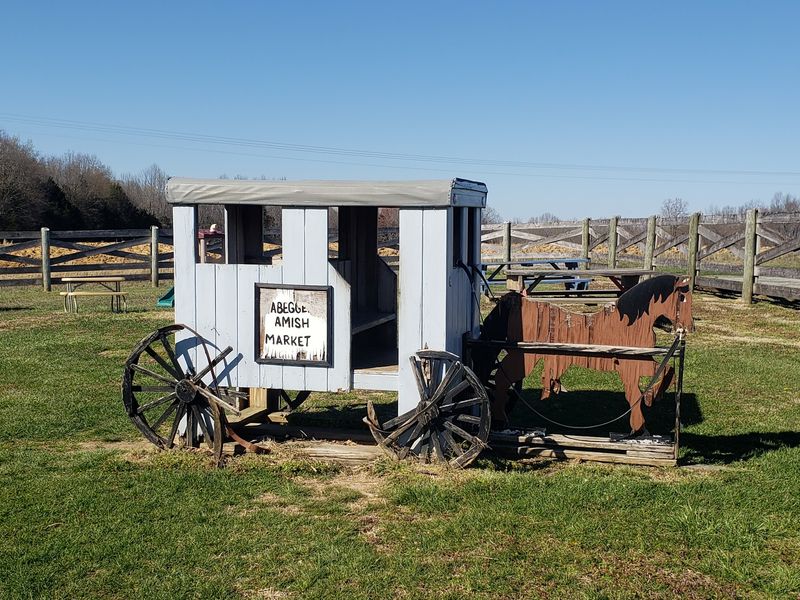
Show up on a Sunday and you will meet locked doors, empty parking areas, and a lot of birdsong.
Most Amish-owned businesses close on Sundays for worship and family time, although practices can vary by community and business. Nobody makes an exception for tourists driving in from three counties away.
Plan your trip for Monday through Saturday instead. Weekdays tend to be calmest, with shelves freshly stocked and owners willing to chat about what came out of the oven that morning.
If Sunday is your only free day, treat it as a scenic drive rather than a shopping run. The countryside still looks beautiful, and back roads through Hart County or Casey County are worth the gas.
Keep your distance from church gatherings. Buggies parked in long rows near a farmhouse mean a worship service is happening inside, and that gathering is private.
Respecting the closed sign is the easiest way to start off right. Come back Monday and you will be welcomed warmly, with better selection and a much shorter checkout line waiting for you.
2. Do Not Photograph The People
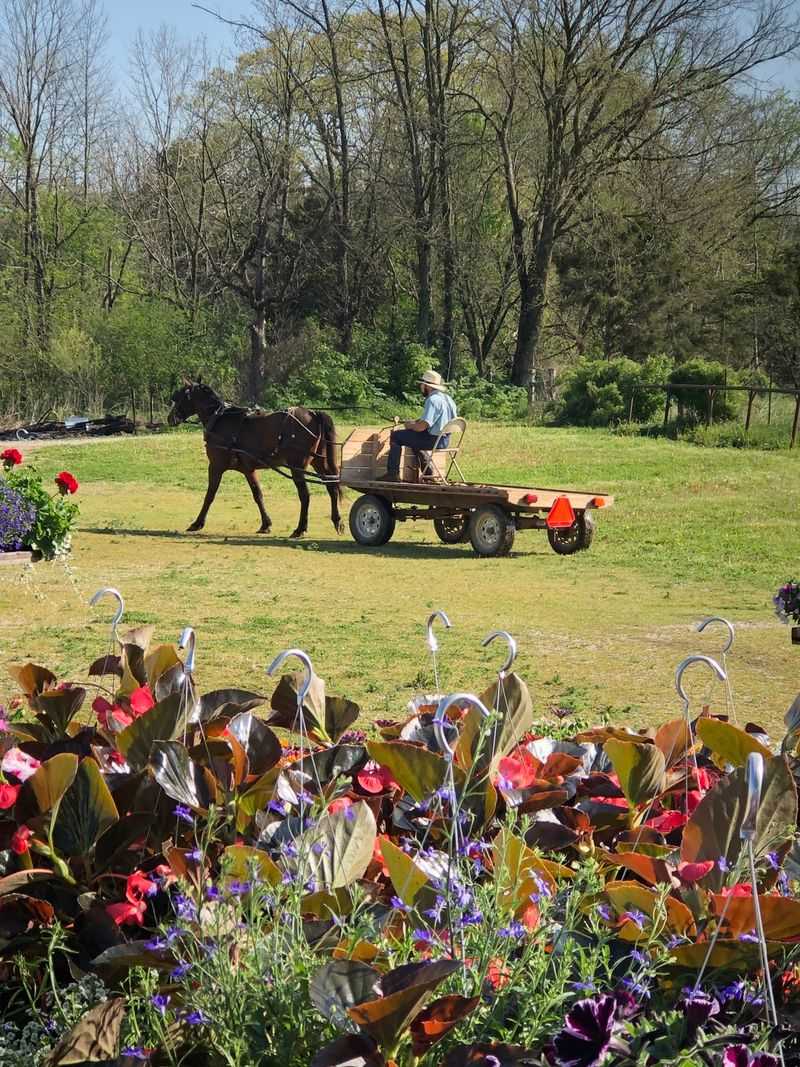
Your camera is welcome. The faces in front of it are not, and that difference matters more than anything else on this list.
Most Amish families hold religious beliefs against posed photographs. Sitting for a picture is seen as an act of pride, and being photographed without asking feels like an invasion of a private life.
Landscapes are fine. Barns, fields, storefronts, and an empty buggy shot from a respectful distance rarely cause any trouble at all.
The line gets crossed when a face becomes recognizable. Zooming in on children in a yard or a family walking along a shoulder is the fastest way to make everyone uncomfortable.
Ask first if you are unsure. A polite question costs nothing, and a no should end the conversation without any negotiating or joking about it.
Phones count too. Sneaking a shot through a car window is still a photograph, and people notice far more often than visitors assume.
Put the lens down and pay attention instead. The clip of hooves, the smell of cut hay, and the sound of a hand saw stick with you longer than any picture would.
3. Bring Cash, Because Most Shops Do Not Take Cards
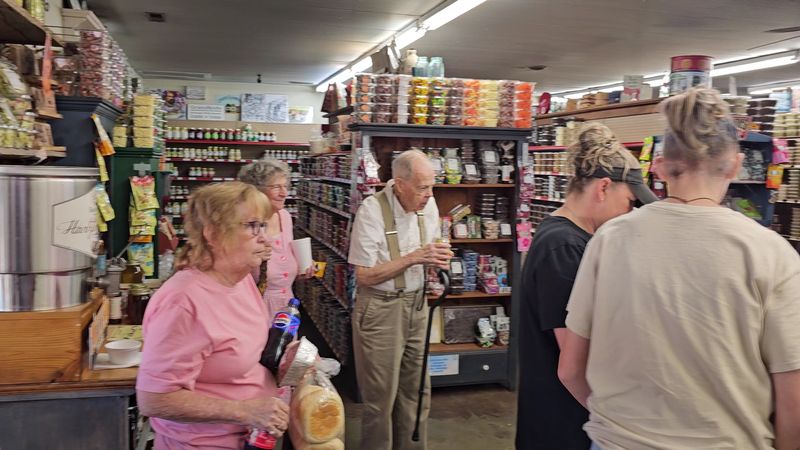
Your credit card will feel very useless somewhere between the jam shelf and the cheese counter. Cash rules here, and the sooner you accept that, the smoother your day goes.
Bakeries, farm stands, bulk food stores, and furniture shops overwhelmingly run on cash. A handful of larger operations take checks or cards, but counting on that is a gamble.
Small bills are the real trick. Roadside stands selling eggs, sorghum, or produce may not have change for a fifty, and some run on the honor system with a coffee can.
Stock up before you leave town. ATMs thin out fast once you turn onto county roads, and the nearest bank can be twenty minutes away.
Bring more than you think you need. Shoppers routinely walk in for bread and leave with pretzels, spices, canned peaches, and a rocking chair they did not plan on.
Keep a few singles handy for tips at hitching-post produce tables. Rounding up is a quiet kindness that costs almost nothing.
Cash also speeds up the line. Nobody is waiting on a card reader that does not exist.
4. Hours Are Shorter Than You Expect, And Some Shops Close At Noon
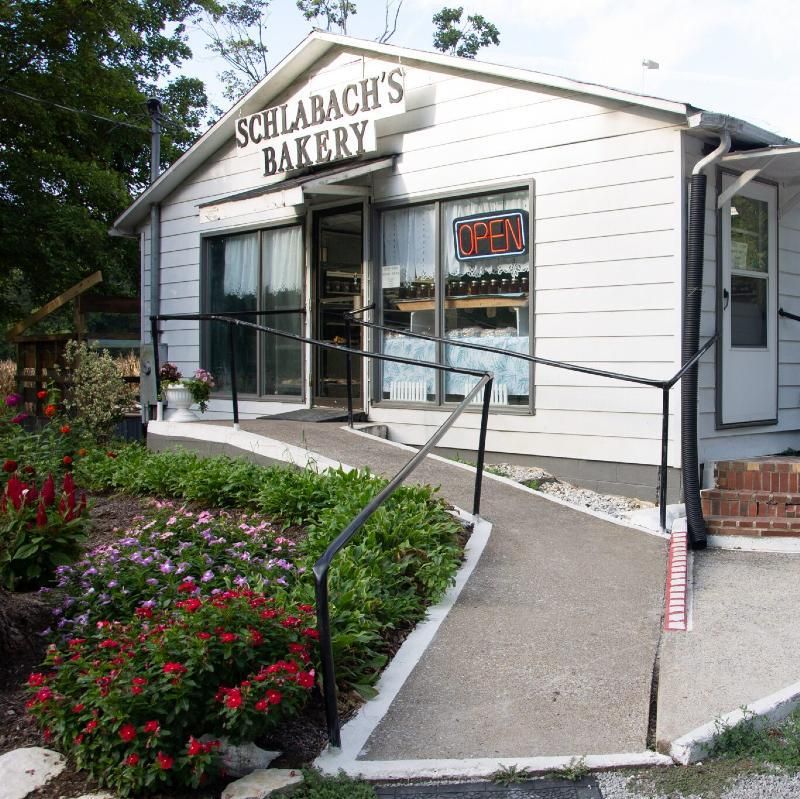
Sleeping in can cost you a loaf of sourdough. Farm work starts early here, and store hours follow the same rhythm.
Many shops open around eight in the morning and shut by five. Saturdays run shorter still, with some doors locked at two or four in the afternoon.
Certain small shops close at midday entirely. Family obligations, weddings, and seasonal fieldwork all take priority over retail, and no one apologizes for that.
Morning visits pay off. Bread, pies, cinnamon rolls, and doughnuts sell out early, especially in warmer months when tour traffic picks up.
Build your route with buffer time. Driving between Hart County and Casey County eats an hour easily, and arriving fifteen minutes before closing is a bad plan.
Seasons change everything. Greenhouses buzz in spring, produce stands peak in summer, and winter hours shrink at many locations without warning.
Hand-painted signs on the door are the final authority. Whatever an online listing claims, the wooden board nailed beside the entrance wins the argument.
Treat the schedule as part of the experience. Slowing down to match the local clock is honestly half the point of coming out here.
5. Share The Road With Horses And Buggies
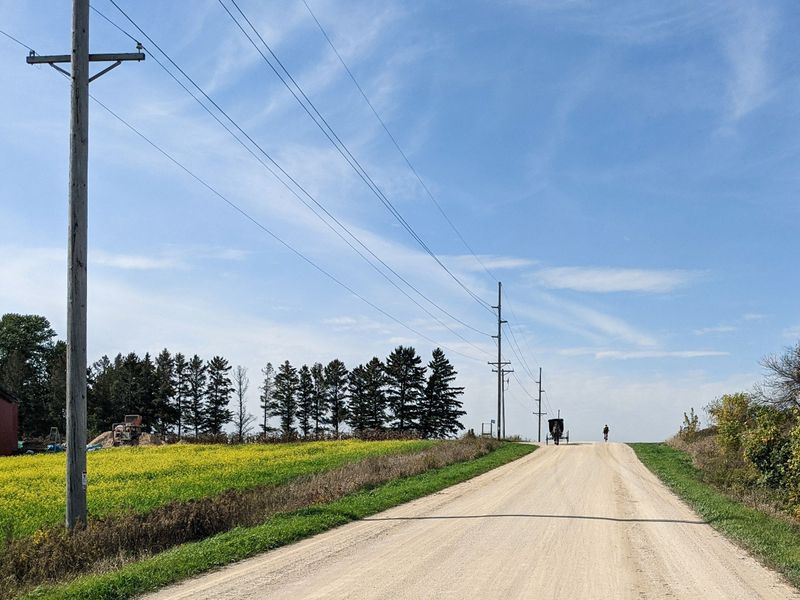
Cresting a hill at fifty and finding a buggy at eight is a genuine wake-up call. Slow down before that happens, not after.
Buggies travel roughly five to eight miles per hour. Closing speed on a rural highway builds faster than most drivers expect, especially over blind rises and tight curves.
Give at least three feet when passing, and more if the shoulder is narrow. Wait for a clear straightaway rather than squeezing by on a double yellow.
Skip the horn. A blast or a flash of high beams can startle a horse, and a spooked animal on pavement helps nobody.
Watch for left turns. Buggies have the same road rights you do, and drivers signal by hand, which is easy to miss at dusk.
Intersections deserve extra care. A buggy pulling out needs far more time to clear than a car does.
Keep an eye out for bicycles and scooters too. Older children often travel that way between farms and school.
Patience costs about thirty seconds. Following quietly behind a buggy for a stretch of Kentucky farmland is not the worst delay you will ever face.
6. Call Ahead, Because Many Businesses Have No Website
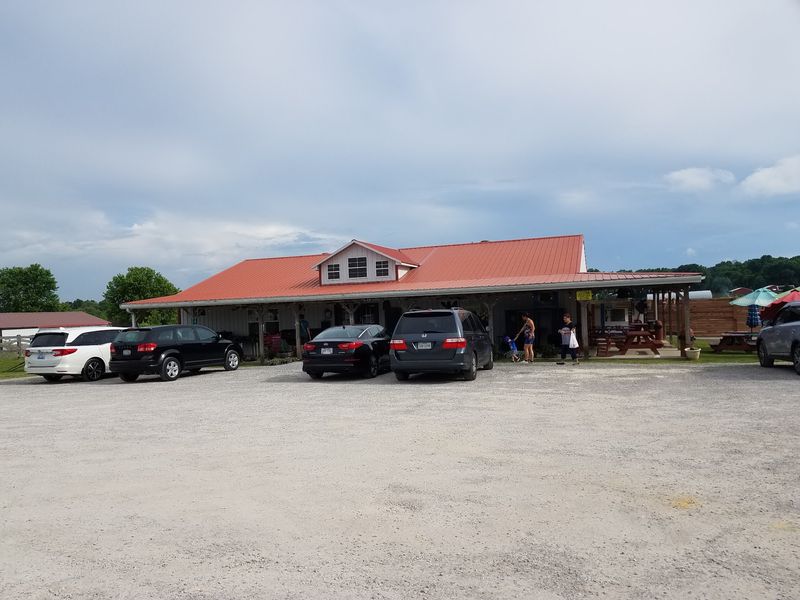
Searching for a shop online often turns up nothing but a blurry map pin and somebody’s decade-old post. That is normal out here.
Plenty of Amish-owned businesses skip websites entirely. Many rely on a shared phone shanty at the end of a lane, checked once or twice a day.
Leaving a message still works. Ask about availability, payment, and whether the shop will actually be open the day you plan to arrive.
Long drives make the call worthwhile. Nobody wants to cover ninety minutes of two-lane road for a locked door and a hand-lettered note.
Local visitor centers help fill the gaps. County tourism offices in places like Munfordville and Liberty often keep printed maps of area shops.
Word of mouth beats algorithms here. A bulk food store clerk can usually point you toward the best furniture maker, quilter, or greenhouse nearby.
Paper directories still circulate. Some communities print simple business guides you can pick up at a store counter for a dollar or two.
Go in expecting a little mystery. Half the fun is finding a bakery nobody on the internet has bothered to mention yet.
7. Kentucky Has Several Amish And Mennonite Communities, Not One
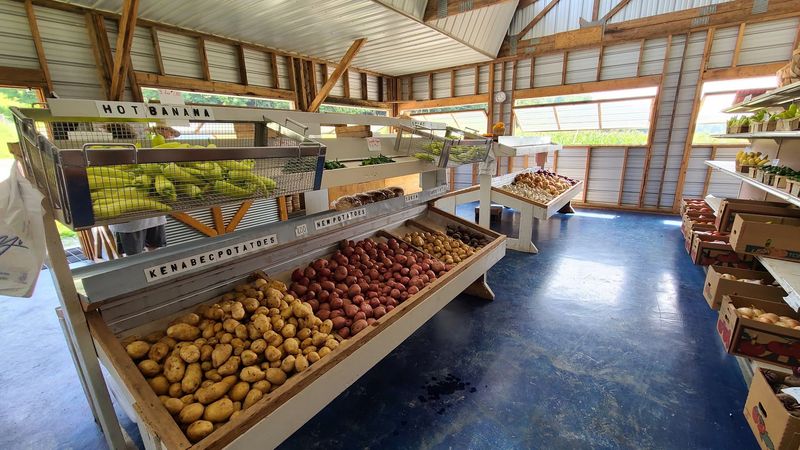
Calling it Kentucky’s Amish Country makes it sound like a single town. The reality is more than fifty settlements scattered across the state.
Christian County holds communities near Crofton and Pembroke. Hart County covers Munfordville and Horse Cave, both easy stops off the interstate.
Head south and you will find groups around Russellville in Logan County and Guthrie in Todd County. Crittenden County near Marion has its own settlement as well.
Central Kentucky adds more. Casey County around Liberty is one of the busiest, with Grayson County near Leitchfield and Bath County near Owingsville close behind.
Allen County is home to a large Mennonite community, centered near Scottsville. Mennonite groups often differ from Amish neighbors in dress, technology, and worship style.
Customs vary between settlements. One community may allow certain tools or business practices that another firmly avoids, and assuming they are identical leads to awkward moments.
Pick a region rather than trying to see everything. Hart County and Casey County both work well as full-day loops.
Treat each community as its own place. That mindset makes you a better guest everywhere you stop.
8. The Bulk Food Stores Are The Real Attraction
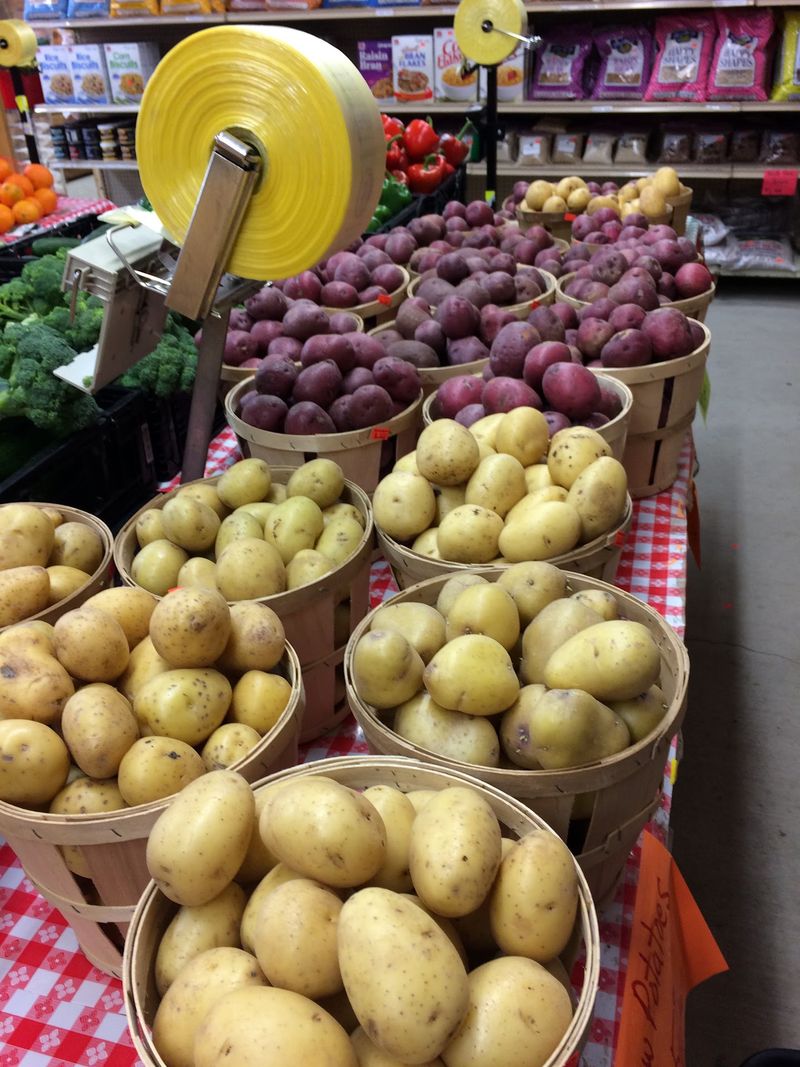
Forget souvenir shops. The best thing you will carry home from this trip probably comes in a clear plastic bag with a handwritten price sticker.
Bulk food stores stock flour, sugar, spices, dried fruit, nuts, beans, grains, and candy at prices that make grocery chains look silly. Deli counters add sliced meats and blocks of cheese.
Baked goods disappear first. Fry pies, whoopie pies, dinner rolls, and sandwich bread often sell out before lunch on busy days.
Detweiler’s Country Store sits at 12825 Priceville Rd, Cub Run, , deep in Hart County farmland. Habegger’s Amish Market draws steady crowds at 415 Perrytown Rd, Scottsville.
Casey County offers two strong options close together. Sunny Valley Country Store is at 2767 S Fork Creek Rd, Liberty, and Casey County Amish Market is at 52 S Fork Creek Rd, Liberty.
Farther west, Country Pantry sits at 9115 Guthrie Rd, Guthrie, KY. Old Town Amish Store brings the goods closer to town at 201 Prince Royal Dr, Berea.
Grandview Country Market, a Mennonite operation, waits at 9216 US-27, Cynthiana.
9. Ask Before You Buy, Because Furniture Is Often Made To Order
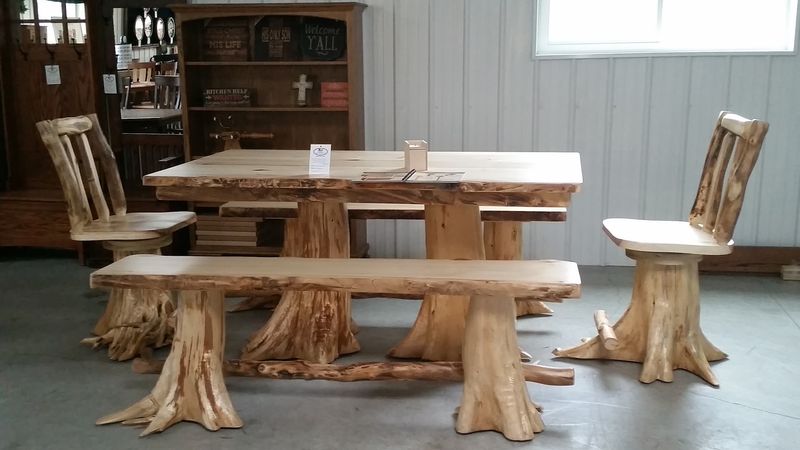
That gorgeous oak table on the showroom floor may not be for sale. Often it is a sample, built to show what the shop can do for you.
Amish furniture makers work in solid hardwood, and custom orders are the norm. You choose the wood, the stain, the dimensions, and sometimes the hardware.
Ask about lead time before falling in love. Depending on the season and the piece, waits can stretch from several weeks to several months.
Delivery is another question worth raising early. Some shops arrange freight, while others expect you to bring a truck and a friend with strong arms.
E-Town Amish Furniture sits at 4467 S Dixie Hwy, Glendale, an easy detour near the interstate. Southern Outdoor Furniture builds porch pieces at 45 Montgomery Road, Auburn.
Miller’s Wood Products can be found at 22 Dennison Ferry Road, Cub Run. South Fork Furniture rounds things out at 2644 S Fork Creek Rd, Liberty.
Deposits are common, and cash or check often works best. Bring your room measurements written down, because guessing at inches never ends well.
10. Dress And Speak With The Same Respect You Would Expect
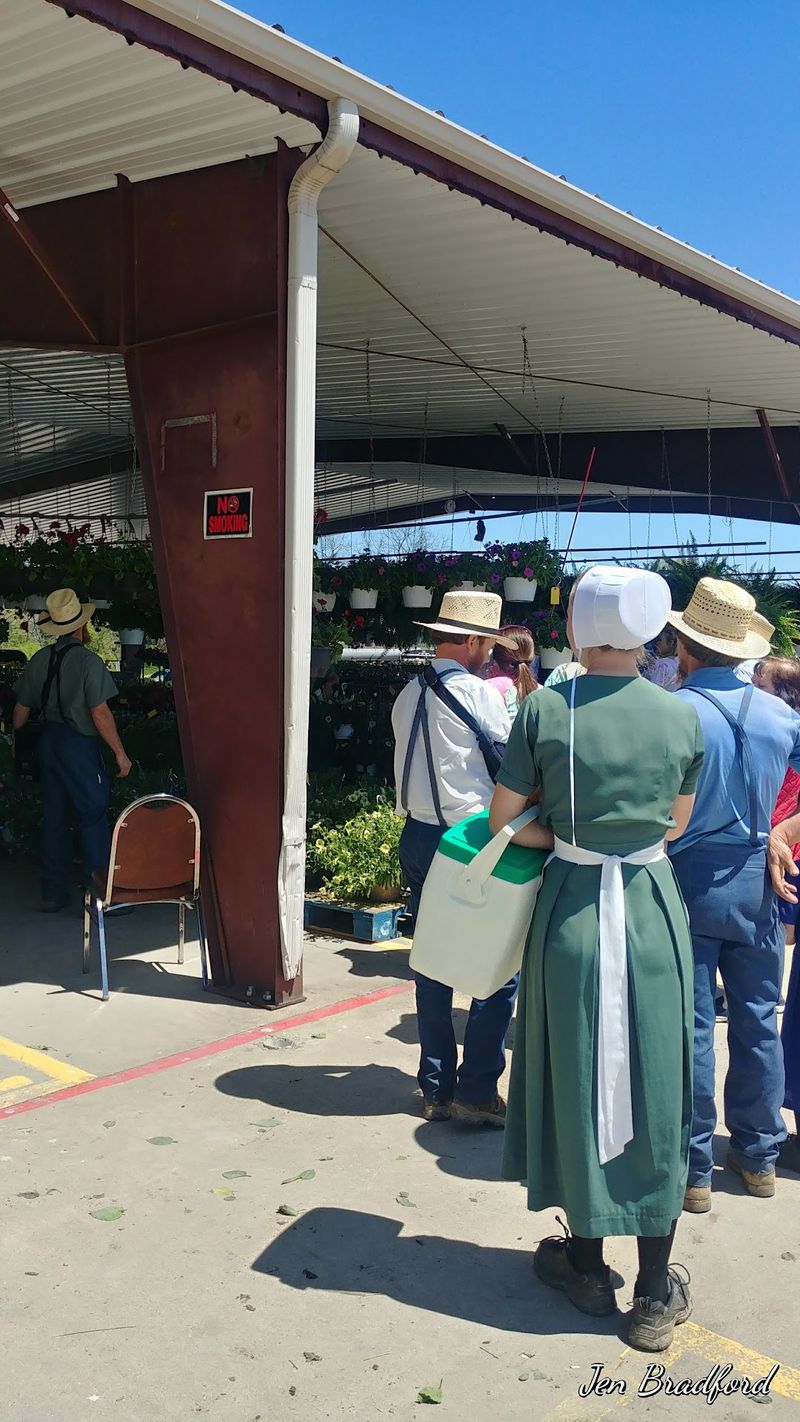
No dress code hangs on the door. Still, showing up in something loud and skimpy reads about as well as wearing cleats into a library.
Neat and modest is the target. Skip anything low-cut, very short, flashy, or printed with slogans that would embarrass a grandmother.
Conversation follows the same idea. Speak politely, keep your voice down, and avoid staring at people going about ordinary work.
Questions are usually fine when asked kindly. Curiosity about baking, farming, or woodworking tends to get warm answers, while questions about religion or family size can feel intrusive.
Mind the clock during busy hours. Shopkeepers have orders to fill, and a long chat at the register slows everyone behind you.
Keep children close and hands off displays. Farm properties are working spaces, not attractions, and fences mark private ground.
Stay out of driveways and barns unless invited. A store being open does not mean the whole farm is.
Simple courtesy carries enormous weight here. Behave like a good neighbor and you will be treated like one, which makes every stop friendlier than the last.