The Quiet Connecticut Apple Orchard Where You Can Pick Without The Crowds
Apple picking does not have to feel like competing for parking before you even see a tree.
This orchard keeps the experience pleasantly low-key, which can make the whole outing feel closer to what people actually imagine when they think about a fall afternoon.
The pace is easier here.
You can take your time between rows, look for the apples you actually want, and enjoy the simple satisfaction of filling a bag without feeling hurried along.
That quieter rhythm gives the trip a different personality.
It feels less like a seasonal event and more like an afternoon outside that happens to end with fresh fruit.
Families can linger, couples can wander, and nobody needs a detailed plan for every minute.
For anyone craving a calmer version of apple season, Connecticut still has places where the orchard itself gets to be the main event.
Sometimes fall is better when fewer people are shouting about it.
1. Five Generations Have Kept This Family Farm Going
Some farms seem built to last. More than 130 years after the story began, the same family is still caring for this 100-acre property and guiding it into another generation.
That kind of continuity gives the orchard a character that is hard to manufacture. Today, the fifth generation is already involved, learning the work while helping carry familiar traditions forward.
The land has remained productive rather than being divided or turned into something completely different. Apples continue to play a major role, while other seasonal crops have gradually joined the mix over the years.
Visitors can head out during pick-your-own season, stop by the farm stand, and see firsthand how much work goes into growing food on this scale. Fresh cider and baked treats add another easy reason to linger once the picking is done.
What stands out most is how closely the family remains connected to everyday farm life. The people welcoming customers are also involved in planting, pruning, harvesting, and keeping the property running through every season.
Buell’s Orchard has managed to grow without losing the personal feel that comes from generations working the same land. That long family connection gives each visit a little more meaning than a simple afternoon of apple picking.
2. Crystal Pond Road Sets The Quiet Country Scene
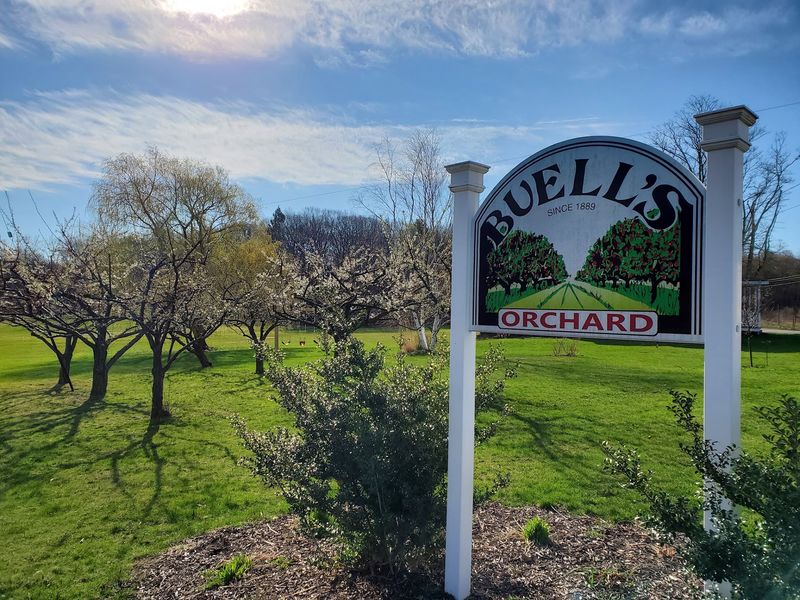
The drive is part of the fun. Country roads lead through Eastford before opening onto the fields and orchards surrounding Buell’s Orchard, giving the trip a quieter feel long before the picking begins.
Fall makes the approach especially pretty, when changing leaves add another layer of color to the farmland.
That rural setting is a big part of the appeal. This is still a working family farm, so the scenery feels natural rather than arranged simply for visitors.
Rows of fruit trees stretch across the property, while open ground and wooded edges make it easy to slow down once you arrive.
Seasonal picking brings people out for strawberries, blueberries, peaches, apples, and pumpkins depending on the time of year. The farm market adds fresh produce, cider, baked goods, and other locally sourced products to the visit.
Buell’s Orchard sits at 108 Crystal Pond Road in Eastford, a peaceful stretch away from busier commercial areas. Giving yourself a little extra time for the drive makes sense, especially when autumn color is at its best.
The countryside helps turn a simple farm stop into a fuller outing, with the road there feeling almost as relaxing as the time spent among the trees.
3. The Buell Family Has Farmed Here Since 1889
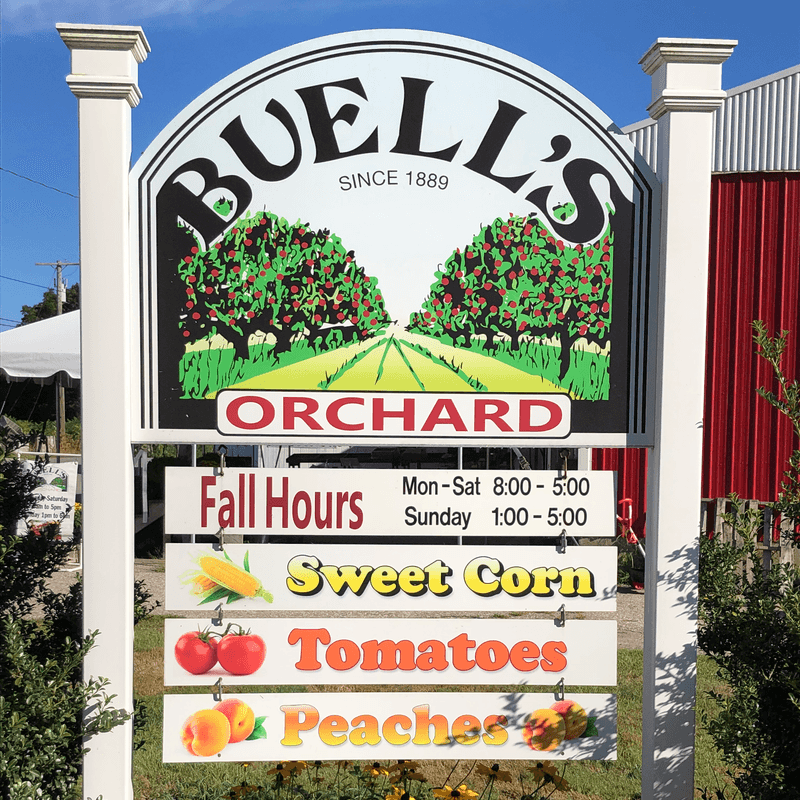
This farm has been growing for a very long time. Buell’s Orchard dates back to 1889, when apples were still hauled to market in a very different way and Eastford looked far more rural than it does today.
More than 130 years later, the same family continues to work the land and carry the orchard into another generation.
The operation has changed gradually over time. Apples remain a major part of the farm, while other fruits, vegetables, and seasonal crops have joined the mix as the years passed.
That evolution has allowed the property to stay productive without losing the agricultural character that made it special in the first place.
Its history never feels like a display case. Older trees, working farm buildings, and generations of hands-on experience keep the past connected to everyday life.
Cider is still pressed, produce is still harvested, and baked goods continue to give visitors another taste of what comes from the farm. Buell’s Orchard feels less like a preserved piece of local history and more like proof that those traditions are still very much alive.
That makes each visit feel a little richer, especially when the souvenir is something grown right on the same land.
4. More Than A Dozen Apple Varieties Fill The Orchard
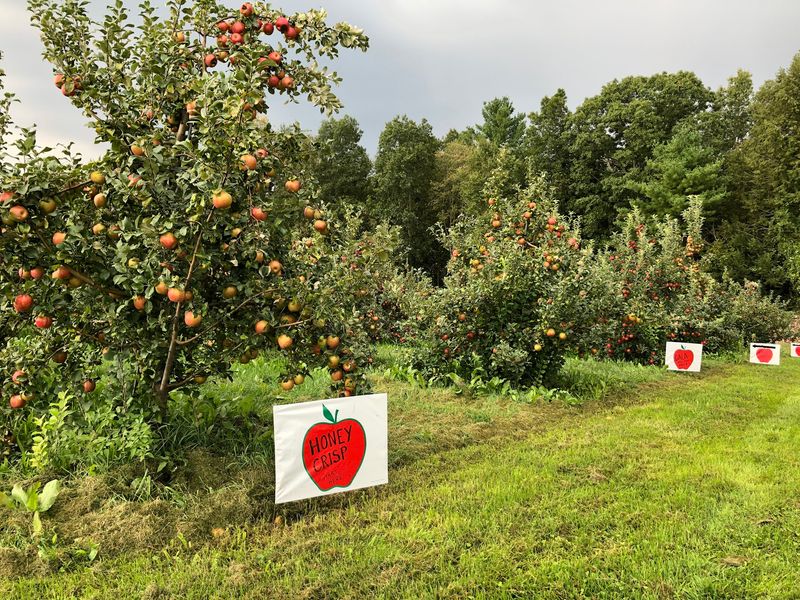
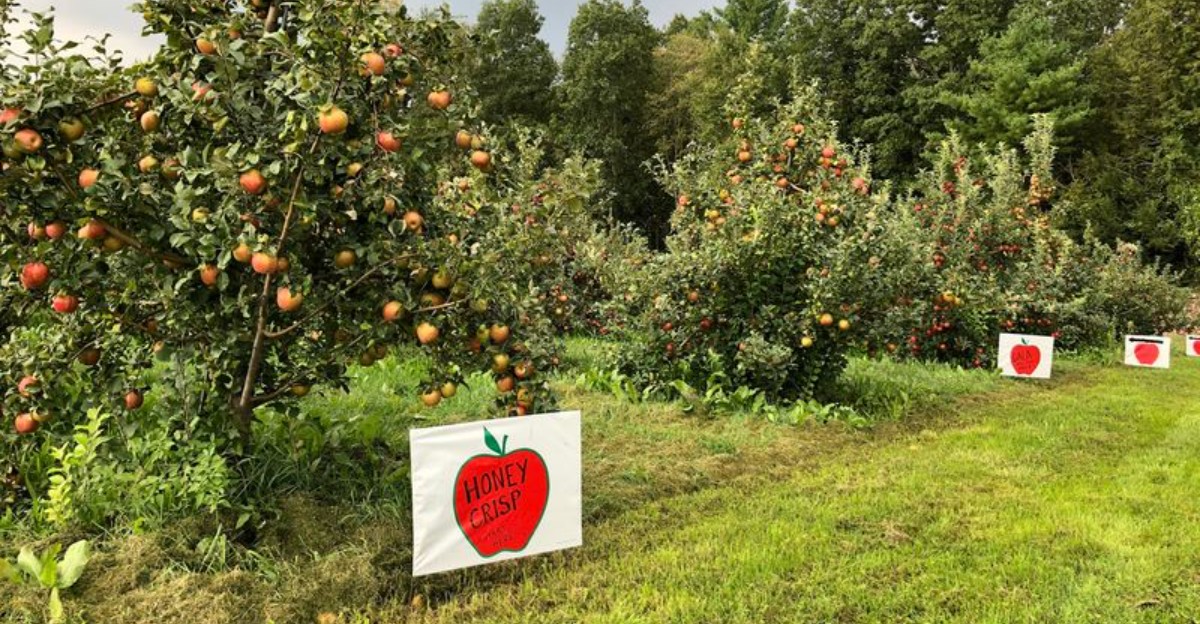
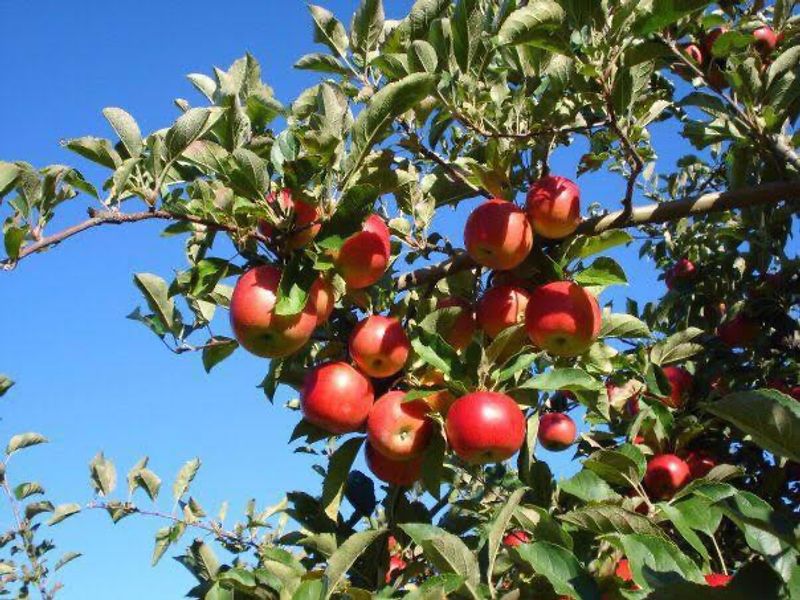
Over a dozen apple varieties grow here, which means the flavor of your visit depends a lot on the week you choose. McIntosh and Honeycrisp are among the types available for pick-your-own, and different varieties ripen at different points in the season.
Picking usually starts around Labor Day weekend and runs through October. Calling ahead or checking what is ripe before you drive out is smart, since weather shifts the calendar from one year to the next.
One detail that makes a real difference for families: the orchard grows mostly semi-dwarf and dwarf trees. Fruit hangs low enough that small children, older visitors, and anyone who would rather not climb can fill a bag comfortably from the ground.
Apples are not the whole story either. Strawberries come in during June, blueberries run from mid-July into August, and peaches are ready from early August until Labor Day weekend, so the picking season stretches across a good chunk of the year.
Standard practice is to pay for your bag first, then head out to pick, so budget a moment for that step. Wear closed shoes, since the rows can be uneven and damp early in the day.
5. Fresh Cider And Famous Donuts Follow The Picking
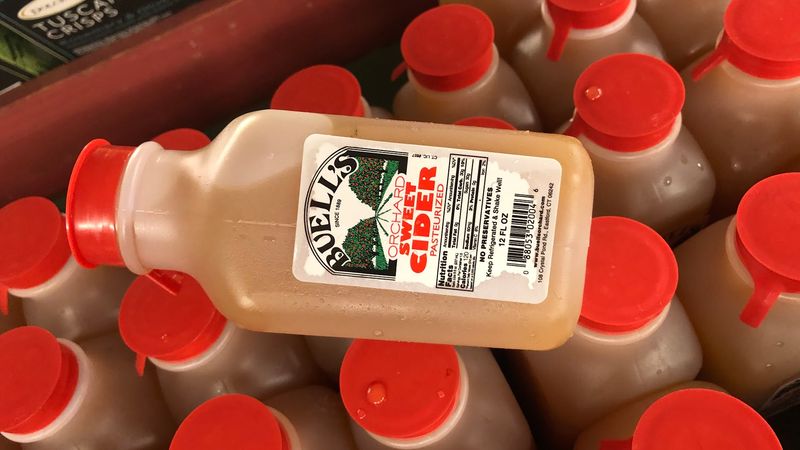
Ask around about this farm and the conversation turns to cider fast. The orchard presses, pasteurizes, and bottles its handmade cider right on site in a dedicated facility, and it is recognized as one of Connecticut’s notable cider producers.
Pressing your own fruit means the flavor changes with the blend of varieties coming off the trees, which is why regulars talk about it the way other people talk about a favorite bakery. Many visitors say they have compared it with cider from other orchards and keep coming back to this one.
Then there are the donuts. Apple cider donuts are made fresh at the farm, and blueberry donuts show up seasonally when the berries are in.
A warm donut and a cup of cider after an hour in the rows is the kind of simple reward that makes the whole trip feel complete. Kids tend to inhale theirs before reaching the car.
Buy a little more cider than you think you need. It disappears quickly at home, and once you are back on the highway, turning around for a second jug stops feeling like a reasonable plan.
6. Pumpkin Season Brings Weekend Hayrides To The Farm
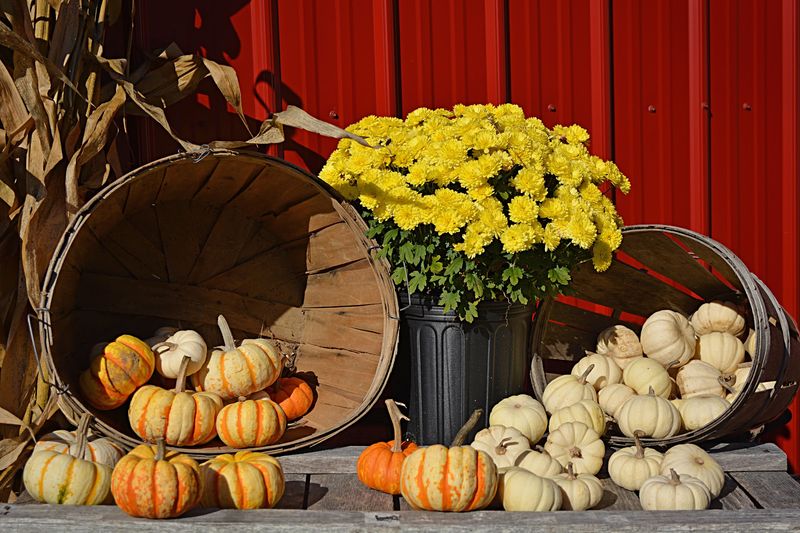
Late September flips a switch here. Pumpkin picking opens up and continues through Halloween in October, with a wide range of sizes spread across the field.
Small sugar pumpkins are the ones to grab if you plan on baking, while the larger ones are better suited to carving or setting out on a front step. Having both options in one field saves a second stop somewhere else.
On weekends during pumpkin season, hayrides run out to the patch, which is genuinely useful as well as fun. Riding a tractor-drawn wagon across the field beats carrying a heavy pumpkin the whole way back.
The ride is often the highlight for younger kids, who tend to remember bouncing along on hay bales longer than they remember the fruit. Older visitors appreciate the shortcut.
Weekends bring more company than weekdays, though the farm still feels far less hectic than orchards closer to the cities. If you want the field mostly to yourself, aim for a weekday, and if you want the hayride, plan for Saturday.
Either way, wear layers. October mornings in the Quiet Corner start cooler than the forecast suggests.
7. The Annual Harvest Festival Marks The Heart Of Fall
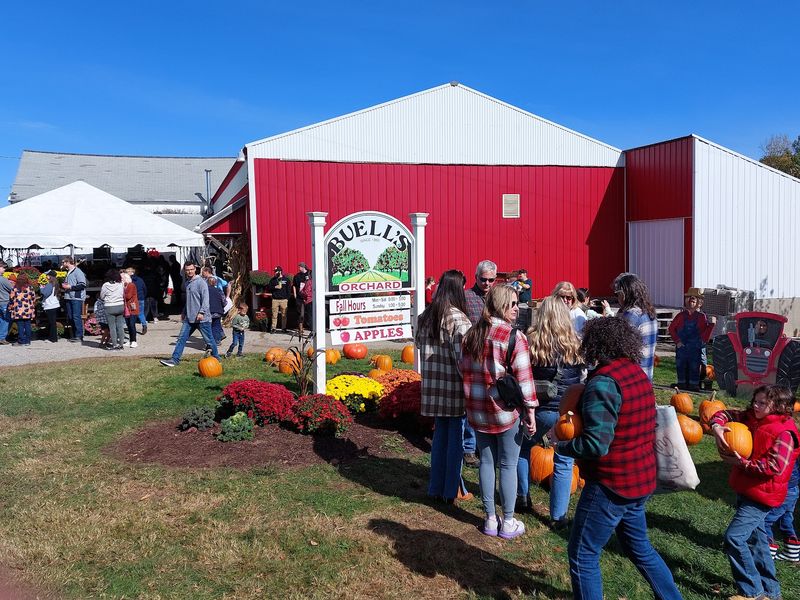
Once a year the quiet farm gets deliberately busy, and it is worth planning around.
The Annual Harvest Festival takes place on the Saturday and Monday of Columbus Day weekend, generally running from 10 AM to 4 PM, with some activities also offered Sunday afternoons from 1 PM to 5 PM.
Hayrides carry visitors out to the apple and pumpkin picking areas, live music plays, a chicken barbecue is served, and face painting keeps younger guests occupied. It is a full day rather than a quick stop.
Best of all, there is no entry fee and no parking fee, which is increasingly unusual for fall farm events in New England. You pay for what you pick and what you eat, and nothing else.
Expect more people than on a typical visit, since this is the farm’s biggest weekend. Regulars tend to say the atmosphere is worth the extra company, with music drifting across the fields and the smell of barbecue in the air.
Arriving earlier in the day usually makes parking and picking easier. If crowds are the thing you are trying to escape, come the following week instead and enjoy the calm.
8. The Farm Stand Keeps Local Harvests Close To Home
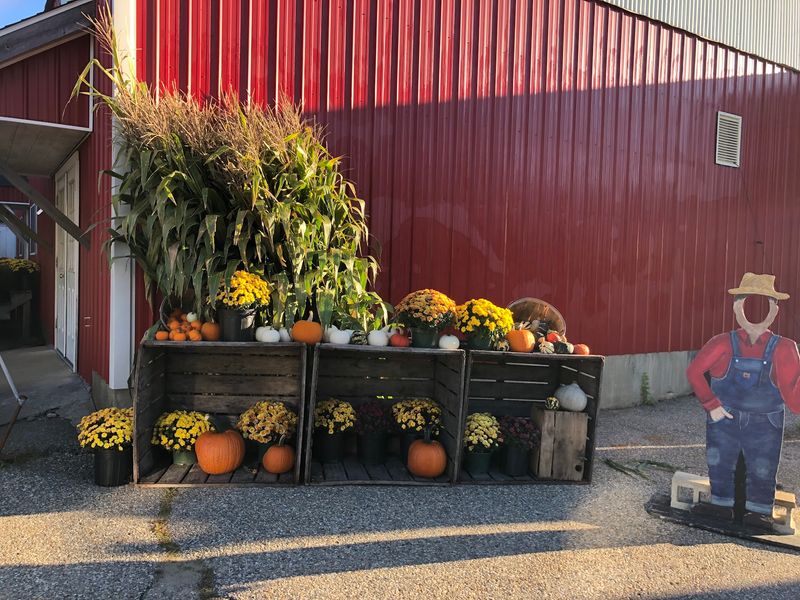
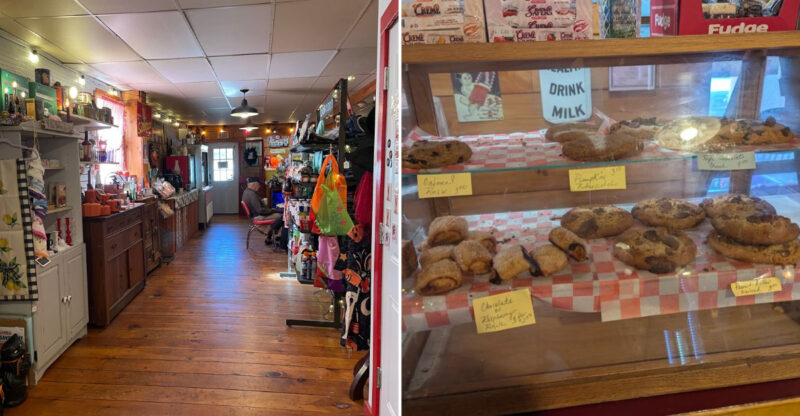
Even if you never pick a single apple, the farm stand justifies the drive. Shelves hold produce grown right outside, including tomatoes, sweet corn, and other seasonal vegetables, alongside dairy products from nearby farms.
Canned and preserved goods are made from the farm’s own fruit or sourced from regional producers, so a jar of something usually ends up in the bag. In autumn, gourds and Indian corn appear for anyone decorating a porch.
The baked goods deserve their own mention. Pies, pumpkin loaf, and Linzer tarts sit near the cider and donuts, and shoppers often leave with more than they planned.
A practical note on timing: hours here are seasonal and shift through the year. Summer hours have run Monday 8 AM to 7 PM, Tuesday through Friday 8 AM to 5 PM, and Saturday 8 AM to 3 PM, with the farm closed Sundays, so confirming current hours before you go is the safest approach.
That later Monday evening window is a quiet gift for anyone who cannot make a weekend trip. Free parking, helpful staff, and a relaxed pace round out a visit that feels closer to a friendly errand than a tourist stop.