This Connecticut Market Is Basically A Mini Europe Packed Into One Stop
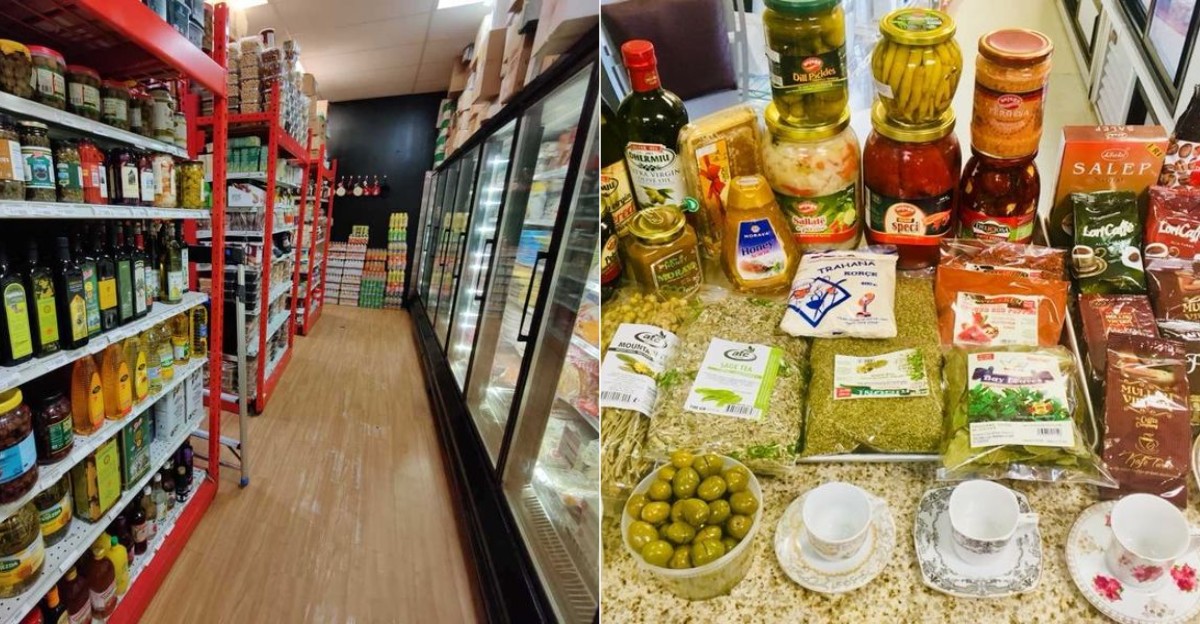
Your grocery list may become completely irrelevant about five minutes after you walk through the door.
Shelves filled with European imports make browsing feel more like checking luggage after a trip overseas, except everything is edible and nobody charged you for a plane ticket.
Labels from different countries sit side by side, which turns an ordinary food run into a small scavenger hunt.
You start recognizing familiar favorites, then something completely unfamiliar steals your attention.
The fun keeps building because the selection never feels limited to one region.
Connecticut shoppers can bounce between flavors without leaving the store, picking up pantry staples or treats that are much harder to spot in a typical supermarket.
The cart tends to become more adventurous as you go.
A snack you have never tried suddenly feels essential. So does that jar with the label you cannot quite translate.
By checkout, your grocery bag may look like it visited several countries without you.
1. More Than 1,400 Products Fill The Shelves
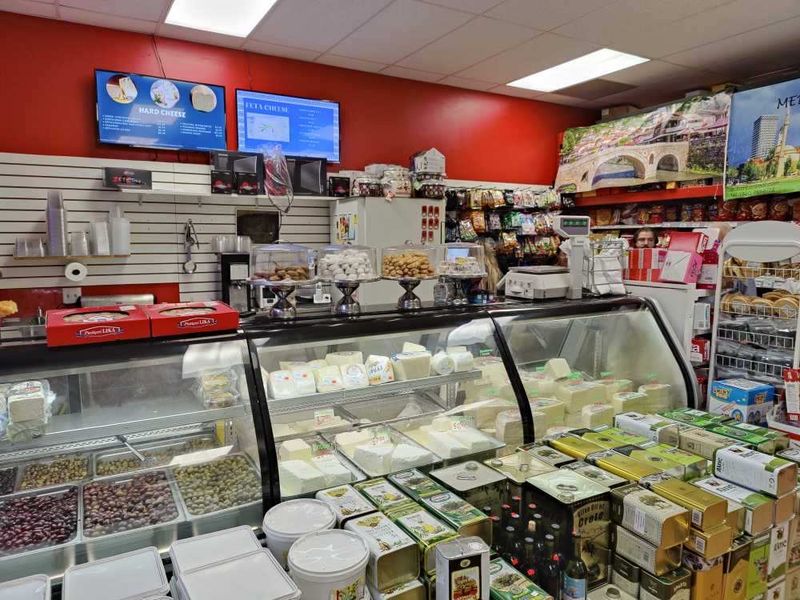
This place can wreck a shopping list fast. You may arrive needing one ingredient and suddenly find yourself comparing jars, cheeses, and packages you have never seen at a regular supermarket.
That unpredictability is a big part of EuroGrocery’s appeal.
More than 1,400 specialty products fill the growing catalog, with a strong emphasis on Balkan and Mediterranean imports.
For Connecticut shoppers, the selection opens the door to foods from countries including Romania, Greece, Albania, Serbia, Croatia, and Turkey, giving curious visitors plenty to explore beyond familiar grocery-store brands.
Cheese gets serious attention, while cured meats and pantry staples add even more variety. Jams, honey, juices, coffee, tea, nuts, olives, spices, canned foods, and sweets keep the browsing going long after the original shopping list is finished.
Romanian specialties sit beside Greek and Balkan favorites, and items such as beans, lemon juice, sour cherry products, apricot preserves, filo dough, and imported sausages make it easy to build an entire meal from one visit.
The best approach is simply to slow down. EuroGrocery rewards curious shoppers who read labels, scan unfamiliar shelves, and ask questions when something catches their attention.
Going in with a list helps. Sticking to it is another matter entirely.
2. Silas Deane Highway Holds The Original Shop
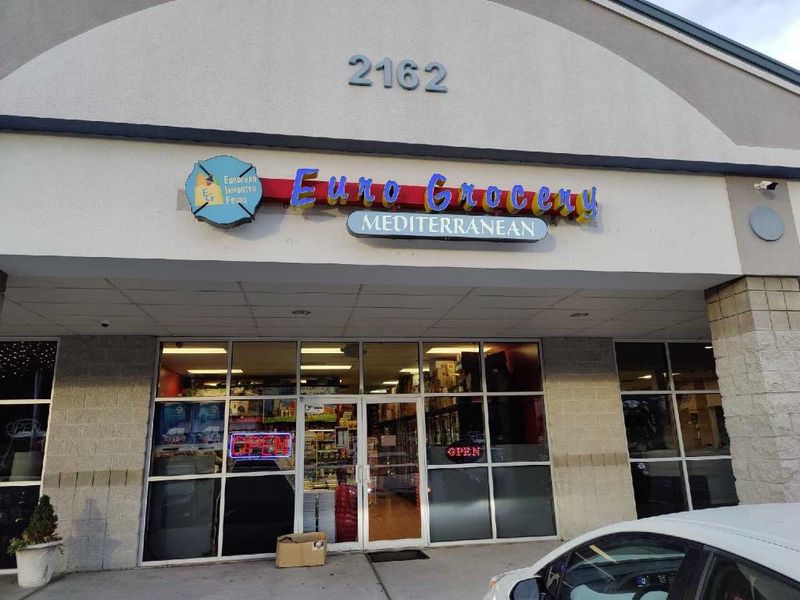
This is where the EuroGrocery story began. Since 2017, the business has grown well beyond its original footprint, but the Rocky Hill shop still carries the feeling of the first stop in a much bigger European grocery adventure.
The company even continues to identify this store as EuroGrocery 1.
Inside, bright shelves make it easy to browse imported foods without feeling overwhelmed. Balkan and Mediterranean specialties fill much of the space, with cheeses, cured meats, sweets, pantry staples, coffee, tea, jams, and other products giving shoppers plenty to explore.
The compact layout works especially well when you already know what you need, though it is equally easy to get distracted by something unfamiliar. Regular arrivals help keep the selection interesting, so repeat visits do not always look exactly the same.
Parking sits conveniently close to the storefront, which helps when bags start filling faster than expected. The original Rocky Hill shop operates at 2162 Silas Deane Highway, Suite B, along one of the town’s busier commercial stretches.
It remains an easy stop for stocking up on familiar favorites or trying something completely new from across Europe.
3. The Selection Has Grown Since 2017
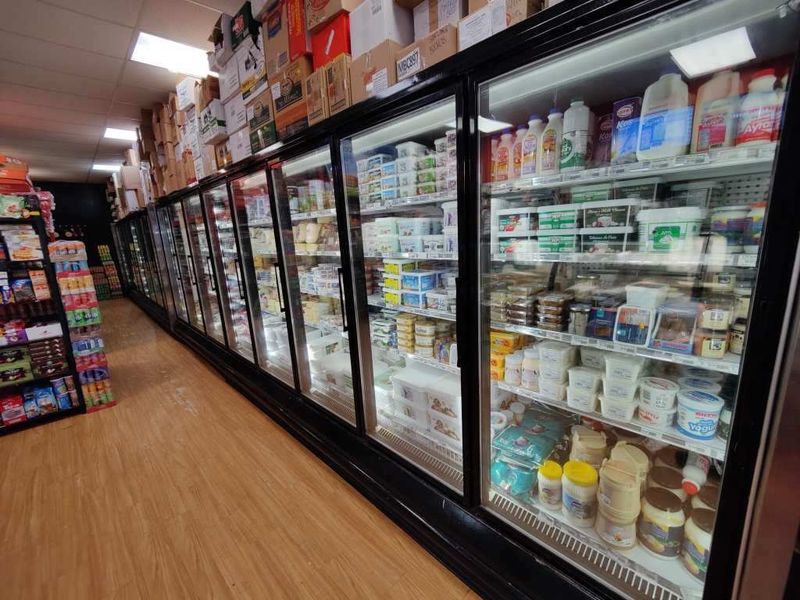
Growth has been steady rather than sudden. Since opening in 2017, the Rocky Hill operation has expanded more than once, adding room for products that would not have fit in the early days.
The wider story goes beyond one town. A Waterbury location followed in 2020, then Orange in 2021, a Massachusetts store in 2024, and a Bethel location joined the lineup in 2026.
For shoppers, that expansion matters in a practical way. More volume across more stores means more imports arriving, and it means the product list keeps shifting as new items get tested on the shelves.
Regulars notice the change. Something that was not available last season may show up this one, and it is worth scanning familiar aisles instead of walking straight to the same three items.
The store has been known to respond to requests. Customers have mentioned asking about a missing product and later spotting it back in stock, which suggests someone is paying attention to what people actually want.
A useful habit: ask at the counter if you cannot find something specific. Special orders sometimes take time, since many goods travel a long way by ship, but patience often pays off in the end.
4. Balkan And Mediterranean Imports Lead The Way
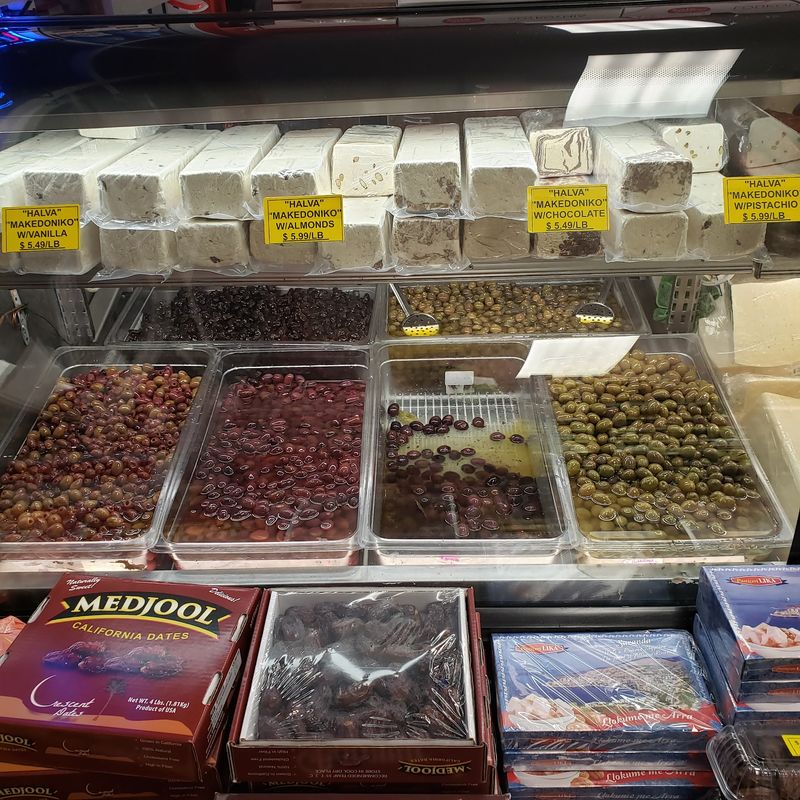
This market knows exactly what it does best. Balkan and Mediterranean foods shape the shelves at EuroGrocery, giving the selection a clear identity rather than the scattered feel of a general international aisle.
Shoppers can browse imports from Romania, Greece, Albania, Serbia, Croatia, Bosnia, Turkey, and beyond.
Cheese is one of the easiest sections to get distracted by. Feta appears in several styles, including goat and sheep varieties, while other regional cheeses introduce flavors that are much harder to spot in an everyday supermarket.
Olives deserve a slow look too. Albanian varieties sit among jars of vegetables, spreads, seasonings, and pantry staples that make it easy to build a meal around ingredients from one region.
Sweet shelves bring another round of temptation with jams, honey, juices, chocolates, and other imported treats. Greek lemon juice, sour cherry drinks, beans, pasta, spices, and preserves add even more possibilities for shoppers willing to experiment.
The smartest strategy is to leave a little room in the basket for surprises. EuroGrocery rewards browsing, especially when an unfamiliar label or ingredient turns into a new favorite that was never part of the original shopping plan.
5. European Favorites Pack Every Aisle
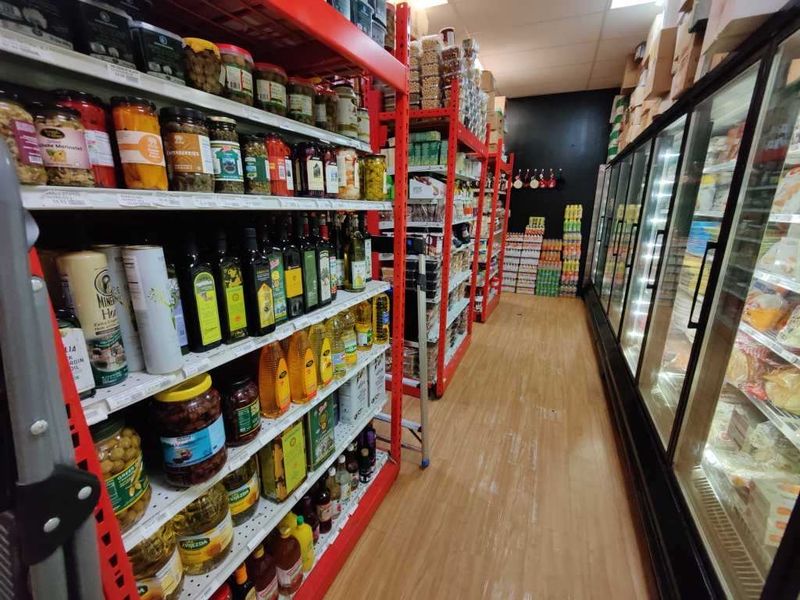
Beyond the Balkan core, the aisles reach across much of the continent. General European imports fill the gaps, and the effect is a market that feels broader than its specialty label suggests.
Cheeses in many styles, jams in a dozen fruit flavors, honey from different sources, and juices that rarely appear in American supermarkets all share the same shelves. Olives, spices, nuts, snacks, and canned goods round out the everyday essentials.
Snack hunting is half the fun. Familiar brands sometimes appear in unfamiliar flavors, and picking one up on a whim is how a lot of people find a new favorite.
A tip that shoppers pass around: use your phone camera to translate labels you cannot read. Several visitors have mentioned doing exactly that, and it turns a confusing package into an easy decision.
Bulk items are available as well, which helps if you cook for a crowd or go through olive oil quickly.
Prices vary by category. Some items land at everyday grocery levels, while imported goods that travel long distances naturally cost more, something regulars accept as part of the trade for genuine variety.
Take a full lap before choosing. The aisles hide more than they first reveal.
6. Sweets And Coffee Add More Temptation
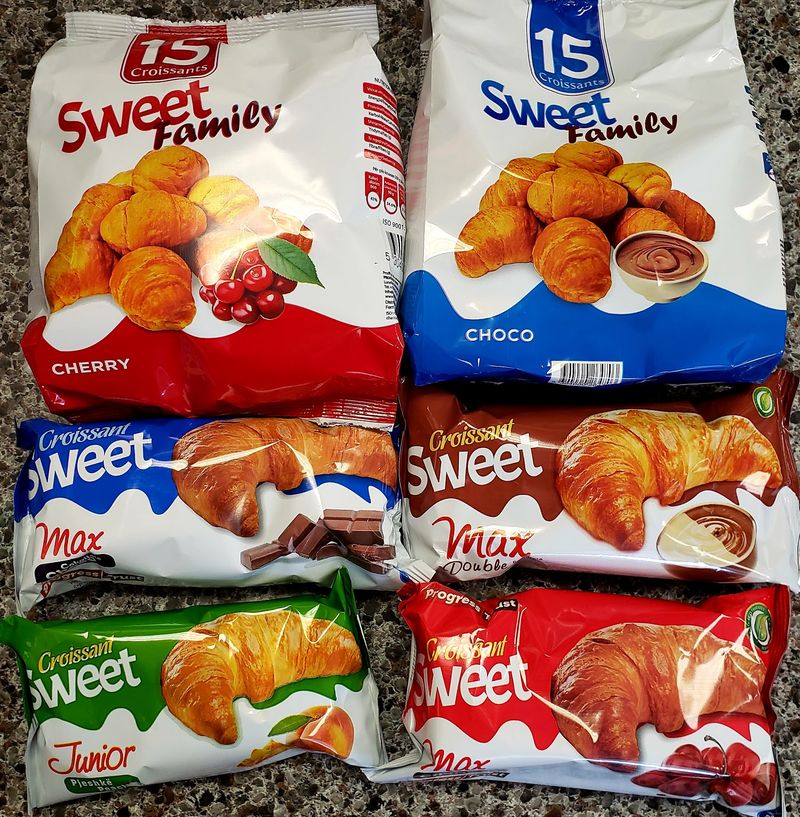
The dessert section is where willpower goes to negotiate. Candies, chocolate bars, and packaged baked goods like 7 Days chocolate croissants line the shelves in bright, unfamiliar wrappers.
Nostalgia does a lot of the selling here. People who grew up in Europe often describe finding a candy they have not eaten since childhood, and that small moment of recognition brings them back.
Coffee and tea occupy their own corner of the store. Instant coffee imports, including AMIGO #1 Instant Coffee, sit beside loose and bagged teas meant for slow afternoons.
Recreating a European coffee break at home is easier than it sounds. Pick up a coffee you have never tried, add a chocolate bar or a pastry, and you have a decent version of a café table without leaving your kitchen.
Wafer cookies and filled chocolates make good introductions if you are new to the section. They travel well, share easily, and cost little enough that experimenting feels low risk.
Sweets also make thoughtful small gifts. A handful of imported chocolates in a paper bag looks more considered than anything from a checkout lane, and the recipient almost certainly has not tried them before.
7. Rare Pantry Staples Bring Shoppers Back
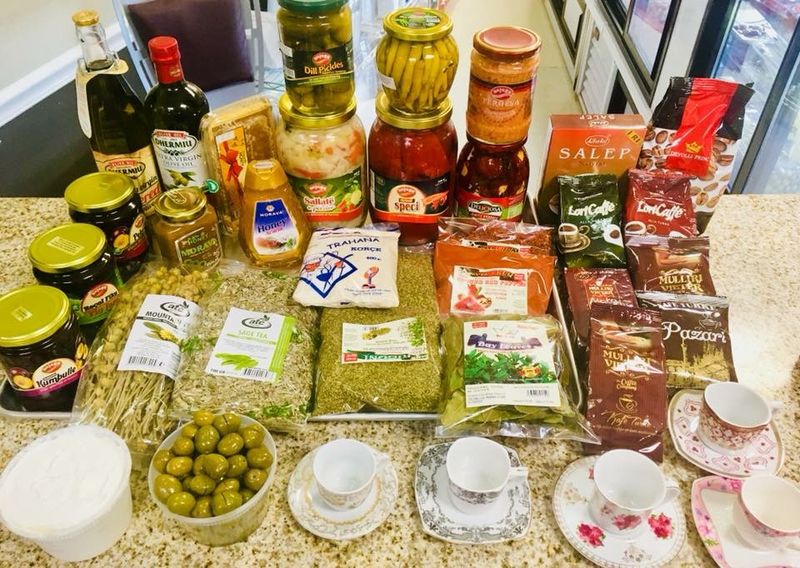
Hard-to-find ingredients are the quiet reason people keep returning. A recipe that calls for one obscure item can stall an entire meal, and this is the place that solves that problem.
Beans come in an unusually wide lineup: black eye, giant, medium, peeled chickpeas, and split fava. Rice varieties include fancy, lais, and soupe rice, each suited to different dishes.
The spice shelf holds Albanian oregano, sumac, black caraway seed, and curry powder, plus several sea salts. Instant palenta sits nearby for anyone making a quick cornmeal side.
Fresh finds appear too. The store has carried edible leafy greens, including a spinach-like variety known as lepjeta, which many shoppers consider genuinely rare in this part of the country.
Cooks who plan ahead do well here. Buying two or three pantry items on each visit builds a shelf at home that makes regional recipes far easier to attempt.
If you are new to a particular ingredient, ask how it is typically used. Staff are often described as helpful, and a quick suggestion can turn an unfamiliar bag of beans into a dish you actually make again.
Curiosity is the best shopping strategy in this section.
8. The Rocky Hill Shop Started It All
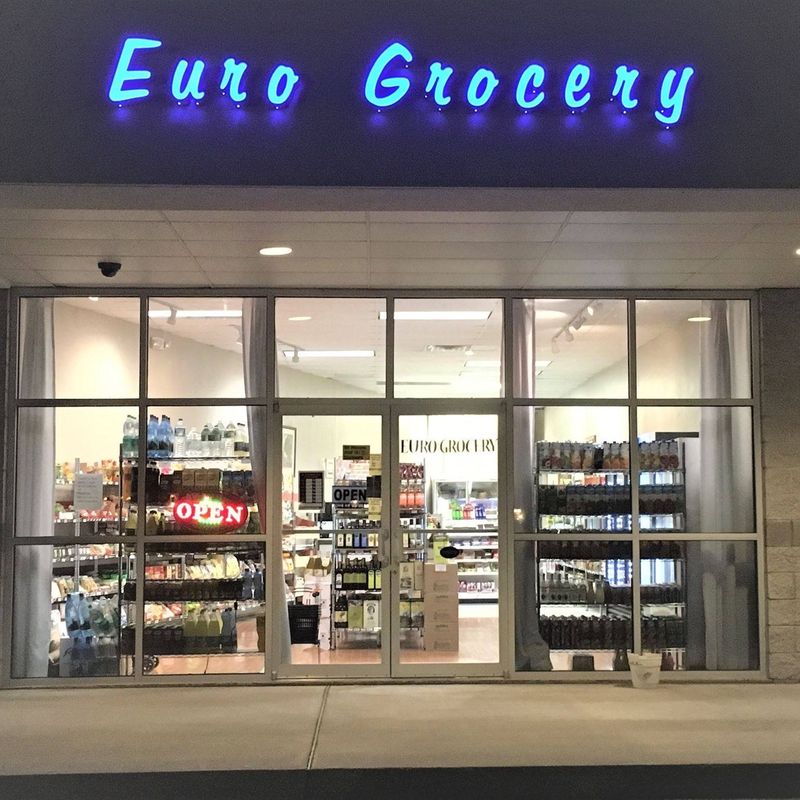
This is where the grocery adventure began. What started as one specialty market in Rocky Hill eventually grew into a small network of stores across the state and into Massachusetts.
The idea stayed simple: make hard-to-find European foods easier to bring home.
That original shop is still very much a working neighborhood market. Shelves are packed with Balkan and Mediterranean imports, including cheeses, cured meats, jams, coffee, tea, spices, sweets, canned goods, and plenty of pantry staples.
The selection leans into foods from Romania, Greece, Albania, Serbia, Croatia, Bosnia, Turkey, and other parts of Europe. Regular arrivals keep the inventory interesting, so even familiar aisles can turn up something new from one visit to the next.
Bright lighting and an organized layout make browsing easy, especially when unfamiliar labels need a closer look. Shoppers can move quickly when they know exactly what they need or slow down and explore whatever catches their eye.
The Rocky Hill store still feels like the foundation of the whole EuroGrocery story. Whether the goal is finding a familiar childhood favorite or trying something completely new, the original location remains a fun place to start.