This California Restaurant Feels Like A 1960s Tiki Escape With Island Food Worth The Trip
Your table is technically still in California. Your brain may need a minute to catch up.
Retro island décor, tropical details, and an old-school atmosphere give this California restaurant the feel of a vintage tiki hideaway that somehow wandered out of the 1960s and refused to leave.
Then the food starts arriving.
Island-inspired dishes give the experience more substance than the setting alone, turning what could have been pure nostalgia into a meal worth making the trip for.
The fun comes from how completely the restaurant commits to its personality.
Nothing feels shy or overly polished. It is colorful, relaxed, slightly quirky, and happy to make dinner feel like a miniature vacation.
No boarding pass required. Just show up hungry and let the room do the rest.
The Retro Tiki Atmosphere
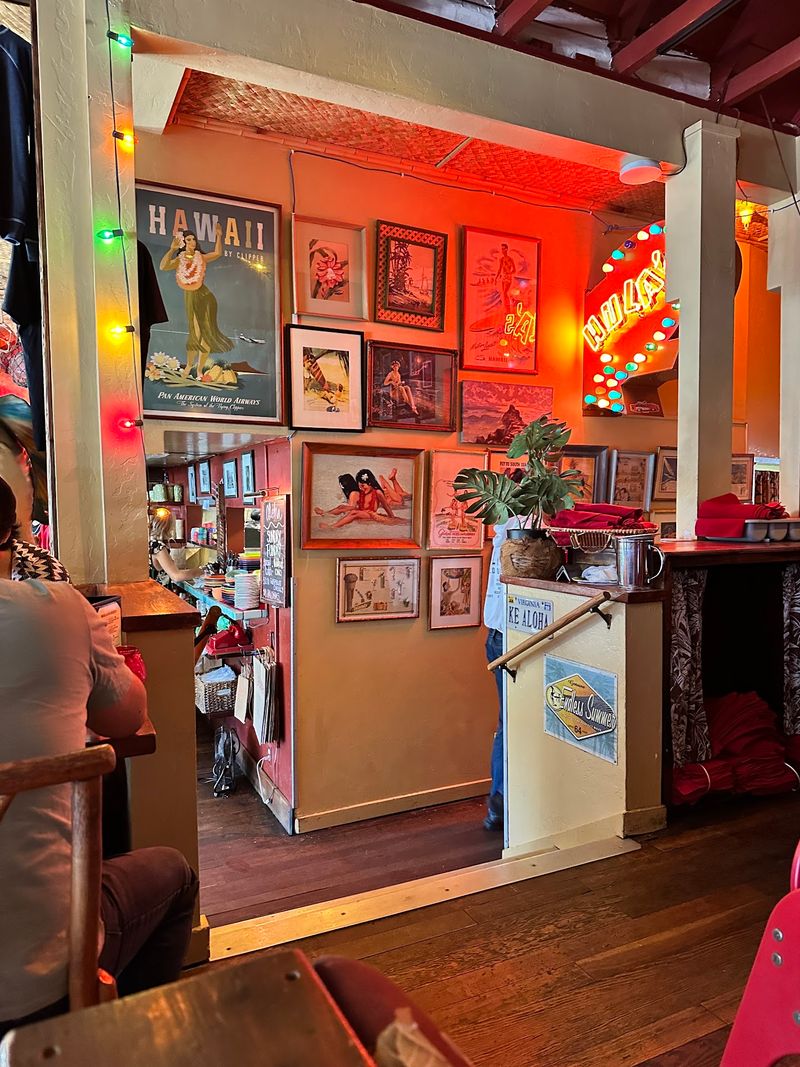
Step through the door and the daylight of Monterey drops away almost instantly.
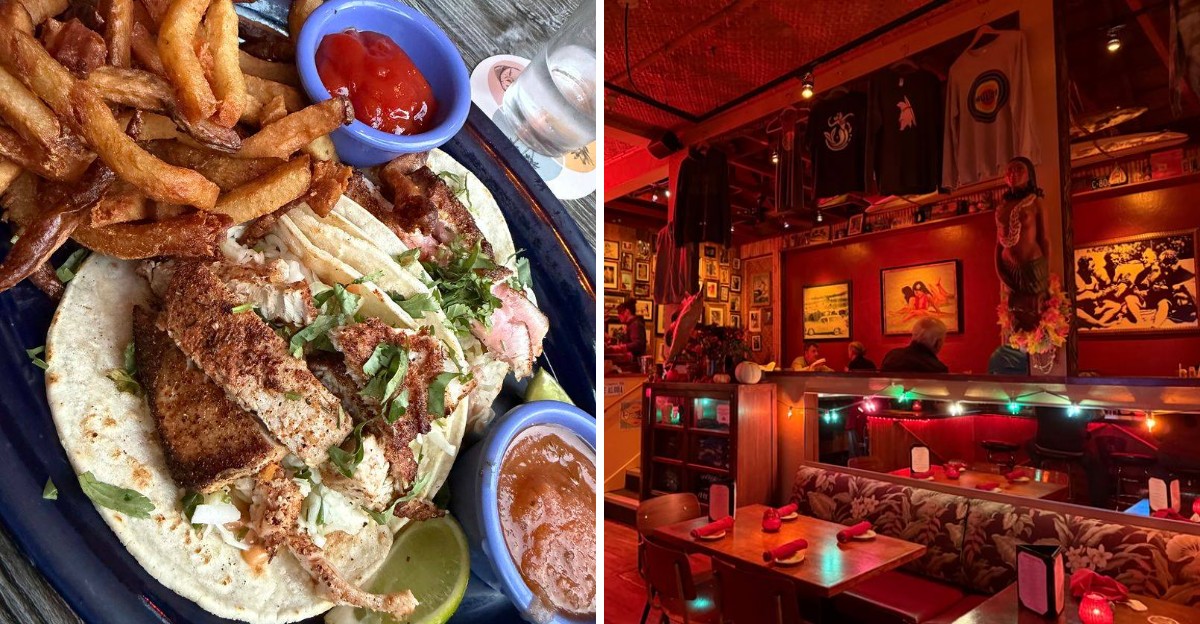
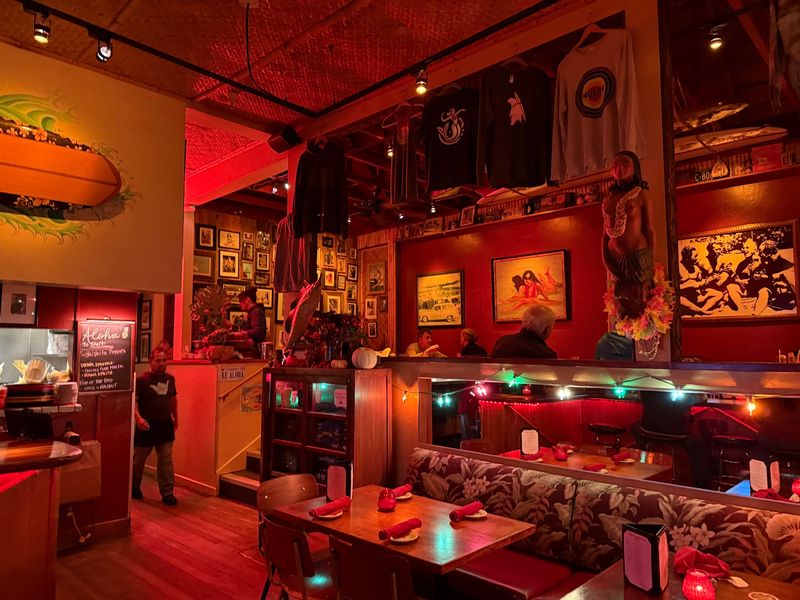
The dining room stays dark and warm, with carved masks, bamboo artwork, and reproduction pieces by tiki revivalist artists such as Bosko and Tiki Tony filling the walls.
Background music leans on exotica and reggae, played at a level that lets conversation happen without shouting.
The overall feel sits closer to a relaxed neighborhood hangout than a themed attraction, and the staff dress and speak like locals rather than performers.
Lighting is a big part of why the room works. Low amber glows bounce off lacquered wood and woven textures, which softens faces and makes a two-hour dinner feel unhurried.
Seating includes booths, tables, and a back patio that opens up on sunny afternoons. Patio seats are popular and cannot be guaranteed, so guests hoping for open air may want to arrive early in the day.
Even the menu artwork joins the theme, printed with photographs of historic tiki-themed restaurants from decades past. Small details like that reward anyone who likes reading while waiting for food.
Noise picks up during busier evening hours, especially near the bar side. Families and anyone wanting quieter surroundings often find early afternoon or a weekday visit more comfortable.
A Monterey Original Since 1998
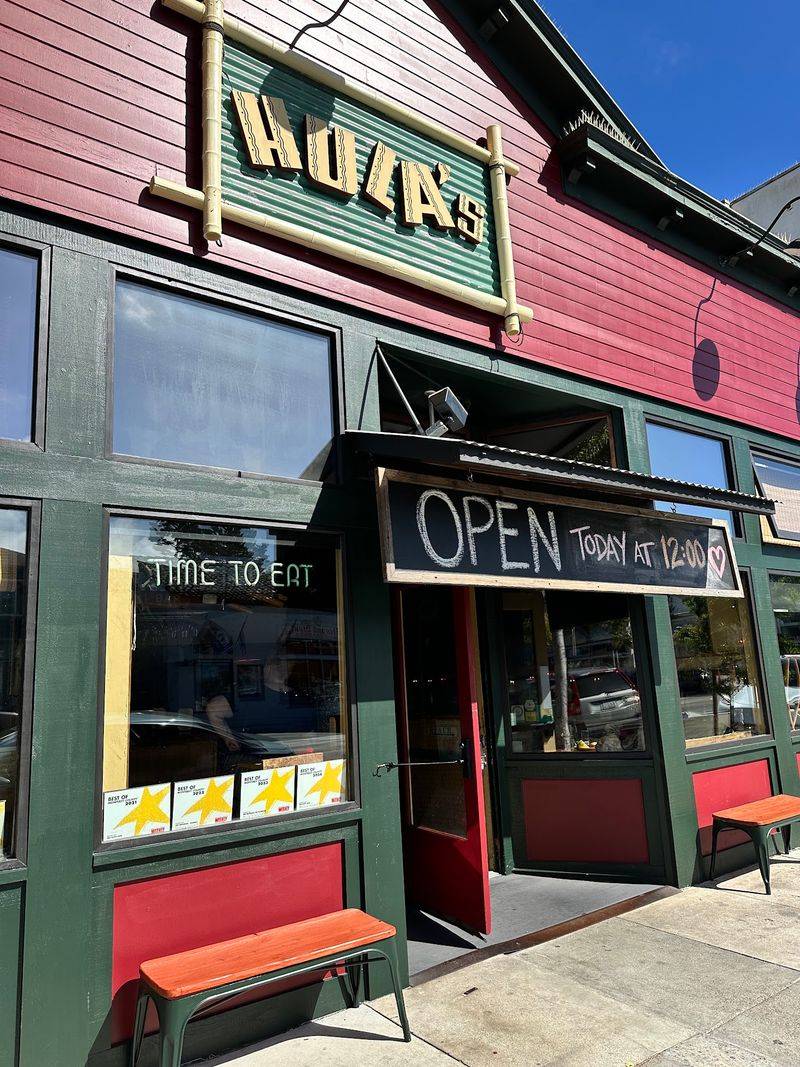
Longevity says something in a tourist town where restaurants come and go with the seasons.
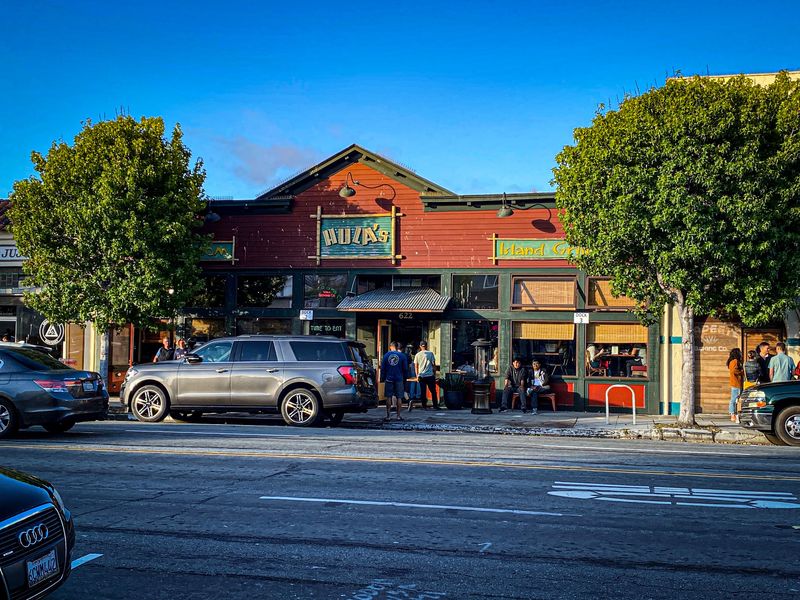
The original Hula’s Island Grill opened in 1998 at 622 Lighthouse Avenue, Monterey, CA 93940, and it has been part of the neighborhood ever since.
Early on the look leaned more toward Hawaiiana and surf culture, with a lighter, brighter feel.
The tiki roots deepened over time, most notably with the addition of a Tiki Room in 2003 that pushed the decor into fuller commitment.
More than a quarter-century in one spot means regulars treat the place as a standby rather than a discovery. Locals mix with visitors on any given evening, which keeps the mood friendly instead of stiff.
The location sits in a walkable part of Monterey with shops and other businesses nearby, so a meal here pairs easily with a stroll.
Street parking exists in the area, though paid spots are common and availability shifts throughout the day.
Hours run from midday into the evening most days, with a later start on Mondays. Checking current hours before driving over is a good habit, since schedules can change.
The restaurant holds strong ratings across thousands of guest reviews, which speaks to steady consistency over many years.
Island Fusion Rather Than Strict Hawaiian Cooking
Anyone expecting a straight plate lunch menu will find something broader here.
The kitchen describes its cooking as island-inspired fusion with Hawaiian influence, built from flavors the owners encountered through travel.
That means Southeast Asian, Caribbean, Latin American, and Pan-Asian notes show up alongside Hawaiian staples. Curry sits near tacos, and coconut broth shares menu space with rice bowls and sandwiches.
The range helps when a group cannot agree on one style of food. A table can order poke, a burger, a curry, and a tofu bowl without anyone feeling stuck with a compromise.
Tropical comfort food is a fair way to describe the overall direction. Portions lean generous, seasoning leans bold, and sauces do a lot of the personality work.
Because the menu covers so much ground, first-time guests sometimes find it easier to start with one shared appetizer and then pick entrees.
Servers are used to explaining unfamiliar items and can point out what is spicy or heavily sauced.
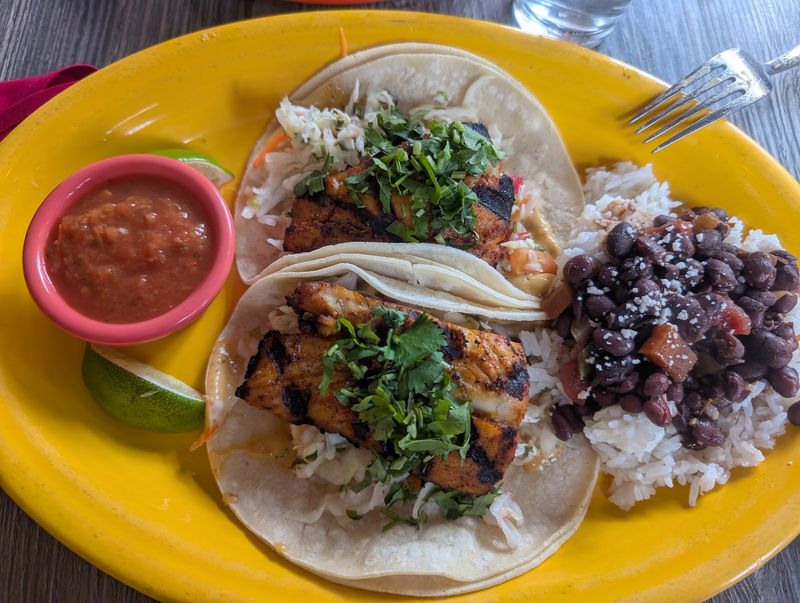
Frequently mentioned items among guests include fish tacos, ceviche, sweet potato fries, and jerk-sauced dishes.
Menu offerings and seasonal specials can rotate, so it is worth glancing at the current listing rather than assuming a past favorite is still available.
Coconut Shrimp Rolls Kick Things Off
Crunch arrives early at this table. Crispy coconut shrimp rolls are one of the better-known starters, and they land with a pineapple-horseradish dipping sauce that pulls in two directions at once.
Sweetness from the pineapple softens the sharp bite of horseradish, which keeps the sauce from feeling one-note. The coconut coating adds texture without turning the shrimp heavy.
Appetizers like this work well for sharing, especially in a group that wants to sample rather than commit. Two or three starters across a table of four usually leaves room for entrees.
Fried items are best eaten right away, so it helps to order them without a long delay between courses. Servers can stagger dishes if the request is made when ordering.
Guests who prefer lighter openers often go for ceviche instead, another commonly ordered starter. Between the two, one leans crisp and rich while the other stays cool and bright.
Spice levels here stay moderate rather than punishing, which suits mixed-age tables. Younger diners often do fine with the coconut coating and mild sweetness.
Availability of any single dish can shift with seasons and sourcing, so checking the current menu avoids disappointment. Asking about the day’s starters is a simple way to catch anything new.
Fresh Ahi Shows Up Again And Again
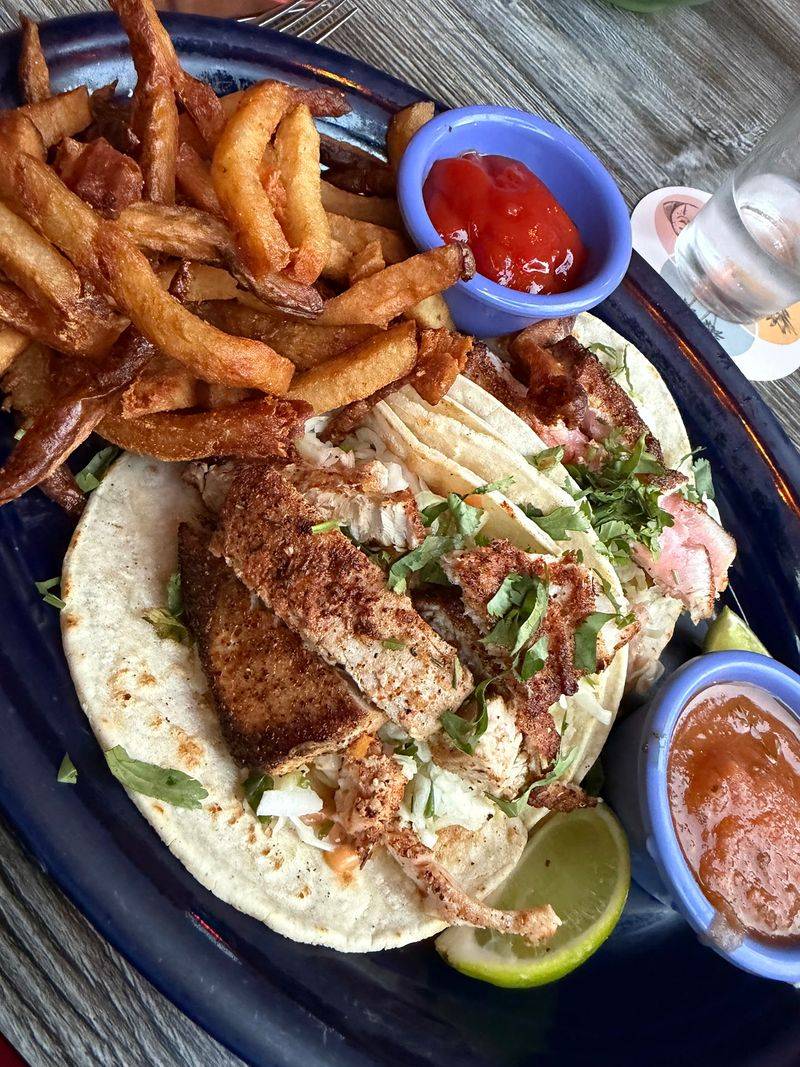
Tuna earns repeat billing across this menu. Fresh ahi appears in island-style poke and in ahi poke bowls, making it one of the most recurring ingredients on the list.
The island-style poke brings together raw ahi, soy sauce, sesame oil, avocado, onion, and sesame seeds. Flavors stay clean and savory rather than sauced into submission.
Poke bowls give the same base a fuller shape with rice and additions, turning a starter into a full meal. Diners watching portion size often find the bowl more satisfying than a plated entree.
Raw fish dishes reward attention to timing. Ordering poke early in a meal, while appetites are fresh, tends to show off the texture better than saving it for last.
Anyone unsure about raw preparations can ask about cooked ahi options, since seared and grilled treatments also appear across the menu. An ahi tuna sandwich comes up often among guests.
Sourcing for fish can vary with the season and market, which is normal for coastal restaurants. Servers usually know what arrived recently and can steer an order accordingly.
For a town so tied to the water, having tuna handled simply feels appropriate. Nothing about the presentation tries too hard.
Kingston Crab Curry Holds House Favorite Status
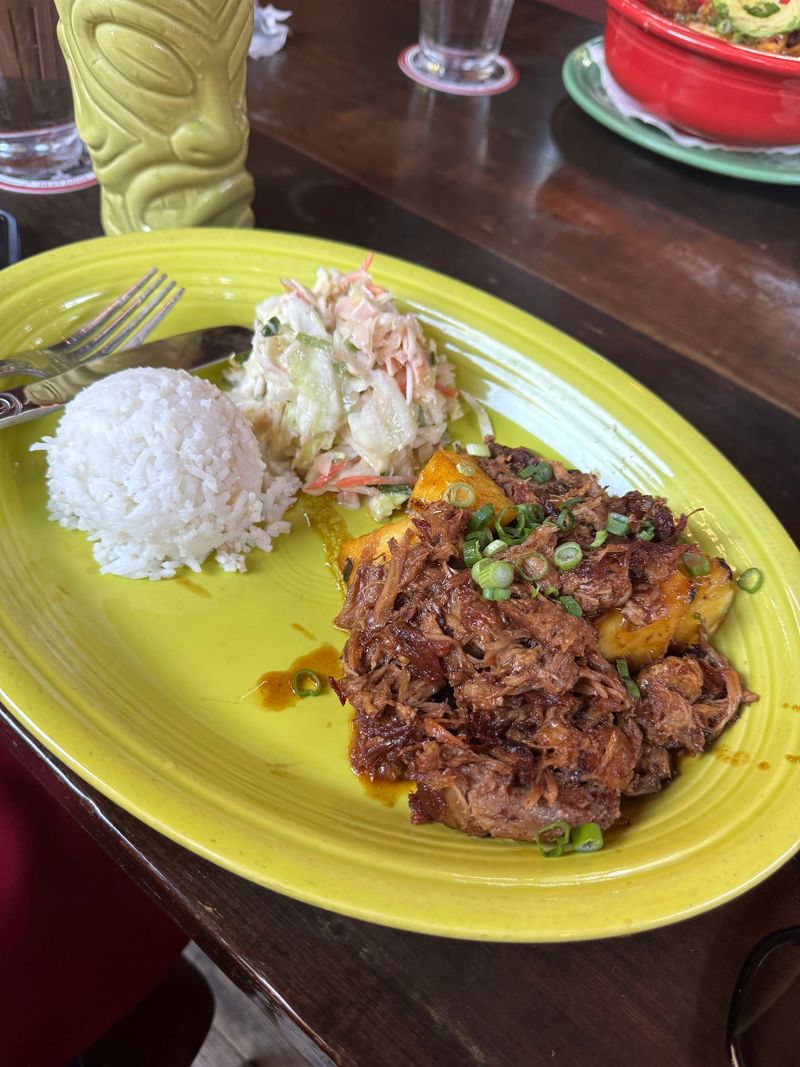
Curry and crab together sounds unusual until the first bite explains itself.
The Kingston Crab Curry combines Dungeness crab meat, grilled white fish, yellow curry, rice, and vegetables, and the restaurant labels it a house favorite.
Yellow curry brings warmth and body without overwhelming the sweetness of the crab. Grilled fish adds a firmer texture alongside the softer crab meat.
Rice and vegetables round the plate into something filling, which makes it a solid choice for a cool Monterey evening. Coastal fog and a bowl of curry make reasonable partners.
Dishes built around crab can carry a higher price than sandwiches or bowls, which is typical for the ingredient. Guests planning a budget may want to look at current pricing ahead of time.
Curry lovers with strong opinions about heat should ask before ordering, since the seasoning profile leans aromatic rather than fiery. Preferences vary widely, and servers can describe the balance.
Crab curry comes up regularly in guest conversation about the restaurant, which suggests it has staying power on the menu. Even so, seafood availability can shift.
Sharing works here if a table wants a taste without a full commitment. Splitting one order alongside tacos or a bowl covers plenty of ground.
Burgers And Sandwiches With A Tropical Spin
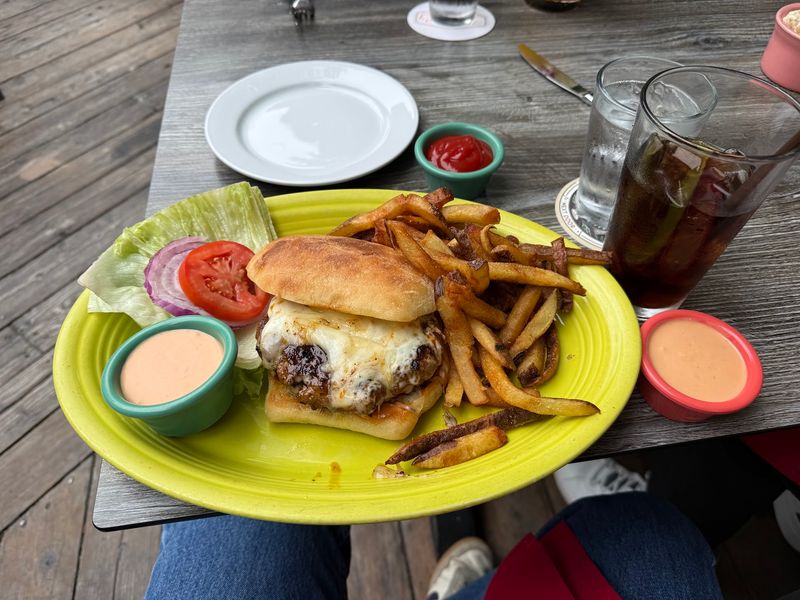
Not every table wants curry or raw fish, and the kitchen plans for that. A signature Hula Burger anchors the sandwich section, joined by a Luau Pork Sandwich topped with the restaurant’s own coleslaw.
The pork sandwich leans into island seasoning, with slaw adding crunch and tang against the softer meat. House-made coleslaw is a detail worth noticing on a menu this varied.
Sandwiches pair often with sweet potato fries, one of the more frequently mentioned sides. House fries are also available for anyone preferring the classic version.
Bread quality gets noticed by guests, which matters more than people expect on a burger. A sturdy bun keeps sauced fillings from falling apart mid-bite.
Sandwich orders tend to come out faster than complex entrees, which helps when a group is heading somewhere afterward. Timing is worth considering on a busy travel day.
Taste is personal, and a burger that thrills one diner may not suit another. Trying the tropical items alongside a burger gives a table the fullest picture of what the kitchen does.
An ahi tuna sandwich also appears among commonly ordered choices, bridging the gap between seafood and handheld comfort. Fish tacos serve a similar role for anyone wanting something lighter.
The Back Patio Changes The Whole Mood
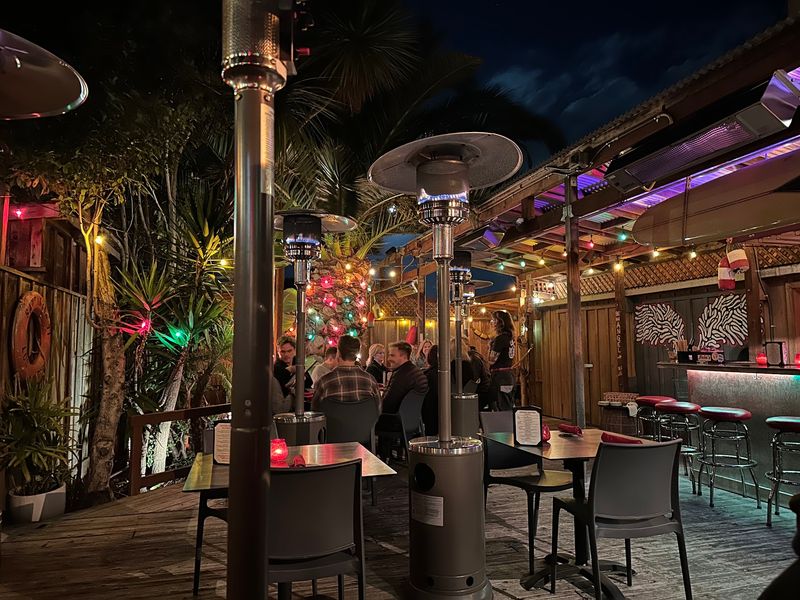
Sunshine in Monterey arrives unpredictably, and the back patio is where people go when it shows up.
Outdoor seating gives the restaurant a second personality, trading the dark tiki interior for open sky and fresh air.
The space feels tucked away rather than exposed to street noise. Wooden seating and plants keep it casual, and the mood tends to slow down out there.
Patio tables are limited and cannot be reserved as a guarantee, so getting one comes down to timing and luck. Arriving shortly after opening improves the odds considerably.
Coastal weather shifts fast, and fog can roll in even on a warm afternoon. Bringing a light jacket is sensible advice for outdoor dining anywhere near the bay.
Service on a busy patio can run slower during peak hours, especially when many tables fill at once. Planning for a relaxed pace rather than a rushed meal helps.
Guests who prefer the full retro experience may actually want the indoor room instead. The decor, artwork, and music land harder inside.
Choosing between the two is a genuine decision rather than a formality. Two visits, one indoors and one out, cover both versions of the place.
Planning A Visit Without The Stress
Timing can make or break a meal at a popular spot in a visitor-heavy town.
Doors open at midday most days of the week, with a later 4 PM start on Mondays, and closing times run between 9 PM and 10 PM depending on the day.
Early afternoon usually feels calmer than prime dinner hours. Families with young children and anyone sensitive to noise often prefer that window.
Weekend evenings bring the busiest crowds, and waits are possible without a reservation.
Parking in the area is mostly street parking, and paid spaces are common. Allowing extra minutes to find a spot removes a lot of frustration on arrival.
Service pace can vary with how full the room gets, which is true of most independent restaurants. Ordering appetizers early keeps the table occupied while entrees cook.
The restaurant maintains strong overall ratings across a large number of guest reviews, which suggests reliable quality rather than a single good night.
Hours, pricing, and menu items are all subject to change, so a quick check of the website beforehand is smart. A little planning turns a good meal into an easy one.