10 North Carolina Hiking Trails Locals Avoid In September Because The Copperheads Are Too Active
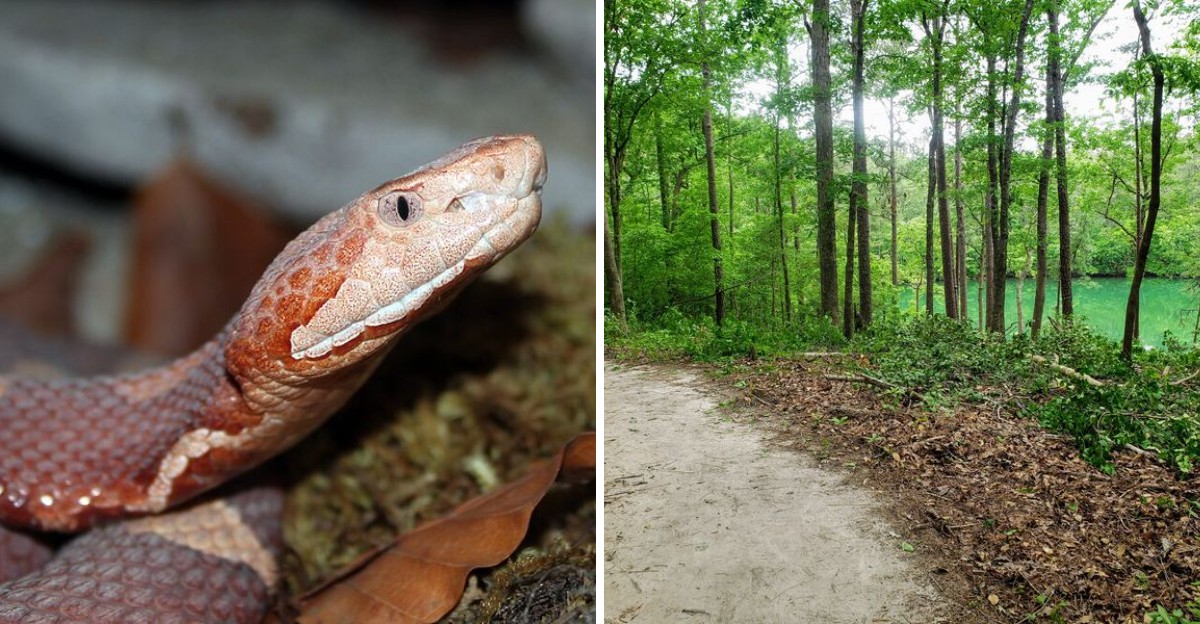
September hiking in North Carolina comes with cooler air, quieter trails, and one small problem with excellent camouflage.
Sssssssssometimes the leaves are looking back.
Copperheads can still be active well into early fall, which means that innocent-looking patch beside the trail deserves a second glance.
They are not interested in chasing hikers, but they are very good at staying still and blending into the ground like nature designed a jump scare.
That makes late-summer walks a little more interesting than usual.
Watch where you step, keep your hands out of places you cannot see, and give any snake plenty of room.
No need to panic. Just remember that the forest floor occasionally comes with scales.
September is still a great time to hike.
You simply may want to admire the leaves before stepping on them.
10. Bay Tree Lake State Natural Area Trails, Bladen County
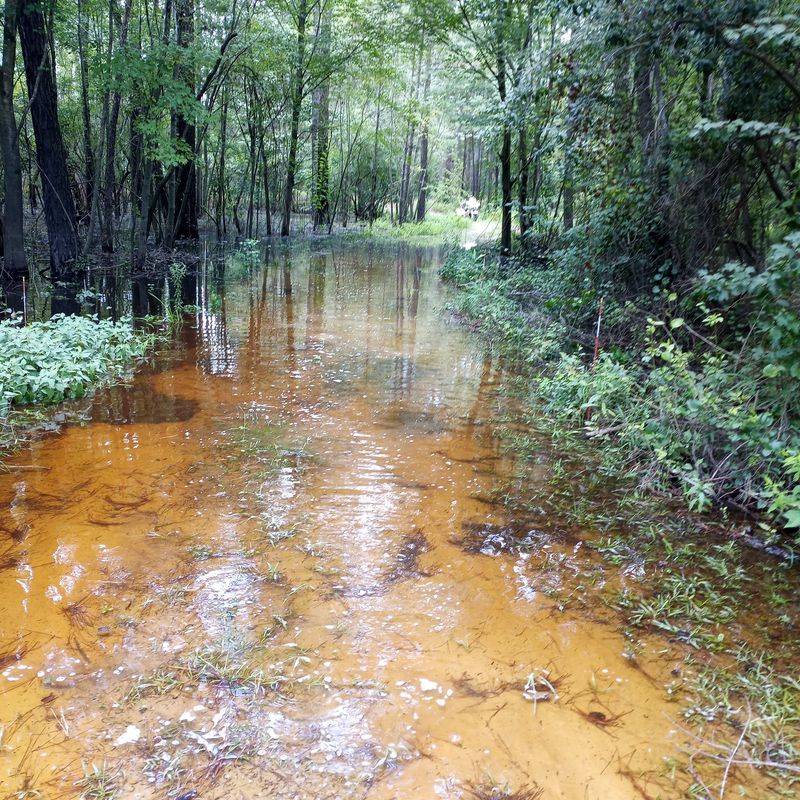
Sunlight filters through longleaf pine needles here, and the ground stays springy with peat and pine straw. Footpaths trace the rim of a Carolina bay lake, one of those oval depressions that geologists still argue about.
Bay Tree Lake State Natural Area, in Bladen County, remains undeveloped on purpose, which is part of its quiet charm. State park guidance for the site names venomous snakes among the wildlife present, listing eastern copperheads specifically.
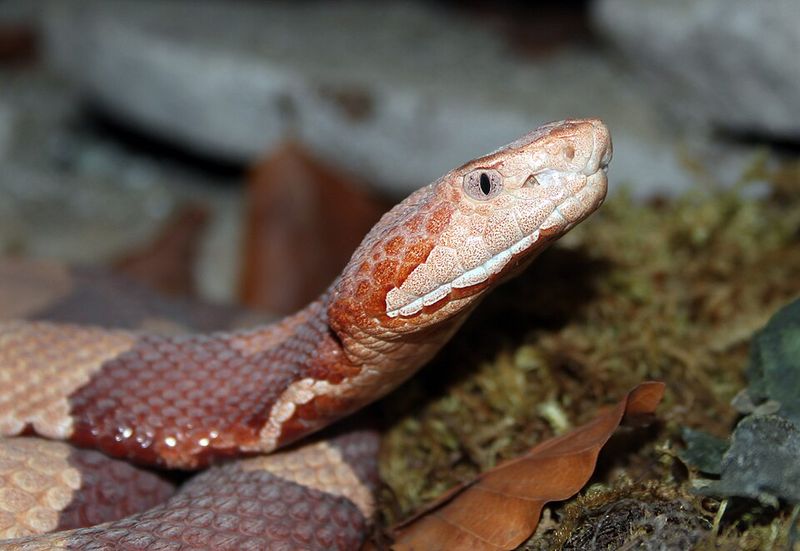
Camouflage is the copperhead’s whole strategy. A hiker can pass within a single step of one resting in leaf litter and never notice, because the snake freezes rather than slipping away.
Copperheads give birth during late summer and early fall, so both adults and young snakes can be present during September. Closed-toe shoes and long pants matter far more here than fancy gear.
Walk at an easy pace, scan two or three steps ahead, and skip any shortcut through tall grass or brushy cover. Copperheads may be active by day or night, so hikers should watch where they step regardless of the time they visit.
Carry plenty of water, since shade comes and goes and the humidity lingers well into the month.
9. Bay Trail, Jones Lake State Park, Elizabethtown
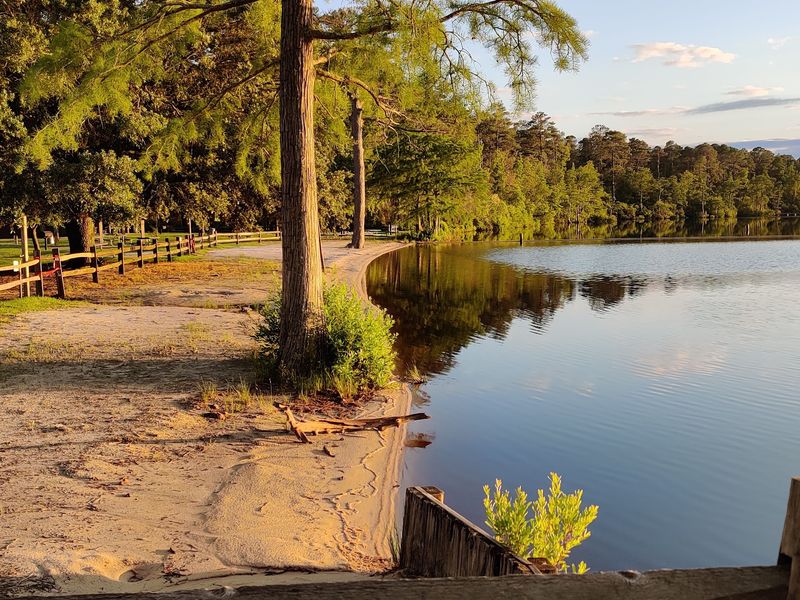
Four miles of loop trail wrap around a lake the color of strong tea, stained by tannins draining from surrounding wetlands. The walking stays flat, shaded, and gentle on the knees, which is exactly why families love it once temperatures drop.
Bay Trail passes through Carolina bay habitat, and State Parks warns that going off trail increases the chance of encountering venomous snakes. The park sits at 4117 NC Highway 242 North in Elizabethtown, and rangers post clear guidance about sticking to marked paths.
Leaving the trail, they note, increases the chance of encountering ticks, venomous snakes, and irritating plants.
Patches of morning sun on the sandy tread make tempting basking spots in September, so look before stepping over roots and fallen limbs.
Keep dogs leashed, because a curious nose finds trouble faster than boots ever will. Sandals invite regret; sturdy shoes and long pants earn their keep despite the warmth.
Staff here also run snake identification programs, and learning to tell a harmless water snake from a copperhead makes the whole loop feel less nerve-racking. Start early, carry water, and let the lake breeze do the rest.
8. Sugarloaf Trail, Carolina Beach State Park, Carolina Beach
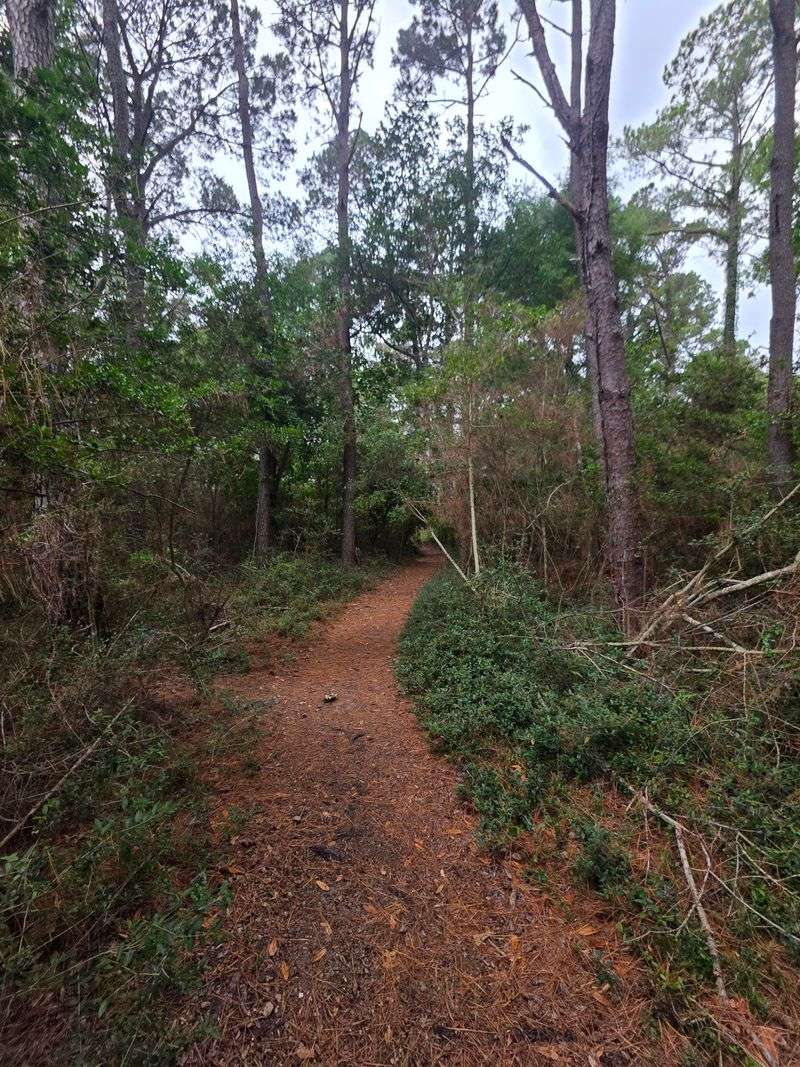
A sand dune roughly fifty feet high once helped river pilots navigate the Cape Fear, and the three-mile loop that visits it still feels like a small expedition.
Sugarloaf Trail at Carolina Beach State Park crosses coastal evergreen forest, dry sandhills, limesink ponds, cypress swamp, and longleaf pine savanna in a single walk. Park officials caution that straying from the marked route raises the odds of running into venomous snakes.
Copperheads love seams and edges: the line where dry pine needles meet damp shade, or a warm patch beside a downed branch. Those woodland-edge and rocky habitats are places where hikers should watch their footing during the warmer months.
Stay on the marked tread and look carefully before stepping beside logs, rocks, or dense vegetation.
Mind your hands as well as your feet on the short dune climbs, since root pockets and shaded ledges make excellent hiding places. Sunglasses help too, because glare off pale sand hides shapes in shadow.
Early mornings deliver salt air drifting off the water, quiet trail, and cooler footing. The view from the top, with the river spreading wide below, rewards the early alarm.
7. Flytrap Trail, Carolina Beach State Park, Carolina Beach
Wild Venus flytraps grow along this short path, and that alone draws visitors from around the world. The plants are tiny, easy to miss, and thrive in soggy, nutrient-poor soil where little else competes.
Flytrap Trail at Carolina Beach State Park loops through pocosin wetland, longleaf pine forest, and wiregrass savanna, all habitats copperheads use across the coastal plain. Park signage repeats the same message posted elsewhere in the park: stay on the marked path to avoid venomous snakes.
Venus flytraps occur naturally only within roughly 60 to 70 miles of Wilmington, making this part of North Carolina their remarkably small native range.
The trail is short and mostly level, which tempts people to step off for a closer photo. That single step into low shrubs is precisely where trouble hides in September.
Crouch on the trail instead and zoom in. Boardwalk sections and firm tread make the route friendly for kids, though little hands reaching into vegetation deserve a gentle reminder.
Late afternoon light makes the savanna glow gold, and the hum of insects fills the gaps between pines. Bring bug spray, water, and patience for slow looking.
6. Grindstone Trail, Pilot Mountain State Park, Pinnacle
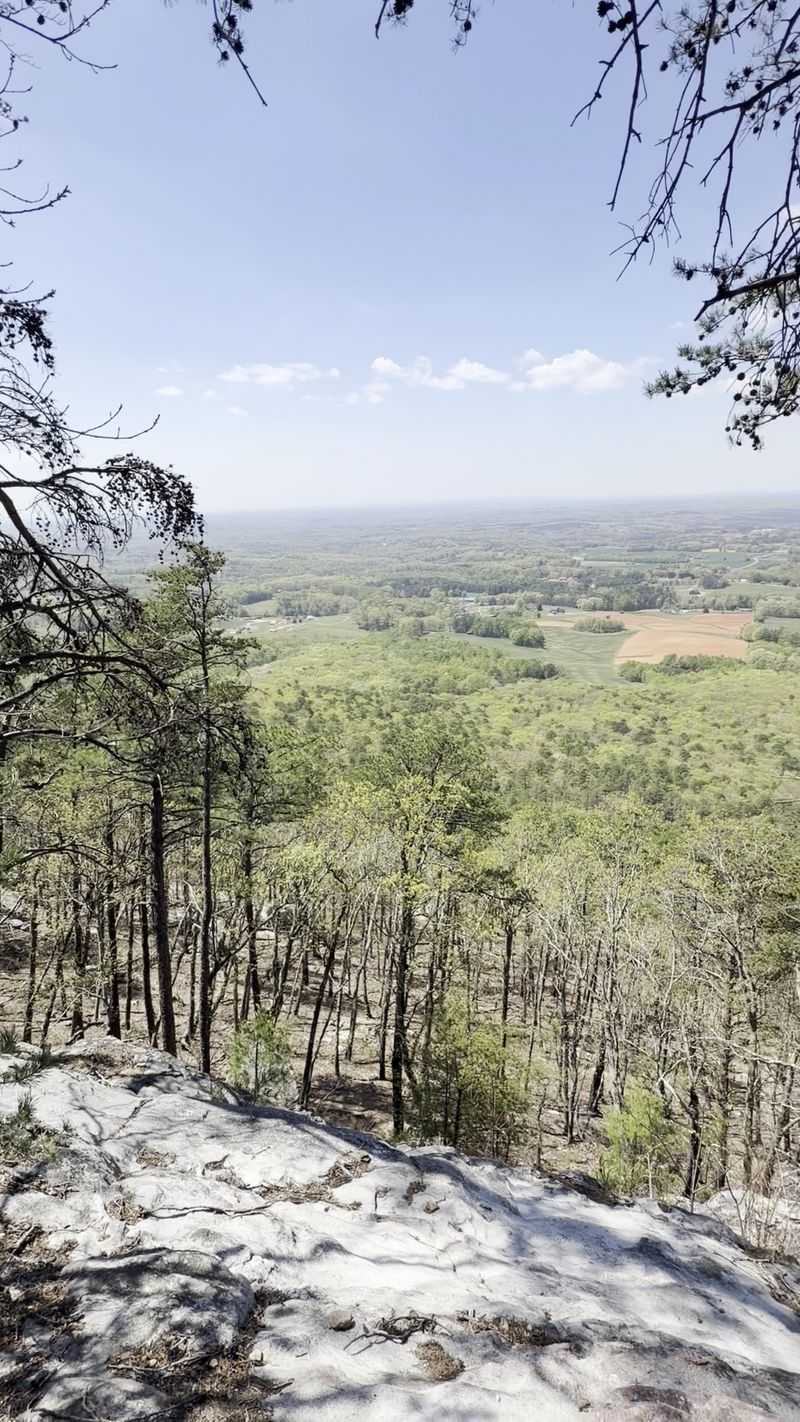
Rock everywhere. That is the honest summary of this 3.5-mile climb through the Sauratown Mountains, where roots, boulders, and small creek crossings keep your eyes down and your ankles working.
Grindstone Trail at Pilot Mountain State Park connects the family campground area with the summit region, gaining elevation through hardwood forest and along stony slopes. Park guidance is direct about the risk, telling hikers to be alert to venomous snakes.
Sun-warmed stone is a copperhead’s favorite furniture. Boulders that hold heat into the evening, plus crevices for shelter, create ideal conditions on these slopes throughout North Carolina’s foothill parks.
Because the tread is uneven, hikers naturally stare at their feet, which actually helps. Trouble usually comes from sitting down without looking or reaching into a rock gap for balance.
Pick a flat, open rock for snack breaks and glance around it first. Long pants shrug off briars and give a little extra buffer near ground level.
Autumn leaves start dropping here in September, adding a layer that hides shapes beautifully. Stay on the marked trail rather than scrambling through rock piles or surrounding vegetation.
5. Raven Rock Loop Trail, Raven Rock State Park, Lillington
The centerpiece is enormous: a crystalline rock outcrop leaning over the Cape Fear River, tall enough to shelter travelers and stubborn enough to have outlasted the currents that carved around it.
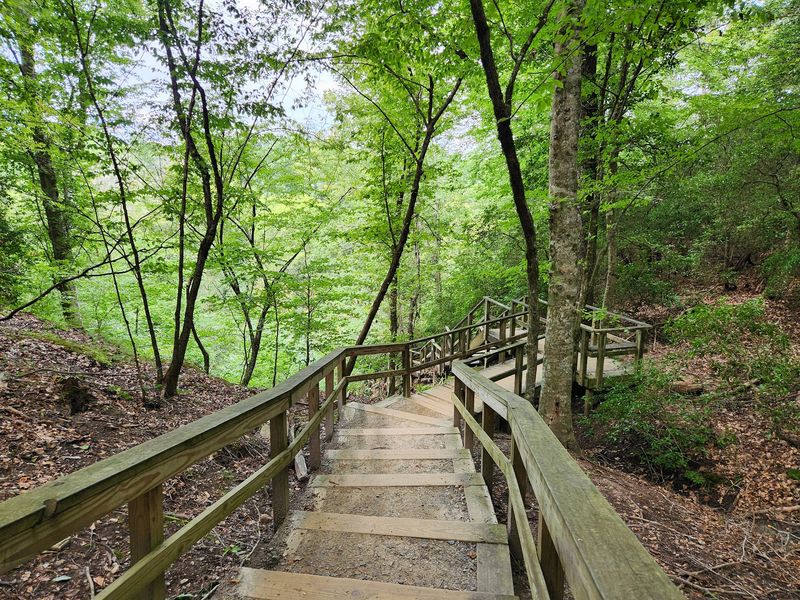
Raven Rock Loop Trail runs about 2.6 miles through hardwood forest, past bluffs and floodplain, with wooden stairs dropping to the river’s edge. State Parks warns that venomous snakes may occur along Raven Rock trails, and copperheads have been documented within the park.
Layered leaf litter on the forest floor is the real hazard, not the snake itself. A copperhead lying still against brown leaves practically disappears, and it will hold position rather than retreat.
Park advice is refreshingly plain: stay alert, stay on marked trails, and avoid poking around deep leaves or rock piles.
The riverside boulders invite sitting and dangling feet, so scan the surface and the shaded gaps beneath before settling in. Stairs and root steps also deserve a look before a hand goes down for support.
September brings low water, sandbars, and the first hints of color overhead. Go in the morning, and the loop feels almost private.
4. Laurel Bluffs Trail, Eno River State Park, Durham
Water does the talking along this route, sliding over ledges and shoals with a steady rush that follows you for miles.
Laurel Bluffs Trail in Eno River State Park hugs the riverbank through mature Piedmont woods, passing mossy boulders, laurel thickets, and old mill remnants.
Copperheads occur widely across the North Carolina Piedmont, while hikers at Eno River should remain alert around leaf litter, rocks, logs, and riverbank vegetation.
Riverbanks combine everything a copperhead wants: moisture, frogs and small prey, cover under logs, and warm stone for basking.
That mix is common across the North Carolina Piedmont, which is why September walks here call for extra attention.
Sections of the trail remain open, making it a practical pick when other routes in the park are closed for repairs. Check current park updates before driving over, since river trails change with storm damage.
Step over logs, never blindly beside them, and keep to the packed tread instead of the grassy margin.
Bring closed shoes with decent grip, because wet rock near the shoals gets slick. Pack a snack, find a bench-sized boulder, and let the current provide the soundtrack.
3. Buckquarter Creek Trail, Eno River State Park, Durham
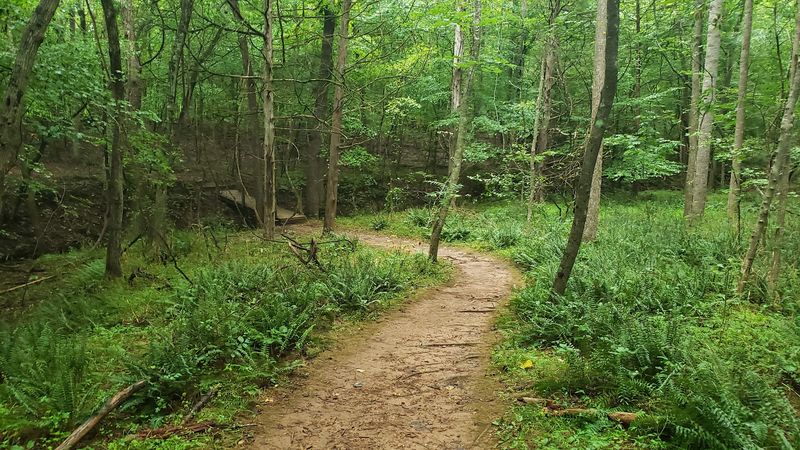
Short does not mean tame. A 1.5-mile loop sounds like a stroll until the tread turns to knuckled rock and root ladders above the creek.
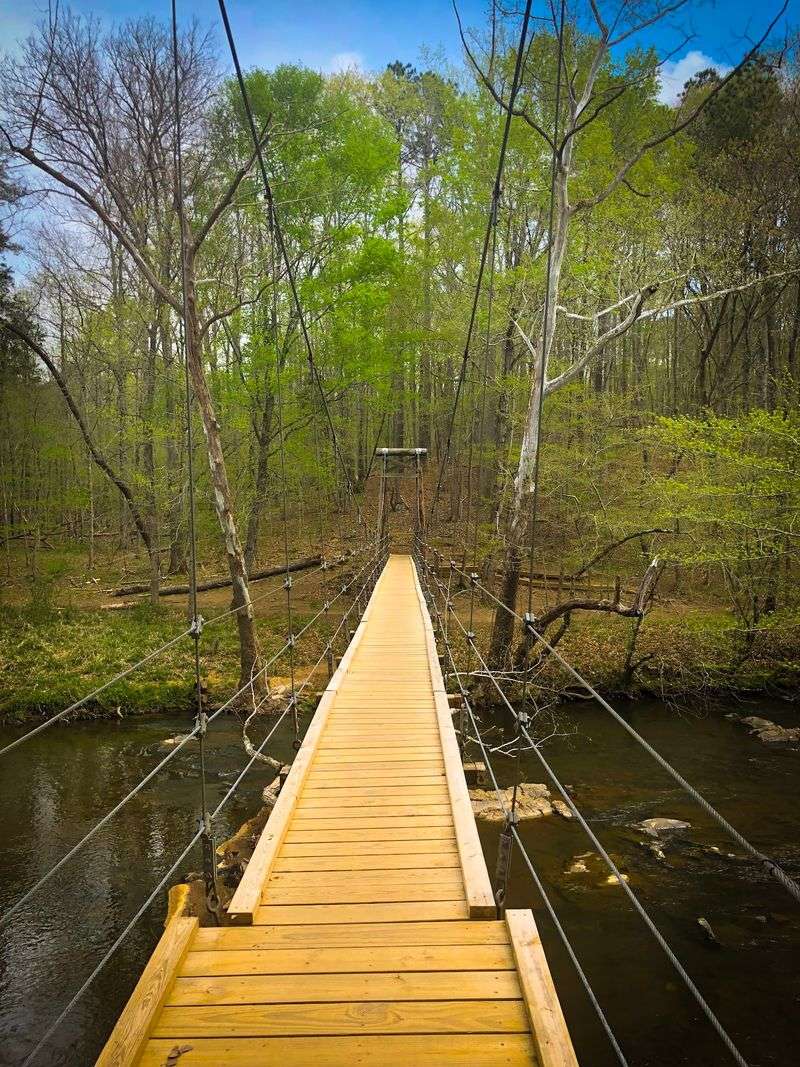
Buckquarter Creek Trail leaves from the Fews Ford area of Eno River State Park and circles through forest, along the river, and across a footbridge over its namesake creek.
The wooded creekside setting provides the same type of cover where hikers throughout the Piedmont should remain aware of snakes.
Rock, water, and shade sit side by side here, and that combination keeps small prey plentiful. Snakes settle where food and cover overlap.
Rather than skipping the hike, adjust the timing. Do not assume any particular daylight hour eliminates the chance of seeing a copperhead; watch where you step throughout the hike.
Keep children where you can see their footing, especially near the stone steps and creek crossing. Leashes protect dogs from investigating a coiled surprise.
The loop is listed as open for the season, and it pairs nicely with a picnic at the river access afterward. Wear real shoes, sip water often, and enjoy the creek’s chatter.
2. Bird Trail, Cliffs Of The Neuse State Park, Seven Springs
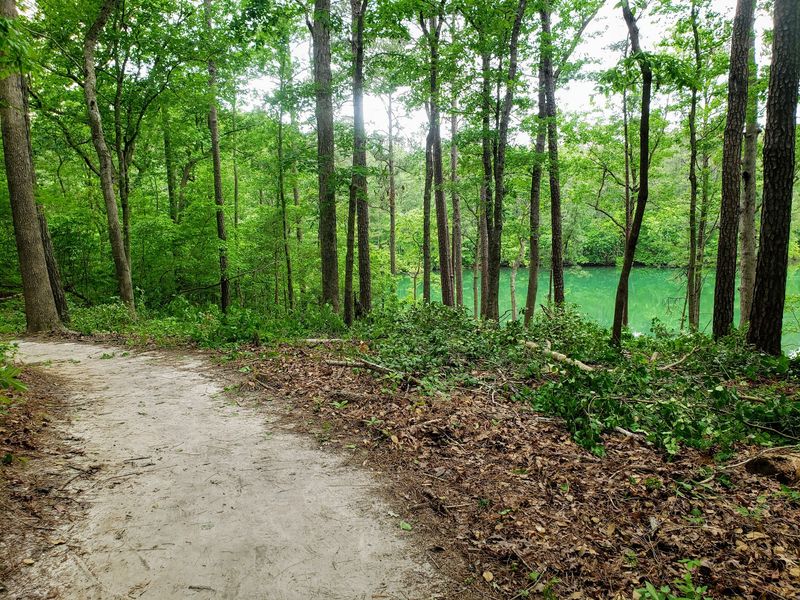
Ninety feet of exposed sand, clay, and marl rise above the Neuse River here, a geology lesson standing right out in the open.
Bird Trail at Cliffs of the Neuse State Park slips below the high ground and follows Mill Creek through cool, shaded woods where songbirds work the canopy. Copperheads are documented among the park’s wildlife, and creekside forest suits them perfectly.
Damp soil, fallen logs, and pockets of sunlight along the water create a patchwork of hunting and basking spots. September overlaps with the period when female copperheads may give birth, although that does not mean encounters are common on this particular trail.
Binoculars are the great distraction on this trail. Looking up while walking is how ankles find things they should not, so pause when you glass the treetops.
The park confirms trails remain open for the season, and the shaded route feels several degrees cooler than the cliff overlook.
Stay on the packed dirt, avoid stepping into fern beds or leaf drifts, and give any snake a wide berth instead of a photo shoot. Long pants, sturdy shoes, and a slow pace turn a nervous walk into a genuinely peaceful one.
1. Copperhead Connector Trail, Hanging Rock State Park, Danbury
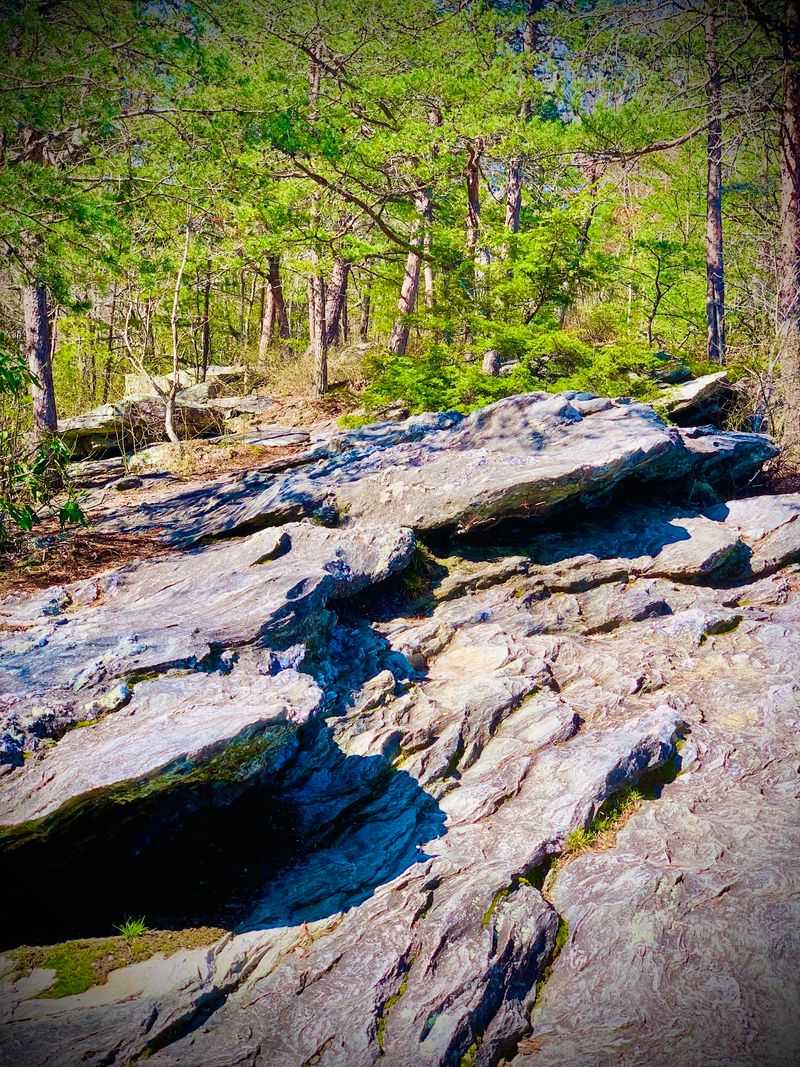
The name is a coincidence, honestly. Despite the name, the trail listing does not identify it as an unusual copperhead hotspot.
Copperhead Connector Trail at Hanging Rock State Park links routes through the Sauratown foothills, winding among quartzite boulders, hardwood forest, and small creek drainages.
Copperheads are one of two venomous species found in the park, and hikers do report sightings on its trails.
Park guidance suggests using caution when climbing or resting near rocks, which is exactly where a resting snake is easiest to startle. Ledges hold warmth long after the sun moves on.
Across the mountains and foothills of North Carolina, the routine stays the same. Look before you sit, before you reach, and before you step over anything.
Hemlock shade keeps the air cool, water trickles somewhere just out of sight, and the footing shifts between soft loam and bare stone.
Gaiters are unnecessary, but boots and long pants are smart. Move deliberately, keep pets close, and remember that a copperhead’s first instinct is stillness, not attack.
Give it room, walk on, and the trail stays a pleasure.