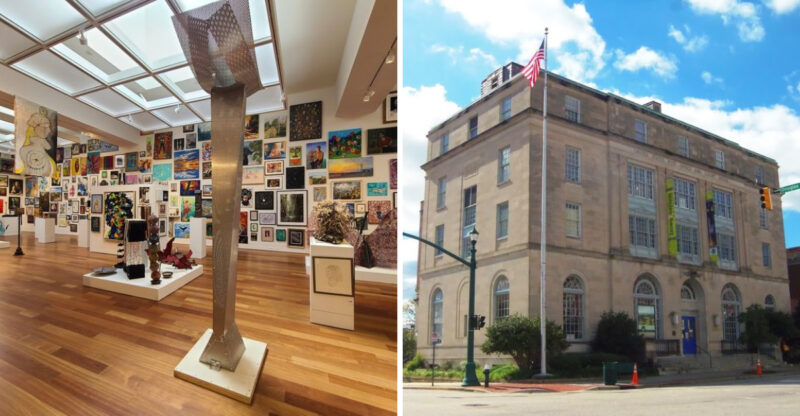
This North Carolina Nonprofit Arts-And-Crafts Thrift Store Turns Scraps Into A Treasure Hunt
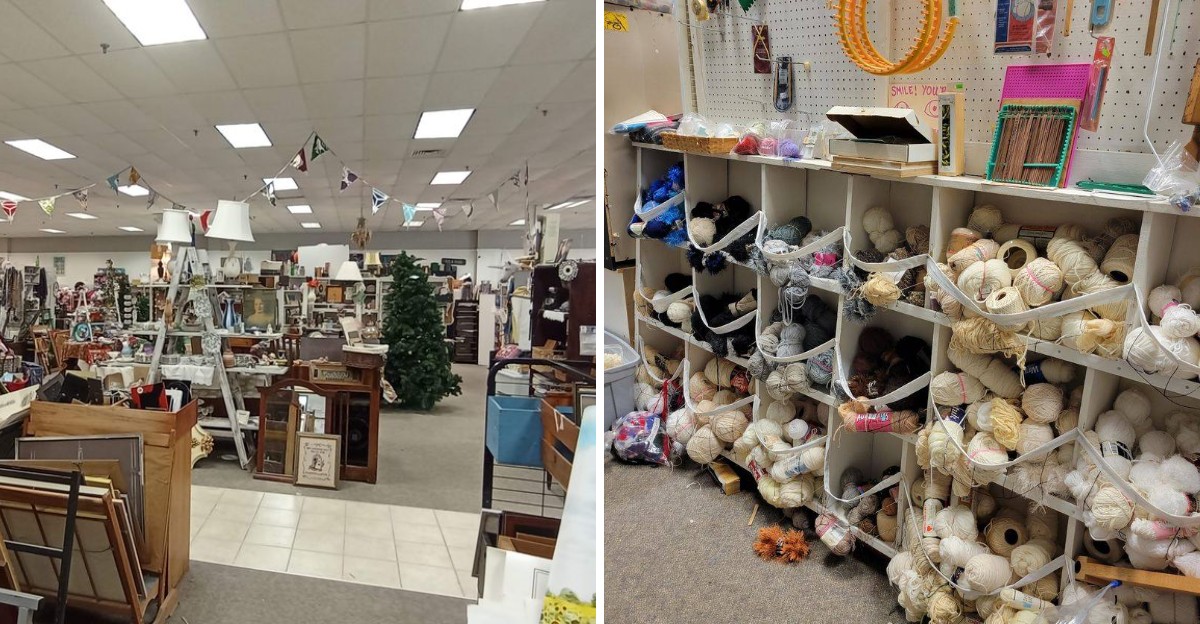
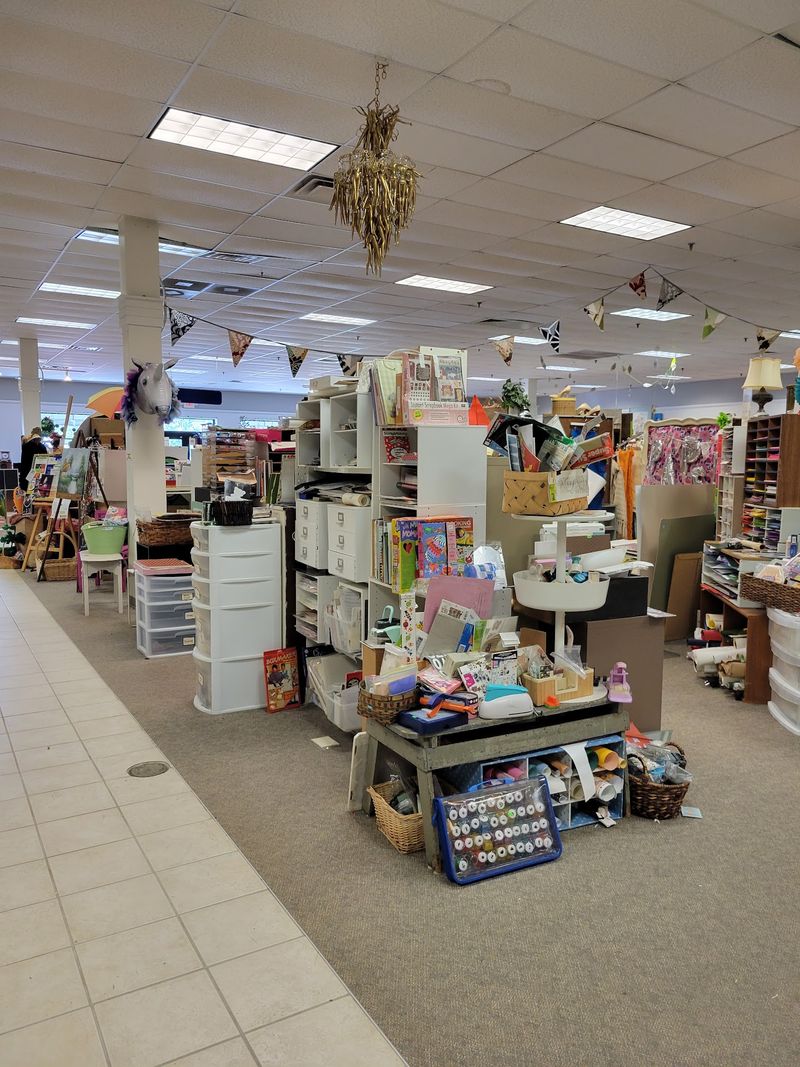
Somewhere in Greensboro, a 15,000-square-foot warehouse is proving that throwing things away may have been a little premature.
The shelves are full of creative supplies waiting for somebody with an idea, a glue gun, and questionable self-control.
Nothing stays predictable for long.
One donation can change an entire aisle, which means browsing here feels less like shopping and more like opening a giant craft drawer that belongs to North Carolina.
You might arrive needing one small thing. That plan is adorable.
The real danger begins when you spot something strange, cheap, and completely unnecessary, then immediately invent a project to justify buying it.
Give yourself time. This is not a grab-and-go kind of place.
It is the sort of warehouse where “I’ll just look around” becomes famous last words.
A 15,000-Square-Foot Store Turns Donated Materials Into A Giant Creative Hunt
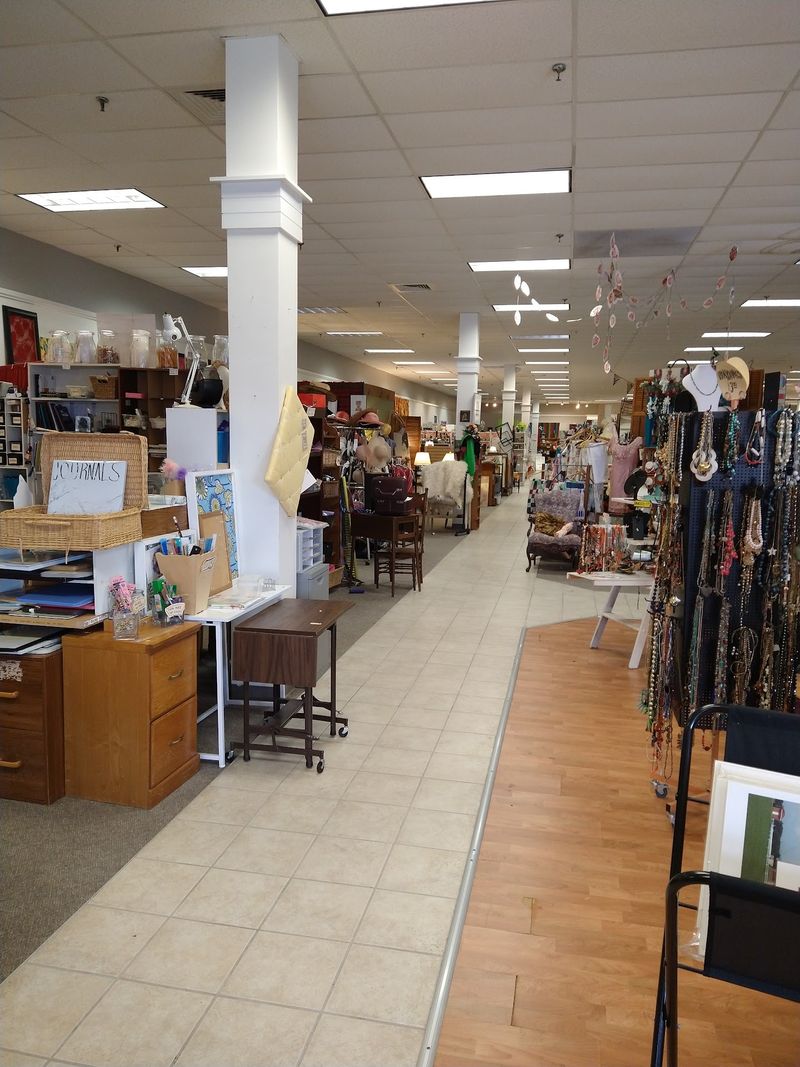
Fifteen thousand square feet sounds roomy until you step inside and see how much creative material can fill it. Rows of shelving hold jars of buttons, spools of ribbon, stacks of picture frames, and bags of leather pieces waiting for somebody with an idea.
Much of the inventory reaches the store through donations rather than conventional retail supply chains.
Reconsidered Goods serves as Greensboro’s only creative reuse center, collecting castoffs from households, businesses, and manufacturers, then sorting them so shoppers can browse rather than guess.
Staff members build playful displays, grouping colors and textures in ways that quietly suggest projects.
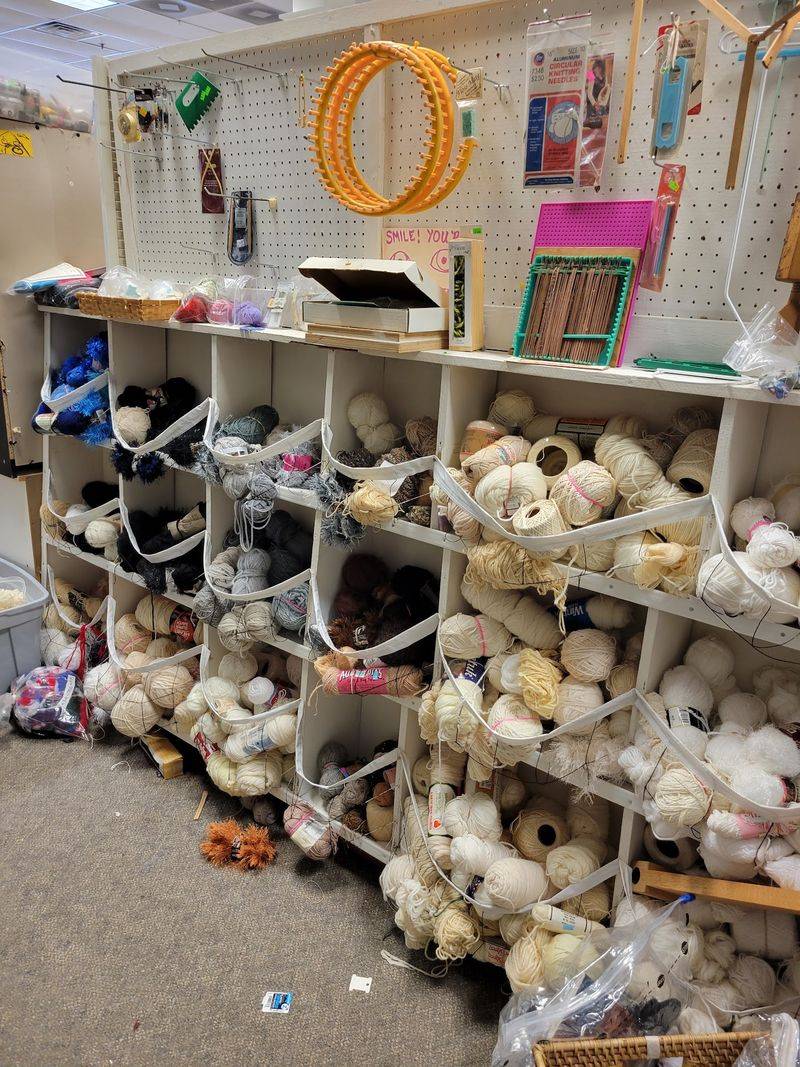
Give yourself real time, because the joy lives in the searching. One aisle may hold vintage dishes and old photographs; the next offers zippers, knitting needles, glass beads, and folded sewing patterns.
Bring a sturdy tote bag, wear comfortable shoes, and let the shelves make the suggestions instead of a shopping list.
Look for the store in the West Market Shopping Center, directly behind the Food Lion, at 4118 Spring Garden St, Greensboro, NC 27407.
Fabric Scraps And Craft Supplies Get A Second Life Instead Of Heading To The Landfill
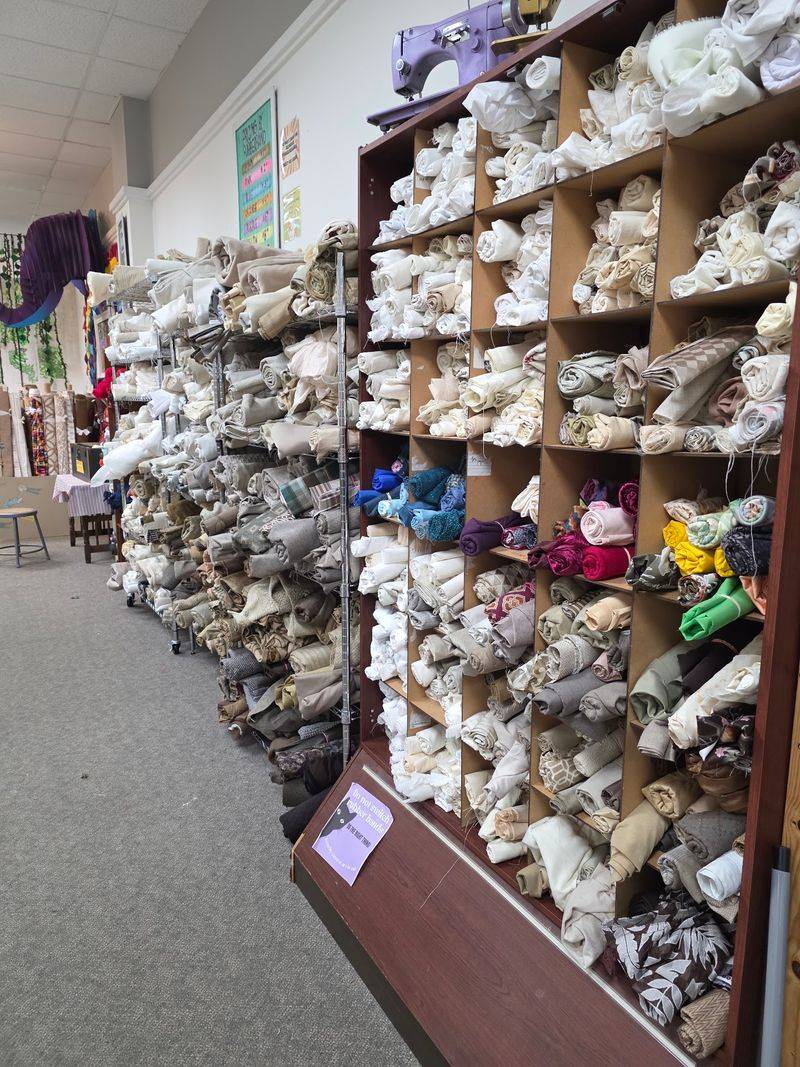
Fabric ends, half-used sketchbooks, and mismatched buttons rarely get a second chance once they leave a sewing room. Here they are sorted, priced, and handed another shot at usefulness.
Over the past year the organization redirected more than 100,000 pounds of material away from landfills.
Donations arrive steadily, with more than 12 tons processed each month, which explains the deep bins of yardage, trim, and leather scraps. Shoppers in this corner of North Carolina can buy bags of leather pieces, spools of thread, and remnants that would otherwise be tossed.
The nonprofit model gives artists, teachers, makers, and other shoppers access to affordable reused and repurposed materials.
Environmental awareness sits at the center of the mission, alongside community involvement and creative expression.
The idea is straightforward: materials should circulate through many hands instead of ending a short life in a trash bag.
For anyone clearing out a craft closet, the store publishes a list of what it will and will not accept, so a carload of donations does not become a wasted trip. Donation drop-offs are accepted Tuesday, Wednesday, Friday, and Saturday from 10 AM to 5 PM at the loading dock behind the store.
Artists Can Dig Through Shelves For Materials They Would Never Find In A Normal Craft Store
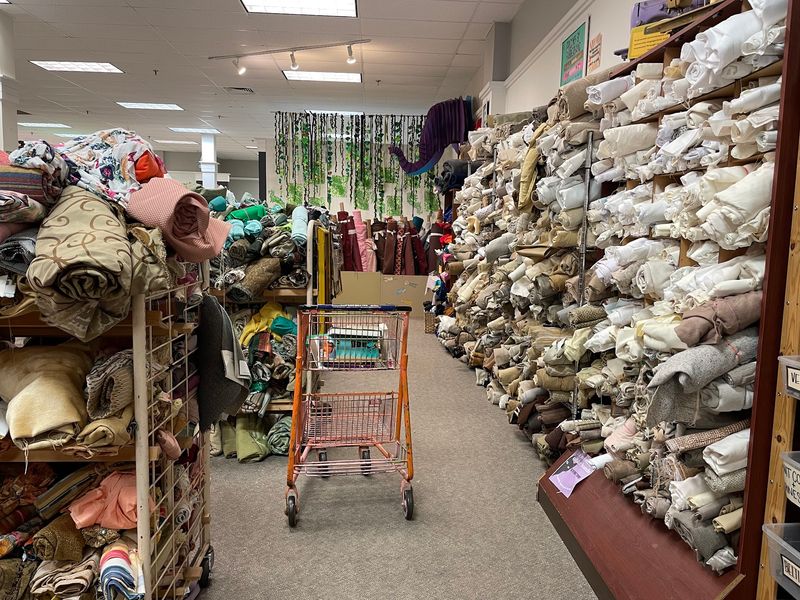
Ask a working artist where good ideas begin, and few will point to a big box aisle. The pull of this place lives in the unexpected: old vinyl records, drawers of ephemera, cabinet knobs, canvases, rubber stamps, and trim in colors no catalog stocks anymore.
Makers, crafters, and artisans shop here for affordable pre-loved supplies that carry a bit of history. A weathered frame, a jar of odd keys, or a bundle of vintage ribbon can nudge a project somewhere its maker never planned.
Leather scraps sell by the bag, and knitting needles turn up in generous heaps.
Because the materials cover so many categories, browsing beyond the section you originally came for can reveal supplies suited to completely different projects.
The store is designed for a broad mix of makers, teachers, artists, families, and other shoppers interested in creative reuse.
Plan around the schedule: doors open at 10 AM Tuesday, Wednesday, Friday, and Saturday, and at noon on Thursday and Sunday, with Monday closed.
Arrive early for the best pick of freshly stocked shelves, and walk every aisle twice, since small treasures hide behind larger ones.
Serious diggers find the search half the reward.
Teachers And Families Come Looking For Affordable Supplies With Plenty Of Personality
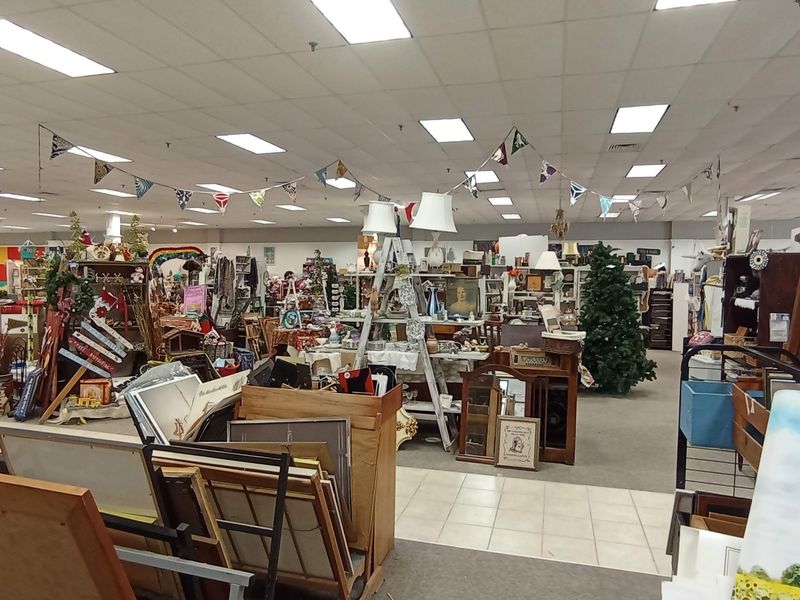
School budgets stretch only so far, which is why educators show up here with lists and empty boxes. Depending on donations, classroom-friendly materials can include paper, fabric, school supplies, containers, and reusable craft materials.
Nothing arrives shrink-wrapped, and that is exactly the point.
Reclaimed materials move through programs that put supplies into the hands of teachers, students, makers, and artists across this part of North Carolina.
Families find the same benefit on a smaller scale, filling a rainy afternoon with beads, yarn, buttons, and paper for the cost of a quick lunch out.
Kids tend to love the browsing as much as the buying. Bins sit low enough for small hands, and the mix of colors, shapes, and odd objects makes the store feel like a scavenger hunt with a checkout counter.
Sorting a tub of loose game pieces can hold a seven-year-old’s attention longer than any screen.
Practical advice for a family visit: set a small budget, hand each child a basket, and agree on a time limit.
The organization says its education and event spaces provide ground-level entry, ramps, and wheelchair-accessible seating, and visitors with specific accessibility questions can contact staff ahead of time.
The Inventory Changes Constantly Because Nearly Everything Arrives Through Donations
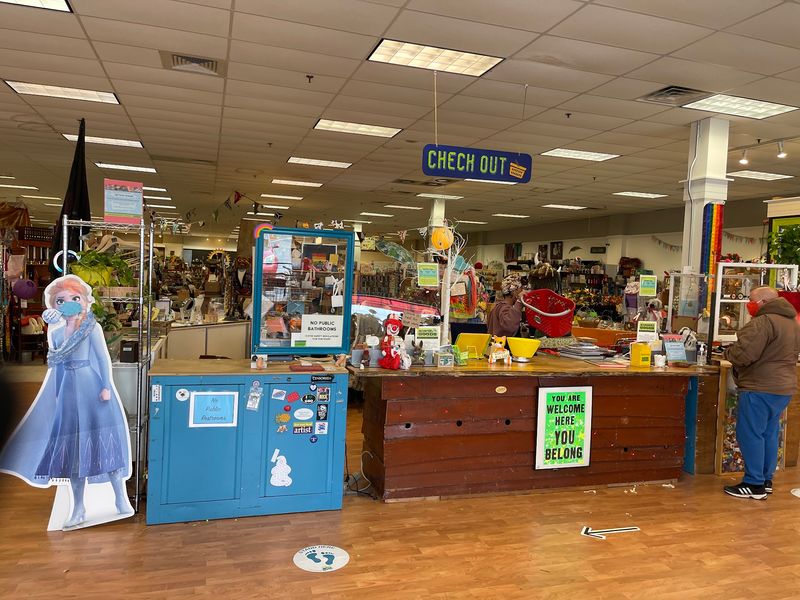
Two visits a month apart can feel like two different stores. Because nearly every item arrives as a donation, the stock refreshes on a rhythm nobody fully controls.
Because donations continually reshape the available stock, repeat visits can reveal completely different materials.
Households clearing closets, businesses emptying storerooms, and manufacturers passing along surplus all feed the shelves.
One week brings a wave of quilting cotton; the next delivers glassware, sewing machines, or a mountain of picture frames.
Ephemera, old photographs, and greeting cards show up in batches too, along with seasonal trims and school-year basics.
That unpredictability is why shoppers stop by often instead of waiting for a sale. If something speaks to you, buy it, because a duplicate may never appear.
Staff rearrange displays constantly so new arrivals stay visible rather than buried.
Volume keeps the cycle spinning, with donations sorted, checked, priced, and shelved at a steady clip. Anyone hoping to contribute should read the accepted items list first.
The loading dock at 4118 Spring Garden St handles drop-offs, and a doorbell brings someone out to lend a hand.
An Education Studio Turns Reused Materials Into Workshops And Hands-On Projects
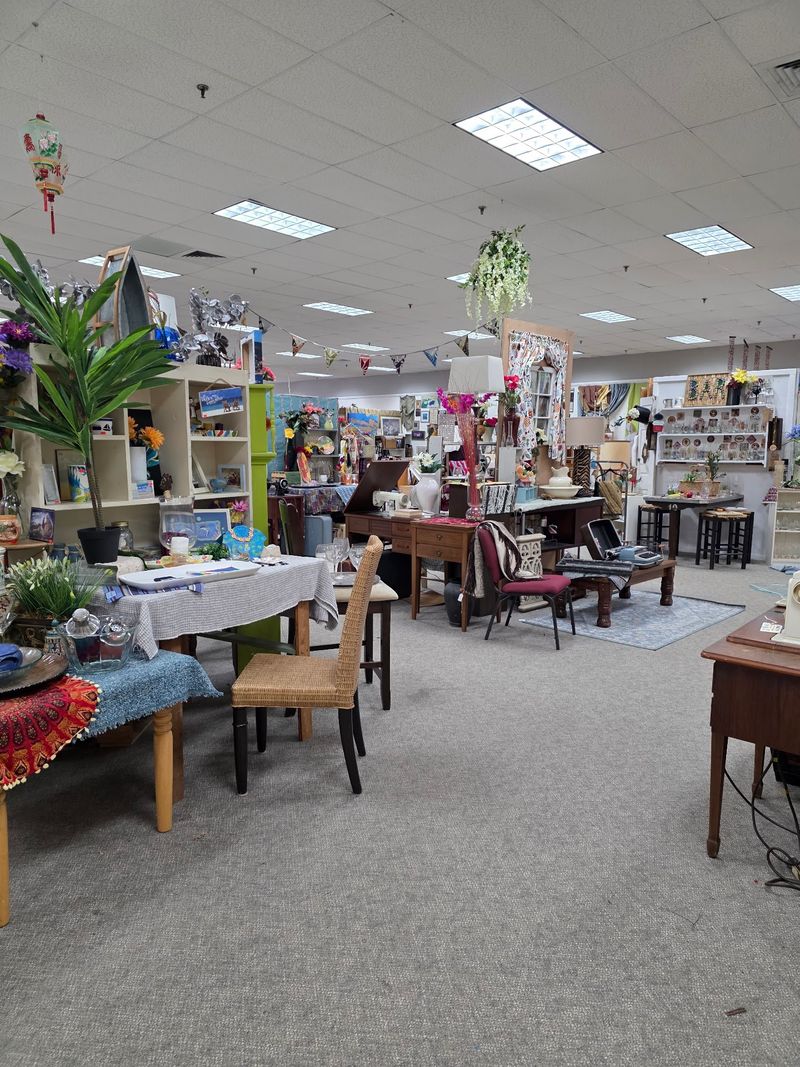
Past the sales floor sits a studio built for making, not just shopping. Tables, tools, and reclaimed supplies come together for classes that treat scraps as raw material.
Course lists rotate through sewing, collage, printing, and leatherworking, with titles such as Fall Collage Patches, Zines with Zena, Misfit Monster Dolls, and a Get Into Knit Weekend Workshop. Sessions run for children and adults, and beginners are genuinely welcome.
Supplies are usually part of the deal.
Field trips operate year-round and follow a simple arc: a warehouse tour, a conversation about reuse, then a hands-on craft.
School groups, workplace teams, and birthday parties all book the space, which makes this studio one of the busier learning corners in this stretch of North Carolina.
Partnerships extend the reach beyond the building, including collaborations with the Greensboro Public Library and the Greensboro Corner Farmers Market.
Instruction always circles back to one point: less waste, more imagination.
Check the website before planning, since popular workshops fill and offerings shift with the calendar.
The Nonprofit Mission Makes Every Purchase Part Of A Bigger Reuse Effort
Every dollar spent on a bag of leather scraps does double duty. Reconsidered Goods runs as a 501(c)(3) nonprofit, established in 2016, and sales fund the work rather than a profit line.
That structure shapes how the place feels, less like a bargain grab and more like a shared community project.
The mission blends three goals: environmental awareness, community engagement, and creative expression, all pursued through reuse, education, and the arts.
Buying a jar of buttons keeps material in circulation and helps pay for classes and outreach.
The vision behind it imagines a world where useful things get passed along again and again instead of being discarded after one short life.
Material donations may be tax-deductible, and cash gifts support educational programming for students and community groups. Supporters who cannot haul a box across town can still give online.
Volunteers and donors help keep the education studio stocked.
Practical notes for planning: the store posts current hours and class schedules at reconsideredgoods.org, and closes on Mondays. Shopping days run Tuesday through Sunday, with a midday opening on Thursday and Sunday.
One Visit Can Produce Everything Needed For A Project You Had Not Planned Yet
Something odd happens between the front door and the register. Shoppers who wandered in for a single spool of thread leave with a whole plan.
A pile of mismatched tiles suggests a mosaic; a box of old maps becomes gift wrap. That is the strange gift of a well-stocked reuse center.
Breadth makes it possible: fabric, paper, paint, frames, containers, beads, yarn, and hardware, all under one warehouse-sized roof.
The address, 4118 Spring Garden St in Greensboro, puts the store in the West Market Shopping Center behind the Food Lion.
Aisles sit close enough together that one idea bumps straight into the next.
Talking helps. Browsing across categories can make substitutions easier when the exact material you expected is not on the shelf.
Projects here often begin with the material and work backward toward the plan.
Come with rough measurements, a phone full of reference photos, and an open mind about substitutions.
Few shopping stops in North Carolina reward that kind of curiosity so generously, and fewer still send you home with a project already half-built in your head.