Nebraska Is Home To Two Hangars Full Of Cold War Aircraft You Can Walk Right Underneath
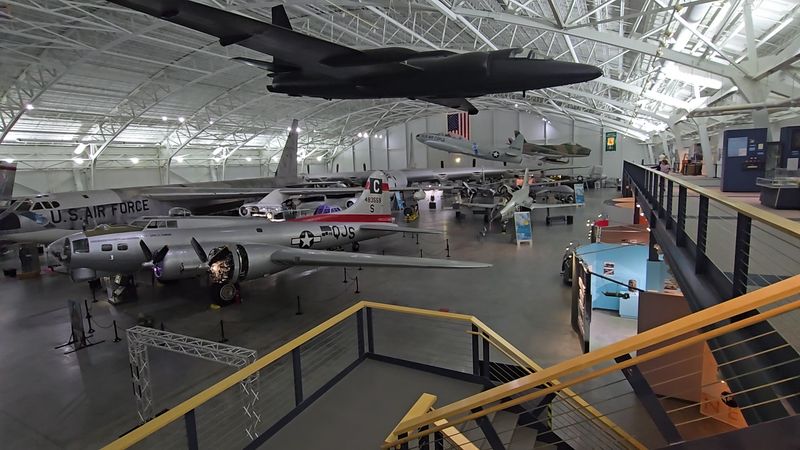
Driving Interstate 80 across eastern Nebraska, you pass a low glass-and-steel building that looks like it could be a county office complex. It isn’t.
Behind that glass sit two hangars the size of small stadiums, packed with bombers, spy planes, and missiles you can stand directly beneath. I went in expecting an hour of polite looking and came out three hours later with a sore neck from staring up at a wingspan wider than a Nebraska farmyard.
A Glass Atrium off Interstate 80 in Nebraska
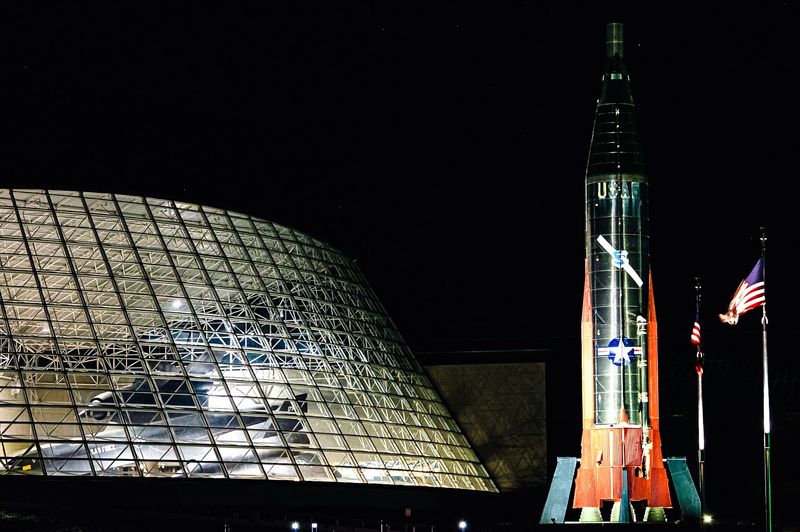
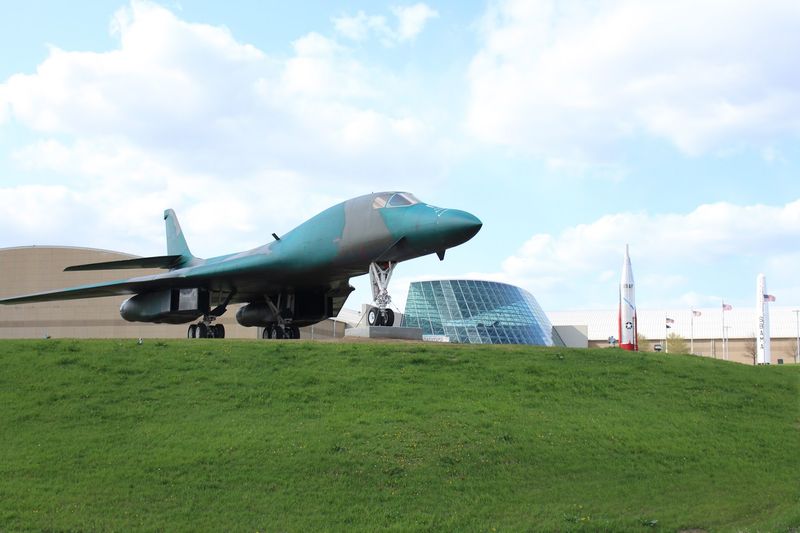
The address reads 28210 W Park Hwy, Ashland, Nebraska, which puts it in Saunders County right where the interstate cuts between Omaha and Lincoln. From the exit ramp, the first thing you see is a wedge of glass rising out of open ground, with a jet parked nose-up inside it.
Roughly 30 minutes separates the parking lot from downtown Omaha, and Lincoln sits about the same distance the other direction. That makes the Strategic Air Command & Aerospace Museum one of the easiest half-day trips in the eastern part of the state.
Inside, the building runs about 300,000 square feet. A soaring atrium handles ticketing, the gift shop, and an upper level of exhibits, then two enormous hangars open up behind it, labeled simply Hall 1 and Hall 2.
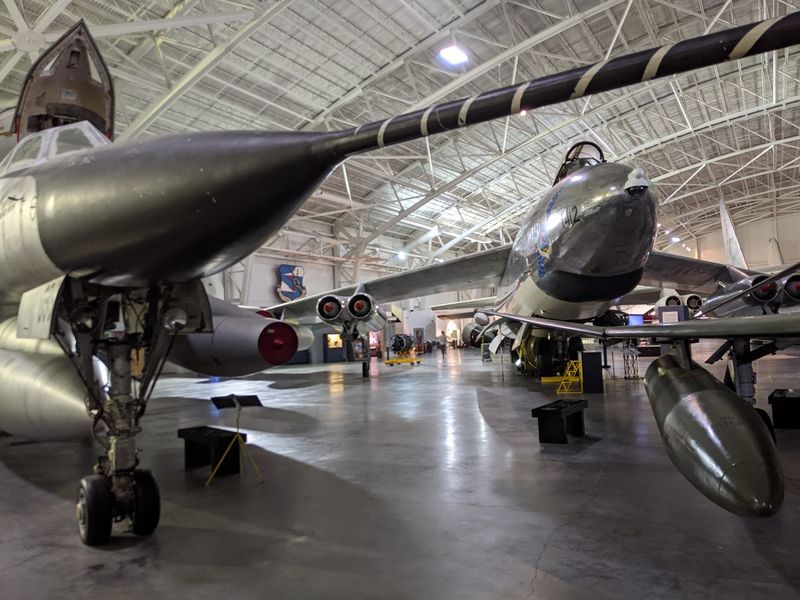
Nothing about the exterior prepares you for the scale of what’s parked in there. The building was purpose-built in 1998 specifically because the collection had outgrown every other option, and the aircraft sit at floor level where you can walk right under them.
How General Curtis LeMay Started a Collection
Back in the early 1950s, Strategic Air Command was headquartered in Nebraska and General Curtis LeMay, its commander, decided the aircraft coming out of service deserved better than a scrapyard. The collection began as his idea: save the machines that mattered in World War II and in the tense years that followed.
For decades the planes sat outdoors, exposed to Nebraska weather that is not kind to aluminum. Hail, ice, and summer sun did what they do, and the case for an indoor home kept getting stronger.
By 1998 the current facility opened near Ashland with climate-controlled halls and enough ceiling height to hang aircraft overhead. Moving a collection of bombers indoors is not a small logistical exercise, and the result is that visitors now see paint and panel lines instead of weathered patches.
The museum is a Smithsonian affiliate, which reflects the caliber of what’s held here. Displays inside also cover how the museum itself came together, including the restoration work still underway.
The SR-71 Blackbird in the Atrium
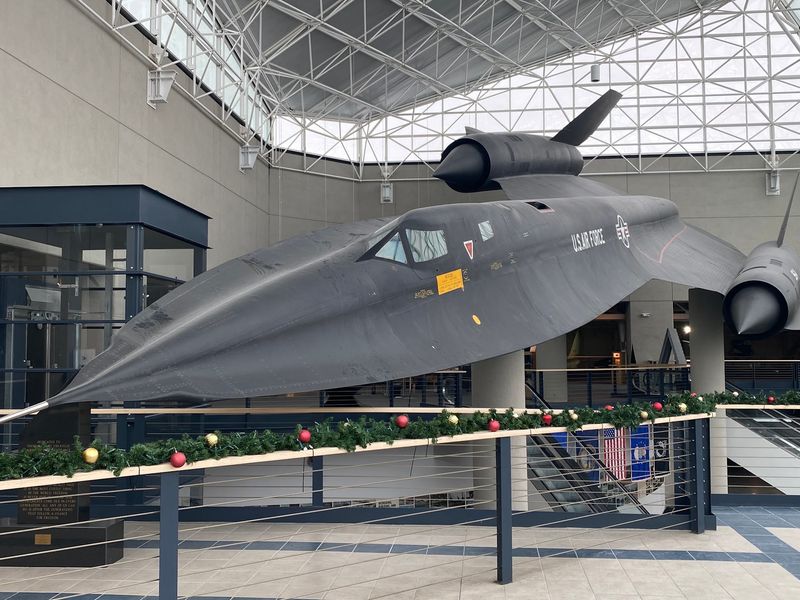
Black. Impossibly black, and shaped like something drawn with a ruler and a grudge against air resistance.
The SR-71 Blackbird sits angled in the atrium, and it’s the single most photographed object in the building for good reason.
Built in the 1960s, the Blackbird cruised at more than three times the speed of sound and could cross from New York to London in under two hours. Standing beside it, the thing that surprises most people is the size.
Photographs flatten it; in person the fuselage stretches on and on.
Reviewers mention the SR-71 more than almost any other exhibit here, with dozens of comments singling it out. One visitor called it aviation art, which is about right for a machine designed with slide rules and hand-built titanium panels.
Get there early in the day if you want the shot without a crowd in it. Morning light through the atrium glass hits the black surface in a way that shows off every curve of the chines running along its nose.
Standing Under the B-52 Stratofortress
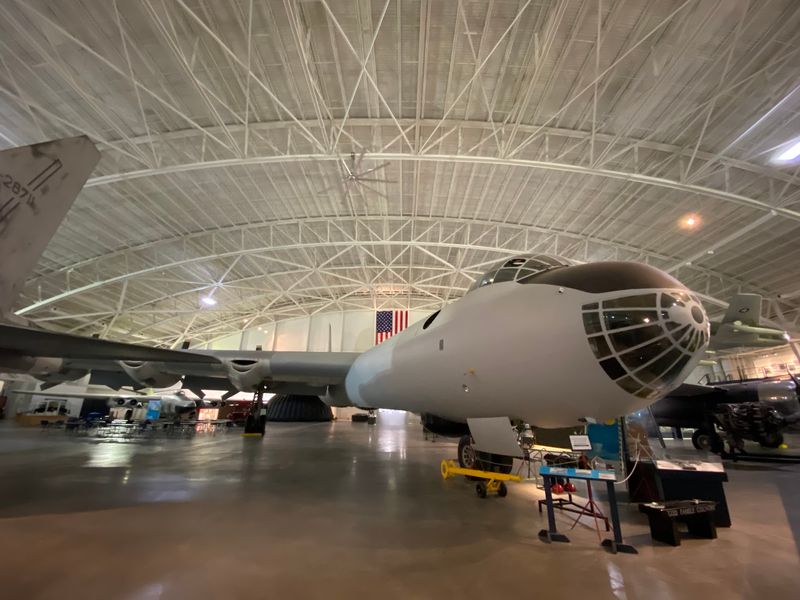
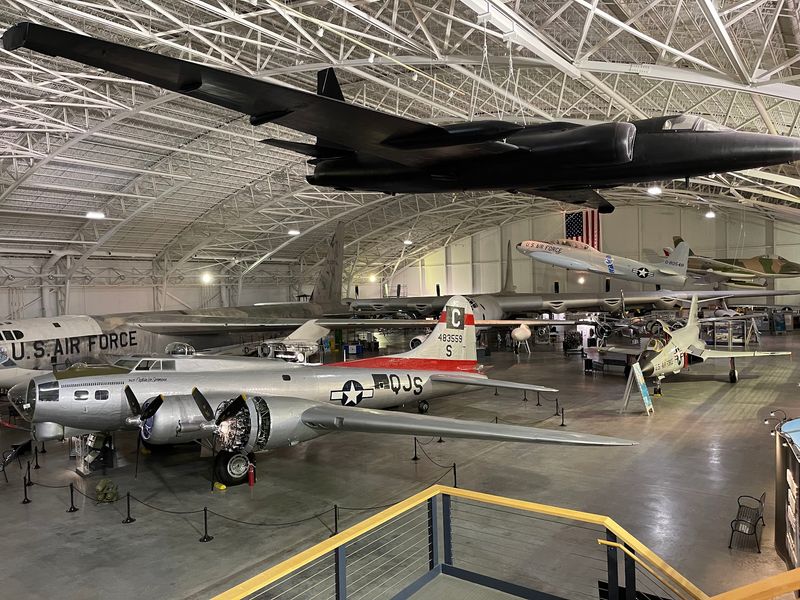
A wingspan of 185 feet is a number that means nothing until you’re beneath it. The B-52 Stratofortress dominates its hangar so completely that other aircraft parked nearby look like models by comparison.
You can walk the full length of the wing, look up into the engine pods, and see where the landing gear tucks away. The eight engines hang in pairs, and the tail rises high enough that you find yourself checking the ceiling clearance.
What makes the display work is the floor-level arrangement. Nothing sits behind glass or on a distant pedestal, so the scale registers physically rather than as a caption you read and forget.
Alongside the B-52 sits the B-36J Peacemaker, one of only four surviving examples of the largest bomber ever built. The B-36 is arguably even harder to comprehend, with a wing so deep a person could crawl through it during flight.
Bring a wide lens, or accept that no single photo will capture either aircraft whole.
Rare Birds: The Vulcan, the U-2, and the Nighthawk
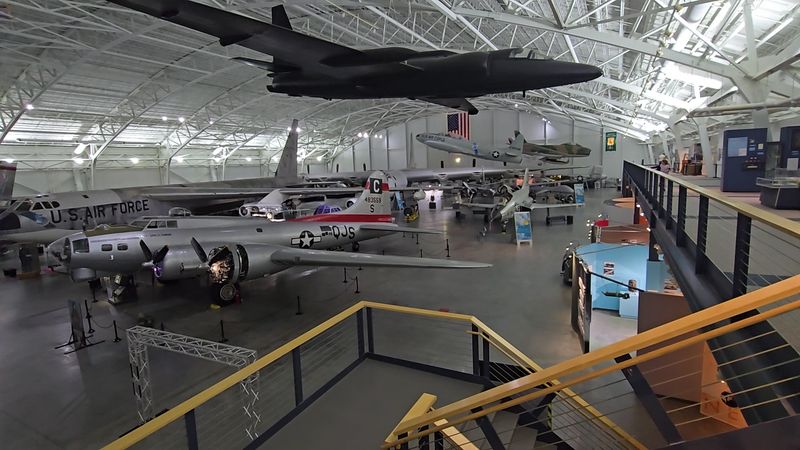
Delta-winged and unmistakably British, the Avro Vulcan parked in one of the halls is one of only three on display anywhere in the country. Its triangular shadow across the hangar floor is a photo in itself.
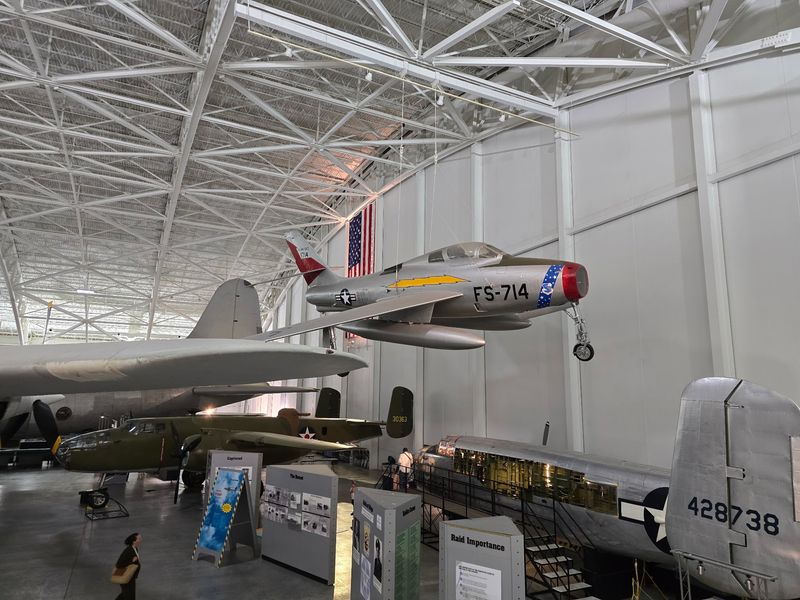
Overhead hangs a U-2C Dragon Lady, the high-altitude reconnaissance aircraft with glider-like wings, suspended so you view it from below the way most of the world once did. Nearby sits the Lockheed F-117 Nighthawk, all faceted angles and matte finish, an aircraft that looks stranger the longer you study it.
The fighter lineup fills in the rest of the story: an F-105 Thunderchief, an F-86 Sabre, an F-4 Phantom, and a Soviet-built MiG-23 that puts opposing design philosophies side by side.
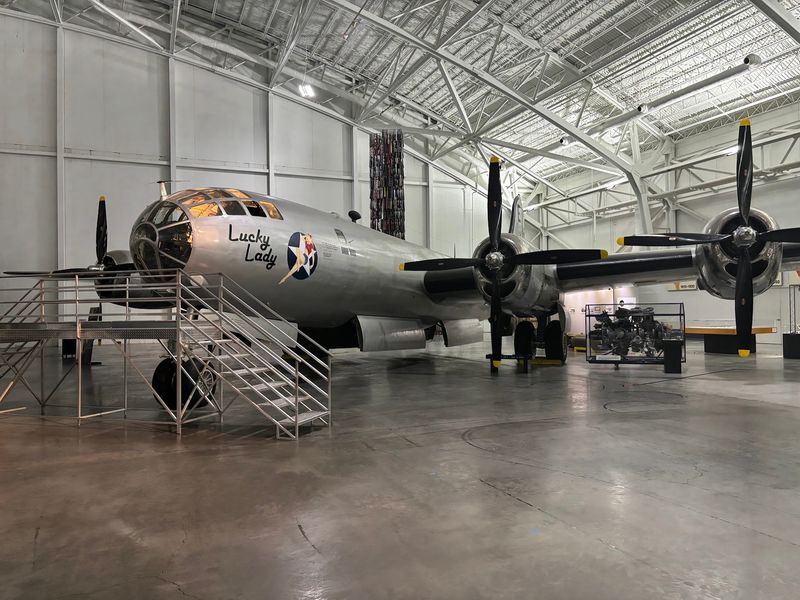
Also present are a B-29, a B-17, a B-1A, and several ICBMs standing upright. A display covering Gary Powers and the U-2 incident adds context that ties the hardware to actual events.
Not every aircraft on the map is always out, so treat the layout as a guide rather than a guarantee.
Flight Simulators and Hands-On Exhibits
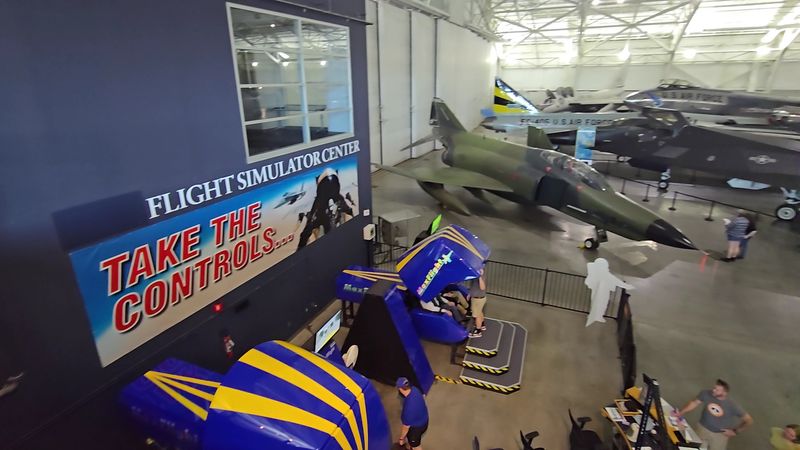
Three minutes in a motion simulator costs around $13, and it’s the add-on most families end up talking about on the drive home. Online booking sometimes includes a buy-one-get-one deal, so checking the website before you go can cut that cost.
Beyond the simulator, the interactive stations are spread across both halls and the upper level. Some demonstrate the principles of lift and thrust, others let you climb inside a fuselage section or work a control panel.
A planetarium operates on site with scheduled shows, and video presentations run in the theater space. Younger children have their own dedicated activity areas, which helps when a six-year-old runs out of patience for reading placards.
Rotating special exhibits appear throughout the year. A Star Wars display has drawn a lot of attention in recent seasons, and the museum posts current offerings on its website.
Every Father’s Day weekend brings a car show to the grounds, with owners bringing vehicles in to park alongside the aircraft.
Watching Restoration Work in Progress
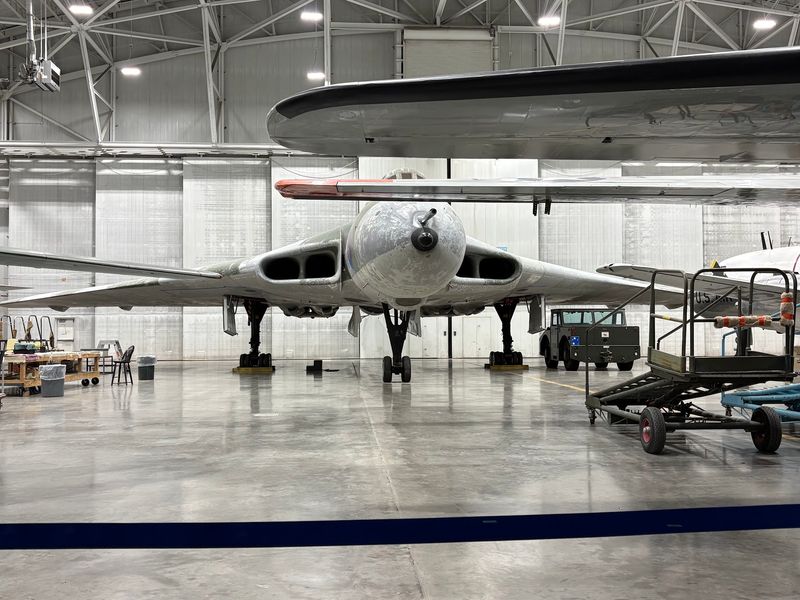
Panels off, primer showing, scaffolding pushed up against a fuselage: the restoration hangar is where the collection gets kept alive, and you can watch it happen. Typically three aircraft sit in various stages of work.
Restoring a bomber that spent years in the open is slow, unglamorous labor. Corrosion gets cut out, rivets get replaced, and paint gets matched to period specifications, all of it done by hand.
Interpretive material in that area explains how the museum came to be and what each project involves. Reading it while looking at a half-finished wing gives the whole enterprise a different weight than a finished display ever could.
It’s also the part of the museum that changes. Come back in two years and the aircraft in the restoration bay will be different, which gives repeat visits an actual reason beyond nostalgia.
Recent additions to the main halls include the F-117 stealth fighter and the B-1A bomber, both of which arrived after many longtime visitors last stopped in.
Artifacts Beyond the Aircraft
An Enigma machine sits in a case on the upper level, its rotors and keyboard looking almost ordinary until you consider what it did. Small objects like that carry the exhibits between the giant airframes.
The upper gallery covers World War II, Korea, and Vietnam, along with a section dedicated to the World Trade Center. Space exploration gets its own artifacts, so the story runs from propeller bombers to orbital hardware in one loop.
Displays honor pilots from Nebraska specifically, and there’s material on women in aviation that fills in names often left out of the standard narrative. Representative bombs and missile components sit near the bombers they belonged to, which makes the connection obvious without much explanation.
One consistent piece of feedback deserves mention: some placards use small print in dim corners, and reading them takes patience. If details matter to you, budget extra time and consider a phone flashlight.
And yes, the restrooms get talked about. The upstairs one is finished with aircraft-style rivets.
The Feel of the Place and Who It Fits
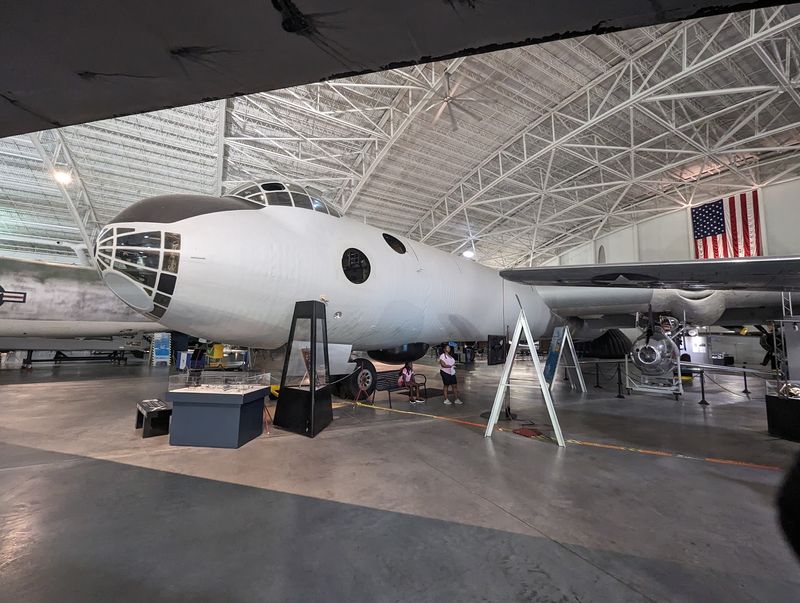
Cool air, polished concrete, and the particular quiet of a very large indoor space where voices don’t carry far. Both halls stay comfortable regardless of what Nebraska weather is doing outside, which makes this a solid January outing as much as a July one.
Retirees who worked in aerospace tend to slow way down here, reading every panel and pointing out engine variants. Kids move faster, gravitating to the climb-in exhibits and the simulator.
The building absorbs both speeds without either group getting in the other’s way.
Families with military ties often find personal connections on the walls, whether a squadron number or an aircraft type a relative flew or refueled. That gives the visit an emotional layer a standard museum stop doesn’t have.
Staff are approachable and the layout is straightforward: atrium, then two halls, then upstairs. Floors are level throughout and the facility is fully wheelchair accessible.
Plan on two hours minimum. Three to four is more realistic if you read as you go.
Hours, Admission, and the Tuesday Closure
Tuesday is the one day to avoid. The museum closes entirely, and showing up to a locked door after driving from Grand Island or Norfolk would sting.
Wednesday and Thursday run 9 a.m. to 4 p.m. Friday through Monday the hours stretch to 9 a.m. to 5 p.m., which gives you the full day if you arrive when the doors open.
Admission is priced reasonably for a facility this size, with the flight simulator as a separate add-on at roughly $13 for a three-minute run. Buying tickets online in advance can occasionally unlock a promotion on the simulator.
The gift shop occupies the upper level near the atrium and stocks the usual model kits, patches, and books along with SAC-specific items. It’s a reliable stop for anyone with an aviation fan to shop for.
A small cafe and restaurant on site handles snacks and full meals, with pricing typical of museum dining. Eating there saves a trip back toward the interstate mid-visit.
Getting There From Omaha or Lincoln
Exit 426 off Interstate 80 puts you within sight of the building, which is about as simple as directions get in eastern Nebraska. Coming from Omaha, figure on roughly half an hour heading southwest.
From Lincoln the drive runs about the same length in the opposite direction, making Ashland a natural meeting point if family is split between the two cities. Parking is free and generous, with room for RVs and buses.
Anyone road-tripping across the state on I-80 can slot this in without detouring, which is how a lot of people end up discovering it. The stop breaks up the flat middle stretch of the drive nicely.
Combining the museum with other area attractions works well too. Mahoney State Park sits just minutes away along the Platte River, and the Omaha zoo is an easy add if you’re building a full weekend.
Fill up before you leave the interstate corridor. Ashland is a small county town without much in the way of late-night services.
Final Thoughts on a Prairie Full of Bombers
Few places let you stand under a B-52 wing on a Sunday afternoon and then drive home for supper. That combination of scale and convenience is what makes this stop stick with people.
The collection is strong and the aircraft are in remarkable condition, meticulously restored and displayed at a level that rivals much larger institutions. The 4.8-star rating across more than 1,900 reviews reflects that.
Signage is the honest weak spot. Lighting on some panels is dim and the print runs small, so if deep historical detail is your reason for coming, plan to work a little harder for it or read up beforehand.
What the museum does exceptionally well is physical presence. Nothing online conveys what the SR-71 looks like from six feet away, or how the B-36 blocks out the ceiling.
For Nebraskans who have driven past that glass wedge a hundred times without stopping, this is the nudge. Pick a Friday, arrive at nine, and give it three hours.