This Nebraska Cat Rescue Fosters Rescued Cats for Months Until the Right Family Arrives
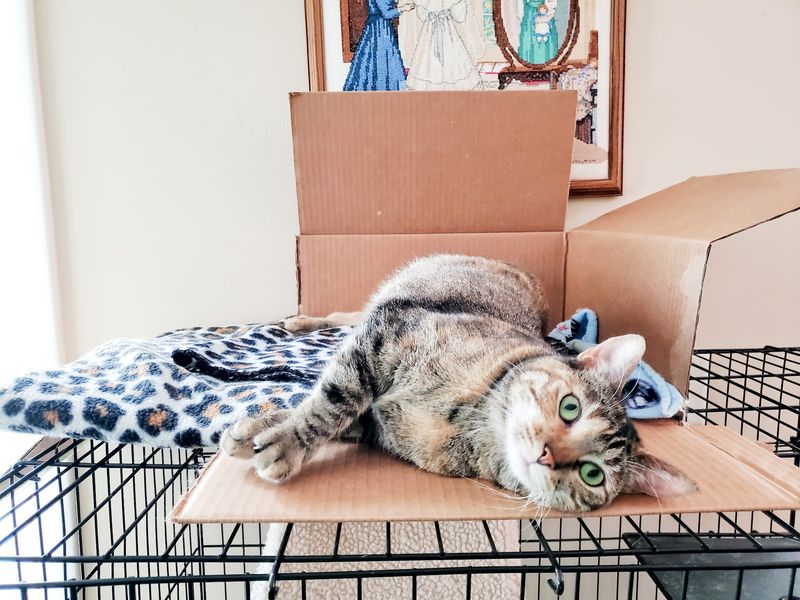
The storefront doesn’t announce itself. You could drive down the block twice in eastern Nebraska and never guess that behind the glass sit dozens of cats waiting, some of them for the better part of a year, for one specific person to walk through the door.
What caught my attention wasn’t the building at all, it was hearing that a rescue here will keep a cat in foster care for ten months rather than push it toward the first available home. That kind of patience is rare, and it changes how you think about adoption entirely.
A Rescue on Fremont’s First Street
Dodge County isn’t where most people expect to find a serious cat operation. Fremont sits about half an hour northwest of Omaha along Highway 30, a working town with a compact downtown grid, and near the eastern edge of it a small animal rescue service quietly runs one of the more patient adoption programs in the region.
Catz Angels CARE, Inc. is the name on the door. It’s an all-cat outfit, no dogs, no gift shop, no attempt to be anything larger than what it is.
At any given stretch the group has had well over a hundred cats in its care, spread between the facility and a web of foster homes across the area. That number matters because it explains the philosophy.
With that much capacity, nobody has to rush a placement or nudge a shy cat out the door to free up space.
Fremont people have driven past it for years. Plenty still don’t realize the volume of animals moving through, or how long some of them stay before the right household finally shows up.
Ten Months of Waiting, and Then a Family
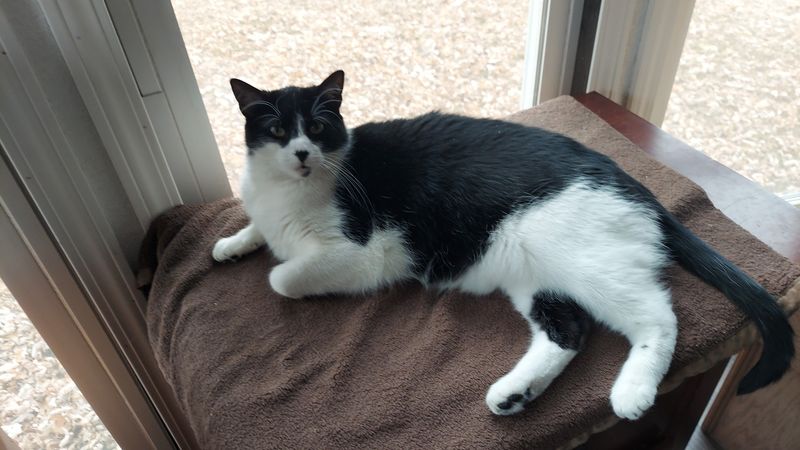
One cat here spent ten months in the rescue’s care before a family took her home. Ten months of feeding, vet checks, litter boxes, and volunteers learning exactly which corner of the room she preferred.
Most shelters count stays in weeks.
What that timeline reveals is a working policy rather than an accident. Cats aren’t moved along on a schedule, and there’s no clock ticking behind any individual animal.
The trade-off is real. Volunteers absorb months of expense and daily labor for a single placement, and the payoff arrives only when the match is genuinely right.
Adoption fees stay lower than what larger organizations in the area typically charge, which softens the barrier for families who want a cat but can’t stretch far financially. A long stay in foster also means the cat arrives at its new home known, not guessed at.
Someone can tell you how she behaves at midnight, whether she hides from vacuums, what she does when the door opens. That knowledge is the whole point of the wait.
Honest Talk About Personalities and Health
Picture a conversation where someone tells you, before you commit, that the cat you’re admiring has a health condition and a quirk about strangers. That happens here routinely.
Staff and volunteers walk adopters through each cat’s temperament and any medical history without softening it. Nobody benefits from a surprise three days after the carrier comes home, and the rescue seems to have decided that upfront honesty beats a quick handshake.
Communication continues past the paperwork. Families have received a check-in message the same afternoon they left with a new cat, asking how the adjustment was going.
Adjustments aren’t always smooth. One adopted cat refused food for roughly a week, needing patient syringe feeding before settling in, then turned into a household fixture who follows her person into the kitchen at dinnertime.
The rescue also offers to cover medical expenses during the first two weeks after adoption, a cushion that takes the fear out of an early vet bill.
Personality notes, health disclosures, follow-up texts. Small practices, but they stack into something dependable.
Spay, Neuter, and the TNR Work
Trap-neuter-return is unglamorous work. It involves early mornings, humane traps, transport, surgery scheduling, and returning cats to the colonies they came from with a notched ear as proof they’ve been fixed.
Catz Angels runs a TNR program alongside its adoptions, and it also offers spay and neuter services for cats people already own. That second piece is the quiet lever on the whole problem in Dodge County and the surrounding area.
Every litter prevented is a litter nobody has to foster for ten months later. Rescues that only adopt out are bailing water; rescues that also fix cats are patching the hull.
Cats coming through the program receive vaccinations and microchipping as part of the process. A lost cat picked up by the group was neutered, chipped, vaccinated, and reunited with his owner, all of it handled before the phone call went out.
Kittens show up constantly in warm months, which is when the trapping and surgery calendar gets tightest. The work doesn’t photograph well, but it’s the reason the adoption side stays manageable.
Kittens, Seniors, and Everyone Between
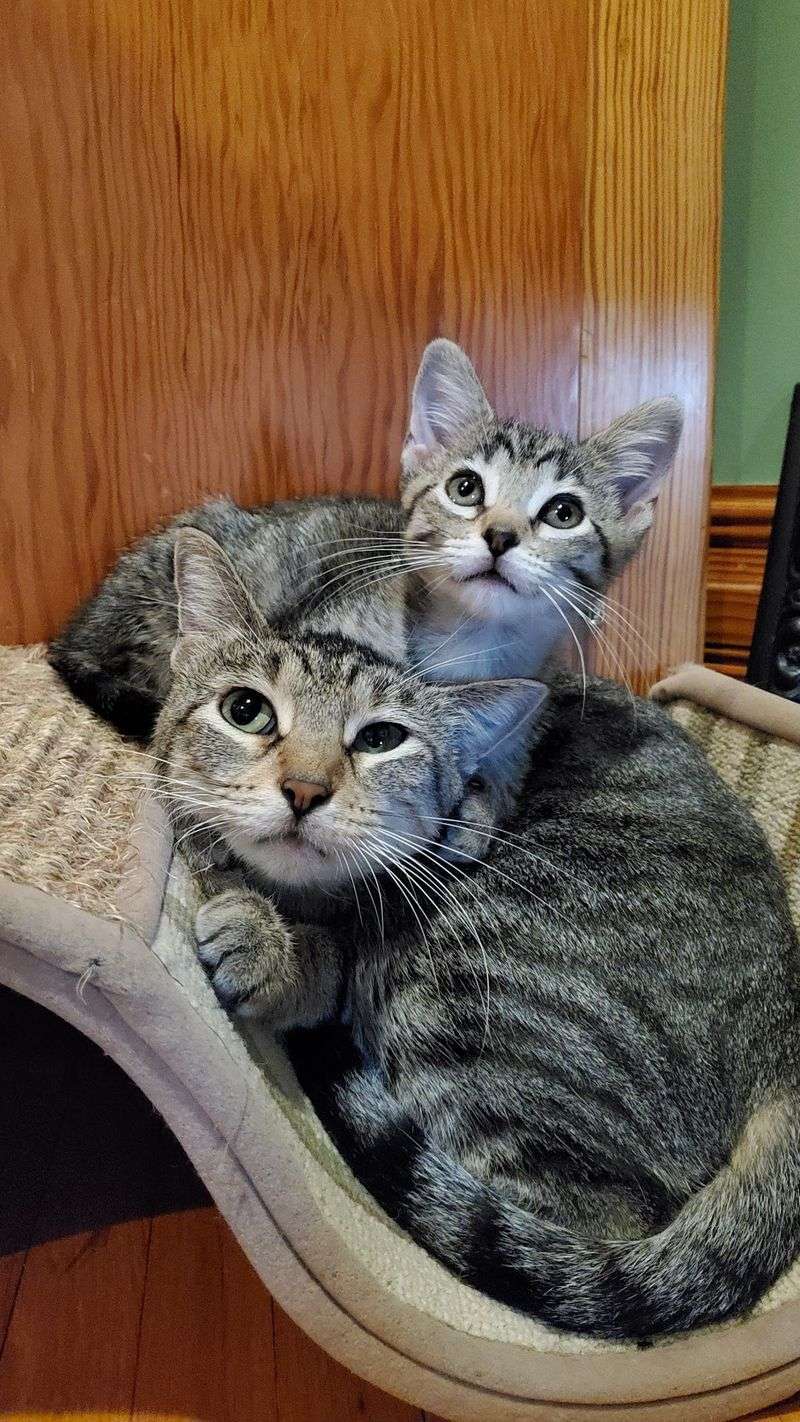
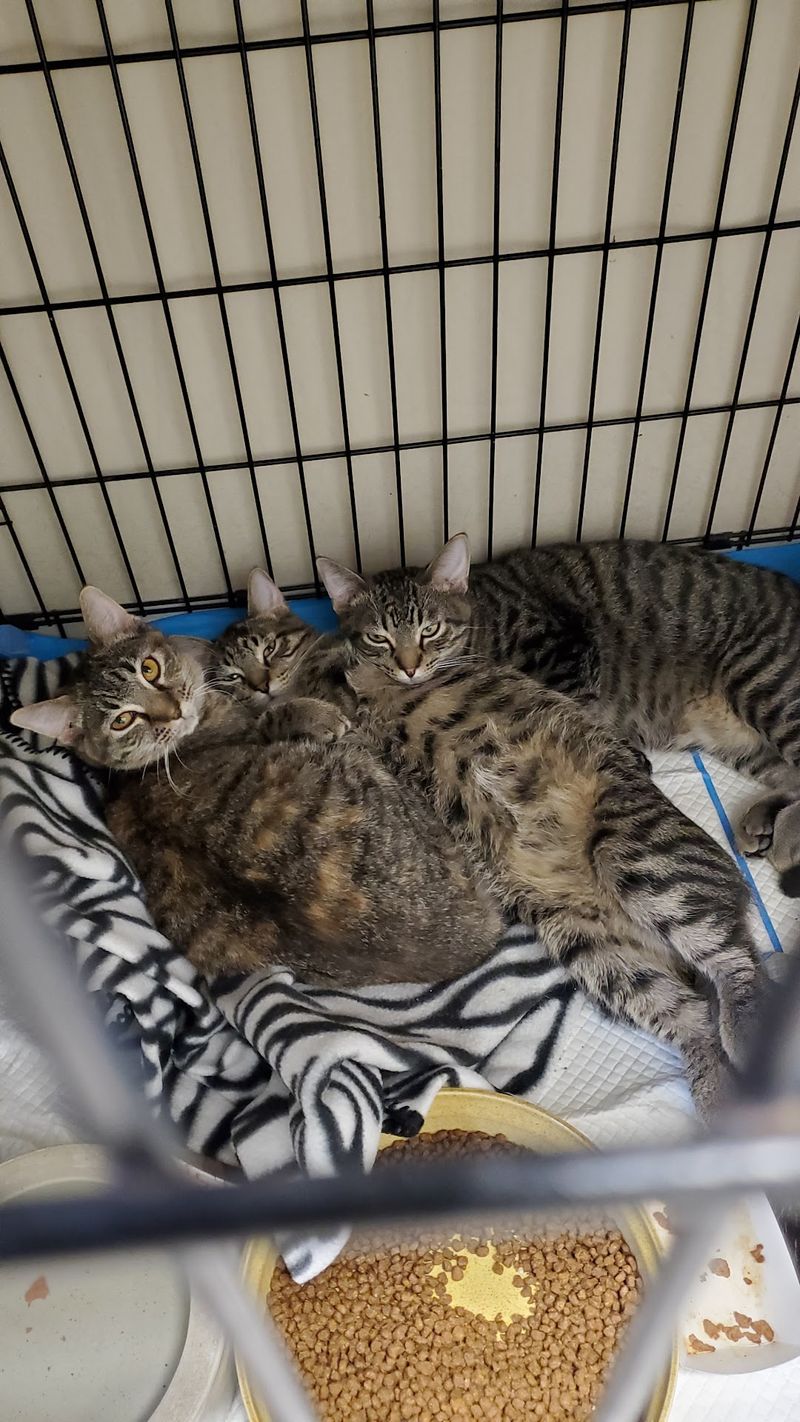
Four baby kittens arrived in a situation that needed immediate intervention, and the group did everything it could to get them through. Emergency cases like that turn up more often than anyone plans for.
Kittens dominate the conversation around adoption, and this rescue has plenty of them. Bonded pairs go out together fairly regularly, two small bundles of energy heading into the same house rather than being split.
Older cats sit in a different category. They’re calmer, already know how to live indoors, and often ask for very little beyond a warm lap and a predictable schedule.
Whole family groups have been adopted at once. A mother and her offspring leaving together isn’t unusual here, and the rescue supports those larger placements instead of discouraging them.
Anyone weighing a kitten against an adult should think about their own routine. A retiree in Fremont might do far better with a settled seven-year-old than a pair of adolescents scaling the curtains at dawn.
Both options are on the table, and staff will steer you honestly toward the fit.
The Volunteers Who Keep It Running
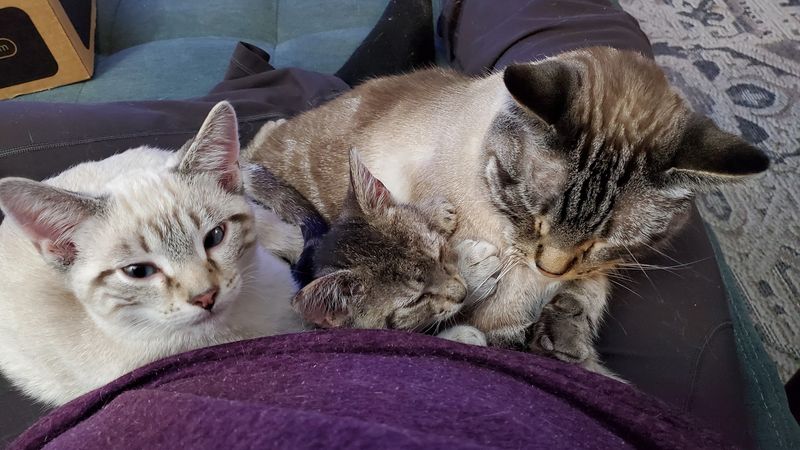
Marsha fosters. Other names circulate too, women who show up to clean, medicate, socialize, and answer the phone when someone calls about a stray behind their garage.
Dedication among the volunteers comes up constantly in conversations about this place, and it’s the operational backbone rather than a nice extra. There’s no large paid staff absorbing the workload.
Fostering means bringing rescue cats into your own home for weeks or months, handling daily care while the organization covers veterinary needs. It eases crowding at the facility and gives shy or medically fragile cats a quiet room to recover in.
The people working here answer questions well beyond adoption paperwork. Somebody unsure how to handle a nursing barn cat or a kitten that won’t eat can get practical guidance without being made to feel foolish.
Fremont and the surrounding towns supply most of this labor. It’s neighbors doing unpaid, repetitive, occasionally messy work because they’d rather do it than watch cats go unhelped.
Donations and volunteer hours both matter to an operation this size.
How the Adoption Process Actually Works
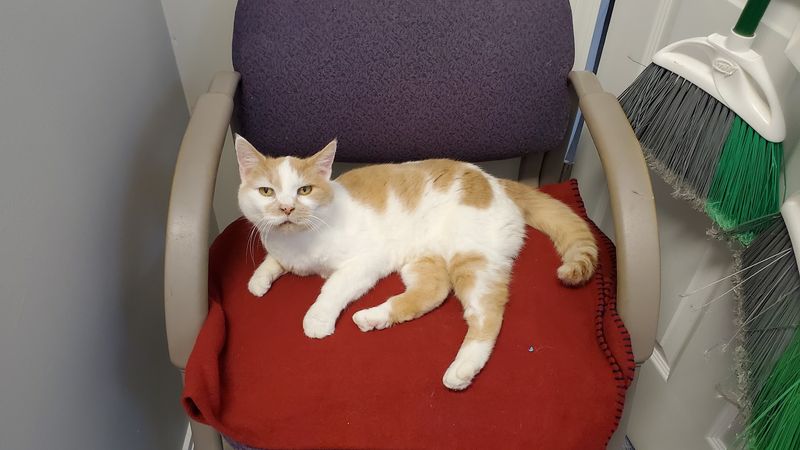
Applications come first, and approval isn’t automatic. If you already own cats, the rescue wants proof their vaccinations are current before signing off, which trips up people who assumed a same-day handoff.
Cats are not held during that waiting period. A cat you’ve had your eye on can be adopted by someone else while your paperwork is still pending, and that has genuinely disappointed families who thought they were first in line.
Knowing this ahead of time changes how you approach a visit. Get your own animals current at the vet before you apply, not after, and keep a couple of cats in mind rather than fixing on one.
The upside of a stricter process is that placements hold. Cats aren’t shuffled between homes because nobody checked whether the household was ready.
With a hundred-plus cats in care at times, there’s rarely a shortage of options if a particular one gets adopted first.
Ask questions early, be flexible on the specific animal, and the process moves reasonably. Rigid expectations are what create friction here.
Planning a Trip to Fremont, Nebraska
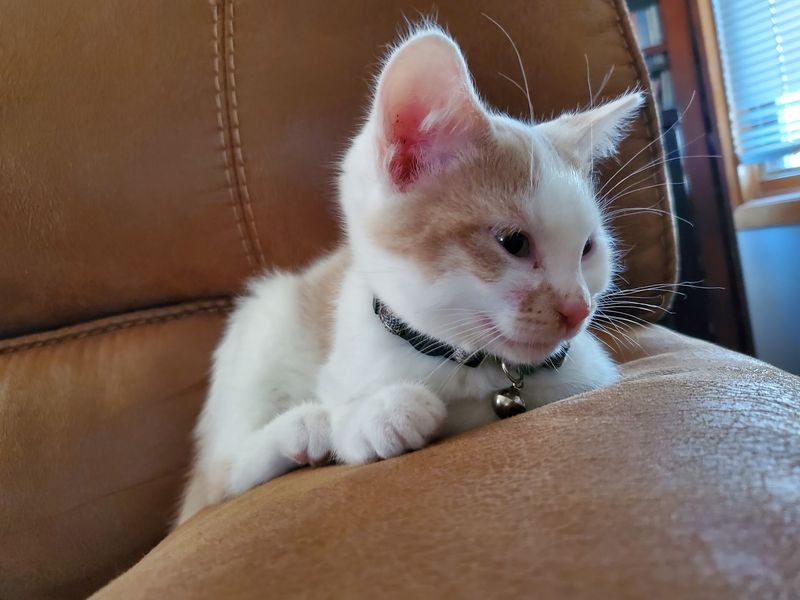
Fremont sits at 422 E 1st St for anyone plugging the rescue into a map, a straightforward run northwest from Omaha on Highway 30 or up from Lincoln through the Platte valley. Under an hour from either metro, easily an afternoon.
Hours shift with volunteer availability, so checking before you drive out saves a wasted trip. This isn’t a facility with a large staffed front desk keeping fixed retail hours.
Adoption fees run below what bigger organizations in the region typically ask, and cats leave already fixed, vaccinated, and chipped. That combination stretches a modest budget further than most people expect.
Downtown Fremont gives you somewhere to eat afterward, and the drive itself along the Platte is pleasant in October when the cottonwoods turn.
Would I recommend it? For a family willing to be a little flexible about which cat comes home, yes, without hesitation.
The patience built into this operation, ten months for one cat, honest talk about health, a text checking in that same evening, adds up to something Nebraska should be glad it has.