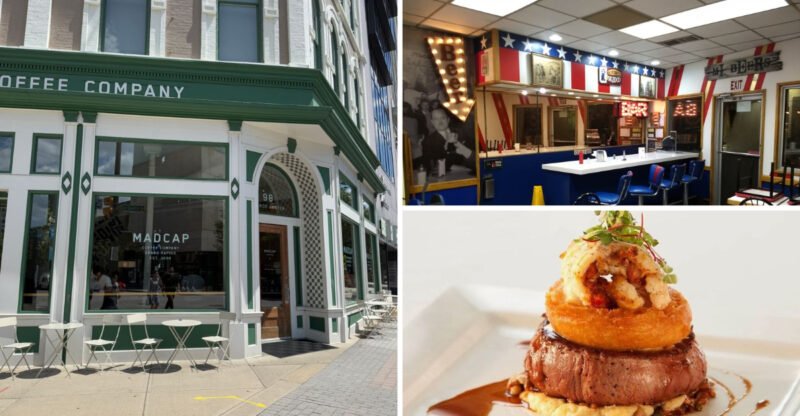
Michigan’s Hickory Corners Is Home To One Of The Nation’s Top Car Museums
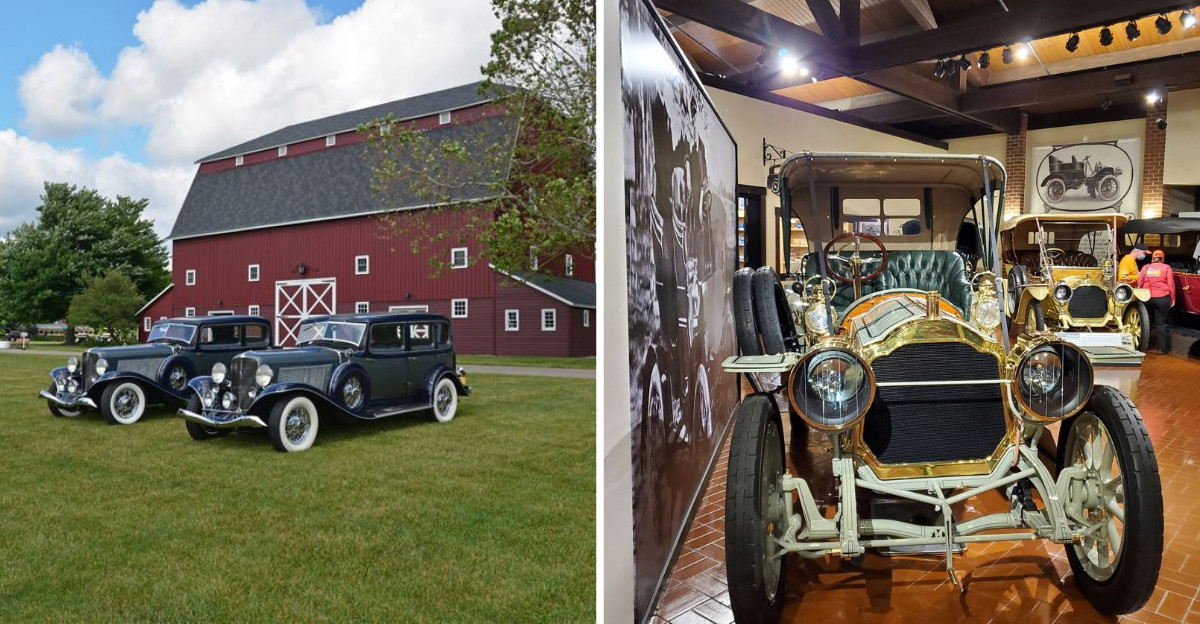
Even people who do not know much about cars can spend hours here without getting bored.
In Michigan, this enormous museum campus uses vintage vehicles, old dealerships, a historic gas station, period buildings, music, and recreated settings to show how driving culture changed over time.
That makes the collection feel much more alive than a simple row of polished cars.
You can move through different eras and actually sense the change in design, advertising, and everyday life.
Car enthusiasts will have plenty to study, but casual visitors get just as much from the atmosphere.
Give yourself more time than you think you need. This is not the kind of museum that works well at a sprint.
How A Pierce-Arrow Started Everything
It all began with one man, one old car, and a garage on Gull Lake. Donald S. Gilmore started restoring a 1920 Pierce-Arrow in the early 1960s.
That single project grew into a collection too large for any home. He bought 90 acres of southwestern Michigan farmland to hold it all.
His wife, Genevieve, made the suggestion that changed everything. She proposed turning the private collection into a public museum, protected by a non-profit foundation.
The doors opened on July 31, 1966, with just 35 carefully chosen automobiles. Today the museum reports 435 unique vehicles, with more than 400 vehicles on display and a total collection exceeding 500.
Growth has never really stopped here. Since 2004, more than 15 million dollars has gone into campus improvements and new buildings.
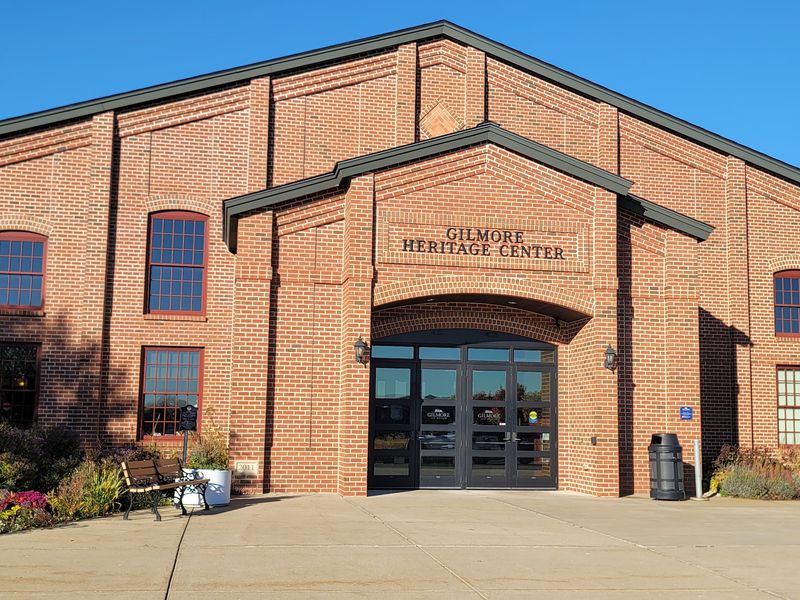
The Gilmore Automotive Heritage Center arrived in 2012, and it was a big deal. That addition let the museum stay open all year instead of closing for winter.
The scale of today’s campus makes its origin especially striking: a restoration hobby that began with cars including a 1920 Pierce-Arrow eventually grew into a 90-acre museum.
You will find the Gilmore Car Museum at 6865 Hickory Rd in Hickory Corners.
Red Barns And Roadside Americana
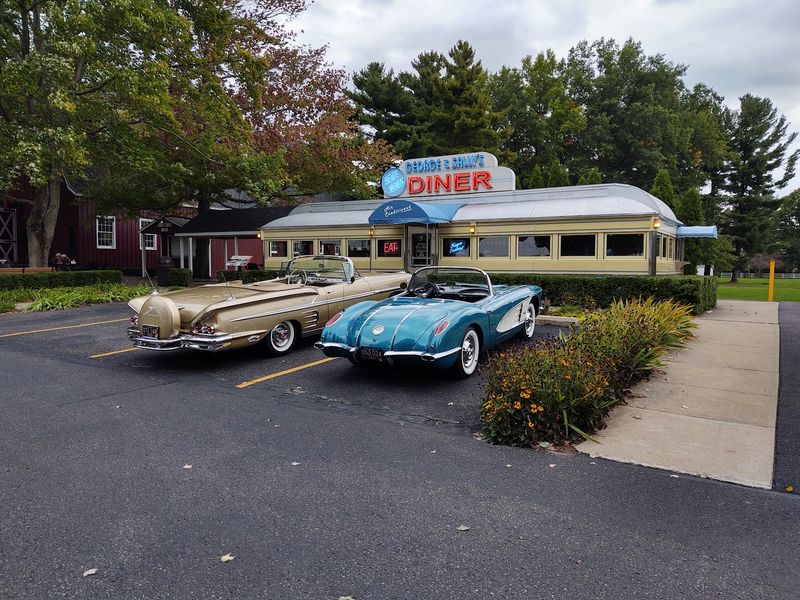
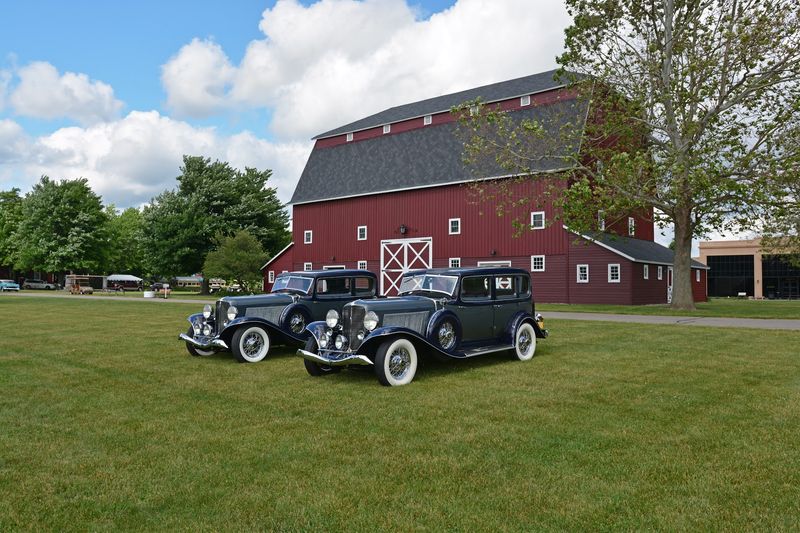
Forget the idea of one big warehouse full of cars. The campus is laid out like a small village built around automotive history.
Over a dozen historic buildings sit on the property. Many are restored 19th-century barns, painted deep red and impossible to miss from the road.
The recreated 1930s Shell station is one of the campus’s most distinctive period settings, filled with historic pumps, signs, and service-station memorabilia.
Nearby stands George and Sally’s Blue Moon Diner, an authentic 1941 Silk City diner. It was moved here all the way from Meriden, Connecticut.
An 1890s train depot rounds out the scene. Together, these structures make the grounds feel like a preserved slice of American roadside life.
The landscaped 90-acre campus includes nearly three miles of paved roadways, while accessible facilities and mobility assistance are available for visitors who need them.
Photographers, bring extra storage. Between the barns, the depot, and the gas pumps, the exterior alone can eat an hour of your visit. Michigan farmland surrounds it all, with corn fields just beyond the fence line.
Nearly 400 Cars, One Timeline
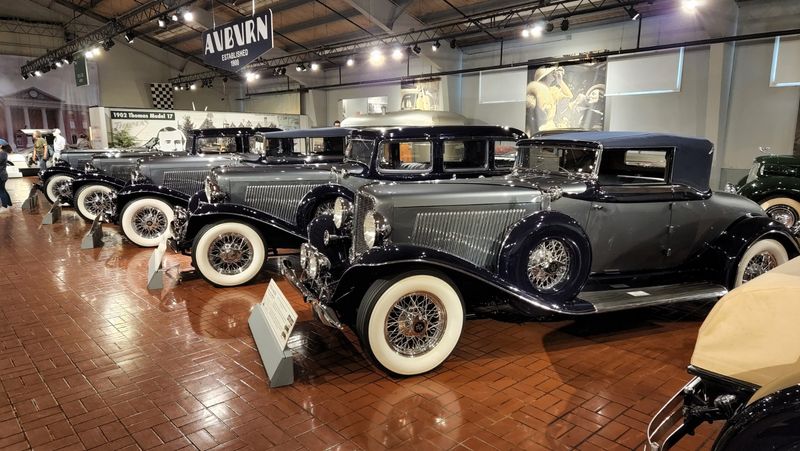
The museum currently reports roughly 218,000 square feet of exhibit space, making a quick visit difficult if you want to see the collection properly.
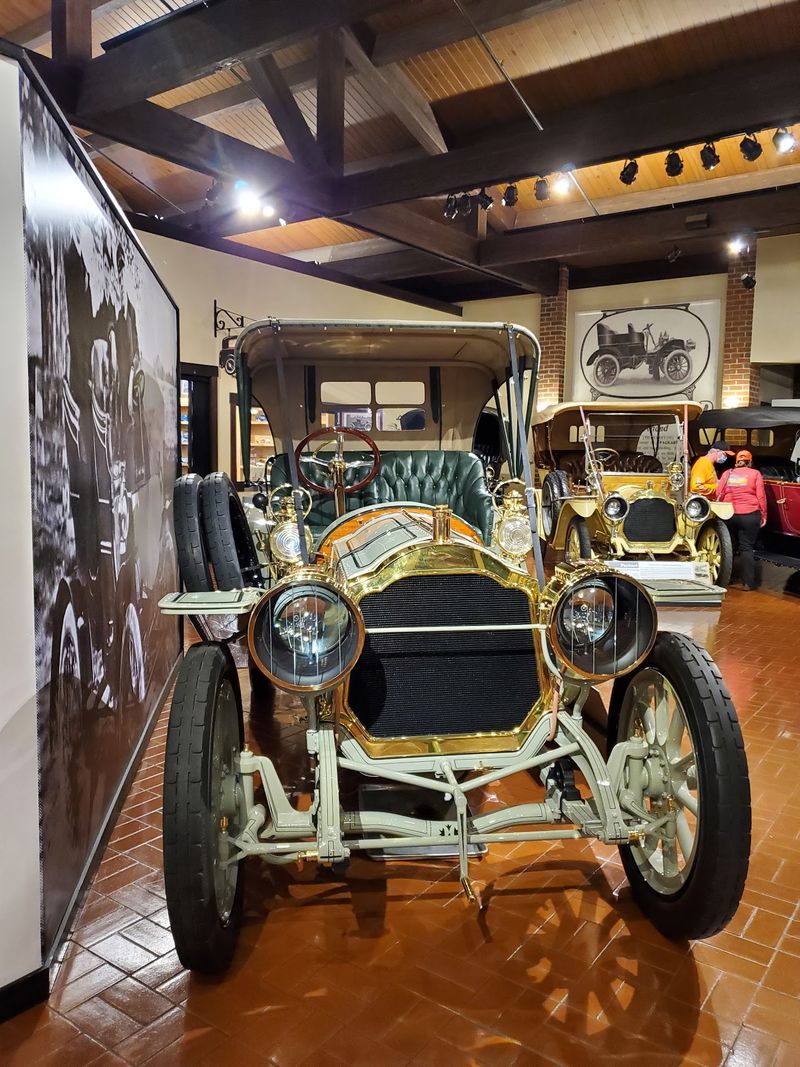
More than 400 vehicles are displayed across the campus, with galleries and exhibits using different themes, eras, brands, and historical stories to organize the collection.
You start with pioneering horseless carriages from the late 1800s. Then come the elegant 1920s and 1930s machines, followed by flashy 1950s and 1960s designs.
Born to Perform was an earlier temporary exhibit rather than a current permanent gallery. In 2026, major exhibits include Defined by Design and GM Motorama Marvels.
Standouts include an 1899 steam-powered Locomobile and a 1930 Rolls-Royce. That Rolls appeared in the 1967 Disney film The Gnome-Mobile and was donated by Walt Disney himself.
Racing cars, trucks, taxis, and bare engines fill in the gaps. Each one has a story card worth reading.
Smaller treasures fill the display cases too. The Classic Car Club of America Museum holds more than 700 automotive mascots, while Gilmore’s wider mascot and name-badge displays include more than 1,500 items.
Give yourself plenty of time at the Gilmore Car Museum. The museum itself recommends allowing roughly four to six hours to explore.
Step Inside Vintage Dealerships
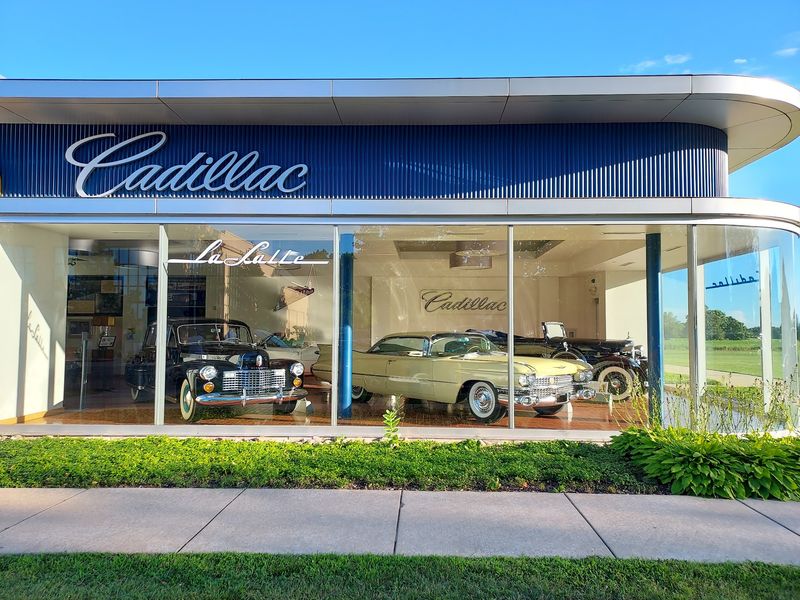
Recreated dealerships are among the campus’s most distinctive exhibits, with period settings representing Franklin, Model A Ford, Lincoln, and Cadillac.
A 1918 Franklin dealership shows how air-cooled cars were once sold. A 1928 Model A Ford dealership captures Ford at its peak of popularity.
Then there is the 1948 Cadillac dealership, all postwar optimism and polished tile. I half expected a salesperson to hand me a brochure.
Partner museums add even more depth to the property. The Classic Car Club of America Museum sits here, along with the Pierce-Arrow Museum.
You will also find the H.H. Franklin Collection and the Model A Ford Museum. The Cadillac-LaSalle Club Museum is also on campus, while its current Research & Reading Room is located separately in Dexter, Michigan.
Lincoln fans get their own building, the Lincoln Motorcar Heritage Museum. Each partner focuses on one marque, so the detail level is impressive.
Visiting these clustered museums in one trip is unusual anywhere in the country. Normally you would drive across several states to see this much brand-specific history.
Ride Along Or Take The Wheel
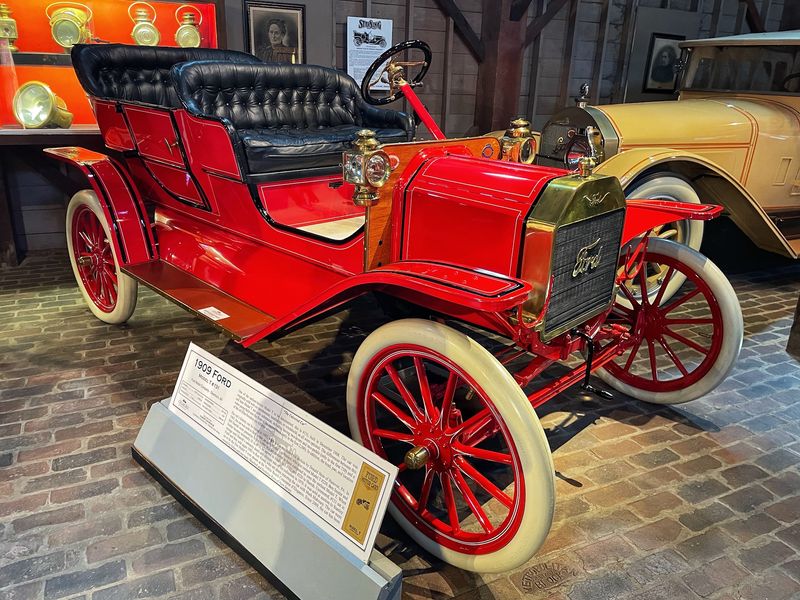
Looking at cars is fun. Riding in one is better, and this campus lets you do both.
The Model T Driving Experience runs on selected class dates, with the 2026 schedule extending from June into October and including two September sessions.
Visitors who prefer to ride can join the museum’s Vintage Rides program, offered Tuesday through Friday from May through September, weather permitting.
Rotating exhibits keep repeat visits interesting. Recent and upcoming displays have included GM Motorama Marvels from the Joe Bortz Collection and Defined by Design, covering 120 years of car styling.
Another display, Hidden Treasures, tells the stories of classic cars concealed during wartime. It is quieter and more thoughtful than you might expect.
The Driving into History exhibit, created by the Merze Tate Explorers, blends storytelling and visual media. It highlights contributions of Black women who shaped the 20th century.
Slot-car racing and other hands-on automotive activities appear in the museum’s family programming, though availability varies by event and date.
Cruise-Ins, Bikes And Model A Days
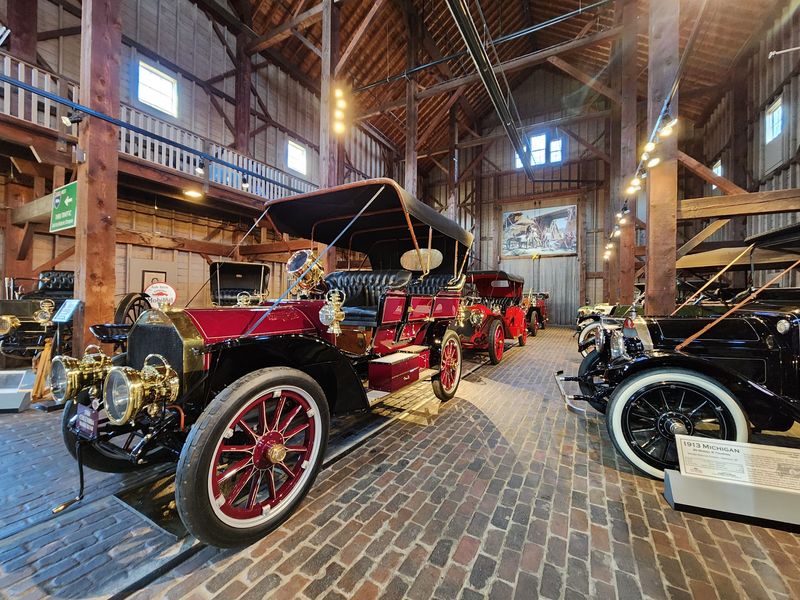
Show up on a Wednesday evening between May and October and the lawn transforms. Cruise-Ins bring out classics, show cars, and everyday drivers alike.
Live music plays while people wander between rows of parked beauties. It is casual, friendly, and free of pretense.
September gets busy in the best way. Vintage Motorcycle Weekend features scenic ride-outs through West Michigan, minibike races, restoration displays, a swap meet, and a full motorcycle show.
Ford Model A Days lands in the same month. Expect technical seminars, a parts swap meet, fashion showcases, and expanded Model A Ford Museum exhibits.
Cadillac LaSalle activities give that marque its own spotlight. Specialty shows fill out the calendar, including the RPM Muscle Car Meetup, The Euro, and the Red Barns Spectacular.
Family programming changes from year to year. For 2026, the current calendar includes hands-on family activities and a Trunk-or-Treat event scheduled for October 21.
Cooler months bring the Winter Lecture Series, with talks on all sorts of automotive topics. I like that the schedule never truly goes dormant.
Teaching Teens To Build Things
Museums preserve the past, but this one also builds futures. A high school mentoring program called Gilmore Garage Works operates right on the property.
Students get hands-on instruction in welding, painting, and metal fabrication. Real tools, real projects, real skills.
The goal is practical: introduce young people to careers in the automotive industry. Craftsmanship like this needs new hands to carry it forward.
The campus holds extensive automotive archives and a dedicated research facility, though the museum currently states that its library and research facility are not open to the general public.
The museum offers dedicated K–12 educational visits and programs designed to connect students with automotive and social history.
Speaking of volunteers, they are one of the best parts of the visit. Many are lifelong enthusiasts happy to explain how a particular engine worked.
Educational exhibits and programs help explain the progression from vehicles such as Ford’s Model T to the later Model A and other major milestones in automotive history.
Education programs like these show why the Gilmore Car Museum matters beyond its shiny displays. It quietly invests in the next generation of mechanics, restorers, and historians across Michigan and beyond.
Best Seasons, Diner Pie, Easy Access
Timing shapes your experience here more than you might guess. Summer and fall bring outdoor shows, Model T rides, and a fully buzzing campus.
George and Sally’s Blue Moon Diner currently operates April 1 through November 2, from 11 a.m. to 4 p.m. Monday through Friday and 11 a.m. to 5 p.m. Saturday and Sunday.
During Wednesday Cruise-Ins, food service continues as part of the 5 to 8 p.m. event. Order the pecan pie. The 1941 setting makes it taste even better.
Winter visits remain possible, but many historic outer buildings close from December through March while the Automotive Heritage Center and connecting galleries remain open.
Seasonal programs include the Winter Lecture Series and Winter Wonderland.
Getting here is straightforward. The campus sits midway between Detroit and Chicago, with easy access from I-94 and US-131.
Kalamazoo, Grand Rapids, Battle Creek, and Lansing are all short drives away. Parking is free, with handicap accessible spaces near the entrances.
The museum is accessible and provides elevators to second-floor exhibits, a limited number of free loaner wheelchairs, and mobility scooters available for a daily rental fee on a first-come basis.