Locals Say This Indiana Hill Town Has Become Almost Too Popular For Its Own Good
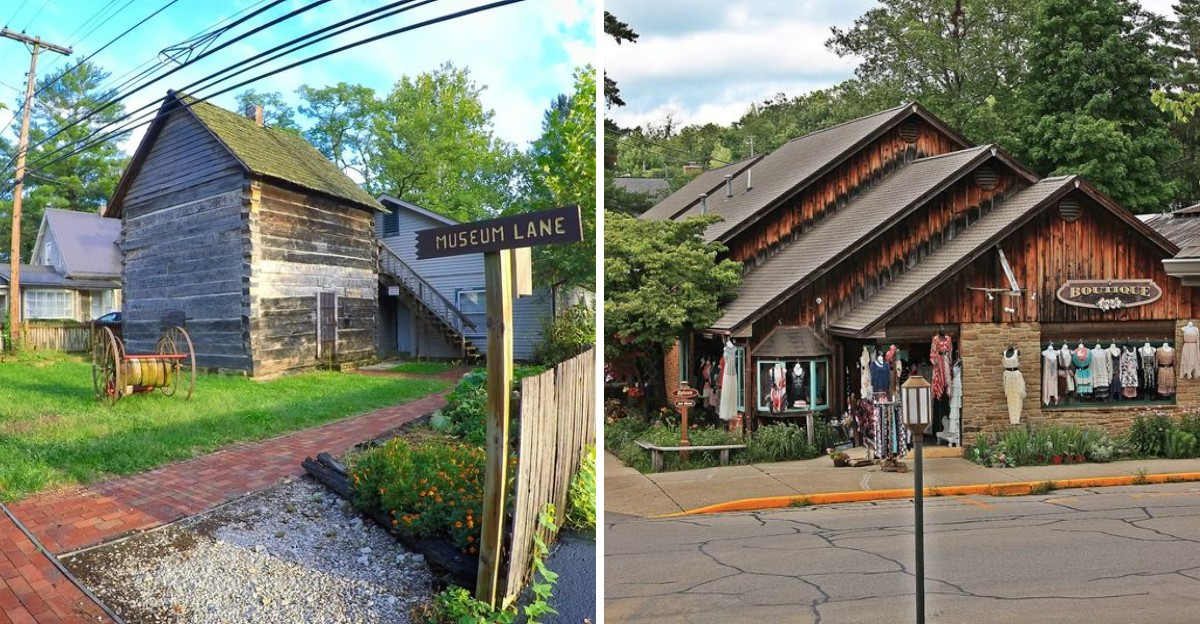
I asked a gas station clerk for directions and got a warning instead. “It gets crowded up there,” she said, like that should scare me off. It didn’t.
The road climbed through hills thick with trees, and I had no idea what waited at the top. Then the crowds appeared, packed sidewalks, galleries, ice cream lines wrapping around corners.
A tiny hill town, somehow busier than towns five times its size. Indiana hides plenty of quiet corners, but this one stopped being quiet years ago.
Locals joke about it, some proudly, some not so much, but everyone in this state seems to know its name. I spent an afternoon wandering, eating too much ice cream, and understanding exactly why people keep coming back for more.
A Hill Town That Wears Its Art On Its Sleeve
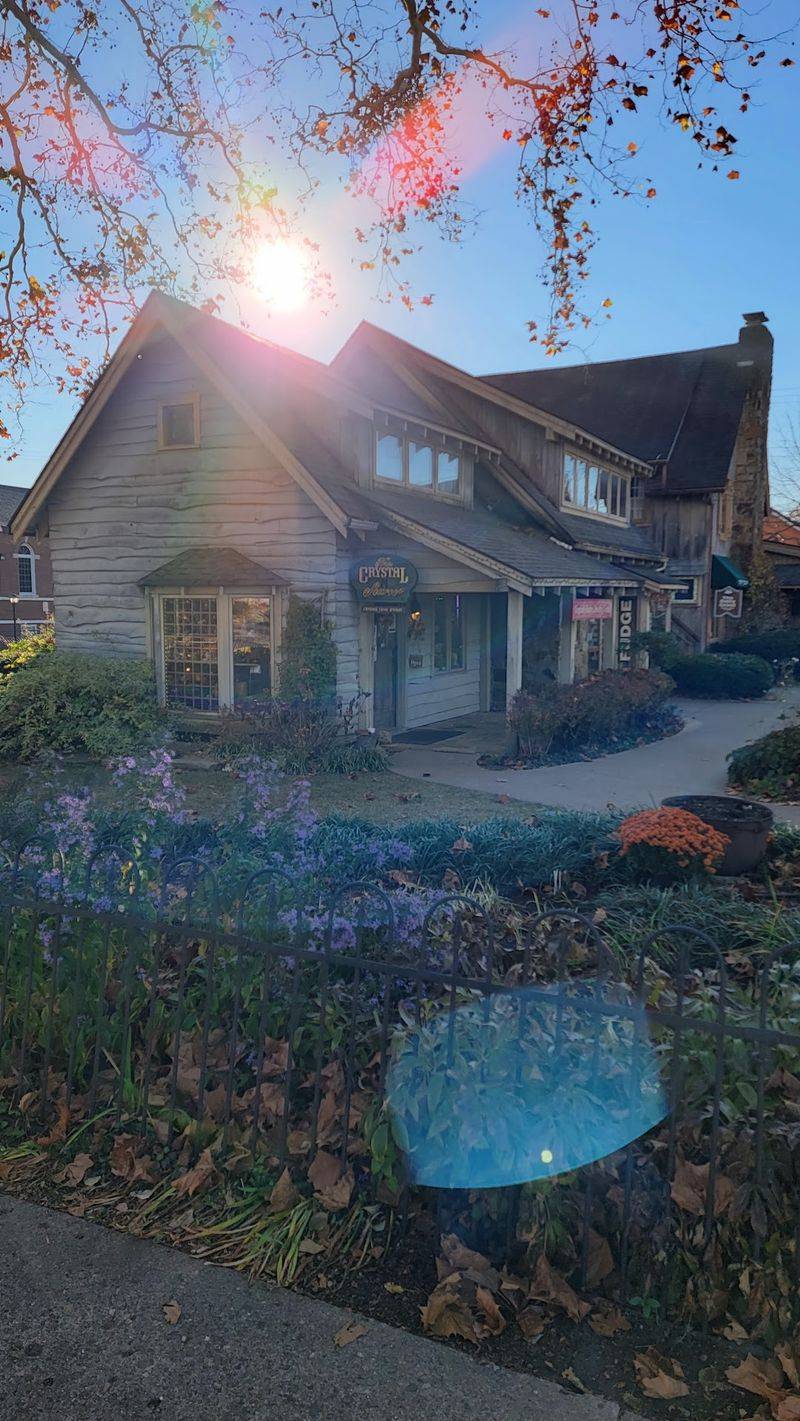
Art colonies usually sound like something from a history book. Here, the paint never really dried.
The Brown County Art Colony formed back in 1907, and the creative streak never left. Galleries sit beside craft shops, and hand-lettered signs still outnumber corporate logos.
Painters came for the light and the folds of the hills. Their students stayed, taught, and passed the habit along.
Today you can browse regional work at the Brown County Art Gallery without paying a dime to look. The rooms feel more like a neighbor’s living room than a museum.
What surprised me most was how casual it all feels. Nobody whispers, and nobody rushes you along.
You can also browse regional artwork at the Brown County Art Guild at 48 South Van Buren Street. Local artisans stock the shelves, so no two visits look quite the same.
Bring cash if you fall for something small, since a few booths prefer it. Prices swing widely, from pocket-change trinkets to serious framed canvases.
All of it explains the nickname folks use: the Midwest art colony. That reputation belongs to Nashville, Indiana.
Two Million Visitors And Counting
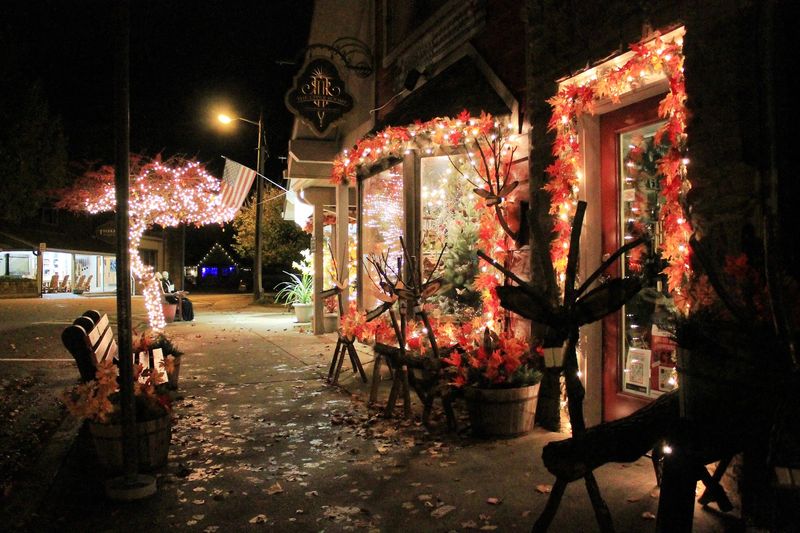
Popularity has a sound, and here it is car doors closing. Nashville and the surrounding Brown County area draw large numbers of visitors, especially during the fall season.
That number lands on a town small enough to cross on foot in minutes. Parking lots fill early on fall weekends, and side streets turn into puzzles.
My advice is simple. Arrive before ten in the morning, especially in October.
Weekday visits feel like a different world entirely. Shop owners chat, sidewalks breathe, and photos come out without strangers in them.
Traffic on the main approach roads can crawl during peak leaf season. Patience helps more than any shortcut you might find online.
The crowds are not all bad news, though. Steady visitors keep small businesses alive in a town with a tiny year-round population.
Spring and midsummer offer a friendlier balance. Greenery replaces gold, and you still get the shops without the bumper-to-bumper crawl.
Winter has its own quiet charm, with fewer people and cozy storefronts. Some shops keep shorter hours then, so check before driving out.
Plan your timing, and this place rewards you generously.
The Little Smokies Right Outside Town
Indiana gets teased for being flat. Brown County State Park politely disagrees.
Over 15,000 acres of rugged ridges earned it the nickname the Little Smokies. Morning fog settles between the hills and makes the comparison obvious.
Trails range from easy strolls to genuine leg-burners. Sturdy shoes matter more here than in most Midwest parks.
Wildlife watching is quietly excellent if you stay patient. Deer, wild turkeys, and hawks show up often near dawn and dusk.
Scenic overlooks let you see color spread across the ridgelines. October turns the whole view into a bowl of orange and gold.
There is an entrance fee per vehicle, so bring a card or cash. An annual state park pass pays off fast if you return.
Horseback riding, mountain biking, and fishing all have their own corners here. Families often stick to the shorter loops near the nature center.
Pack water, because trail options tempt you into walking farther than planned. I underestimated the hills and regretted my one small bottle.
The park alone justifies the drive, crowds or not.
Antique Alley And Van Buren Street Wandering
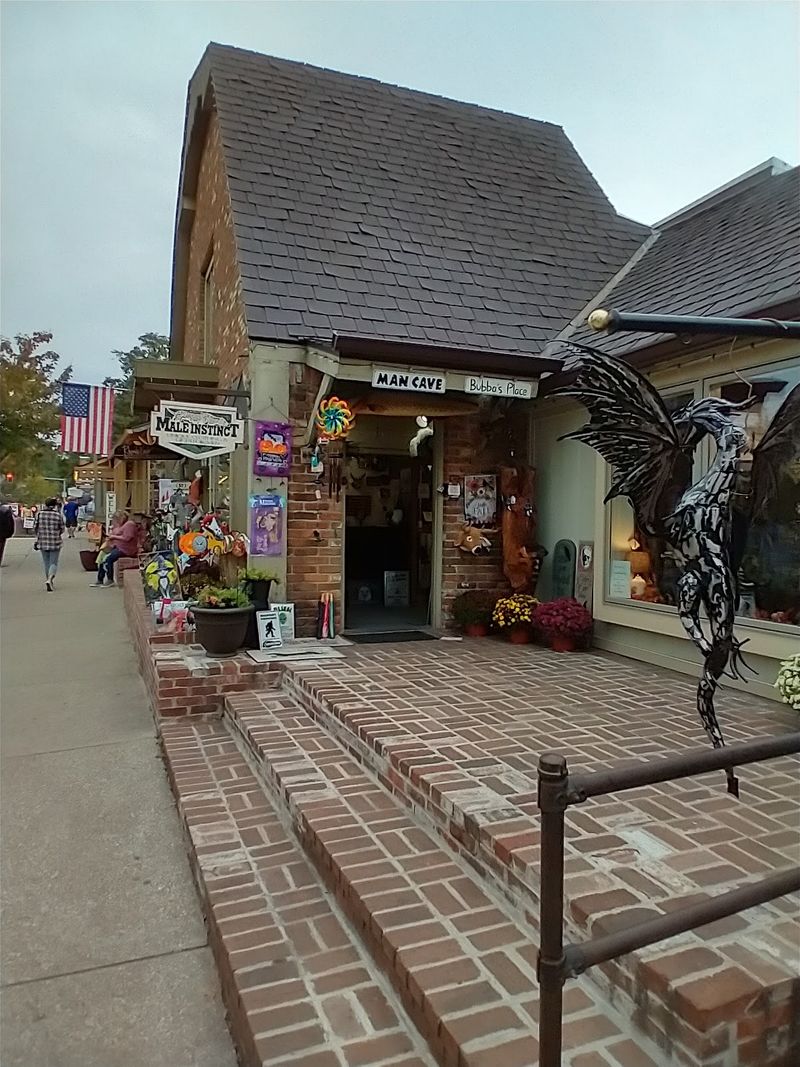
Shopping here is less errand, more treasure hunt. Storefronts lean, creak, and invite nosiness.
Antique Alley and Van Buren Street hold the densest cluster of small shops. Wooden porches connect them like a village built for browsing.
Inside, you find pottery, quilts, candles, leather goods, and stacks of old books. The mix changes as shops rotate through the seasons.
Some stores still lean fully handmade. Others carry imported goods that look similar to what you would find anywhere.
Longtime visitors notice that shift, and it stings a little. Ask where an item came from, and honest shopkeepers will tell you straight.
My favorite finds came from the smaller, cluttered shops. The ones with narrow aisles usually hide the good stuff.
Wear comfortable shoes, since sidewalks rise and dip with the terrain. Strollers can be tricky on the older wooden walkways.
Set a budget before you start, because small purchases add up quickly. I walked out with three things I absolutely did not need.
Browsing slowly is the whole point.
Cherry Cokes At A Corner Institution
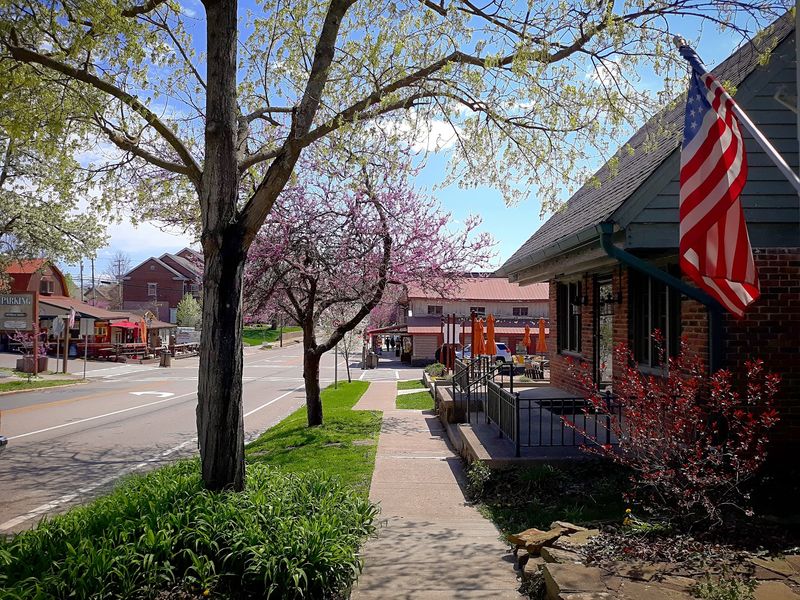
Old buildings feed people better when they keep their bones. HobNob Corner proves the point daily.
It stands as one of the oldest restaurants in town, sitting right at a busy corner. The building itself has served the community for generations.
A classic cherry coke arrives fizzing and sweet, poured the old-fashioned way. Simple, yes, but it tastes better than the canned version.
Breakfast pulls a steady line on weekends. Arriving early beats waiting on the sidewalk with everyone else.
The dining room keeps a homey feel with wood, windows, and steady chatter. Nothing about it tries to be trendy.
Sandwiches and soups anchor the lunch menu. Portions land on the generous side, which suits a day of walking hills.
Service moves at small-town pace, so leave the tight schedule in the car. That slower rhythm is honestly part of the appeal.
Seating fills fastest between eleven and one. Late lunch around two usually gets you a table without much fuss.
It remains a dependable stop in a town full of options.
Persimmon And Black Walnut Ice Cream
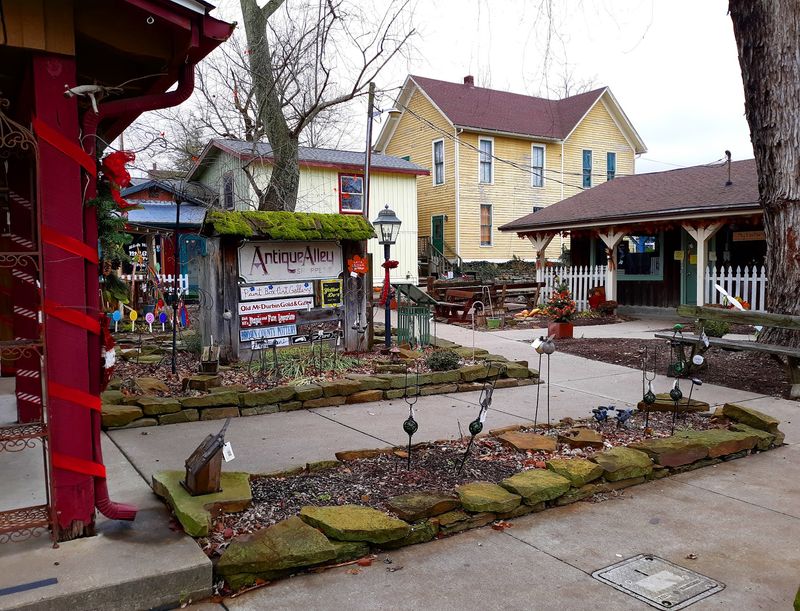
Persimmon ice cream sounds made up until you taste it. Then it makes complete sense.
Miller’s Ice Cream House has been serving homemade ice cream in Nashville since 1977. Both taste like Indiana in a cone.
Persimmon runs mellow and honey-sweet, almost like pumpkin’s softer cousin. Black walnut brings a bolder, earthy bite.
If you cannot commit, ask for a small sample first. Most folks who try persimmon end up ordering it.
Lines stretch longest on warm afternoons. A late-evening cone means less waiting and better lighting for photos.
Ordering two small scoops beats one large if you want variety. Sharing works too, though I recommend against relying on your family’s generosity.
Persimmon has deep roots in southern Indiana cooking, especially in puddings. Seeing it in ice cream feels like a natural extension.
Prices stay reasonable compared to big-city shops. That alone makes the stop worth it.
Eat it outside and watch the sidewalk parade go by.
Where T.C. Steele Found His View
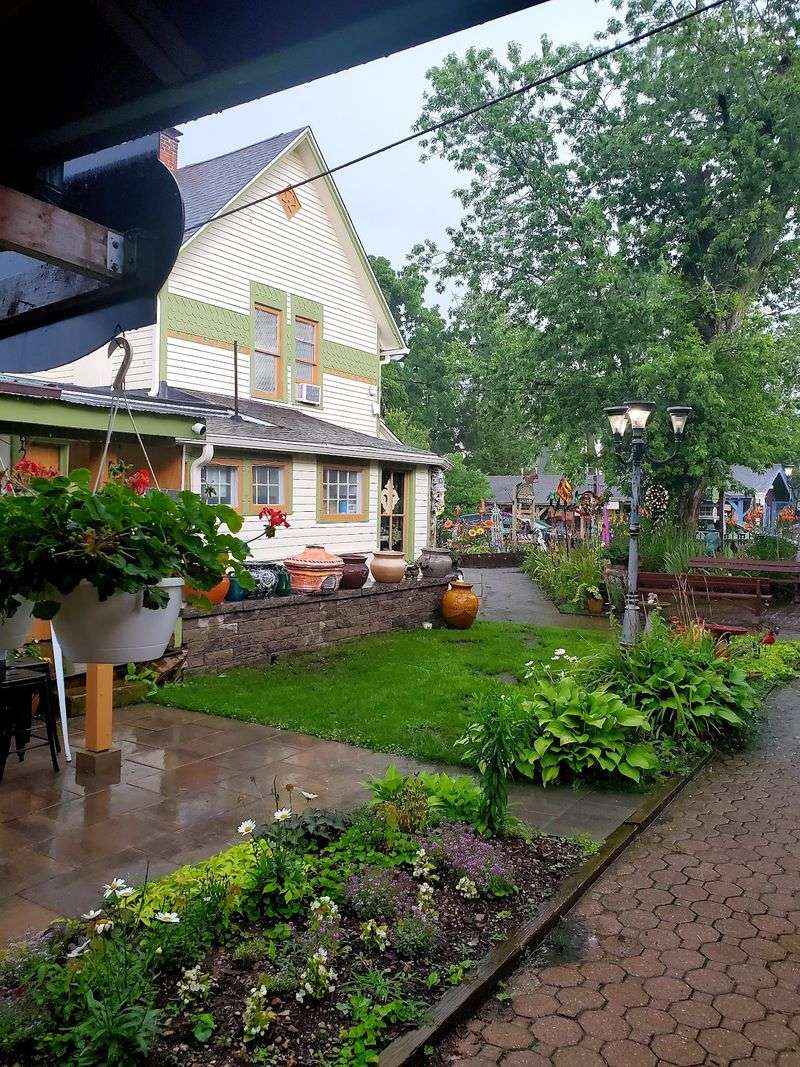
One painter changed the destiny of an entire county. His name was T.C.
Steele.
The T.C. Steele State Historic Site preserves his former home, studio, and gardens.
Paintings hang where he actually made them.
He came for the light falling across the wooded ridges. Other artists followed, and the colony took shape around that pull.
Walking the grounds explains the appeal faster than any plaque. The hills stack up behind the house like layered scenery.
Gardens bloom through the warmer months and draw photographers constantly. Short trails connect the buildings and viewpoints.
The site sits outside the main shopping area, so driving is necessary. That distance also means smaller crowds.
Guided tours run seasonally and cover his life and technique. Check hours ahead, since schedules change through the year.
Kids usually enjoy the outdoor space more than the indoor rooms. Plan on a mix of both to keep everyone happy.
Understanding this site makes the galleries downtown click into place. Suddenly the whole art scene has a starting point.
Log Cabins, Old Jails, And Pioneer Days
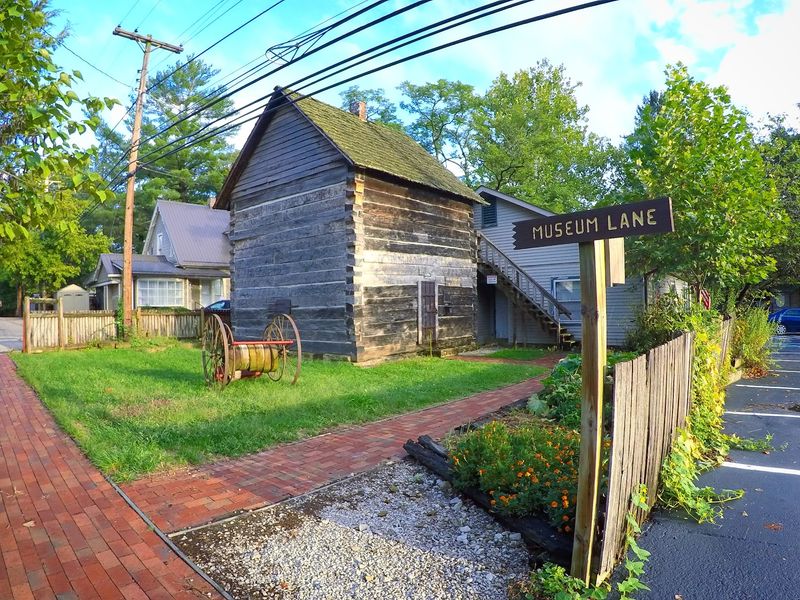
Before galleries arrived, this hill country ran on axes and grit. Brown County Pioneer Village keeps that story standing.
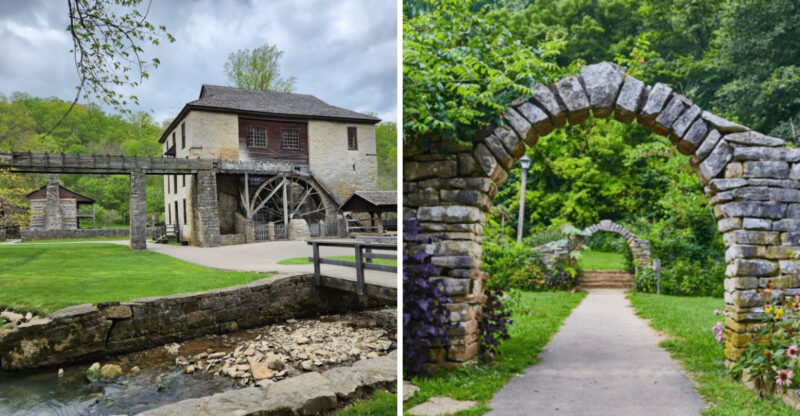
Restored buildings cluster together, including the Old Log Jail. Thick timber walls show exactly how solid frontier construction was.
Smaller structures hold tools, furniture, and everyday objects from early settlers. Details like hand-cut notches tell you how much work went into each wall.
The scale surprises visitors most. Rooms feel tiny compared to modern homes.
Hours run seasonally, usually during warmer months. Volunteers often staff the site and share stories with anyone who asks.
Photographers love the weathered wood against green summer trees. Morning light works best on the eastern-facing cabins.
Combining this stop with the art sites builds a fuller picture. You see hardship first, then the beauty that artists later celebrated.
Admission tends to be modest or donation based. Bring a few dollars just in case.
It only takes thirty or forty minutes to explore. That makes it an easy addition to a packed day.
Making Peace With The Popularity
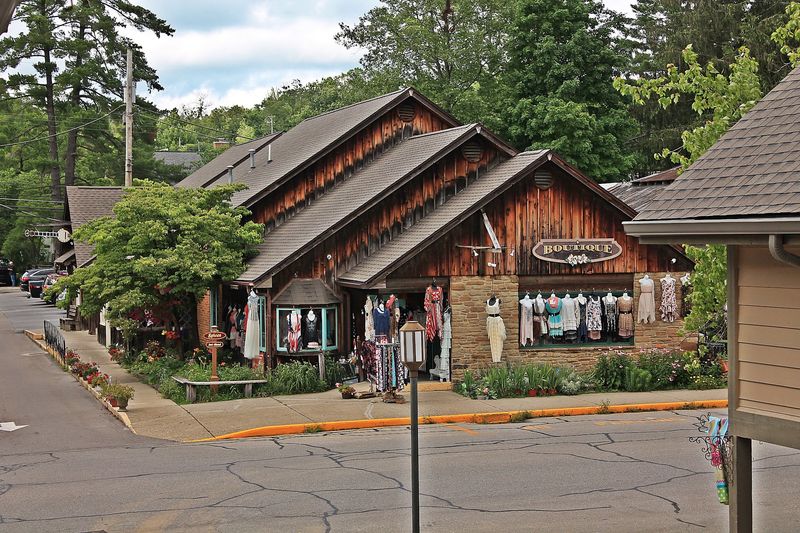
Success can crowd a small place. Two million annual visitors leave a mark.
Some longtime fans miss the quieter days of purely handcrafted shops. A few newer stores stock mass-produced items that dilute the original character.
Still, the good parts remain firmly in place. Galleries, forests, historic sites, and family-run kitchens have not disappeared.
The trick is choosing when and how you visit. Weekdays, early mornings, and shoulder seasons change everything.
Spending money at the genuinely local shops helps preserve what makes the area special. Ask questions, and support the makers directly.
Spreading out also helps enormously. The state park and outlying historic sites absorb crowds better than the main streets.
The town sits in Washington Township, Indiana, in the 47448 zip code. Getting there means winding roads and pretty views regardless of direction.
I left thinking the popularity is earned, not accidental. Beautiful hills and real artistry attract people for good reason.
Come with flexible timing and open curiosity. That mindset turns a busy destination back into a delightful one.