Kentucky’s Oldest Apple Orchard Still Presses Cider Like It’s The 1950s
Six generations is a long time to stay in one line of work. Most family businesses do not make it past the third before somebody decides they want to go be a dentist.
This one in Kentucky kept going. Same ground, same river bend, same stubborn commitment to growing things and then pressing them into something you can drink.
You will smell it before you see it. Cider has a way of announcing itself, and the room where it happens is not hiding at the back of anything.
Picture the apples going in whole and coming out as something worth driving for. That is roughly the whole operation, and it has not needed improving.
The farm sits along the Ohio, which means the view costs nothing extra. Bring a cooler and more optimism than trunk space.
You will tell yourself one jug is plenty. You will be wrong about that.
A Farm That Has Outlasted Almost Everything Around It
Longevity is rare in farming, and McGlasson Farms has plenty of it.
Henry and Elizabeth McGlasson settled the property back in the 1860s. The log cabin they built still stands, wrapped inside the farmhouse that grew around it.
Six generations have kept the place going since then. That is not a marketing slogan, that is a family stubbornly refusing to sell out.
What makes the setting stranger is how close development creeps nearby. Drive a few minutes and the landscape shifts, yet the farm keeps its quiet, remote feel.
You get river bottom soil, long rows of fruit trees, and views that stretch further than expected. Kids notice it right away, because there is nothing to distract them except dirt and fruit.
Ten acres of apples anchor the whole operation. Many are heirloom varieties, the kind grocery chains stopped bothering with decades ago.
Plan your first visit as a slow one. Walk the fields, look at the old buildings, and let the place explain itself.
History tastes better when you can eat it.
The land here has been worked for more than 150 years, and you will find it at 5832 River Rd, Hebron, Kentucky.
Fresh-Pressed Cider Is A Fall Favorite
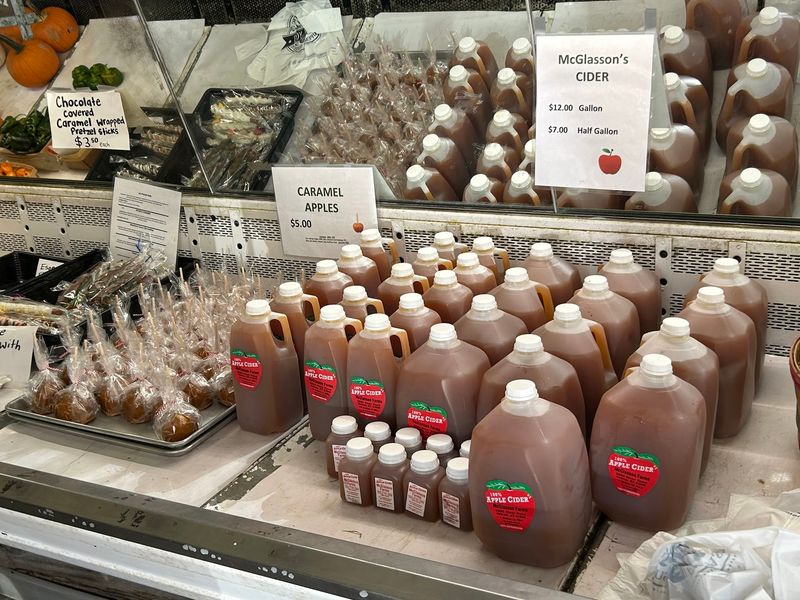
Most cider today comes from enormous machines nobody ever sees. Here, the press is a rack and cloth hydraulic model, the same basic design farms used generations ago.
Apples get washed first, then ground into a coarse pulp. That pulp is spread onto cloths, folded, and stacked between wooden racks.
Pressure does the rest. Juice runs out amber and cloudy, carrying every bit of flavor the fruit had.
The cider is unfiltered, which is exactly why it looks and tastes different. That slight haze is fruit solids, not a flaw.
Customers regularly call it the best cider they have had, and the apple cider comes up constantly in reviews. That reputation did not happen by accident.
Buy more than one jug. The first one rarely survives the drive home in one piece.
Chill it hard and drink it cold, straight from the fridge. Warm cider is fine, but cold cider is the reason people keep coming back every fall.
Heirloom Apples You Cannot Buy At The Supermarket
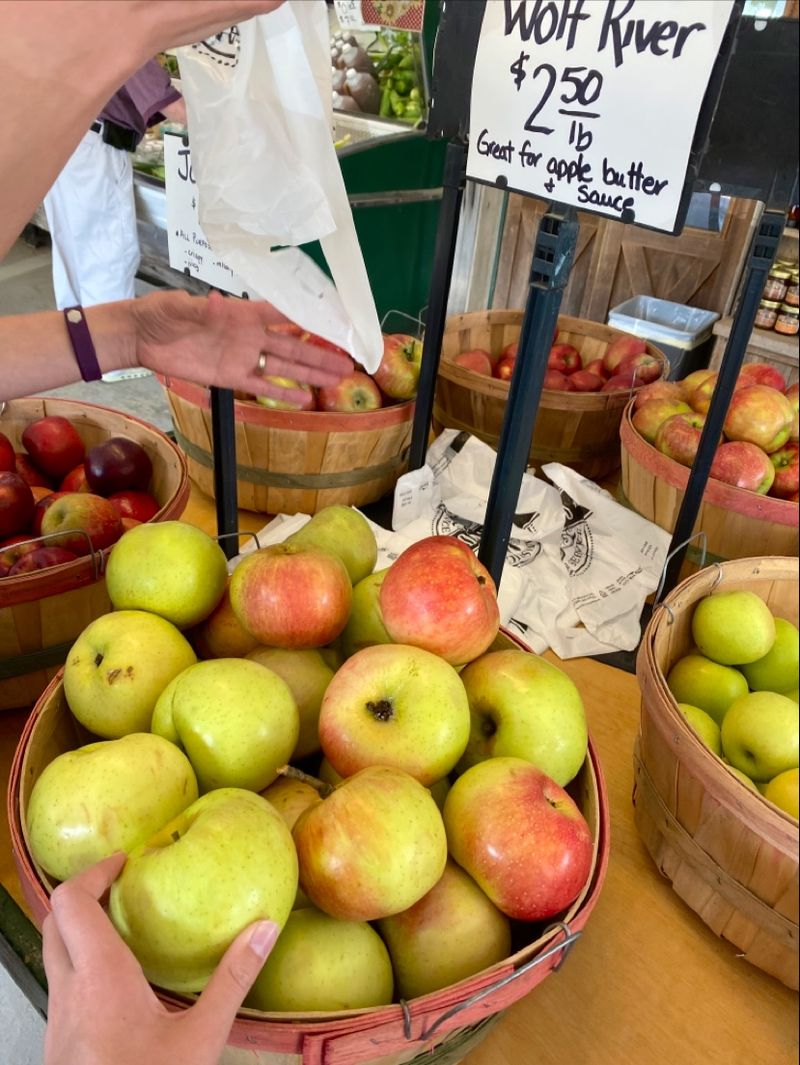
Ten acres of apple trees sounds modest until you walk them. Rows stretch out, branches hang low, and the fruit comes in shapes supermarkets would reject on sight.
Heirloom varieties are the whole point. They bruise easier, ship worse, and taste dramatically better.
Visitors regularly note how different the apples taste compared to store fruit. Sharper, more aromatic, sometimes almost floral.
Fall is prime time, and apple picking is one of the most talked about activities here. Families arrive with empty bags and leave with sore arms.
Half bushel u-pick bags are the standard, and a full bushel of picked apples has run around thirty dollars. That math works out well when you plan to bake.
Speaking of baking, heirlooms shine in pies. They hold shape, balance sweetness, and do not turn to mush.
Ask staff which trees are ready before you start picking. Rows ripen at different times, and the good stuff moves fast.
Bring a toddler if you have one. Their first real orchard apple is usually followed by a look of total betrayal toward every apple they ate previously.
Pick low, pick often, and taste as you go. That is the whole strategy.
Strawberries That Ruin Grocery Berries Forever
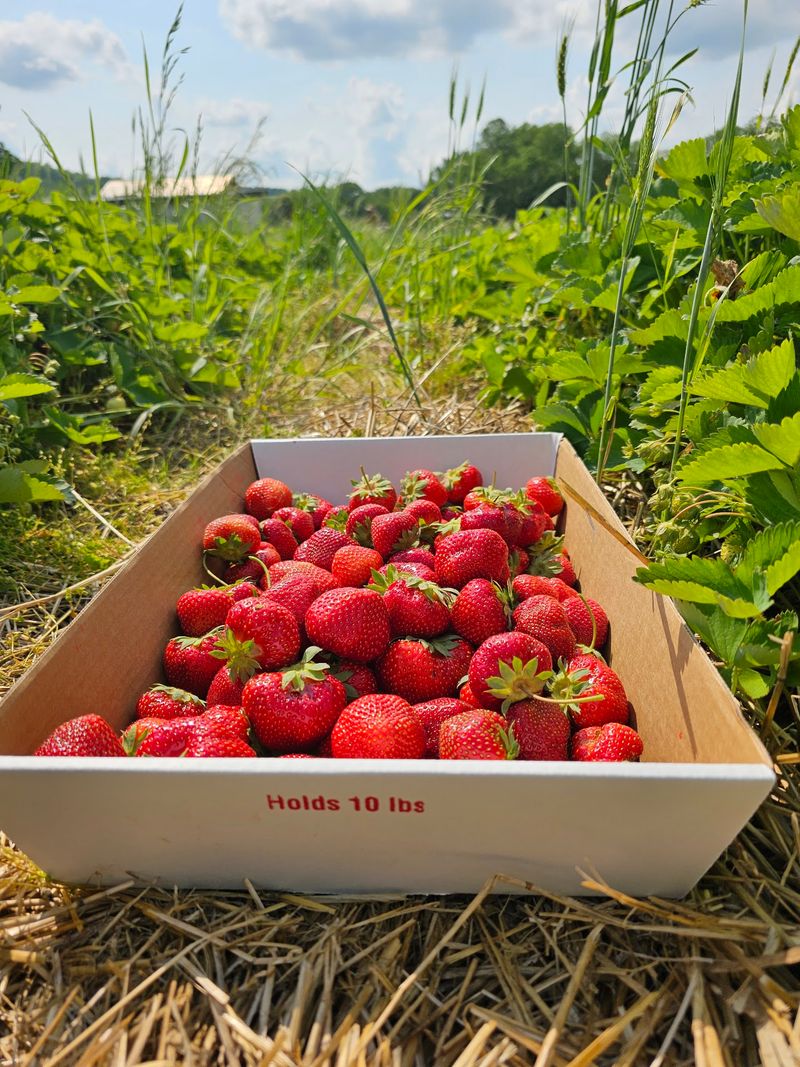
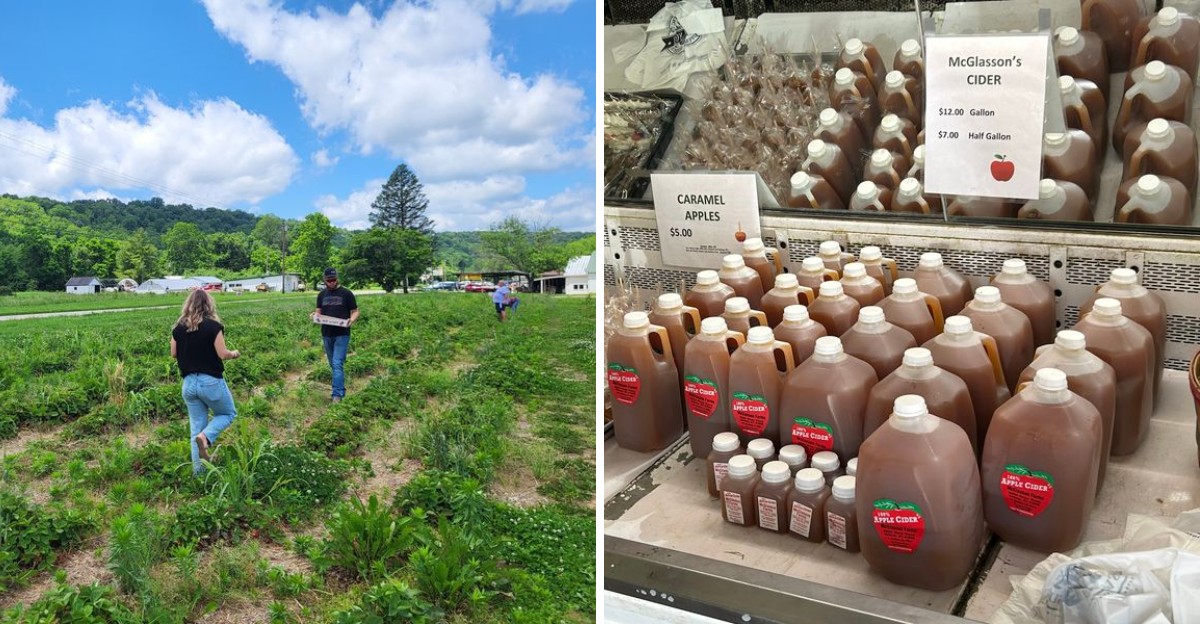
Spring belongs to the strawberries. Rows grow in neat lines surrounded by clover, low to the ground and packed with fruit.
Berries here are sold by the pound, and containers are provided at the stand. Ten pound containers are common, which sounds ambitious until you start picking.
Size can fool you at first glance. These berries are not the enormous pale ones you see stacked in plastic clamshells.
Flavor is where they win. Deep red all the way through, sweet without that watery grocery aftertaste.
Timing matters more than anything. Early in the picking season gives you the best selection and the heaviest rows.
Crowds show up, but the fields are wide enough that families spread out comfortably. Nobody is fighting over a single row.
Strawberry picking is one of the top activities mentioned by visitors, and repeat customers treat it as an annual tradition. Some families have been coming for years.
Wear shoes you do not mind staining. Kneeling in a berry row is part of the experience.
Eat a few while picking, obviously. Consider it quality control, performed thoroughly and with enthusiasm.
Get them home, wash them, and taste one plain. That is when the grocery store officially loses you.
Peaches, Blueberries, And Blackberries Fill The Summer Gap
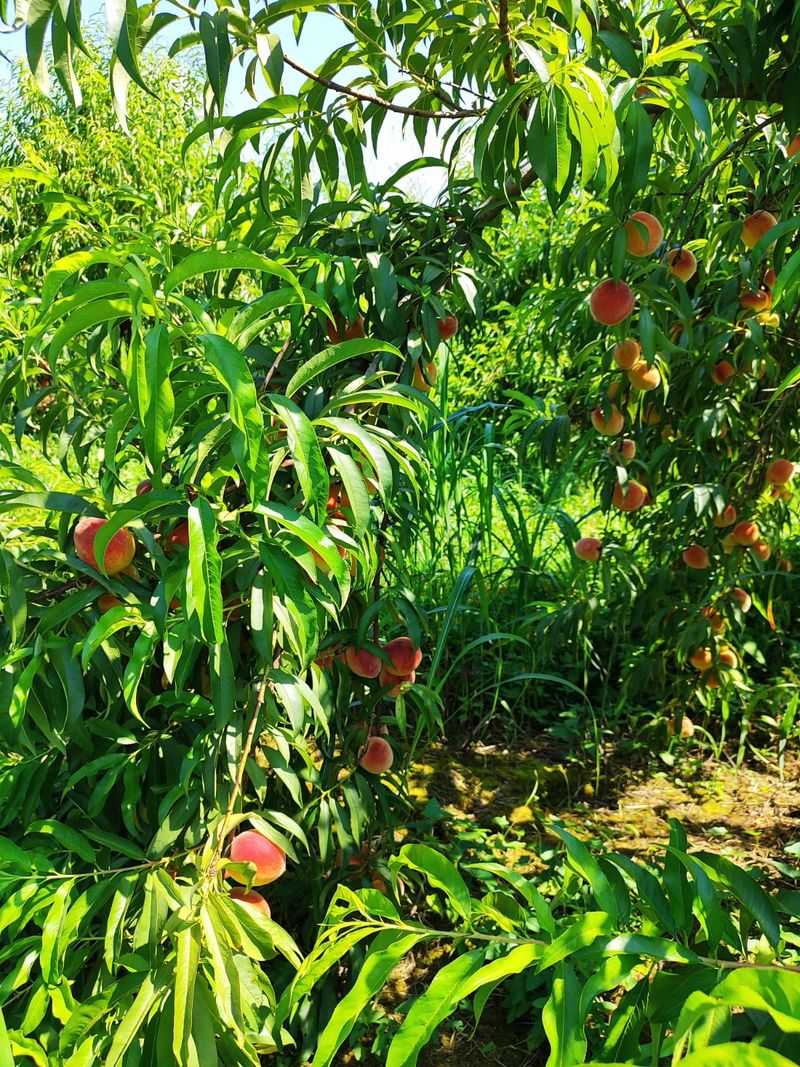
Summer keeps the fields busy long before apple season starts. July brings blueberries, blackberries, and peaches all at once.
Peaches grow on a hillside, and reaching them means a walk uphill. Bring water, especially on hot afternoons, because there is not much shade along the way.
U-pick peaches are sold in peck size bags. Sales are final on u-pick bags, a policy the farm applies evenly to everyone.
Trees get marked when fruit is ready, so pay attention to the signs. Picking unmarked trees leads to disappointing, underripe results.
Late season peaches tend to be sweeter. Pickers who wait often report far better flavor than those who rush the early fruit.
Blackberries run later in summer and can still yield a few pounds near the end. Blueberries wind down around the same time.
Ripe peaches from these trees beat store versions easily. Juice runs down your wrist, which is both messy and completely worth it.
Check conditions before driving out after heavy rain. Roads near the river have flooded before, and plans change quickly.
If picking is not an option that day, the farm stand usually has already picked fruit ready to go.
Pumpkins And Sunflowers Take Over In October
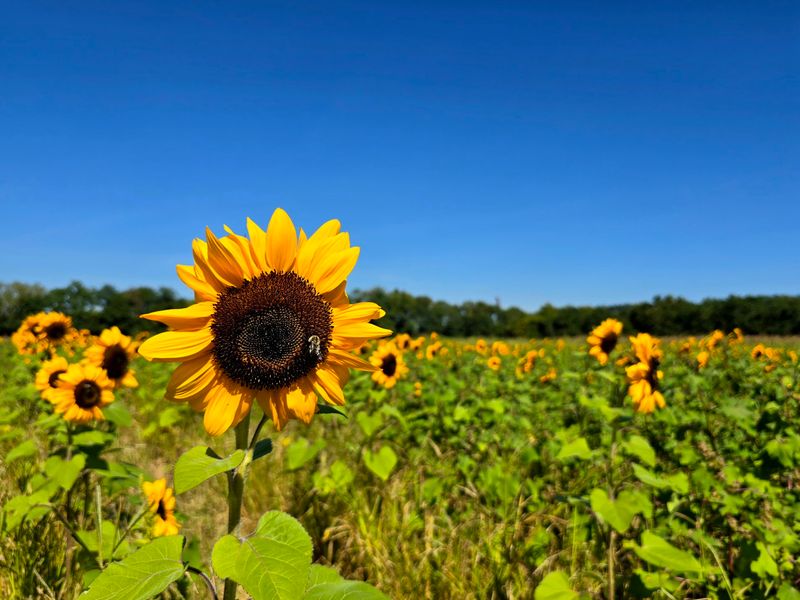
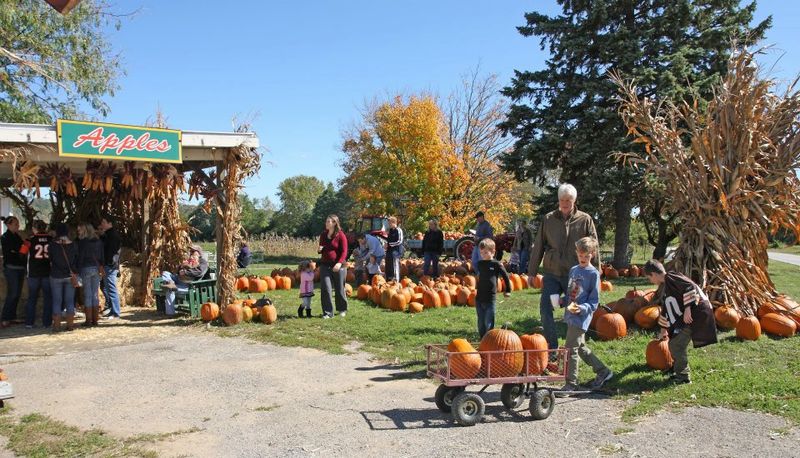
October flips a switch here. Pumpkins sprawl across the field and sunflowers stand tall behind them, turning the whole farm gold and orange.
Pumpkins are the single most mentioned attraction by visitors. Families return every year like clockwork, barrels in hand.
Admission to the patch is free, which is increasingly rare. You walk straight in and pick at your own pace.
Barrels are available when supply allows, making hauling several pumpkins far easier. Grab one early on busy weekends.
Sunflowers draw cameras and bumblebees in equal numbers. Watch your step for burs, and let the bees do their work undisturbed.
Gourds, several kinds of potatoes, and fall decorations round out the market during peak season. Honey and pure maple syrup show up too.
Weekends get crowded, though lines tend to move quickly. Weekday mornings are calmer if you want space for photos.
Grandparents bring grandkids here for a reason. Seeing how produce actually grows sticks with children longer than any screen does.
Combine the pumpkin trip with cider and apples. That combination turns a simple errand into a genuine fall afternoon.
Dress for mud. Fields do not care about clean sneakers.
The Roadside Market Where Plastic Does Not Work
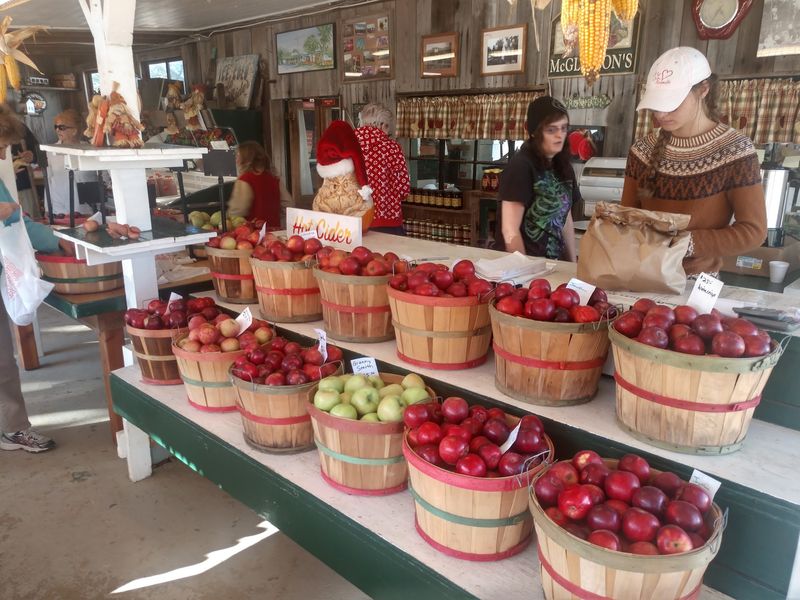
Established in the 1960s, the roadside market still runs on old rules. Cash or check only, so leave the credit card in your pocket.
That single detail catches people off guard constantly. Hit an ATM before you turn onto River Road.
Inside, the shelves hold more than fruit. Pure maple syrup, honey, fall decorations, and jugs of that fresh pressed cider sit within reach.
Sweet corn, tomatoes, potatoes, and other vegetables rotate through by season. Popular items sell out fast, especially corn and beans on busy days.
Baked treats appear during fall. Apple fritters, pumpkin donuts, caramel apples, and pretzels have all made the lineup.
Caramel apples here come loaded, not lightly dipped. Pretzels are hit or miss on freshness, so pick carefully.
The stand itself stays refreshingly plain. No gift shop maze, no photo backdrops, just produce and a counter.
Staff work fast during rushes, and the operation runs on family labor. Small farms do not have extra hands standing around.
Arrive earlier in the day for the widest selection. By late afternoon on weekends, the best items are already gone.
Buy the cider first. Everything else is negotiable.
Why The Trip Feels Like A Different Decade
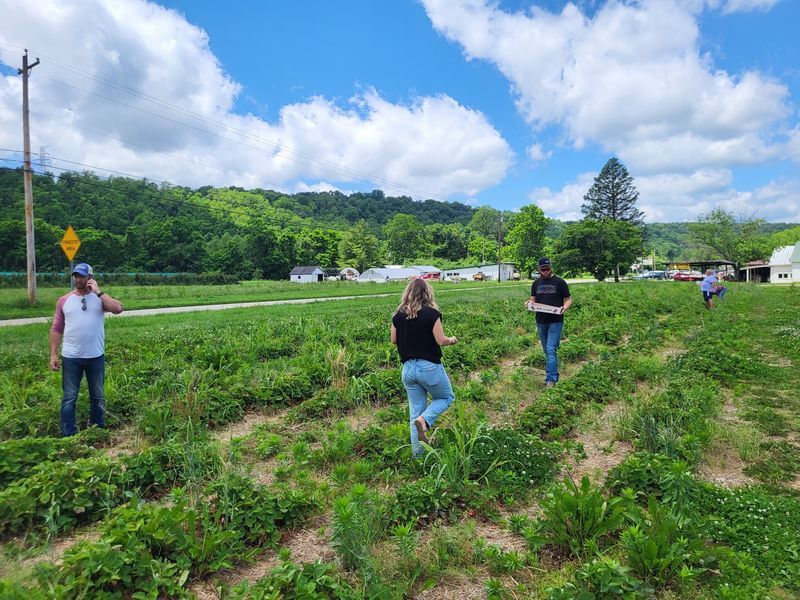
Something about the pace here resets your brain. No rides, no music, no costumed characters trying to sell you something extra.
Just fields, fruit, and a press doing what it has always done. That simplicity is the actual attraction.
Farm animals are not part of the setup, so adjust expectations if your kids want to feed goats. Fruit is the main event.
Regulars describe visits as wholesome and warm.
The property also serves as an easy lesson in how food grows. Children who pick their own apples ask better questions afterward.
Being this rural while sitting near steady development makes the contrast sharper. Ten minutes of driving separates two completely different worlds.
Pack a cooler if you plan to buy fruit in summer heat. Peaches and berries do not enjoy a hot trunk.
Go in spring for strawberries, midsummer for peaches, and fall for apples and pumpkins. Three trips a year covers the whole cycle.
Six generations built something worth driving for, and the cider proves it in one sip. That is the kind of place you tell friends about, quietly, hoping they actually go.