Thousands Of Tundra Swans Fill The Sky Over This Quiet North Carolina Refuge At Sunset
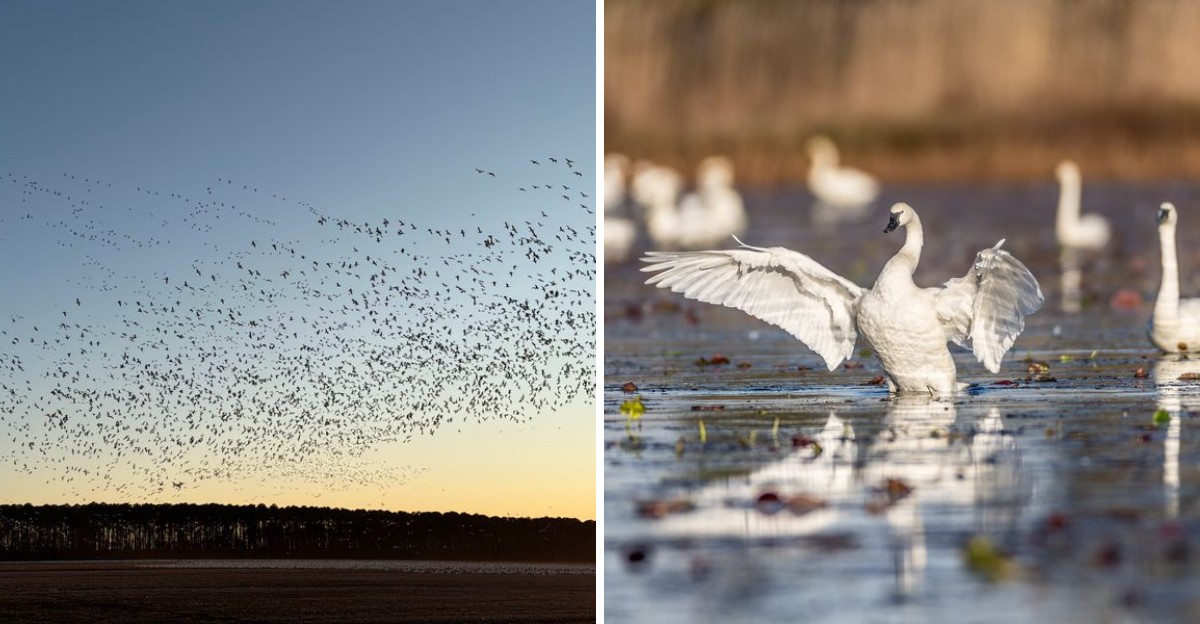
Winter in eastern North Carolina has a moment that feels almost unreal. As daylight fades, the sky can suddenly fill with tundra swans heading toward their evening roosts.
At first, you hear them before you really see them. Then more shapes appear overhead, and the quiet landscape changes completely.
These birds travel enormous distances to spend the colder months here, which makes the sight feel even more remarkable. I like that this is not a fast attraction or something you check off in ten minutes.
You have to wait for it. That patience is part of the magic.
When the flocks finally sweep across the fading sky, the whole scene feels bigger, louder, and more memorable than expected for sure.
Watch Thousands Of Tundra Swans Take Over The Winter Sky
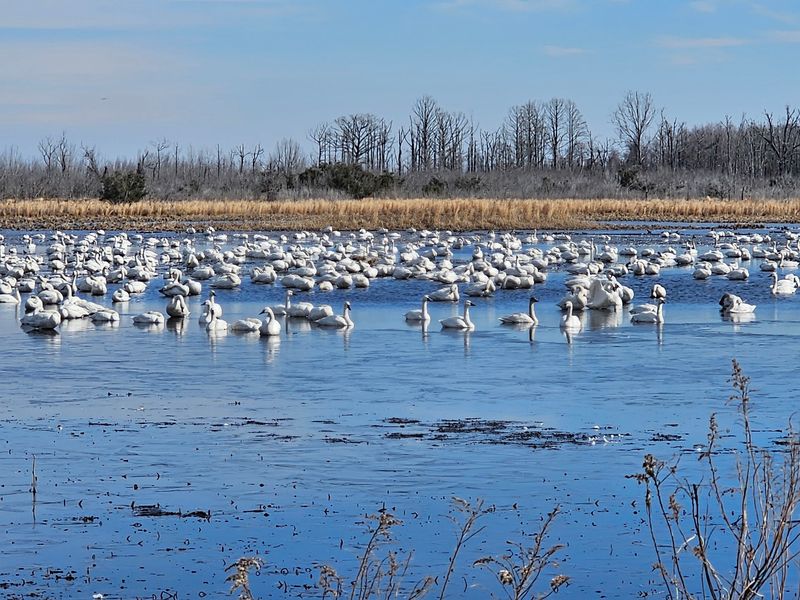
Cold weather changes everything here. Once the first hard chill settles over the coastal plain, flocks of tundra swans pour into the refuge from Arctic and sub-Arctic breeding grounds in Alaska and Canada, turning quiet farm fields into busy winter neighborhoods.
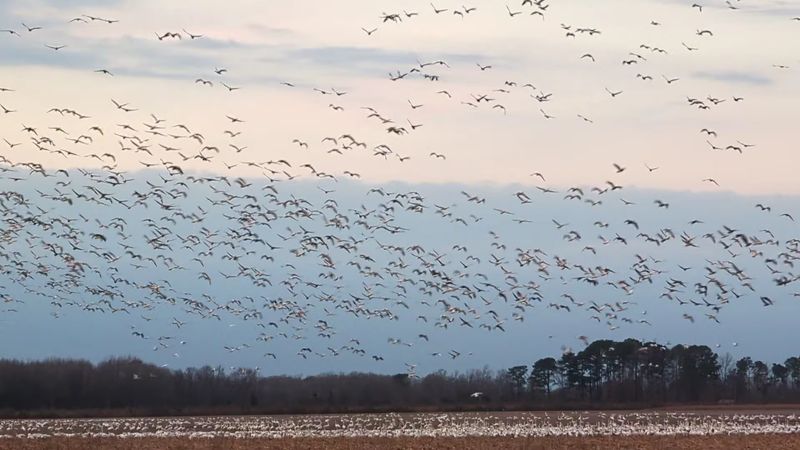
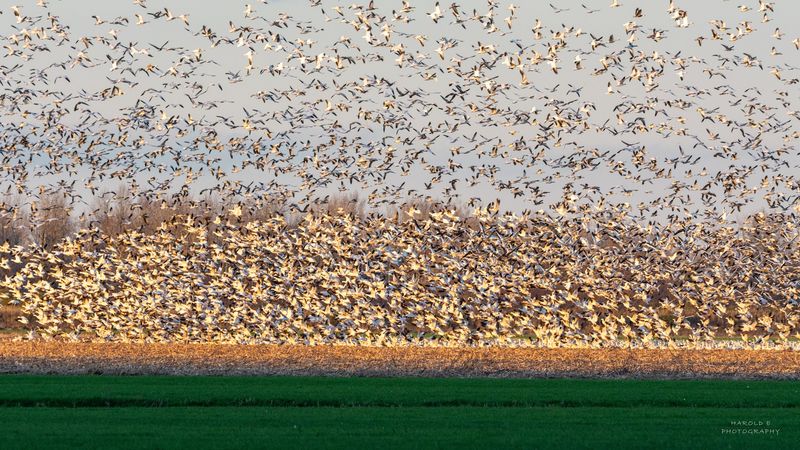
The scale is what surprises most people. A single field can hold a shifting blanket of white birds, and when something sends them up, the sky seems to wrinkle with wings.
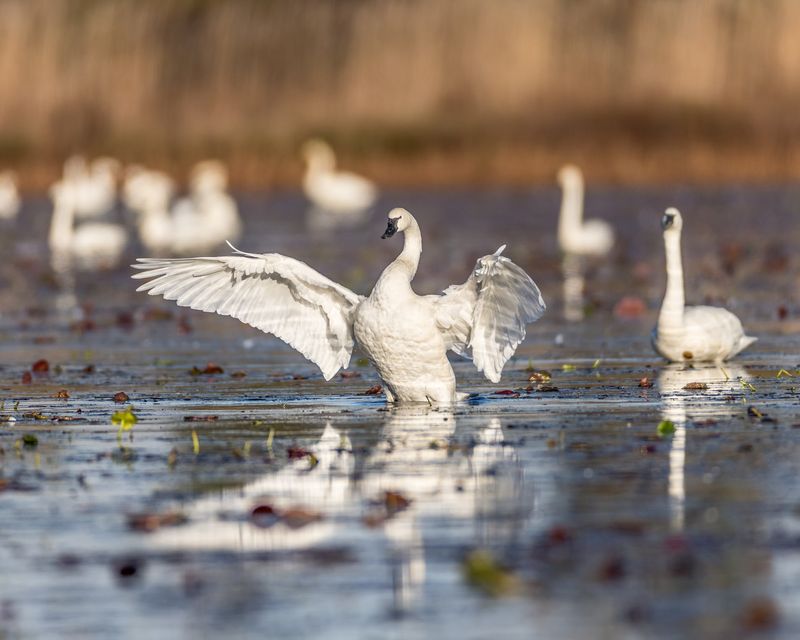
Tundra swans measure about 47 to 58 inches long, with wingspans of roughly 66 inches.
Pocosin Lakes National Wildlife Refuge covers about 110,000 acres of pocosin wetlands, open water, pine forest, and managed waterfowl habitat.
Dress warmer than you think you need. Wind sweeps across open fields without much to slow it down, and standing still while you watch drops your body temperature fast.
Bring water and snacks, too. There are no concession stands out among the fields, and the nearest groceries sit a fair drive away.
The visitor center and administrative office welcome guests at 205 South Ludington Drive, Columbia, NC 27925, and admission costs nothing at all.
Head To The Pungo Unit For The Refuge’s Biggest Wildlife Show
The Pungo Unit is the refuge’s most popular area for wildlife observation, especially for wintering waterfowl and black bears.
Refuge staff manage those croplands specifically to feed wintering waterfowl, which is why the concentrations here get so enormous.
Corn stubble, winter wheat, and flooded shallows supply exactly what swans and geese need between long migration legs.
Getting around means driving unpaved roads that can turn soft and rutted after rain. A vehicle with decent clearance makes the trip far more comfortable, and low-slung cars sometimes struggle.
Some roads close seasonally, marked by posted signs or chains.
Download or print a refuge map before you leave home. Download the refuge map before leaving, since road closures and seasonal access restrictions can change your route through the Pungo Unit.
Check West Lake Road access before heading out; as of August 31, 2026, the road was closed to vehicles but remained open for walking and biking.
Arrive Near Sunset When The Swans Return To Their Roosts
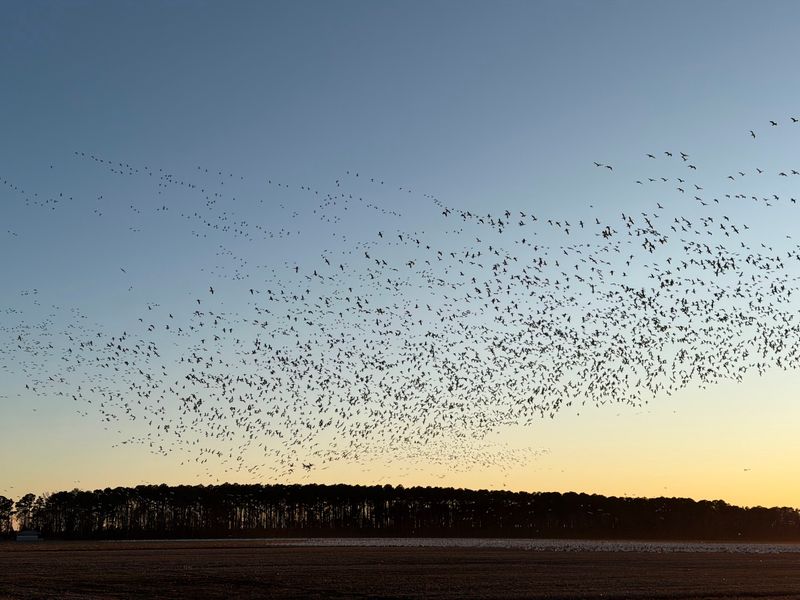
There is a moment late in the afternoon when the whole landscape seems to hold its breath. Light goes low and honey-colored, frost begins forming on the grass, and then the first small groups of swans lift off the fields and aim for open water.
Roosting on Pungo Lake keeps the birds safe overnight, away from land-based predators. So every evening they commute back, wave after wave, wings creaking against the cold air.
Late afternoon offers some of the refuge’s strongest opportunities for watching and photographing wintering waterfowl. Silhouettes stack up against the color, break apart, and reform.
Plan your timing carefully. Check the exact sunset time for your visit, since daylight changes noticeably across the winter season.
Plan to finish your wildlife viewing before refuge access ends for the day, since public use is limited to daylight hours.
Bring a thermos of hot cocoa or coffee. Sipping something warm while the last swans settle makes the wait feel like a small celebration.
Listen For The Calls Before The Flocks Even Come Into View
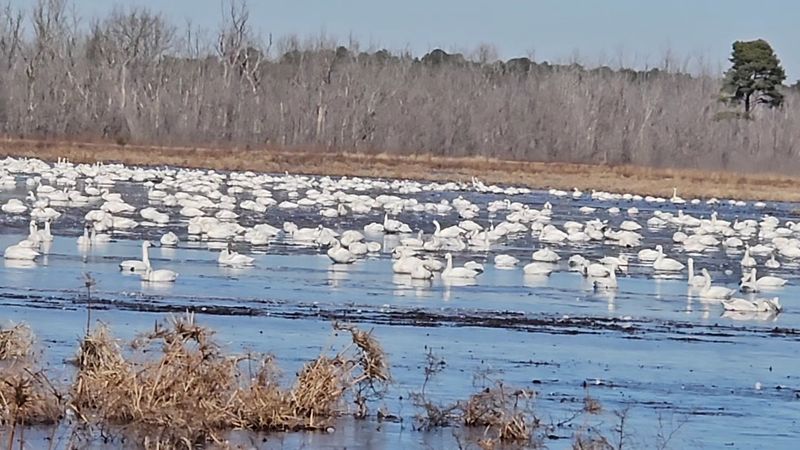
Close your eyes for a minute out there and the refuge tells you what is happening before your eyes ever confirm it. Swan voices travel remarkable distances across flat, open country.
Their calls sound softer and more musical than a goose honk. Birders often compare the noise to distant hounds baying, mixed with mellow hoots, squeaks, and high whistles that rise and fall as flocks shift position.
Then comes another sound entirely: the rush of air through hundreds of powerful wings as a flock takes off or drops toward water. It carries like surf.
Early mornings deliver an equally impressive concert, with mist sitting over the canals and calls echoing off the tree line. Many visitors find the audio experience just as memorable as the visual one.
Turn your engine off if you drive to a viewing spot. Even a quiet idle masks the subtler squeaks and whistles woven through the chorus.
Kids usually love this part. Challenge them to guess which direction the next flock will appear from, using only their ears, and the wait never feels boring.
Look For Snow Geese Sharing The Fields And Wetlands
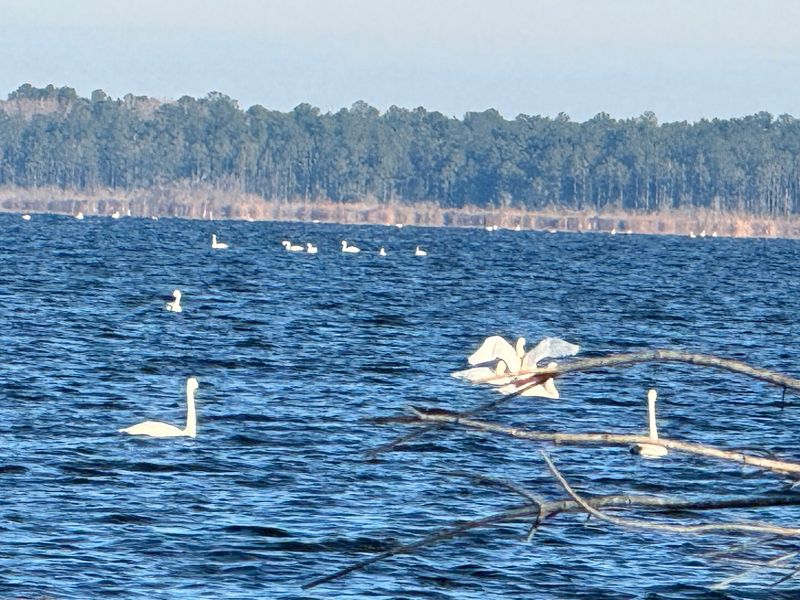
Swans are not the only white birds crowding these winter fields. Snow geese arrive by the thousands as well, and telling the two apart quickly becomes a fun game.
Look at the wingtips. Snow geese flash bold black primaries in flight, while tundra swans stay pure white from tip to tip.
Geese are noticeably smaller, stockier, and far more restless.
Their voices differ too. Snow geese produce a fast, repetitive, high-pitched honking that rolls across the fields in a constant babble, especially during early mornings and late afternoons.
What really gets people is the liftoff. A snow goose flock can explode upward all at once, thousands of birds boiling into the air in a swirling white cloud before settling back down a few hundred yards away.
Northern pintails, green-winged teal, and Canada geese also use the refuge, while a sandhill crane would be a much rarer sighting.
Keep a simple field guide or bird app downloaded before you arrive. With no reliable signal, an offline guide turns a confusing white blur into a satisfying list of species you can actually name.
Keep Your Eyes Open For Black Bears Along The Way
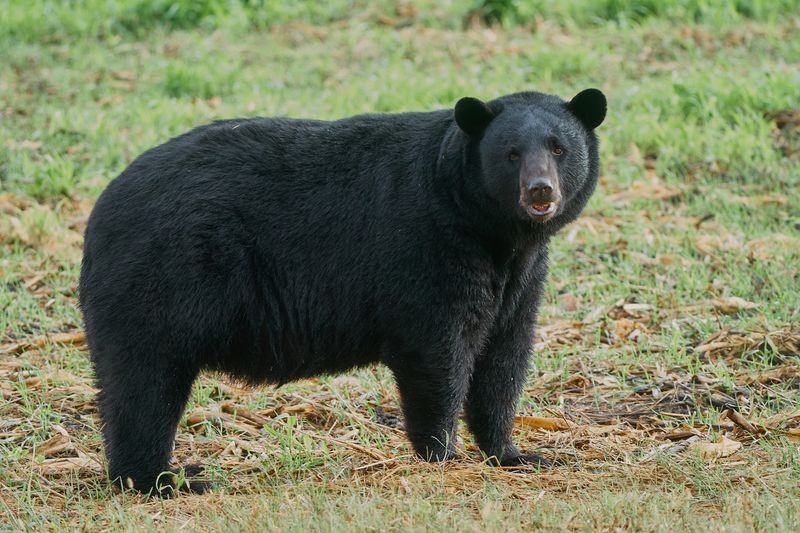
Here is a detail that catches first-time visitors off guard: this refuge supports one of the densest American black bear populations reported anywhere in the United States, with the Pungo Unit as a hotspot.
Bears here feed heavily on crops, grasses, berries, and acorns, and they show up along field edges and refuge roads at dawn and dusk. Some visitors spot several in a single afternoon.
Eastern North Carolina supports large black bears, and the coastal plain provides extensive swamp, forest, and agricultural habitat. Seeing one amble out of a treeline, unhurried and glossy-coated, is a genuine thrill.
Stay in your vehicle when a bear is close, and never approach for a better photo. Use a zoom lens or binoculars instead, and let the animal keep doing whatever it was doing.
Feeding wildlife is prohibited and dangerous for the animals, since bears that associate people with food lose their natural caution.
Bear watching is popular nearly year-round, with the refuge also offering guided bear-viewing programs during the summer. Winter swan trips can still turn up bears, making a single visit feel like two wildlife adventures at once.
Bring Binoculars And Give The Wildlife Plenty Of Space
Good optics transform this trip. Without them, distant swans look like scattered white specks; with them, you see the faint rusty stain on their heads from iron-rich mud and the small yellow spot near the eye that helps identify the species.
An 8×42 pair suits most people, balancing brightness with a steady image. Photographers generally want a lens of 400mm or longer, plus a beanbag or window mount for shooting from a parked car.
Distance protects the birds. Flushing a resting flock burns energy these migrants need for the long return flight north, so watch from roads, pull-offs, and designated observation points.
A short walk of about half a mile leads to a wooden duck blind, which lets you observe waterfowl without alarming them. The structure feels wonderfully old-fashioned, weathered boards framing a slice of marsh.
Speak quietly, move slowly, and avoid slamming car doors. Small courtesies keep the scene calm for everyone watching.
Pack out whatever you carry in. Restrooms are scarce in the Pungo area, so use facilities at the Columbia visitor center before heading into the fields.
Plan Your Visit Around North Carolina’s Peak Swan Season
Timing makes or breaks a swan trip. The birds generally arrive in late fall, build to peak numbers through December and January, and start drifting north again in late February or early March.
Each fall, roughly 65,000 to 75,000 tundra swans winter in northeastern North Carolina, far more than in any other East Coast state.
Dawn and dusk are among the best times to watch wildlife activity across the refuge. The Columbia visitor center keeps hours from 10 a.m. to 4 p.m.
Tuesday through Sunday and closes Mondays, and its exhibits, mounted native animals, and helpful staff make a worthwhile first stop at 205 South Ludington Drive.
Stretch your legs on the boardwalk loop near the center, roughly a mile through wetlands where turtles bask on warmer days and small fish flicker in the tea-colored water.
Fuel up before you drive out to the fields, because gas stations and restaurants thin out quickly past town.
Add a stop at the red wolf education center on state route 94 south of Columbia, and one winter day in North Carolina delivers an unusually rich wildlife lineup.