This Connecticut Forest Is One Of The Best Places To Spot Wild Black Bears This Fall
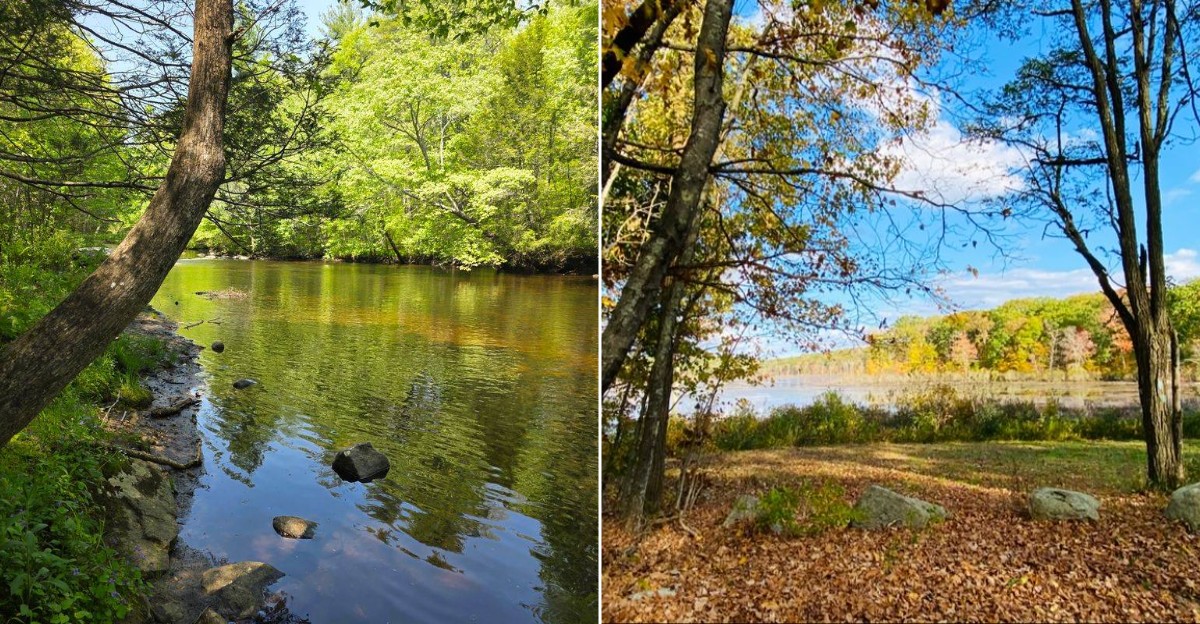
Fall has a way of making a walk through the woods feel like a little adventure, especially when you know a wild animal could be nearby.
In Connecticut, this forest is known as a place where black bear sightings are possible during the season, adding an extra spark of excitement to a peaceful outing.
The wooded setting feels wonderfully removed from everyday routines. Of course, spotting a bear is never guaranteed, and wildlife should always be enjoyed from a respectful distance.
That unpredictability is part of the appeal.
You might spend most of your time simply listening to the woods, then suddenly notice movement that makes you stop and look twice.
It is a very different kind of fall experience, one where the scenery is beautiful but the possibility of seeing something wild keeps your attention sharp.
1. Wooded Trails Stretch Across A Vast Forest
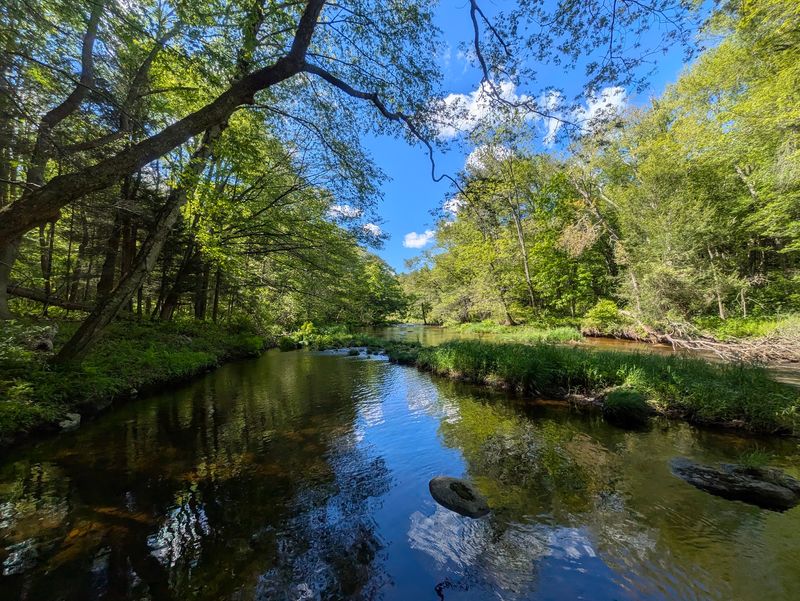
Bears aren’t the only reason to look twice. The scenery is pretty wild, too.
Stretching across more than 13,000 acres, Natchaug State Forest offers an impressive expanse of woodland to explore. It forms part of the Last Green Valley National Heritage Corridor, a region known for its extensive forests and dark night skies.
The trail system gives hikers plenty of options, with routes suited to everything from shorter outings to longer adventures. The forest also welcomes horseback riders, cross-country skiers, and snowmobilers, depending on the season.
Much of the landscape is made up of hardwoods, along with white pine and hemlock. Stone walls and remnants of old settlements add unexpected glimpses into the area’s past, while streams and river corridors bring even more variety to the scenery.
Fall is an especially exciting time to explore, when changing foliage creates a spectacular backdrop and black bears are active throughout the state. Bears are now found across much of the region, so wildlife sightings are possible, though never guaranteed.
Winter brings a different rhythm, with snow-based recreation taking over some of the forest roads and trails. Whatever the season, this is a place where a short outing can easily turn into a much longer adventure.
2. Eastford Provides A Quiet Starting Point
Quiet roads. Deep woods. Very little rush.
That is the feeling Eastford brings to a visit, with a population of roughly 1,700 and a landscape shaped more by forest and farmland than by a traditional town center.
Much of the surrounding land is wooded, so the transition from open fields to dense trees happens gradually as rural roads lead deeper into the area.
The peaceful setting is also part of what makes wildlife watching appealing. Less traffic and fewer crowds can mean a calmer experience on the trails, especially when you’re hoping to spot animals rather than simply hike through the scenery.
The forest entrance area can be reached from 66 Pilfershire Road in Eastford, with parking available at various access points. Spaces tend to be modest, so visitors should not expect large lots designed for heavy crowds.
Planning ahead for basic needs is also wise, as services nearby are limited.
Some picnic areas have pit toilets, but full restroom facilities are not available throughout the forest. That makes a little preparation worthwhile before setting out for the day.
Once you’re among the trees, the atmosphere becomes remarkably peaceful. Acorns dropping, leaves moving in the breeze, and distant wildlife can be more noticeable than the sounds of other visitors.
For bear watching, that quiet setting makes the experience even more rewarding.
3. Natchaug River Adds Water And Wildlife
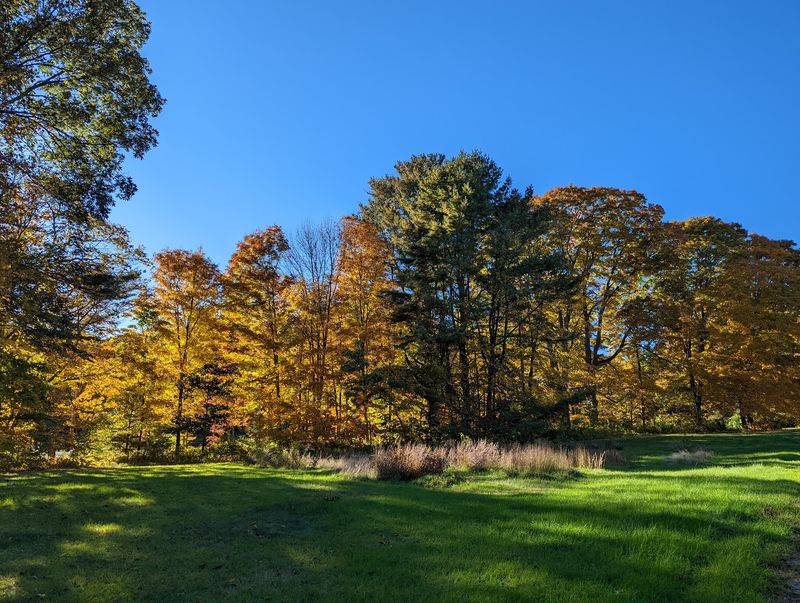
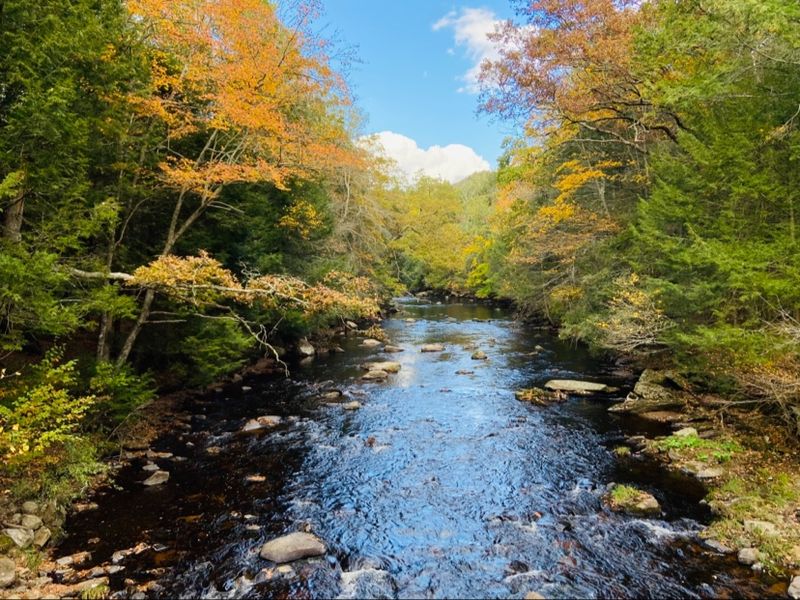
The name Natchaug translates to land between the rivers, and once you hear the water you understand why the river anchors everything here. It flows along and through the western edge of the main forest area, shallow in places, tumbling over stones in others.
Anglers know this stretch well. The river carries a Trout Park designation, and fishing ranks among the most talked-about activities in the forest, especially in the cooler months when the water runs clear and cold.
Riverside picnic areas give families an easy way to enjoy the place without committing to a long hike. Grills and tables are scattered around certain spots, and shallow sections near the bank work fine for children who want to splash and skip stones.
The CCC Trail follows the river closely, so hikers get water views for much of the route along with more of those tumbledown stone walls poking out of the leaf litter.
From a wildlife standpoint, the river and its neighboring wetlands do the heavy lifting. Animals need water, and bears, deer, herons, and countless smaller creatures all drift toward these edges.
Walking quietly along the bank at dawn gives you a front-row seat.
4. Black Bears Become Fall’s Big Attraction
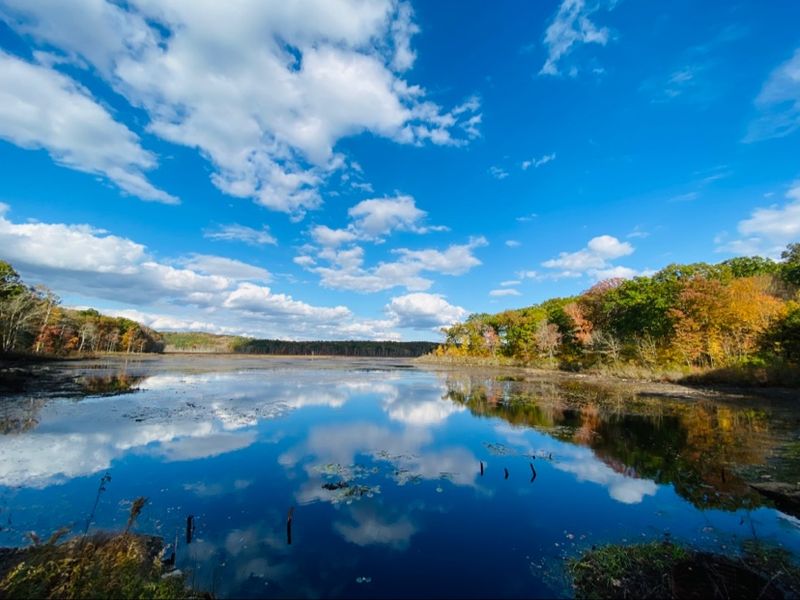
The state is home to an estimated 1,000 to 1,200 black bears, and sightings have climbed noticeably across the state in recent years.
Historically most of that population lived west of the Connecticut River, but bears have been pushing eastward, which makes large eastern forests like Natchaug increasingly important habitat.
Bears favor exactly what this forest offers: a mix of deciduous and coniferous trees, thick undergrowth to hide in, streams, and wetlands. Put simply, the ingredients for a good bear neighborhood are all here.
Autumn turns up the intensity. Bears enter a stage biologists call hyperphagia, when they can pack away up to 20,000 calories in a single day, roughly ten times their usual intake.
All that eating builds the fat reserves they need to get through winter.
A bear in hyperphagia moves constantly, which is why fall improves your chances of crossing paths with one. Most encounters are brief, and bears typically want nothing to do with people.
Give any bear plenty of room, never approach for a photo, and never offer food. Watching one flip over a log or work through an acorn patch from a safe distance is a memory that sticks with you for years.
5. Acorns And Berries Bring Wildlife Closer
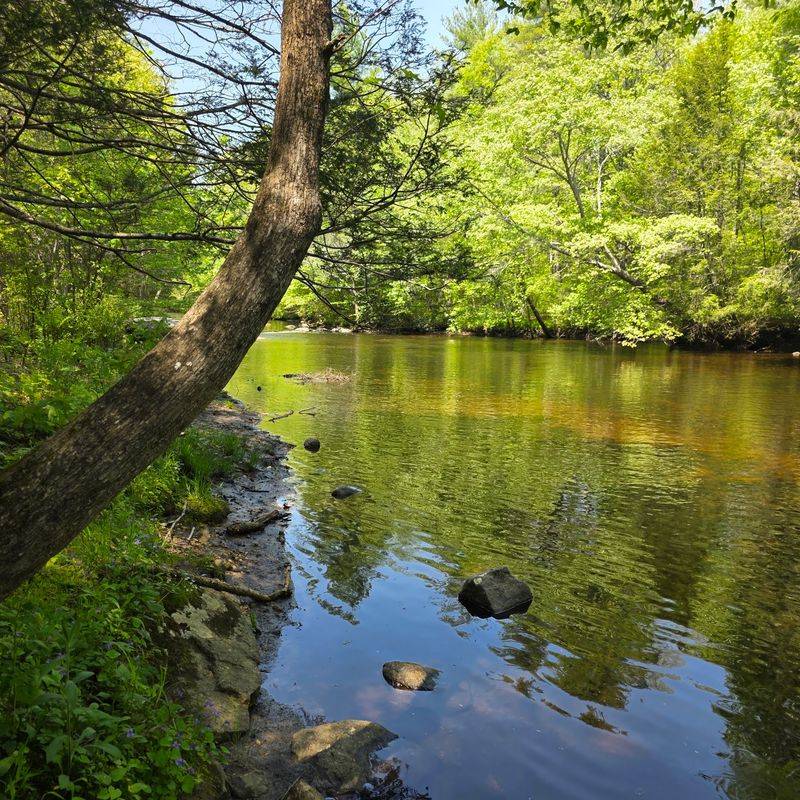
Food explains almost everything about where animals show up in October. Mature stands of oak throughout Natchaug produce heavy crops of acorns, while shrubs and vines add berries to the menu, and together they form the backbone of a bear’s autumn diet.
Black bears are omnivores with flexible appetites. Late summer and fall bring them fruits, nuts, and berries, rounded out with grasses, leafy plants, and insects such as ants and bees pulled from rotting wood.
Because that food is concentrated in certain areas, patient hikers who linger near productive oak groves often see more than those who power through. Look for turned-over stones, scattered husks, and scratched bark as signs that something has been working the area.
Bears are not the only beneficiaries. Turkeys, deer, squirrels, chipmunks, and jays all cash in on the same harvest, which makes autumn the liveliest season in the woods.
One responsibility comes with all of this. Bears that learn to associate people with meals lose their natural caution, so pack out every scrap, keep picnic tables clean, and never leave food unattended.
Protecting the bears’ wild behavior protects visitors too, and it keeps the forest working the way it should.
6. Hidden Ponds Reward Patient Explorers
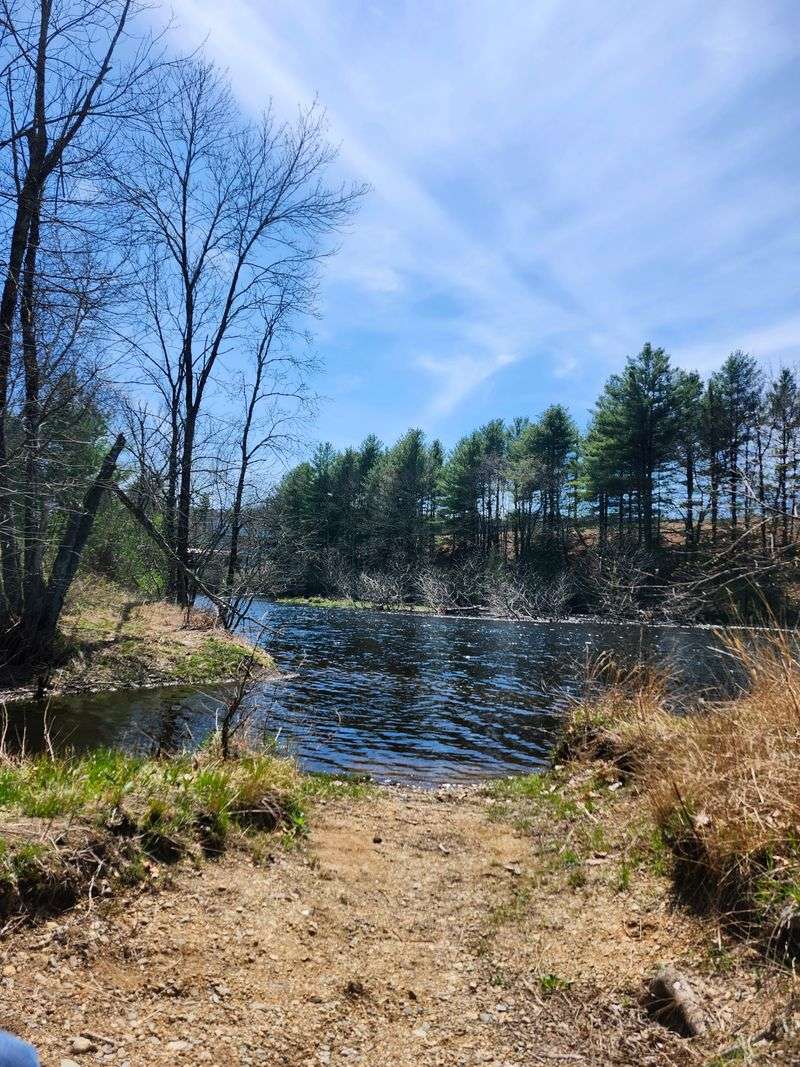
Some of the best moments in this forest happen when you stop walking. Several ponds and wetland pockets sit within the property, and they act like magnets for animals that avoid open trails.
The Natchaug Trail provides access to spots including Pine Acres Pond, Black Spruce Pond, and the Beaverdam Marshes. Each has its own character, from open water edges to soggy marsh ringed with standing dead timber.
Birdwatchers do especially well here during migration season, when waterfowl drop in to rest and feed. Ducks, geese, and the occasional great blue heron stalking the shallows are all reasonable expectations on a calm morning.
Amphibians thrive in these damp corners as well. Salamanders shelter under logs, frogs call from the shallows, and turtles bask on half-submerged branches whenever the sun cooperates.
Beaver ponds deserve special mention. By flooding low areas, beavers create habitat that supports a wider mix of species, including otters and wading birds that would not otherwise be there.
Bring a small folding seat or just find a dry stump, settle in, and stay still for twenty minutes. Wildlife tends to reappear once it decides you are simply part of the scenery.
7. Changing Leaves Transform The Forest Floor
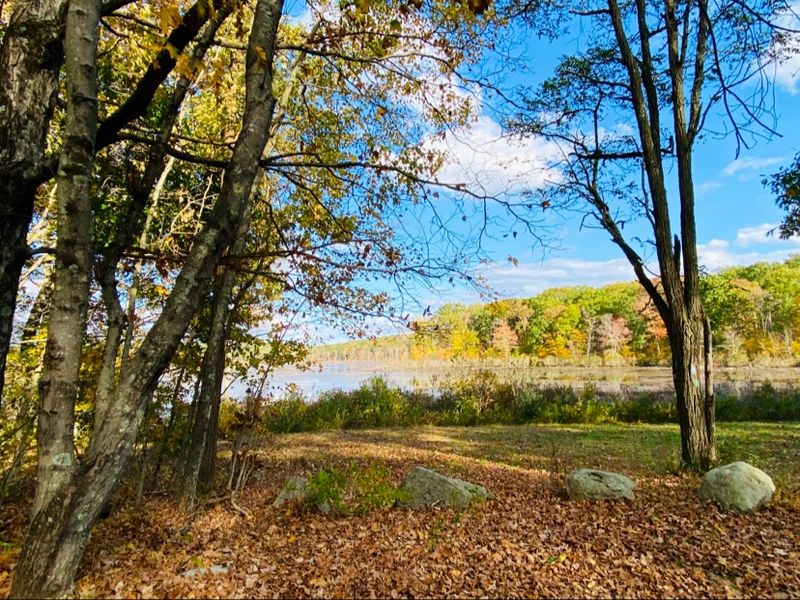
Color arrives here on a fairly predictable schedule. State’s foliage season generally runs from late September through late October, with statewide peak commonly falling between about October 15 and 28.
The northeastern hills, the region that includes Eastford, tend to turn earlier than the shoreline. Early to mid-October is often the sweet spot for this corner of the state, though weather in any given year can nudge that window forward or back.
Mixed woodland is what makes the display so rich. Oaks lean toward deep russet and bronze, maples throw out reds and oranges, and the hemlocks and white pines hold their dark green as a backdrop that makes everything else pop.
The experience is not only visual. Leaves pile up into a soft, crackling layer underfoot, and that sound becomes part of the walk, especially on quiet mornings when nothing else is moving.
One practical note for wildlife watchers: fallen leaves make it harder to move silently, so slow your pace and pause often. A hiking stick helps on leaf-covered slopes, where hidden roots and rocks are easy to miss.
Fall here rewards unhurried walking more than mileage goals, and the scenery supplies plenty of excuses to stop.
8. Early Morning Offers The Best Wildlife Chances
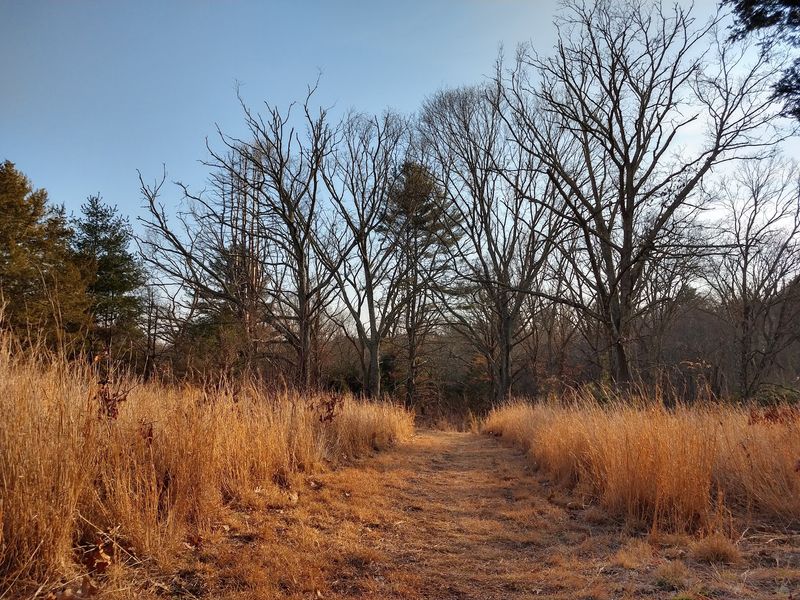
Set the alarm early and your odds improve dramatically. Black bears can be active at any hour, but they do much of their traveling and feeding at night, which makes the hour around dawn a prime window before they tuck into thicker cover for the day.
Timing works in your favor here. Forest areas outside the developed recreation zones are generally accessible starting a half hour before sunrise, while recreation areas typically open at 8 a.m. and stay open until sunset.
Technique matters as much as timing. Walk slowly, stop often, and let your ears do some of the work, since you will usually hear an animal before you see it.
Sitting still for a stretch is the single most underrated trick in wildlife watching. Animals struggle to pick out a motionless person, and the forest gradually resumes its normal rhythm around you.
Focus on water. River bends, pond edges, and stream crossings concentrate animal traffic, so those spots deliver more sightings than the middle of a dry ridge.
Above all, keep a generous distance and never feed anything you see. Respectful watching keeps wildlife wild, and it makes the whole experience safer and more rewarding for everyone who follows you down the trail.