This Connecticut Bookshop Has An Interior So Inviting, Readers End Up Staying All Afternoon
A good bookshop can make you forget what time it is. This one seems especially good at it.
Connecticut readers have a cozy spot where the surroundings invite you to slow down and browse without feeling rushed. The interior has a thoughtful, lived-in feel that makes lingering feel natural.
You can wander from one shelf to another and pause over a cover you had not expected to find. It feels less like a quick errand and more like giving yourself permission to explore.
Even people who planned to stay only briefly could easily find themselves settling into the atmosphere. The space encourages curiosity without trying too hard.
Nothing feels polished or intimidating. Instead, the room has that rare quality that makes books feel even more inviting.
And once you start noticing the little details around you, it becomes easy to understand why a short visit might stretch into an entire afternoon.
1. Books And Ideas Shape The Whole Space
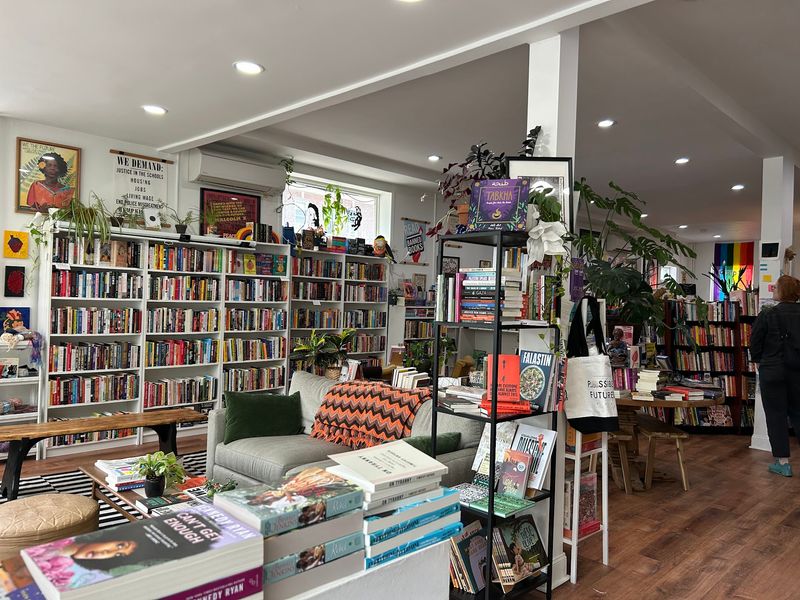
What if a bookstore made you want to stay instead of hurry? That is the feeling at Possible Futures, where picking out a book is only part of the experience.
The shop calls itself a neighborhood bookspace, and the name fits. Books share the room with conversation, quiet reading, and a strong sense of community, creating a space that feels more like a welcoming reading room than a traditional retail store.
The collection has plenty to explore. Picture books and novels sit alongside titles focused on anti-racist education, restorative justice, equitable housing, and other subjects connected to the wider community.
Browsing can quickly turn into a deeper dive when one interesting title leads to another.
Visitors are welcome to buy books, trade, chat, or simply settle in with something to read. Nobody seems eager to rush anyone toward the register, which makes lingering part of the experience rather than an afterthought.
The staff are also known for thoughtful recommendations and a genuine enthusiasm for helping readers discover something new. Ask for one suggestion, and you might leave with a completely different reading list.
Possible Futures describes itself as a radically public space built around human connection. On a typical afternoon, that can be as simple as people reading, talking, and enjoying the room together.
2. Chapel Street Sets The Scene
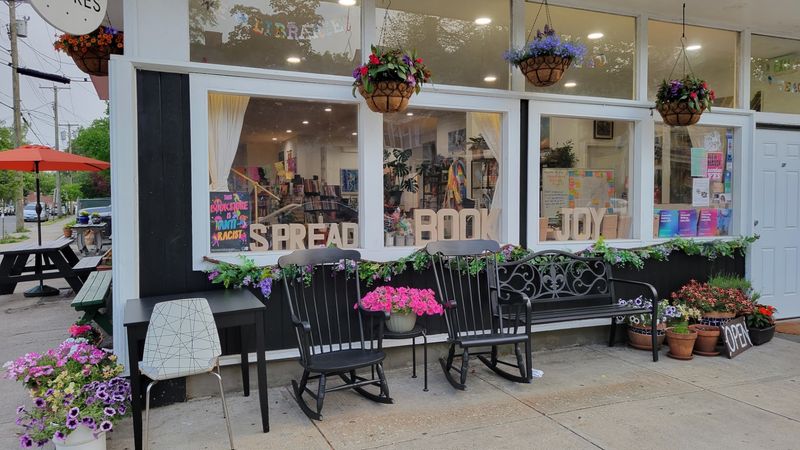
Ready for a bookshop with a little more mystery? Possible Futures sits away from New Haven’s busiest commercial streets, making the arrival feel like part of the discovery.
Instead of the galleries and restaurant crowds associated with Chapel Street, this part of the city has a quieter residential feel. Houses, porches, parked cars, and bike lanes shape the surrounding blocks, giving the bookspace a distinctly neighborhood setting.
The one-way street has marked parking spaces, though drivers should pay attention to the layout and avoid blocking driveways. Coming on foot can be especially enjoyable when the weather cooperates, with calm, walkable streets leading toward the shop.
You can reach Possible Futures at 318 Edgewood Avenue, New Haven, CT 06511. Its proximity to downtown also makes it easy to combine a visit with more exploring around the city.
Part of the fun is how unexpectedly the shop appears. A modest sign and front window give little hint of the inviting room of books waiting inside.
Nearby residents often arrive on foot, sometimes with children, while first-time visitors wander in simply because they are curious.
That mix gives Possible Futures an easy neighborhood rhythm, creating a reading destination that feels pleasantly removed from the usual busy shopping district.
3. Quiet Corners Make Reading Feel Effortless
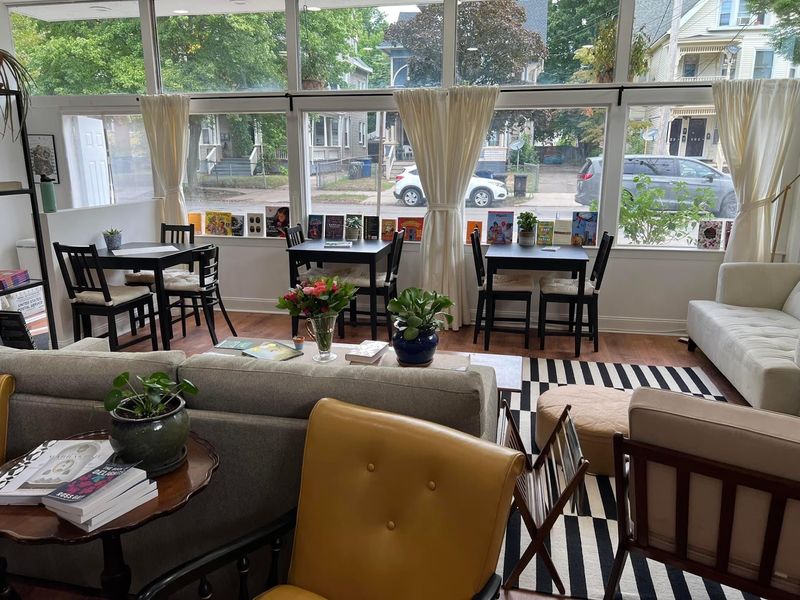
Nobody will ask you to buy anything. That single fact changes how the room feels, because the invitation is simply to be there.
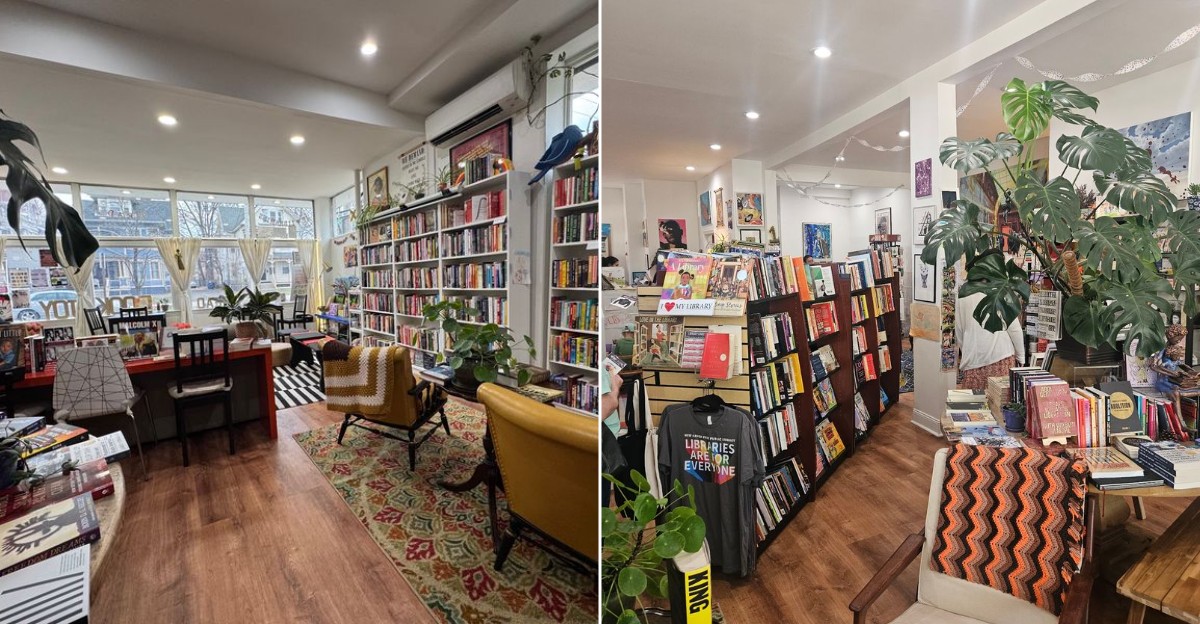
Couches and soft chairs are scattered so readers can spread out instead of clustering. One person might be working through a novel while another quietly takes notes a few feet away.
A sunny window seat is a favorite landing spot for flipping through a stack before deciding. The children’s area sits nearby, colorful and cheerful, with a drawing space that keeps younger visitors busy.
A friendly shop dog often makes the rounds, which many visitors mention as one of the small pleasures of a stop here. Greetings are gentle, and the mood stays calm.
Students and remote workers have figured out that the atmosphere suits focused reading. It is quiet without being silent, which some people find easier than a library hush.
Practical tips help. Weekday mornings shortly after opening tend to be the calmest, and the seats near the window go first on sunny days.
The stated goal is a place where people can simply be human together. Whether that means reading for two hours or talking with a stranger about a book neither of you expected to find, both fit comfortably.
4. Warm Interiors Invite Long Browsing Sessions
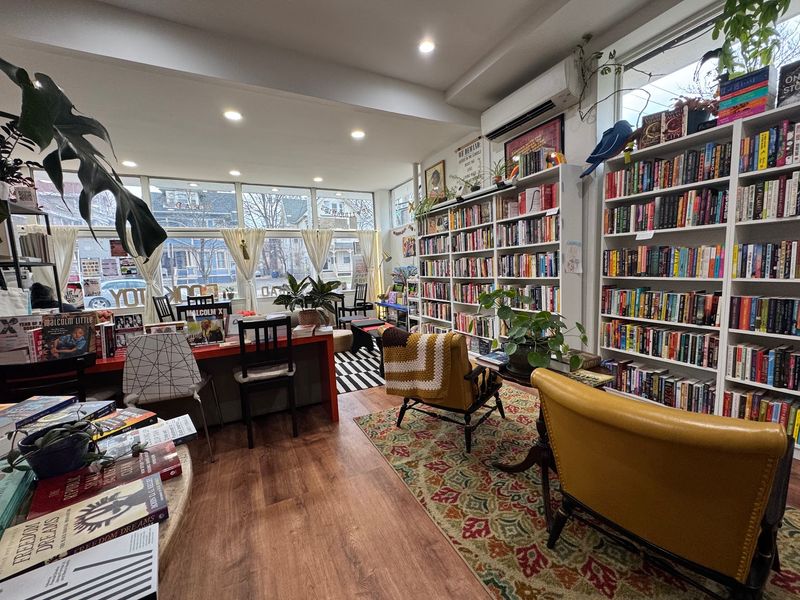
Living room is the phrase that comes up again and again, and it fits. Couches and chairs are arranged for actual sitting, not for decoration, and people use them.
Light does a lot of the work here. Sun comes through the front window and falls across the shelves, and plants fill in the spaces books do not, softening every hard edge in the room.
Color matters too. The walls carry bright paint and unusual decorations rather than the muted neutrals many shops default to, which gives the interior a personal, handmade quality.
Sound stays gentle. Conversations happen, pages turn, someone laughs near the children’s section, and none of it feels loud enough to break your concentration.
What surprises many first-time visitors is how quickly time stretches. You come in for one title, sink into a seat by the window, and look up much later with a small stack beside you.
Regulars describe the effect as cozy and hard to leave.
The comfort is deliberate. The space was built by many hands, and that collective care is part of why it reads as a sanctuary rather than a sales floor.
Bring a sweater if you run cold, pick a seat with good light, and give yourself more time than you think you need.
5. Independent Titles Give The Shelves Personality
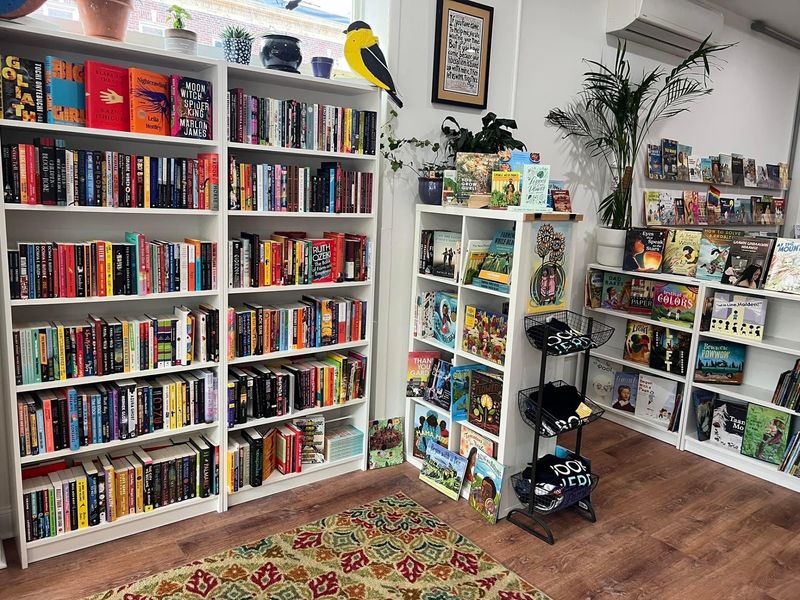
Roughly 60 percent of the inventory is children’s and young adult literature, which is unusual for a shop this size and instantly noticeable.
Picture books, graphic novels, and middle grade series get real estate that many stores reserve for bestsellers. Families notice, and kids tend to settle in fast.
The rest of the selection leans toward voices publishing has long overlooked. Shelf space goes to authors of color, Indigenous writers, bilingual and multilingual writers, and people writing from right here in Connecticut.
There are books in Pashto and Dari, chosen with New Haven’s resettled refugee families in mind. Small details like that tell you the buying is done with specific readers in mind, not a national sales chart.
Mostly new stock fills the shelves, with a smaller run of used titles mixed in. General interest, children’s, educational, and LGBTQ+ categories are the recognized specialties.
A back corner holds a zine library, packed with handmade publications covering wildly different subjects, opinions, and art styles. It is the kind of nook that swallows twenty minutes without warning.
Beyond books, you will find stickers, greeting cards, postcards, small gifts, and toys, which makes the shop an easy stop when you need a present and want it to feel thoughtful.
6. Art Adds Another Layer To The Shop
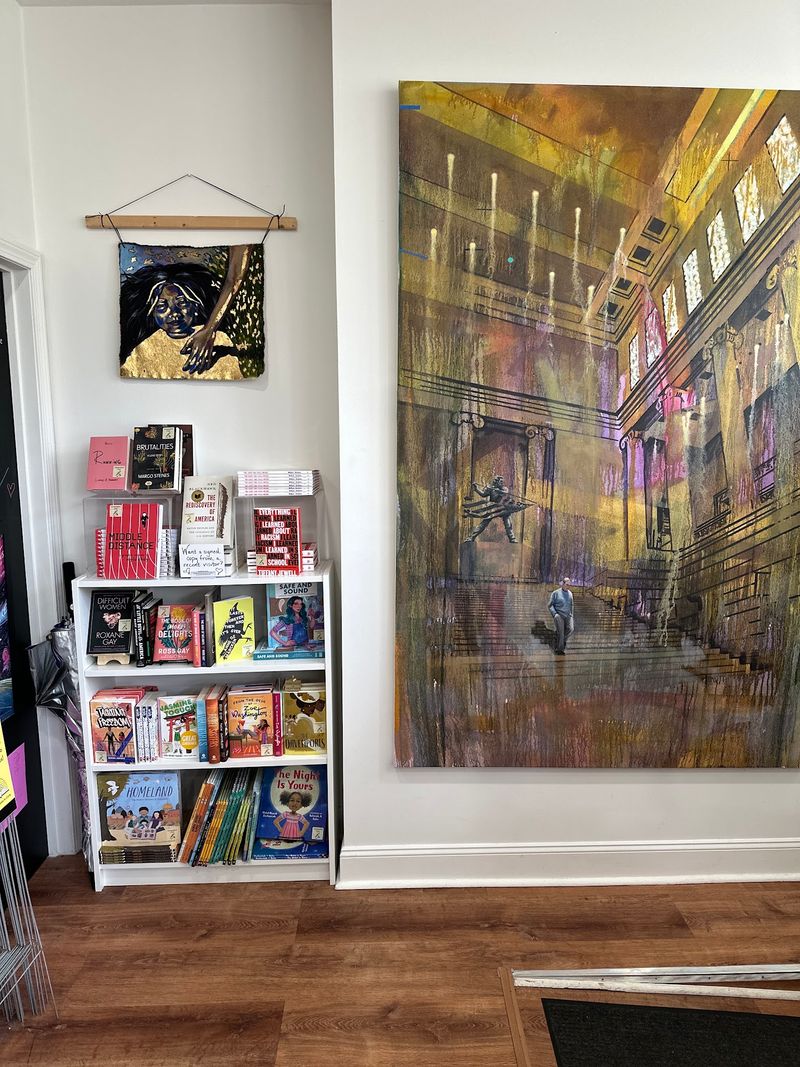
Look up from the shelves and the walls have something to say. Paintings by local artists hang throughout the space, and the display rotates, so the room looks different across the seasons.
Sometimes the art arrives with a reading list. Works are occasionally shown next to books the artist chose, which turns a wall into a conversation between images and text.
Much of the work comes from people who live nearby. That proximity matters, because the art is not generic decoration bought in bulk but pieces made by neighbors.
A mural on site honors a New Haven-born abolitionist scholar, created by the Intergenerational Abolition Project along with collaborators. It anchors the space in local history in a way a plaque never could.
Even small surfaces get attention. Posters carrying quotes from a wide range of writers turn ordinary corners into places worth pausing.
For visitors who like art but feel uncertain in galleries, the setup is refreshingly low pressure. Nobody hovers, there is no admission, and you can look as long as you want with a book in hand.
Artwork is part of the curated offering alongside books and gifts. If a piece catches your eye, asking about it is welcome, and the answer usually involves someone from the neighborhood.
7. Events Turn Browsers Into A Community
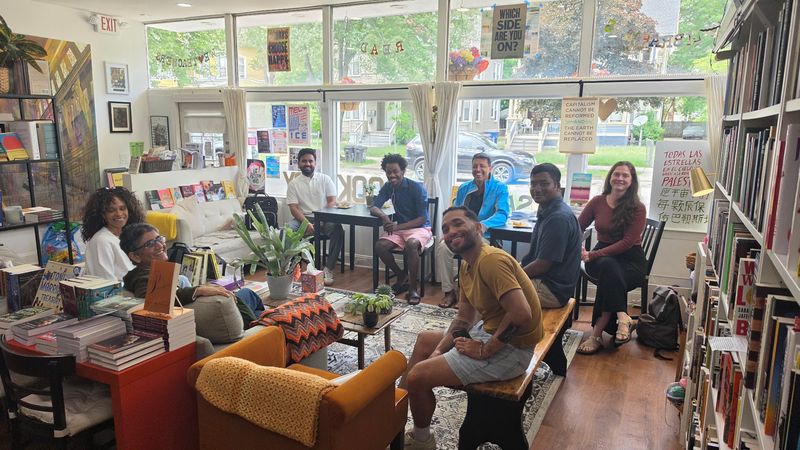
Sunday openings were part of the original plan, meant to give the neighborhood a public place for self-education and discussion when library hours were limited.
The calendar stays busy. Author readings, book lunches, workshops, and meetups fill evenings and weekends throughout the year.
Book clubs run in several flavors, including an Anti-Fascist Futures Book Club, an Educator Book Club, a Manuscript Meet-up for writers, a 100 Years of Baldwin club, and a Short-Reads-for-Busy-People group for anyone short on time.
Partnerships stretch the reach further. The bookspace works with the Pride Center, with teachers and schools that lack resources to host literary events, and with programs that supply texts for classrooms.
Zine culture gets its own gathering through the New Haven Zine Scene, where makers meet to talk about creating and sharing handmade publications.
Community programming has included a Maternal Health Hub during a Youth Day block party, plus participation in the Read in Color initiative, which the shop helped launch locally.
There is also the Love Beyond the Bars project, which distributes donated books back into the community and to people who are incarcerated.
Intergenerational and multiracial connection is the stated aim behind all of it. Showing up to one event is often how a casual browser becomes a regular.
8. Hours Can Disappear Between The Shelves
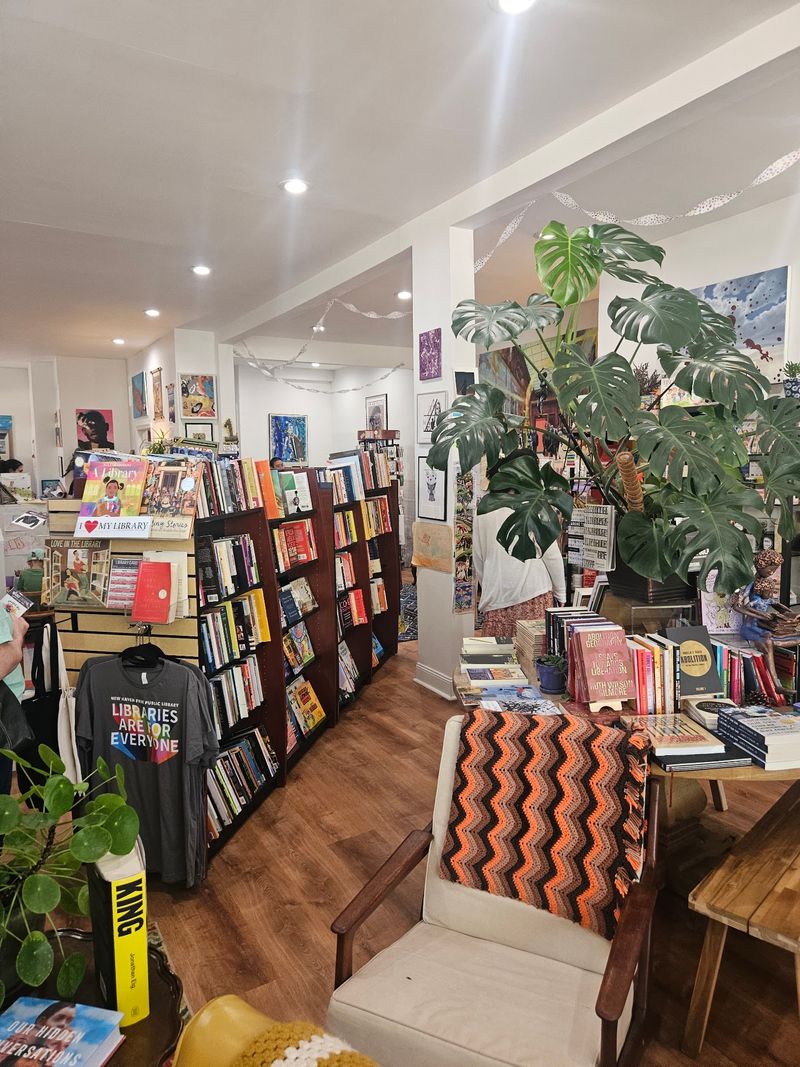
Plan for longer than you expect. Visitors often walk in for one quick errand and leave two hours later having read half a book and chatted with a stranger.
Current hours run Tuesday through Saturday from 10 a.m., closing at 6 p.m. most days and 8 p.m. on Thursdays, with Sunday hours from noon to 5 p.m. Mondays are closed, and schedules can shift around events, so a quick call ahead is smart if you are traveling a distance.
Thursday evening is the easy pick for anyone who works during the day. The extra hours give you time to browse without watching the clock.
Families do well arriving soon after opening, when seats are free and the children’s section is calm. Afternoons bring more foot traffic and more conversation.
If a title is not on the shelf, the shop can usually place an order for you, which saves a second trip and keeps your list moving.
Come with a loose plan and few commitments afterward. The combination of soft seating, sunlight through the front window, and shelves stocked with books you have not seen elsewhere makes leaving surprisingly hard.
That, honestly, is the point. A bookspace built for lingering works best when you actually let yourself linger.