This Long-Running Connecticut Rescue Gives Volunteers A Real Chance To Help Cats And Dogs
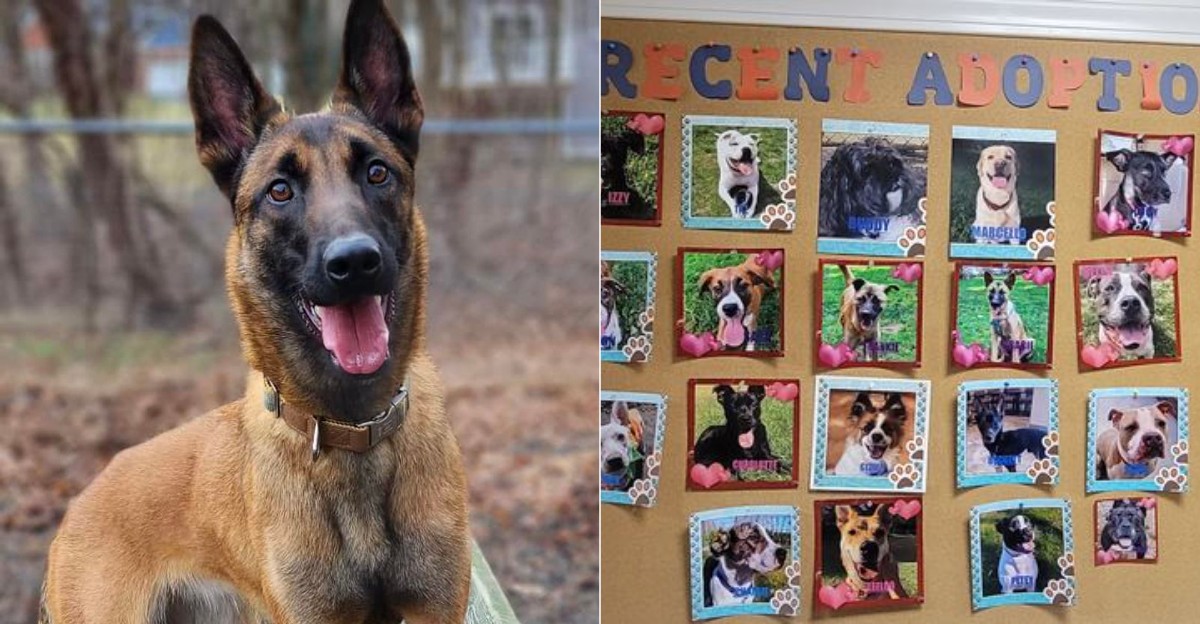
There’s a different kind of warmth in a place where every visit can mean a little more for an animal waiting for a better day.
Volunteers get a genuine chance to make a difference here, and that gives the whole experience a deeper sense of purpose.
Connecticut has a welcoming rescue where helping doesn’t feel distant or complicated. Even small moments can feel important, from spending time with an animal to simply being present when it matters.
The atmosphere is friendly and grounded, without turning the experience into something overly formal. You can sense that care is at the heart of what happens here.
It’s also the sort of place that can stay on your mind afterward, especially when one curious face or gentle personality happens to catch your attention.
There’s plenty of heart behind this rescue, and that becomes clear without needing a grand introduction or a lot of fuss.
1. A Volunteer-Powered Haven For Homeless Pets
The biggest story here is not the shelter itself. It is the people behind it.
ARF has been volunteer-run since its founding in 1971, and that hands-on spirit still shapes nearly everything happening there today.
Daily life involves much more than spending time with animals. Volunteers help with feeding, cleaning, cat care, dog walking, fundraising, office work, and the many practical tasks required to keep the shelter running.
ARF rescues and rehomes more than 100 cats and dogs each year, giving each animal veterinary care and support while a suitable permanent home is found.
The organization describes itself as a non-destroy shelter, meaning animals accepted into its care remain the responsibility of ARF while the team works toward finding the right home. That long-term commitment makes volunteer help especially valuable.
For someone searching for a hands-on way to make a difference, this is the kind of place where the work is immediately visible. You might be caring for a cat, exercising a dog, helping with paperwork, or pitching in behind the scenes.
Volunteers are central to the operation, and current opportunities show just how much the organization relies on their time and skills.
2. Rooted Along Main Street In Terryville
Small-town shelters can have big stories. This one has been part of Terryville life for more than five decades.
Founded in 1971, the Animal Rescue Foundation has built deep roots in the community while continuing to give cats and dogs a safe place to stay until suitable homes are found.
Generations of local families have adopted from ARF, and its longtime presence makes the shelter a familiar part of the neighborhood.
The organization remains entirely volunteer staffed, with people handling everything from animal care and cleaning to fundraising, administration, and daily operations.
You can visit the shelter at 366 Main Street, Terryville, CT 06786, where the facility has become a familiar landmark for local adopters and supporters.
Public access works a little differently than at a typical animal shelter, since ARF does not accept walk-in adoption visits. Prospective adopters are asked to complete an application first, after which the team arranges a meet-and-greet.
The shelter continues to rescue and rehome more than 100 cats and dogs each year, working with local animal control officers and other shelters when possible.
That volunteer-powered model is a major part of what makes ARF special, giving community members a genuine opportunity to get involved and make a hands-on difference for animals in need.
3. Rebuilt Stronger After The 2008 Fire
In 2008, fire tore through the shelter and left the building damaged beyond repair. For an organization running on donations and volunteer hours, that could easily have been the end of the story.
It wasn’t. Instead came a rebuilding effort that stretched across several years, finally reopening the doors in April 2012.
The timing made everything harder. Construction costs were climbing, the broader economy was rough, and fundraising for a rebuild competed with every other worthy cause asking for help.
Volunteers and donors pushed it through anyway.
What rose from that effort was described as a state-of-the-art facility, designed from scratch to be more efficient and more animal-friendly than what came before.
When you build new, you get to fix the old problems: better airflow, smarter layouts, surfaces that clean properly, spaces arranged around how animals actually behave.
Visitors frequently comment on how clean and welcoming the place feels, and that is not an accident of good housekeeping alone. It is baked into the design.
Four years is a long wait between closing and reopening. The fact that the community stayed with ARF through all of it says something durable about how the shelter is regarded locally.
4. A Safe Place For Cats And Dogs
Capacity here is deliberately modest: room for up to 25 dogs and somewhere between 30 and 40 cats at any given time. Smaller numbers mean more individual attention per animal, which matters enormously for pets who arrived stressed, sick, or unsure about people.
Every animal is fed and exercised twice a day, every single day of the year. Holidays included. Blizzards included.
Think about what that commitment requires from a volunteer-run operation. Someone has to drive to Terryville on Christmas morning.
Someone has to shovel a path to the dog runs in February. The schedule does not bend because life got busy.
The animals coming through these doors have varied histories. Strays, abandoned pets, injured or neglected animals, puppies and kittens who never had a fair start.
Because ARF operates as a non-destroy shelter, an accepted animal remains the organization’s responsibility until a permanent home is found. Senior dogs and cats with medical needs get the same patience as an adorable eight-week-old puppy.
Comfortable visiting areas let potential adopters meet animals in a relaxed setting rather than through kennel bars, which tends to show a pet’s real personality far better.
5. Volunteers Who Keep The Mission Moving
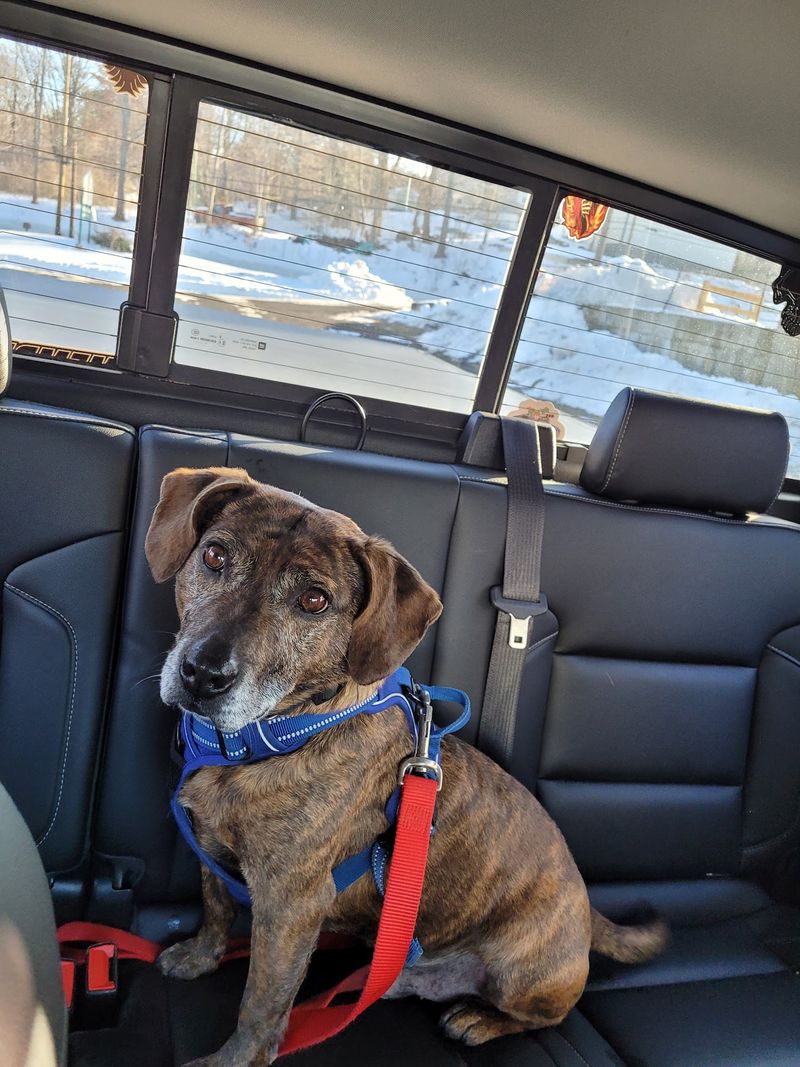
Picture a Tuesday afternoon at the shelter. One person is hosing down kennels, another is coaxing a shy cat out from under a shelf, a third is at a laptop writing a grant application that might fund next year’s vet bills.
All three are volunteers. That mix has been the staffing model since 1971.
Roles run wider than most people expect. Feeding and cleaning form the daily backbone, along with dog walking and structured playtime for both cats and dogs.
Away from the kennels, volunteers staff booths at community events, manage paperwork, coordinate fundraising, and handle the administrative machinery that keeps a nonprofit legally and financially sound. Some positions demand hours equivalent to a full-time job.
Training is provided for animal care and shelter operations, so nobody gets handed a leash and left guessing. New volunteers learn the protocols before working independently.
What the shelter asks in return is consistency. Committing to a regular schedule keeps operations stable, because animals eat on a timetable whether or not your week got complicated.
People who stick with it often describe the work as genuinely rewarding, and quite a few end up adopting from the shelter themselves.
6. Veterinary Care Before Forever Homes
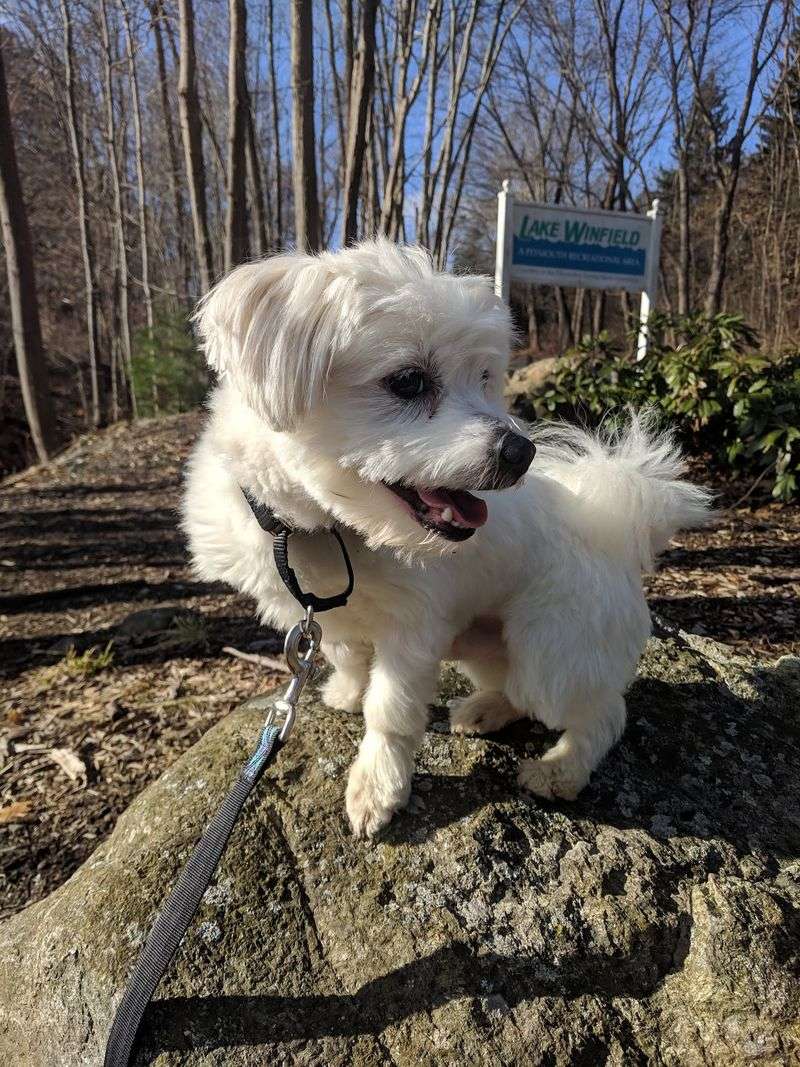
Vet bills eat up the largest share of this shelter’s operating budget. That fact tells you where the priorities sit.
Before any animal leaves for a new home, it receives spay or neuter surgery, age-appropriate vaccines, and whatever medical treatment its condition calls for. The stated principle is straightforward: no animal goes without the medical attention or training it needs.
The adoption fee bundles in a genuinely substantial list. Spay or neuter, microchipping with registration, initial de-worming plus flea and tick treatment, age-appropriate testing for heartworm or FIV and FeLV, vaccines suited to the animal’s age, and a pre-adoption medical exam.
Adopters also go home with a certificate for a complimentary healthy pet exam at one of ARF’s participating veterinarians, redeemable within seven days of adoption. Dogs older than six months are started on heartworm preventative.
Add those services up at regular clinic prices and the math becomes eye-opening. Adoption fees rarely cover the full cost of what has already been invested in the animal.
Donations bridge that gap. Every dollar that arrives at the shelter is, in a very direct way, paying for someone’s future pet to be healthy on day one.
7. Everyday Work Behind Every Adoption
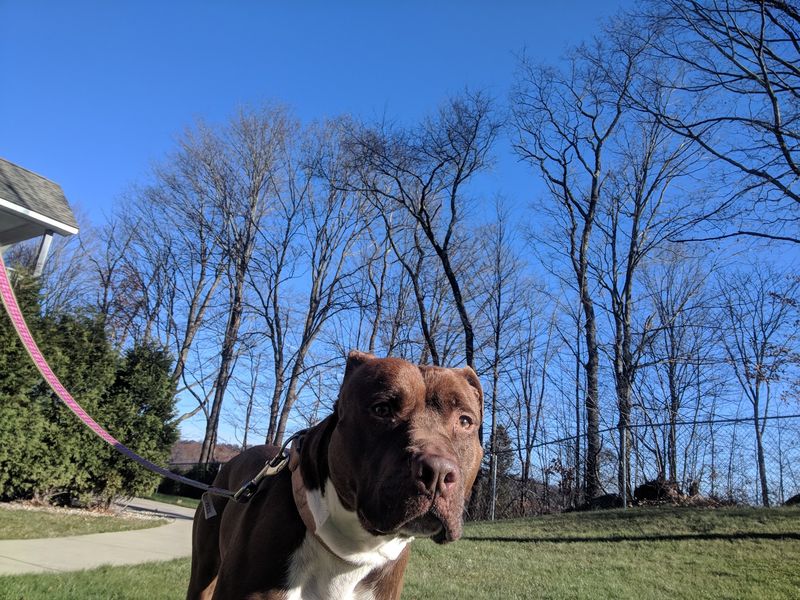
The process begins with an online adoption application, and from there a fair bit of quiet work happens out of sight. Volunteers check personal references and contact current veterinarians to confirm an applicant’s history of caring for pets.
Reviews generally take around five business days. Patience helps.
Once an application advances, a volunteer reaches out to schedule a meet and greet. Adoptions run by appointment only, which keeps things calm for the animals and gives families unhurried time together.
Visiting areas are set up to feel like a living room rather than a kennel corridor, and adopters often mention how comfortable that makes the whole experience. Multiple visits are common, sometimes including introductions with resident dogs or children.
A few practical requirements worth knowing: applicants must be at least 21, and renters need documentation showing pets are allowed where they live.
The shelter also shares resources on budgeting for pet ownership, which is a smart reality check before committing to fifteen years of food, vet visits, and grooming.
One insider tip: animals sometimes get adopted before external listings update, so contacting ARF directly gives you the most accurate picture of who is currently available.
8. A Shelter Built Around Second Chances
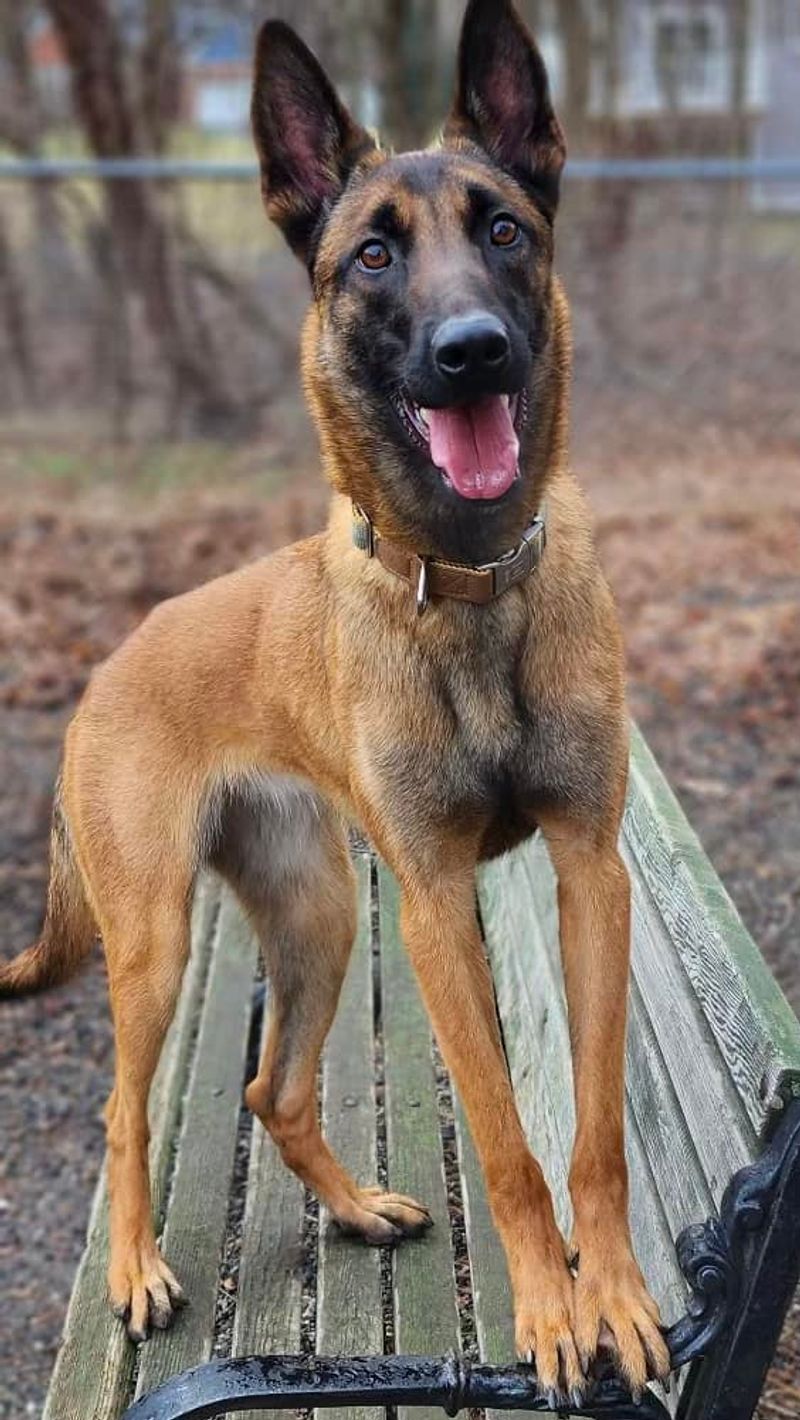
Second chances are the whole point here. Strays, abandoned animals, pets recovering from injury or neglect, puppies and kittens who started life in rough circumstances, all of them land in the same system of care.
Nobody gets written off for being old, shy, or medically complicated.
Operating as a non-destroy shelter shapes every decision downstream. When an animal is accepted, ARF takes on responsibility for it until a forever home is secured, however long that takes.
Rehabilitation happens alongside the medical work. A dog who flinches at sudden movement needs time and steady handling, not a rushed placement.
The shelter also partners with local Animal Control Officers and other rescue organizations, which extends its reach beyond animals that arrive at its own door. Those collaborations matter during larger situations where many animals need placement at once.
Careful matching is part of the philosophy too. Volunteers weigh a pet’s personality and needs against what a household can realistically offer, because a thoughtful placement now prevents a return later.
Adopters frequently describe leaving with far more than a pet, going home with food, toys, bedding and gear donated to smooth the transition.
9. Why The Community Keeps Showing Up
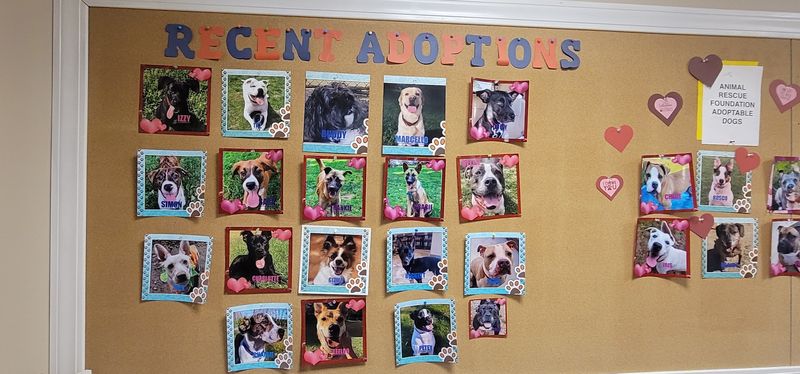
What keeps this shelter going is not government funding. ARF receives no taxpayer-funded grants or government aid, so its work depends almost entirely on the generosity of the surrounding community.
Support comes from local residents, volunteers, private businesses, and private grants, with contributions taking all kinds of forms. Financial donations help cover essential expenses, while sponsorships, supplies, and volunteer hours are just as valuable.
Everyday items such as cat litter and pet food are always useful, and even rinsed beverage returnables can become a source of fundraising support.
Local businesses sometimes contribute their services instead of writing checks. Grooming, professional training, and financial assistance can all make a meaningful difference, allowing the shelter to stretch its resources further and put more toward caring for the animals.
That community spirit reaches beyond the shelter, too. ARF’s outreach efforts provide food and pet care supplies to local owners facing financial challenges, helping families continue caring for pets they already love.
Humane education also gives the organization a way to promote responsible pet care beyond its adoption work.
For people looking for a meaningful way to contribute, ARF offers plenty of opportunities to make a visible difference. More than five decades of service, recovery after a devastating fire, and a steady record of successful adoptions show just how much community support can accomplish.