This Tiny California Bookstore Is Packed With Rare Books And Vintage Vinyl
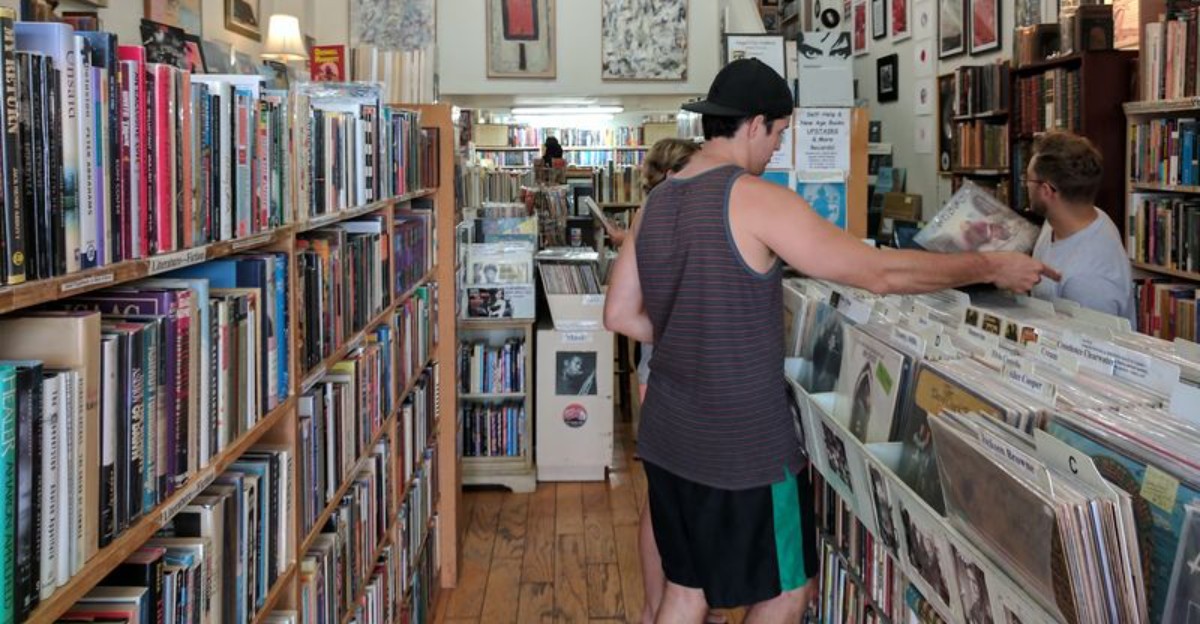
Some shops practically demand a plan. You grab what you came for, pay, and leave. A good bookstore ruins that efficiency in about five minutes.
One shelf catches your attention, another sends you down a completely unrelated rabbit hole, and suddenly the afternoon has developed plans of its own.
Add stacks with a little age on them and the possibility of music hiding nearby, and browsing becomes dangerously easy.
California still has little bookstores where hunting for something unusual feels far more exciting than clicking a search bar.
There is a certain thrill in walking into a compact shop without knowing what will catch your eye first.
Maybe you recognize a title you have not seen in years. Maybe an unfamiliar cover wins you over for no logical reason at all.
And if you are the type who says, “I’m only looking,” good luck with that.
A 1998 Start That Turned Into Santa Monica’s Last Indie Book-And-Record Shop
Very few small shops last more than twenty-five years in a beach city, yet this one has.
Angel City Books & Records opened in 1998 and still operates from the same spot, and the address is 218 Pier Ave, Santa Monica, CA 90405.
The store now describes itself as Santa Monica’s last independent book-and-record store, a description echoed by the LA Times.
Longevity in a place with rising rents usually comes down to a few practical things, and a stable rental situation has been credited as part of the reason the shop is still standing.
That stability matters for visitors, because it means the inventory has had decades to grow rather than being reset every few years.
Older stock, trade-ins, and steady buying build a collection that a newer store simply cannot match.
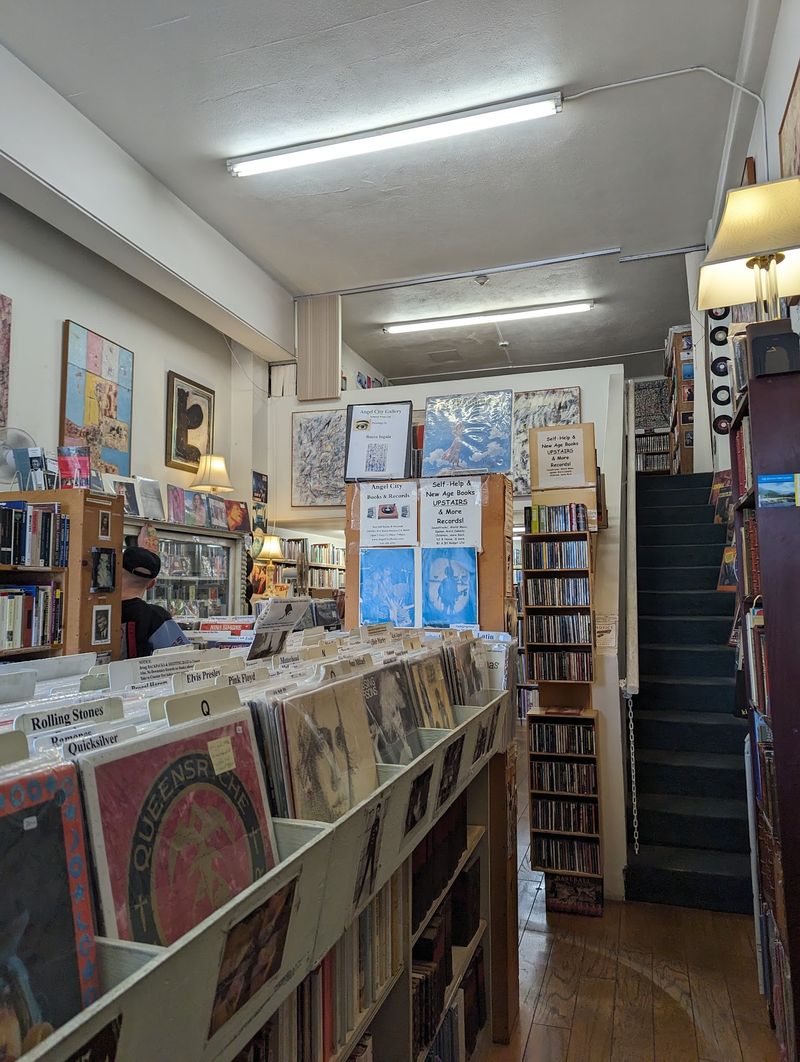
Walking in feels less like entering a chain outlet and more like stepping into a room someone has been arranging for a very long time.
Shelves run high, aisles are narrow, and the layout rewards patience rather than speed.
Visitors who like context will notice the store’s mission is spelled out plainly, focusing on literature, music, art, and classical education.
That focus explains the shape of the shelves better than any sign could.
Pier Avenue Setting Just Off Main Street And Minutes From The Sand
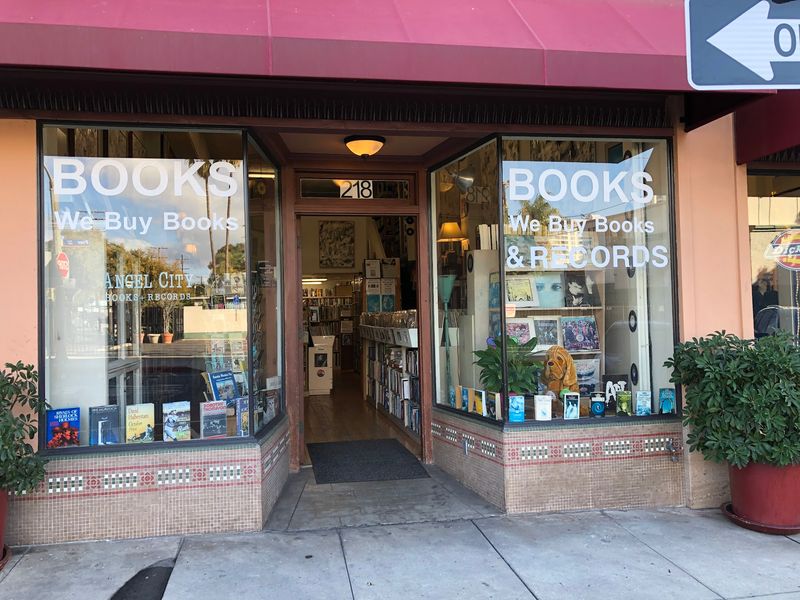
Location does a lot of quiet work here. The shop sits in the Ocean Park neighborhood, just off Main Street and a short distance from the beach, which makes it easy to fold into a larger day.
Pier Avenue is calmer than the main commercial strip, so foot traffic outside stays lighter and the noise level drops noticeably once the door closes.
Walkability is one of the real advantages of the area.
Main Street runs nearby with cafes and shops, and the sand is close enough that many visitors combine browsing with a walk along the shoreline.
Parking in this part of Santa Monica includes street parking, though availability shifts depending on the day, the season, and beach crowds.
Arriving earlier in the opening window tends to make the search easier, and weekends near the coast are generally busier than weekdays.
Comfortable shoes help, since the blocks between the beach and the store are flat and easy to cover on foot.
Anyone driving in from farther away may find it simpler to park once and explore the neighborhood by walking.
Because the shop closes at 5 p.m., the smart move is to visit first and save the beach for afterward.
Books And Records Sharing The Same Small Rooms
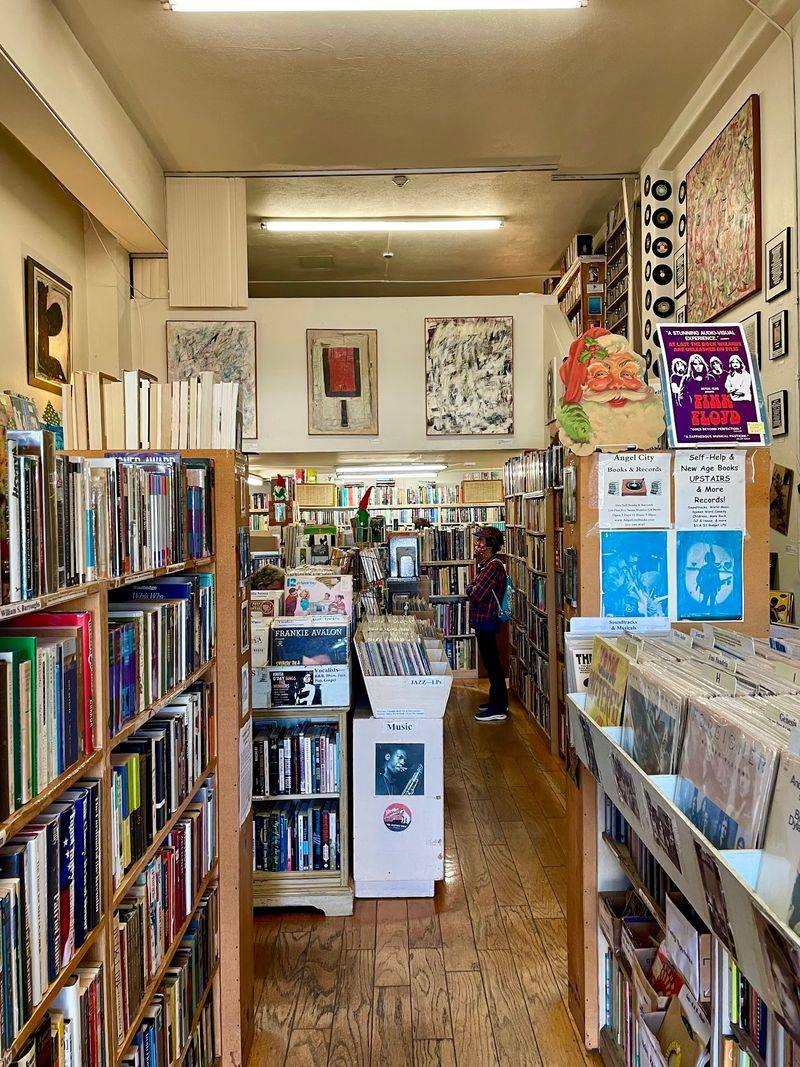
Half the fun sits on the shelves, and the other half sits in the bins.
Books and vinyl records share the space here, along with CDs and movie and music DVDs, which makes the store flexible for groups with different interests.
A reader and a record collector can walk in together and both stay busy for an hour.
The mix also changes how browsing feels.
Flipping through record sleeves uses a different rhythm than scanning book spines, so visitors often drift back and forth between the two instead of working through one section at a time.
Records are stocked both upstairs and downstairs, which spreads the hunt across more than one level.
Space is tight, and that is part of the character rather than a flaw. Shelves are packed, the aisles stay narrow, and sound carries easily in a room this size.
Conversation tends to stay low, so the store works well for solo visits or quiet company rather than lively group outings.
Music usually plays from the shop’s own turntable, and the selection changes when a record ends.
Classic Literature Given Real Shelf Space
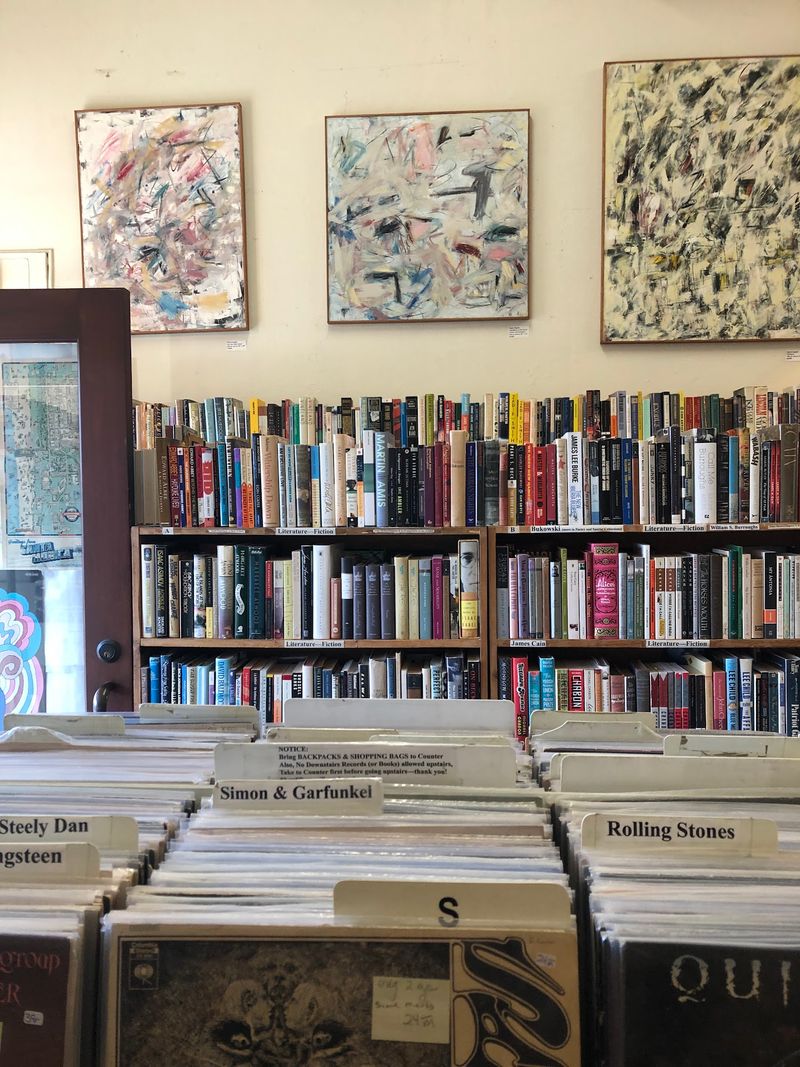
Shoppers looking for the newest beach read may leave empty-handed, and that is by design.
Classic literature holds a serious share of the shelves, with authors including Hemingway, Dostoevsky, Kafka, Joan Didion, and Kerouac represented in the stock.
Poetry and philosophy also get real attention rather than a token shelf.
Depth like that is increasingly rare in general bookstores, where inventory often follows whatever is selling that month.
Here the emphasis stays on work that has stuck around, which means a reader can find several editions of the same title and compare them directly.
Older printings, different cover designs, and varying conditions all sit side by side.
Beyond the classics, sections cover mystery, science fiction, children’s literature, drama, art, photography, film, and history.
Foreign language books, dictionaries, and language guides also appear, which is unusual for a store this size.
A useful approach is to arrive with a loose idea rather than a strict list.
Used inventory changes constantly, so the title someone wants may not be there on a given day, while three unexpected finds might be.
Signed Copies And First Editions Behind Glass
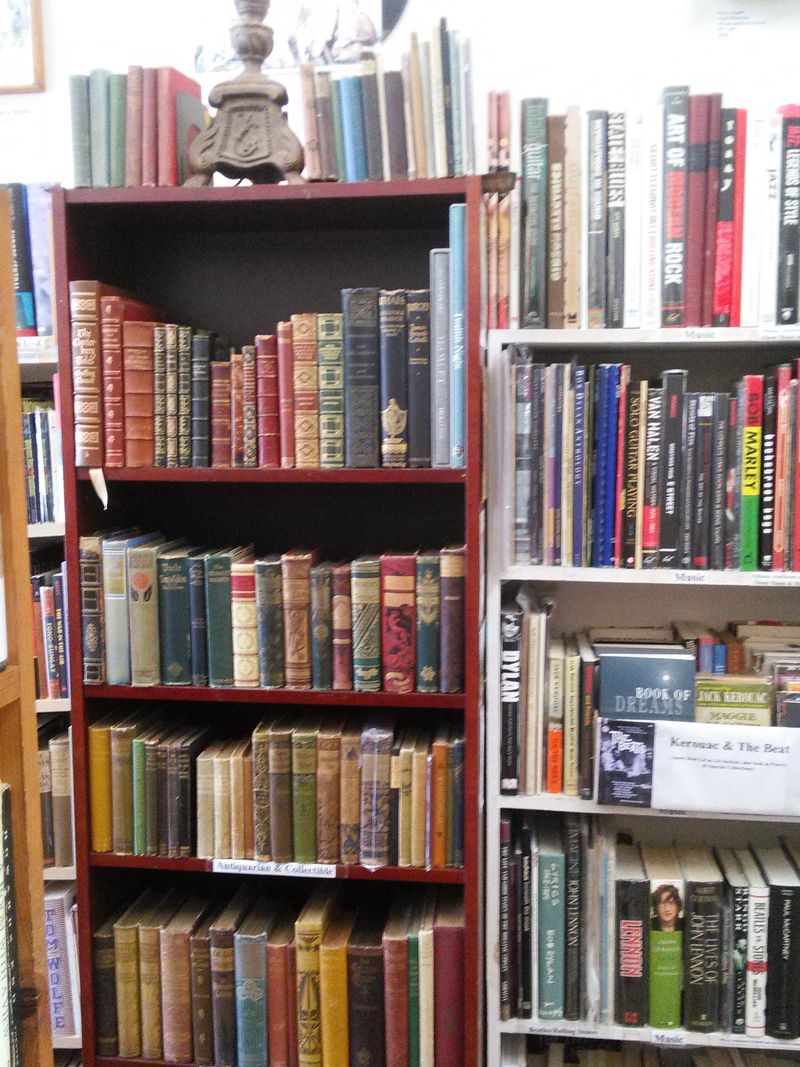
Ask about the special collection and the visit changes character.
Angel City has built a reputation for signed and first editions, and a glass case behind the counter is where those finds are traditionally kept.
Vintage and collectible hardcovers and paperbacks make up a meaningful part of the overall inventory.
Collectible books come with their own learning curve, and doing a little homework before buying is sensible.
Printings, imports, and later editions can look similar at a glance, so checking details on the copyright page is worth the extra minute.
Prices for rare material sit higher than for ordinary used stock, which is normal for this category.
Leather-bound volumes with gold trim have appeared among the more decorative offerings over the years.
Original children’s titles and older printings of well-known stories also turn up, which appeals to people collecting books they grew up with.
Availability shifts as items sell, so nothing should be assumed to be in stock.
The practical advice is simple enough. Ask politely to see the case rather than expecting everything to be on open display, and treat fragile older books gently while handling them.
Vinyl Bins Leaning Toward Classic Rock And Jazz
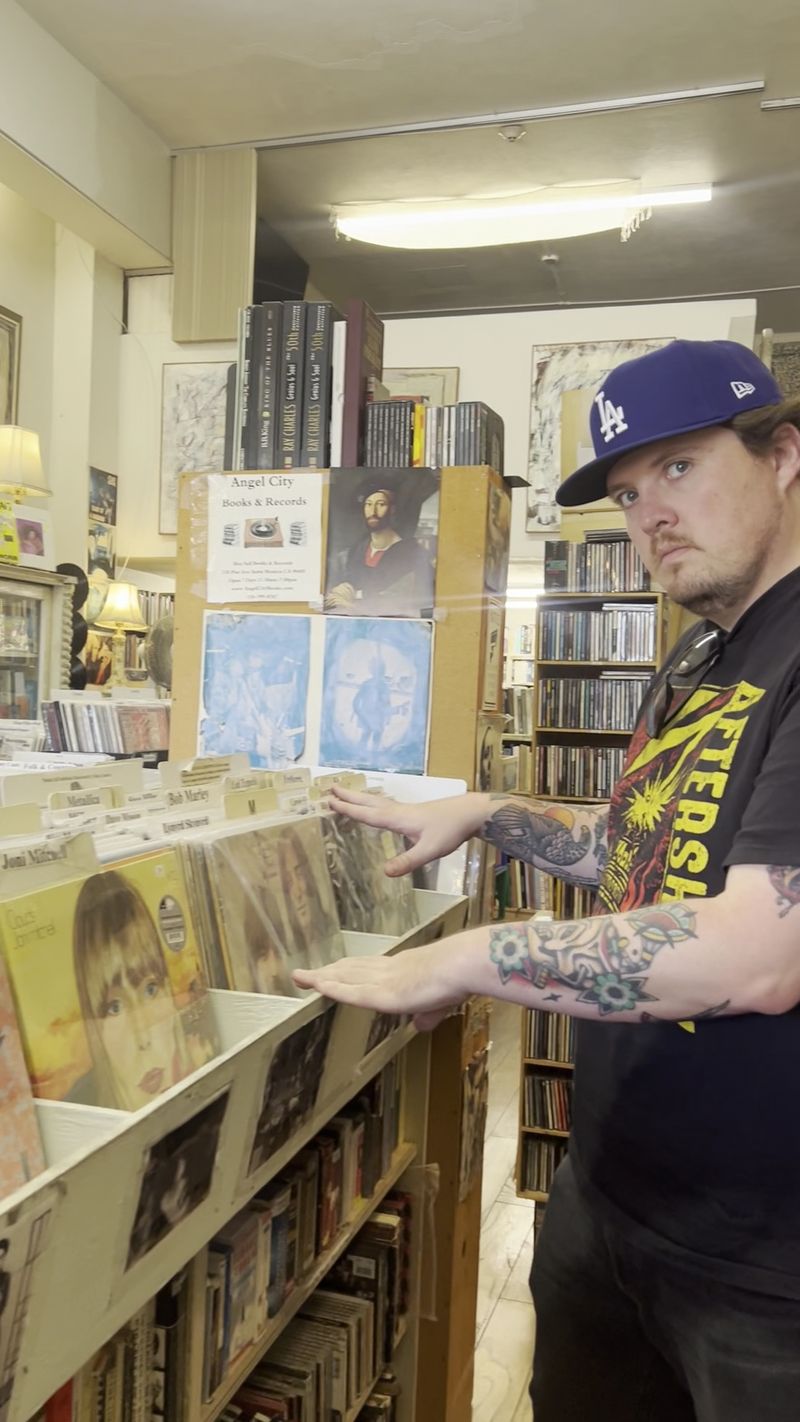
Record collectors tend to find their footing fast in this shop.
Classic rock and jazz anchor the vinyl selection, with artists such as The Beatles, Led Zeppelin, Pink Floyd, Miles Davis, and John Coltrane representing the general territory.
Blues, folk, country, punk, psychedelic, R&B, soul, Motown, and 45s round out the bins.
Condition matters as much as title in used vinyl, and the stock here leans toward records that have been kept in decent shape.
A separate rare and collectible section has existed downstairs, which is where harder-to-find pressings are grouped.
Prices for scarce originals run higher, as they do anywhere that sells them. Flipping through crates is a slow activity by nature, and the store suits it.
Sound levels stay low, the aisles are quiet, and there is no pressure to move quickly through a section.
Records from the 1960s and 1970s show up frequently, though the mix shifts as items sell and new trades come in.
Anyone serious about a particular pressing should inspect the sleeve and label carefully before buying.
Selling Or Trading Records And Books Requires A Phone Call First
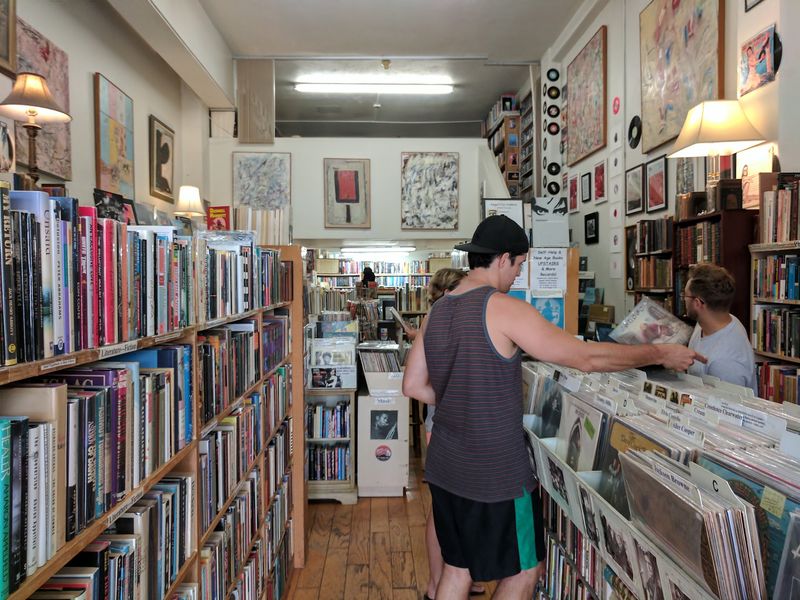
Clearing out a closet full of albums is a common reason people walk in.
Angel City buys and trades selected vinyl records and books, though the shop asks customers to call ahead rather than arriving unannounced with boxes.
The store phone number is listed publicly, and a quick call saves everyone time.
Several factors shape what gets accepted on any given day. Condition, current inventory, available shelf space, and what the shop actually needs all play a role in the decision.
A title that would be welcome one month may already be stocked the next.
Preparing items helps the process go smoothly.
Keeping records in their sleeves, checking for warping or deep scratches, and separating out anything damaged makes the conversation quicker and more realistic.
The same applies to books with water damage or missing pages. Expectations should stay grounded.
Used shops buy at prices that allow them to resell, so offers reflect the store’s costs rather than online asking prices, and not every item will be taken.
Trade credit is sometimes an option worth asking about during the call.
Because hours run only from 11:30 a.m. to 5 p.m., timing the visit during the opening window is important. Tuesdays are closed, so plan around that.
Abstract Paintings Turning The Shop Into A Small Gallery
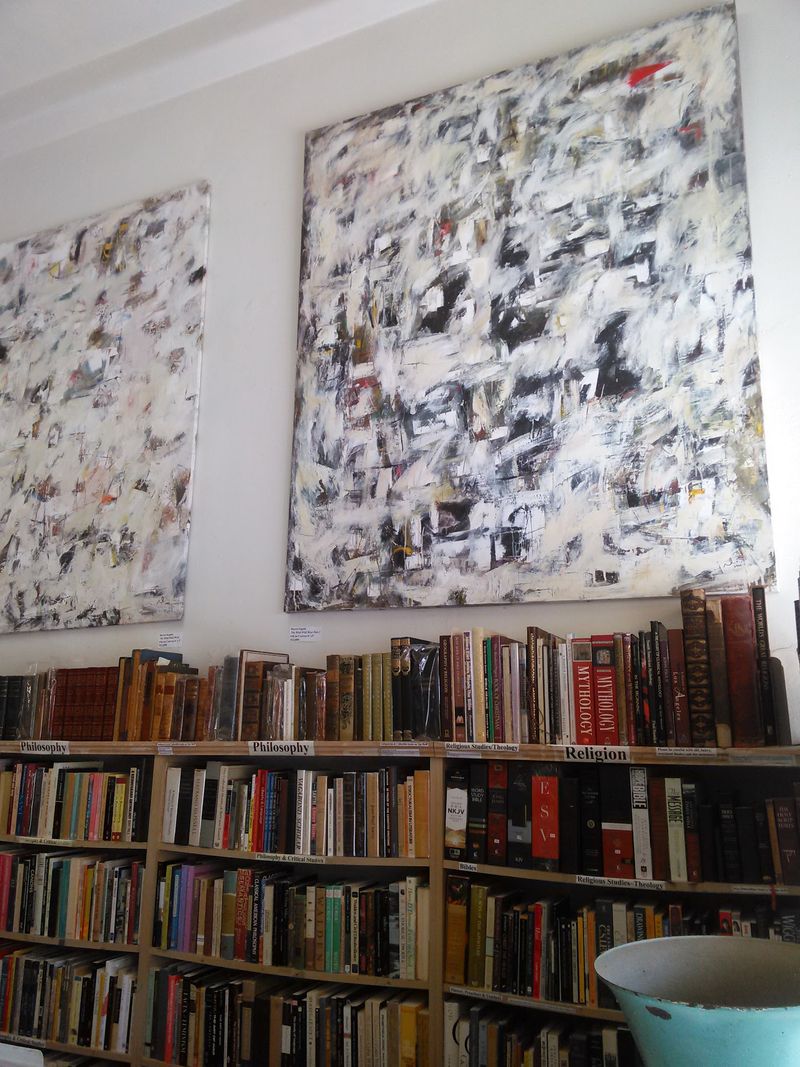
Look up from the shelves and there is art on the walls.
The owner is also a painter, and abstract works hang throughout the space, which operates partly as The Gallery.
Work from local artists has also been part of the stock over the years. Mixing a gallery into a bookstore changes the feel of the room.
Color breaks up the long runs of book spines, and the hanging works give the eye somewhere to rest between sections.
The effect leans closer to a curated room than a standard retail floor.
Art books, photography titles, and film volumes sit naturally alongside the paintings, which makes the pairing feel intentional rather than decorative.
Visitors interested in visual art often spend as much time looking at the walls as at the shelves.
Photography policies vary from shop to shop, so a quick check at the counter is courteous.