10 Delaware Small Towns That Are Ideal For A Relaxed Weekend
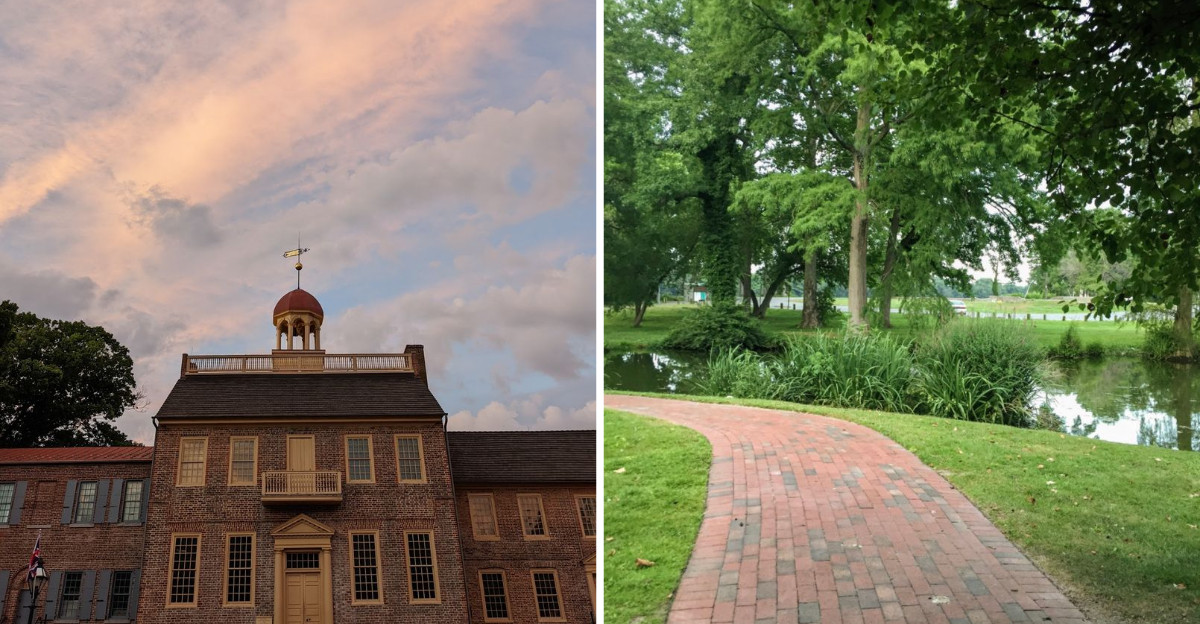
The weekends I enjoy most are usually the ones that leave room for changing plans halfway through.
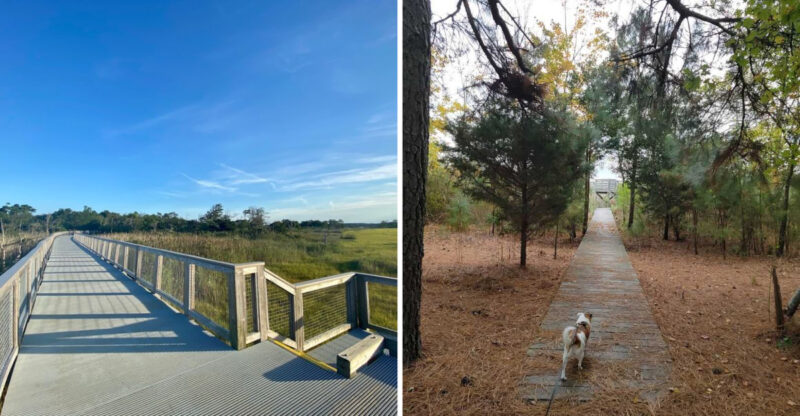
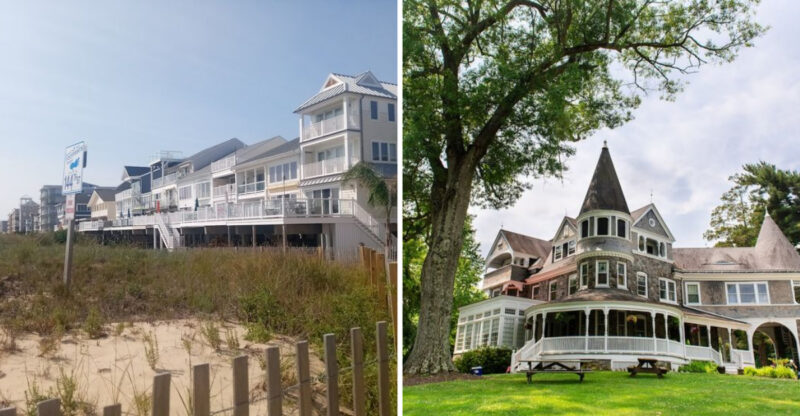
These Delaware small towns can offer waterfront walks, historic streets, gardens, local shops, museums, and quieter scenery without demanding an overpacked schedule.
That sounds far more appealing to me than racing through a checklist.
Some places may suit a slow coastal afternoon, while others lean more toward history or countryside charm.
The variety gives you options without pressure.
If one café turns into a long lunch or one walk takes longer than expected, that is not really a problem. It may be the whole point.
1. Lewes
Two great bodies of water shake hands here, and the whole town seems calmer for it. Sitting where the Delaware Bay meets the Atlantic Ocean, Lewes wears the nickname The First Town in the First State.
Lewes Beach faces Bay, offering a broad sandy shoreline close to downtown. Afterward, roll a bike along the canalfront and watch fishing boats ease past.
History runs deep in this corner of Sussex County. The Zwaanendael Museum traces local history to the 1631 Swanendael colony and also covers the area’s maritime, military, and social past.
Nearby, 1812 Memorial Park keeps real cannons pointed toward the Lewes-Rehoboth Canal. It honors the town’s defense during the War of 1812.
Cape Henlopen State Park deserves a full afternoon of your time. Trails cross the park’s dunes and pine woodlands, while preserved WWII fire-control towers remain prominent reminders of the Fort Miles era.
The National Historic Landmark Lightship Overfalls offers seasonal guided tours above and below deck.
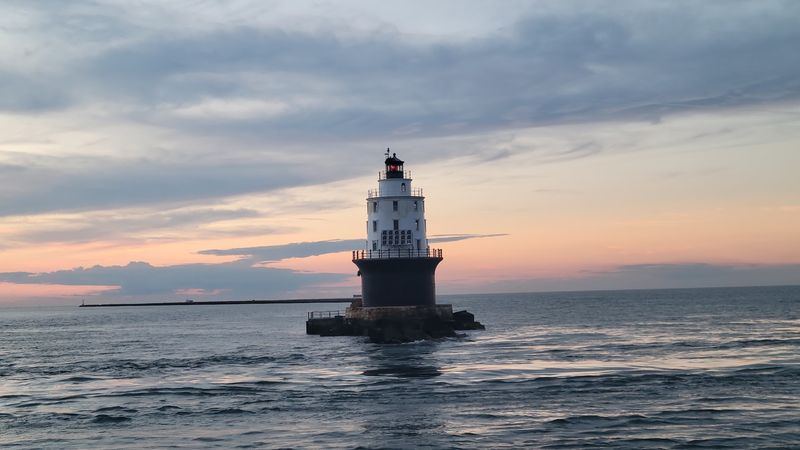
Cape Water Tours offers sunset cruises, including seasonal dolphin-focused trips and lighthouse excursions on Delaware Bay.
Second Street handles the shopping and dining portion of your weekend. Boutiques, antique stores, and easygoing restaurants line the block.
Save time for the Lewes Historical Society Main Campus, where preserved homes bring centuries into focus. Few towns balance shoreline and story quite this gracefully.
2. Milton
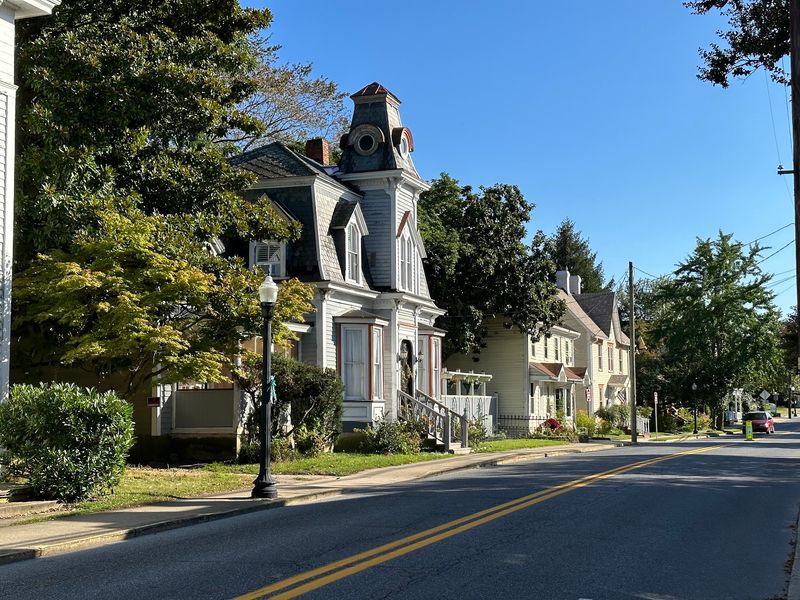
Head inland from the state’s beach towns and Milton offers a slower pace along the Broadkill River.
The Broadkill River slips right through town, softening the edges of the historic streets. The surrounding historic district includes numerous examples of 19th-century residential architecture.
Downtown mixes restored architecture with small shops run by neighbors. The Milton Theatre books performances year round, and summer concerts fill the park with music.
The Milton Historical Society Museum preserves artifacts, documents, photographs, and stories connected with Milton and the Broadkill Hundred.
Nature fans have a genuine prize nearby. Prime Hook National Wildlife Refuge spreads across more than 10,000 acres of marsh and water.
Prime Hook has 7.5 miles of hiking trails, while the eastern section of its canoe trail is currently heavily silted and should not be used. More than 300 bird species have been documented on the refuge.
Abbott’s Mill Nature Center adds more hiking without much driving. Abbott’s Mill Nature Center adds forests, meadows, ponds, wetlands, and nature trails to the area’s outdoor options.
Lavender Fields offers gardens, a labyrinth, seasonal flowers, and a farm shop.
Milton Memorial Park adds riverfront green space, walkways, a gazebo, and access to the Governors Walk waterfront promenade.
Quiet culture and open marshland make this town an easy weekend win.
3. Bethany Beach
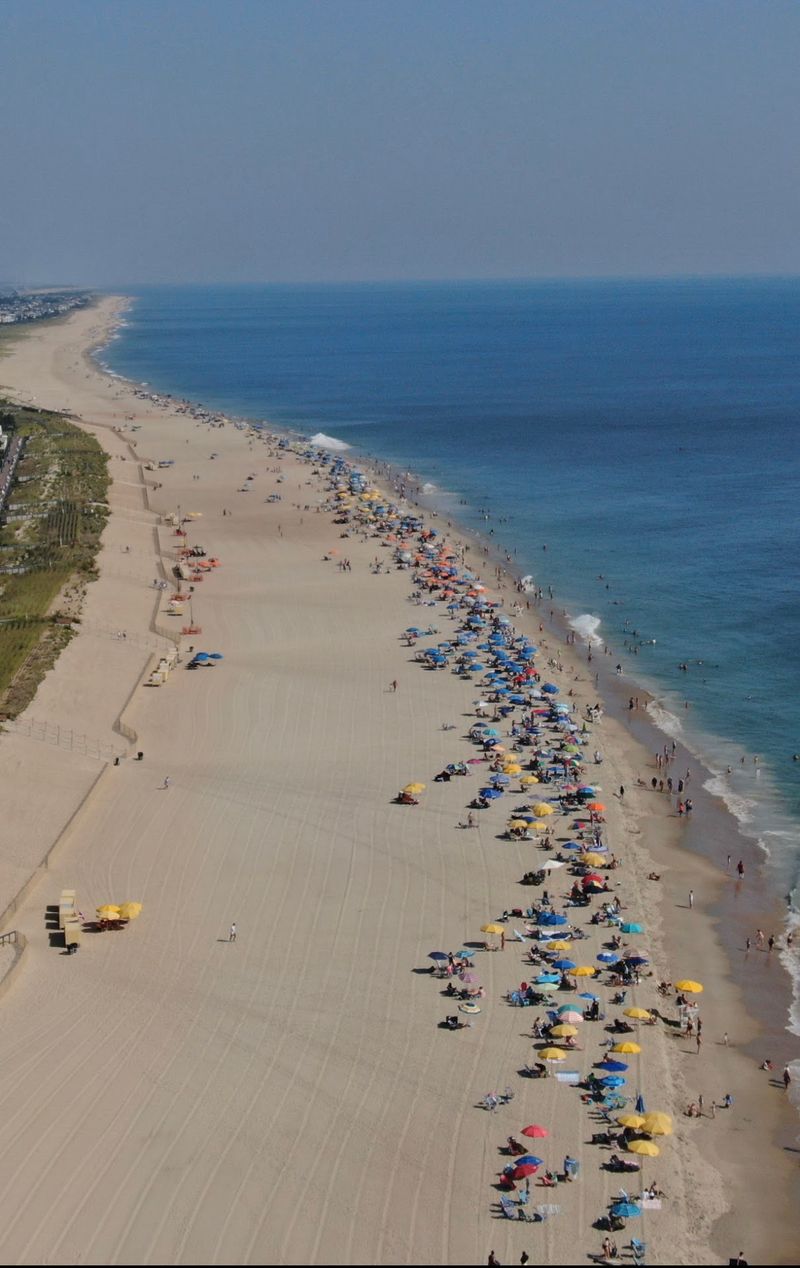
Picture a shoreline where the loudest sound is a seagull arguing with the wind. Known as one of the state’s Quiet Resorts, Bethany Beach built its reputation on calm.
Wide clean sand invites sunbathing, swimming, and serious sandcastle engineering. Lifeguards patrol the beach from Memorial Day weekend through Labor Day, with posted daily hours during that season.
The boardwalk stays charming rather than chaotic. From May 15 through September 30, bicycles are permitted on the boardwalk only between 6 and 9 a.m.
Nature gets equal billing in this beach town. The Bethany Beach Nature Center occupies the historic Addy Cottage, built around 1903, but the building is currently closed for the foreseeable future.
The outdoor Baldwin Trail, playground, native plant garden, pollinator garden, and wetland areas remain accessible while the building is closed.
More than 100 wild bird species use this habitat, along with diamondback terrapins and amphibians. Wildlife sightings vary by season and conditions along the trail.
The short Baldwin Trail crosses wetlands and maritime forest on the Nature Center property.
Families looking for evening fun find mini golf and arcade style entertainment near the boardwalk. Nothing feels rushed or overbuilt.
During summer, town crews mechanically clean the approximately one-mile beach at least three times each week. That matters when you plan a long swimming afternoon.
Come for the sand, stay for the slower clock ticking behind it all.
4. Fenwick Island
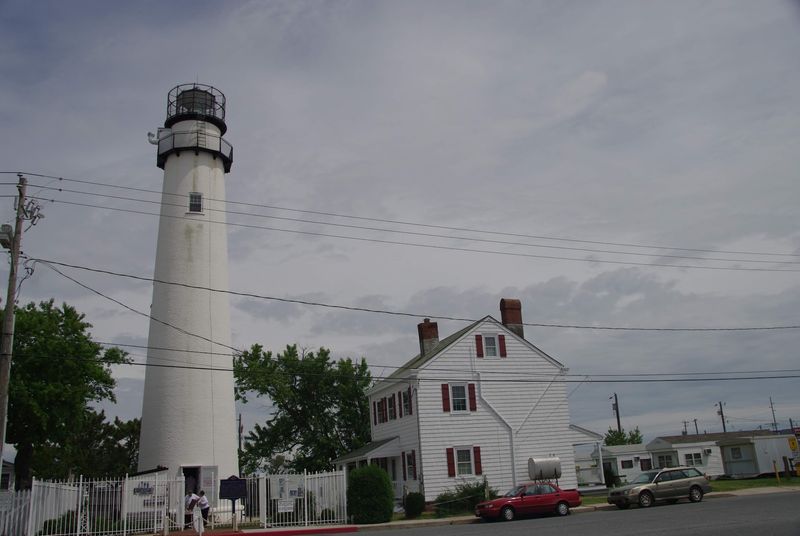
Drive south until this state nearly runs out, then stop. Right at the Maryland border, Fenwick Island keeps an intimate, easygoing mood that bigger resorts lost years ago.
Fenwick Island State Park anchors the outdoor side of a weekend here. Fenwick Island State Park includes about three miles of Atlantic shoreline along with bayside access.
Beachcombing works especially well after a morning tide. Shell hunters tend to lose track of time.
The Little Assawoman Bay side provides sheltered water and access for kayaking and paddleboarding. Kayaks and paddleboards glide easily across those shallow stretches.
Coastal Kayak handles rentals and guided eco tours through the back waterways. Guides point out ospreys, crabs, and marsh grasses along the way.
Fenwick Island Lighthouse dates to 1859 and opens on a seasonal schedule from spring through October, but visitors cannot climb the tower.
Families chasing adrenaline head to Thunder Lagoon Water Park. Slides and mini golf fill an afternoon when the surf turns rough.
Shopping stays refreshingly small scale. The Village of Fenwick Shoppes and the Seaside Country Store both reward slow browsing.
Sunsets over the bay feel like the town’s daily closing ceremony. Bring a folding chair and claim a good angle.
Beaches, paddling, and a lighthouse in one compact stretch make this southern shoreline an easy answer to weekend planning.
5. Delaware City
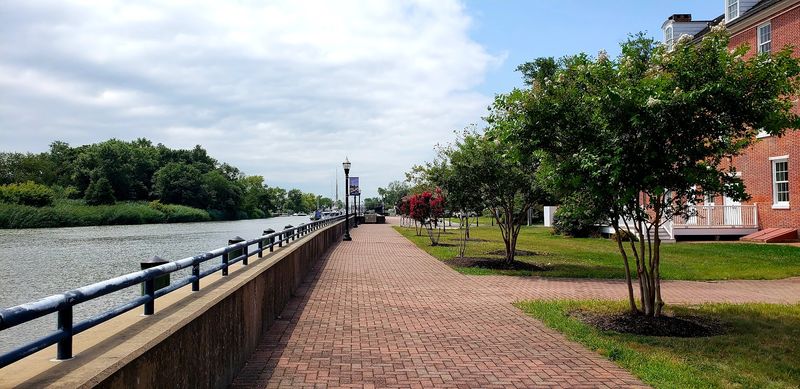
A ferry to a Civil War fort sits at the end of this street. Perched on the Delaware River in New Castle County, Delaware City guards a remarkable waterfront story.
The historic district holds over 200 structures from the 19th and early 20th centuries. Streets near the canal still trace their 1820s layout.
Fort Delaware State Park waits on Pea Patch Island, a short ferry ride away. Costumed reenactors guide tours through the old military prison.
Costumed interpreters portray life at Fort Delaware, and scheduled programs include a live firing of its Civil War-era Columbiad cannon.
Pea Patch Island also supports one of the East Coast’s largest nesting areas for herons, egrets, and ibises.
Back on the mainland, Battery Park delivers the relaxed portion of the day. Paved trails, a fishing pier, and picnic tables face the river.
The Chesapeake and Delaware Canal runs right through the area. Cyclists and kayakers treat it as a personal highway.
Small shops and waterfront dining round out the town’s main stretch. Fort Delaware ferry tickets can be reserved before arrival, while the compact waterfront is easy to explore on foot.
Evenings bring freighters sliding past in the channel, lit like slow moving buildings. History, water views, and a friendly pace share one tidy riverside address.
6. New Castle
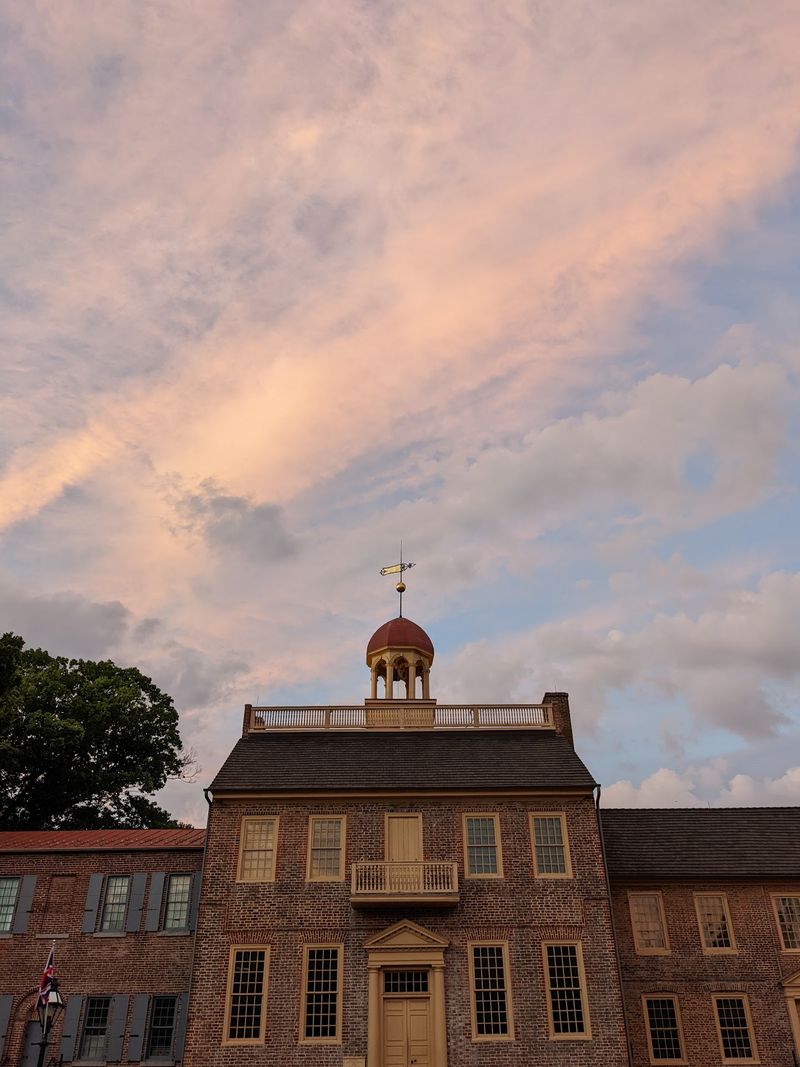
Cobblestones under your sneakers change how you walk, and how you notice things.
Founded by the Dutch in 1651, New Castle preserves a nationally significant historic district centered on its early street plan.
This was the state’s first state capital, and the past never fully left. Brick rowhouses lean toward narrow lanes shaded by old trees.
At the New Castle Court House Museum, the state declared independence in 1776. Guides explain the decision in clear, memorable terms.
The New Castle Court House, New Castle Green, and Sheriff’s House are key components of the First State National Historical Park in the city.
The Amstel House Museum shows Georgian design and ties to the American Revolution. Its colonial revival garden makes a fine shady pause.
The Dutch House dates to roughly 1690–1710 and preserves evidence of early English building traditions with some Netherlandish characteristics.
The Read House was built between 1797 and 1804. Its parterre garden remains open, but portions of the rear gardens are closed during 2026 construction.
The historic Arsenal serves as a visitor center where travelers can get oriented before exploring the surrounding district.
Battery Park opens onto the Delaware River with trails and wide water views. The Jack A. Markell Trail continues all the way toward Wilmington.
Few weekends pack this much foundational American history into such walkable blocks.
7. Odessa
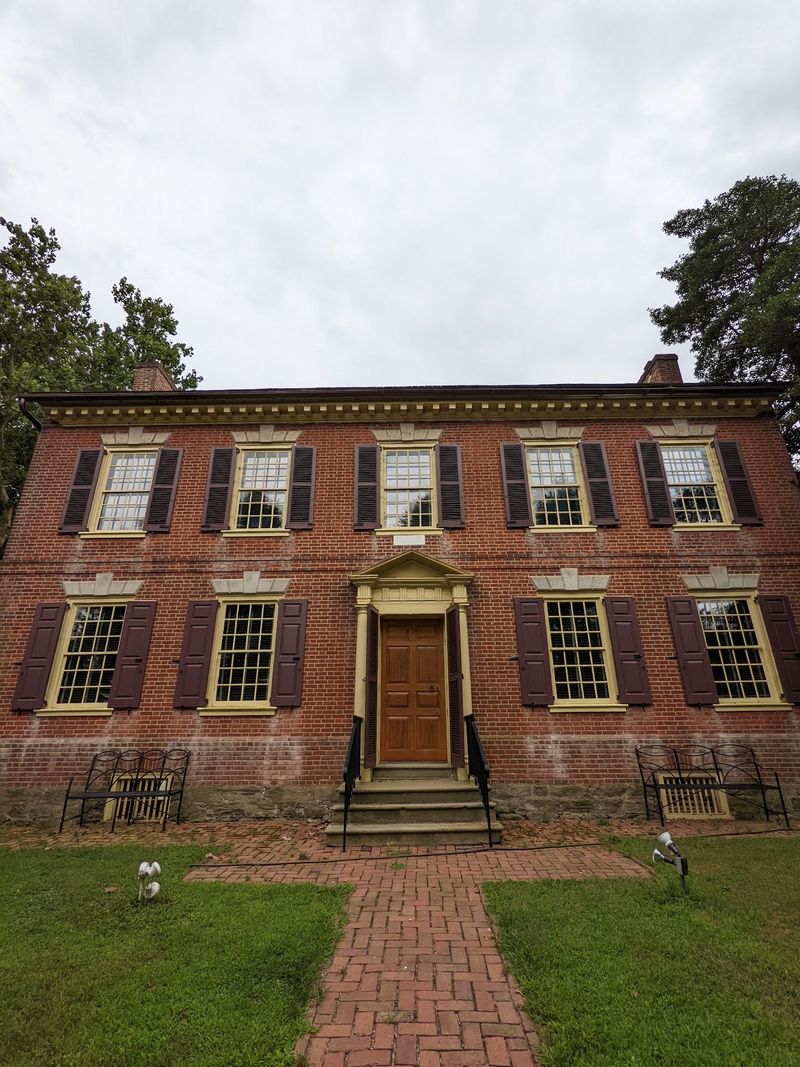
Architecture buffs, prepare to slow your car to a crawl.
Once a busy port known as Cantwell’s Bridge, Odessa preserves an unusually concentrated collection of 18th- and 19th-century architecture.
The Historic Houses of Odessa form the main attraction. Guided tours provide access to three historic house museums and collections interpreting life in the region.
The Corbit-Sharp House carries National Historic Landmark status. Its Philadelphia-Georgian style stands out immediately from the sidewalk.
Next door, the Wilson-Warner House shows how local builders adapted Georgian ideas. Details in the woodwork reward a close look.
The Collins-Sharp House dates to about 1700 and was moved to Odessa in 1962 for preservation. Garden spaces and walking paths connect the historic buildings across the property.
The Collins-Sharp Kitchen Garden grows heirloom plants once used for cooking and medicine. Labels explain each plant’s old purpose.
A one mile walking trail loops the grounds, open dawn until dusk. It suits a post breakfast stretch perfectly.
The historic Odessa Bank was built in 1853 and now serves as the foundation’s visitor center, exhibit area, archives, and administrative offices.
You can find the Historic Odessa Foundation at 201 Main Street, Odessa, DE 19730. Quiet streets and centuries of craftsmanship make this village a restorative pause.
8. Smyrna
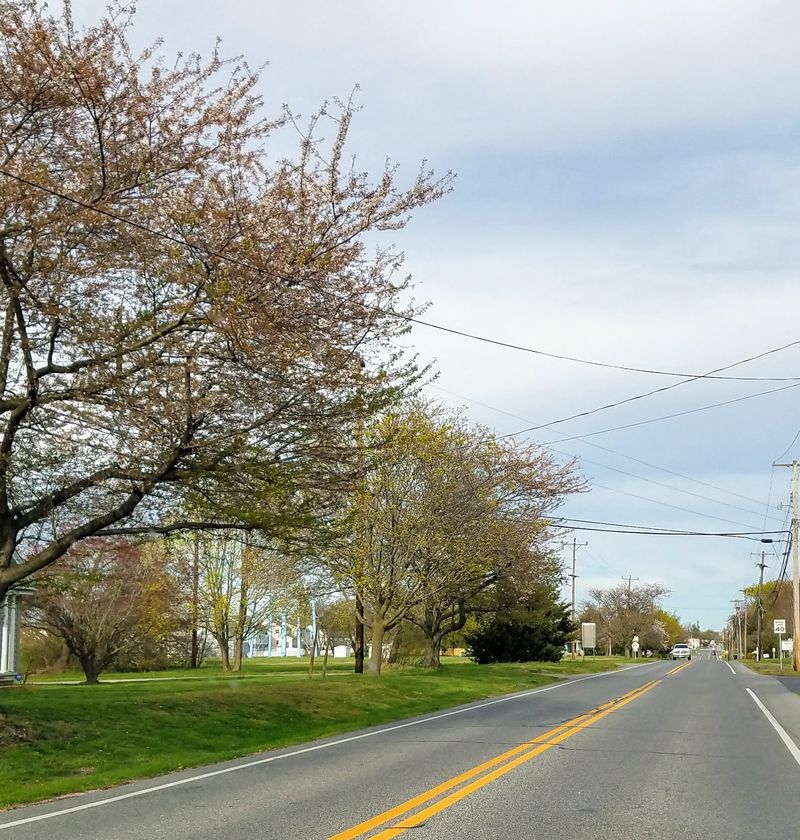
Sixteen thousand acres of protected marsh sit minutes from a historic main street.
Spread across Kent and New Castle counties, Smyrna blends small town character with serious natural space.
Smyrna’s National Register Historic District originally surveyed 481 structures across roughly 138 acres, although some have since been demolished.
The Smyrna Museum Complex uses the historic Barracks and restored Plank House to interpret changing local architecture and life from the early Federal through late Victorian periods.
Bombay Hook National Wildlife Refuge is the outdoor headliner. Tidal salt marsh and freshwater impoundments protect huge numbers of migrating birds.
A 12 mile wildlife drive lets you explore without leaving your car. Observation towers give you the elevated view birders crave.
Snow geese arrive by the thousands in colder months. The sound alone is worth the early wake up.
The Allee House dates to the 18th century but is currently closed to the public until further notice for structural repairs.
Blackbird State Forest offers about 40 miles of trails for hiking, running, bicycling, horseback riding, and other outdoor recreation.
Lake Como handles boating and fishing, with a sandy beachfront for lounging. Heritage and habitat share the schedule here, and neither one feels rushed.
9. Laurel
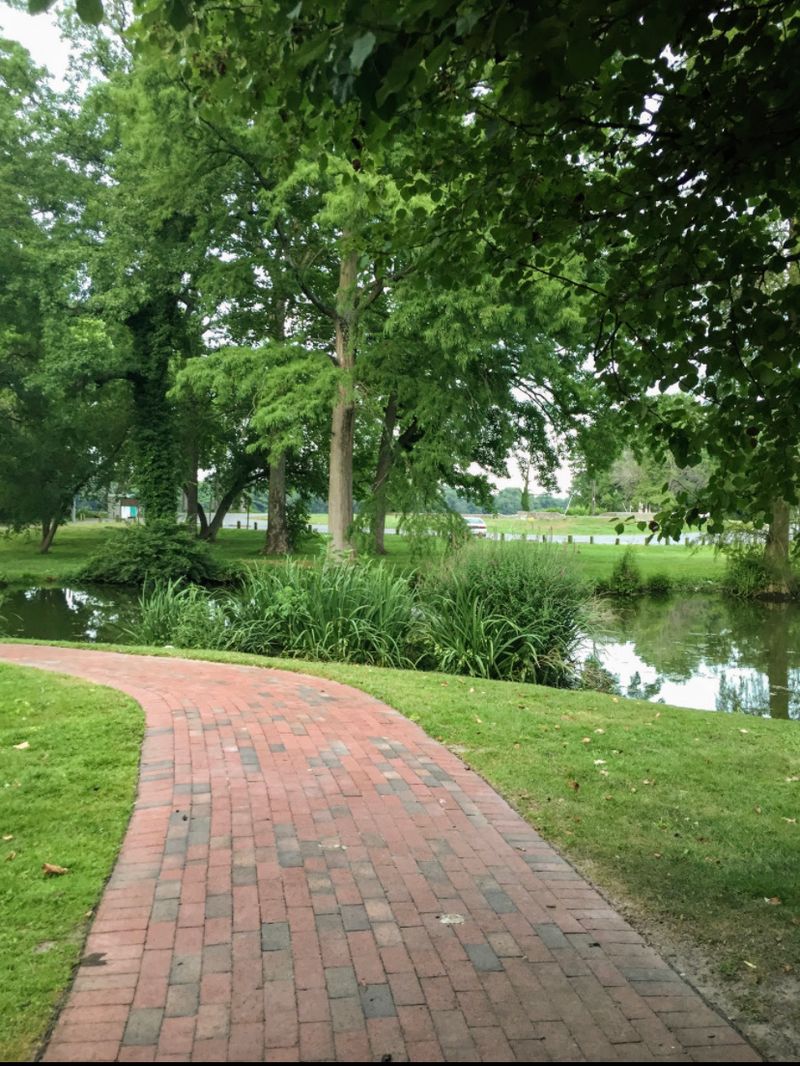
Bald cypress trees growing this far north surprise almost everyone. Along Broad Creek in Sussex County, Laurel pairs that natural oddity with deep colonial roots dating to 1683.
The town once ranked among the state’s wealthiest, powered by mills and busy shops. Traces of that prosperity still line the streets.
Trap Pond State Park protects the northernmost baldcypress stand in the continental United States. Paddling between those trunks is unforgettable.
Land trails circle the water for hikers who prefer dry shoes. Water tours and hayrides run during warmer months.
Birdwatching is a regular activity at Trap Pond, where visitors may encounter herons, owls, hummingbirds, warblers, bald eagles, and pileated woodpeckers.
The Laurel Heritage Museum occupies the restored former train station and houses historical objects, documents, and an extensive photographic collection.
Phillips Landing has a monument commemorating Captain John Smith’s exploration of the Nanticoke River and his meeting with Nanticoke leaders.
Old Christ Church, begun in 1771, retains exceptionally high levels of historic integrity and original interior details.
The historic district sprawls generously, showing 19th century charm and Queen Anne details on porch after porch.
The museum currently opens on the first Sunday of each month from May through November, with special tours available by advance arrangement.
Cypress water and centuries old streets make one memorable weekend pairing.
10. Bridgeville
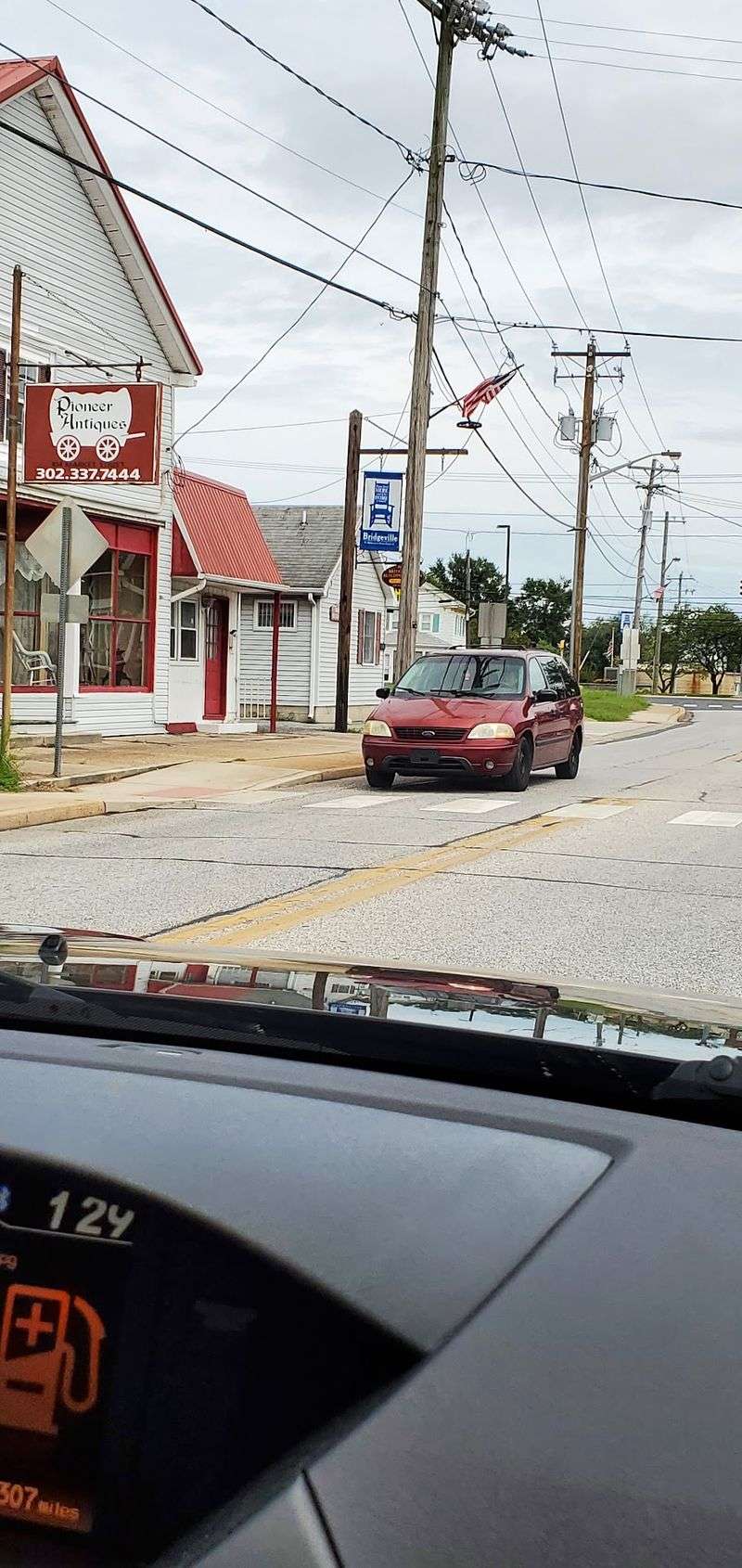
Farm stands and antique booths may be the most relaxing combination in Sussex County.
As one of the oldest surviving communities in western Sussex County, Bridgeville traces its early development to settlement along Bridge Branch in the 1680s.
Downtown retains older streetscapes tied to the town’s long history as an agricultural community.
Antique Alley covers more than 20,000 square feet with over 125 booths representing about 70 dealers.
Treasure hunting here works best without a strict shopping list. Something odd always catches your eye.
At the Bridgeville Historical Society Museum, the town’s agricultural and railroad past comes into focus. Photographs show how trains shaped the local economy.
Paddlers and anglers head toward nearby Hearns Pond in Seaford. Calm water makes for an easy morning outing.
Orchard Point Market is part of the 118-year-old T.S. Smith and Sons family farm and the state’s oldest apple orchard, with fresh produce and seasonal farm products available at the market.
The annual Apple-Scrapple Festival brings live entertainment, hundreds of crafters and vendors, a carnival, food stands, contests, and other community events to town.
In 2026, the main festival runs October 9 and 10, so travelers seeking a quieter weekend may prefer another date.
For town information, the Bridgeville Town Hall sits at 101 North Main Street, Bridgeville. Fresh produce and vintage finds close out this list on a sweet note.