This Connecticut City Ranks Among The Best Places In America For Gen Z
Rankings can produce some pretty unexpected winners, especially when the conversation turns to where younger adults might actually enjoy building a life.
Connecticut might not be the first state Gen Z considers, but one of its cities ranks surprisingly well among America’s best options.
That immediately raises an interesting question. What is helping it compete with places that get far more attention from twenty-somethings?
The answer goes beyond having trendy spots or looking good on social media. Younger adults have practical concerns too, and a city needs to offer more than entertainment before it starts looking like a serious place to settle.
That makes this ranking worth a closer look. It challenges some assumptions about where Gen Z is gravitating and puts an often overlooked city into a very different conversation.
Maybe the biggest surprise is not that it made the list. It is how easily this city can be underestimated before you see what the numbers say.
1. A Capital City With Plenty Of Energy
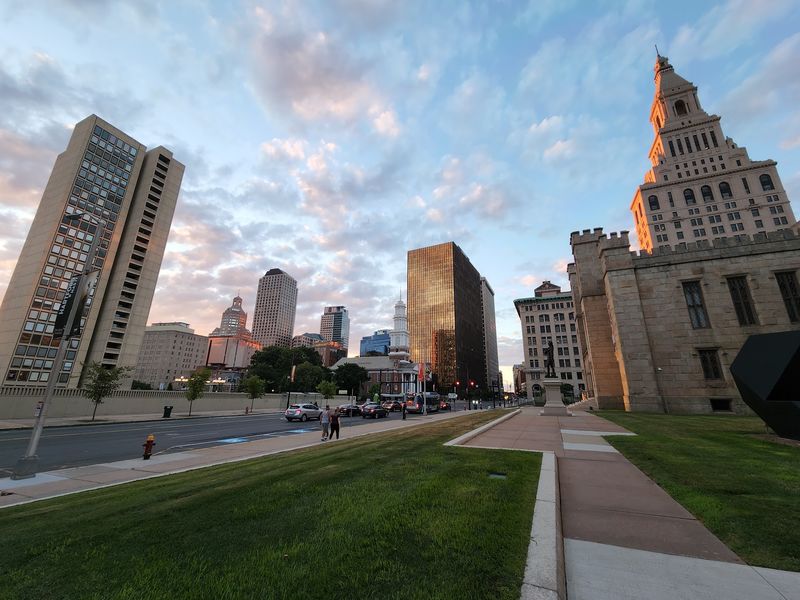
Small city, big résumé. Hartford packs more into its footprint than you might expect.
The state capital combines major employers with museums, performance venues, historic attractions, and colleges throughout the surrounding metro area. That mix gives younger residents access to career opportunities without requiring life in a much larger city.
Hartford also earned national recognition for livability. U.S.
News & World Report ranked the Hartford metro area No. 56 among 150 metropolitan areas in its 2023-2024 Best Places to Live list, weighing factors such as quality of life, value, desirability, and the job market.
The city’s long connection to the insurance industry remains a major part of its economy, while government and education add other employment possibilities. Cultural attractions give life outside work some variety too, including museums, theaters, and historic sites.
Affordability is more complicated than it first appears. Housing prices may look modest beside some larger Northeast cities, but U.S.
News later ranked Hartford poorly for housing affordability relative to local incomes.
Still, its compact scale gives Hartford a different rhythm from sprawling metropolitan areas.
For younger adults interested in city amenities without an enormous urban footprint, that combination can make the capital worth a closer look.
2. The Connecticut River Runs Along Its Edge
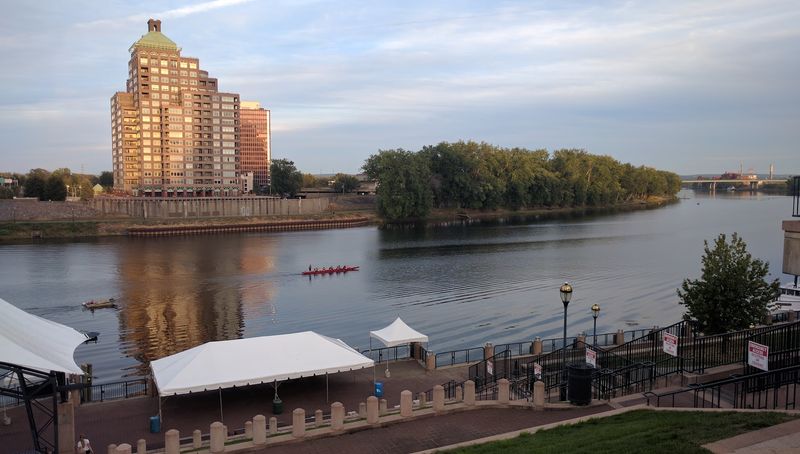
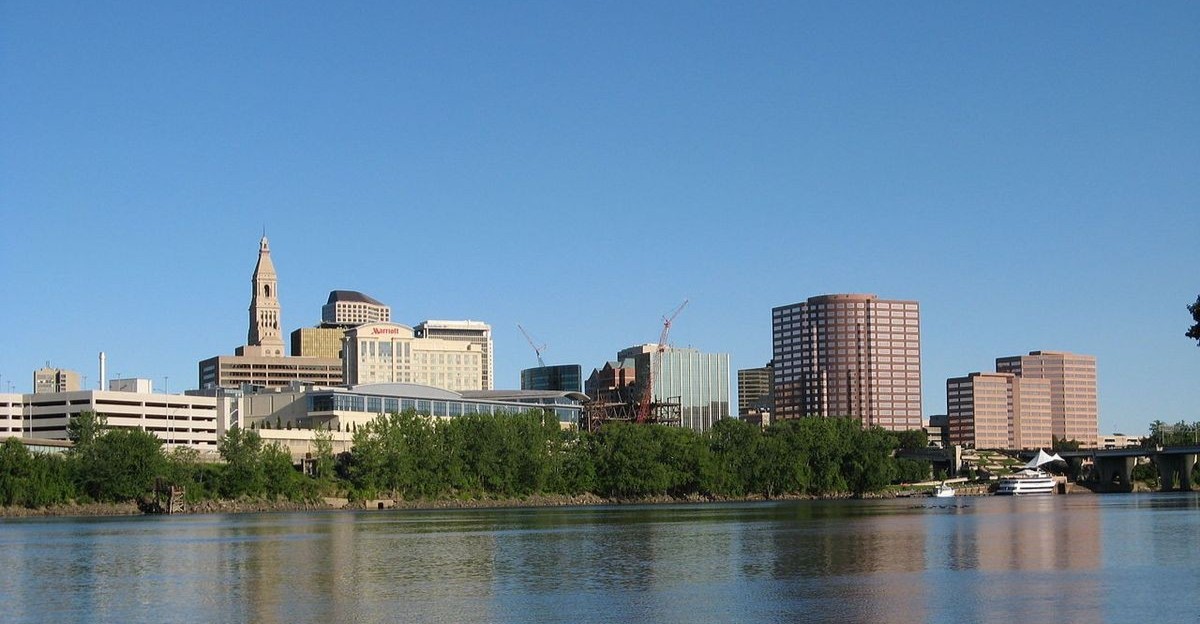
Water changes the mood of a city, and Hartford has a big one running right along its eastern edge. The Connecticut River forms the boundary here, and Riverfront Recapture has spent decades turning the banks into four public parks linked by riverwalks.
Riverside Park is the lively one, with a boathouse, picnic areas, trails, cricket facilities, and direct access for fishing and boating. It draws rowers at sunrise and families by the afternoon.
Cross to the East Hartford side and Great River Park stretches close to two miles with a paved, lighted Riverwalk. The views back toward the Hartford skyline are the kind you end up photographing more than once.
Getting there on foot is easier than people expect. The Founders Bridge Promenade and the Charter Oak Bridge both allow pedestrians to move between the two sides without a car.
For anyone curious about the river itself, the Connecticut River Museum offers exhibits and river cruises that explain the waterway’s history and ecology.
What makes all of this valuable for younger residents is simple: free outdoor space, no membership required, and a place to reset after a long week of work or classes.
3. Downtown Brings Young People Into The Mix
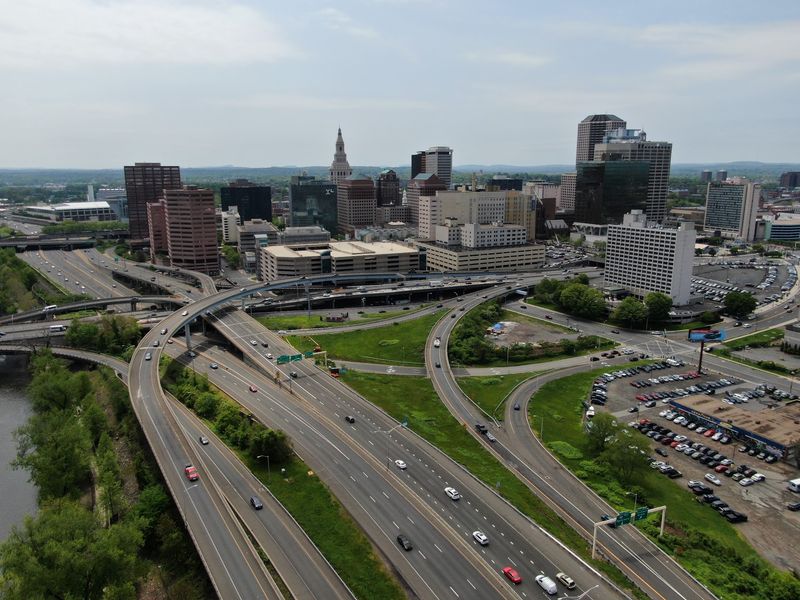
Downtown has a lot going on. Better yet, much of it is close together.
As Hartford’s business and cultural center, the neighborhood puts apartments, restaurants, entertainment, and major workplaces within a relatively compact area.
Housing includes newer apartment buildings alongside converted historic properties, giving renters several styles to consider.
Work is a big part of downtown’s appeal. Travelers maintains its headquarters in Hartford, while Nassau Financial Group also has a significant presence in the city.
For young professionals starting careers in insurance, finance, government, or related fields, having major employers nearby can make daily life considerably easier.
Meeting people after moving somewhere new is another story. HYPE, Hartford Young Professionals and Entrepreneurs, helps bridge that gap through professional development, networking events, volunteer opportunities, and social activities geared toward younger adults.
The city also supports youth employment and career-development initiatives, creating opportunities to gain work experience and build professional skills.
Outside the office, downtown offers theaters, events, restaurants, and cultural attractions without requiring a long trip across town. Some destinations are close enough together to make exploring on foot practical.
That combination gives the neighborhood more than weekday office energy.
For someone starting a career and hoping to build a social circle at the same time, downtown can make both feel surprisingly connected.
4. Arts And Culture Add Plenty To Explore
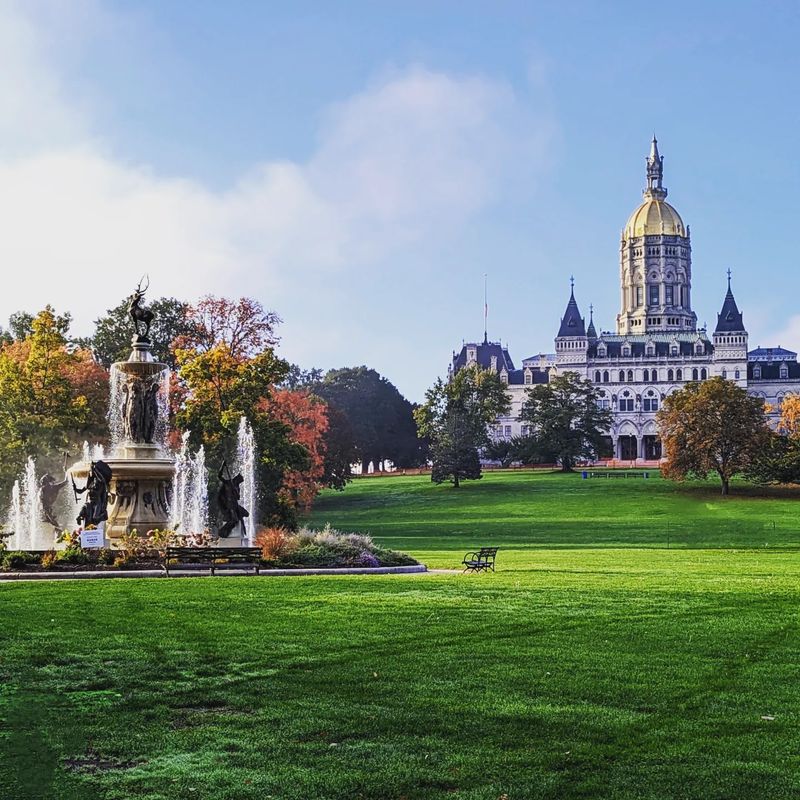
Hartford has serious art credentials. One fact proves it fast.
The Wadsworth Atheneum Museum of Art is the oldest continuously operating public art museum in the United States, with a collection of nearly 50,000 works covering roughly 5,000 years.
Hartford residents can also receive free general admission through the museum’s Wadsworth Welcome program.
The performing arts scene reaches well beyond one stage. Broadway tours and major productions appear at The Bushnell, while Hartford Stage and TheaterWorks Hartford bring additional professional theater to the city.
Things get more experimental at Real Art Ways, an arts organization known for contemporary visual art, independent cinema, performances, and creative events. Sea Tea Comedy Theater adds improv and live comedy to the mix, along with classes for people tempted to get onstage themselves.
Literary history has an equally strong presence. The Mark Twain House & Museum preserves the home where Twain wrote some of his most famous books, while the nearby Harriet Beecher Stowe Center explores the author’s life and influence.
Interactive exhibits at the Connecticut Science Center offer another completely different experience.
Bushnell Park adds outdoor events and performances, including the long-running Paul Brown Monday Night Jazz series.
For a relatively compact capital city, Hartford leaves surprisingly little room for boredom.
5. Coffee Shops Give Neighborhoods More Buzz
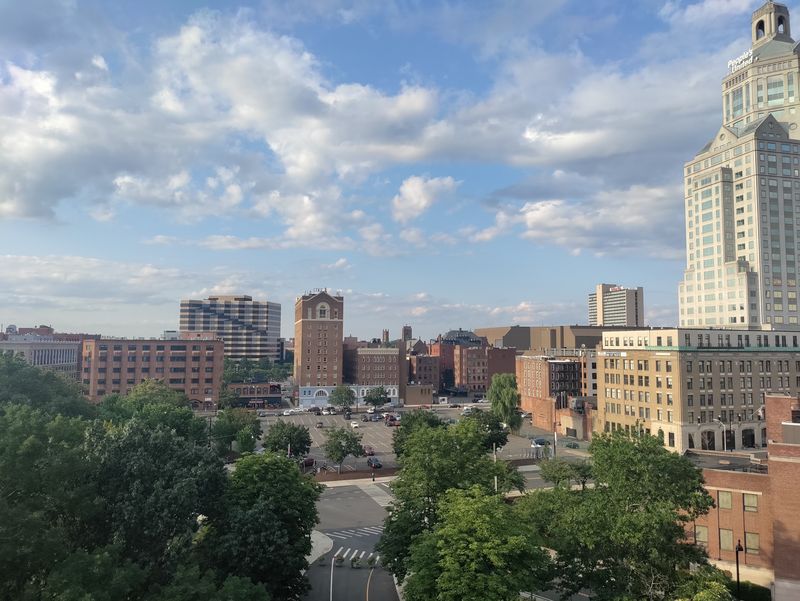
Coffee shops do a lot of quiet work in a city. They become the place you study, take a call, meet a friend, or just sit for an hour without anyone rushing you out.
Story and Soil has been serving that role since 2017 from its spot at 387 Capitol Ave, Hartford, CT 06106, and the independently owned shop has earned recognition well beyond the state for its drinks and its inclusive atmosphere.
Semilla has picked up the nickname Hartford’s living room, and it lives up to it with soft couches and a menu carrying West Indian and Caribbean flavors. The shop also keeps free art supplies on hand for local creatives and hosts community events like karaoke.
On Main Street, Cafe Amore brings a brighter, more open feel with specialty pastries and inventive drinks such as tiramisu lattes. DoNo Cafe, also on Main Street, is known for its look as much as its lattes, plus mocktails, smoothies, and avocado toast.
Victus Coffee at 777 Main St. handles the artisanal end of things with carefully roasted beans.
There is even a mobile option in Hasta Luego, a mint-colored, Latine-owned coffee truck serving heritage-inspired drinks at festivals around the city.
6. Parks Offer Easy Breaks From City Life

Green space in Hartford is not an afterthought. Bushnell Park, sitting right downtown, holds the title of oldest publicly funded park in the United States, and it still earns its keep with a historic carousel, a large fountain, monuments, and a performance pavilion.
City events land here constantly, which makes it an easy default meeting spot.
Elizabeth Park, established in 1897, is the horticultural showpiece. Its rose garden, opened in 1904, was the first public one in the country, and the grounds also include tennis and basketball courts, ball fields, a playground, and walking paths.
Colt Park brings High Victorian Gothic design together with playscapes, a swimming pool, splash pads, sports fields, and historic structures. Keney Park ranks among New England’s largest public parks and offers a golf course, fishing, and a sustainability project focused on environmental education.
Riverside Park delivers the waterfront version with a boathouse, boat launch, picnic areas, trails, and playgrounds. Goodwin Park adds an 18-hole championship golf course, walking trails, an Olympic-size pool, and picnic areas.
The city’s Love Your Block program funds resident-led projects that add murals, gardens, and landscaping to neighborhoods, meaning the green and colorful parts of Hartford keep growing from the ground up.
7. Historic Streets Meet Modern Hangouts
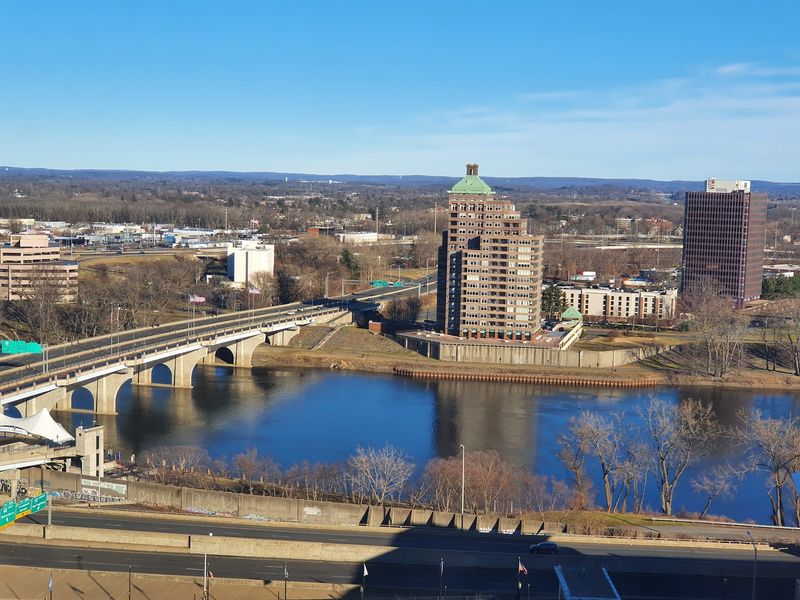
Walk a few blocks in Hartford and the centuries start layering. As one of America’s oldest cities, it carries architecture from the Colonial and Victorian eras in neighborhoods that never lost their original bones.
Landmarks anchor that story, from the Mark Twain House to the Harriet Beecher Stowe Center to Connecticut’s Old State House.
Asylum Hill shows how the past and present can share a block. Rehabilitated Queen Annes and stately brick Victorians sit close to downtown and to major employers, which appeals to anyone who wants character without a long commute.
Downtown pulls the same trick differently, pairing modern high-rise apartments with historic theaters and cultural venues.
Frog Hollow has its own distinct feel, with historic brownstones and bold murals reflecting a strong community identity. New businesses and housing keep arriving there without erasing what was already good.
A nearly $22-million housing and retail project along Main Street is working to connect downtown with the North End, and it includes renovating 19th-century buildings rather than replacing them.
That approach matters. Hartford is not trying to look brand new, and the mix of old brick and fresh storefronts gives the city a texture younger residents tend to appreciate.
8. A Growing Creative Scene Keeps Things Moving
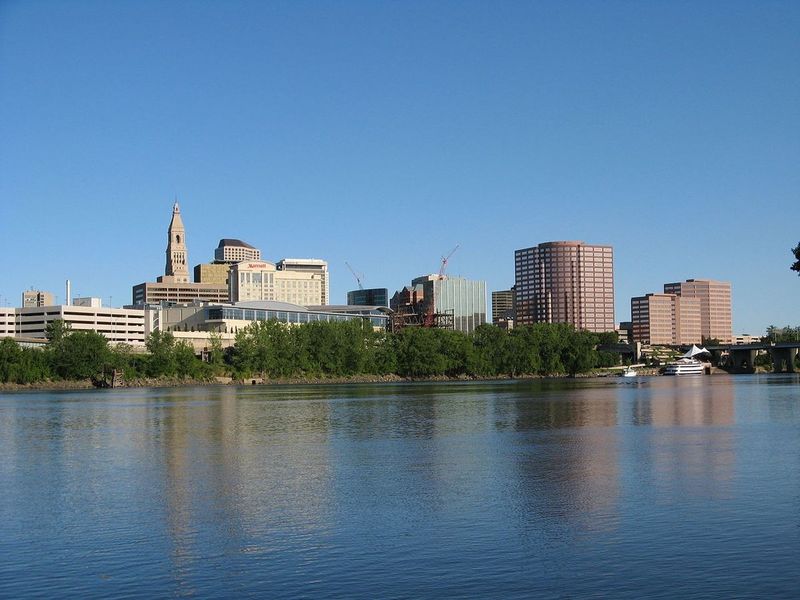
Creativity in Hartford is less about one flashy district and more about many small engines running at once. Downtown has attracted a growing number of startups, and that influx of young talent feeds everything around it.
Real Art Ways sits near the center of the artistic side, presenting contemporary artists while also generating jobs within the creative sector.
Parkville Sounds contributes to the music and arts landscape, and citywide programs like Love Your Block fund beautification work and public art installations that residents themselves propose and lead.
Murals and gardens created that way tend to stick, because the people who made them live right there.
Smaller gestures count as well. Semilla hands out free art supplies to local creatives, which is a genuinely low-barrier way to encourage someone to start making things.
The Hartford Dance Collective performs around the city and offers open adult movement classes, so participation does not require a professional background.
On the technical side, the Connecticut Science Center supports STEM learning that feeds innovation and problem-solving. HYPE keeps connecting young professionals across industries through events and collaborative projects.
Put all of it together and Hartford reads as a city where trying something new does not require permission or a huge budget.